← Más de uno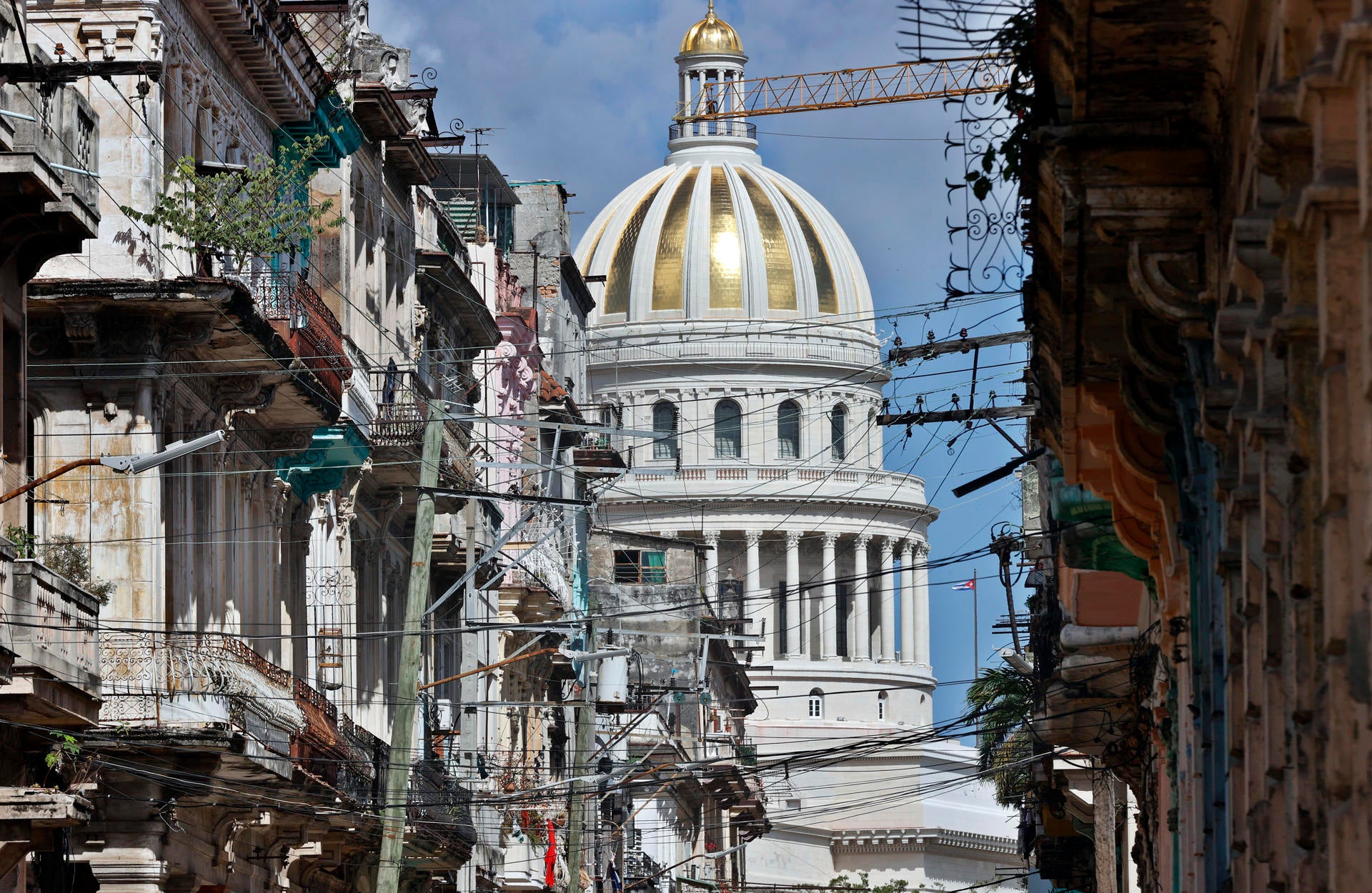
Más de uno
La penúltima encrucijada a la que se enfrenta Cuba
00:03:26
La isla se encuentra en una situación límite después de que Estados Unidos cerrase su suministro de petróleo procedente de Venezuela tras el secuestro de Nicolás Maduro.
Loading summary
Transcript8 lines
- [00:03]
Marcos González
6.44, 5.44 en Canarias. Cuba está en situación límite una vez más. Esto puede que no suene novedoso, aunque esta vez la crisis social se extiende por la isla ante la falta de combustible, la ausencia de servicio, sin transporte público y con apagones eléctricos que ya no son la excepción, sino la norma. Muchos recuerdan la situación que se vivió en los 90 durante el llamado periodo Especial, cuando la desaparición de la URSS golpeó con toda su crudeza al país, cerrando el grifo del crudo y y hundiendo su actividad económica y comercial. El hastío social ha prendido entre los cubanos, mientras el eterno enemigo imperialista, ahora con RAM en la Casa Blanca, sigue mandando mensajes sobre una no muy lejana caída del régimen. Hoy en la versión extendida Cuba en su penúltima encrucijada. La firma es de nuestro corresponsal en Iberoamérica, Marcos González.
- [00:57]
Cuban Citizen
Soy campesino y vengo del monte.
- [01:00]
Narrator/Reporter
La música con la que la mayoría de los cubanos han recibido históricamente al los turistas en su país está desapareciendo poco a poco porque ese turismo, una de las principales fuentes de ingresos de la isla, también está cayendo en picado en las calles de La Habana y muchas otras ciudades. Esa música está siendo sustituida cada vez más por otros sonidos, Cacerolazos cada vez más frecuentes a cargo de cubanos hartos de una pobreza crónica y apagones diarios que pueden dejarles hasta 20 horas sin luz al día. Una precariedad que ya existía pero que se ha agudizado desde que Estados Unidos capturó a Nicolás Maduro y Donald Trump cortó el envío de petróleo venezolano a la isla. Quiere, dice, presionar a sus autoridades para que renuncien, pero también está poniendo al límite a su población.
- [01:51]
Cuban Citizen
¿Qué derecho tiene un emperador? ¿Qué derecho tiENE un imperio? Nosotros, incluso en medio de toda esta agresión y del bloqueo de todos estos años, hemos dicho que tenemos capacidad y disposición para dialogar con el gobierno de Estados Unidos. Lo que pasa que el diálogo no puede ser bajo presión.
- [02:03]
Narrator/Reporter
El presidente Miguel Díaz Canel decía hace unas semanas incluso estar dispuesto a dialogar. Pero Trump, siempre que puede, deja caer que Cuba podría ser su próximo objetivo, o al menos una vez que termine el conflicto en Irán. Lo que está pasando con Cuba es increíble, dijo Trump, y creemos que queremos arreglar, terminar esto primero, pero será solo una cuestión de tiempo. El próximo será. Queremos hacer esa Cuba especial mientras gran parte de los cubanos se centran hoy en día en una sola sobrevivir. Con la falt falta de combustible es cada vez más difícil llevar alimentos y medicinas a zonas más alejadas en la isla. También recoger la basura, mantener el transporte público o reabrir las universidades que hoy por hoy tienen las clases presenciales suspendidas.
- [02:47]
Cuban Citizen
Esto está malo, no hay comida, en la bodega no viene nada, nada, aquí no hay ni medicina chicos, las farmacias están vacías, no hay tres meses de mi nieto no coma leche, ni los vientos no tienen ni para comer.
- [03:01]
Narrator/Reporter
Son testimonios recogidos en La Habana por el canal Azteca Televisión, entre los que amé Entre el hartazgo, la desesperación y la resignación, muchos piden un cambio urgente.
- [03:10]
Cuban Citizen
Esta gente no puede mantener a Cuba, entonces el pueblo está sufriendo, estamos muy malos. Hay un Fran que dice no hay mal que dure cien años, mi cuerpo que lo resista, aquí todo tiene que cambiar.