← Más de uno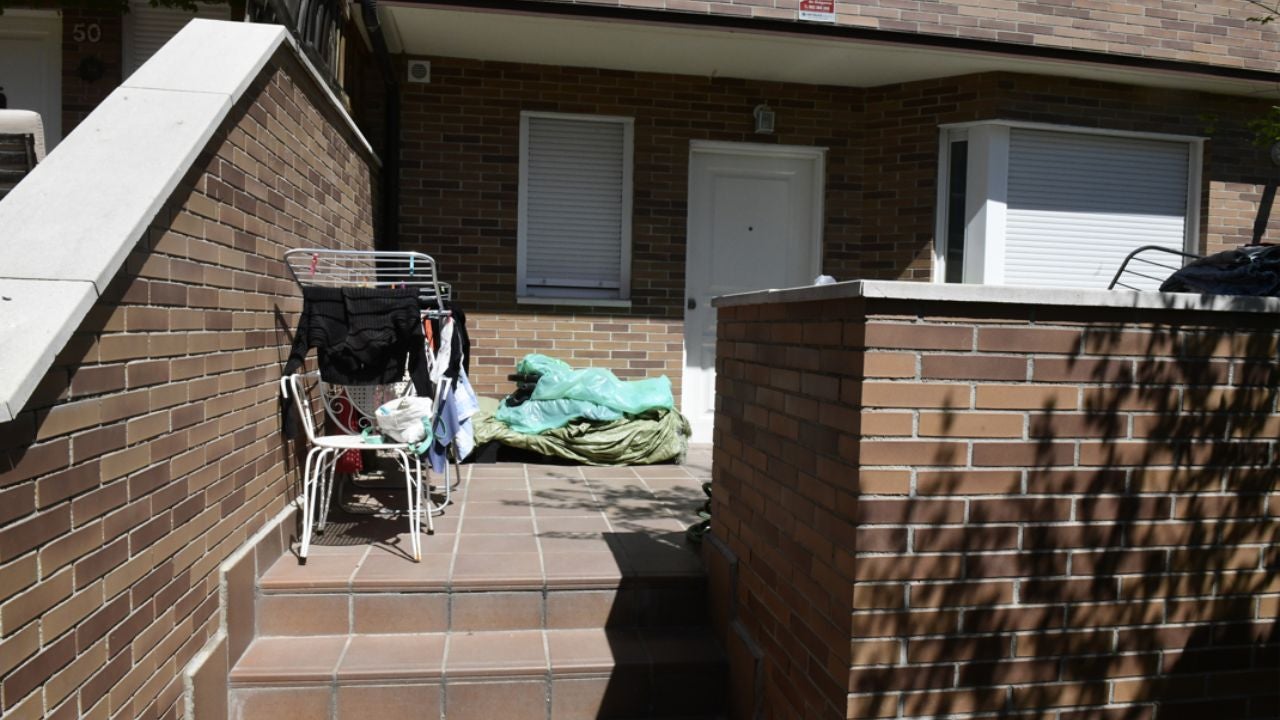
Más de uno
La terrible historia de los maltratos a menores en la 'casa de los horrores' de Colmenar Viejo
00:09:26
Manu Marlasca y Luis Rendueles han explicado en Mas de uno los malos tratos severos y continuados a los que unos padres sometieron a sus ocho hijos durante anos.
Loading summary
Transcript43 lines
- [00:00]
Host
Territorio negro en más de uno, con Marlaska y Rendueles y con Jorge Arrázquez.
- [00:09]
Co-host
Que le gusta el territorio negro. Hola, Jorge, buenos días. Hola, Marlaska, Muy buenos días.
- [00:15]
Host
¿Qué tal? Muy buenos días.
- [00:16]
Co-host
Hola, Rendueles, ¿Qué tal? Muy buenos días. Porque es que precisamente, claro, Marlaska y Rendueles son los que más a pecho se han tomado en la línea editorial del programa de no hacer ningún tema navideño hasta después de la lotería el lunes que viene. No hay territorio negro. Entonces podéis adelantar la lotería.
- [00:36]
Host
Para compensar. El territorio de hoy no es que sea negro, es que como diría aquel, es renegro, viene cargadito. Es duro.
- [00:44]
Journalist/Reporter
Si. ¿Os parece duro a vosotros?
- [00:45]
Expert/Analyst
Bueno, de hecho, hablando con Manu, yo creo que es uno de los sucesos que este año nos ha removido, bueno, los últimos tiempos ya, sobre todo desde que pudimos acceder a la documentación de este caso, que se bautizó en su día como la casa de los horrores, una casa de Colmenar Viejo, aquí en la Comunidad de Madrid, donde vivía un matrimonio de clase media alta con sus ocho hijos. Es un caso de malos tratos severos y continuados a niños durante bastantes años. Y que nos puede servir además, porque rompe algunos mitos o creencias falsas sobre los malos tratos.
- [01:12]
Journalist/Reporter
¿En qué sentido?
- [01:14]
Host
Bueno, en el sentido de que algo que ya advierten los estudios más serios, la gente de verdad que se ocupa en serio de esto, como Save the Children, que es que cuando hablamos de críos y crías víctimas de abusos o de malos tratos, pues se suele pensar que el abuso llega de gente ajena, de gente extraña, del hombre del saco, de algún tipo que llega de no sabe de qué lugar. Pero lo cierto, la realidad es que como ocurrió aquí, en este caso, en Colmenar, la mayoría de las veces los maltratadores y los abusadores y los agresores sexuales están en las familias o en los entornos más cercanos.
- [01:46]
Expert/Analyst
Sí, otro cliché del mundo criminal es que los malos tratos, duros, físicos, continuados, salvajes, algunos son propios de gente de clase baja, de gente que toma droga, de gente que está desestructurada. Los mismos informes de los que te hablaba Manu, hechos por gente que lleva años trabajando y ayudando a esos chava, revelan que la violencia contra los niños está en todas las clases sociales por igual. Lo que ocurre es que en la clase alta, los autores tienen medios para que esa violencia quede invisibilizada y se descubra mucho menos.
- [02:13]
Co-host
¿Y era este el caso, el de la casa de los errores? ¿Era como se dice coloquialmente de familia bien?
- [02:19]
Host
Sí, sí que era. Sí que era una familia bien. Los detenidos y acusados de maltratar a sus ocho hijos son cinco crías y tres críos. Son un prestigioso médico, un tipo experto en el trabajo de catástrofes y emergencias y que estaba destinado últimamente como adjunto en el servicio de urgencias del Guerrero Marañón. También está acusada su mujer, que era una enfermera que había dejado de trabajar fuera de casa para supuestamente ocuparse de los niños.
- [02:42]
Expert/Analyst
El caso se destapa gracias al coraje de una de las hijas, una adolescente que tenía 14 años y que un día después de sufrir uno de esos episodios de violencia decidió que iba a contar lo que estaba viviendo en su casa. No podemos entrar en muchos detalles, todos son menores todavía, pero lo que ha contado ella es que en marzo de 2023 su padre, que le registraba siempre la mochila y el bolso, la pilló con un libro. Es importante decir que este hombre, el padre, el médico, les tenía prohibidos la televisión, los libros, las redes sociales, hablar con chicos, en fin, un montón de cosas. Decía que a esta chica la pilló su padre aquel día de marzo de 23 con un libro que se llama El reino de los malditos. El libro no tiene nada, es una historia de brujas, demonios, asesinatos, una historia gótica que le gusta a los chavales. Pero el padre decidió que eso era pornografía Y según la chica le dio una paliza, una más, pero que iba a ser la última.
- [03:30]
Co-host
Y fue ella quien la denunció.
- [03:34]
Host
Contó que su padre la había golpeado con el rollo de la cocina delante de su madre y de dos hermanos, que le había hecho heridas en la cabeza, en las piernas, en un brazo. Su padre, que al fin y al cabo es médico, no lo olvidemos, le prohibiera el colegio los días siguientes hasta que las heridas sanasen. Pero tres días después la chica, que es la segunda hija, la segunda mayor, digamos, contó todo lo que había ocurrido en el instituto, después fue al juzgado y lo denunció y así abrió la puerta que la Guardia Civil entrase en esa casa y descubriese todo el horror que había allí desde al menos 10 años.
- [04:03]
Co-host
Ant ¿Y eso cómo se castiga, Luis? A qué pena se enfrentan esos padres cuando se les juzgue, si es que no lo han hecho ya, ¿No?
- [04:10]
Expert/Analyst
El juicio será el año que viene. Pero para hacernos una idea, la Comunidad de Madrid, que es donde ahora viven, la que está a cargo de esos críos, de esos niños, y la que los defienden en el proceso abierto contra los padres, pide 266 años de cárcel para el padre, el médico, y 185 años de cárce para la madre, la enfermera. Los chavales que tienen ahora entre 6 y 17 años, están en centros tutelados. Ellos mismos han contado en entrevistas grabadas lo que han vivido en su casa casi casi desde que nace.
- [04:36]
Journalist/Reporter
En el caso de las niñas más mayores, 10 años más o menos eran.
- [04:41]
Host
Sí, eso es, eso es. Su padre sobre todo, pero también su madre, las maltrataba casi a diario y casi por cualquier cosa, según las denuncias. Por ejemplo, motivo de castigo era masticar con la boca abierta, ver la serie de Pokémon, romper un juguete, no sentarse bien en la mesa, hacer un arañazo en la nevera. En algunos casos los críos eran tan pequeñitos que no recuerdan ya por qué les pegaron, pero sí que recuerdan que les habían hecho mucho daño.
- [05:03]
Expert/Analyst
Hay muchísimos ejemplos en las declaraciones de los niños y las consecuencias que ellos van explicando, que son tremendas. Muchos tienen todavía cicatrices. Les golpearon con un cucharón, con el rodillo de cocina, con una maza, con un sacacorchos en la frente, con un vaso en la cara, con el mango de un cuchillo. Decía que algunos de estos críos todavía tienen cicatrices por el cuerpo que han valorado los forenses.
- [05:22]
Co-host
¿Y por qué? Qué lleva unos padres con una vida aparentemente buena, no normal, sin adicciones, sin enfermedades. Bueno, no se sabe si no tiene enfermedades mentales, a maltratar de esa manera a sus pequeñajos.
- [05:34]
Host
Pues no tenemos respuesta para eso. Es así. El padre y la madre están cuerdos, no toman drogas, no beben alcohol. Es más, son personas religiosas, muy creyentes, que consideran que la vida actual está llena de pecados y de peligros. Y eso precisamente les llevó a prohibir a sus hijos, sobre todo a las chicas adolescentes, prohibirles casi todo. Súper religiosos.
- [05:55]
Co-host
¿Perdona? ¿Súper religiosos?
- [05:56]
Host
Sí, sí, sí, sí. El padre repetía a sus hijos varones que no servían para nada, solo para hacer de mozos, de carga. Y a las chicas les decía que sólo servirían para ser prostitutas. Estos pensamientos quizá puedan explicar el asunto de los abusos sexuales, que no olvidemos que están acusados los padres de ese delito también.
- [06:13]
Journalist/Reporter
Abusos sexuales Además de las palizas, están.
- [06:15]
Expert/Analyst
Acusados los dos, el padre y la madre, de agresiones sexuales. Pero no es una agresión con una motivación sexual, sino la contraria. Lo que dice la Fiscalía y la acusación de la Comunidad de Madrid es que la finalidad de esas agresiones a las hijas era hacer que las dos chicas, mayores y adolescentes, odiaran el sexo para el resto de su vida. El padre estaba particularmente obsesionado con eso. Las prohibía era la piscina de la comunidad de vecinos, las prohibía depilarse, las prohibía tener amigos chicos, las prohibía redes sociales. Y como es médico, les sometió a exploraciones vaginales para descubrir si eran vírgenes entre insultos, como lo han contado ellas. Ese régimen de terror explotó en septiembre de 2022 cuando el padre descubre que dos de sus hijas, esas adolescentes, se habían hecho un perfil en Discord, una red social, y allí chateaban con algunos chicos de 12, 13 y 14 años. Como hacía muchas veces, las insultó, las llamó putas y las castigó. Aunque el castigo esta vez fue bastante diferente.
- [07:05]
Host
Sí, las dos crías contaron que después de ese episodio su padre las obligó a ver vídeos pornográficos durante seis meses, hasta febrero del año 2023. Se sentaba con ellas, ponía vídeos porno en el teléfono móvil y si el hombre se daba cuenta de que las crías apartaban la mirada, les daba una tunda y les obligaba a mirar. Al lado estaba la madre, que no hacía nada por evitarlo. La cosa fue empeorando porque acabó pidiéndoles que hicieran con él lo que se veía en las películas. Ellas se negaron y entonces su padre las obligó a tocar a su madre, como se veía en los vídeos, tal y como cuenta textualmente. Se negaron también. Les dio una nueva paliza y les obligó a hacerlos en la cocina.
- [07:41]
Co-host
¿Y los vecinos? Ni idea. Ni Dios, ni vecinos, ni familia que fuera a la casa.
- [07:46]
Journalist/Reporter
Claro, nadie se dio cuenta.
- [07:47]
Expert/Analyst
En el colegio vieron que El niño de 6 años robaba bocadillos porque otro castigo del padre era dejarle sin comer. Pero como era médico, curaba las heridas más leves a sus hijos en casa o no les dejaba ir al colegio hasta que desaparecieran. Hubo ocasiones en que los golpes fueron tan serios que no les quedó más remedio que llevarlos a algunos hospitales de Madrid.
- [08:04]
Host
Sí, hay varios expedientes abiertos porque llegaban a La Paz, por ejemplo, con moratones, con heridas, a que les curaran las heridas. Son palizas en las que llegaron a perder piezas dentales. Uno de los críos tuvo que ir hasta tres veces en cinco años. Ellos, los padres, lógicamente, mentían siempre sobre el origen de las heridas y al ser sanitarios sabían cómo hacerlo.
- [08:25]
Expert/Analyst
La cosa llegó a juicio incluso en 2018, cuando uno de los niños llegó con heridas muy graves en los glúteos al colegio, pero acordaron los padres y el niño decir que se había caído de un columpio. Ahora los dos están en libertad, que es la pregunta que me queréis hacer. ¿Seguro?
- [08:38]
Journalist/Reporter
Claro. ¿Dónde están?
- [08:39]
Expert/Analyst
Ellos están en libertad y además a espera del juicio, que será el año que viene. Y lo curioso es que el juez entendió en principio que el padre maltrataba a la madre, también que la madre podía ser víctima, y le dio una orden de alejamiento de protección. Pero la madre ha pedido que se revoque y ahora están los dos juntos y siguen juntos esperando el juicio. El padre ha perdido su empleo en el hospital, eso sí.
- [09:00]
Co-host
Pues sí que es terrible. Sí. El caso este para terminar el año, casi.
- [09:04]
Host
Bueno, que feliz lotería de Navidad.
- [09:06]
Co-host
Igualmente.
- [09:07]
Expert/Analyst
Ojo a los que ganen, que los que ganan lotería creo que en 5 años o así caen en depresión. Hay un estudio por ahí.
- [09:15]
Co-host
Que no gana.
- [09:17]
Host
Mira, había un buen territorio negro.
- [09:19]
Co-host
Ya está, se acabó.
- [09:20]
Host
Adiós. Beso.
- [09:22]
Co-host
Adiós. Adiós. Vamos a volver a. Tiende a las 12 de las 11 en Canarias. Más de un.