← Más de uno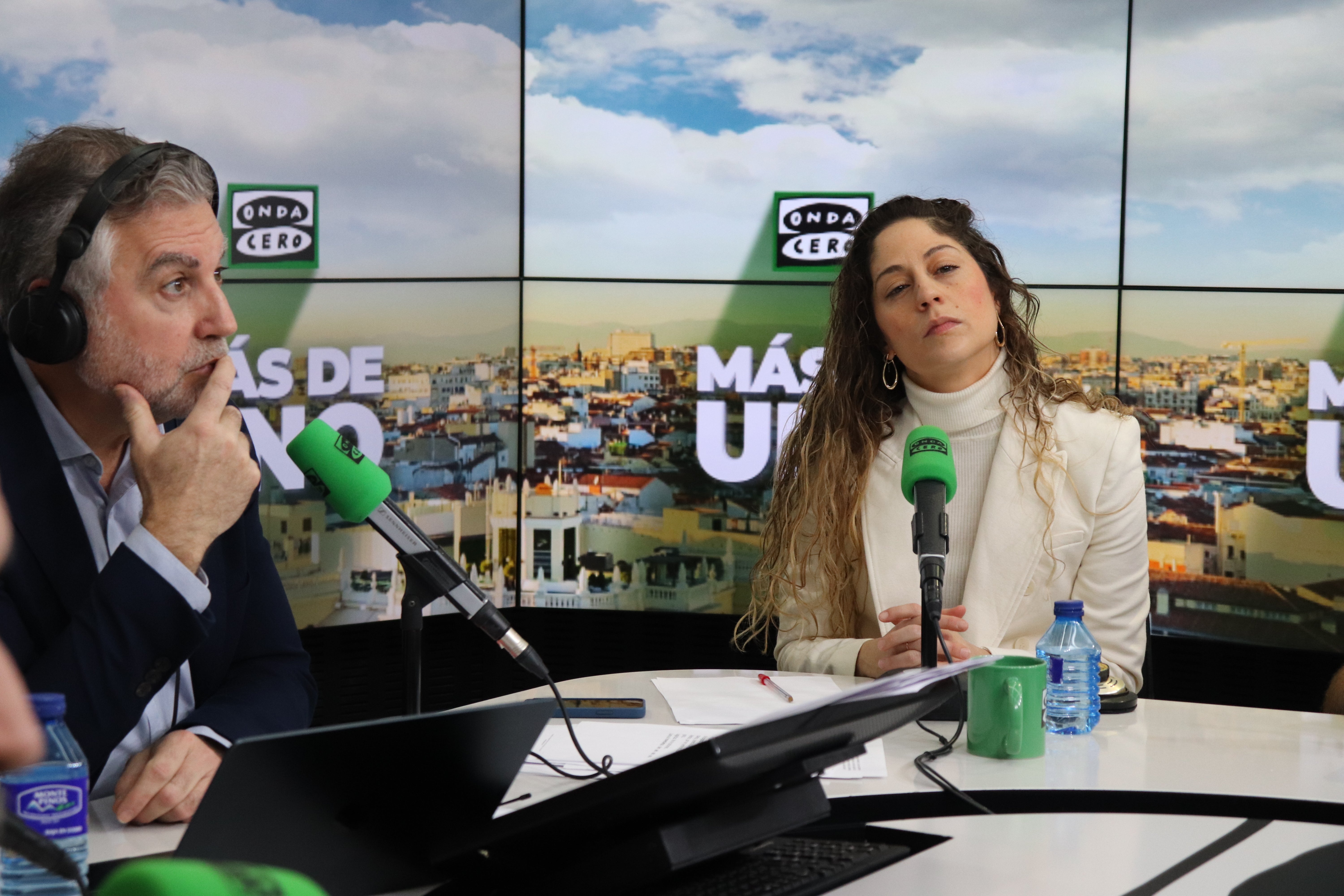
Más de uno
Lara Hernández (Sumar) admite su desacuerdo con el decreto sobre desahucios: "La okupación en España no existe"
00:21:00
Lara Hernández (Sumar) admite su desacuerdo con el decreto sobre desahucios: "La okupación en España no existe"
Loading summary
Transcript33 lines
- [00:00]
A
De Somari. Le agradezco que nos haya acompañado esta mañana. Buenos días, Lara.
- [00:03]
B
Buenos días, un placer.
- [00:05]
A
Después de comerse un atasco, creo bastante.
- [00:07]
B
Sí. El Madrid Ayuso y las infinitas obras.
- [00:11]
A
Bueno, estamos aquí hablando del asunto este de la no convalidación del decreto que incluye las medidas del escudo social porque Junes per Cataluña ha dicho que no lo va a apoyar y porque Podemos ayer dijo que es un pacto criminal lo que ha suscrito el Gobierno con el Partido Nacionalista Vasco. Y entonces, si no sale adelante la convalidación del decreto con el escudo social incluido, ¿Qué viene después? ¿Qué se plantean hacer después? Porque decaería todo el llamado escudo social.
- [00:37]
B
Bueno, nosotros lo que nos planteamos es volver a traer las veces que sea necesario este decreto del escudo social, porque entendemos que ahora estamos en un momento complicado a nivel de lo que es la logística y sobre todo el algoritmo que se da a nivel del arco parlamentario. Es decir, tenemos un gobierno de carácter progresista que está sacando adelante propuestas de izquierdas que bueno, que tiene que lidiar con un arco parlamentario conservador, por así decir. Una vez dicho esto, lo que nos parece importante es seguir trabajando para alcanzar un acuerdo y una negociación que vuelva a poner en el centro la necesidad de aprobar este decreto del escudo social. Lo que nosotras defendemos desde Sumar y desde el Gobierno es que no tenemos que elegir y sobre todo la ciudadanía no tiene que elegir entre esta doble foto, es decir, entre unas personas vulnerables, vulnerables, pobres, que la sociedad debe excluir de alguna manera porque pueden ser desahuciadas por su vulnerabilidad o el bono eléctrico. Hay una serie de medidas que incluye este decreto social que consideramos que debe salir adelante, que debe defenderse y eso no tiene por qué desligarse o no tiene que estar sometido a este chantaje que está planteando la derecha y la extrema derecha, el Partido Popular y Vox, de condicionarlo a la cuestión de las pensiones. Por lo tanto, lo que vamos a trabajar es para que este decreto vuelva llevarse a las Cortes para su aprobación.
- [02:08]
A
Ustedes han conseguido, porque esta era una batalla previa, han conseguido que se mantenga todo lo llamado escudo social junto, que no se troceara para que una parte fuera en las pensiones, hay un decreto de pensiones y luego el otro que es el que incluye todas estas medidas. Esa es una batalla que sí han ganado. Pero ayer nos planteábamos aquí la pregunta y ahora aprovecho y se la planteo a usted, porque yo había entendido que para Sumar y para los ministros de Sumar era implanteable que familias vulnerables que viven de alquiler pudieran quedar desprotegidas por el llamado escudo social y sin embargo lo que veo que se ha pactado con el Partido Nacionalista Vasco es que hay familias vulnerables que en el caso de que su arrendador o su casero solo tenga, como dice el decreto, dos o menos viviendas, entonces sí puedan ser desahuciadas. ¿Cómo han pasado ustedes por ahí?
- [02:56]
B
Mire, lo primero es efectivamente esto que mencionaba anteriormente, es decir, el propio arco parlamentario y la propia lógica de negociación, primero que caracteriza a la política como tal. Quiero decir, la política consiste en alcanzar acuerdos y en llevar a cabo negociaciones y muchas veces uno no está donde quiere estar, eso es lo primero, es decir, no es la posición que yo defendería si usted me pregunta si yo fuera por ejemplo ministra de Vivienda, evidentemente ni yo ni el partido que hoy aquí represento.
- [03:28]
A
Pero porque esto le parece un retroceso en la protección.
- [03:31]
B
Lo que nos parece es que el número de familias, digamos, de lo que las estadísticas arrojan, y esto hay datos que lo avalan tanto manejados por el sindicato incluido como por otras entidades que siempre trabajan por la defensa el derecho a la vivienda, es que estos son los menos, estos son los casos menores. Ahora bien, aquí la cuestión está en ver este decreto, el Decreto del Escudo Social no sólo incluye medidas que garantizan la protección de familias vulnerables ante un lanzamiento a un desahucio. Vamos a ver qué es lo que este Real Decreto implica. Lo que este decreto lleva dentro lleva el bono eléctrico, lleva que se prohíba el corte de suministros a las familias vulnerables, lleva prorrogar la protección a las personas damnificadas por la DANA, lleva el aumento de un 11% del ingreso mínimo vital, es decir, lleva el aumento de las pensiones no contributivas, es decir, lleva una serie de medidas que acompañan por supuesto a esta protección ante 60 mil familias vulnerables que ven que les pueden desahuciar de su vivienda, de su hogar, lleva todas estas medidas que yo creo que esta es la pregunta que el Partido Popular y VOX deben responder ¿Qué modelo de país quieren? Efectivamente, ¿Qué España quieren? Quieren una España. Quieren construir una sociedad en la que familias vulnerables no puedan tener el bono eléctrico o no puedan acceder en País Valencià a la exención del IRPF en las ayudas de la DANA. ¿Esta es la España que queremos o queremos una España realmente en la que no haya dos clases de ciudadanos, dos clases de derechos garantizados para ciudadanos de primera, ciudadana de segunda? Esto es lo que desde aquí.
- [05:25]
A
Yo creo que ayer dijo Podemos, que en comparación con otros grupos está más cerca ideológicamente de ustedes. Dijo Podemos respecto de este acuerdo del Gobierno con el Partido Nacionalista Vasco. ¿Asco absoluto o asco profundo? No recuerdo algo así.
- [05:37]
B
Asco total.
- [05:38]
A
Asco y pacto criminal entre el Gobierno y el Partido Nacionalista Vasco. Claro, eso les afecta a ustedes, que son parte del Gobierno que ha pactado con ustedes, han firmado un pacto criminal con el PNV a juicio de Podemos.
- [05:52]
B
No seré yo quien tenga que juzgar aquí las palabras de Ione Belarra, pero en cualquier caso, desde luego nuestra posición es muy firme y es muy contundente. Nosotras, esto de dar decreto, ya se aprobó el decreto ómnibus con algunas modificaciones hace un año, entendemos que ahora volvíamos a llevarlo y teníamos que volver a llevarlo de alguna manera, incluyendo estos decretos, estas medidas del escudo social y vamos a seguir trabajando, insisto, para que la presión social aumente de alguna manera y que las Cortes vuelvan a votar el decreto completo.
- [06:31]
A
Hay una información en el Diario del País que dice que el Ministerio de Trabajo, la vicepresidenta Yolanda Díaz, tiene intención también de sacar adelante por la vía del decreto el permiso de duelo de 10 días, de ampliar el permiso de duelo un familiar que ha fallecido por la vía del decreto, aunque luego el Congreso de los Diputados se lo tumbe. Es decir, que entre en vigor, aunque luego, un mes después, deje de estar en vigor esta manera de gobernar. Aprobamos un decreto, entran en vigor unas medidas, la sociedad recibe esas medidas, un mes después se le dice ya no son de aplicación las medidas porque ha sido tumbado el decreto en el Congreso de los Diputados, vamos a hacer otro decreto, vamos a hacer otras medidas, vamos a ver si nos las convalidan. ¿No es un poco? ¿No es una manera de gobernar un poco confusa o poco seria? Son medidas que duran un mes y luego ya no se sabe si seguirán o no.
- [07:22]
B
Bueno, yo no creo que sea una manera de gobernar ni confusa ni poco seria. Quiero decir, hay una clarísima división de poderes que es la base fundamental de nuestra democracia. El Ejecutivo de alguna manera mantiene su acción de gobierno en base a un programa que es nítidamente conocido por el conjunto de la ciudadanía y nosotras lo que venimos es a defender desde nuestra acción de gobierno políticas de carácter progresista. Luego, evidentemente, las Cortes, la Cámara, tiene que someter a consideración y por supuesto a votación el conjunto de medidas que emanan del Ejecutivo. Ahora bien, insisto, este es el arco parlamentario que tenemos, estas son las mayorías que están configuradas y este es el contexto nacional e internacional que vivimos, que no olvidemos que incide mucho también en la hoja de ruta de la política nacional que tenemos. A partir de aquí yo creo que lo que se trata es de seguir avanzando la defensa de políticas progresistas. Es decir, este gobierno tiene sentido única y exclusivamente si saca adelante medidas de carácter progresista, si saca medidas que incidan de manera concreta y muy radical en la vida de los millones de personas oyentes que nos están escuchando, que realmente ahora mismo cogen el coche, están en los atascos, van al colegio a llevar a los niños, a las niñas y tienen situaciones en las que realmente ven que España en términos macroeconómicos es una locomotora a nivel de la Unión Europea con cifras realmente asombrosas con respecto a nuestro crecimiento económico. Pero todo eso en la materialidad, en la concreción del día a día, no se traduce en mejoras en la vida diaria. Yo lo que creo es que tenemos que abordar estas cuestiones concretas, materiales, que afectan a la ciudadanía. Por supuesto, desde luego a nadie se le puede ocurrir ir a trabaj el día siguiente o días, días después de que fallezca desgraciadamente tu hijo, tu hija o un familiar muy cercano. Yo creo que esto entra dentro del sentido común y de la misma manera entra dentro del sentido común que a una familia vulnerable que no puede pagar el alquiler, primero no se le tache de okupa porque los datos están encima de la mesa. Los okupas en nuestro país, podríamos decirlo con total claridad, no existen. Esto es lo primero. Y lo segundo, que abordemos con carácter de urgencia, permítame decirlo, el problema de la vivienda, Quiero decir, esta cuestión que apuntaba de los datos en términos macul de la locomotora, bueno, esto hay un gran aspirador que es la vivienda, nuestro país, esto lo saben los cientos de miles de personas que nos escuchan ahora mismo y ante eso lo que tenemos que hacer desde el Ejecutivo y concretamente desde el ala minoritaria. Por supuesto, nunca lo hemos negado. Somos cinco ministerios en un consejo de ministros formado por 22 en su totalidad. Es decir, a mano alzada no ganamos. Ahora, le puedo asegurar que todas las políticas que se están abriendo camino en el seno del Gobierno de coalición progresista proceden de estos 5 ministerios muy humildes, pero con mucho tesón y mucho esfuerzo y mucho trabajo están abriendo paso a medidas muy concretas. Sin ir más lejos, por ejemplo, lo que ha salido con respecto a la regulación a la necesaria. Correcto. Una medida que recuerda aquí llevaba más de dos años en el Ministerio de Infancia y Juventud de Silarrego trabajando.
- [10:39]
A
¿Qué pasa? Que el PSOE antes utiliza un verbo muy coloquial que es les afán a las las mejores banderas.
- [10:45]
B
Mire, gobernar con el Partido Socialista desde luego no es complicado, es el socio mayoritario, pero, insisto, a nosotros lo que nos interesa es que la política se abra camino, que las medidas concretas se abran camino. Eso está sucediendo por la vía de los hechos, porque, insisto, hoy es portada de varios diarios de tirada nacional. Una medida que lleva dos años trabajando el Ministerio de Infancia y Juventud que está tramitándose en el Congreso y nosotros, por supuesto, será el señor Presidente del Gobierno el que tenga que dar los detalles de esta propuesta anunciado desde Dubai. Ahora bien, lo que nosotras tenemos claro es que hay que regular el acceso de los menores de edad a las redes sociales y por supuesto, esto no elude el debate de fondo, que es el verdadero debate, cómo regular los algoritmos de carácter privado y abordar cuestiones que tienen que ver con la soberanía digital.
- [11:35]
A
Que es fundamental, pero echar de menos quizá un poco más de entusiasmo por parte del Grupo Socialista para tramitar más rápido esta este proyecto de ley que salió del Ministerio.
- [11:46]
B
El entusiasmo es algo que creo que debe resilienciarse en otros ámbitos de la vida. Yo lo que creo es en la voluntad política, en la voluntad política de sacar adelante estas medidas. Si existe voluntad política se pondrá encima de la mesa. Yo le puedo asegurar. Por nuestro lado vamos a remar, vamos a trabajar, vamos a impulsar para que esta medida vaya al Congreso de la misma manera que lo estamos haciendo en el ámbito de la vivienda, porque esto sí me parece importante incidir en ello. Ahora mismo el problema de la vivienda es el problema fundamental, si no, no estaríamos aquí probablemente centrando todo el debate mediático público en torno a un escudo social que incluye una serie de medidas que he enumerado anteriormente, no estaríamos centrando el debate en la cuestión de los desahucios. Esto responde a una realidad que está en la calle, una realidad que vive el conjunto de la ciudadanía y es que ahora mismo nadie puede permitirse acceder en condiciones de dignidad a un techo y eso implica a su vez no poder desarrollar un proyecto de vida. Yo creo que nadie, ningún ciudadano ni ciudadana en España, sea de la ideología que sea, de derechas o de izquierdas, puede permitirse eso. Nadie merece tener esa vida en el siglo XXI, en una democracia que hemos construido todos los españoles y españolas desde hace mucho tiempo, nadie se merece no poder construir un proyecto de vida, tener hijos, hijas, es decir, tener las condiciones materiales que te permiten en definitiva, ser persona.
- [13:11]
A
Cuando usted antes me los okupas en España no existen.
- [13:14]
B
Bueno, estos son los datos, no es una opinión personal mía, es decir, aquí hay que hablar, y aquí, si me permite, yo soy plenamente consciente, aquí hay un relato que la extrema derecha y la derecha ha colocado una batalla cultural que se está librando que tiene que ver con la existencia de los okupas. Mire, yo podría preguntar en esta mesa, como lo he hecho ya en mi entorno, ¿Cuántas personas conocen ustedes que les hayan ocupado la vivienda? Yo no conozco personas que les hayan ocupado la vivienda. Yo conozco una. Bueno, habría que ver efectivamente cuál es la renta, es decir, los problemas de pago de alquiler que tiene, porque el problema no es la OCUP, el problema es que los precios medios de alquiler en todo nuestro país están superando con creces, por ejemplo, el salario medio. Esto es una realidad, esto es así, basta con ver los datos. Por ejemplo, para acceder a un alquiler en la Comunidad de Madrid, si no me equivoco, el otro día leía un dato, se necesitan 66 años de salario neto para poder acceder a una hipoteca en la Comunidad de Madrid. Mire, esto es verdaderamente indecente. Es decir, ¿Qué expectativas tienen las generaciones más jóvenes que vienen detrás de nosotros para poder acceder a una vivienda? Ninguna. Ahora bien, si la tienen, si pueden heredar una vivienda. Esto no es un país que queramos construir e insisto, es independiente de la ideología, porque a la vivienda van a acceder también los votantes del Partido Popular.
- [14:45]
A
Tipo test, ya la pregunta tipo test que es tardísima. Otra pregunta muy sencilla sobre la sal política de la coalición. ¿Están percibiendo en sumar algo así como un intento de desenganche por parte del Partido Socialista, como si el señor Sánchez estuviera preparando las condiciones para pedir el divorcio? ¿Se está percibiendo esto en Sumar?
- [15:06]
B
No, sinceramente no. Se lo digo con total honestidad. Nosotros hay, digamos aquí una doble reflexión. Por un lado, primero que no estamos acostumbrados a gobiernos de coalición en nuestro país. Esto es una novedad reciente en nuestra historia política que yo celebro. Por otro lado, haber salido de este esquema bipartidista que recordemos, fue siempre la presión social en las calles las que de alguna manera abanderaron y lideraron estos avances que se han dado en nuestro país. Por un lado, no tenemos esta cultura que sí existe en otros países de nuestro entorno europeo y una vez dicho esto, es evidente que hay lógicas de diálogo, de conflicto, de negociación, de intentar alcanzar acuerdos en el seno de la coalición. El Partido Socialista es el socio mayoritario, nosotros somos el socio minoritario y a partir de aquí lo que vamos es sobre la base de un acuerdo de gobierno, que recordemos, está todo escrito sobre esa base, trabajar poco a poco y día a día para sacar adelante lo que nosotras entendemos que son las políticas que hoy en día van a defender los intereses de las clases.
- [16:14]
A
¿Y nunca se sienten ninguneados por la parte social?
- [16:18]
B
Ninguneados Quiero. Vamos a ver, sentirnos ninguna. Es que da igual cómo nos sintamos. Quiero decir, con toda la humildad del mundo, yo ahora mismo me siento muy indignada por llevar una hora en un atasco en la ciudad de Madrid porque la señora Díaz Ayuso no para de construir la Comunidad y el señor Almeida en nuestra ciudad. Pero eso da igual. ¿Da igual por qué? Porque la realidad es que yo he llegado tarde. Ahora bien, aquí la cuestión está en no sentimos ninguna. No, aquí la cuestión está en cómo se siente la ciudadanía con respecto a las políticas que está arbitrando este gobierno. Esa es la gran pregunta. Y nosotras lo que creemos es que hay que hablar de la vivienda, hay que regular el acceso de los menores de edad a las redes sociales, hay que regular, por supuesto, los algoritmos privados, hay que subir el salario mínimo interprofesional como se está haciendo a un 66% ya en nuestro país. Es decir, hay que seguir trabajando para sacar adelante medidas concretas rápido rápido.
- [17:17]
C
En cuanto a la indignación, también los empresarios aquí se sienten, hablando de la otra parte, por ejemplo, indignados con otro ministerio que lleva el sello de Sumar, como es el Ministerio de Trabajo, que por cierto recientemente sentaron un manual para democratizar las empresas donde se sugería, o una de las medidas que se proponían era obligar a las empresas de más de 25 trabajadores a que dieran entrada a los trabajadores en el capital, es decir, a que formaran parte el empresario de forma obligatoria, diera una participación del capital de las empresas de modo gratuito a los trabajadores a las empresas de más de 25. ¿Por qué? Es decir, no sé si estas medidas son un poco anacrónicas. Los trabajadores participan en la propiedad de los medios de producción en el siglo XXI, en un 2026 como el año actual.
- [18:05]
B
Pues a mí la democracia no me parece para nada anacrónica, todo lo contrario. En un momento como en el actual en el que estamos viviendo, y permítame situar el debate ahí en un contexto general, quiero decir, en un momento en el que asistimos a giros fascistas, voy a decirlo así con esta claridad como la que es, giros fascistas en el mundo, creo que la defensa de la democracia en todos los ámbitos de la vida adquiere más valor que nunca. Y en el trabajo también, quiero decir, a mí favorecer la democratización de la empresa con el acceso de los trabajadores y trabajadoras a las tomas de decisiones de la misma, ya sea en los consejos de administración o en las fórmulas que se pacten entre patronal y empleados, me parece una buena noticia para nuestro país porque de alguna manera lo que garantiza es que el trabajadora va a formar parte de la toma de decisiones que afecta primero a su día a día en el ámbito laboral y segundo, va a garantizar también una mayor implicación de los trabajadores y las trabajadoras en el éxito de la empresa a la que nos estamos refiriendo. Y de la misma manera defiendo la democratización en el ámbito económico, que seguro que muchos de los empresarios y empresariales que nos están escuchando también coincidirían conmigo.
- [19:26]
A
¿Usted cree que la marca política Sumar concurrirá a las próximas elecciones generales?
- [19:33]
B
Lo que yo sé es que las próximas elecciones generales lo que va a concurrir es un proyecto político de izquierdas que tiene una vocación de unirse con más fuerzas políticas hermanas en un programa de mínimos y presentarse ante la sociedad, ante la ciudadanía, para lanzar un llamamiento muy claro, muy concreto, muy conciso, que nos permita trascender a las propias fuerzas políticas. Es decir, responder a su pregunta. A mí el nombre me da igual. A mí me da igual cómo se llame. A mí lo que me importa es que seamos capaces de construir un proyecto político que realmente primero frene a esta ola fascista que vemos que se viene y que además sepa ir más allá de los partidos políticos. Yo creo que la gente que nos está escuchando, yo la prueba, está harta, cansada de las peleítas internas entre partidos, en el seno de los propios partidos. Mire, ya está bien. Yo lo que creo es que ahora tenemos que arremangarnos, ponernos muy serios, muy serias. Lo que tenemos enfrente es muy grande, es muy grande y lo que tenemos es que de alguna manera ponernos juntas y juntos a trabajar para que el trumpismo no llegue a España. Con el rostro de Santiago Abascal, le.
- [20:50]
A
Agradezco que nos haya acompañado esta mañana. Habríamos podido seguir hablando, pero es que me he quedado sin tiempo. Ya, lo siento, es culpa mía en este caso. Lara Hernández, gracias por la visitación.
- [20:59]
B
Muchas jovencias.
- [21:00]
A
Hacemos una pausa muy.