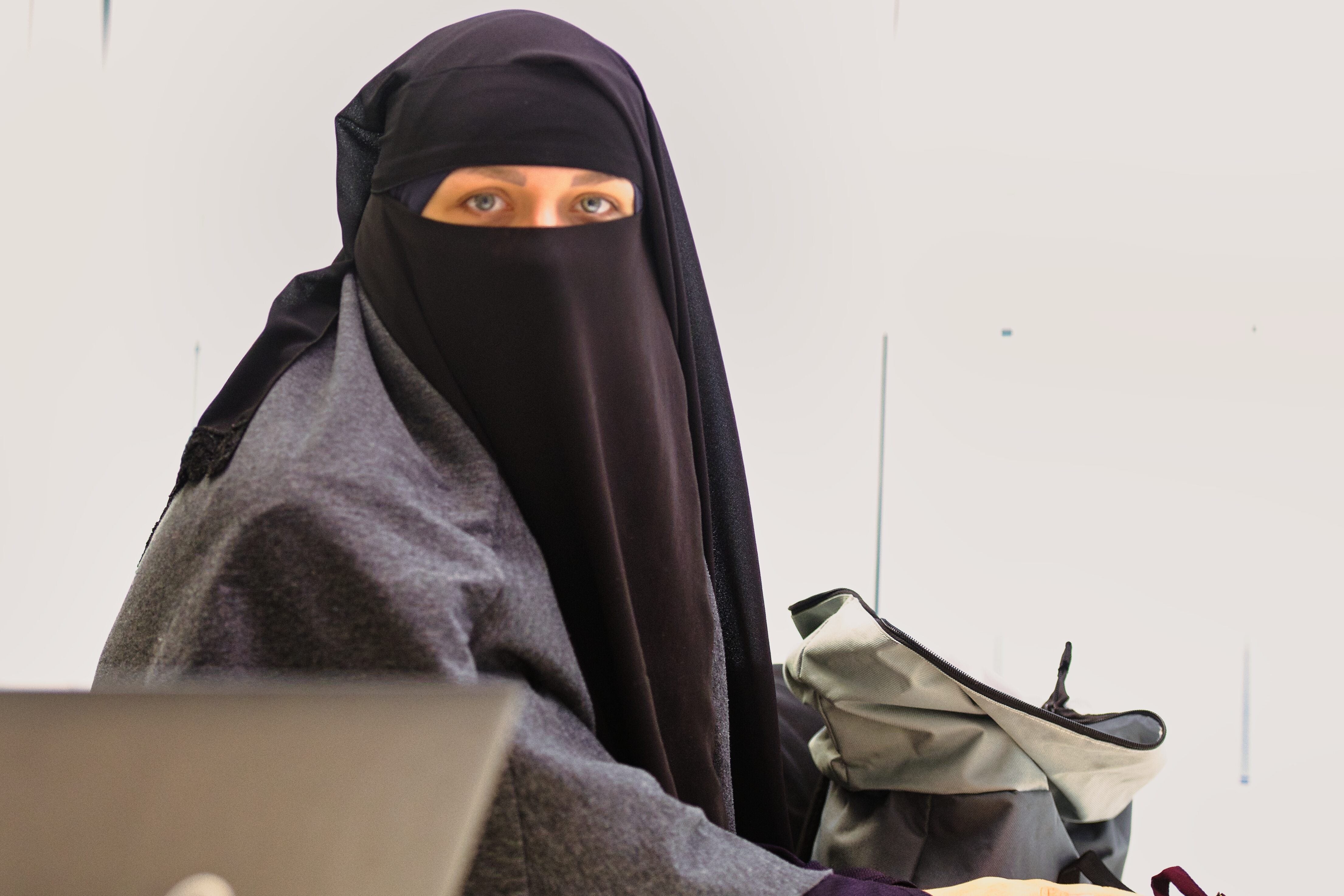
Podcast Summary: "Las normativas europeas contra el burka: estos son los países donde se ha prohibido"
Podcast: Más de uno
Host: Carlos Alsina (Onda Cero)
Date: February 20, 2026
Episode Overview
In this episode, Carlos Alsina explores the spread and implications of European laws prohibiting the burka and other forms of full-face veils in public spaces. With the insights of María Teresa Areces, a professor and expert in religious diversity, the episode delves into the legal, cultural, and religious debates surrounding these bans—highlighting key arguments, the reaction of different countries, and the broader international context.
Key Discussion Points & Insights
1. Timeline and Geographic Spread of Bans
- France pioneered the ban in 2011, followed by Belgium, Austria, Denmark, Bulgaria, and Switzerland, each prohibiting the full veil at a national level in public spaces.
- Switzerland’s law was unique, being "avalada por referéndum con un buen número de excepciones" [00:07].
- Partial restrictions also exist, as in the Netherlands, where the ban applies only to certain settings: “escuelas, transportes y hospitales” [00:22].
2. Contentious Debates: Religious Freedom vs. Public Policy
- The bans have sparked “debates enconados” across Europe, splitting opinions between those seeing the measures as infringing religious liberty and others as necessary for public policy [00:30].
- Opponents argue: Bans "coartan la libertad religiosa" (restrict religious freedom) [00:33].
- Scholars counter: The burka is not an obligatory Islamic mandate, questioning the religious basis of such garments.
3. Expert Religious and Legal Interpretation
- María Teresa Areces (University of Lleida):
"Ni el Corán ni la Sunnah en ningún momento obligan a la mujer a que vista el burqa... Lo que sí se puede deducir es que la mujer tiene que vestir con decoro y pudor, pero nada más. Esto es una imposición de los islamistas integristas." [00:42–01:06]
- Translation: The Qur’an and Sunnah do not mandate the burka (or similar veils). The requirement is only for modest and decent dress, while the burka specifically is an “imposición de los islamistas integristas” (imposed by Islamist fundamentalists).
4. Legal Justification: Security and Social Cohesion
- European legal rationale focuses on "seguridad y la necesidad de identificar a los ciudadanos", avoiding direct religious discourse [01:06–01:19].
- European Court of Human Rights upheld the French ban, ruling “la libertad religiosa es compatible con prohibir la prenda” if the prohibition guarantees social cohesion [01:19–01:29].
- Areces further explains:
"Ellos lo que alegan es que... convivir los ciudadanos es el de mirarse a los ojos... también que puede llegar a vulnerar el burqa el orden público." [01:29–01:52]
- Translation: The argument is that social cohesion and mutual recognition require seeing each other’s faces—burka use can undermine this, as well as public order.
5. Sanctions and International Perspective
- Sanctions in Europe: Some laws punish not only women wearing the burka but “para el hombre que obligue a la mujer a llevar el burka” [01:52].
- Beyond Europe: Even countries with Muslim majorities have regulated or banned the burka—such as Morocco, which has banned its sale and manufacture for security reasons since 2017 [01:56].
Notable Quotes & Moments (with Timestamps)
-
Carlos Alsina (Narration):
"La cuestión ha generado debates enconados. Quienes se oponen argumentan que con la prohibición se coarta la libertad religiosa, mientras que muchos teóricos recuerdan que el burka no está en la doctrina del islam." [00:30]
-
María Teresa Areces (Expert Guest):
"Porque ni el Corán ni la Sunnah en ningún momento obligan a la mujer a que vista el burqa... Esto es una imposición de los islamistas integristas." [00:42–01:06]
-
Carlos Alsina (Legal Context):
"El tribunal la acabó avalando y sentenció que la libertad religiosa es compatible con prohibir la prenda si dicha prohibición garantiza la cohesión social..." [01:17–01:29]
-
María Teresa Areces (Social Cohesion Argument):
"Una de las maneras de convivir los ciudadanos es el de mirarse a los ojos. Esto por una parte, y por otra parte también que puede llegar a vulnerar el burqa el orden público." [01:29–01:52]
Timestamps for Key Segments
- [00:00–00:30] – Chronology and geographies of bans across Europe; summary of laws
- [00:30–00:42] – Societal debate: religious freedom vs. secular policy
- [00:42–01:06] – María Teresa Areces: Islamic law interpretation on veiling
- [01:06–01:29] – Legal rationales: security and identity; human rights court decision
- [01:29–01:52] – Social cohesion and public order concerns; guest elaboration
- [01:52–end] – Sanctions, impact on men who coerce women, and global context (e.g., Morocco)
Tone & Style
The language throughout the episode is direct, informed, and at times pointed, balancing fact-based reporting with expert testimony and analysis. Alsina’s approach is clear and engaging, occasionally interweaving nuanced humor, while Areces provides scholarly precision.
This summary covers the breadth of the podcast’s main arguments, legal context, and insight from academic expertise, offering a comprehensive guide even for those who haven't listened to the episode.