← Más de uno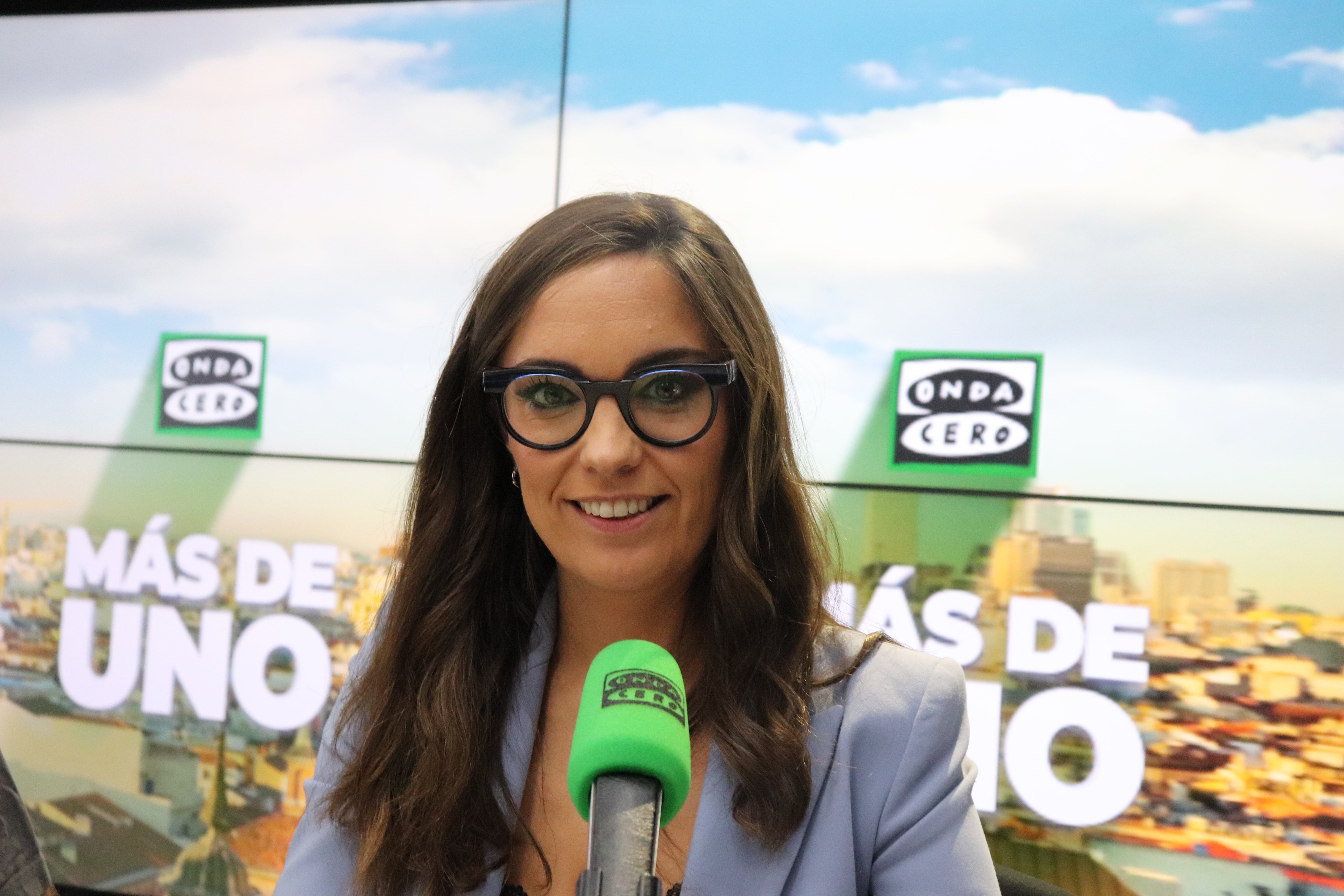
Más de uno
Marta García Aller muestra su confusión con la situación en Venezuela: "Cómo no nos va a dejar atónitos"
00:02:06
La periodista de Mas de uno ha destacado el acelerado ritmo de la politica internacional que nos impide detenernos en la realidad en Palestina o el equilibrio inestables del pais latinoamericano.
Loading summary
Transcript5 lines
- [00:06]
A
Primer comentario de la mañana con Marta García ayer. Muy buenos días, Marta.
- [00:10]
B
Buenos días, Carlos. Ahora que Estados Unidos amenaza con hacerse con Groenlandia, hablamos menos de Venezuela. Es como de anteayer. Y de Gaza ya ni te cuento. Acaba de decir la ONU que hay apartheid en Cisjordania y ni caso. Ya estamos a otra cosa. Qué facilidad tenemos para cambiar el foco. Así que volvamos a Venezuela antes de que se nos olvide. Allí siguen pasando cosas, las mismas que pasaban antes de que Estados Unidos llevara a Maduro de allí. La represión, de hecho, se ha intensificado. El gobierno de Venezuela, teledirigido desde Estados Unidos, captura a todo el que celebre la captura de Maduro por parte de Estados Unidos. Al menos 14 periodistas han sido detenidos. La manifestación que sí ha permitido el gobierno de Delcy Rodríguez, o sea, de Trump, es en apoyo a Maduro, que es al que Trump ha metido en la cárcel. No es fácil de seguir esta historia. Autoritarismo mágico, lo podríamos llamar. Como cuenta el periodista venezolano Rafael Osío en Memorias de un futuro perdido, Venezuela es como una ballena que encarcela. Cayó en la playa rodeada de gente atónita. Así que antes de que dejemos de mirarla conviene recordar que en los últimos diez años uno de cada cuatro venezolanos ha huido de su país. Nueve millones de personas en una década. El mayor éxodo no provocado por un terremoto, ni por una sequía ni por un conflicto armado fue por Maduro, su represión y su colapso económico. ¿Cómo no se van a alegrar ahora tantos venezolanos de que este tirano esté en una cárcel de Brooklyn esperando a ser juzgado? Pero mientras Estados Unidos presume de gobernar Venezuela con Maduro en la cárcel, el régimen sigue en pie. En las calles de Caracas hay ahora más policía y enmascarados con rifles detienen vehículos, interrogan pasajeros y registran teléfonos en busca de indicios de oposición al gobierno. La represión brutal contra opositores ya era habitual en el régimen de Maduro. Lo que no es habitual es que oponerse a él sea también oponerse a Trump. ¿Cómo no nos va a dejar atónitos Venezuela?
- [01:55]
A
Moraleja, Marta.
- [01:56]
B
De lo que pase ahora en Venezuela es responsable quien la Tutela.
- [02:00]
A
Son las 7 y 20 minutos. Son las 6 y 20 minutos en Canarias. Y esto es Onda Cero.