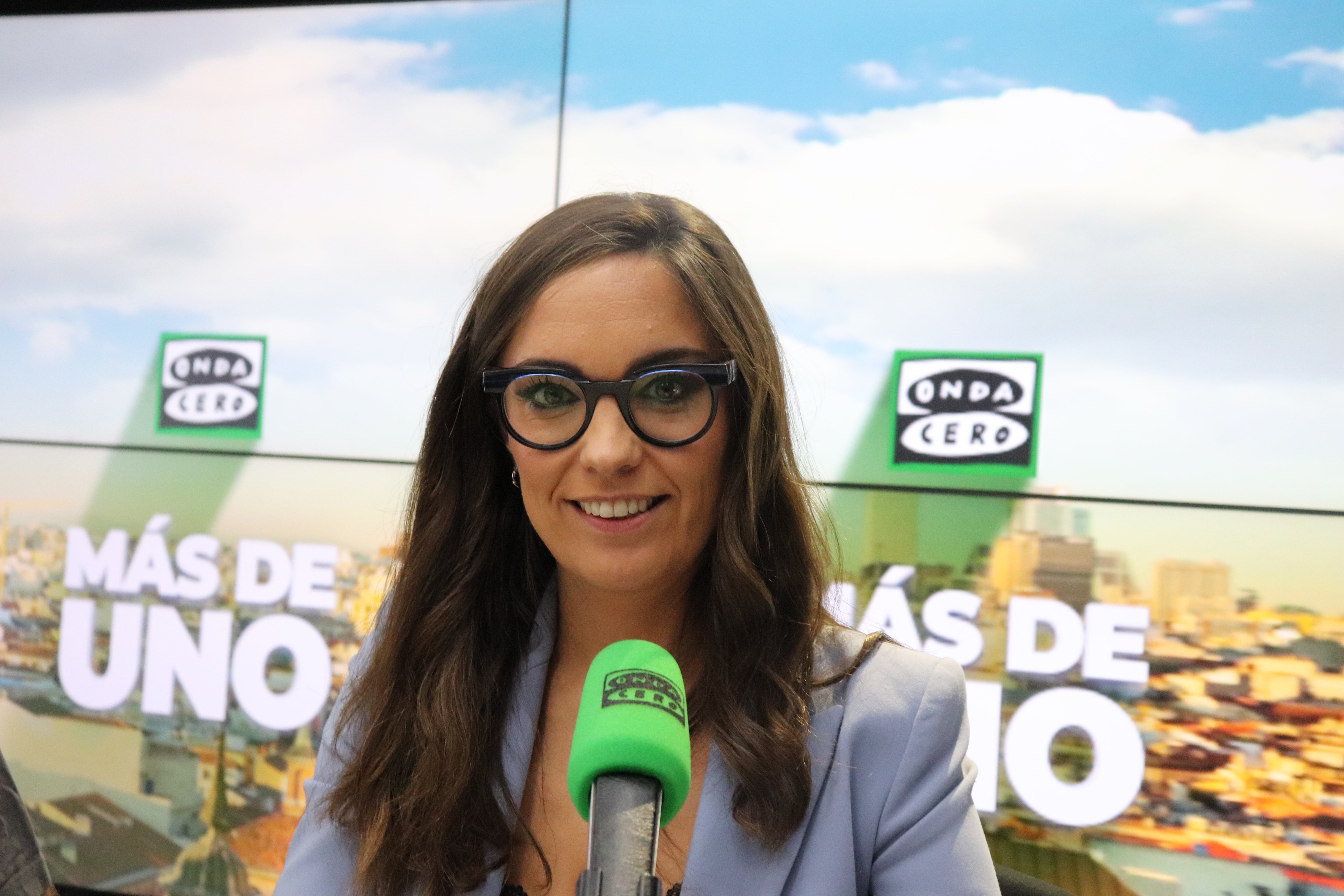
Más de uno — Onda Cero
Episode: Marta García Aller reprocha la gestión de Feijóo en la denuncia por acoso contra el alcalde de Móstoles
Date: February 6, 2026
Host: Carlos Alsina
Commentator: Marta García Aller
Overview
This episode, part of Onda Cero's "Más de uno", centers around journalist Marta García Aller's critical commentary on the handling of harassment allegations within major Spanish political parties—specifically criticizing Alberto Núñez Feijóo and the Partido Popular (PP) for their response to an internal sexual harassment claim against the mayor of Móstoles. The discussion weaves together recent and historical cases, reflecting on party responses and the broader societal implications for victims’ willingness to come forward.
Key Discussion Points & Insights
1. Feijóo's Irony and Political Double Standards
-
Marta García Aller highlights Feijóo's use of the phrase "Calladita estás más guapa" ("You're prettier when you're quiet") with irony to criticize the PSOE for ignoring harassment allegations against their own official, Paco Salazar.
-
She notes Feijóo's rhetoric is powerful but points out the hypocrisy when similar issues arise within his own party.
“Fue Feijóo el que usó irónicamente esa frase para reprocharle al presidente del Gobierno haber mirado para otro lado en el caso Salazar.”
— Marta García Aller [00:05]
2. PSOE’s Handling of the Salazar Case
- The PSOE allegedly kept the harassment complaint against Paco Salazar hidden for five months.
- Salazar stated before the Senate that "nadie en su partido le pidió dimitir" ("no one in his party asked him to resign"), shedding light on the party's internal handling.
3. Comparison of Party Reactions: PSOE vs. PP
-
Marta observes that the PP was quick to support victims and trust journalistic investigations when allegations targeted PSOE members.
-
However, when similar accusations emerged involving their own mayor in Móstoles, their stance shifted—opting to suppress, disbelieve, or discredit the victim.
“En el PP sí creían a las víctimas cuando el presunto acosador era del PSOE... ¿Y qué pasa cuando de lo que informa la prensa es de un caso de acoso sexual y laboral en el PP?”
— Marta García Aller [00:32]
4. The Móstoles Case: Allegations Against the PP Mayor
-
A female council member reported that Mayor Manuel Bautista (PP) harassed her and retaliated when she rejected him, making her working life unbearable.
-
Internal party response involved advising the victim to stay silent for her family's sake, discouraging external reporting.
“El País publica que una edil fue a pedir ayuda al partido porque el alcalde de Móstoles, Manuel Bautista, la acosaba... cuando la víctima denunció internamente, lo que le dijeron fue que mejor se callara por su marido y sus hijos.”
— Marta García Aller [00:47]
5. Victim-Blaming and Silencing
-
The accused party (PP) subsequently discredited the victim publicly when the story became news.
-
Feijóo maintained the position that victims have the "duty to report," prompting García Aller to counter that the real duty lies with organizations to protect victims.
“Y encima dice Feijóo que la víctima tiene el deber de denunciar. Mira, ¿No es deber de las organizaciones proteger a sus trabajadoras del acoso? No. Silenciarlas primero para humillarlas después.”
— Marta García Aller [01:14]
6. No Political Evolution: Reference to Nevenka
7. Conclusion & Moral
- In response to Alsina's prompt for a takeaway, Marta concludes:
“Es descorazonador cómo los partidos protegen a su acosador.”
— Marta García Aller [01:48]
Notable Quotes & Memorable Moments
-
On party hypocrisy:
"En el PP sí creían a las víctimas cuando el presunto acosador era del PSOE. [...] ¿Y qué pasa cuando de lo que informa la prensa es de un caso de acoso sexual y laboral en el PP?"
— Marta García Aller [00:32]
-
On internal silencing:
“Lo taparon, vaya. La convencieron de no denunciar y ella tuvo que dejar su trabajo.”
— Marta García Aller [00:56]
-
On the reality for victims:
“No. Silenciarlas primero para humillarlas después.”
— Marta García Aller [01:18]
-
Closing moral:
“Es descorazonador cómo los partidos protegen a su acosador.”
— Marta García Aller [01:48]
Important Timestamps
- [00:05] — Marta introduces Feijóo’s phrase and outlines his criticism of Sánchez.
- [00:32] — Highlights double standards in party responses to harassment cases.
- [00:47] — Details of the Móstoles case and PP internal silencing.
- [01:14] — Feijóo’s position on the victim's duty, Marta’s rebuttal.
- [01:31] — Historical references and reflections on unchanged realities.
- [01:48] — Marta’s concise and powerful conclusion.
Summary
This episode showcases sharp and critical analysis from Marta García Aller on how both Spain’s main parties, the PSOE and the PP, handle sexual harassment cases—uncovering hypocrisy, silencing of victims, and the persistent prioritization of party image over justice for women. Through specific recent examples and reflections on the past, she delivers a message about the endurance of victim-blaming and the structural reluctance to change, encapsulating her view with a poignant moral: political parties too often protect the accused, not the victims.