← Más de uno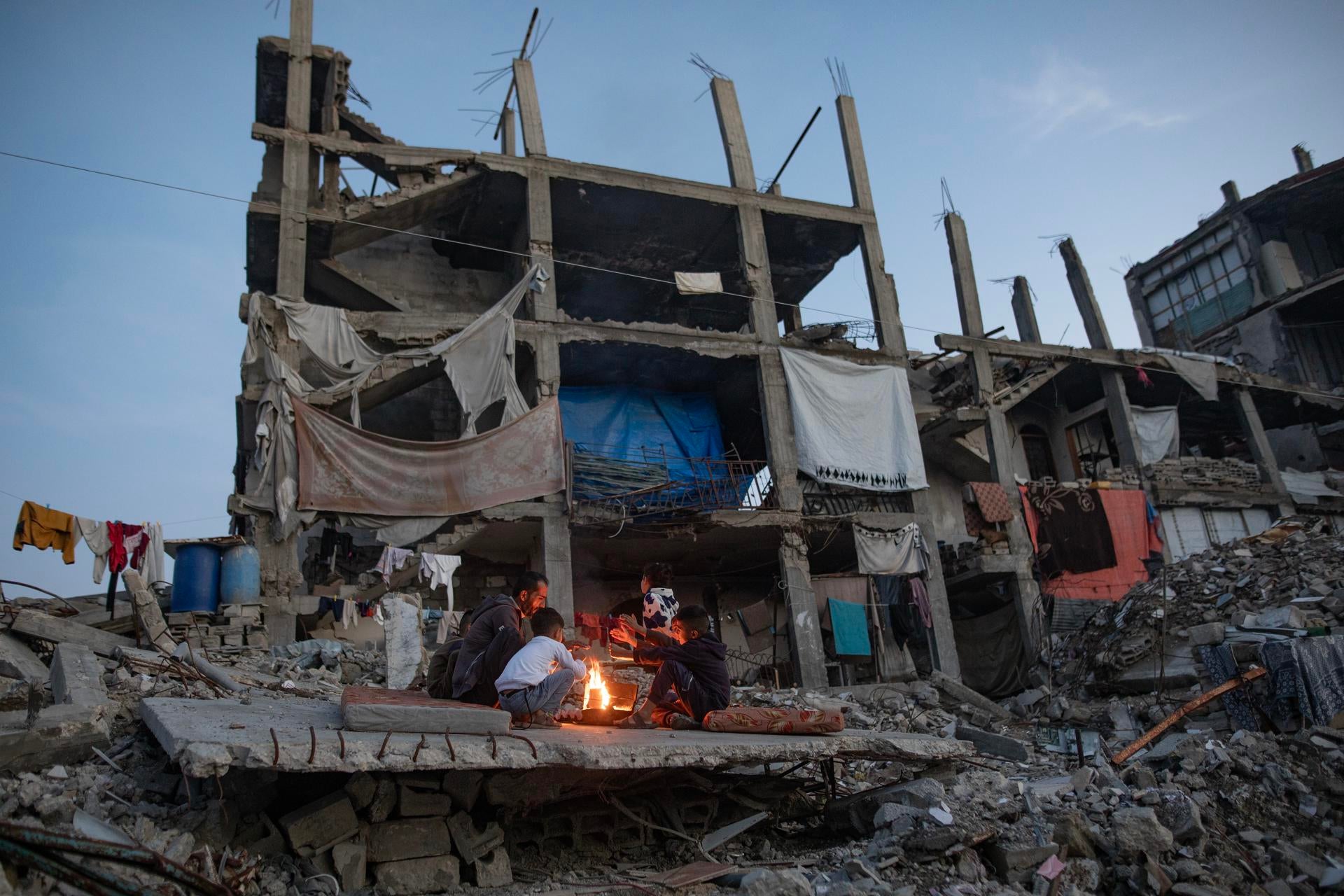
Más de uno
Médicos sin Fronteras alerta sobre la situación límite en Gaza: "Si Israel elimina a las ONG sería devastador"
00:08:56
La responsable de emergencias de la organizacion denuncia las condiciones de vida pesimas de la poblacion gazati, ahora amenazadas por el riesgo de que Israel vete la actividad humanitaria.
Loading summary
Transcript16 lines
- [00:04]
A
En 21 minutos vamos a llegar a las 10 de la mañana, serán las 9 en Canarias. Y aquí seguimos pasando el segundo día del año de 2026 en compañía de Antonio Caño, de Javier Portillo y de Pilar Gómez. Y había adelantado que queríamos mirar un poquito más allá de nuestras fronteras y saber qué es lo que está pasando en Gaza, uno de los conflictos que desde luego está muy lejos de de resolverse, más allá de declaraciones grandilocuentes que escuchemos en las últimas horas de grandes líderes mundiales. Voy a saludar a Pascal Coixar, que es quien está al frente del departamento de Emergencias de Médicos sin Fronteras. Pascal, ¿Qué tal? Buenos días.
- [00:50]
B
Buenos días.
- [00:50]
A
Hola, buenos días. Pascal, ¿Cómo está la situación en la Franja de Gaza ahora mismo, meses después de que nos anunciasen la tregua y meses después, tenemos que seguir contando víctimas mortales, carencias absolutas, muertes por desnutrición? ¿Cuál es la situación ahora mismo en la Franja?
- [01:16]
B
Tal como lo describes, la situación es terrible en Gaza sigue siendo terrible. La gente está pasando por su tercer invierno en tiendas de plástico, aunque llueva, aunque haga frío, pues la gente está en esta situación. Enferman fácilmente por las pésimas condiciones de vida. Y si bien ha entrado un poquito de comida a través de, sobre todo, camiones comerciales, ayuda humanitaria, todo lo que tiene que ver con otros servicios esenciales, el agua potable, los servicios médicos, no ha habido una mejora sustentable.
- [01:59]
A
El anuncio del alto el fuego está fechado el pasado octubre de 2025 y hasta la fecha más reciente que tenemos de actualización de cifras, que siempre es muy frío hablar de cifras, pero es una de las realidades, 376 personas palestinos han muerto durante este tiempo, que se suman a los más de 70.000 que han muerto desde el inicio de la ofensiva allá por octubre de 2023. Pascal, como coordinadora de Emergencias de Médicos sin Fronteras y con este horizonte que tenemos, cuando en apenas un par de meses, a partir de marzo, 37 ONGs, entre ellas la vuestra, van a ver cómo se suspenden sus licencias para operar allí, porque Israel marcó una serie de requisitos muy, muy estrictos, ¿Cómo puede cambiar la situación para esas decenas de miles, para esos millones de palestinos que siguen allí anclados en la Franja?
- [03:00]
B
Claro, es que 37 ONGs, entre las cuales Médicos sin Fronteras, aportan importantes servicios humanitarios vitales para la población de Daza. Por ejemplo, Médicos sin Fronteras proporcionamos una de cada cinco camas de hospital que hay en Daza. Atendemos los partos de uno de cada tres bebés en Gaza. Realizamos en la actualidad un total anual de casi 800.000 consultas externas y distribuimos más de 700 millones de litros de agua. Si no renovamos nuestro registro, que ha sido revocado, como has dicho, el 31 de diciembre, estaremos obligados a cesar todas nuestras operaciones antes del primero de marzo. Esto va a ser devastador. El sistema de salud palestino está diezmado, los hospitales están destruidos, los centros de salud inexistentes, la infraestructura esencial en general está destruida. En Gaza es que no queda nada y la población tiene dificultades para satisfacer todas las necesidades básicas. Quitar las ONGs de Gaza va a ser terrible, va a ser una cosa que va a ser durísima. Y no hay quien reemplazar a las ONGs ahora no es así. Lo hemos visto en el pasado y no ha funcionado. Entonces, de momento, si esto pasa, va a ser devastador. Por eso seguimos trabajando, seguimos intentando negociar para poder seguir en Gaza.
- [04:45]
A
En vuestro caso, habéis criticado mucho la línea nueva que marcó el gobierno de Benjamín Netanyahu en relación a las ONGs, porque decíais que en muchos casos teníais que reservar ciertas identidades por la propia seguridad de quienes tenéis trabajando directamente en el terreno. Desvelar cierta información suponía que vuestros trabajadores, vuestros voluntarios, corrían un riesgo añadido desplegando su trabajo allí en la Franja.
- [05:13]
B
Sí. Las informaciones que afirman que no hemos cumplido no son ciertas. Nosotros hemos presentado una solicitud de registro el año pasado, en marzo de 2025. Hemos solicitado muchísima información al Ministerio de la Diáspora del Combate contra el Antisemitismo, que es el ministerio bajo el cual nos tenemos que registrar de nuevo, y les hemos planteado nuestras dudas en cuanto a la protección de datos de nuestros empleados. Tenemos dudas y están directamente relacionadas con nuestras responsabilidades legales como empleador. Entonces planteamos en repetidas ocasiones serias preocupaciones, solicitamos información y nunca nos han contestado. Hemos solicitado reuniones y nunca hemos tenido una reunión. Y esto desde el inicio del proceso. Son meses de intentar dialogar y no lo hemos podido lograr hasta ahora, pero lo seguimos intentando.
- [06:26]
A
Porque para que nos entendamos, de lo que os están acusando en concreto a ONGs como la vuestra, es de tener empleados que directamente estarían involucrados en actividades terroristas. ¿Esto es lo que os han dicho exactamente?
- [06:41]
B
Bueno, es lo que puede ser que estén implicando, pero lo que dicen es que quieren la información detallada de todos nuestros empleados, no solo los internacionales, sino también los palestinos. Y estamos hablando del Estado de Israel que quiere toda la información detallada de nuestros empleados. Y claro, tiene consecuencias sobre la privacidad de datos. Nosotros también tenemos obligaciones no solo hacia nuestros empleadores, pero también hacia los gobiernos en los cuales estamos registrados, como por ejemplo MC España, y por lo tanto teníamos que resolver esas dudas, teníamos que plantear cómo nos situaba como organización ante un incumplimiento posible de privacidad de datos. Pero nunca hemos podido tener un diálogo hasta ahora sobre estas preocupaciones con el Gobierno de Israel.
- [07:49]
A
Pascal, en tu caso tienes, pero todavía.
- [07:54]
B
No es tarde, pero todavía seguimos intentando poder tener este diálogo.
- [07:59]
A
Es tarde dices, porque el plazo acaba en el mes de marzo. Te preguntaba por tus planes más inmediatos, porque siempre estás como a caballo de muchos sitios. No sé si tienes entre tus planes más cercanos, inmediatos, volver ahí a la Franja de Gaza.
- [08:13]
B
Sí, estoy programada por volver este mes. Vamos a ver si es posible. Para mí sería un gran honor poder volver, poder volver a estar con los pacientes, con nuestros compañeros que nuestros compañeros palestinos que han trabajado muy duro para mantener servicios de salud básicos para los otros palestinos. Me gustaría mucho poder volver, pero no sé si va a ser posible.
- [08:46]
A
PASCAL COIXAL Coordinadora de Emergencias de Médicos sin Fronteras Gracias por atendernos esta mañana, más de uno y gracias por el trabajo. Un abrazo y feliz año.
- [08:55]
B
Gracias a ustedes. Un abrazo.