← Más de uno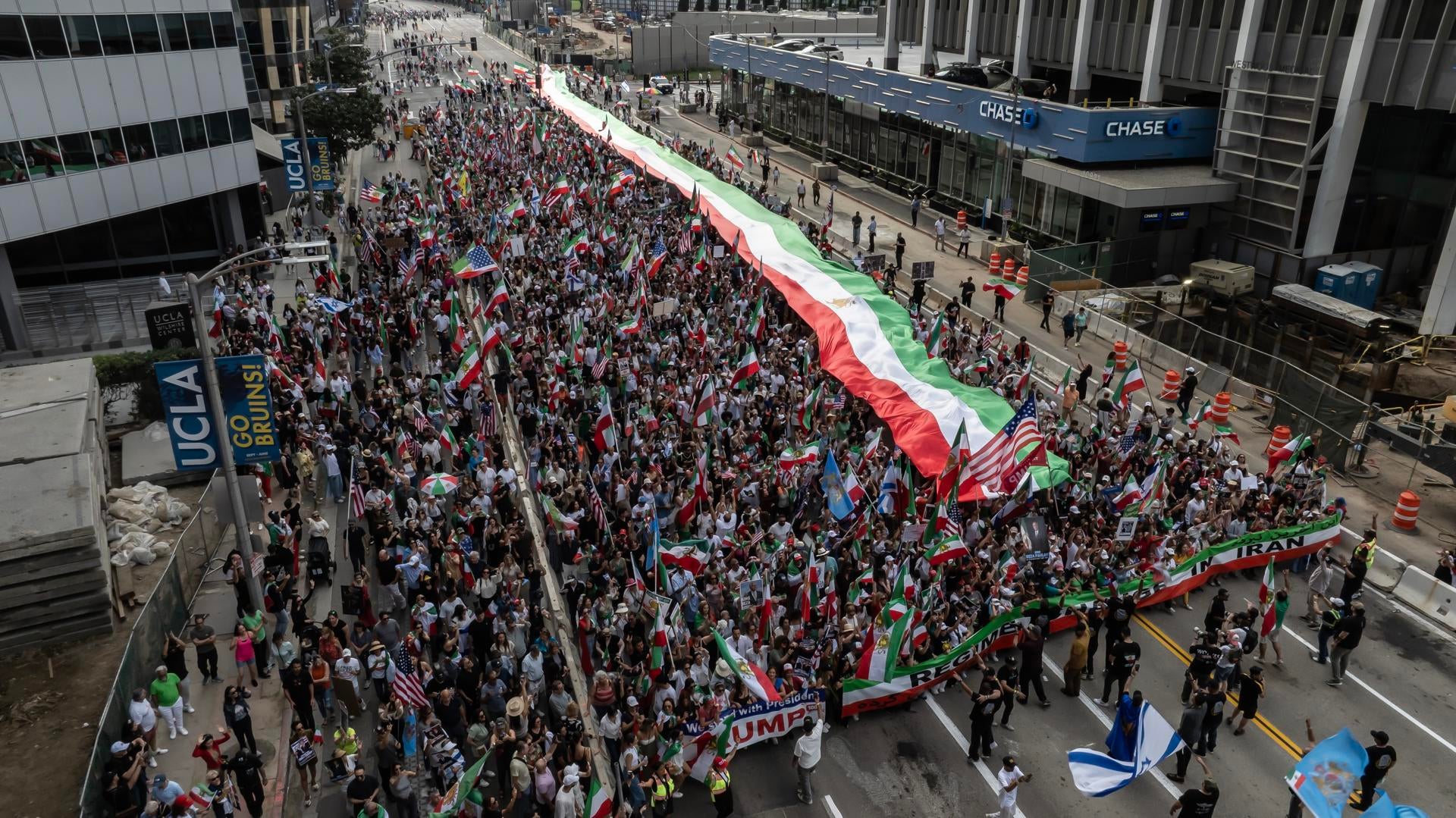
Más de uno
Nilufar Saberi, activista iraní: "Me avergüenza que el régimen de España apoye a los islamistas gobernantes en Irán"
00:10:12
Nilufar Saberi, activista iraní: "Me avergüenza que el régimen de España apoye a los islamistas gobernantes en Irán"
Loading summary
Transcript15 lines
- [00:00]
A
Bueno, de esto hablamos luego. ¿Que tenemos Irán como gran asunto de estas últimas horas? Bueno, Irán y todo lo que rodea a Irán, que nunca mejor dicho, geográficamente, lo que rodea a Irán son los países, entre ellos los países que están en la otra orilla del Golfo, los países que están recibiendo ahora los ataques por parte de Irán, que son países que no participaron en los ataques estadounidenses, israelíes, pero que Irán entiende, como son aliados de Estados Unidos Y de Israel, pues que merecen también la respuesta. Hay de estas últimas horas, además de lo que ya venimos Contando desde las 6 de la mañana, una declaración del gobierno chino o del régimen chino, que es un padrino de Irán, o aliado del régimen iraní, que dice China que insta a detener inmediatamente las operaciones militares de Estados Unidos Y de Israel, que expresa su profunda preocupación por el riesgo de que el conflicto se extienda a otros países. Bueno, ya se ha extendido y dice la portavoz del Ministerio de Exteriores chino en una rueda de prensa que ha dado, que los ataques lanzados por Estados Unidos no contaron con autorización del Consejo de Seguridad de Naciones Unidas y que por cuanto violan el derecho internacional, que creo que es algo que no ha discutido nadie, que violan el derecho internacional, si acaso está en discusión si violan la legalidad estadounidense, por aquello de que Trump sigue diciendo que todas sus acciones militares fuera de Estados Unidos son para proteger a los estadounidenses de las amenazas que reciben. Antes de escucharos a vosotros, me permitís que saludemos a Neilufar Saberi, que es exiliada iraní, exiliada en España y activista por los derechos humanos. Hablábamos con ella cuando las últimas protestas en Irán, a primeros de este año, finales del año pasado, primeros de este año, protestas que fueron reprimidas por el régimen iraní. Hay, por cierto, una advertencia de esta misma noche de la Guardia Republicana en Irán a todos los ciudadanos, advirtiéndoles de que si se suman a las protestas, les va a pasar lo mismo que les pasó a quienes manifestaron en enero. Y lo que pasó en enero es que hubo, según algunos cálculos, hasta 30.000 muertos como consecuencia de esa represión. Para que lo sepan los ciudadanos iraníes, lo hace el gobierno de ese país, que sigue habiendo gobierno y sigue habiendo régimen, aunque muchos de sus máximos dirigentes, incluido Khamenei, pues ya no estén porque han muertos por el ataque de Estados Unidos Y de Irán. Bueno, Nilofar Sabergui, muy buenos días.
- [02:14]
B
Muy buenos días, Carlos. Muy buenos días a todas y todos los oyentes.
- [02:18]
A
Buenos días y gracias por atendernos esta mañana. Su estado de ánimo después de saber lo que pasó el sábado, de saber que Alí Khamenei ya no está, que hay otros dirigentes del régimen que ya tampoco están, pero que a la vez siguen cayendo bombas en el territorio, en su país, en Irán, ¿Su estado de ánimo cuál es en este momento muy
- [02:38]
B
complicado de poder explicar con palabras, porque el que vayan eliminando a nuestros verdugos, quienes nos masacran en plena luz del día y ante la impunidad que les ampara desde la comunidad internacional, que no les trae ninguna consecuencia, es motivo de júbilo para el pueblo iraní, a la vez que existe la preocupación de que en una guerra no se debaten precisamente dulces y que las vidas están en peligro, pero no más en peligro, ni mucho menos, ni de lejos, de lo que está en nuestras vidas bajo el yugo de la inquisición islamista gobernante en Irán desde hace casi medio siglo? Yo quería hacer una puntualización, por la confianza que nos une, de pedidos, por favor, a los medios de comunicación que cuando habláis de Irán, habléis del pueblo iraní. Irán. Somos el pueblo iraní. El gobierno que tenemos ocupando el poder en Irán es nuestro mayor, nuestra mayor y más sanguinaria enemiga. Es un gobierno al que llevamos intentando derrocar desde hace décadas y que ahora por fin vemos una luz al final
- [03:59]
A
del túnel, dijo el presidente Trump este fin de semana cuando anunció el ataque del sábado. Dijo precisamente esto, de que es el pueblo de Irán el que tiene ahora una oportunidad que hasta ahora no había tenido, porque el régimen nunca había sido golpeado de forma tan drástica como el sábado. Ahora que ha caído, que ha muerto, que ha sido eliminado Khamenei y otros de los suyos, dijo el presidente, es el pueblo iraní el que ahora tiene que aprovechar esta oportunidad porque no se le va a presentar otra parecida en décadas para acabar del todo con el régimen. Pero eso lo tiene que hacer el pueblo de Irán. Nosotros hemos hecho, decía Trump, lo que estaba en nuestra mano. ¿Qué cree usted que debería? Claro, hablar del pueblo iraní, es verdad, es un poco inconcreto. Dentro de Irán hay personas que están en distintas situaciones, muchos de ellos represaliados, como venimos contando, y perseguidos o encarcelados y presos políticos. Pero ¿Qué posibilidades hay de que el pueblo de Irán sea capaz de levantarse contra lo que queda del régimen para terminar de enterrarlo?
- [05:00]
B
Efectivamente, toda la razón Carlos, de que el pueblo iraní, al igual que el resto de los pueblos del mundo, no somos una masa compacta, que tenemos diversidad de criterios y tendencias ideológicas y políticas, pero dentro de eso, la inmensa mayoría del pueblo iraní es opositor de la teocracia islamista. Y estamos de acuerdo en el contenido que queremos para el futuro político de Irán que una democracia igualitaria, secular y basado en derechos humanos. De ahí a que lo que nos dejen tener, porque no seamos ingenuos, en la zona no existe ninguna democracia tal cual lo entendemos. Lo más democrático que se pueda llamar entre comillas es Turquía y el presidente lleva más de 20 años presidiendo. Entonces pues a lo mejor pasamos al libro de Guinness siendo los primeros, pero no hay quien Autoengañancia. Y dentro de eso, el pueblo iraní siempre hemos hecho lo que se debe de hacer para derrocar un régimen salir a las calles protestando siempre pacíficamente y siempre nos han abierto fuego desde helicópteros, azoteas, nos han atravesado con vehículos militares, nos han literalmente aplastado los sesos bajo sus ruedas, etc. Etc. Si en esta ocasión el señor Trump, del no me fío absolutamente para nada, como muchos iraníes, está en lo cierto, que va a debilitar lo suficiente la máquina de asesinar, de matar de la teocracia islamista en Irán para que el pueblo podamos esta vez salir a la calle y no ser masacrado. Pues claro que lo vamos a derrocar, es que es nuestro propósito. La Revolución Iraní 2026, en la que participamos mujeres y hombres, hombres y mujeres, hombro con hombro, es el derrocamiento de la teocracia islamista.
- [07:14]
A
En la Unión Europea también hay división de pareceres, no porque nadie haya respaldado al régimen iraní, que nadie lo ha hecho, pero sí sobre porque les da vergüenza.
- [07:28]
B
Es vergonzoso que lo defiendan abiertamente, pero lo defienden de una manera camuflada, muy vergonzosa y que tendrán que responder ante la historia.
- [07:40]
A
¿En quién está pensando Nilufar? ¿En el gobierno de España?
- [07:45]
B
En todos los gobiernos que ahora se acuerdan del derecho internacional y de lo que se está vulnerando contra un régimen asesino, un régimen terrorista, y no se acuerdan del pueblo iraní en casi medio siglo. Y mientras hemos estado siendo masacrados.
- [08:08]
A
Le preguntaba por esta diferencia de posiciones dentro de la Unión Europea respecto de aquellos que están poniendo el acento en la necesidad de conseguir que Irán primero cese con los bombardeos que está haciendo sobre otros países el régimen iraní y también de conseguir que llegue una transición a la democracia en su país. Frente a quienes están poniendo el acento en que el punto de partida, que es el ataque del sábado, es una violación también de la legalidad internacional y además dirigido por Trump, que como usted decía, tampoco parece que sea una persona muy de fiar. ¿Qué cree que debería hacer la Unión Europea? ¿Cuál debería ser la posición de la Unión Europea a la que pertenecemos?
- [08:45]
B
Pues haber cumplido el acuerdo de la ONU de 2005 que tienen firmado y se llama responsabilidad de protección, que se trata de cuando un gobierno masacra a su propio pueblo, acudir en rescate de ese pueblo desarmado, indefenso y pacífico. ¿Os imagináis que hubiera sido del mundo si los aliados no hubieran derrocado Alemania nazi? Pues esto es lo que tenían que haberse adelantado los gobiernos progresistas para evitar esa masacre que era evitable si hubiesen dejado de sostener, defender y mantener amistades ocultas con un gobierno criminal que pasará a la historia como uno de los gobiernos más sangrados sanguinarios de la historia. Y esto allí quedará grabado, igual que los gobiernos que en su día apoyaron al régimen nazi. Y como española que soy, también me siento avergonzada que en su día el régimen de España apoyase al régimen nazi y ahora en el siglo XXI el régimen de España apoya a los islamistas gobernantes en Irán.
- [10:05]
A
Nilufar Saberi, gracias por habernos atendido y que tenga buen día.
- [10:08]
B
Muchísimas gracias.
- [10:10]
A
Buen día y buenos días.