← Más de uno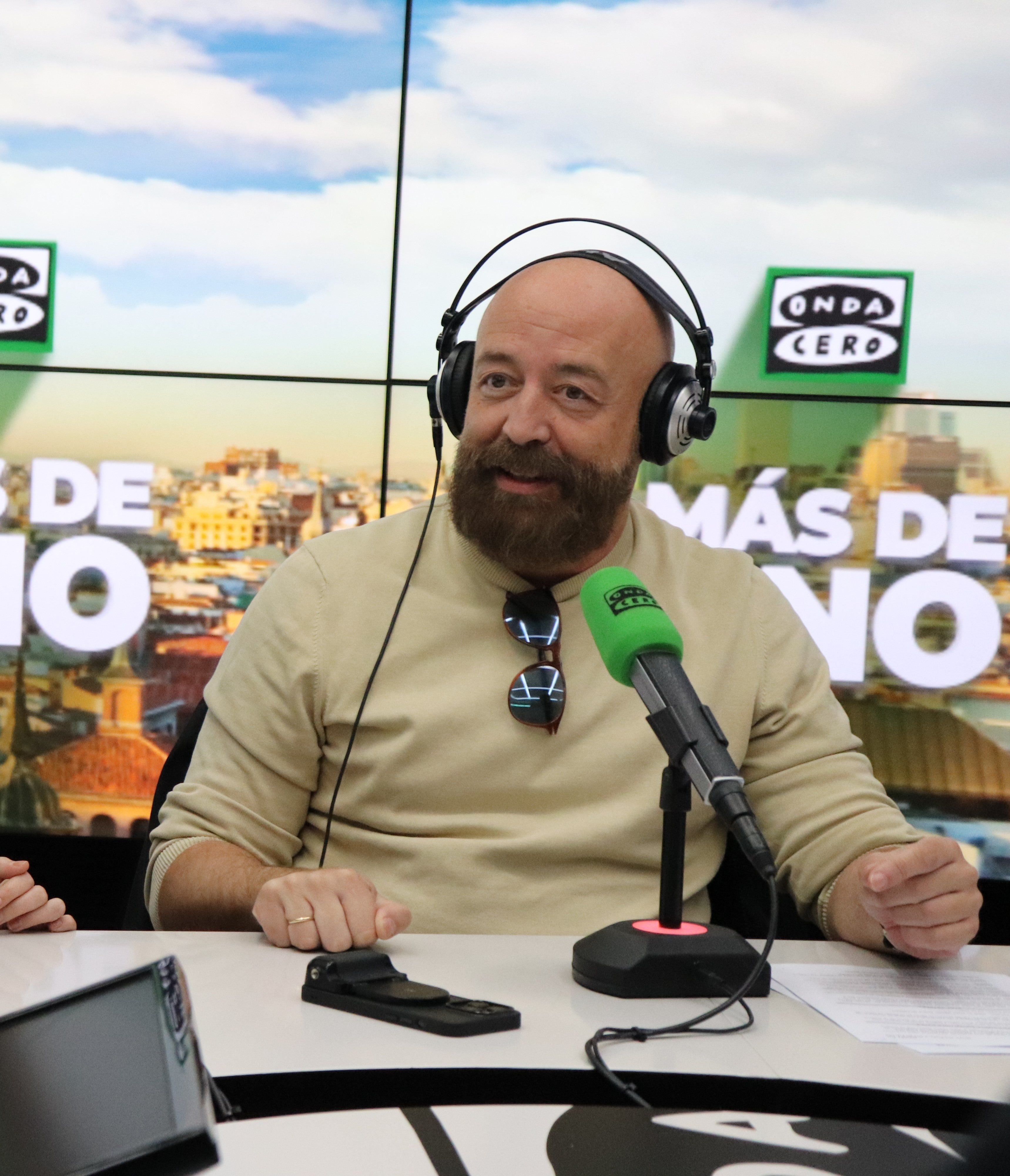
Más de uno
¿Puedo educar a mis hijos en el catolicismo aunque no sea una cristiana practicante? Goyo Jiménez responde al dilema
00:09:56
La ausencia por causa paternal de Jorge Freire continúa, por lo que hoy ha cubierto su puesto Goyo Jiménez, quien ha invitado a Amelia, una de las oyentes de Más de uno a confiar en su manera de vivir la fe pese a las críticas de su marido.
Loading summary
Transcript30 lines
- [00:07]
A
Más de uno en Onda Cero, donde Alsina,
- [00:13]
B
en un ejercicio de solidaridad del que podemos presumir en este programa y no en otros. Ejercicio de solidaridad con el Dr. Freire y para que su sección no deje de ser objeto de atención por parte de nuestros oyentes, los colaboradores del programa, los demás colaboradores, se han ofrecido a ir su semana a semana al Dr. Freire en su tarea de responder a los dilemas morales de nuestra audiencia. La semana pasada, de manera absolutamente espontánea y desinteresada, Sergio del Molino asumió la responsabilidad de resolver un dilema moral de nuestra audiencia. Y hoy, Begoña Gómez de la Fuente, gracias a su intercesión, hemos conseguido que de manera también espontánea y desinteresada, Goyo Jiménez se haga cargo del dilema moral que nos plantea una oyente o un oyente. Así que, Goyo, buenos días de nuevo y muchísimas gracias.
- [01:07]
C
Buenos días. Me quedo con lo de espontáneo, pero no lo desinteresado. Y efectivamente, no hay cosa más. El primer filósofo fue un bromista que dijo que no sabía nada. No hay nada más humorístico que la mayéutica. Así que aquí me tenéis con ese cargamento moral.
- [01:22]
B
Empiezas bien, muy bien.
- [01:23]
C
¿Verdad que sí?
- [01:26]
B
No sigas tan bien porque luego Freire se siente amenazado.
- [01:30]
C
Están moviendo las dice Freire.
- [01:33]
B
Pues yo de haberlo sabido, igual me había cambiado el nombre y había seguido haciendo la sección. Vamos a escuchar el dilema moral.
- [01:39]
C
Enseguida lo estropeo todo. Vamos a escuchar.
- [01:41]
B
Es una oyente que responde al nombre de Amelia y que nos ha hecho llegar esta situación verdaderamente agónica.
- [01:55]
A
Muy señores míos, les escribo en mi doble condición de embarazada e indecisa. La primera es más fácil de explicar. Mi marido y yo, pensando en crear una familia, nos pusimos hace un tiempo manos a la obra. Dentro de un mes salgo de cuentas y nacerá una niña de cuya educación, y aquí viene mi dilema, nos ocuparemos como manda estos tiempos a partes iguales. Yo soy una mujer de convicciones católicas firmes pero discretas. Vivo la fe de una manera íntima y reservada. Fui bautizada, hice la comunión, me confirmé y no me casé por la Iglesia, para gran disgusto de mi familia, porque mi marido, un ateo furibundo, se negó rotundamente a que nos uniéramos por ese sacramento. A mí me dio un poco lo mismo. Mis creencias no dependen de lo que diga un cura. Él, de hecho, sostiene que soy una católica de boquilla. Como no voy a misa los domingos, me zampo un chuletón en Semana Santa, celebro Halloween y prefiero el árbol de Navidad a los nacimientos y belenes, Considera que no soy una verdadera cristiana. Él, sin embargo, cree ser un pueblo purísimo, anticapitalista, aunque cada mes ingrese una nómina de más de 5.000 euros en su estado de WhatsApp. Soy comunista, no un templario con voto de pobreza. El caso es que la futura educación de nuestra hija ha empezado ya a provocar algunas grietas entre nosotros. Yo quiero inculcarle los valores católicos, que la niña crezca en la fe de Dios, pero mi marido se niega aduciendo que sólo estaría amplificando mi farsa. Que si quiero ser una mujer católica, apostólica y romana, he de serlo con todas las consecuencias y no de la forma que a mí me dé la gana. Y claro, me está haciendo dudar. Por eso les es preceptivo cumplir con todos los requisitos para que yo pueda considerarme una mujer creyente o puedo sentirme libremente católica sin necesidad de ser una monja esperando su bendición. Amelia.
- [03:52]
B
No dice amén, dice Amelia. Claro, porque ha podido sonar a amén. Bueno, pues este es el dilema moral al que te enfrentas esta mañana. Goyo Jiménez.
- [04:01]
C
Bueno, pensé que ibais a ponerme algo más difícil.
- [04:04]
B
¿Te parece fácil?
- [04:05]
C
Sí, sí. Tiene una respuesta.
- [04:12]
B
Hemos perdido el micrófono de Goyo. Por favor, si alguien te está me cambio.
- [04:19]
C
Este mucho mejor.
- [04:20]
B
Alguien te sabotea.
- [04:21]
A
Bueno, ha sido.
- [04:21]
B
Sí, esto. Hay que tener cuidado con esto.
- [04:27]
C
En esto podríamos ver una señal divina, un intento de la posible divinidad de silenciarme para que no solucione. Te decía que lo veo fácil porque la fe no queda invalidada por el incumplimiento, el comportamiento imperfecto de la persona que la profesa no tiene nada que ver. La fe no es un código, a diferencia de la ley humana. Y mucho menos en el caso en el que ya se está postulando, que es el bautismo. Si hay algo que dejó claro Jesucristo, creador del cristianismo, fundador, influencer fundador del cristianismo, es que a Dios lo que es de Dios y a César lo que es de César. Es decir, lo atribuible a Dios no es lo atribuible al comportamiento, a la institución humana. Quien postula las necesidades del comportamiento cristiano es la Iglesia, que es una institución humana. De hecho, Dios, que sepamos, no se pronuncia por sí mismo, se pronuncia siempre a través de un interventor. Desde el principio, bueno, salvo con Moisés, quien sí que le hablaba, tenía línea directa, después siempre necesita un interventor o un médium para hacerlo. Entonces estamos obedeciendo postulados humanos y esa incoherencia es perfectamente factible. Es más, no sólo en el cristianismo, en otras religiones, por ejemplo el Islam atribuye esto. En el cristianismo se le llama pecado cuando no se cumple con la norma. En el islam es debilidad humana, en el budismo es ignorancia de lo que hay que hacer. Y todo permite de hecho que entre otras facetas de la religión, que es el perdón, la misericordia, la compasión, que no existirían sin la incoherencia humana. Con lo cual no se puede tener una religión sin errores que vayan en contra de esa religión. ¿Te está yendo por los cerros de Úbeda?
- [06:10]
B
No, no está tranquilizando a nuestra oyente.
- [06:13]
C
Estoy tranquilizando a Amelia diciendo que su incoherencia es más, su marido es comunista. No, sí vamos a comparar la religión con la ideología humana. Ateo furibundo, ponía comunista no sé qué. Escuchado bien. Pues en este caso igual si hay otro sitio donde se pide un purismo del tipo Sabonarola, concretamente del tipo de tienes que cumplir esto o no eres de los míos y que de hecho provoca escisiones y vamos, imposibilidad. Precisamente hay algo que tenga más iglesias puntuales que las creencias de izquierdas, Ya que me dice que me voy por los cerros de Úbeda. No se puede pedir a todos los de izquierdas que cumplan los preceptos marxistas. Es más, no se le puede pedir al propio Marx. Porque Marx, que habló siempre de los obreros, vivió de las rentas del capital, ya que estamos en casa, de la renta de las rentas que tenía Engels y nunca trabajó como obrero y sin embargo siempre postuló a favor del obrero sin serlo él. Y al mismo tiempo hablaba de la diferencia de clases y no permitió que su hija se casase con un enamorado porque era obrero. Era poco para ella, entre otras cosas.
- [07:18]
B
Pero esta parte de la experiencia de la oyente nuestra, de Amelia, cuando confiesa que los viernes de Cuaresma en lugar de respetar el ayuno, se zampa un chuletón. Esto quizá igual ella debería hacer un ejercicio de coherencia consigo misma.
- [07:37]
C
Bueno, pero tú puedes creer que es necesario el deporte, ¿Verdad? Estamos todos de acuerdo que la actividad física es necesaria, pero eso no te obliga a ir todos los días al gimnasio. Tú no tienes por qué ir todos los días al gimnasio. Tú crees que la actividad física es saludable y es imprescindible, pero no te obliga obliga a hacerlo todos los días. Y de hecho las religiones lo tienen previsto. Y en el caso del cristianismo, tú puedes ser incoherente toda tu vida, siempre que te arrepientas en el último momento, en la extrema unción. Esto es como para que la gente lo entienda bien. Es como tú llegas a un supermercado, ¿De acuerdo? Y te ponen prohibido separar las agrupaciones de yogurts. Y tú de repente a mí me gusta el yogur de limón, pero no me gusta el de pera. Esto es una reflexión que hacemos mucho y rompemos, vamos en contra de las normas del supermercado, rompemos y separamos la agrupación de yogur y nos llevamos el de limón y el de pera. Y en cualquier caso, ya te echarán la bronca en la caja y siempre puedes arrepentirte y no dejarla. Miremos la religión también de esta misma forma, es decir, como yogures. Claro, Es más, la propia religión está basada en los conocimientos de una época. Evidentemente nuestro conocimiento va cambiando y nuestra forma de afrontar la relación con Dios tiene que adaptarse al conocimiento de la época.
- [08:57]
B
Yo creo que está muy bien respondida la consulta de nuestra audiencia. Además de una manera muy amable, muy correcta hacia ella, tranquilizándole.
- [09:06]
C
Yo equipo a Amelia directamente la tranquilizo y le digo que si hay algún grupo en el que sólo puede primar la coherencia, es en uno que asuma como primera adenda la incoherencia. Es decir, esto es como lo de si hay una cosa, constante es el cambio, que lo decía Heráclito, empezó con un filósofo griego y terminó con otro.
- [09:25]
B
Muy bien, oye, muy bien. Muchísimas gracias, Goyo, por tranquilizar a nuestra oyente y por resolver este dilema moral en ausencia del Dr. Freire.
- [09:33]
C
Que por cierto, también hay que decirle a la oyente que yo sólo soy un cómico, que tampoco se tome al pie de la letra todo lo que digo yo.
- [09:38]
B
Pues como Freire. Adiós, Goyo. Adiós. Un minuto y enseguida recibimos en este programa a Alberto Aparici y hablamos de divulgación científica.