← Más de uno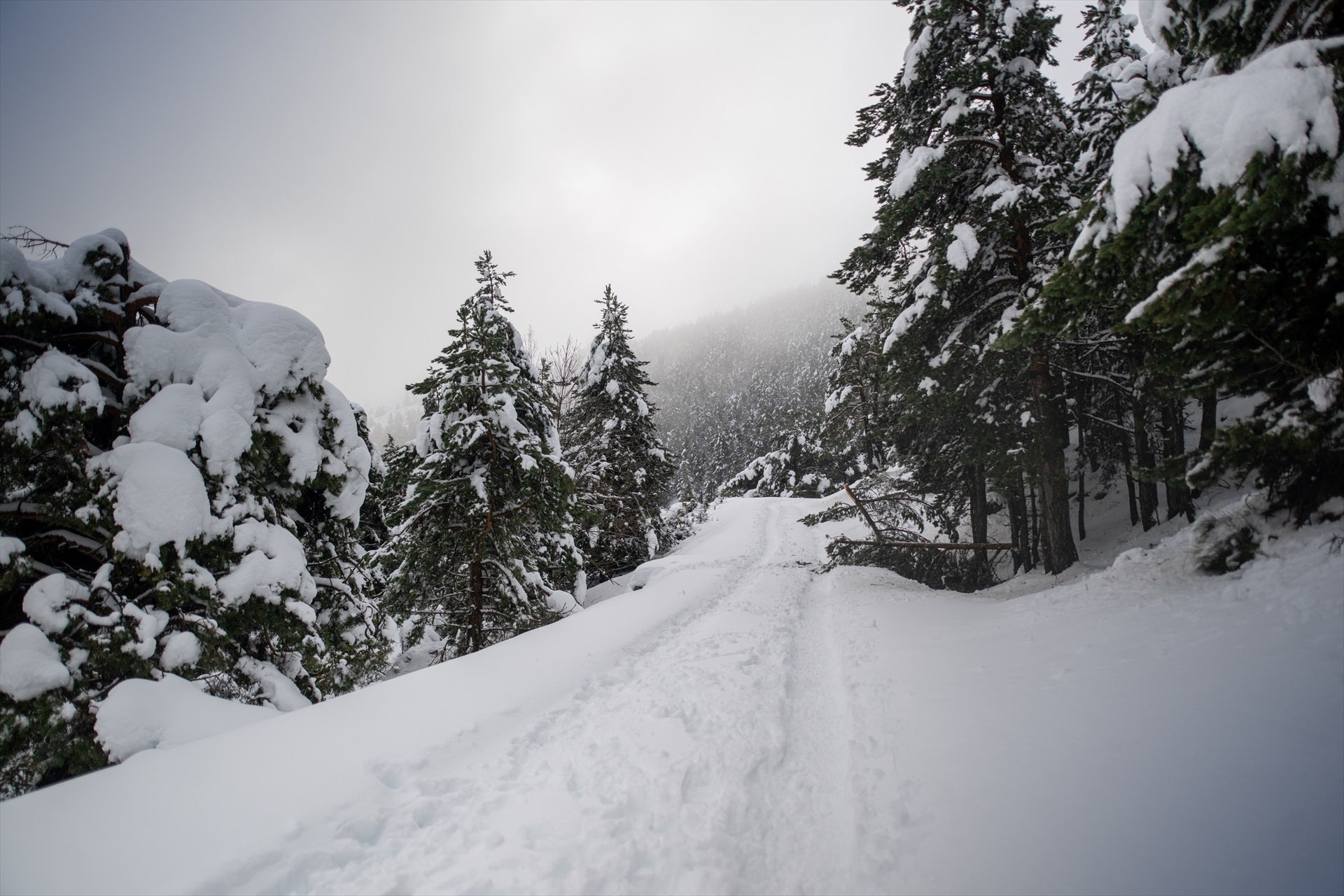
Más de uno
Que sabemos de la nieve
00:39:15
Begona Gomez de la Fuente ha aprendido este lunes en Mas de uno todo lo que se puede saber sobre este fenomeno meteorologico que caracteriza nuestros inviernos, Cada vez nieva menos? Como conservan la nieve en las estaciones de esqui? Que tipo de nieve...
Loading summary
Transcript139 lines
- [00:19]
A
Desde hace un tiempo estuvimos hablando de los helados con los productores de Ibi. En la fase de documentación de aquel que sabemos de. Nos topamos con algo muy curioso, que eran los neveros, que pertenecen a lo que se denomina la arquitectura de la nieve. Y hoy es el día en el que nos adentraremos en esos neveros y además ahondaremos en el conocimiento de la nieve. Para ello nos hemos ido a Alicante, porque Jorge Olcina es catedrático de Geografía y dirige Laboratorio de Climatología. Y Jorge es un experto que se lo sabe todo. Jorge, muy buenos días.
- [00:50]
B
Hola, buenos días. ¿Qué tal?
- [00:51]
C
¿Cómo estáis?
- [00:52]
A
Pues muy bien. Claro que estar en Alicante, hablar de nieve. ¿Nieva mucho en Alicante? ¿Tú que estás allí?
- [00:58]
B
Bueno, nieva un poquito en la montaña, no mucho, pero hay mucha afición a la nieve. La verdad es que la gente cuando nieva, enseguida saca el coche para ir a la montaña a ver la nieve.
- [01:08]
A
Que cuando hay poca, ¿Verdad? Hay que disfrutarla. Sí, yo no sé si es cierto que nevar es una forma de llover, porque he visto por ahí formas de clasificar la lluvia y de repente he visto nevar. Anda, pues nevar también. Claro, es una lluvia.
- [01:22]
B
Es lo que se llama una lluvia en estado sólido. Caen copos de nieve. El agua que normalmente cae en forma líquida en la lluvia se congela porque las temperaturas son bajas y se transforma en cristal de hielo. Y la fusión de esos cristales de hielo forma los copos de nieve. Por tanto, sí, es una forma de lluvia.
- [01:43]
A
Y yo no sé si España experimentó en alguna época grandes glaciaciones o no.
- [01:49]
B
Nos tocaron, bueno, nos tocaron como al resto, por ejemplo, de todo nuestro hemisferio norte, en las grandes glaciaciones cuaternarias, estas que nos enseñaban el colegio. La última terminó hace 10.000 años y desde entonces estamos en un llamado periodo interglaciar. Es decir, que ahora estamos en una fase en el que el clima de la Tierra es más cálido, pero caminamos dentro de bastantes miles de años hacia una nueva glaciación. Y en este periodo interglaciar ha habido fases también distintas. El clima de la Tierra nunca es constante, experimenta cambios muy frecuentes. Y de hecho, hace siglo y medio estábamos en una fase fría, la llamada Pequeña Edad del Hielo, que fue una última pulsación y que animó todo esto que decís. ¿Muy bien, esto de los pozos de nieve, los neveros se deben a esta última fase de la Pequeña Edad del Hielo, que también España registró? Claro.
- [02:48]
A
¿La erupción de Krakatoa fue detonante de esto o fue al final? No sé, no sé dónde situarla.
- [02:57]
B
No, a ver, esta Pequeña Edad del Hielo empezó en el siglo XIV. Bueno, los años de inicio y cese siempre hay investigaciones que lo van cambiando, pero podemos decir, Desde el siglo XIV hasta mediados del XIX, el clima en el hemisferio norte, especialmente aquí en Europa, fue un clima frío. Es la llamada pequeña. Esto que decíamos, la Pequeña del Hielo, tuvo causas diferentes, el Sol poco activo, también aspectos de variaciones orbitales, porque la Tierra depende mucho de cómo se traslada alrededor del Sol. A veces estamos más cerca, a veces más lejos, y luego sí, alguna erupción volcánica influyó puntualmente en que algunos años fueran más fríos. Pero fueron erupciones hasta mediados del XIX. La del Krakatoa fue un poquito después.
- [03:49]
A
1883 fue.
- [03:51]
B
Sí, exacto. Digamos que sería un poquito el cierre, podríamos decir, de esta Pequeña Edad del Hielo. Pero hubo una anterior mucho más importante, la del Tambora en 1812, la del Laki a finales del XVIII. En fin, que esas erupciones volcánicas puntualmente enfrían la temperatura terrestre porque impiden que llegue la radiación solar con la abundancia que suele llegar.
- [04:16]
A
¿Y ustedes, los expertos, los investigadores, podrían decir si dentro de poco, mucho o regular, se podría dar otra Pequeña Edad de Hielo en la Tierra?
- [04:26]
B
Bueno, de momento la situación ha cambiado mucho, porque todo lo que era la evolución del clima terrestre, que respondía a causas, hemos ido comentando naturales, causas astronómicas, erupciones volcánicas, el Sol más o menos activo, esto ha cambiado en los últimos 150 años debido a lo que llamamos esas emisiones de gases que está lanzando el hombre con el desarrollo económico industrial y que han alterado el funcionamiento natural del clima. Por tanto, de por sí estaríamos en una fase, podríamos decir, templada o cálida del clima, pero este carácter cálido se ha incrementado debido a esas emisiones que están alterando ese balance de energía que tiene la Tierra y lo conducen hacia un clima un poquito más cálido, como estamos registrando.
- [05:17]
A
Y del clima cálido luego llegaremos a la helada constante o.
- [05:23]
B
Dependerá de cómo evolucione esta fase actual. Si conseguimos frenar esas emisiones, volver a naturalizar, claro es difícil porque estamos en unos años decisivos que no conseguimos cambiar esta dinámica de emisiones y de calentamiento. Por tanto, de momento hay que acostumbrarse a vivir en estas condiciones de un clima más cálido en toda nuestra tierra.
- [05:49]
A
O sea que tenemos menos nieve. Nieva menos, mucho menos.
- [05:52]
B
Sí, claro, esto ha alterado, además de que suben las temperaturas, como hemos notado, pues altera también el periodo de frío del año, que cada vez es menor y altera también la cobertura de nieve, lo que decimos de manera perpetua, lo que llamamos los glaciares se van reduciendo y es una de las consecuencias de este proceso de calentamiento.
- [06:15]
A
Hay diferentes formas de llamar al nevar, es decir, la escarcha no es nieve o la cencillada es nieve.
- [06:26]
B
Sí, a ver, hay diferentes formas de llamar a lo que llamamos hidrometeoros. En el fondo un hidrometeoro es un meteoro, digamos un fenómeno atmosférico vinculado con el agua y ahí sí que hay diferentes maneras de presentarse. Está la niebla, está la lluvia, que hay diferentes maneras de llover y está la nieve cuando cae en estado sólido, como decíamos, que puede caer de forma abundante, una nevada importante, puede caer en forma de copos ligeros, puede helarse el agua porque hay unas condiciones de estabilidad y se forma la escarcha, sobre todo en zonas lagunares o en áreas con presencia de agua. Sí, hay diferentes maneras de presentarse esa precipitación helada en forma de sólida, en estado sólido del agua.
- [07:18]
A
¿Y en España hay registradas nevadas históricas? ¿La Filomena es una de ellas o no tiene tanta categoría como parece?
- [07:25]
B
Sí, a ver, la Filomena generó un impacto muy importante, seguramente también porque afectó a Madrid. Cuando afecta una gran capital, enseguida todos los medios de comunicación se hacen eco. Pero sí que es verdad que fue una nevada importante. Ha habido otras a lo largo del siglo XX, por no remontarnos a épocas más pasadas. Por ejemplo, ahora se cumplirá aniversario de la famosa Nevada del año 26 1926, que llegó a nevar hasta en zonas del sur como Cádiz o Huelva, algo un poco insólito, pero es verdad que aquella nevada del 26 fue muy importante. Y luego ha habido otras. En el año 56 la famosa helada de la zona, sobre todo del Mediterráneo, las navidades del 70-71 también fueron muy frías la del 85, 1985, enero también fue una situación de frío importante. Bueno, vamos teniendo diferentes eventos. Es verdad que ahora cada vez estos eventos son menos frecuentes, menos importantes en su duración, pero bueno, se siguen produciendo porque también hay que señalar con esto del cambio climático se decía pues ya no va a hacer más frío en España, ya no va a nevar. No, a ver, sí que sigue nevando, lo va a seguir haciendo. Es verdad que menos días al año, en menos cantidad, pero nuestra posición geográfica de la península ibérica hace que sigamos teniendo eventos de frío en los inviernos, que ya digo, serán menos frecuentes, cada vez caerá en su conjunto menos nieve, pero bueno, seguirá nevando y seguirá haciendo frío, como notamos en los últimos inviernos también.
- [09:15]
A
Ya que le tengo aquí una pregunta que se me viene a la cabeza, porque este verano de repente decía Bilbao treinta y tantos grados, de locos. ¿Cómo que Bilbao treinta y Tantos grados? Y a lo mejor luego va y Sevilla estaba a 25. ¿Por qué hay ese cambio de clima tan extraño?
- [09:31]
B
A lo mejor no es extraño cuando las atmósferas pierden su normalidad, por así decirlo. Esto ocurrió también en la Pequeña Edad del Hielo, pero en sentido contrario. Ahora estamos en la fase cálida, entonces los fenómenos atmosféricos cobran mucha más energía, mucha más intensidad y podemos tener olas de calor en el mes de mayo, junio, por ejemplo, secuencias de granizo importantes en primavera. Es decir que los fenómenos atmosféricos pierden un poco su regularidad y zonas que no están acostumbradas a registrar muy altas temperaturas lo registran. En los últimos verá hemos tenido calores importantes en el Cantábrico, en zonas del Cantábrico, especialmente del País Vasco y zonas que a lo mejor no tenían nieve, por ejemplo Región de Murcia, sur de Alicante, que no son zonas nada frías, pues en el año 17, en enero del 17, nevó prácticamente a nivel de playa. Es decir, que los fenómenos se vuelven mucho más anárquicos, pierden su patrón de regularidad. Pero se pueden presentar este tipo de lo que llamamos ahora eventos extremos.
- [10:45]
A
Y en un laboratorio del clima, qué se estudia el clima, Sí, pero qué cosas me imagino que todavía no son comprensibles para los científicos o ya está todo comprendido.
- [10:55]
B
No, que va, ni mucho menos. Hay fenómenos que no sabemos, hay tendencias que tampoco sabemos cómo van a evolucionar y lo que se hace es un diagnóstico continuado de la situación. A diario se van recogiendo los datos y cuando se tiene un periodo importante de análisis se realiza el estudio científico para ver qué tendencias tienen las temperaturas, las precipitaciones. En definitiva. Hoy estamos muy centrados en diagnosticar cómo va el cambio climático en España. Podemos decir que aquí en España ya tenemos tres efectos muy directos del cambio climático. Han subido las temperaturas, por supuesto, pero suben mucho las mínimas nocturnas, esas noches tropicales que decimos que cada vez nos molestan más en los meses de verano, cada vez son más duraderas y bueno pues ahora hay zonas de España que no bajan de 90 días al año con temperaturas por encima de 20 grados por la noche, que esos zonas algo que antes no se registraba, nuestras lluvias son cada vez más irregulares, pasamos de momentos de mucha lluvia o puntualmente en zonas por ejemplo del Mediterráneo de lluvias muy torrenciales a momentos de sequía como la que tuvimos hace unos años de gran intensidad y en general han aumentado como tercer efecto lo que llamamos eventos extremos vinculados con el calor, con la lluvia, con la falta de lluvia, con el viento importante, oleajes que también causan daños en primera línea de costa. Todo eso es un poco el abanico de efectos que ya estamos notando de este proceso global de calentamiento que aquí en España cobra una singularidad precisamente porque nuestros mares y especialmente el Mediterráneo se ha calentado mucho y eso altera enormemente la evolución de la dinámica de la atmósfera.
- [12:46]
A
A ustedes me imagino que les encantará ir a visitar los pozos de nieve que hay en Alicante. ¿Fue una consecuencia de esa pequeña edad de hielo que transcurrió en Europa?
- [12:59]
B
Sí, sí, sí. Digamos que los que hay en las montañas, en toda la zona curiosamente mediterránea, que no suele ser una zona muy fría. Claro, pues en esa época, siglos XV, XVI, hasta como digo mediados del XIX, se llevaron a cabo construcción de pozos, de neveros, de leros, hay una rica denominación en toda la fachada mediterránea, que incluso alcanza Aragón, que incluso alcanza zonas del este de Castilla La Mancha, hay estos pozos de nieve donde se almacenaba estas capas de nieve durante el invierno, primavera y eso permitía refrescar las bebidas durante el verano. No eran veranos tan calurosos como antes, como ahora, pero hacía falta también refrescar esas bebidas y esto se hacía gracias a lo que se llamaba la cosecha de la nieve, la cosecha del hielo que se llevaba a cabo en esas construcciones, en esos neveros.
- [13:58]
A
Pues profesor, si me lo permite, en unos minutos, que vamos a poner un poquito de publicidad, nos vamos a ir al País Vasco, que allí han hecho una recopilación y un estudio muy exhaustivo de esos neveros. ¿De acuerdo?
- [14:09]
B
Magnífico, perfecto.
- [14:10]
A
Vamos, más de uno en Onda Cero. Pues seguimos con Jorge Olcina, que es de la Universidad de Alcalá, geógrafo de Alicante, perdón, de Alicante, donde imparte clases y dirige el laboratorio de Climatología. Yo no sé. Jorge, sigues ahí, ¿Verdad?
- [14:33]
B
Sí, sí, sí, aquí estamos.
- [14:34]
A
Yo no sé, bueno, ¿Cómo te vas a conocer tú al arqueólogo José Rodríguez, del Departamento de Geografía, Prehistoria y Arqueología de la Universidad del País Vasco? Es difícil y no es complicado, aunque es posible que leáis estudios y cosas.
- [14:49]
B
Sí.
- [14:49]
A
¿Pero no le conoces?
- [14:51]
B
No, no, personalmente no. Pues te le presento, sé que hace muy buenos trabajos allí también.
- [14:56]
A
José Rodríguez, buenos días.
- [14:58]
D
Hola, buenos días.
- [14:59]
A
Beguaña, te presento a Jorge Olcina. Jorge Ocina.
- [15:02]
D
Un placer, Jorge.
- [15:04]
B
Hola, ¿Qué tal, José? Igualmente.
- [15:07]
A
Pues claro, hablaba Jorge hace un momentito de los neveros en la zona de Alicante, los neveros en el Mediterráneo era necesario porque había poca posibilidad de enfriar las cosas y no era haciendo este tipo de cosas en el norte, pensar en neveros está todo el día fresquito y está todo el día bien. ¿Qué necesidad? Bueno, pues ahí vosotros habéis estudiado, cuando digo vosotros es junto a Ángel Martínez y Teresa Campos López, habéis publicado un estudio que se llama Pozos de nieve en el País Vasco Y habéis estudiado 150 neveros.
- [15:41]
D
Sí, sí, sí. Prácticamente 150 identificados, con lo cual, pues habrá muchos más. Claro, no se puede hacer un inventario al 100%, siempre te vas dejando cositas y lugares, pero bueno, al menos sí ronda los 150. Y de ahí para arriba surgen los.
- [16:01]
A
Neveros en el País Vasco, igual que surgió en el resto de España en la misma época.
- [16:07]
D
Sí, sí, sí, sí. No hay grandes variaciones. Al final, pues bueno, también lo que habéis comentado anteriormente, la época, digamos, de auge de los pozos de nieve y del consumo de hielo de nieve en general, al menos en la península ibérica, siempre eso surge a partir de esa segunda mitad del siglo quince, cuatrocientos largos, hasta el siglo diecinueve, donde ya empezamos a tener lo que es el frío industrial.
- [16:46]
A
Yo no sé si los neveros del País Vasco se llaman, creo en Lurzulos se llama así.
- [16:53]
D
Eso es el urzulos. El urzuloac.
- [16:56]
A
¿Pues tienen una característica específica o son todos más o menos parecidos?
- [17:03]
D
Sí, sí, sí, son todos similares. Tenemos como, por así decirlo, dos grandes tipos. Una primera tipología, digamos que son sencillos, que realmente lo que se utiliza son grietas o simas naturales en los montes, en las montañas, y prácticamente sin obra construida, se aprovecha esa nieve que se va acumulando allí. Y otro tipo, ya construido, completamente artificial, que ya requiere de una inversión y de una capacidad de trabajo importante.
- [17:41]
A
¿Y los artificiales cómo eran?
- [17:46]
D
Pues nos tenemos que imaginar unos cilindros, unos cilindros enormes de unos seis, siete, ocho y hasta 9 metros de diámetro, y lo mismo, más de profundidad. Lo primero que hay que hacer para construir un nevero artificial es excavar generalmente una ladera, y luego con esa misma tierra, ese mismo sustrato que se va obteniendo, se realiza un túmulo artificial que luego va a ayudar a mantener las condiciones de temperatura y tal. Y luego tener cerca piedra, mucha, mucha piedra para construir las paredes.
- [18:29]
A
Claro, y hacer algún tipo de escalera para poder ir bajando. ¿Eso es porque al ser artificial, digamos que tú tenías que meter la nieve ahí dentro o iba la nieve sola?
- [18:45]
D
Poca nieve iba sola. Generalmente durante meses, en los meses de diciembre, lo que se hacía era la cuadrilla de operarios, muchas veces ayudados en vereda, en Ausolán, que decimos, por nuestro entorno, por las gentes del pueblo, vecinos y vecinas, lo que hacían era realizar un acopio de nieve por. Por todo el entorno y con eso iban llenando estos pozos enormes para ir pisándola.
- [19:17]
A
Pisándola, para compactarla, para que entrara más, me imagino. Para ir convirtiéndola en hielo, casi.
- [19:23]
D
Correcto. Eso. Luego estaba el pisado, el amazacotado de todo ese volumen de nieve que se había introducido previamente.
- [19:32]
A
¿Los hay domésticos o eso ya era un lujerío?
- [19:36]
D
Hay domésticos y es un poco lujerío. Sí que es cierto que conforme avanza el tiempo, en época moderna, se van generalizando el consumo y también el abastecimiento doméstico, lo que empieza siendo un poco una moda, no te diría un poco excéntrica, pero sí de clases acomodadas, de rico. Sí, sí, sí, sí, totalmente. Pues luego al final, por imitación y cuando se dan unas condiciones culturales y también climatológicas, que lo habéis estado comentando Pequeña Edad del Hielo y estas cosas, ayuda a que todo eso se vaya generalizando a todos los estratos de la sociedad.
- [20:19]
A
¿Y a quién pertenecían? ¿Los domésticos? Es evidente, al dueño de la casa. ¿Y los que estaban en el monte, los que eran naturales, a quién pertenecían? ¿Al ayuntamiento, a la comarca?
- [20:32]
D
Sí, correcto. Generalmente, al menos en el lugar donde tengo más experiencia, País Vasco, la mayoría eran públicos, eran concejiles municipales, digamos. Aunque conforme avanza el tiempo sí que cada vez se van viendo más privados. Por ejemplo, en nuestro entorno hay algunos monasterios que tienen unos pozos enormes que primero les sirve a ellos y luego también genera un negocio para el propio monasterio vendiendo hielo.
- [21:09]
A
Y yo no sé cómo se transportaba y luego se vendía, claro, ese hielo. Y además hacía muchos. He visto por ahí que se hacían un montón de kilómetros hasta llegar al lugar de la venta.
- [21:20]
D
Sí, sí, sí, sí. En ocasiones eran decenas y en algunos momentos hemos documentado en textos escritos de época hasta centenares de kilómetros si era necesario. Se solía transportar en la medida que se podía, obviamente de noche era más sencillo porque claro, entre otras cosas, la nieve, el hielo, el periodo de consumo era a partir de primavera, primavera y verano fundamentalmente. Entonces, durante el día, digamos que la temperatura no ayudaba demasiado a realizar ese transporte.
- [21:58]
A
Yo no sé, en Alicante, JORGE Olcina En Alicante el transporte, tela marinera, con el calor que hace, tenía que ser rápido y corriendo.
- [22:08]
B
Como bien decía José, normalmente por la tarde noche para evitar las horas centrales del día. Y en carros había una relación de carruajes que estaban destinados al transporte del hielo desde las montañas del interior hasta las ciudades de la costa.
- [22:26]
A
¿He leído por ahí que se dividía el hielo dentro de los neveros con paja o no es así? Es que no sé cómo funcionaba muy.
- [22:34]
D
Bien, si se puede utilizar paja, se puede utilizar cualquier, digamos, cualquier elemento vegetal que ayude a separar un poco en capas para hacerlo más, para hacer más práctica esa extracción. Helecho se solía utilizar, hoja de árbol también, pero bueno. Sí, sí, paja, paja preferentemente. De hecho hay muchas noticias que hablan que luego esa nivea había que venderla bien limpia de paja ya para quitarle todo el peso adicional a esa venta.
- [23:11]
A
Así es, claro. Los neveros yo no sé cómo están ahora mismo conservados. No sé si en Alicante están bien conservados, si están conservados bien en el País Vasco, porque claro, muchos de ellos fueron destruidos y no me extraña porque al ser agujeros o cabones, pozos que caen para adentro, los ganaderos tendrían miedo de que las vacas no corrían el peligro de poder caer en esos pozos.
- [23:37]
D
Sí, sí, sí. De hecho en este proyecto de investigación y de catalogado intervenimos arqueológicamente, excavamos arqueológicamente, quiero decir, en tres ejemplares, especialmente uno de ellos, nos tuvimos que enfrentar. Pues creo recordar, porque lo estoy intentando olvidar, fue una experiencia durísima. Uno solo cuatro metros o cinco de derrumbe de las paredes, más todos los desechos que se habían ido acumulando con el tiempo y te puedo asegurar que había muchos restos de fauna, mucho animal que se había ido cayendo con el tiempo.
- [24:19]
A
Claro, así es. Entonces, ¿Cómo están conservados ahora? No sé si José, es posible que gracias a vuestro estudio las cosas se se hayan mejorado.
- [24:32]
D
Hay en algunos que sí que han mejorado la situación. Es complicado, sobre todo si se encuentran en entornos aislados de monte, por el propio acopio de materiales. También aquellos neveros que están en una población es distinto, pero en aquellos que están más alejados y en terrenos montanos es más complicado mantenimiento. Pero incluso así se están empezando a crear ciertas rutas para recorrer con paneles, etc. Con algo de información y al menos si se está intentando que esa degradación no vaya a más.
- [25:15]
A
¿Y en Alicante, Jorge?
- [25:17]
B
Sí, sí, también hay de todo. Hay algunos que se han ido derruyendo y no se han reconstruido, hay otros que sí, afortunadamente ha habido implicación de la Diputación, de Ayuntamientos, del propio gobierno autonómico y que se han reconstruido y la verdad es que forman parte de un patrimonio cultural necesario de conservar, de proteger. Algunos de ellos están en espacios naturales protegidos y eso les da cierta garantía de que al menos se van a poder conservar. Pero sí, yo creo que tendríamos que hacer un llamamiento porque este tipo de construcciones, de obras de fábrica, nos manifiestan un poco el sentir popular del clima, el aprovechamiento de esos recursos que era necesario para conservar alimentos, para refrescar bebidas, y responden a una época que está muy bien conocerla, conservarla y protegerla.
- [26:18]
A
Pues si fueran neveros de los romanos, seguramente estarían conservados. Dentro de muchos años dirán anda mira los neveros de mi tatarabuelo. Pues habrá que dejárselos bien puestos para que los tengan ahí.
- [26:32]
B
Correcto.
- [26:32]
A
Para saber cómo vivía la gente. Pues yo no sé por qué a José Rodríguez le dio por el estudio de los neveros.
- [26:40]
D
Pues bueno, digamos que los últimos años mi línea de investigación primordial ha sido uso y gestión de espacios de monte. Perdón, teléfono.
- [26:58]
A
No te preocupes, es natural.
- [27:01]
D
Por si quiero cambiar de compañía eléctrica, seguramente.
- [27:04]
A
Pues sí. Que no, no, que no quiere.
- [27:07]
D
Directamente he colgado, o sea que fue.
- [27:12]
A
Un impulso porque en el monte estaban.
- [27:15]
D
Sí, sí, sí, claro. Sí, sí, sí. Yo me. Con el equipo de investigación llevamos unos años dedicándonos desde temas pastoriles hasta gestión de bosque, temas de madera, combustible vegetal. Aquí en País Vasco es muy importante el tema de las ferrerías. Y con las ferrerías también, pues bueno, claro, el carbón vegetal para moverlas y para mover los hornos y alimentarlos. Entonces, dentro de todo ese patrimonio cultural, de todo ese elenco enorme de elementos, porque al final, históricamente no ha dejado de ser una especie de supermercado de acopio de recursos, pues estaban los pozos de nieve y así comenzamos a interesarnos también en ellos.
- [28:05]
A
Igual que entonces tú, junto con Ángel y junto con Teresa, os patearías el.
- [28:11]
D
Monte de arriba abajo Mucho. Sí, sí, sí, sí. Fueron muchas horas de caminar, pero oye, es agradable.
- [28:20]
A
Me alegro. Pues José Rodríguez, ha sido un placer. ¿Yo no sé si se puede comprar, está publicado Pozos de nieve en el País Vasco? ¿Se puede comprar en algún sitio o es muy de diversidad?
- [28:31]
D
Se puede comprar en algunas librerías especializadas. Pero se puede ojear, ojear. ¿Se puede leer también online? Si cualquiera teclea en cualquier buscador Pozos de nieve en el País Vasco, Materialidad, historia, cultura y paisaje, lo encontrará en varias plataformas.
- [28:54]
A
Vale, perfecto. Pues José, ha sido un placer. Un beso grande y feliz año.
- [28:59]
D
Igualmente. Muchas gracias.
- [29:00]
A
Hasta luego.
- [29:02]
D
Hasta luego. Agur. Feliz año, Jorge.
- [29:05]
A
¿Te quedas un ratito más conmigo? Sí.
- [29:07]
B
Muy bien.
- [29:08]
A
Y así me asesoras, que vamos a hablar ahora de la nieve, que no les gusta que digan que es artificial, porque artificial tiene poco. En un momento más de un. Estamos hablando de la nieve con Jorge Olcina, que es director del Laboratorio del Clima de la Universidad de Alicante y profesor allí de Geografía. Estás ahí, ¿Verdad? Si, es que paso lista. Paso lista, claro. Estaba pensando, Jorge, si se puede provocar la lluvia con yoduro de plata, ¿Correcto?
- [29:44]
B
Sí.
- [29:45]
C
Vale.
- [29:50]
A
¿Para qué se utiliza? ¿Para eso?
- [29:52]
B
Sí, Sí, se utiliza o bien para disgregar el granizo o puntualmente también se utiliza en experimentos que se llama de lluvia artificial, aunque los resultados no son muy optimistas en ese sentido.
- [30:06]
A
Pero que para nieve entonces sería más complicado todavía.
- [30:09]
B
Sí, a ver, necesitaríamos además hacer esa siembra en un momento atmosférico de frío, con la masa de aire fría que pudiera congelar. Sí, se suele hacer, se suele fabricar, podríamos decir entre comillas, nieve desde el suelo, más que desde el aire, con avionetas y demás, desde el suelo con los cañones.
- [30:29]
A
Pero tú no sabes que es que se han inventado una cosa que puede fabricar hasta con 35 grados en el suelo. Es alucinante. Vamos a dar paso, si te parece, a Jesús Ortiz, que es jefe de Inhibición y Producción de nieve natural Formigal Panticosa. Jesús, buenos días.
- [30:45]
C
Hola, buenos días. ¿Qué tal?
- [30:47]
A
Decía el profesor que es muy complicado, muy difícil, tiene que hacer mucho frío para que esto funcione. Y a vosotros está funcionando en cualquier situación.
- [30:57]
C
A ver, si, nosotros tenemos dos sistemas de fabricación de nieve. Uno, el de los cañones de toda la vida, y otro con el nuevo sistema de las Snow Factory, que sí, que esas máquinas son capaces de fabricar a más altas temperaturas.
- [31:13]
A
¿Y cómo funcionan? Si se puede, sin un secreto.
- [31:17]
C
A ver, esto es diferente. Lo fabricamos dentro de la máquina y una vez fabricado dentro de la máquina, lo soplamos y los pulsamos fuera. Lo soplamos y cae fuera de la máquina. Entonces no es que lo estemos fabricando fuera, a 30 grados, lo que estamos fabricando en un entorno controlado, en una máquina controlada. Y con eso, una vez hecha, la sacamos al exterior.
- [31:40]
A
Es como un pozo, un nevero, que estáis ahí con el nevero y luego la expulsáis todo para afuera. Eso está bien. ¿Y qué alcance tiene?
- [31:50]
C
Pues a ver, los cañones normales tienen un alcance unos treinta, cuarenta metros de distancia. En esto, como al final y al cabo lo sacamos por un sistema de un conducto, pues podemos irnos a cuatrocientos, trescientos metros sin problemas.
- [32:07]
A
Yo no sé si existe a nivel. Jorge, a nivel climatológico, la nieve buena y la nieve mala. No sé si eso existe una clasificación así de nieve de mejor calidad o de peor calidad.
- [32:20]
B
Ya de forma natural. Hay diferentes tipos de nieve. Se habla de nieve polvo, de nieve dura, de nieve primavera, que son diferentes modalidades más compactas, más humedecidas de la nieve. Hablar de nieve buena y mala ya depende del uso que se le haga. Es verdad que los esquiadores sí que saben diferenciar aquellos momentos después de una nevada donde la calidad de la nieve es buena, donde no se ha compactado, donde no hay problemas que se pueda producir hielo y deslizar y provocar alguna caída. Según el uso que se haga podemos hablar de de esa mayor o menor variedad o calidad de la nieve, pero en general la nieve siempre es buena, es una reserva de agua que cae en las montañas y que se utiliza también para uso turístico.
- [33:11]
A
Y Jesús, ¿La vuestra es buena, mala, de regular? ¿Qué calidad tiene la nieve que expulsáis con este nuevo sistema?
- [33:18]
C
Por supuesto la nuestra buena, no hay ninguna duda, ¿No?
- [33:22]
A
Pero podría ser una nieve X y que luego al contacto con la tierra y el aire ya de fuera ya se convirtiera en la nieve adecuada para esquiar, por ejemplo, no, no, la nuestra.
- [33:33]
C
Es esquiable directamente, lo que pasa que sí que es verdad que ninguna nieve es igual, siempre las pistas están pisadas, las máquinas transforman la nieve que ha caído del cielo o la producida por los cañones, entonces ninguna nieve es parecida a la otra, entonces la nuestra es la que producimos con cualquier tipo de cañón, es una nieve que dependiendo también de las condiciones climatológicas y de las situaciones atmosféricas de afuera cambia constantemente, entonces la nuestra se puede esquiar directamente y una vez además pasadas las máquinas pisapistas la deja como si fuera el resto de la pista se nota ninguna diferencia.
- [34:08]
A
Jesús, ¿Tú eres esquiador?
- [34:11]
C
Sí, mucho, desde crío, de toda la.
- [34:12]
A
Vida Y dices buah, esta nieve mola más. ¿No lo sé, porque es más como más perfecta además la ponéis de forma perfecta en los sitios?
- [34:25]
C
A ver, la ponemos a gusto de como nos piden las pistas y es una situación idónea para nosotros, lo que pasa que ya te digo, como han comentado, cada uno tiene sus gustos para la nieve, hay gente que prefiere esquiar sobre una alfombra en la que no hay otra gente que esté más dura, otra gente, los de fuera pista quieren meterse en un metro y medio de nieve y acabar enterrados, o sea, eso es a gusto de cada uno.
- [34:51]
A
¿Y hacéis ese tipo de cosas? ¿Las podéis hacer en la pista?
- [34:56]
C
Normalmente tiramos a un tipo de nieve que es un poco más compacta, estandarizada, que es más cómoda de esquiar y entonces nosotros buscamos esa nieve para que sea más fácil de esquiar.
- [35:10]
A
Y con vosotros se podría esquiar hasta en verano o en primavera, en meses que habitualmente no se esquía ahora no.
- [35:21]
C
Se podría siempre dar posibilidades, pero no tiene ninguna lógica el intentar producir nieve a 30 grados para que se derrita en media hora. Entonces no tiene ese sentido. Esto solamente es un poco por asegurar las salidas de las temporadas, asegurar que la pista esté con un espesor. Ese es un poco el camino que nosotros buscamos.
- [35:46]
A
Pues Jesús, ha sido un placer. Muchísimas gracias por estar con nosotros. La montaña está complicada ahora en esa zona después de lo que ha pasado.
- [35:55]
C
La alta montaña, sobre todo la alta montaña fuera de las estaciones. Las estaciones todas tienen sus sistemas de seguridad y todas tienen un control de estas cosas. Pero bueno, siempre la montaña, tanto en verano como en invierno, pues hay que tomar las precauciones más bien.
- [36:11]
A
Jesús, un abrazo y feliz año.
- [36:13]
C
Venga, igualmente a todos.
- [36:14]
A
Venga, hasta pronto. Jorge Olcina, muchísimas gracias por haber estado conmigo durante toda la hora.
- [36:22]
B
Ha sido un placer. Mira, quería dar un último dato de esto de los cañones de nieve. Todo empezó en el año 90 en Vaqueira Beret. Fue la primera estación que instaló una serie de cañones y hoy en día Hay más de 4.600 cañones instalados en todas las estaciones de esquí de España que permiten producir nieve para 400 kilómetros de esquí de uso esquiable. Para que veamos un poquito que también el deporte de la nieve se ha convertido en un negocio también turístico y que mueve muchos cientos de millones de euros al año, muchos puestos de trabajo. Por tanto, sí que es verdad que en este contexto de calentamiento que vivimos, donde la nieve no va a ir a más, sino todo lo contrario, habrá que ir analizando qué se hace con las estaciones, qué futuro pueden tener. Y hoy en día es verdad que esto de los cañones ha sido una solución, no del acuerdo de todos, porque hay gente que está en contra de todo esto, pero bueno.
- [37:22]
A
Pero da de comer a mucha gente, oye, y la gente disfruta, que eso está claro. Se está yendo la comunicación con Jorge y no le puedo decir feliz año con lo poco que queda. Hola. Hola. Hola. Pues sí, se nos ha ido la comunicación con Jorge Olcina. Pues bueno, que quede cosa. ¿Estás ahí? ¿Estás ahí, Jorge? Sí, sí, sí, de repente se ha ido a la comunicación. Digo, por Dios, que queda un minuto y no te voy a poder decir feliz año, que para un. Tú eres un. ¿Se te puede nombrar climatólogo o no? ¿Es correcto?
- [37:52]
B
Bueno, sí, sí, es correcto, es correcto.
- [37:54]
A
Para un climatólogo, ¿Cuál es el clima perfecto?
- [37:59]
B
Bueno, aquel que no tenga grandes alteraciones ni grandes sustos meteorológicos, que sea un clima bastante normal, bastante estable dentro de la racionalidad, que no nos dé sustos como los de los últimos años.
- [38:12]
A
Un poco canario, ¿No?
- [38:14]
B
Singular. Bueno, ojalá, aunque en Canarias también están teniendo a veces temporal. Pero sí que sea lo más tranquilo, lo más regular posible.
- [38:24]
A
Está muy loco el clima ahora. Pues Jorge, el estudio del clima en estos momentos se está convirtiendo en apasionante, por lo anárquico, como decías que es. Ha sido un placer tenerte con nosotros. Feliz año y a seguir bien con las investigaciones.
- [38:41]
B
Pues nada, el placer ha sido mío. Gracias por interesar por estos temas y feliz año.
- [38:46]
A
Un beso grande. Hasta pronto. Adiós. Adiós. Pues que nos vamos al boletín de las 12 de las 11 en Canarias. Voy a decir ya hola a JF León. Buenos días, JF. Muy buenos días. ¿Cómo estás? Bien. Vale, me alegro. Pues nos vamos a ir poquito a poco al boletín informativo, porque luego ¿Qué es lo que tenemos?
- [39:02]
B
Pues, ¿Tú qué crees que tenemos?
- [39:04]
A
Pues algo bueno, música estupenda, música buena que sabemos que viene de otra música buena.
- [39:11]
C
Spoiler.