← Más de uno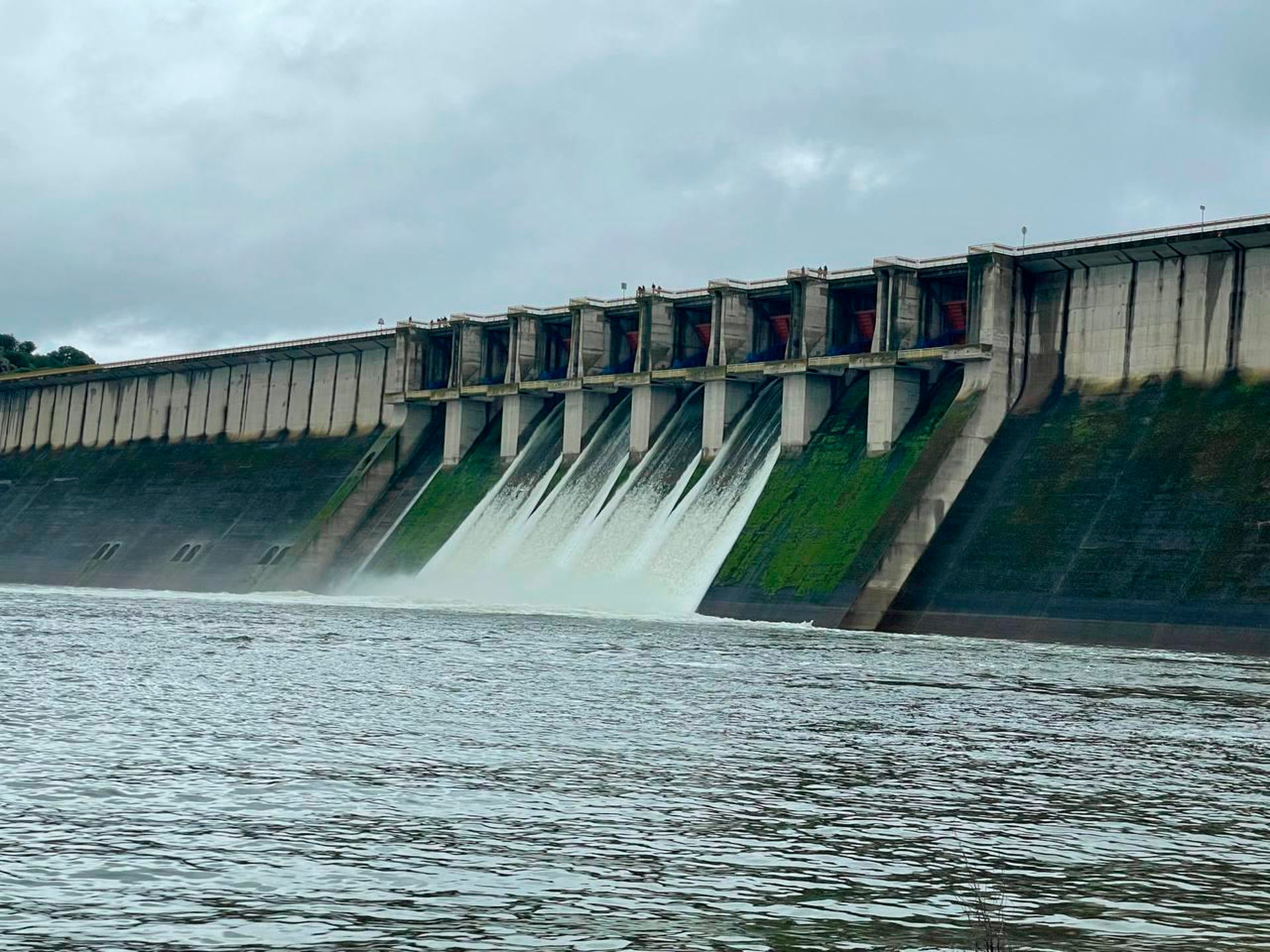
Más de uno
Qué sabemos de los embalses
00:28:03
Las lluvias han vuelto a poner el foco en unas infraestructuras tan esenciales como desconocidas: las presas. El doctor ingeniero Francisco Bueno, de la Universidad de Burgos, y David Galán, coordinador de Seguridad de Presas del Canal de Isabel II, e...
Loading summary
Transcript127 lines
- [00:05]
A
¿Tú, Jorge, seguro que sabes esto de qué? Porque alguna vez te he visto yo muy pendiente en el ordenador y en el teléfono de estas cosas.
- [00:10]
B
¿Qué cosas? ¿Qué cosas?
- [00:11]
A
Del Estado de los embalses.
- [00:12]
B
Ay, bueno, mira, ¿Que te gusta de.
- [00:14]
A
La actualización que hacen cada semana y que ponen ahí cuánto ha subido, cuánto ha bajado, el porcentaje de cada cuenca hidrográfica, todas esas cosas?
- [00:21]
B
Estoy viciadísimo, muy enganchado a esto.
- [00:23]
A
¿Ves cómo sabía que tú le dabas al?
- [00:27]
B
A ver qué opinas tú de esto. El otro día es que lo leí en redes y me hizo mucha gracia porque me sentí muy identificado. No sé, no sé ni dónde lo leí, pero no sé si fue en Instagram, en Twitter, pero es que me hizo mucha gracia. Decía, creo que era un tweet, decí las mujeres tenéis en favoritos la página de la EMET, o sea, que lo que consultáis las mujeres es la página del tiempo, incluso por horas, que eso ya me parece como. Ya no sólo por días, sino por horas. Y los hombres lo que consultamos en Internet es de una forma incluso compulsiva a veces, el estado de los embalses. Es mi caso.
- [00:59]
A
¿Es tu caso?
- [01:00]
B
Es mi caso y el de mi mujer, el de mi hermano y el de mi cuña.
- [01:04]
A
Pero embalses no.
- [01:05]
B
Yo embalses, mi cuñada al tiempo, mi hermano los embalses y además que nos enviamos pantallazos de ha subido 6 hectómetros cúbicos.
- [01:15]
A
¿Cuál es tu caso? Soy la del tiempo y por horas.
- [01:19]
B
El tiempo y por horas.
- [01:19]
A
Si no hay minutos, ya me fastidiaría. Me gustaría mucho que hubiera minutos.
- [01:24]
B
Pregúntale a él y ya verás como, sin que tú lo sepas, él está en el móvil consultando los embalses.
- [01:31]
A
Entonces eres la persona correcta para esto. Que te quiero preguntar. ¿Cuándo actualizan lo de los embalses?
- [01:36]
B
El martes. Estaba ahora mirando el móvil porque, o sea, hoy, claro, estaba pendiente porque no sé exactamente la hora, entonces estaba ya actualizando. No ha salido todavía. Es que estoy, como dicen los de la generación Z, tengo hype, tengo hype. Mira, quiero saber cómo va esta semana, porque la semana pasada. Mira, es que tengo. Aquí está fijado el tuit. Incremento en una semana, esto es de hace siete días, incremento en una semana de 5.634 hectómetros cúbicos, que a ti a lo mejor eso no te dice nada. El mayor incremento semanal desde que se cuentan desde que hay registros semanales de la. El anterior era del 96, el anterior récord del 96 eran 4.000 y pico hace 30 años, en una semana 5.634 kilómetros cúbicos que se me hace la boca agua. Ya parece. Qué maravilla.
- [02:24]
A
Ya parece que se vislumbra el anticiclón por ahí el fin de semana. Pero le he escuchado a Roberto Brasero Pero es que este episodio tan abundantísimo de lluvias que hemos tenido en este comienzo de año ha dejado imágenes impactantes, increíbles, muy espectaculares de embalses hasta arriba de agu presas desembalsando a todo lo que daban porque no cabía más, no.
- [02:43]
B
Cabía más, o sea, casi entraba más de lo que iba cayendo de los ríos, de los aportes de los ríos y de los arroyos, las aguas subterráneas que lo que podían ir aliviando, claro.
- [02:51]
A
Así que es un buen momento entonces.
- [02:53]
B
A mí este tema me encanta, por.
- [02:55]
A
Eso vamos a estar este ratito de aprender en más de uno. Vamos a preguntarnos qué sabemos de las presas, de cómo funcionan, de cómo se gestionan, de cómo se regulan y cómo y dónde se construyen, porque son unas infraestructuras muy complejas. Y lo primero desmentir un mito, porque cuando se habla de presas y pantanos a muchísima gente se le vendrá a la mente el soniquete del nodo. Claro.
- [03:19]
B
La presa del Salto de Saucelle, de 83 metros, tiene una altura útil de 62 y constituye una de las obras hidráulicas más importantes de España. Se halla situada en el tramo del Duero que forma frontera con Portugal.
- [03:31]
A
Estas son las imágenes que grabó el nodo cuando Hace ahora casi 70 años, en octubre del 56, el general Franco de Saucelle, en la provincia de Salamanca. Y recupera este fragmento porque aún hoy existe el mito de que la inmensa mayoría de las presas y los pantanos que tenemos actualmente en España fueron concebidos, diseñados y construidos durante la dictadura. Y eso no es exactamente.
- [03:55]
B
A ver, algunos tuvieron que hacer porque tiempo estuvo mandando, casi 40 años, qué tiempo le dio para hacer algún.
- [04:01]
A
Pero es que en realidad los grandes planes de construcción de embalses se remontan A los años 20, durante la dictadura de Primo de Rivera y fue durante la Segunda República, que lo tengo apuntado aquí, en el año 33, en 1933, cuando se aproxima el Plan Nacional de Obras Hidráulicas y lógicamente se vio interrumpido por la guerra, pero que después fue en buena parte recuperado durante el franquismo.
- [04:23]
B
De hecho, y esta es una de las imágenes con la que más he disfrutado de estos últimos días, una de las presas que ha sido noticia esta semana, que se llamaba de Monte Jaque, que está en Málaga, me tiene fascinado. ¿Sabes de cuál te hablo?
- [04:35]
A
Monte Jaque, la que nunca se había utilizado. Esa, a pesar de que se construyó hace muchísimo tiempo. ¿Esa?
- [04:40]
B
Sí, esa que de repente se llenó y decían nadie la había visto así. Bueno, se llama la presa de los Caballeros, está en Monte Jaque, en Málaga. Se construyó, fíjate, en el año 24, hace ya 102 años, y hasta ahora una infraestructura, muchos periódicos decían una presa fantasma. ¿Fantasma por qué? Pues porque en estos ciento y pico años que llevan pie, pues nunca se había llenado. Se había construido como una infraestructura para generar electricidad, esa era su función, pero no se había llenado porque el terreno en el que está asentada, donde está construida esa presa, no es el apropiado. A ver, ahora hay una serie de estudios geotécnicos que se hacen con tecnología del siglo XXI, pero antes.
- [05:18]
A
Hablamos de 1924.
- [05:19]
B
1924. No tenían los mismos medios entonces no comprobaron que toda la zona en la que estaba proyectada ese embalse es un terreno calcáreo. Claro, el agua la absorbe como si.
- [05:31]
A
Fuera una esponja, pero por eso no.
- [05:33]
B
Se veía nada, no se había llenado porque lo llenaban, o se llenaba por los aportes de las lluvias y en pocas semanas, como había dejado de llover, pues el terreno chupaba el agua. ¿Qué ha ocurrido ahora? Pues que como bien sabe todo el mundo, porque todos los españoles lo hemos visto, hemos tenido 6 o 7 borrascas seguidas que no han dejado de caer agua a manta, o sea que no ha dado tiempo a que esa presa, a que ese terreno filtrase todo el agua que iba cayendo. Y por primera vez, por primera vez en su larga historia, han tenido que utilizar los aliviaderos, que esto es una cosa que me ha llamado la atención porque claro, no los habían utilizado nunca.
- [06:08]
A
¿Cómo estarían?
- [06:09]
B
Pues no lo sabían, no sabían si funcionaban o no. Después de 102 años y oye, infraestructura del año 24, presa construido hace 102 años. Y los aliviaderos también. Una cosa que me apunto aquí, los sifones, no sé muy bien qué es, pero la prensa decía funcionan muy bien los sifones, los sifones de la presa, no sé, pero oye, que muy orgulloso de cómo construimos las presas en este país.
- [06:30]
A
Pues sí, si funcionan después de tantos años que digo que vamos a preguntar lo de los sifones, ¿Te parece?
- [06:34]
B
A mí me gustaría saberlo y muchas.
- [06:36]
A
Más cosas, porque para tratar el tema de las presas hablamos hoy con Francisco Bueno, que es doctor Ingeniero de Caminos y profesor titular de la Universidad de Burgos, el área de Ingeniería Hidráulica. Francisco Bueno, buenos días.
- [06:48]
C
Hola, buenos días profesor.
- [06:50]
A
¿Esto de los sifones qué son?
- [06:52]
C
Bueno, los sifones de la presa de Monte Jaque se refieren a ella. Funcionan como los sifones de nuestros cuartos de baño. Es un tipo de aliviadero. En España hay en estos momentos funcionando, creo que son tres solamente, y son empresas antiguas. Hoy en día ya no se hace este tipo de aliviaderos. Los aliviaderos funcionan siempre que viene una avenida, siempre que estamos en niveles muy altos, por encima del nivel máximo normal, del nivel máximo de explotación de un embalse. Cuando está a ese nivel y viene una avenida es cuando funcionan. Entonces por eso no es que no se sabía cómo funcionaba porque nunca se había llenado. Están en superficie y por lo tanto no funcionan hasta que el agua está.
- [07:34]
B
Muy alta, casi que rebosa.
- [07:37]
A
He oído mucho estos días en los medios de comunicación decir que los pantanos, cuando decimos que está al 100% realmente luego todavía pueden seguir pantanos, perdón, en los embalses pueden seguir subiendo un poquito más.
- [07:49]
C
Se dice que están al 100% cuando están en el nivel máximo de explotación, pero por encima del nivel máximo de explotación hay unos resguardos que son los necesarios para desaguar la avenida de proyecto y la avenida extrema, e incluso después hay un pequeño resguardo hasta la coronación que permite que los oleajes de sismo, los oleajes de viento no desborden por la presa. Es decir, queda bastante capacidad de laminación, de hecho, por encima del 100% es el volumen dedicado a laminar las avenidas.
- [08:23]
A
Vamos a poner las cosas un poco claras, porque claro, hablamos de presas, hablamos de embalses, hablamos de pantanos como si todo fuera lo mismo. Iba a ser que no. ¿Qué es una presa?
- [08:34]
C
La presa es un elemento que se pone en un cauce en el dominio público hidráulico con un cauce natural con el fin de regular, con el fin de almacenar agua, diciéndolo rápidamente, almacenar agua cuando la demanda es menor que lo que entra en el embalse para cuando es al revés, poder disponer de ella.
- [08:55]
A
O sea que es ese muro de contención.
- [08:58]
C
La presa es el elemento que regula y el embalse es el que almacena el agua.
- [09:03]
A
Y claro, un pantano no es un embalse.
- [09:06]
C
A mí la palabra pantano personalmente nunca me ha gustado.
- [09:09]
B
Es poco seductora, ¿No?
- [09:11]
C
Pero aparte de eso, la palabra pantano indica otra cosa. Un pantano es una especie de humedad natural Lo que pasa es que después se ha llamado pantano artificial, empezó a llamarse y bueno, a principios del siglo XX y sigue con ese. A mí me gusta más la palabra embalsa.
- [09:27]
A
El pantano de la Cuerda del pozo, por ejemplo, que conozco muy bien, eso también sería realmente un embalse.
- [09:33]
C
Son embalses. En el momento en que hay presas son embalses artificiales.
- [09:37]
B
¿España es una potencia constructora de presas?
- [09:42]
C
Bueno, en España, como en todos los países áridos o semiáridos con una cierta capacidad económica se han construido muchas grandes presas. Digamos que España es muy similar lo que ha ocurrido a lo que ha pasado en California. Son países semiáridos con una economía bastante potente. Entonces ha habido necesidad de mucho grado de regular las aguas que de forma natural no las tenemos. Hay un dato que sí me gustaría que supiesen y si no hubiese presas y embalses en España, el grado de regulación natural de las aportaciones, es decir, del agua que correría por nuestro territorio solamente podríamos aprovechar el 8% eso significa nada para poder disponer del agua que disponemos y llegar a un 40% de los 100.000 hectómetros cúbicos que más o menos caen son las aportaciones anuales. Para poder llegar a ese 40% ha habido necesidad de construir presas. Hay otros países en Centroeuropa que no les hace falta eso, no les hace falta. Para tener ese mismo grado de regulación no le hace falta tener embalses. Pero España, California, Italia, Francia sí que necesitamos de esa capacidad de embalse.
- [10:53]
A
¿Y desde cuándo tenemos embalses en España?
- [10:56]
C
Desde épocas romanas de hecho tenemos todavía dos en funcionamiento, adaptadas a las normas de seguridad actuales, pero las presas de Proserpina y Cornalbo en Mérida siguen cumpliendo las funciones de abastecimiento a la ciudad.
- [11:10]
A
Esas serían presas de materiales sueltos.
- [11:14]
C
Sí, son presas de materiales sueltos.
- [11:15]
B
¿Qué es una presa de material suelto?
- [11:18]
C
Bueno, digamos que hay dos grandes grupos de presas desde el punto de vista estructural. Una son las presas de materiales sueltos, que utilizamos materiales que están próximos al emplazamiento y no las unimos tal y como están, compactándola y tomando otra serie de medidas, las utilizamos.
- [11:37]
B
Como si lo.
- [11:37]
A
Hubiera hecho un castor, pero con otro tipo de materiales.
- [11:40]
C
Hoy en día lo hacemos bastante más sofisticado porque los problemas son más importantes. Y el otro decía, el otro segundo gran grupo de presas es el de las presas de fábrica, que tienen cohesión, son presas que antes se hacían de mampostería y desde las primeras décadas del siglo XX las hacemos de hormigón. Son los dos grandes grupos.
- [12:01]
B
A mí me parece, de las infraestructuras de grandes construcciones, me parecen de las más complejas las presas, porque hay que tener en cuenta y aparte el riesgo que tiene si no funciona bien.
- [12:12]
C
Claro, ha dicho dos cosas muy interesantes. Una primera, que son complejas, digamos que la ingeniería de presas es la más sin desarrollar, sin menoscabo de los túneles. Sí, exactamente, pero el problema de las presas es que juega con presiones de agua muy alta. Una presa de 100 metros de altura tiene 100 metros de carga de agua y el agua que entra en el terreno está a presiones muy grandes y el agua que puede entrar en la presa también tiene presiones muy grandes, la presión intersticial. Y eso le añade un plus de dificultad y un de dificultad a la presa. Y además que es muy difícil de saber el comportamiento, no sabemos el comportamiento al 100% de cómo funcionan esas.
- [12:54]
B
Y del terreno.
- [12:56]
C
Del terreno, claro, el agua se mete en el terreno y se mete en la presa, no hay ningún material impermeable, ni siquiera el hormigón, entonces hay que hacer otra serie de cosas para drenar, etc, o sea que es ensayo horror.
- [13:07]
A
Ensayo horror.
- [13:09]
C
Bueno, ya, ahora ya no, claro, el ensayo errores, pero digamos que a partir de 1900 cada vez se ha ido mejorando evidentemente más, pero digamos que a finales del siglo XIX la mecánica de los medios continuos, ya la mecánica racional ya nos ha ido permitiendo tener más conocimientos, los conocimientos de materiales, etc. Y la experiencia sobre las propias presas nos ha ido procurando mucho más conocimiento. Es una ingeniería muy empírica, muy a base de resultados, medidas. A partir de ahí, ir extrapolando lo que podemos hacer en un futuro. Ha dicho una segunda cosa que era lo interesante, que luego se me olvida, es el tema de que pueden ser peligrosas las presas. Potencialmente son peligrosas porque aguas abajo hay poblaciones, hay regadíos, hay infraestructuras. De hecho, las presas, lo primero que hay que hacer es clasificarlas en función del riesgo potencial. La presa es difícil que se rompa, pero por si acaso, nosotros preveemos que se puede romper, simulamos que se rompe y vemos qué es lo que pasa aguas abajo.
- [14:17]
B
Hay escenarios que se hacen.
- [14:20]
C
Claro. Y en función de eso, nosotros las clasificamos como tipo A, tipo B o tipo C. Tipo A son las que tienen un riesgo alto de pérdida de vidas humanas, graves daños ambientales, graves daños a infraestructuras, etc. Y esas requieren una serie de mantenimientos, planes de emergencia mucho más intensivos que el resto de las presas.
- [14:41]
A
¿Por qué los españoles tenemos la sensación de que las presas están abandonadas?
- [14:48]
C
Bueno, a ver, abandonadas es una palabra un poco excesiva.
- [14:51]
A
Claro, un poco excesiva, efectivamente. Pero la gente dice que ya no hacen caso a las presas.
- [14:54]
C
Falta algo de razón. En los últimos tiempos, diversos organismos, el Colegio de Caminos, la Asociación de Caminos y muchos técnicos venimos diciendo que el mantenimiento en las presas en España no llega a los estándares para tener una seguridad mucho mayor, una seguridad razonable. No es ahora, a raíz de lo que ha pasado con el accidente tremendo del ferrocarril, lo llevamos diciendo mucho más tiempo, las inversiones en presas, digamos que es muy pequeña.
- [15:31]
A
Hay presas que tienen distintas formas, incluso hay presas hermosas. No sé Si profesor, a usted le parece que eso es así. ¿Qué presa hermosa nos recomendaría que visitaran?
- [15:41]
C
Lo digo siempre. Hay algunas presas, por ejemplo, la de Aldea Dávila, que está dentro de todos los manuales de arte. Yo iría más allá. Para mí una presa. No todas las construcciones humanas, no todos los edificios son bonitos, pero hay muchas presas que integran muy bien la estética, el paisaje, que son capaces de integrarla muy bien. Hay algunos ejemplos muy notables, la presa de Almendra, la presa de Aldea Dávila, que yo creo que es la más conocida de todas, pero bueno, digamos que hay muchas más.
- [16:10]
A
¿Y por qué algunas son como redondas o en forma de herradura?
- [16:14]
C
Lo que tienen es forma de arcos. Los arcos de medio punto ya lo utilizaban los romanos y los babilonios ya antes que los romanos. Digamos que son presas que no resisten por su propio peso, como resisten las presas de materiales sueltos o las presas de gravedad. Lo que resisten es por efecto arco, igual que resiste una bóveda o que resiste un arco de medio punto. Entonces lo que requiere es mucho menos material y curiosamente incluso son más seguras que las presas de gravedad. El efecto arco, bien hecha la presa, bien movilizado, el efecto arco hace que sea una presa más segura con menos material.
- [16:57]
B
Cómo Yo quería saber cómo se regulan las presas. ¿Hay un centro en España? Lo desconozco. ¿Hay un centro En España donde está monitorizado o esto depende de las confederaciones hidrográficas, el nivel de agua que tiene cada presa, si hay que soltar? Porque además muchas presas, digamos que se van comunicando entre ellas a través del cauce de un río. ¿Cómo se hace todo ese control?
- [17:19]
C
Eso lo hacen la mayor parte. Vamos a ver, las grandes presas hay una buena parte que son del Estado y otras son concesionarias. Por ejemplo, concesionarias pueden ser ayuntamientos, comunidades autónomas y las más conocidas son las hidroeléctricas. Pero ¿Quien tiene el control general de qué es lo que hay que hacer? Lo tienen las confederaciones, las confederaciones hidrográficas, que son las que entienden. Son las que entienden de la planificación y la gestión de las aguas en las cuencas intracomunitarias. Entonces eso las hacen las confederaciones. Dentro de las confederaciones, en lo que corresponde a las presas del Estado, que además suelen ser las más grandes, las de mayor volumen, aunque sean menor en número, pero son mayores en volumen, digamos que hay distintas juntas de explotación y cada junta de explotación tiene un servicio de explotación que se encarga de todas esas cuestiones. Y en las presas de los concesionarios, por ejemplo, de los hidroeléctricos, son los servicios técnicos de cada una de las empresas las que digamos que realizan esa función.
- [18:25]
A
Profesor. Bueno, vamos a hacer un pequeño parón y hablaremos después también con David Galán, que es coordinador de seguridad de presas del canal Isabel II, para hablar un poco de la seguridad entre los dos.
- [18:36]
C
¿Le parece muy bien?
- [18:43]
A
¿Pues estamos con Francisco Bueno, el profesor doctor, ingeniero de Cominos, profesor de Ingeniería Hidráulica, Universidad de Burgos? Y ahora vamos también a saludar a don Pedro Bernardo Villarreal de Berriz, ¿No? Uy, que digo. Ese es uno que tenemos que tener muy en cuenta, ¿No? Francisco, este señor, que me suena a mí el nombre, es que quería haberse preguntado antes y se me ha olvidado.
- [19:06]
C
Se dedicaba a hacer ya tres o cuatro. Tres siglos.
- [19:13]
A
Hubiera sido una bomba.
- [19:14]
B
La gran novedad, poder saludar a alguien del siglo XVI.
- [19:17]
C
Cuando lo ha dicho, la verdad es que no me he quedado pensando.
- [19:22]
A
David Galán, eso sí. David Galán, coordinador de seguridad de Prensas del canal Isabel II. David, buenos días.
- [19:28]
C
¿Qué tal?
- [19:28]
D
Buenos días.
- [19:30]
A
Habrás estudiado entonces a Pedro Bernardo Villarreal de Berry, también le conocerás.
- [19:35]
D
Sí, sí, también en los libros de presas.
- [19:39]
A
Así es. Voy a preguntar primero al profesor Bueno si ha habido muchas presas rotas a lo largo de la historia.
- [19:47]
C
Profesor BUENO Ha habido bastantes en todo el mundo ha habido bastantes, además con daños importantes. Ha habido incluso una en los años 70, que lo que pasa es que se conoció mucho después en China, de la que se dice que murieron entre 200 y 600 mil personas y que afectó a casi dos millones de personas. Ha habido roturas dentro. Incluso en España, en épocas intuitivas, cuando no tenemos la mecánica racional, el método prueba error, muchas veces fallaba y había presas. Y luego en épocas ya racionales, digamos que también las ha habido por distintos fallos. Entonces, bueno, los daños han sido importantes en muchos casos. En España tenemos algunos casos desgraciados, la presa de Tous, la presa de Vega de Tera y alguna más, pero digamos que en el mundo también ha habido. De todas formas, el porcentaje sobre el total de presas construidas es pequeño.
- [20:45]
A
Y David Galán, tú que te dedicas a la seguridad, ¿Con qué equipo contáis? ¿Qué es lo que hacéis? ¿Qué protocolos tenéis de mantenimiento? ¿Cómo se hace para que una presa sea segura?
- [20:56]
D
David Bueno, nosotros. Yo soy explotador y trabajo en el Canal de Sal Segunda, que es la empresa pública que gestiona las presas en la Comunidad de Madrid. Entonces, nosotros tenemos un parque presístico con 15 grandes presas. Y dentro de esas 15 grandes presas, según las normas de explotación, tenemos dos planes, tanto de operación y mantenimiento como de auscultación. El de operación y mantenimiento sirve para operar y mantener las infraestructuras y que estén en correcto estado. Y el plan de auscultación es un plan que sirve para auscultar la presa, para verificar que su comportamiento es adecuado y estar tranquilos cuando hay una avenida o con cualquier otra solicitación que pueda sufrir una presa.
- [21:36]
A
¿Y cómo se ausculta?
- [21:39]
D
Las presas tienen una serie de aparatos internamente que permiten controlar deformaciones, movimientos, incluso las filtraciones que ha hecho el profesor anteriormente, porque las presas no son completamente impermeables, incluso el cimiento tampoco. Todas esas filtraciones hay que controlarlas para ver cómo evolucionan. Entonces son diferentes dispositivos que están automatizados en tiempo real e incluso también se verifican manualmente con operarios que visitan la presa y que la inspeccionan visualmente para verificar que la presa está en un correcto estado.
- [22:10]
A
Arís desagües cada equis tiempo para ver que aquello funciona correctamente.
- [22:16]
D
Cualquier plan de operación y mantenimiento siempre tiene una serie pruebas de mantenimiento preventivo donde se verifican que por supuesto, los desagües de fondo, los aliviaderos están en correcto estado de mantenimiento y se pueden abrir. Nosotros en canal hacemos esa labor cuatro veces al año para lo que son los órganos de desagües de fondo.
- [22:39]
A
¿Se puede llenar un envase de barro, de lodo o eso es imposible?
- [22:45]
D
Sí, nosotros en Madrid tenemos la suerte de que la geología de las cuencas son muy graníticas, entonces no tenemos prácticamente arrastres, entonces no tenemos ese problema de asentamientos. Pero sí que hay otros países, por ejemplo Marruecos, que muchas veces dan por perdidas algunas presas porque los arrastres han sido tan grandes que el vaso se queda completamente anegado.
- [23:10]
A
Sí. Profesor, ¿Quiere preguntar algo o quiere añadir algo?
- [23:13]
C
No. En España tenemos en las cuencas mediterráneas algunos ejemplos. La presa de Valdeinfierno, pues hubo que recrecerla, construida a finales del XVIII, hubo que recrecerla precisamente porque se sedimentan las cuencas mediterráneas. Sí tienen problemas de sedimentación las cuencas atlánticas en España en general, como Jorge.
- [23:34]
A
Abad es muy fan de cómo están los embalses en España, yo no sé si David tendrá los. ¿No los habéis actualizado? No. ¿Me podéis dar un adelanto, una exclusiva para Onda Ciudad?
- [23:47]
D
Al 87% de la capacidad de nuestro almacenamiento, que es de 950 hectómetros. Entonces estamos al 87%, pero estamos al 100% de la capacidad efectiva para el mes de febrero porque necesitamos un volumen de resguardo para laminar las avenidas, como ha dicho anteriormente el profesor, siempre dejamos un hueco.
- [24:05]
B
Un margen de seguridad.
- [24:07]
D
Un margen de seguridad para cuando venga la avenida hidrológica poder amortiguarlo.
- [24:11]
B
Claro, para los frikis como nosotros que estamos pendientes del agua embalsada, es muy gratificante ver cómo sube, pero claro, cuando van seis borrascas seguidas y continúa subiendo y además ha nevado y se espera el deshielo, para vosotros, David, es un poco estresante el decir claro, esto es una prueba de estrés de las infraestructuras.
- [24:32]
D
Bueno, la verdad es que ya lo he dicho en otras ocasiones, para mí este año, este invierno ha sido un invierno de verdad, de los de antes cuando estábamos ahí, que llovía, nevaba, llovía, nevaba. Sí que es cierto que ya ha sido un poco muy continuo el tren de borrascas, ya estamos esperando que saliese el sol todos. Pero bueno, la verdad es que se ha gestionado muy bien y hemos conseguido llenar las presas. La verdad es que desde el año hidrológico, desde el 1 de octubre del 2025 aquí en Madrid hemos recibido unas aportaciones de 470 hectómetros cúbicos de agua en nuestros embalses, que bueno, pues simplemente el dato, Madrid, toda la Comunidad Madrid consume al año del orden de 500 hectómetros, o sea que prácticamente tenemos la hucha llena con las aportaciones que hemos recibido a fecha actual.
- [25:14]
A
Hables del agua como si fueran, no sé, kilos de trigo, es como si.
- [25:21]
B
Siempre.
- [25:23]
D
Es importante además medirlo para saber cuál es el recurso del que disponemos.
- [25:28]
A
Desde luego, filtraciones. Hablamos mucho de las filtraciones. ¿Están llenas la presa de filtraciones, se nos escapa toda el agua? No sé si por lo que he oído, por lo que le he oído al profesor y por lo que he estado leyendo, es que es normal que tenga filtraciones.
- [25:44]
D
Sí las presas son presas, infraestructuras muy grandes que están cimentadas en un terreno de cimentación, que suele ser un suelo o una roca, y el agua al final se mete por cualquier poro, por cualquier fisura, por cualquier galería interna de las presas. Y esas filtraciones hay que cuantificarlas y medirlas y normalmente se correlacionan con el nivel de embalse. Cuanto más alto es el nivel de embalse, más filtraciones recoge en el interior de la presa y cuanto más bajos son los niveles de embalse, menores son. Entonces eso permite un poco conocer el pulso que tiene la presa en cuanto a las filtraciones y ver si tenemos que actuar o no, porque si de repente una presa empieza a tener una tendencia muy grande a filtrar, pues tendremos que actuar en el periodo seco para sellarlas o cualquier otro tipo de actuación que mejore la seguridad de la misma.
- [26:30]
A
Y David Galán, ¿Cuál es tu presa preferida?
- [26:33]
D
Pues yo, como ha dicho el profesor, para mí la presa Aldea Dávila es maravillosa, es una de las presas más bonitas que hay España y en el mundo, porque es un arco gravedad que está integrada perfectamente en el terreno y en el granito propio de las arribes del Duero y con el paso del tiempo ha cogido ese color que parece que es una presa natural para mí coincido con el profesor. Y luego por supuesto la presa del Atazar en Madrid, que conocida mundialmente y que la queremos mucho porque la explotamos.
- [27:03]
B
Yo la he visto hasta en series de televisión.
- [27:05]
A
Preciosa. Pues profesor y David Galán, ha sido un placer contar con los dos. ¿Profesor Francisco Bueno, tiene muchos alumnos?
- [27:16]
C
Bueno, en el máster de Caminos de la Escuela de Caminos de Burgos, ahora repuntamos, hemos pasado una temporada atrás en la que no había mucho, ahora gracias a Dios estamos repuntando.
- [27:27]
B
¿Y qué son más de puertos, de túneles o de presas?
- [27:31]
C
No, es de todo la vocación mía. Yo hice hidráulica y energética, ya terminé en el año 82. 83 es hidráulica energética e imparto clase de hace 25 años en todas las asignaturas. Son todas asignaturas de agua y medio ambiente. Pues profesor Bueno, es vocacional.
- [27:51]
A
Un abrazo grande y gracias por haber estado con nosotros. Hasta pronto. Y David Galá, muchísimas gracias también a ti. Un abrazo grande. Adiós. Que vamos al boletín informativo de las 12.