← Más de uno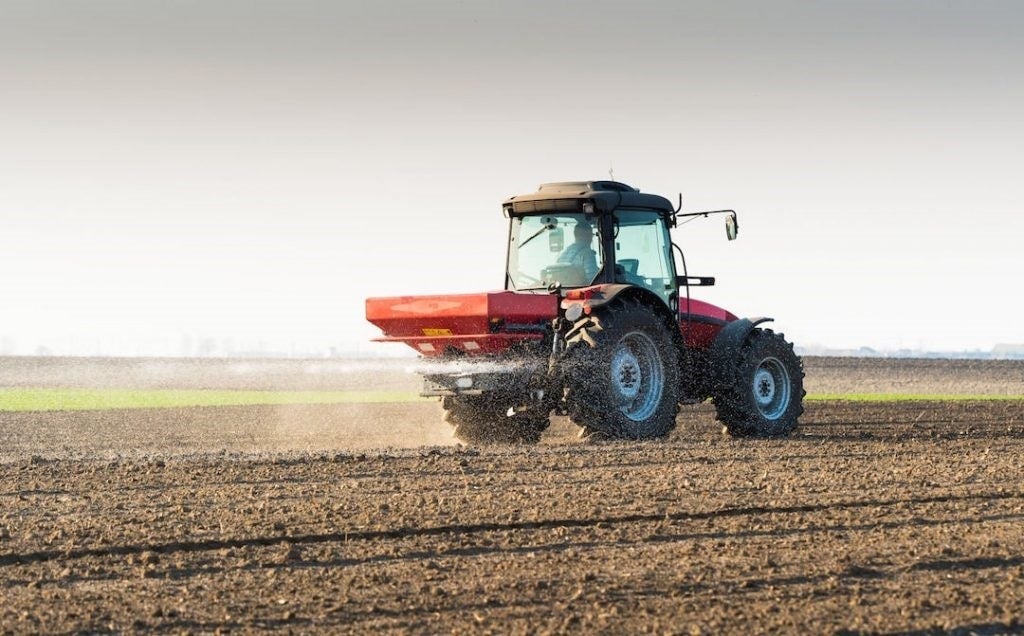
Más de uno
Qué sabemos del abono
00:27:19
Begoña Gómez y Jorge Abad abordan en Más de Uno el impacto global del estrecho de Ormuz, un punto estratégico que ha pasado a primer plano por la guerra en Oriente Medio y que condiciona no solo el precio del petróleo, sino también el de los fert...
Loading summary
Transcript70 lines
- [00:05]
A
El bloqueo del estrecho de Ormuz, del que tanto se está hablando desde hace mes y medio, nos tiene muy pendientes del precio de los carburantes, porque se calcula que por allí pasa aproximadamente el 20% del petróleo mundial. Pero la guerra está afectando también, y mucho, al precio de otros productos. Ormuz es también un paso estratégico, sabemos, para el comercio mundial de fertilizantes porque el gas natural es su principal materia prima y porque cerca del 30% de la urea y de los nutrientes nitrogenados que se utilizan en todo el mundo para fabricar fertilizantes transitan por este paso marítimo. Así que este es un problema que amenaza a la producción agrícola de todo el planeta. Hay un artículo escrito por Anna Ricci, que es investigadora de la Universidad de Oxford, que asegura que los fertilizantes nitrogenados sostienen la alimentación de casi la mitad de la población de todo el mundo. Por eso ya hay voces que empiezan a advertir de que esta guerra en la que nos han metido puede desencadenar, si la situación se prolonga durante mucho tiempo, una crisis alimentaria mundial.
- [01:07]
B
Esto antes no pasa. Antes, cuando no había fertilizantes químicos, esto no pasaba.
- [01:11]
A
No, pero son los que tenemos. Y bien están, porque son los que han permitido que yo alimento para ocho mil millones de seres humanos. Que ya está bien.
- [01:20]
B
Sí. Sin ellos no podría ser esto que voy a contar ahora. Seguro que si me está escuchando Carlos Túmer, que por la cuenta que le trae, espero que sí, seguro que tiene otra beta cultureta de las suyas. Porque antes de que hace algo más de un siglo se empezaran a fabricar los primeros fertilizantes químicos, que, como bien decías ahora, revolucionaron la industria agrícola y permitieron esa gran explosión demográfica, pasamos, coincidiendo con el descubrimiento, no sólo por eso, pero coincidiendo con el descubrimiento de los abonos artificiales, pasamos en poco más de 100 años de 2.000 a 7.000 millones de personas.
- [01:52]
A
Qué burrada.
- [01:54]
B
Bueno, pues antes de que llegaran esos fertilizantes nitrogenados, la agricultura dependía exclusivamente de los abonos naturales. Y eran un elemento estratégico al nivel de como ahora puede serlo el petróleo. Por ejemplo, el guano, que fue una enorme fuente de riqueza para Perú en el siglo XIX, o los nitratos de Chile. ¿Tú te acuerdas de esos carteles que estaban hechos con azulejos y que ponía con nitrato de Chile eran preciosos, bueno, pues el nitrato también era muy valorado o los huesos que son una fuente natural de nitrógeno Fíjate, me he impresionado leer, Begoña, que los ingleses, que fueron como para tantas otras cosas, los más voraces en hacerse con este producto, con los huesos, compraron o en ocasiones saquearon miles de cementerios de todo el mundo para triturar, para pulverizar, para triturar los huesos y con eso fabricar abonos, saquearon por ejemplo los cementerios de obreros que trabajaron para los faraones de Egipto y saquearon también los campos de batalla de las guerras napoleónicas que esto a mí me ha impresionado? ¿Mira, he transcrito aquí un párrafo de uno de estos artículos que he leído y que firma Manuel Peinado Lorca, que es un catedrático de la Universidad de Alcalá de Henares y dice así los saqueadores de tumbas ingleses ya habían agotado las reservas de Europa continental desenterraron más de 3 millones de esqueletos, incluyendo las osamentas de cientos de miles de soldados y caballos muertos en las guerras napoleónicas para enviarlos en barco al puerto de Hal en el norte de Inglaterra, donde los esqueletos eran molidos en las trituradoras de huesos de Yorkshire para usarlos como fertilizante para la tierra verde y agradable de Inglaterra y luego decía, al otro lado del Atlántico, en América, los cráneos de más de 30 millones de bisontes masacrados en las praderas norte eran recogidos uno a uno por colonos pobres e indios desarrapados para venderlos al sindicato de huesos de Dakota del Norte que los amontonaba hasta formar una pila del tamaño de una iglesia antes de transportarlos a las fábricas de Michigan para que los moliesen allí y producir fertilizantes o sea
- [03:50]
A
que los cultivos de alimentación mundial han dejado de depender de la caca, de las aves marinas, de los huesos también para depender de los fertilizantes químicos en lugar de cementerios tenemos que vigilar los gaseoductos ahora?
- [04:01]
B
Sí, pues sí, es una conclusión Tú has abonado ya tus tierras, por cierto,
- [04:07]
A
y macetas que hoy vamos a dedicar este. ¿Es que vamos a dedicar este momento de radio hasta las 12 del mediodía a aprender un poco más sobre el abono, sobre cómo se produce, si realmente estamos viviendo ahora una situación de emergencia o de desabastecimiento de abonos si lo utilizamos bien, si todo lo que hay ahora es abono químico o se siguen utilizando abonos naturales o innovaciones? ¿Cuando tenemos que abonar los que tengan, por ejemplo, un pequeño huerto o tus recetas, tú las tienes también bien abonadas?
- [04:36]
B
Yo, mira, pues hace poco si, he utilizado, por primera vez en mi vida, tengo que decir, he utilizado un fertilizante químico, porque claro, para rosales.
- [04:44]
A
Para los rosales.
- [04:45]
B
Para los rosales, sí los podéis, los he abonado yo mismo.
- [04:47]
A
No echas café ni los pobres.
- [04:49]
B
Ah, no, no, ni ceniza. Yo me decía mi cuñado, no, la ceniza se usa. Digo, no, no, la ceniza, ceniza. ¿Cuál? La ceniza.
- [04:57]
A
Pues tenemos expertos, porque si no, no vamos a salir de aquí. 2 Concretamente te voy a presentar el primero, que es una persona que está al frente de una empresa familiar de Fertiliz, se lo sabe todo de este sector. Es Sergio Atarés, doctor en Unificación energética y Energías renovables y CEO de Fertinagro Biotech. Buenos días, Sergio.
- [05:15]
C
Hola, buenos días, Begoñ.
- [05:16]
A
Además que investigan, vosotros investigáis muchísimo el tema de los fertilizantes. Hablábamos hace un momento, Sergio, de cómo está afectando lo que estaba ocurriendo en el estrecho de Ormuz y concretamente en España. Nos afecta directamente.
- [05:37]
C
En esta época del año, que la mayoría de los cultivos, igual que nosotros hacemos en casa con las macetas, necesitan la fertilización. Entonces está suponiendo una perturbación, pero no sólo en España, en todo el mundo. Un ejemplo, lo habéis comentado, se está viendo en los precios de la energía. Los fertilizantes convencionales o tradicionales están muy linkados, están muy unidos a este mercado de energía, con lo cual sí que está perturbando en estas alturas del año.
- [06:07]
B
¿Pero es un problema de precios o de desabastecimiento?
- [06:11]
C
Es más desabastecimiento, precisamente porque lo habéis comentado vosotros. El 30 de las materias primas para fertilizantes nitrogenados provienen de esa zona. Y hay un El gran desconocido, el gran oculto es el azufre. El azufre, casi el 40% del azufre que se comercializa a nivel mundial proviene del petróleo. Y es donde la mayoría de los productores de materias primas, fertilizantes, se aprovisionan. Y ahora mismo hay grandes problemas para el abastecimiento de azufre, que se linka mucho con lo que es el fósforo.
- [06:52]
A
Entonces, para centrarnos Sergio, ¿Qué tipo de fertilizantes existen?
- [06:59]
C
Es una pregunta, como habéis comentado vosotros, que desde el principio de la humanidad se está haciendo buscando fuentes de materiales para fertilizar.
- [07:09]
A
Los químicos ¿Cuál sería?
- [07:10]
C
¿Es fertilizante mineral o los industriales? Sí, es buena pregunta. Habéis comentado un poco el desarrollo de la industria de los fertilizantes. Al principio, hasta el siglo XIX, se creía que las plantas se alimentaban de materias orgánicas. Hasta que Dr. Liebig vio que realmente no era de las materias orgánicas, sino del proceso de descomposición de estas materias orgánicas. Lo que sucedía era una mineralización. Entonces, a partir de mitad del siglo XIX se empezaron a comercializar fertilizantes minerales. Entonces ahora fertilizantes orgánicos o fertilizantes minerales es lo que ha dominado el siglo 19 y el siglo 20. A partir del siglo 21 el gran desarrollo es hacia la eficiencia. ¿Por qué? Porque hoy el gran reto de los agricultores, el gran reto de la industria es utilizar mejor estas materias primas que tantos disgustos geopolíticos nos dan. Con lo cual el gran desarrollo es hacia nuevos fertilizantes en base biológica. Estamos hablando de bioestimulantes, estamos hablando de biofertilizantes, que lo que intentan es compensar estos fertilizantes minerales desarrollando el fertilizante para que sea mucho más aprovechable por los suelos y por los cultivos. Con lo cual estamos viviendo una transición, podríamos asemejarla a la transición energética. Estamos pasando de combustibles fósiles a energía renovable. Pues ahora estamos pasando de fertilizantes minerales a bioestimulantes, biofertilizantes para depender menos de esos recursos que, por ejemplo, hoy estamos viendo que trae graves problemas en el estrecho del mundo.
- [09:05]
B
¿Y de dónde se obtienen estos biofertilizantes?
- [09:08]
C
Precisamente se obtienen de los mismos suelos de la biología. El suelo es el recurso natural más desconocido. Hoy una hectárea de suelo en 30 centímetros puede contener 2.000 kilos de microorganismos. Esos microorganismos son la fuente de la fertilidad, son los que alimentan en última instancia las plantas trabajando sobre los procesos de mineralización del suelo o de fijación de nitrógeno. Es decir, hay una biología que siempre ha estado allí, que ahora empezamos a conocer y que nos puede dar esta eficiencia y por tanto esta independencia y ser un poco más competitivo en la producción de alimentos que sólo dependerá de los recursos fósiles.
- [10:02]
A
¿Y todos los suelos son así deficientes?
- [10:06]
C
Suelos
- [10:09]
A
no, es decir, depende para que los quieras quizá.
- [10:13]
C
Claro, y sobre todo pensemos, el suelo es un ecosistema vivo, con lo cual los suelos de Huelva son diferentes a los suelos de Valencia, son igual de fértiles, Sí, pero con sus matices, igual que no necesita lo mismo los tomates que una lechuga en alimentos, pues los suelos son sistemas vivos convenientemente. Precisamente los fertilizantes se tienen que adaptar al suelo. Un fertilizante, por ejemplo, comentabas antes Begoña, la urea. La urea no funciona igual en Wyoming que en Soria, ¿Qué me dices?
- [10:52]
A
Claro, porque funcionará mejor en Soria.
- [10:55]
C
Por lo menos hay que echarla en momentos diferentes, porque hay que ajustar un poco a las necesidades agroclimáticas y del suelo en sí mismo.
- [11:04]
A
Así es, o sea que lo primero es empezar la casa no por el tejado, sino por el suelo y analizamos ese suelo y ese suelo es el que nos dice las necesidades que tiene, las necesidades de nutrientes, fertilizantes que tiene en ese momento. Entonces, ¿Estamos desechando de verdad de los campos españoles todos estos fertilizantes minerales o esto va muy poquito a poco?
- [11:27]
C
No, los fertilizantes minerales eran imprescindibles por lo que tú has comentado, es decir, pasar de 2.000 millones de habitantes a 8.000 como estamos ahora sin fertilizantes minerales es imposible, nos hubiéramos quedado en eso en cuatro mil. ¿Qué sucede? Que hoy el uso, la cantidad de fertilizantes minerales es mucho mayor que la que la planta absorbe o la que el suelo retiene. Por lo tanto se producen fenómenos de contaminación, con lo cual el gran secreto es que por cada kilo de fertilizante mineral que usemos llegue más a la planta o lo mantenga más el suelo.
- [12:04]
B
Esto es como el agua, un poco racionalizar el uso del agua, los regadíos.
- [12:10]
C
Exactamente, es decir, la eficiencia en el uso tanto de los nutrientes o del agua es lo que estamos persiguiendo desde los agricultores a las empresas de servicio, a los productores de fertilizantes, cómo ser más eficiente para ser más competitivo en costes. Ese es el gran desarrollo.
- [12:32]
A
Y luego está el invierno lluvioso, que la Lía, nosotros lo hacemos todo perfecto y luego llegan las lluvias torrenciales y arrastra los suelos absolutamente todo, ¿No?
- [12:44]
C
Efectivamente, por eso. Pero bueno, esto es agricultura, es incertidumbre. Incertidumbre y adaptación, es decir, no podemos creer que. Por eso comentaba antes que bueno, tú tienes un fertilizante, tienes un inicio, pero ¿Cómo ha sido el año qué produjiste el año pasado? ¿Extrajo más o trajo menos nutrientes? ¿Qué ha pasado en ese invierno? Todo eso es el trabajo precisamente de nuestros agricultores, de nuestros ingenieros agrónomos, que por cierto, una lanza a favor de ellos. España, el superávit comercial de la industria agroalimentaria es el mayor de todos los sectores, es decir, somos una gran potencia agroalimentaria precisamente por esto, porque nos adaptamos a nuestro entorno y producimos, pues está mal que nosotros digamos, pero así pues
- [13:38]
A
mirá, puedes felicitar directamente a uno de ellos que es agricultor y es ganadero, es Marcos Garcés. Hola Marcos, muy buenos días.
- [13:46]
D
Hola, buenos días.
- [13:47]
A
Eres agricultor y ganadero en Bañón, que es un pueblo de la provincia de Teruel y además eres alguien que ha decidido que su finca sea un ejemplo de una nueva forma de entender la agricultura. ¿Ese sería el objetivo en tu vida?
- [14:02]
D
Sí, bueno, yo siempre digo que más o menos nací agricultor, me encanta desde pequeño vengo de familia de agricultores, tengo esa suerte y tengo la suerte de vivir en el sitio que me gusta y dedicarme a lo que me gusta. Entonces yo creo que en ese concepto de vida va también lo mismo que me ha pasado a mí, que mi padre me dejó su explotación agrícola igual que se la dejó mi abuelo, pues oye, si un día alguno de mis hijos o de mis sobrinos quisiera seguir, pues que tenga la explotación agrícola lo mejor posible. Y eso habla solo de que no sea solamente saludable a nivel económico, sino también a nivel medioambiental, lo que estabais hablando ahora, que tengamos un suelo donde podamos seguir cultivando y más ahora todavía, esa necesidad crece ahora más todavía con el cambio climático. ¿Habla ver del suelo y estaba pensando que nosotros esta primavera aquí lo que los pronósticos dicen que no va a ser de temporales de lluvia, sino muy tormentosa, es decir, que caerán tormentas y una tormenta pues te puede caer en un campo y en el de al lado No? Yo siempre digo que yo intento tener el suelo lo más preparado posible para los cinco días que faltan para que caiga esa tormenta o los 10, el suelo pueda resistirlo y eso se haga pues como hablabais, cuidando el suelo, haciendo mucho manejo de suelo, alimentando a los microorganismos, dando un pienso, por decirlo así, para que la gente lo entienda, los microorganismos que tenemos en el suelo para que trabajen para las plantas, para que las plantas se críen lo mejor posible.
- [15:25]
B
Es que no sólo estás cultivando, pues no sé, lo que tengas, olivos o viñas o lo que sea, cereal en tu caso, estás alimentando, o sea, estás cultivando cereal y de alguna forma tienes ahí una pequeña granja de microorganismos, una gran granja de microorganismos a los que también tienes que proveer de cuidados.
- [15:43]
D
Claro, nosotros cuando hacemos análisis de suelo lo que vemos es que tenemos nutrientes pero que las plantas no pueden absorberlo, están bloqueados, ya sea por el pH que tenemos en el suelo o porque la estructura del suelo no permite que los microorganismos necesarios, que también hacemos ya análisis de los microorganismos que tenemos en el suelo, de las colonias que tenemos para ver cómo podemos mejorar nuestro suelo, pues vemos que tenemos nutrientes que las plantas no pueden aprovechar. Entonces al final el cambio de concepto que hablaba Sergio es clave. Al final es más alimentar al ecosistema que tenemos debajo del suelo, que por cierto coincido con él que desconocemos mucho, incluso los propios agricultores, el suelo, alimentar más ese ecosistema para colaborar más con él, para que ayude más a nuestras plantas. Nosotros al final, la forma de fertilizar que tenemos, hacemos análisis del suelo y sabemos que suelo tenemos, sabemos un año medio aquí, que luego puede ser más lluvioso, menos, con más heladas o con menos, pero sabemos un trigo, lo que un año medio necesita para desarrollarse. Y por ejemplo con los estiércoles, que nosotros aplicamos bastantes estiércoles, sabemos en cada cuba de estiércol qué riqueza llevamos, de qué está compuesta. Entonces en base a eso se lo decimos al tractor, hacemos una receta y aplicamos el fertilizante que necesita la planta. Luego también hace tiempo que estamos con biostilimunantes, con aminoácidos, etc. Para complementar todo este proceso.
- [17:04]
A
Madre mía, sois unos técnicos, pero esto, claro, brutales.
- [17:07]
B
Os tendrá que asesorar algún laboratorio, algún experto, porque uno no tiene en su casa.
- [17:13]
D
Bueno, una de las cosas que falta precisamente en el sector agrícola es una formación continua. Yo tengo un montón de amigos en muchos trabajos distintos que tienen formación continua. Nosotros para tener esa formación continua es que hay que recordar que un agricultor, el agricultor normal es un autónomo, lo que pasa que necesita un montón de inversión para hacerlo. No le vale con un ordenador, por ejemplo. Y además el campo es muy exigente en cuanto a tiempo. Nosotros lo que tenemos es un déficit de formación continua que nos la tenemos que buscar con empresas como la de Sergio, creo que le conoces.
- [17:45]
A
Me da la sensación, ¿Verdad Marcos? Que os conocéis. Sergio, tú sí.
- [17:48]
D
Nosotros trabajamos con Fertinagro y los bioestimulantes, los aminoácidos, fertilizantes y que además muchos análisis que os decía antes de los microorganismos, los empezamos y los hacemos con ellos. Ellos nos van diciendo estas colonias y que hemos gas, etc. Porque como la pregunta del principio es que nosotros al final, cuando eres agricultor tienes que saber de un montón de cosas. Y ahora mismo, entre nuevas tecnologías, entre control de datos que recogemos y procesamos, todo esto de la fertilización es un mundo tremendo y te tienes que apoyar en alguien. Quiero terminar lo de que a los agricultores nos hace falta una formación continua, porque al final hay que recordar que somos la gente que nos hemos quedado en medio del medio natural, en medio del monte, y que además estamos produciendo alimentos, que eso es sinónimo de salud. Entonces yo creo que somos lo suficientemente importantes y relevantes como para tener a esa gente formada continuamente y que además así las nuevas medidas que se implantan, que muchas tienen todo el sentido porque van para producir más con menos, para ser más eficientes, para mejorar el suelo, para contaminar menos, sean implantadas y no impuestas, que es la sensación de ahora. Y la implantación se hace con formación, con ejemplos, explicando, etc. Sergio y Marcos,
- [19:04]
A
tengo que hacer un pequeño alto en el camino, ¿De acuerdo? Pero ahora seguimos hablando de la fertilización y me vais a explicar todo esto de cómo se aplican los fertilizantes, de lo que tú quieras y de las cenizas. Más de uno en onda cero donde alsina. Y hablamos de fertilización hoy con Sergio Tharés y con Marcos Garcés, dos grandes expertos, uno en fertilizantes en sí y el otro que los utiliza en su agricultura, en sus campos. Yo recuerdo, Sergio y Marcos, cuando antes mi abuelo iba al campo a coger cagarrutas de oveja o de cabra para ponerla en los rosales. Y claro, uno ya se da cuenta de que no cualquier cosa es eficaz en cualquier cantidad. En cualquier cantidad, claro que lo pueden. Lo que puedes estar es destrozándolo todo, ¿No? Sergio, la química es como una receta de un pastel, tiene que ser perfecta.
- [20:15]
C
Sí, sí. Sobre todo que en fertilización menos es más. Es decir, es más peligroso el exceso muchas veces que el defecto. Pero pongo siempre un ejemplo. Cuando nosotros cogemos una etiqueta de alimentos, siempre vemos que habla de proteínas, carbohidratos, grasas. Es decir, nosotros los humanos básicamente tenemos tres fuentes que necesitamos de alimentos para crecer sanos y crecer bien. Los cultivos extraen del suelo tres tipos fundamentales de nutrientes, de minerales para sí mismos. Uno es el nitrógeno, otro es el fósforo y otro es el potasio. Y esos tres grandes bloques los podemos ver también cuando adquirimos un fertilizante. Cada uno de esos grandes bloques tiene un efecto sobre las plantas. Y las plantas, como nosotros, como los humanos, no podemos dar, o sí, pero el menú infantil, necesitas más proteínas para crecer, si te pasas cuando ya eres más maduro. Pues a las plantas les sucede lo mismo.
- [21:27]
A
¿El nitrógeno qué haría en una planta?
- [21:29]
C
Crecimiento y vigor, fundamentalmente. Cuando tú quieres que empiece a crecer el tallo, crecer las hojas, el nitrógeno es la clave fundamental. Pero sin embargo, cuando ya las plantas han pasado a su etapa de flor, un exceso de nitrógeno no es bueno, porque les crea precisamente la idea de que tienen que seguir creciendo y no dando fruto. Con lo cual ahí hay que cambiar la receta de la fertilización. El fósforo, por ejemplo, es fundamental para enraizar y para aflorar. Es decir, cuando tú trasplantas, ahora que empiezan los huertos, incluso los huertos urbanos, el fósforo es fundamental para el establecimiento del cultivo, el nitrógeno para el crecimiento y después el potasio para el buen estatus del cultivo, para que el balance hídrico sea bueno, para que aumente la calidad de los pimientos, de los tomates, de los cultivos en general. Entonces cada etapa del cultivo tiene su receta, tiene su menú.
- [22:41]
A
Entonces Marcos, tú que estás con los cultivos, tienes que estar analizando el suelo ¿Cada cuánto tiempo?
- [22:48]
D
Bueno, nosotros lo que hacemos es análisis anuales y no a todas las fincas, porque al final esto no es como en EEUU, por ejemplo, un agricultor puede tener una finca de 2.000 hectáreas. No, nosotras las tenemos distribuidas, pero lo que intentamos es tener un monitoreo de como mucho 5 o 6 años, haberle dado la vuelta a las fincas para saber cómo están. Y además de eso, cuando cosechamos nosotros con la cosechadora va registrando la producción que va sacando en cada parte, en cada metro cuadrado del campo, nos va haciendo un mapa de campo que solo cruzas con los análisis que vas haciendo de suelo y con las vueltas que te das, porque muchas nuevas tecnologías nos apoyamos, al final tú tienes que también pisar el campo, tocar cómo está la tierra, a ver cómo pasan los cultivos y luego con lo que habláis al principio, nosotros al final tenemos un negocio al aire libre, con lo impredecible que es eso y que cualquier mínima noche que haya hecho menos uno y no lo haya registrado ha provocado algo que te podrías pensar que es por otra cosa. Bueno, pues vamos haciendo la recogida de todos los datos y así vamos viendo el estado en el que tenemos. Y es muy importante lo que decía Sergio, porque por ejemplo los estiércoles suelen tener mucho nitrógeno. Claro, pues el estiércol, nosotros los purines de cerdo lo que intentamos es aplicar la mayoría, porque los cerdos producen purín durante todo el año, porque intentamos aplicar la mayor parte posible justo a la salida del invierno, a final de enero, febrero, estamos aplicándolo para eso, para que cuando la planta despierta del invierno y tiene que pegar el tirón, pues lo tenga disponible.
- [24:22]
A
Perdóname Marcos, en el caso de este año que ha habido tantas lluvias, claro, eso no se ha podido realizar.
- [24:28]
D
Claro, luego tienes que jugar con la meteorología. Nosotros por ejemplo también tenemos un plan de toda la explotación de la rotación que le vamos haciendo años vista, cinco o seis años vista, los cultivos que vamos implantando, porque con esa rotación también hay plantas que nos ayudan a mejorar el suelo tanto en estructura como nutricionalmente y también a combatir las malas hierbas de forma natural. Pero claro, luego no te llueve en la zona donde tenías pensado sembrarlo primero y tienes que cambiar sus planes. Con la fertilización pasa lo mismo. Nosotros este año el invierno ha sido lluvioso, pero no ha sido tan lluvioso como en otras partes. Y es lo que te iba a decir, esa fertilización que hacemos de los estiércoles a la salida del invierno es muy complicada porque tú tienes que prever que el suelo no esté húmedo y no esté muy blando para que no se clave el tractor y la cuba y que vaya a llover los próximos días para que esa lluvia ayude a introducir el estiércol que estás dejando al cultivo. Entonces, claro, es más complicado que una fertilización. Cuando veo que despeja bien, la echo y ya sé lo que pasa. Todas estas cosas también nos llevan a volver a estar fijándonos un poco más en el suelo, en el clima y en nuestro entorno.
- [25:38]
A
Al final es increíble las cosas que se pueden aprender en una mañana y la cantidad de cosas que quedan por aprender. Sergio Atares, ha sido un placer. Además lo explicáis también y lo contáis, que nos enteramos de absolutamente todo. Sergio Atares, ha sido un placer conocerte. El placer ha sido mío y buena investigación, que será bueno para todos, sobre todo también para Marcos Garcés. Marcos, un abrazo muy grande y buena cosecha de cereal este año, me has dicho, ¿No?
- [26:04]
D
Sí, sí, nosotros tenemos cereales, forrajes, leguminosas. Muchas gracias y gracias por guardar un hueco para hablar de agricultura, que yo creo que es muy necesario.
- [26:12]
A
Un placer grande. Me han dicho que el girasol es algo que se va a poner mucho este año. ¿Es posible?
- [26:19]
D
Sí, por precio, por rotación. En las tierras donde el girasol se puede poner es una rotación muy buena para el trigo, por ejemplo, porque es un cultivo que lo siembras más tarde, entonces con las malas hierbas compite y además las raíces acceden a sitios donde las del trigo no y funciona muy bien.
- [26:35]
A
Pero tú no estás en la idea todavía del girasol.
- [26:37]
D
Sí, sí, nosotros también sembramos girasol.
- [26:41]
A
Pues un abrazo a los dos, Marco Garcés y Sergio Tarés, muchas gracias por haber estado con nosotros.
- [26:46]
D
Un abrazo.
- [26:49]
A
Se puede hacer una parte 2, porque anda que no quedan cosas por cortar.
- [26:53]
B
Es un mundo inabarcable.
- [26:54]
A
Es increíble. No me extraña, claro, que luego tengamos un programa aquí en Onda Cero, del campo Onda Agraria. Claro, todos los sábados. Los sábados los domingos no, los domingos es que te pillo, te pillo El
- [27:07]
B
fin de semana para mí los dos días son el mismo prácticamente mejor.
- [27:11]
A
Son dos días que nos vamos acercando a las 12 de la mañana, a las 11 en Canarias.