← Más de uno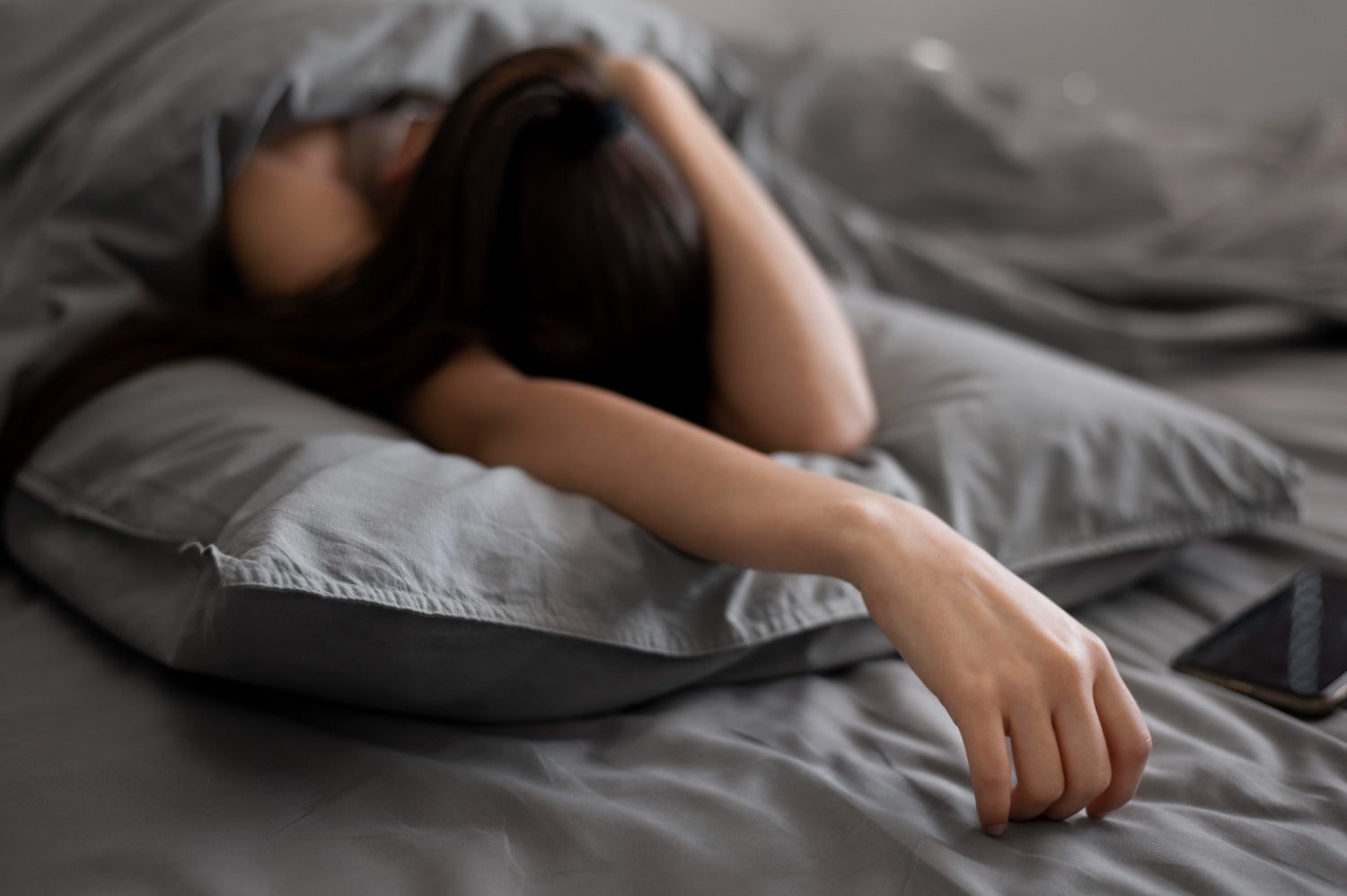
Más de uno
Qué sabemos del insomnio: "Es un mito que haya que dormir ocho horas"
00:28:36
Probablemente muchos oyente se hayan sentido identificados en la angustia de no poder dormirse, porque, según la Real Academia de Medicina, cerca del 10 por ciento de la población (cuatro millones de personas) sufren en España insomnio crónico.
Loading summary
Transcript60 lines
- [00:00]
Ainhoa Álvarez
Más de Uno en Onda Cero, donde Alsina.
- [00:04]
Narrator/Voice Actor
Una menos 26 minutos de la madrugada. No podemos dormir. Cada noche retrasamos la hora de acostarnos. Cada noche nos vamos antes a la cama. Cada noche lo hacemos a la misma hora. Y no, no podemos dormir. Tardamos en coger el sueño, lo logramos enseguida para despertarnos poco después. Nos sorprende la alarma. Nada más cerrar los ojos nos sentimos llenos de energía y por eso no podemos dormir. Nos sentimos agot. Y por eso no podemos dormir. No podemos dormir porque somos jóvenes y las jóvenes no duermen mucho. No podemos dormir porque somos viejos y los viejos no duermen tanto. No podemos dormir porque estamos en la mediana edad y es cuando peor se duerme. Tenemos calor, tenemos frío. Giramos cambiando de postura, boca arriba sobre el costado derecho, con los brazos haciendo almohada. Y no podemos dormir. Colocamos un cojín entre las piernas, nos tapamos y destapamos. Nos incordian pequeños calambres, cosquilleos, picores acuciantes pliegues y costuras. El guisante bajo 20 colchones y no podemos dormir. Permanecemos inmóviles. Nos concentramos en relajar el cuerpo. Conseguimos una postura donde nada duela ni pique. Y tampoco podemos dormir. Oímos un zumbido, un ronquido vecino, un bebé llorando, tan remoto y desatendido que pareciera imaginario. Oímos una motocicleta de la noche del barrio. Ladridos, gritos de borrachos, discusiones familiares a deshoras, gemidos de placer siempre sobreactuados. Oímos crujidos de muebles, motores de nevera, canicas fantasmales rodando en el piso de arriba. Puto mosquito. No oímos nada. Y entonces escuchamos nuestro pulso, nuestros zumbidos y crujidos internos. El corazón de la Thor nos molesta. ¿Quien duerme a nuestro lado? ¿Su agitación o su quietud? ¿Su respirar sereno o ronco? Recordamos. No podemos dormir. Y entonces recordamos lo sucedido en el día con detalle de cronista. Lo sucedido en la última semana, en el último año, en nuestra vida toda.
- [02:14]
Begoña Gómez
Es como una novela de terror. Jorge Abad.
- [02:17]
Jorge Abad
Un poco sí. Y menos mal que yo no me identifico ya.
- [02:21]
Begoña Gómez
Así comienza la última novela de un escritor, parece ser que insomne, o al menos insomne, no sé si por temporadas, ahora no lo contará, si es que quiere contarlo, porque parece ser que los insomnes se lo ocultan a los demás. Y probablemente muchos lectores y ahora muchos oyentes se hayan sentido identificados en esta angustia de no poder dormirse, porque según la Real Academia de medicina, cerca del 10 de la población, 4 millones de personas, sufren en España insomnio crónico. Es lo que le ocurre a los dos protagonistas de Las buenas noches, la nueva novela del escritor Isaac Rosa, cuyo arranque acabamos de escuchar y que narra como dos insomnes, un hombre y una mujer que no se conoce de nada, consiguen por fin lo que más dormir bien, dormir seguido, dormir profundamente, pero solo juntos. Isaac, buenos días.
- [03:07]
Isaac Rosa
¿Qué tal? Buenos días, Begoña.
- [03:09]
Begoña Gómez
Hoy vamos a hablar del insomnio y claro, hemos preferido tener a ti, que eres uno de ellos, de los insomnes, y que ha investigado mucho el tema del insomnio porque ha hablado con mucha.
- [03:19]
Ainhoa Álvarez
Gente, que te ha contado muchas experiencias.
- [03:21]
Begoña Gómez
Que tú también te ha servido para plasmar las experiencias de tus protagonistas. Si la gente permite, Isaac, antes de decir nada, que voy a decir a las oyentes que si quieren llamar al 609-831-034 para que te den material para tu segunda parte de sí, que nos envíen notas. Buenas noches. Así es. En la novela dices que los insomnes mienten y ocultan su no dormir.
- [03:48]
Isaac Rosa
En general, sí. En general no solemos hablar de lo mal que dormimos y como no hablamos de ello, como no nos preguntamos qué tal hemos dormido, o si nos lo preguntan, no contestamos con sinceridad, como cuando alguien te pregunta cómo está y tú dices eso bien o te lo cuento, pues no hablamos mucho de ello. Y si lo hiciéramos, seguramente nos daríamos cuenta de que somos muchos los que dormimos mal. Tú has hablado de ese 10% que tiene insomnio crónico, pero yo creo que mucha más gente, la que no tiene un insomnio diagnosticado, la que puede considerarse. Yo no me consideraría un insomne, me consideraría en todo caso un insomne intermitente, un insomne discontinuo. Tengo buenas noches y malas noches, pero yo creo que hay un porcentaje bastante más alto de población y además, de todas las edades y condiciones, que duerme mal, que duerme poco, que tiene de vez en cuando o con mucha frecuencia malas noches y que a lo mejor, como digo, no los diagnosticarían como insomnes ni los tratarían como tal, pero en general creo que sí tenemos un problema grande como sociedad con nuestras noches.
- [04:51]
Begoña Gómez
Hablas de la vergüenza que siente el insomne de contarlo. Yo no sé si también es que se sienten un poco culpables, porque los demás te hacen ser un poco culpable.
- [05:01]
Jorge Abad
Si no duermes bien, será porque algo.
- [05:03]
Begoña Gómez
Mala conciencia qué estás haciendo, o qué mal qué estás haciendo, seguro que tienes la tablet por la noche, seguro que haces no sé qué, seguro que haces no sé cuántos ostras y te comes la cabeza acusar de todo.
- [05:13]
Isaac Rosa
Seguramente hay una mezcla de vergüenza, por no hablar de ello, de culpa, de cierta sensación de fracaso también parece que si no duermes haces algo mal, que además luego al día siguiente no vas a poder cumplir con lo que se espera de ti, con No vas a poder trabajar bien, no vas a poder atender a las cosas que tienes que atender, no vas a estar presentable para la gente. Entonces, todo eso, yo creo una mezcla de cosas que hacen que, como digo, sea un tema que llevamos en silencio y que hace que nos sintamos también muy solos los que dormimos mal, como no lo compartimos. A mí me pasó escribiendo la novela, que hablando precisamente porque estaba escribiendo, empecé a hablar con gente de mi entorno, gente de confianza, luego ya gente que se iba uniendo, que sabía que yo estaba escribiendo, que querían contarme, y entonces me di cuenta de que vivo rodeado de gente que duerme mal. Y yo creo que eso cualquiera que pregunte en su entorno, si no él mismo o ella misma, cualquiera que pregunte en su entorno se dará cuenta de que vive rodeado en su familia, entre sus amigos, en la gente con la que trabaja, de gente que duerme mal, que duerme poco, que le cuesta dormir por la noche o se despierta de repente, que tiene temporadas en las que además duerme fatal, que consume para dormir, que ese es otro de los problemas, de las cosas que más me asombran a mí, o que más me asombraban cuando escribía la novela, los niveles tan altos de consumo de benzodiazepinas que hay en España. Entonces yo creo que es un problema muy propio de nuestro tiempo, seguramente de sociedades occidentales como la nuestra, pero que además tengo la sensación, o hasta donde yo he podido saber, o donde he leído, que es un problema que en España se manifiesta de forma muy acusada, lo del no poder dormir.
- [06:44]
Begoña Gómez
¿Quieres que preguntemos a un experta?
- [06:47]
Isaac Rosa
Sí, porque yo siempre tengo que empezar aclarando que yo no soy. Mi conocimiento del insomnio es nivel usuario, Yo no soy el doctor sueño que pueda hablar ni respuesta.
- [06:59]
Begoña Gómez
Tú utilizas tu imaginación también, la aportación de la gente, de lo que te cuenta y de lo que ves en la sociedad. Claro, porque vosotros narráis un poco lo que ocurre.
- [07:07]
Isaac Rosa
Claro, yo cuando hablaba con gente no intentaba hacer una encuesta ni una investigación, sino que lo que me interesaba precisamente como novelista en este caso, era conocer cómo son las noches de quienes no pueden dormir, cómo son sus malas noches, si su cabeza es como la mía cuando no puedo dormir, que se parece a esas primeras páginas que habéis leído antes al comienzo. Si, nuestras malas noches, en efecto, se parecen tanto. Y es lo que yo quería saber cuando hablaba con gente.
- [07:32]
Begoña Gómez
Pues mira, vas a poder preguntarle tú incluso a la doctora Ainhoa Álvarez, que es neurofisióloga clínica y presidenta de la Sociedad Española de Sueño. Buenos días, ainhoa.
- [07:41]
Ainhoa Álvarez
Buenos días.
- [07:42]
Begoña Gómez
¿Qué tal duermes tú?
- [07:44]
Ainhoa Álvarez
Yo bien. Vale, pues nunca se sabe.
- [07:49]
Begoña Gómez
Sería el colmo. No tiene por qué. Oye, a lo mejor tienes dificultades y necesitas de algo o de alguien para poder.
- [07:55]
Ainhoa Álvarez
Todo el mundo tiene una noche mala y ahí me acuerdo mucho de mis pacientes.
- [08:00]
Jorge Abad
Porque ¿A partir de qué momento se puede decir que tú eres una persona que padece insomnio?
- [08:05]
Ainhoa Álvarez
Bueno, hay unos criterios claros de insomnio. Hay que tener por lo menos tres meses de insomnio crónico, al menos tres meses. Que tengas una queja de sueño por la noche, como habéis comentado, pues que te cueste dormir, te despiertes o te despiertes demasiado pronto o tu sueño no sea lo bueno que. Que tiene que ser. Y luego tiene que tener esto una repercusión durante el día, que también habéis comentado, y esto que te ocurra al menos tres veces a la semana. Y ahí ya podíamos decir así en rasgos grandes, que uno tiene ya insomnio crónico.
- [08:33]
Begoña Gómez
Ostras, pues es que son muy pocos días a la semana.
- [08:37]
Jorge Abad
Claro, has empezado a recordar la semana pasada viernes.
- [08:42]
Begoña Gómez
Así es. Y claro, yo no sé si como decía antes Isaac, como manifiesta en su libro, la vergüenza que te da el sentido culpable, no lo cuentas, no se lo cuentas a nadie, ni siquiera A tu pareja. ¿Qué tal has dormido? Estupendo. Cuando está viendo como el otro ronca.
- [08:57]
Jorge Abad
Ha estado comiendo cosas, como el otro.
- [08:58]
Begoña Gómez
Está plácidamente dormido toda la noche, no lo cuentas. ¿Esto se diagnostica muy tarde, Ainhoa?
- [09:05]
Ainhoa Álvarez
Bueno, sobre todo no se vive con un problema. A veces uno puede dormir, no puede dormir, hombre, pues ya dormirás, pues ya cuando tengas vacaciones. Entonces como que lo van dejando y si van al médico, pues a veces tienen como miedo de ir al médico y decirle que tiene insomnio, sobre todo porque piensan que solamente les van a ofrecer fármacos y no quieren tomar y no piensan que hay mucho más que ofrecer aparte de los fármacos. Entonces lo van dejando, lo van dejando hasta que ya llega un momento que no pueden más. Y muchas veces nadie quiere cogerse la baja por un insomnio porque cree Dios mío, ¿Qué van a pensar de mí? Pero hay veces que incluso es necesario parar un poco, solucionar el problema y luego volver otra vez a la vida diaria. Entonces yo creo que es como que se tiene como poco, no se sabe muy bien lo que sufren las personas con insomnio. Que bien en el audio que habéis puesto se veía claramente, pero es algo que se tiene como bueno, pues ya dormirás. Si no duermes ahora, pues ya dormirás. Además todo el mundo parece que sabe de sueño y todo el mundo te da consejos y entonces siempre ¿Para qué voy a decir si no me entienden?
- [10:09]
Begoña Gómez
¿El insomnio es un síntoma de algo o es consecuencia?
- [10:13]
Ainhoa Álvarez
Exacto, eso es muy buena pregunta. Antiguamente se pensaba que solamente era un síntoma. Hoy en día sabemos que es un síntoma o puede ser un trastorno como tal. ¿Por qué aparece el insomnio? Porque hay varias razones. Primero por cómo somos, eso como una predisposición que tenemos. Hay gente que en un momento dado tiene un examen y pega ojo, y en cambio su compañero al agua, aunque tenga el examen, el mismo examen, el mismo estrés, duerme tranquilamente. Entonces hay una forma de cómo somos que hace que tengas más predisposición para ser insomne o menos, pero de repente en tu vida no tienes insomnio, solamente algo puntual en tu vida aparece algo que es como el precipitante. Y en el precipitante lo que ocurre es que te pasa algo, pues un estrés laboral o una pérdida de alguien que quieres, o a veces no sabes igual identificar el qué, y empiezas a enlazar una noche y otra noche, otra noche y otra noche, y es como un insomnio agudo. ¿Qué ocurre? Que muchas veces hacemos como le damos demasiada fuerza a nuestro cerebro al insomnio y empezamos a tener creencias, dejamos de salir porque igual no dormimos, estamos más tiempo en la cama, a ver si dormimos. Y a veces también eso es contraproducente, igual decimos bueno, pues voy a ponerme la tele en la cama a ver si me duermo. Empezamos a hacer cosas que se ha visto que son perpetuantes del insomnio crónico, que son cosas que no hacemos para machacarnos, porque nos queremos curar, pero sí las hacemos sin saber que eso mismo está haciendo que nuestro cerebro cada vez duerma peor y tengamos un insomnio crónico. Ahí muchas veces nosotros solemos hacer una terapia que se llama terapia cognitivo conductual para el insomnio, que actúa sobre los perpetuantes, porque como es uno, yo siempre les digo a mis pacientes, como es uno, hay que quererse y no somos todos iguales y ya está. Pues tú, yo a veces les digo, gracias a los insomnes estamos aquí, porque si no como especie igual hubiésemos desaparecido porque nos hubiese comido el león en la selva. Entonces a veces es necesario eso, es el que oyó el ruidito y oye correr, y entonces al final ser así, pues somos así y ya está. Lo que pasa que tenemos que ser así, pero viviendo con buena calidad.
- [12:25]
Jorge Abad
Yo he leído una reflexión que me parece muy interesante de Isaac, que hablaba que medimos el sueño en términos de productividad, entonces que muchas veces el tiempo que dormimos tenemos una sensación de que hemos perdido el tiempo.
- [12:38]
Begoña Gómez
Isaac, ¿Eso tú lo has constatado en los seres humanos que se han aproximado.
- [12:43]
Isaac Rosa
A ti de alguna manera? Sí, de hecho yo veo que hay mucha gente, por supuesto, hay gente que tiene problemas de salud muy claros y muy particulares que les impiden dormir, pero luego hay mucha otra gente que dormimos mal, que dormimos mal por temporadas o que tenemos malas noches y que tiene que ver yo creo que con nuestra forma de vida, evidentemente, con la forma de organización social, con un montón de cosas que nos quitan el sueño, con un montón de cosas que están en nuestro día a día que nos quitan el sueño. Y una parte de eso tiene que ver con cierta resistencia a dormir. Incluso yo sospecho que detrás de alguna gente, y seguramente es mi caso, por ejemplo, detrás de quienes no podemos dormir, muchas veces hay alguien que no quiere dormir. En realidad hay una resistencia a dormir, porque querríamos seguir despiertos, porque el día no nos da esa expresión que repetimos tanto de no me da la vida. Querríamos ganarle horas a la noche. Y cuando llega la noche, además, cuando de repente los que tenemos hijos se han acostado, nuestros hijos, parece que ya el día baj, bajando el ritmo, cesan las interrupciones, las urgencias, las distracciones, de repente te tienes que ir a la cama. Y hay como una resistencia y si es el primer momento tranquilo del día, si ahora es cuando puedo hacer yo lo que querría hacer con mi vida. Y eso acompañado de un discurso que también yo creo que ensalza, en efecto, como decías antes, la productividad a todas horas, el estar siempre disponible, todos estos relatos que nos llegan de gente triunfadora que presume de dormir muy poco, esta especie de aristocracia del sueño, llamo yo la novela, de todos esos triunfadores de todo tipo, empresarios, artistas, que dicen que duermen dos horas, tres horas, que se levantan a las cuatro de la mañana, todo eso al final va contra el sueño. Claro. ¿Qué hacemos nosotros durmiendo ocho horas? Parecemos unos perdedores, cuando podríamos estar desde las cinco de la mañana ya resolviendo, ganando, como dicen. Claro, y eso lo combinas con una sociedad que yo creo un modelo social que parece que va contra el sueño, que es esta, esto de estar 24 horas, 7 días a la semana, todo abierto, todo disponible, todo a nuestro alcance. En el fondo, como yo digo en un momento de la novela, yo creo que en la vida que llevamos ahora mismo, casi lo raro es dormir, lo raro es la gente que puede dormir bien, porque parece que todo conspira contra nuestro descanso o contra nuestra tranquilidad. Yo en la novela le acabo dando la vuelta a la pregunta. ¿Yo empecé preguntándome por qué no puedo dormir? ¿Y al final se la lanzó a los que podéis dormir, pero cómo podéis dormir? ¿Cómo es posible que durmáis, si parece que todo nos quita el sueño? Trabaja para no dejarnos descansar y no dejarnos dormir.
- [15:17]
Begoña Gómez
Pues esa pregunta luego, dentro de un momento, se la vamos a trasladar a nuestra experta Ainhoa Álvarez, que es neurofisióloga clínica. ¿Te parece, Isa y Ainhoa, que nos vayamos un momentito? Un segundo. Bueno, un segundo no va a ser un par de minutos por lo menos, como mínimo. Y luego seguimos hablando de tu libro y de los insomnes.
- [15:44]
Ainhoa Álvarez
Más de uno en Onda Cero, donde Alsina.
- [15:49]
Begoña Gómez
Estamos aprendiendo cosas del insomnio con Isaac Rosa, porque ha escrito Las buenas noches, una obra sobre insomnio, una novela sobre insomnio muy chula, y también estamos hablando con Ainhoa Álvarez, que es neurofisióloga clínica y presidenta de la Sociedad Española de Sueño. Y claro, decía Isaac, a mí me interesa mucho más saber cómo podéis dormir los que no padecéis de insomnio y también me interesa a mí mucho saber cómo consigue si, no sé si a lo mejor no está demostrado científicamente, Isaac, dímelo tú, el hecho de que dos personas se junten y de repente no sé qué pasa, que duermen bien. ¿Esto científicamente, Isaac, es posible, es plausible o es un giro de guión maravilloso.
- [16:38]
Isaac Rosa
Más allá de la inventiva y de la trama de la novela? En mi caso, por ejemplo, y seguramente muchos oyentes podrían decir lo mismo, mis mejores noches, y hablo de noches de dormir, no estoy hablando de otras cosas, mis mejores noches a lo largo de la vida han sido noches en compañía. Yo he sido de dormir bien acompañado. Hay gente que no, hay gente que necesita dormir solo. En el caso de los protagonistas de mi novela, son dos desconocidos incluso, que mantienen el anonimato, que apenas saben de ellos y que sin embargo, son capaces de dormir cuando están juntos, como un superpoder que les devuelve el sueño. Pero lo que les pasa es que cuando están juntos consiguen algo que a veces conseguimos con algunas personas y que yo creo que todos buscamos y todos anhelamos, que esa calma que de repente consigues con alguien cuando estás junto, que a veces te pasa cuando estás con tu pareja, pero te puede pasar con un amigo, te puede pasar con alguien muy cercano con el que de pronto parece que el tiempo que estáis juntos es como un paréntesis en el que quedar afuera, el ruido en el que quedara fuera la vida con sus prisas, en el que parece que saliéramos del mundo y eso es lo que ellos consiguen cuando están juntos, encontrar esa calma que facilita el sueño también. Pero no sólo es el dormir.
- [17:49]
Begoña Gómez
Claro. Ainhoa, la pregunta de cómo podéis dormir.
- [17:55]
Ainhoa Álvarez
Bien, ¿Cómo podemos dormir bien? Primero priorizar el sueño, que comentabais que mucha gente se quita horas de la de sueño por hacer cosas, y yo creo que es una de las cosas importantes que siempre intentamos transmitir, que el sueño es muy importante, que nosotros para vivir 90 años hay que dormir 30, y que realmente nuestro cerebro cuando estamos durmiendo está trabajando a tope, o sea, no está parado. Entonces es súper importante porque estamos como asimilando todo lo que hemos hecho durante el día, estamos aprendiendo mientras dormimos, estamos creciendo, estamos cogiendo defensas, incluso emocionalmente súper importante. El sueño REM se ha visto que hace que nuestro equilibrio emocional sea muy muy importante. Entonces cuando normalizamos dormir poco, por ejemplo, en la edad tan importante como son los adolescentes, luego nos sorprendemos de que tengan trastornos psiquiátricos, pero es que realmente a veces no solamente hay que cuidar la alimentación y el deporte, sino también hay que cuidar el sueño, que antes.
- [18:59]
Begoña Gómez
No dormíamos así, es decir, no dormíamos ocho horas seguidas, que es lo que nos dicen que tenemos que hacer ahora. En la época medieval tú dormías un poco como la gallina, dormías cuatro horas, luego te hacías cositas y volvías a dormirte otro ratito, qué es lo más sano.
- [19:17]
Ainhoa Álvarez
Claro, no sé, es que ahora vivimos este tiempo, llegó la revolución industrial y llegó la bombilla y todo esto cambió, y entonces ahora pues hemos aprendido desde muy pequeños que hay que dormir 8 horas seguidas y eso es un mito. Yo a los pacientes les digo, no vas a conseguir dormir 8 horas sin despertarte, pero es que no es normal, nuestro cerebro, como os he comentado antes, siempre está un poco atento por si hay una amenaza, pues sobrevivir, porque está un poco programado para ello. Entonces realmente ocho horas nuestro cerebro en algún momento se va a despertar, sea corto o largo.
- [19:50]
Jorge Abad
Si no es el cerebro, es la.
- [19:51]
Narrator/Voice Actor
Próstata.
- [19:55]
Ainhoa Álvarez
Pero es el cerebro el que te dice que tienes que ir al baño porque al final te despiertas. Si te despiertas muy poquito no te acuerdas, te das media vuelta y sigues durmiendo. Pero cuando despertar es más largo, que es más habitual, cuando estamos más preocupados o cuando somos más mayores o en algunas épocas de nuestra vida, pues entonces nos acordamos y entonces ya la fragmentación del sueño nos da esa sensación de que mal duermo, pues me despertó tantas veces, he escuchado la campana de la iglesia, no sé cuántas veces, entonces, pero realmente mi cerebro que sabe que tengo que dormir, pues a veces duerme. Y yo también pienso que a veces contra más ansiedad le pongamos a que no hemos dormido, peor dormimos. Entonces un poco lo que comentaba Isaac, que a veces cuando busca la pareja, bueno ya estoy más tranquilo porque realmente ya crees que vas a dormir. Entonces nos anticipamos muchas veces a pensar qué va a ocurrir. A veces cuando estamos nerviosos no tenemos hambre y no pensamos mañana no voy a comer, pero en el sueño sí que ocurre. Entonces yo creo que a veces hay que normalizar. Bueno, pues estoy en una época, duermo un poco peor, pero si luego durante el día rindo bien, mi cerebro es listo, sabe que hay que dormir y va a ir a por ello porque quiere vivir y quiere vivir bien. Y sobre todo luego priorizar también no quitarnos horas para trabajar, que no me diga mi jefe.
- [21:13]
Begoña Gómez
Tenemos para Isaac, para su álbum de documentación, para si hace una segunda parte o haces una reedición, que también podría ser, no sé si lo que te dé la gana con ella. Pues tenemos un WhatsApp, vamos a escucharlo.
- [21:30]
Listener/Caller
Hola, buenos días. Pues con respecto al insomnio, yo voy a comentar mi experiencia. Yo cuando tenía 20 años, pues estuve bastante, bastante tiempo, bastante, bastante tiempo, que fueron años padeciendo, sufriendo el insomnio, lo pasé bastante mal, fui al médico que se suponía que era el especialista del sueño y bueno, le comenté que no podía dormir y entonces me dio pues unos somníferos para poder ir durmiendo y tal. Y bueno, le preguntaba a ver si había alguna forma de investigar el origen y el porqué y nada, me dijo que no y digo ya, pero es que ahora tengo 20 años, digo si, ahora con 20 años estoy tomando somníferos para dormir, digo cuando tenga 60, bueno pues te aumentamos la dosis y descubrí cuál era la causa del insomnio mío y fue sin querer, dejé de tomar los anticonceptivos, me quedé embarazada y todo fue estupendísimamente bien. Y luego volví a tener otro embarazo con otra hija, también estupendamente bien. Y luego cuando terminé de tener la segunda, intenté reiniciarme a los anticonceptivos y volví a subir, sufrir lo que dan los síntomas.
- [22:39]
Narrator/Voice Actor
Ensayo y error.
- [22:40]
Begoña Gómez
Qué cosas, qué cosas. Isaac, tú hablas en el libro de las técnicas de los marines de la técnica 478, la del cognitive soufflé o algo así se dice, las partidas bala. Eso no es una técnica, eso es contraindicado. Las partidas balas de ajedrez, eso no es nada bueno. Yo no sé, Ainhoa, Claro, antes hablabas de. Porque además sé que Isaac tiene, y lo has comentado antes, preocupación por el alto consumo que hay en España de benzodiazepinas. Y tú hablabas, Ainhoa, de que no siempre se tiene que medicar a la persona, pero sí es cierto que por qué somos el líder mundial en ese tipo de fármacos. Eso es, somos líderes.
- [23:32]
Ainhoa Álvarez
Pues mira, yo creo que también por nuestra sanidad. Al principio tenemos 7 minutos por paciente, los pacientes van a atención primaria y no duermen lo más fácil. También un poco por esta sociedad que tenemos de que queremos soluciones rápidas, pues bueno, venga, tómate esto. Es verdad que en los últimos años se está formando mucho más a los médicos de atención primaria, se está demandando más pacientes a las unidades de sueño. Nosotros tenemos desde hace 14 años unas consultas monográficas de insomnio donde solamente vemos a pacientes con insomnio en la unidad de sueño. También vemos otras patologías, pero ya se tiene como un espacio para estos pacientes que al final antes era un síntoma de otra cosa que había que ver, como el ejemplo que ha puesto la oyente, que era secundario a los anticonceptivos. Antes era, bueno, pues un síntoma, pero ahora ya se sabe que esto tiene ya vida propia y es un trastorno y que hay que buscar soluciones y que las soluciones no son las benzodiazepinas, que las benzodiazepinas son unos fármacos que producen sueño y que en algún momento de nuestra vida puede ser que las necesitemos, pero cuatro semanas no más. Es algo que produce dependencia, tolerancia y que a largo plazo va a ser un problema. Entonces, si a veces nos ha pasado algo y lo tenemos que tomar y nuestro médico dice oye, pues mira tienes que tomar esto tiempo, pues vale. Pero hoy en día estamos intentando que los pacientes antes de empezar con benzodiazepinas, pues hagan otras otras técnicas, la terapia cognitivo conductual, la terapia de primera elección para el insomnio desde las guías del 2017, o sea que llevamos varios años con estas guías, bueno luego se actualizaron en el 23, pero que ya en el 2017 estábamos hablando de que antes de un fármaco hay que probar con estas terapias psicológicas que funcionan muy bien, ahora hay que llevarlas a primaria, que ese es nuestro esfuerzo. Nosotros desde la unidad de sueño estamos intentando hacer un proyecto en primaria enseñando a los médicos, a las enfermeras, con grupos de trabajo, porque al final si lo haces, si haces terapia grupal en el mismo tiempo puedes tener 8 o 10 pacientes y estamos enseñándoles ¿Para que? Pues para que ellos aprendan, para no empezar con el fármaco desde atención primaria.
- [25:55]
Begoña Gómez
Una reducción, ¿Verdad Isaac? De jornada, un alquiler más barato, esas cosas también ayudarían.
- [26:03]
Isaac Rosa
Cuando uno no puede dormir empieza siempre buscando en Google, buscando remedios y preguntando a gente de tu entorno que tampoco duerme a ver qué es lo que le funciona o acabas yendo al médico a ver si te manda algo también que es verdad lo que dice Ainhoa, que seguramente ese consumo tan alto tiene que ver con que la sanidad no tiene capacidad para dar otra respuesta y te dan la pastilla rápida. Lo que pasa que muchas veces tanto lo que encuentras, tanto lo que te dice el Dr. Google, como lo que te dice el médico, como lo que te dice tu amiga o tu amigo que no duerme, pues a lo mejor te funciona un tiempo, te funciona al principio hasta que tienes que probar otra cosa porque no resuelves aquello que te quita el sueño. Yo al menos en en lo que me encuentro en mi entorno, hay muchos elementos comunes que compartimos que nos quitan el sueño y que seguramente no están en nuestra mano resolver o no de forma individual, que tendríamos que abordarlo como sociedad, que tienen que ver con causas colectivas o sociales que nos preocupan que nos quitan el sueño, que tiene que ver con nuestro modo de vida, con las condiciones materiales de vida, por supuesto también con los ritmos, con los tiempos, con la tecnología. Evidentemente todo aquello que como digo, no es un remedio, ni un fármaco, ni una meditación nocturna, sino que implica cambiar algunas cosas de nuestra vida, que es así, que nos quitan el sueño. Mientras tanto, seguimos enganchados a tomar algo, a tomar alguna pastilla. Y además, a mí una cosa que me impresiona mucho es que somos, como decías antes, líderes mundiales en consumo de benzodiazepinas, de ansiolíticos, de hipnóticos, pero eso convive con unos consumos altísimos también de sustancias excitantes, de fármacos, de productos naturales o de drogas para estar despiertos, también para estar activos. Somos una sociedad que masivamente consume productos para dormir y productos para estar despierto, productos para relajarse y productos para excitarse. Algo para dormir y luego algo para estar por el día. Por el día despierto. Cosa loca, disparate.
- [28:01]
Begoña Gómez
¿Tú sabes lo que es muy efectivo para el insomnio? Y es leer un libro por la noche. Quítate de tablets, quítate de móviles y lee un libro por la noche. Isaac Rosa, Las buenas noches, por ejemplo, es un gran libro para leértelo por la noche, por el día, en el metro. El metro ya no se lee. Qué pena. Y una gozada de libro. Isaac, muchísimas gracias por haber estado con nosotros. Un abrazo grande.
- [28:24]
Isaac Rosa
Begoña. Gracias, Jorge. Y un saludo para Ainhoa y Doctora Álvarez.
- [28:27]
Begoña Gómez
Muchísimas gracias por sus apoyos.
- [28:29]
Ainhoa Álvarez
Muchas gracias a vosotros por invitarme.
- [28:32]
Begoña Gómez
Más de uno en Onda Cero.