← Más de uno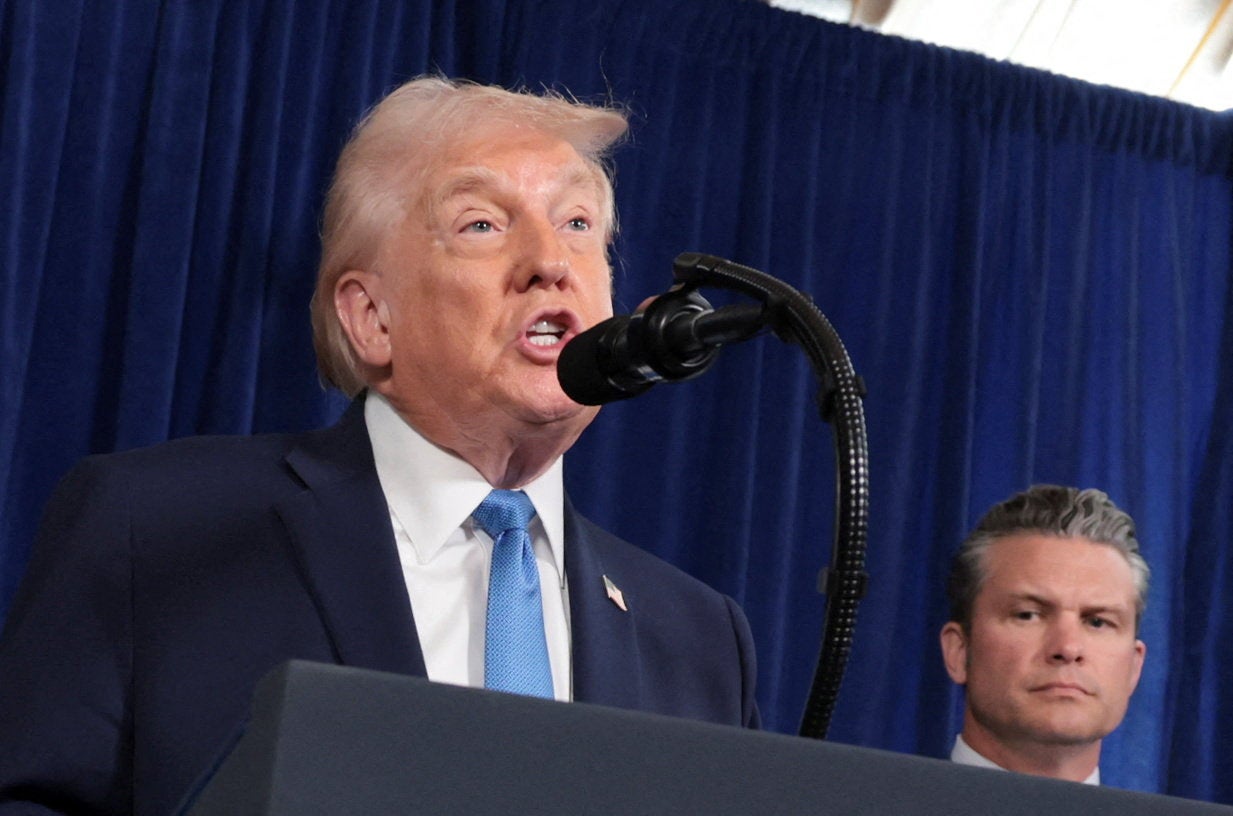
Más de uno
Tertulia: Cómo queda Venezuela tras la caída de Nicolás Maduro y el control de Trump
01:03:30
Antonio Cano, Karina Sainz Borgo, Javier Caraballo, Marta Garcia Aller y Ruben Amon debaten en la tertulia de 'Mas de uno' sobre el temporal en Espana, la situacion en Venezuela y el caso Brigitte Macron.
Loading summary
Transcript180 lines
- [00:10]
A
Y ahora ya en Onda Cero, aquí en la radio, en más de uno, la radio que gusta, la radio que influye, la radio que inspira. En tertulia esta mañana está Marta García, ayer. Buenos días Marta.
- [00:18]
B
Buenos días Carlos.
- [00:20]
A
Muy bien, estás muy bien.
- [00:22]
B
Me quedo admirando por si voy a decir feliz año, pero sé que no se puede, así que no lo voy a decir. No, no, ha dicho que ya le dijo antes tú no sé, a lo.
- [00:34]
A
Mejor, vamos a ver qué estamos a 5 de enero, yo creo que el año ya se ha felicitado suficiente, pero.
- [00:39]
C
A partir de mañana.
- [00:40]
A
¿Por qué a partir de mañana?
- [00:42]
C
Porque es cuando terminan las Navidades. Todavía se puede decir felices fiestas, feliz año nuevo, por supuesto, estamos todavía de.
- [00:49]
B
Fiesta esta mañana, Javier, allá tú.
- [00:51]
A
Lotería de Navidad, Javier.
- [00:53]
C
No, no, no.
- [00:56]
A
Antonio Caño, buenos días y feliz año.
- [01:01]
D
Felices Reyes.
- [01:03]
A
Felices Reyes. Sí, además eso es lo más importante.
- [01:05]
B
Felices Reyes, qué bonito.
- [01:06]
A
Eso es lo más importante porque en España tenemos la ventaja de que las navidades terminan en alto. Bueno, por eso aquí estas navideñas terminan con los Reyes Magos y el roscón. Otros sitios como que van languideciendo. Dice ya empieza el año y ya no sabe muy bien tal y hay que volver a la rutina.
- [01:20]
C
Ve cómo ha dado la razón.
- [01:25]
B
Mucha inseguridad jurídica veo yo en este programa, no se está respetando el derecho.
- [01:29]
A
Rubén Amón, buenos días también para ti.
- [01:31]
E
Fijaos que los Reyes van a occidente y yo estoy en oriente.
- [01:38]
A
Pues razón de más para que no.
- [01:39]
C
Te dejen nada, hombre, las zambombas de.
- [01:42]
A
Estambul son muy conocidas, que te traigan carbón. Sí que traen los Reyes carbón, aunque.
- [01:48]
E
Dice se cotiza el carbón, cuidado que va en un potosí el carbón.
- [01:52]
A
Los niños de ahora dicen no, si es mentira eso nunca han traído carbón, ya te digo yo que sí y lo siguen trayendo, o sea que andaos con ojos. Bueno, invitado esta mañana a la tertulia, por razones que todos podéis entender a Karina Sáenzborgo, que es periodista, escritora, analista, compañera y venezolana. Buenos días Karina.
- [02:10]
F
Buenos días, Carlos.
- [02:11]
A
Buenos días, un gusto verte.
- [02:12]
F
Igualmente, igualmente, muchas gracias.
- [02:14]
A
Ahora hablamos de lo que sigue sucediendo en tu país y ahora recuerdo algunas cosas que dijo Karina el sábado. El sábado Marta y yo estábamos aquí, hicimos un programa especial con motivo de los acontecimientos en Venezuela y participó Karina y dijo algunas cosas que yo creo que 48 horas después se han visto absolutamente confirmadas y no precisamente para bien. Pero antes de eso, tenemos una primera preocupación esta mañana, que es el tiempo. Venís todos helados de la calle, entre los que acabáis de llegar, estáis todavía tiritando, lo noto, lo veo. Sigue habiendo mucho hielo en muchos sitios en nuestro país y sigue habiendo nevadas y nevadas que están complicando la situación, están complicando la circulación por carretera, como ya hemos contado también a los oyentes. La recomendación sigue siendo informarse antes de salir, planificar el viaje, bueno, en la medida de lo posible evitar coger el coche, claro, pero aquel que no tenga más remedio que hacerlo, pues que sepa al menos qué es lo que se va a encontrar y si va a necesitar las cadenas y si va a transitar por lugares donde la circulación está restringida, donde la velocidad está restringida, donde el tráfico de camiones, por ejemplo, está también limitado. Y todo eso es lo que sigue sucediendo a esta hora de la mañana. Y la previsión, como venimos contando, lo que dice es que no es sólo hoy, que es hoy y mañana. Y hay un aviso especial que emitió este domingo la AEMED, la Agencia Española de Meteorología, que lo que explica es que se nos ha juntado una borrasca, que es esta Francis de la que habréis oído hablar, y que anoche ya causó estragos por el agua que cayó en la provincia de Cádiz, también en algunos puntos de la provincia de Málaga. Esta mañana está previsto en la Región de Murcia, provincia de Almería, el sur de la Comunidad Valenciana, ya hemos contado, y que se ha juntado con una masa de aire frío, pero muy frío, que hace que todo lo que cae en lugar de agua, ya casi todas partes en nieve por la bajada de las temperaturas. No sé por qué estoy contando yo todo esto si quien me lo va a explicar mucho mejor es Rubén del Campo, que es el portavoz de la EMED, que es quien sabe utilizar los términos técnicos que se corresponden con una situación como esta. Rubén del Campo, buenos días.
- [04:07]
E
Hola, buenos días. ¿Cómo estáis?
- [04:09]
A
Pues deseando escucharte para que. Bueno, ¿Cómo estamos? Pues helados. Esa es la primera conclusión. Oye, ha estado la mañana. ¿Qué información tenéis en la EMED? ¿Hasta qué punto se está cumpliendo lo que preveíais que iba a suceder en estas primeras horas? ¿En qué lugares de España está cayendo nieve? ¿Dónde ha caído ya y en qué cantidad o en qué cuantía, ¿Cómo está la situación?
- [04:32]
G
Pues sí, está más o menos transcurriendo la madrugada, la mañana según lo previsto, con nevadas en cotas muy bajas, ya lo has comentado, ha nevado muy cerca del nivel del mar, a partir de 100 metros únicamente en zonas de Cataluña ha nevado también, pues ya habréis visto en Madrid capital una nevada ligera, pero la cuestión es que con el frío que hace, pues lo poco que ha caído se ha congelado y a lo largo de la mañana y primeras horas de la tarde puede ser nevando en zonas de Cataluña, de Aragón, Castilla La Mancha, interior de la Comunidad Valenciana, en Andalucía oriental y a partir de la tarde noche lo va a hacer y además con cierta intensidad en Cantabria, en el interior de Cantabria puede nevar bastante y en otras zonas próximas de las comunidades cantábricas. A estas nevadas pues hay que añadir el frío, frío intenso de pleno invierno, con heladas que hasta el miércoles por lo menos nos van a acompañar, heladas bastante fuertes. Y bueno, pues hay que decir, esta tarde en las cabalgatas desde luego que todo el mundo salga muy abrigado porque a las horas a las que se celebran en muchas zonas ya del norte y del centro de España estaremos prácticamente abajo cero. Así que esa es la principal cuestión, no va a ser tanto la lluvia lo que va a complicar este año las cabalgatas, sino el frío.
- [05:43]
A
Los camellos son bastante resistentes, pese a lo que casi todo el mundo cree, son muy resistentes al frío y a la nieve y a las bajas temperaturas. Es verdad que vienen bastante cansados del viaje que están haciendo todavía hasta ahora, pero que están acostumbrados a situaciones difíciles. Son vehículos, son animales, pero en su conducción de vehículos, tractores, que están preparados para todo tipo de circunstancias. Ríguete, tú de un X donde esté un camello no hay ninguna dificultad llegar, van a llegar a las casas y a las cabalgatas. Lo que sí es importante es que nadie se nos constipe antes de tiempo y que por eso todos los que vais a ir a las cabalgatas esta tarde, que supongo que vais a ser todos, pues que vayáis sabiendo que os vais a encontrar con temperaturas bajo cero, como nos dice Rubén, y que por tanto vais a ver las cabalgatas tiritando, que es una manera incómoda, pero la magia seguramente compensa todo lo que nos va a suceder. Si te he entendido bien, Rubén, lo peor para mañana, o bueno, para mañana, a partir de esta noche ya lo tenemos en Cantabria y lo tenemos en algunos sistemas montañosos, es decir, mañana a estas horas ya donde ahora mismo tenemos nieve, como tú dices, en cotas tan bajas como 100 metros, donde hemos visto la nieve en Madrid, en lugares del este de Castilla La Mancha, interior de la Comunidad Valenciana, ahí ya no va a volver a nevar. Mañana ya no tendremos nieve en estos puntos en los que ahora mismo si la tenemos. ¿Se limitará la caída de nieve a Cantabria y a sistemas montañosos, por ejemplo las cordilleras atléticas?
- [07:14]
G
Pues mañana sobre todo tendremos nieve en Cantabria, en Asturias, norte de Castilla y León, País Vasco, también en el norte de Navarra y sí que puede nevar todavía en el sureste, especialmente en zonas del interior de la provincia de Valencia y de Alicante, o sea, todavía quedarán esas zonas. Pues tenemos que estar atentos porque sí que puede haber nevadas y repito, debido al frío intenso, pues aunque no nieve demasiado en algunas zonas se convertirá en hielo rápidamente. Eso es peligroso, sobre todo a la hora de conducir, claro está.
- [07:47]
A
Bueno, y esto es todo porque se nos ha juntado esto de la borrasca Francis, esta es la que entró anoche por el. Bueno, en la tarde de ayer por el sur, por el golfo de Cádiz, se nos ha juntado con esta masa de aire de origen ártico que solo de decirlo provoca un frío tremendo y la conjunción de estos dos fenómenos es lo que explica el temporal tremendo que tenemos hoy.
- [08:08]
G
Así es, la borrasca Francis, que ya has comentado también que ayer provocó lluvias muy abundantes, muy intensas, con algunos desbordamientos en las provincias de Málaga y Cádiz. Esta borrasca venía muy cargada de humedad por un lado y por otro lado llegaba esta masa de aire ártico. Y es que es tal cual, o sea, estas masas de aire llegan impulsadas por los vientos desde latitudes tan altas como prácticamente zonas árticas. Ya te puedes imaginar lo fría que está esta masa de aire. Y esa mezcla de ese aire tan frío con esta borrasca, con tanta humedad, pues ha provocado estas nevadas a cotas muy, muy bajas prácticamente, salvo en zonas costeras, en cualquier punto del interior donde ha habido precipitaciones esta madrugada, pues han sido forma de nieve.
- [08:49]
A
Han elegido un día estupendo, los Reyes Magos para venir a España desde el punto de vista estético, porque es verdad que va a quedar muy bonita, los paisajes nevados como colofón de la Navidad, pero ya hemos contado que la nieve tiene algunas contraindicaciones, algunas complicaciones que los usuarios, sobre todo los transportes, van a ir notando a lo largo del día. Rubén, te agradezco mucho que hayas hablado con nosotros esta mañana y buen trabajo, porque en días como este, pues es donde supongo que tenéis que echar más horas que nunca. Cuídate, un abrazo.
- [09:16]
G
Así es, igualmente. Un saludo. Buen día.
- [09:18]
A
Así es. Bueno, ¿Vais a ir a alguna cabalgata? ¿Lo tendréis previsto para esta tarde? ¿Tenéis ya reservado sitio? En otros tiempos, en otros tiempos las familias iban con escaleras, algunas cabalgatas donde había más gente, en Madrid, por ejemplo.
- [09:35]
B
Iban con la escalera a cuesta. Hay familias que llevan un cesto para meter todos los caramelos que van a salir.
- [09:40]
A
Eso se llama.
- [09:40]
D
Copio la de Sevilla.
- [09:43]
B
Esto es un hecho. Esto está pasando también, Carlos.
- [09:46]
D
La de Sevilla es una cabalgata muy bonita, como sabe muy bien Carballo, y además sale Juanma Moreno de Rey Baltasar este año.
- [09:56]
C
Exactamente.
- [09:58]
B
Eso es un poco spoiler.
- [09:59]
A
Yo esto no lo entiendo nunca cuando lo explicáis, porque quien sale de Rey Baltasar es el Rey Baltasar.
- [10:04]
D
Bueno, efectivamente.
- [10:05]
A
Entonces no he entendido nunca. Llevo años intentando saber qué queréis decir. Es que no lo quiero ni preguntar.
- [10:13]
D
Entre Javier y yo, ¿Verdad?
- [10:15]
C
Sí. Tienes que tener en cuenta, Antonio, que si es el Rey Baltasar, no hay discusión política, pero cuando alguien relacionó a Baltasar con Juanma Moreno, creo que fue en Podemos, dijeron que eso era racismo institucional, que yo nunca he terminado de entenderlo, pero es lo que critican. Juan Mamarero está sometido a crítica política y hacen bien, pero Baltasar. Desde luego.
- [10:41]
B
Mucha gente se pregunta si el Rey Gaspar va a ser tan guapo como se le recuerda en la cabalgata de Madrid de los últimos años.
- [10:50]
F
Todo apunta a que sí. Todo apunta a que va a repetir.
- [10:53]
B
También España quiere repetir.
- [10:55]
A
Es que no entiendo nada de lo que estáis diciendo. Bueno, es que el Rey Gaspar es el mismo que el año pasado. ¿Sigue igual de guapo el Rey Gaspar? Solo hay un Rey Gaspar y es el mismo desde que éramos pequeños y antes incluso de que nuestros abuelos fueran pequeños. Siempre es el mismo Rey Gaspar.
- [11:13]
B
Pero a ver si sigue igual de guapo.
- [11:15]
A
Bueno, esta es otra cosa.
- [11:16]
F
Lo que se ha cambiado Es que este año los caramelos no tienen azúcar. Eso sí ha cambiado, Carlos. Eso sí es nuevo.
- [11:23]
B
Pero el Gaspar tiene azúcar probado todavía.
- [11:30]
C
Oye, por curiosidad, Karina, ¿Cómo son las cabalgatas en Venezuela?
- [11:32]
F
Ay, Dios mío. Digamos que no se celebran. No se celebran, no hay costumbre, pero bueno. Sí, pero sí pasan los Reyes claramente llegan de otras maneras, pero se manifiestan.
- [11:43]
D
El Ria de Reyes en América Latina no tiene mucho arraigo.
- [11:47]
F
No tiene mucho arraigo, es verdad. Más en el sur, en Argentina mucho.
- [11:50]
D
Más, pero de forma muy. No sé, muy.
- [11:53]
B
¿Hay algún rosco?
- [11:56]
F
No, no. Yo creo que los Reyes se manifiestan, pero no de esas maneras.
- [11:59]
B
¿Hay roscón o fruta escarchada en Venezuela?
- [12:02]
F
Sí, fruta escarchada sí que hay, pero no en el contexto navideño. Es decir, existe todo el año. Lo cual haría tremendamente infeliz a Rubén Amón, que la odia.
- [12:12]
A
Yo soy el que la odia.
- [12:15]
B
Para que luego te llamen moderadito, tú, con lo vehemente que eres al respecto.
- [12:20]
A
Bueno, pero es que soy la opinión pública española. A nadie le gusta la fruta, pero.
- [12:25]
B
Estamos los partidarios de que esté, aunque sea para apartarla, porque es tradición.
- [12:29]
A
Los del postureo, los de queda bonita.
- [12:31]
B
Luego se quita, si quieres te la.
- [12:32]
F
Comes y si no, no.
- [12:33]
A
Pero tiene que estar.
- [12:34]
E
Me encanta la tertulia, como si no hubiera pasado nada.
- [12:40]
B
Que la crisis geopolítica mundial.
- [12:45]
C
Pero no crees que esto es un.
- [12:47]
E
Síntoma, o sea, estamos como que no queremos entrar.
- [12:50]
B
No, que estamos acostumbrados.
- [12:53]
E
No hay temas, faltan temas. Oye, pues hablamos de las frutas.
- [12:56]
A
No, perdona, es que el tema de hoy en España fundamentalmente es uno, que es que vienen los Reyes. Este es el tema. Y luego viene todo lo demás. Para los que odiáis la Navidad, yo entiendo que cualquier cosa, hombre, que todo lo demás. Todo lo demás, sí, sí. Y lo repito, todo lo demás está por detrás en la jerarquía informativa de la llegada de los Reyes Magos a España. Todo lo demás. Yo entiendo que quienes odiáis la Navidad, claro, os vais a Estambul huyendo de.
- [13:26]
B
La han visto la estrella y ha ido en dirección contraria.
- [13:30]
A
Pero vamos, tampoco esperarás que hoy analicemos la vida política turca.
- [13:33]
E
Entiéndeme, no se llama Erdogan. Se resume todo en un término que es Erdogan.
- [13:39]
F
Nada más.
- [13:39]
A
Así. Vamos a hacer una pausa y enseguida entramos en el asunto que es un asunto. Que es un asunto. Ocurre que para Marta, para Karina y para mí es una continuación esta mañana es una continuación del programa del sábado, yo creo. En el programa del sábado, fíjate que fuimos confirmando cosas poco a poco después de escuchar a Donald Trump y hoy creo que las tenemos todavía más claras que el sábado por la tarde respecto de qué tiene en la cabeza Donald Trump para Venezuela y qué no tiene en la cabeza ni ha tenido nunca porque nunca ha estado entre sus prioridades. Así que enseguida retomamos el análisis de todo lo que sigue sucediendo en Venezuela y también en Estados Unidos. Ahora lo contamos.
- [14:28]
F
Más de uno en Onda Cero.
- [14:36]
B
Más de uno en Onda Cero.
- [14:43]
A
Acaban de publicarse los datos correspondientes al paro y las afiliaciones a la Seguridad Social del mes de diciembre en nuestro país, que prevé, permite ya también hacer el balance completo del año 2025. Y de la mano de Randstad Research, que es el centro de estudios y análisis del mercado de trabajo, vamos a conocer estos datos con Ignacio Rodríguez Burgos. Buenos días, Ignacio.
- [14:59]
H
Hola, muy buenos días. Pues mira, en diciembre bajó el paro en 16 mil 291 personas. Es el dato más flojo en 12 años. En ese mes de diciembre 2025 cerró con 152 mil 48 personas desempleadas menos que hace un año. Es decir, ha bajado el paro en 152.000 personas en un año. En total hay 2.408.000 personas apuntadas a las oficinas públicas de empleo como desempleadas. Pero claro, aquí, Carlos, no se computan los alrededor de 800 mil trabajadores fijos discontinuos que están inactivos. En los datos de trabajo también se aprecia que entre los menores de 25 años hay 177 mil desempleados, que es la menor cifra en la serie histórica. Y por sectores, donde más desciende el paro es en el sector de servicios, evidentemente por la campaña navideña. En cambio sube en industria y en construcción. En cuanto a la Seguridad Social, diciembre ha registrado 19.000 ocupados más que en el mes anterior. 2025 ha sido un buen año para la Seguridad Social, para la afiliación, pues se ha despedido con 506.000 afiliados más que en 2024. Hay 21.844.000 ocupados, casi dos millones más que hace cuatro años. También resalta la cifra de extranjeros. Esto es importante porque los trabajadores extranjeros, los trabajadores inmigrantes marcan récord en el mercado Laboral español con 3.100.000 trabajadores, más del 14% de la fuerza laboral. Y donde más aumentó el empleo en el pasado año, en términos relativos, fue en transporte y almacenamiento. Evidentemente. ¿Por qué? Pues por el avance del comercio online. Hay que tener en cuenta que los trabajadores autónomos rozan los tres millones y medio, tres millones cuatrocientos mil. Y en cuanto a la firma de contratos, pues fíjate en el año pasado, en los 12 meses se firmaron 15 millones 645 mil contratos. Es decir, para bajar 152 mil parados se firmaron 15 millones 600 mil contratos, 225 mil más que el año anterior. De estos, 6 millones 400 mil fueron indefinidos. Y hay que decir que indefinidos fueron menos, 38 mil menos que el año 2024. Así que así está el mercado laboral. 16 mil 291 parados menos en diciembre, que son 152 mil personas menos en el desempleo. Y hay 19 mil ocupados más en diciembre, 506 mil afiliados más en todo el año 2025.
- [17:48]
A
Feliz año. ¿Que? No te dije nada, Ignacio.
- [17:50]
H
Pues muchas gracias igualmente.
- [17:51]
A
Este año voy a hacer lo contrario. Antes de que lo digáis vosotros, lo dices tú, ya lo digo yo y os dejamos de polémicas.
- [17:56]
H
Pues sí, y además felicitar a la gente siempre es bueno.
- [18:01]
A
Pues felicidades por todo, incluso cuando no.
- [18:02]
H
Sea a mitad de año.
- [18:03]
A
Exactamente. Si usted quiere ampliar la actualidad sobre el mercado laboral, lo puede hacer entrando en runstatresearch. Es. Recuerda a los oyentes lo que ha sucedido respecto de la crisis en Venezuela. Bueno, la crisis en Venezuela o la crisis en el continente americano o la crisis mundial, mundial desencadenada por Donald Trump el sábado por la mañana con el ataque militar y la captura, secuestro, detención de Nicolás Maduro, que hoy comparece ya ante el tribunal que lo va a juzgar ahí en Nueva York, en Brooklyn, con su esposa. Durante esta madrugada han pasado algunas cosas que repaso para los oyentes rápidamente. Primero, que China ha hecho una primera declaración. China se toma su tiempo para China, me refiero al régimen chino. El régimen del presidente Xi, que ha sido este lunes cuando ha expresado su grave preocupación por la captura de Nicolás Maduro. No se le oculta a nadie que China es uno de los patrocinadores, como Rusia, como Irán, del régimen bolivariano. Ha expresado su preocupación por la captura de Nicolás Maduro y de su esposa y ha pedido su liberación inmediata. Ha dicho que Washington viola el derecho internacional y los principios de la Carta de las Naciones Unidas. Que durante esta madrugada también Donald Trump habló con los periodistas que le acompañan en el Air Force One, insistiendo un poco en lo que apuntó ya en la tarde del sábado en la comparecencia que pudimos escuchar aquí también en directo, cuando se le pregunta quién está ahora mismo a cargo de Venezuela, ha dicho Donald Trump, no voy a querer responder a esta pregunta porque si respondo va a ser muy controvertido. Y le han dicho ¿Y eso qué significa? Pues significa que nosotros estamos a cargo. Ha dicho Donald Trump que están preparados por si hicieran falta nuevos ataques, pero que él confía en que no sean necesarios porque la actual presidenta interina, que es Delcy Rodríguez, sabe cuáles son las condiciones o exigencias de los Estados Unidos y que si no cumple con esas condiciones se enfrenta incluso a que le pase algo peor de lo que le ha ocurrido a Nicolás Maduro. Y que anoche hizo un comunicado de Elsie Rodríguez, la regente de Venezuela, por decisión de Donald Trump, la vicepresidenta ilegítima de la República de Venezuela y ahora mismo presidenta en el ejercicio del cargo interinamente, según el Tribunal Supremo, que también está al servicio del gobierno en Venezuela. Y en ese comunicado lo que dice Delcy Rodríguez es, como ya apuntó también ella misma la tarde del sábado, que también lo escuchamos aquí en directo, es que por supuesto su gobierno está abierto a la negociación con Estados Unidos y al entendimiento con Donald Trump para la lucha contra el narcotráfico y para las inversiones estadounidense en la industria petrolera norteamericana. Que esa era la posición también de Nicolás Maduro. Y que en esa posición insisten que el gobierno de Venezuela está por la paz siempre y por el entendimiento con los Estados Unidos. Y no ha llamado a la movilización popular para exigir la liberación. No ha dicho que Nicolás Maduro tiene que ser liberado, que ha sido ilegalmente detenido, pero no ha llamado a nada, o sea que no se le ve a Delcy Rodríguez muy incómoda en esta nueva situación en la que está de presidenta interina con permiso de Donald Trump, que es el que manda de Donald Trump y de su delegado para Venezuela, Marco Rubio, Ministro Exterior de los Estados Unidos. Bueno, antes de escuchar a Antonio Caño, a Javier Caravaggio, a Amón y a Marta García ayer quiero escuchar a Karina Sáenz Porgo. Ya he mencionado a los oyentes que en el programa especial del sábado lo primero que dijo Karina, Marta lo escuchó, fue buenas tardes. A pesar de todo, A pesar de todo habíamos escuchado ya a muchos venezolanos residentes en España que estaban celebrando la caída de Nicolás Maduro porque pensaban que era la caída del régimen, porque pensaban que la libertad ha llegado para los venezolanos, la libertad, el regreso a nuestra patria, el poder elegir libremente quien nos gobierna y todo aquello. Y Karina sin embargo, decí yo estoy muy preocupada, estoy muy preocupada porque aquí nadie está hablando, por ejemplo, de los presos políticos, nadie está hablando de los derechos humanos y de lo que se está hablando es de que Donald Trump decide lo que tiene que pasar ahora en Venezuela 48 horas después. Supongo que tu preocupación se ha visto como poco consolidada o confirmada por todo lo que venimos contando.
- [22:02]
F
Es lo que. A ver, Carlos, enero es la especialidad de Trump para perpetrar algunas cosas, desde el asalto a Capitolio hasta cosas como estas. Realmente ha sido desconcertante y ustedes lo han podido ver desde el fin de semana para acá, la euforia de los ciudadanos en el exterior en Venezuela además cristaliza un proceso de frustración y de expectativas incumplidas, no sólo incumplidas, sino una una sensación de desamparo que es una de las cosas que yo creo que más queda patente en todo esto. Es decir, la oscuridad soberana de Venezuela en este momento es absoluta, porque además has cambiado a un dictador por otro porque realmente ahí no ha habido ningún proceso de cambio, no ha habido absolutamente nada de un régimen ilegítimo. Pero sobre todo, y lo que yo más insisto es en lo que están incidiendo todas las ONG es los presos políticos, es decir, me parece absurdo que no se exija en ningún momento un tema de liberación de presos políticos. Hay que tener mucha cautela, hay que tener mucha prudencia. Pero visto el exabrupto que ha cometido Donald Trump expresándose única y exclusivamente en términos prácticos, solamente habla de petróleo. La palabra petróleo utilizó 20 veces. Y Marcos Rubio, que además, como dice el corresponsal de ABC, Alandete, lo describía como la persona que tenía más poder en la Casa Blanca después de Kissinger, no me queda tan claro realmente y ni tengo clara la hoja de ruta de Marco Rubio, porque además ellos tienen un discurso accidentado y atropellado entre si. Esto va a ser un régimen mixto. Si se deben convocar a elecciones, dice Donald Trump del sí colabora para que todo esto sea posible. Es una confusión tremenda. En lo único que queda claro es que aquí el elemento petróleo es el catalizador. Y hoy John Müller lo explica muy bien cuando habla de la relación que tiene Venezuela con el petróleo. Es una relación tóxica. Es una relación muy tóxica entre renta y poder. Y aquí evidentemente el elemento petrolero es lo que hace, es el fiel de balanza. Entonces la preocupación además va a peor y va a más porque como tú bien has dicho esta mañana, esas democracias que yo te comentaba que no habían acudido a la llamada de ayuda que había hecho Venezuela en términos de respaldar un proceso democrático, ni siquiera señalan a Donald Trump en acción militar. Es decir, seguimos trabajando con una serie de eufemismos. Parece mentira. El único que ha dicho desde el comienzo las cosas claras ha sido Macron. Macron fue el primero que hay que reconocer al presidente electo, al presidente elegido que es Edmundo. Y sobre todo el tema de los presos políticos. Entonces yo he pasado de la cautela a la extrema preocupación. Sobre todo, ¿Quién nos garantiza cómo están los casi mil presos políticos, dónde están? ¿Cómo está la gente? Es decir, ha habido todo un proceso también no olvidemos que Venezuela está empobrecida económicamente. Es decir, hay muchísima gente pasando trabajo económico. Está aislada. Venezuela tiene un tiempo además ya aislada. No hay gasolina. ¿Cómo está haciendo la gente que va a comprar comida? ¿Se puede? ¿No se puede la gente que está moviéndose en la calle? ¿Quién ejerce la violencia ahora? ¿Quién? ¿En manos de quién está? Entonces, claro, son preguntas a las cuales no hay respuesta desde la Casa Blanca y no hay respuesta desde un régimen que no ha tenido jamás fiscalización y ahora menos.
- [25:19]
A
Les he contado los oyentes a las 8 de la mañana que ayer yo vi una entrevista con Marco Rubio en la CBS. Además, las entrevistas en Estados Unidos tienen la ventaja, estas de los domingos por la mañana con los ministros, tiene la ventaja de que no duran más de 10 minutos porque es la tradición en aquel país. Porque la tradición es que el invitado tiene que responder a lo que se le ha preguntado y no soltar un mitin, a diferencia de lo que pasa en España. Eso hace posible que en 10 minutos se concentre. Es una entrevista muy reveladora, en mi opinión, porque la periodista, que es Margaret Brennan, le repregunta constantemente a Marco Rubio precisamente por quién gobierna ahora en Venezuela. ¿Qué pasa con Delcy Rodríguez? ¿Qué pasa con Diosado Cabello? ¿Qué pasa Con Jorge Rodríguez? ¿¸Qué pasa con Padrino del ministro de Defensa que a juicio de Estados Unidos eran tan narcotraficantes y tan integrantes del Cártel de los Soles como el propio Maduro? Y se incomoda muchísimo Marco Rubio cuando se le pregunta por ese asunto. Aquí lo que tenemos que hablar es de la intervención, de lo bien que ha ido la intervención y de lo difícil que era y lo bien que nos ha salido capturar al líder de ese clan de narcotraficantes. Pero la periodista le repregunta y le pero vamos a ver, Delcy Rodríguez, ¿A Ud? ¿Delcy Rodríguez le ha dado garantías de que todos los enemigos de Estados Unidos van a quedar fuera del gobierno de Venezuela? Yo no voy a revelar conversaciones privadas porque no puedo hablar de ello en los medios de comunicación. Pero entonces, ¿De qué han hablado con Delcy Rodríguez? Bueno, aquí lo importante es que vamos a juzgar a las personas por lo que hagan a partir de ahora, no por lo que han hecho hasta este momento. A diferencia de Maduro, que está detenido, se supone, o secuestrado por lo que ha hecho hasta este momento. No. Delcy Rodríguez, como el resto de los integrantes del gobierno venezolano, vamos a esperar a ver qué es lo que hacen. Si los hechos, es decir, si lo que hacen se compadece o coincide con lo que Estados Unidos quiere que hagan, entonces no hay problema. Entonces ahí seguirán. Si no se compadece con lo que queremos que hagan y solo habla del petróleo y del narcotráfico, entonces sí habrá una respuesta que puede ser incluso más dura que la que ha sufrido Nicolás Maduro. Vamos a esperar a ver qué hacen y cuando. La periodista ustedes no tienen en este momento un plan diseñado. Él pero bueno, ¿Cómo se nos puede exigir porque el chavismo lleva muchísimos años en Venezuela? ¿Cómo se nos puede exigir que en un plazo de unas horas o de unos días tengamos ya claro qué es lo que va a pasar en ese país? Da la medida de para qué se ha hecho esta operación y cuál es el planteamiento que tiene el gobierno de Donald Trump. Ahora os escucho a los demás, pero tengo al teléfono a Daniela Moreno Coyle, que es una de las representantes de la oposición venezolana en España, aunque ahora creo que está en este momento fuera de España, pero por un viaje, pero en España. Y es una de las personas que pudo estar con Corina Machado en Oslo en la entrega del Premio Nobel del Paz, que fue anteayer, como quien dice, pero que parece que hayan pasado 100 años desde aquel día en el que Corina Machado estamos preparados para tomar el poder en Venezuela. Lo volvió a decir el sábado en un comunicado que era bastante, no diré elogioso, pero bastante comprensivo con lo que había hecho Donald Trump, pasando un poco por alto la violación de la legalidad internacional y celebrando que se llevara a Maduro ante la justicia, aunque sea la justicia estadounidense. Y minutos después de difundir ese comunicado, Corina Machado, muy en sintonía con lo que estaba diciendo el gobierno de los Estados Unidos, se encontró con que Donald Trump iba a decir la despreció. Bueno, pues sí políticamente la desechó como capaz de tomar el poder o de gobernar o de pintar nada en la nueva etapa de Venezuela, al menos en la etapa inmediata. Daniela Moreno Coy, buenos días.
- [28:42]
I
Buenos días, Carlos. Muchísimas gracias por esta oportunidad de hablar, sobre todo por los nuestros que están viviendo ese momento de incertidumbre, como bien hablaban antes, de todo lo que. Sobre todo pasar, porque estamos en un proceso en el cual va a ser lento, no va a ser de hoy para mañana, un momento donde tiene que haber una transición muy larga. Date cuenta de que no hay separación de poderes, hay un Consejo Nacional Electoral completamente corrupto, la policía, o sea, estamos hablando de que hay que limpiar un país entero. Entonces, por eso yo creo que obviamente Estados Unidos no está dando todas las pautas que tiene que dar, porque si no entonces están informando ya al enemigo qué es lo que tienen que hacer. Entonces, lo que vivimos, lo que hemos vivido ahora, lo que vivimos en los premios Nobel, por ejemplo, todo se decía a cuentagota, no había puntada sin hilo. Entonces tiene muy bien atado todo lo que van a hacer. Una cosa es que digan de cara a lo que están diciendo, que obviamente no lo van a decir, pero la estrategia está armada. Obviamente del sí va a ser una parte importante porque desgraciadamente hemos tenido unas elecciones que no contaron con ningún organismo internacional en el cual esas elecciones, aunque las hayan ganado, no son realmente válidas. ¿Qué necesitan? Ahora mismo estamos en un limbo, en un limbo totalmente democrático. Han decidido que sea Delcy Rodríguez porque es la que tiene el poder de decidir qué va a pasar con los militares, qué va a pasar, qué va a hacer el cambio con que el tema de los presos políticos, que es sumamente importante que todos los presos políticos salgan porque están presos injustamente solo por prestar algo diferente.
- [31:04]
A
Entonces, Daniela, ¿No estaremos confundiendo los deseos con la realidad? Porque lo que le hemos escuchado a Donald Trump y a Marco Rubio de manera más explícita en estas últimas horas es poner condiciones o exigirle cosas a Delcy Rodríguez. Es quien se encarga ahora de gobernar el país, pero tiene que cumplir con determinadas exigencias que le pone la Casa Blanca. Ninguna de esas exigencias ha sido una transición democrática. No hemos escuchado exigirle la liberación de los presos políticos que usted menciona con buen criterio. No le hemos escuchado exigir el regreso de los líderes de la oposición que han tenido que abandonar Venezuela perseguidos por el régimen. Al gobierno de Estados Unidos le hemos escuchado hablar de la lucha contra el narcotráfico y la industria petrolera y las infraestructuras en Venezuela. Ya está. Esas son las condiciones.
- [31:58]
I
Pero Carlos, de todas maneras, lo que es la Constitución marca del sí, por ejemplo, ya puede estar en funciones, puede estar 90 días. Entonces unos 90 días que se pueden prorrogar hasta otros 90 días, pero no puede pasar más de más de esos 90 días. Entonces, de esos 90 días los pasos a seguir son obviamente el tema militar, porque hay que ver, porque todavía, como bien han dicho, está Dios dado, se ha cogido el protagonista de la historia, pero falta el guionista, el productor. Entonces todo eso tiene que venir. Entonces tiene que venir y tiene que venir con tiempos, porque obviamente para ver una transición como la que se quiere y como la que necesitamos después de 26 años no es fácil porque tienes que armar un equipo completamente nuevo para que aparte puedan haber unas elecciones libres en el cual haya una oposición que sea María Corina Machado, que sea la persona que ellos designen, que obviamente todos estamos a favor de que sea María Corina Machado. María Corina Machado debería ser la próxima presidenta de Venezuela. Lo que pasa es que de aquí mi manera particular de ver es que obviamente María Corina Machado ahora mismo, ahora mismo no puede. Pero no puede no porque no se quiera, sino porque no es el momento de que entre María Corina ni que entre Edmundo González, porque las elecciones como bien fueron, aunque fueron unas elecciones que fueron totalmente legítimas para nosotros, al no haber organismos internacionales ni absolutamente nada, es como si esas elecciones no existieran. Entonces tienen como que seguir los pasos de lo que están en la Constitución. Y la Constitución tiene que estar la vicepresidenta 90 días. Puede estar 90 días más, pero ese es el tiempo máximo que puede estar. Hay que convocar elecciones. Para convocar elecciones hay que desmantelar el Consejo Nacional Electoral entero para que puedan haber unas elecciones libres y justas.
- [34:23]
A
¿Ha tenido ocasión usted de intercambiar algún mensaje con Corina Machado en estas últimas horas?
- [34:31]
I
He tenido oportunidad de conversar con el equipo de María Corina Machado y el equipo de María Corina Machado simplemente antes de salir a Oslo dijimos si María Corina sale a buscar su Nobel es porque tiene la entrada asegurada a Venezuela. Nosotros sabíamos que esto iba a pasar, lo que no sabíamos era el periodo de tiempo ni cuándo sería, pero sabíamos que iba a ser breve si ella salía. Hemos tenido oportunidad, Sí, hemos tenido oportunidad de hablar. Se dijo que ella no iba a hacer ningún tipo de gira a ningún país. Ella se iba directamente a Estados Unidos a terminar lo que se había empezado. Esas fueron las directrices que se dieron.
- [35:19]
A
En Oslo en el equipo de María Corina Machado. ¿Usted no percibe en este momento frustración, decepción?
- [35:28]
I
No. Te voy a explicar por qué. Si hay alguien que tiene una estrategia fulminante, esa es María Corina Machado. Ellos no dan puntada sin hilo y están totalmente aliados con Donald Trump, con Marco Rubio, para dar, digamos, el jaque mate final que tiene que venir todo a su debido tiempo. ¿No pueden llegar, por ejemplo, el día 3, bombardear, sacar a todo el mundo, porque qué pasa? ¿Qué pasa con todos esos militares? ¿Qué pasa con todos esos presos que los tienen los militares? Entonces tienen que ir con pausa, con pausa. Y como tú bien has dicho, ya le han dicho a Delcy Rodríguez, ostras, esto es lo que tú tienes que hacer. Y si tú no haces esto, ya sabes lo que te espera. Que te espera, porque ellos lo han dicho. No descartamos que haya otro bombardeo y no descartamos de que las cosas empeoren con todos los que quedan allí, porque a estas alturas no sabemos, por ejemplo, dónde está Dios Dado Cabello, no sabemos dónde está Padrino López, no estarán haciendo nada bueno, entonces, y esa es otra cosa, o sea, ¿Qué va a pasar con todo el resto? Por ejemplo, ¿Qué va a pasar con las hijas de Chávez? ¿Qué va a pasar con la familia de Padrino López que vive en Madrid y que todos sabemos que están allí y que viven con el dinero de todo lo que se han robado? ¿Empezarán a confiscar los bienes de todas esas personas? Esas también son preguntas que nosotros quisiéramos saber. Porque si tú metes preso y sigue de todas maneras esa cola, esos efectos colaterales de todo ese dinero que se ha ido robando a lo largo de los años, pues no descartamos que dentro de 10 años pues puedan sacar a Maduro o puedan sacar al resto a través de o a través de X o pactos que se hagan con el tiempo, como se hizo con Noriega, por ejemplo. Tengo la casualidad de que estoy en Panamá ahora mismo y obviamente las similitudes entre una cosa y otra, pues obviamente se notan y se palpan en el ambiente.
- [38:01]
A
Daniela, gracias por haber hablado con nosotros esta mañana. Que tenga buen día. Muchísimas gracias, Carlos, y por haber madrugado la diferencia horaria.
- [38:10]
I
No, muchísimas gracias y cuando quiera podemos conversar bastante largo.
- [38:14]
A
Gracias, Daniela, que tenga buen día. Bueno, queridos contertulios de este programa, hemos escuchado a Karina, acabamos de escuchar a una de las portavoces de la oposición. Alguien me ha pegado un meneo al micrófono. Acabamos de escuchar a una de las representantes de la oposición venezolana. Bueno, en España hay muchos dirigentes de la oposición en Venezuela, empezando por el presidente electo, que es Edmundo González, siguiendo por Leopoldo López, por nombrar quizá a los dos más conocidos por los oyentes. Hemos escuchado a Daniela Moreno en este afán, yo le decía lo de confundir los deseos con la realidad, porque me da la impresión de que en esa actitud están o necesitan estar algunos líderes de la oposición, en pensar que estamos ante el comienzo de algo que acabará siendo lo que ellos anhelan que sea y que es el regreso de la libertad a Venezuela. Pero la verdad es que de momento los indicios que tenemos no parece que vayan en esa línea. Pero bueno, estoy deseando escucharos a vosotros, a Caravaggio, a Caño, a Mon, a Marta.
- [39:20]
B
Hemos escuchado la expresión efectivamente de un deseo. Hasta ahora, a no ser que esta persona de la oposición venezolana tenga información directa y por lo que nos ha dicho es bastante indirecta, lo que expresa es el deseo de que el fin de Maduro también sea el fin del régimen chavista y de la dictadura sanguinaria que sufren los venezolanos. Pero no hay ningún indicio de que esto sea así. Porque lo que hemos oído invariablemente expresar a Donald Trump y a Marco Rubio es que la prioridad es el control de las infraestructuras, no sólo del petróleo, en Venezuela. Y que han considerado que perpetuar el régimen que ya tiene el control de facto sobre esas infraestructuras va a hacer más rápido su explotación. Esto es lo que sabemos de las últimas 48 horas. Ha sido apresado Maduro. Donald Trump dice que está gobernando, que está controlando Venezuela y que su prioridad es extraer recursos para financiar, como él plantea, de manera similar a como planteaba lo de Gaza, como una parcela que va a urbanizar y a explotar, como un constructor que es y se enorgullece de haber sido. Y también sabemos, nos lo dice la historia desde la Segunda Guerra Mundial, que derrocar un gobierno tirano es siempre más fácil que instaurar luego uno mejor. De momento ni siquiera han expresado el deseo de que así sea, como ha habido en otras incursiones militares más o menos legítimas de Estados Unidos en ocasiones anteriores, que fuera o no por el petróleo, como se dijo en tiempos de Irak, al menos no era lo que se decía oficialmente. Pero es que ahora oficialmente, desde la Casa Blanca, la versión es esa. Ya no hay ningún empeño en disimularlo.
- [41:03]
E
Es que fíjate, Marta, cerrándome a esa connotación de la degradación de la democracia americana, creo que esto nos tiene que preocupar mucho más allá de Venezuela, sin menoscabar la importancia de Venezuela, sino cómo se está degradando la democracia que tiene la obligación de marcar el paso porque lo ha marcado. Y eso no significa que no haya cometido errores históricos en periodos anteriores. Pero este regreso al cuarto trasero, esta manera de interferir en la política ajena pone en evidencia el estupor con que China reacciona. Y lo habéis mencionado antes diciendo que no se han respetado los derechos humanos ni el derecho internacional. Y lo dice una nación que tiene cogida por las agallas a Japón en el mar de China, a Tíbet, a Taiwán y que a partir de este antecedente, como hará Putin en Ucrania, podrá defender perfectamente decisiones unilaterales fuera de todo marco multilateral, fuera de todo consenso internacional. Porque yo creo que el derecho de injerencia está en el derecho internacional pero sólo se concibe cuando existe un consenso, cuando existe un proyecto de naciones involucradas y cuando hay una razón por encima de las zonas que ha expuesto Donald Trump. Nos había prometido Trump una época de aislacionismo y sólo vemos expansionismo, pero vemos un expansionismo sin constancia ni control de los espacios de consenso internacionales. Y esto es enormemente grave porque nos preguntamos, y se lo digo a Antonio, si EEUU está dejando de ser una democracia. Y por eso me irrita tanto la euforia con que Ayuso y Abascal han celebrado una un extremo de injerencia en un país ajeno hasta el extremo de conducirlo al secuestro de un presidente y no sé juzgarlo con qué condiciones y en qué situaciones y bajo qué carácter.
- [42:50]
D
La pregunta creo que a estas alturas es legítima. Esta es la primera vez en la historia que Estados Unidos dirige una acción militar en Sudamérica. La primera vez en la historia. Venezuela es el primer país de Sudamérica que ha sido atacado por Estados Unidos. Lo que en sí mismo nos hace pensar en la relevancia y trascendencia de este episodio que efectivamente va más allá del destino de Venezuela, aunque el destino de Venezuela es muy importante. Y sin duda aquí está en juego la excepcionalidad de la situación explica o se explica por la excepcionalidad de la persona que en este momento está al frente de la Casa Blanca, que no es un demócrata que no cree en la convivencia civilizada de las naciones, sino que cree en el poder de la fuerza. Y ese es el orden que va a imponer o que va a tratar de imponer. Yo creo que va a imponer. Venezuela ha sido el escenario en el que ha hecho una primera y brutal demostración de ese concepto de la política, de las relaciones internacionales, del derecho. Es evidente que si él no pronunció ni una sola vez 27 veces dijo petróleo, ni una sola vez la palabra democracia. Es porque no quiso hacerlo. Trump es un loco, pero no es un idiota. Él llegó a esa conferencia de prensa en la que habló mucho con el propósito de no mencionar una sola vez la palabra democracia para dejar claro que no le interesa la democracia y que su orden, el orden que él tiene en la cabeza, tiene que ver con la generación de riqueza y el sometimiento a Estados Unidos. Una vez que seáis ricos, seréis felices y Estados Unidos se encargará de que seáis ricos y felices, pero tenéis que confiar en Estados Unidos. Ese es su mensaje y ese es su orden. Por eso resulta un poco patético el esfuerzo de alguna gente de la derecha española que desde el primer día del primer minuto se sumó entusiastamente al esfuerzo de liberación que esto suponía y que después ha ido reconduciendo el discurso en la línea de bueno, tengamos paciencia, la liberación no ha llegado todavía, pero es el primer paso, llegará. Es que la democracia es muy difícil. Mire, ya terminó Karina. Muy difícil esto. A mí me resulta un poco tierno esto de bueno, es que la Constitución venezolana dice que hay 90 días y el ejército. A ver, Estados Unidos llegó a Venezuela con apaches, bombardeó tres instalaciones militares y se metió en el dormitorio del presidente.
- [45:31]
B
No respeta.
- [45:36]
F
Karina reclama un turno de cosas que me gustaría que debemos matizar. Nicolás Maduro no es el presidente, es una persona que usurpó el poder, desconoció unas elecciones. Es decir, es una cosa que me parece muy importante subrayar en lo que señala Rubén de un derecho de injerencia. Hay que tener otro elemento aquí que hay que juzgar y que insisto que la vía multilateral ha fracasado en ese sentido y me parece muy importante, me parece importantísimo que tengamos en cuenta que el fracaso de la vía multilateral genera esta intervención en Estados Unidos. Y tú bien sabes, Antonio, que es decir, Estados Unidos tiene un mal precedente de intervención en América, en América Latina, en Sudamérica. El caso de Panamá también fue una intervención, probablemente no tan manifiesta, manifiestamente no fue un bombardeo, pero evidentemente hubo una injerencia. No se parece.
- [46:31]
B
Déjame decir solo una frase al hilo de lo que decía Antonio No respeta Trump la Constitución estadounidense, va a respetar la venezolana.
- [46:39]
F
Pero es que si el propio régimen no había respetado la propia Constitución venezolana.
- [46:42]
C
Pero Es que Karina, yo creo que es muy complicado que la Constitución de Venezuela tenga un apartado que diga en el caso de que una fuerza extranjera venga, o sea, no creo que.
- [46:55]
F
Por eso te digo que la excepcionalidad es tan grande, es tan grande que.
- [46:59]
C
No hay precedente y seguro que no hay un precedente constitucional en todo eso porque es imposible. Pero lo que quería decir es que a mí lo que más me fascina de todo esto es intencionalidad que hay sobre todo en Europa por interpretar a Donald Trump. Donald Trump habla muy claro y sin embargo aquí se le intenta interpretar pero siempre para dulcificarlo o para intentar ver algo que no está diciendo. Oiga, lo que ha ocurrido está muy claro. Esto se asemeja, vamos, yo lo calificaría de golpe blando. Es un golpe blando, sobre todo sí es un golpe blando. En la definición de golpe blando que está buscando en América Latina. Un grupo de militares entra en la residencia del presidente de madrugada, saca al presidente de la cama y se lo lleva a otro país. Es exactamente lo que ha ocurrido. Es exactamente lo que ha ocurrido. Un golpe blando. Golpe blando es el presidente Nicolás Maduro.
- [47:59]
F
No es el presidente, es un dictador, es un sátrapa y es un asesino. Eso me gustaría dejarlo muy claro.
- [48:07]
C
El presidente es. Podemos coincidir que es un presidente ilegítimo, pero presidente es. No hay otro presidente en Venezuela. El presidente ilegítimo es Nicolás Maduro o era Nicolás Maduro. Y el interés de Trump es Donald Trump y sus negocios. Y ahora se ha inventado esto del robo durante años del petróleo, de los intereses petrolíficos de Estados Unidos en Venezuela para esquilmar el petróleo en Venezuela. Y no existe otra cosa qué va a ocurrir a partir de ahora. Todo esto tiene la intriga del traidor, la traidora, este personaje siniestro que es Delphi, hasta qué punto ha podido traicionar a Donald Trump. Y Donald Trump lo que ha hecho es llevar durante meses planificando esto, primero justificándolo con los ataques a las embarcaciones diciendo que eran narcolanchas, que algunas serían y otras no y nunca lo vamos a saber. Y una vez que ha justificado lo del narcotráfico desde Venezuela con esos bombardeos casi semanales, quita a Maduro de en medio y se hace con el país. Y esto en el orden internacional, yo.
- [49:18]
E
Pregunto, en el orden internacional, en qué proceso tú puedes secuestrar a un líder, vamos a llamarlo líder, Karina, en su territorio, lo evacuas de su dormitorio, lo procesas por narcotráfico, o sea, ni siquiera lo juzgas por las aberraciones cometidas contra la oposición, por la tortura, los presos.
- [49:45]
A
Aquí hay dos planos que son incompatibles en este momento. Uno es el plano de la legalidad internacional, que es en el que nos estamos moviendo aquí todos y del que estamos hablando todos. Y yo creo que desde el plano de la legalidad internacional es evidente que lo que ha cometido Trump es una ilegalidad de libro. Trump nunca habla de la legalidad internacional, como nunca habla de la democracia, porque son cosas que no le interesan. Él habla de la ley de Estados Unidos. Él en su comparecencia el sábado hablaba de defender al pueblo de los Estados Unidos. ¿Defenderle de qué? Pues del narcotráfico, del narcoterrorismo y de la expoliación de sus empresas. Y él de lo que habla es de la ley estadounidense que le permite enviar a su ejército a por una amenaza contra la población estadounidense. Y entonces para Donald Trump, como para Marco Rubio, todo es perfectamente legal porque han traído a un presunto delincuente y lo van a juzgar conforme a la ley de los Estados Unidos.
- [50:39]
B
De ahí que el precedente que sienta Venezuela sea tan peligroso, porque ni siquiera es verosímil la amenaza de las drogas. El fentanilo, que es la principal amenaza que tiene Estados Unidos, no llega desde Venezuela y la mayor cantidad de cocaína tampoco. Entonces es cuando Colombia y México, que tienen gobiernos elegidos democráticamente, si extrapolásemos este argumento, tendrían motivos para preocuparse. Es como si a Trump le da por bombardear el estrecho de Gibraltar porque se trafica desde aquí.
- [51:04]
A
Es que ya tienen motivos para Donald Trump esta madrugada ha vuelto a hablar de Gustavo Petro y ha vuelto a decir que es que Gustavo Petro es un delincuente que está exportando cocaína desde Colombia.
- [51:15]
B
Pero no es la droga lo que le preocupa, sino los líderes de izquierda.
- [51:18]
F
Ponerles un enunciado, a ver qué opinan ustedes. Vamos a pensar un momento en términos de región. Una de las cosas que tengo la sensación de que ha hecho Estados Unidos, cómo fue, Hay muchas similitudes entre la actitud de Donald Trump en la rueda de prensa del sábado y el encuentro con Zelensky. Lo recuerdo perfectamente. En la Casa Blanca hay una sensación de darle una patada a un avispero, que es realmente lo que ha ocurrido. Es decir, hay unas fuerzas democráticas venezolanas que ven y vieron ante el aislamiento cómo se ignoraron en el resto de las democracias de la región, insisto, al verse absolutamente sola, las fuerzas democráticas han colocado en Estados Unidos unas esperanzas que es este discurso que mezcla deseo de la portavoz de la oposición que acabamos de escuchar. Esa confusión y esa depauperación del entorno democrático es tan grave que pone a las fuerzas democráticas y a la ciudadanía venezolana en manos tanto de un presidente que poco fiable, me refiero a Donald Trump, cuya política exterior es extraña, es errática y que ahí donde parece que va a solucionar un conflicto lo que hace es agravar una situación. Entonces es una de las cosas más preocupantes dentro de la propia región. Y una de las cosas que a mí más me llama la atención es que España, siendo un interlocutor fundamental dentro de la región hispanoamericana, haya hecho mutis por el foro en muchísimos aspectos y que lo que estamos viendo hoy es consecuencia de una inacción con continuada, por no llamar por lo menos de un trato, vamos a decirlo, blando con respecto a lo que es un poder evidentemente antidemocrático como el del régimen.
- [52:57]
E
¿Se puede decir de complicidad? De complicidad. Antonio, explícita y digo que Zapatero ha empezado una misión siniestra entre las relaciones de blanqueo del régimen de Maduro.
- [53:09]
C
Absolutamente sí.
- [53:11]
D
Sí, o sea, efectivamente ha habido una inacción muy criticable por parte de los países europeos, particularmente de España, efectivamente, que no solamente no ha jugado un papel tratando de llevar a Venezuela a la democracia por otras vías, sino que ha sido incluso cómplice del gobierno. Pero eso no puede, o del régimen venezolano, pero eso no puede justificar lo ocurrido, lo injustificable. Yo no estoy muy de acuerdo contigo, Karina, en que sea una política errática la de Trump. Yo creo que en este caso puede serlo en ocasiones, pero en este caso no. Este caso es coherente. Él no pretendía dar una patada en el avispero y que surgieran las fuerzas democráticas en Venezuela, que no era ese el propósito. Esto no se parece. Su propósito era exactamente lo que ha.
- [54:11]
F
Hecho, lo cual no deja de ser costumbre, es una costumbre muy típica en Estados Unidos, donde había un problema, crear otro.
- [54:19]
D
Su interés era exactamente lo que ha hecho Coger a Maduro, que es narcotraficante, olvídate de dictador, un narcotraficante, llevarlo a una cárcel en Nueva York y decir a los ven, ahora tenemos a un narcotraficante en la cárcel. Con lo cual ustedes van a estar más seguros. Que es lo que dijo además en la rueda de prensa, Viste que él pasó inmediatamente de hablar de Venezuela a hablar de la inseguridad en las calles de la ciudad de Washington, hablar de la inseguridad de las calles de Chicago. Él quería relacionar los dos fenómenos.
- [54:46]
B
Pero recordemos que sólo una coartada. Antonio, muy brevemente.
- [54:53]
D
Importa un carajo.
- [54:54]
B
Recordemos Antonio, que acaba de indultar a Juan Orlando Hernández, que era presidente de Honduras y narcotraficante y estaba condenado a 45 años por narcotráfico por estar facilitando que llegara cocaína de Honduras a Estados Unidos Le importa un pito el tráfico de drogas. Es una coartada. Y ahora solo por.
- [55:12]
A
Tengo que hacer una pausa.
- [55:13]
B
Tres escenarios posibles para Venezuela.
- [55:15]
E
Una pausa. Tres escenarios.
- [55:17]
B
Muy breve.
- [55:20]
A
La pausa, porque a lo.
- [55:21]
B
Mejor tenemos todos razón a la vez. Creo que todos tenemos razón.
- [55:25]
E
Tres reyes magos, uno por cada rey.
- [55:30]
A
Venga, a la pausa. Corre. Antes, antes de que hable.
- [55:35]
B
Más de uno.
- [55:36]
F
Onda Cero, Carlos Alsina.
- [55:38]
A
No esperes para seg. Trece minutos para que sean las diez de la mañana, una hora menos en Canarias antes de que Marta García ayer nos cuente los. ¿Cuántos eran?
- [55:49]
B
Tres, Uno por cada red.
- [55:51]
A
Os cuento que ha estado el ministro Álvarez, ministro de Exteriores, en la cadena SE esta mañana y que a la pregunta de si la caída de Maduro es una buena noticia, que es una pregunta bien directa y bien tirada y.
- [56:05]
C
Fácil.
- [56:07]
A
No ha querido contestar. No ha querido contestar, ha querido líos. Dice que sí le hubiera gustado que el comunicado de la Unión Europea fuera más duro, pero que los primeros párrafos, los dos primeros párrafos que son en los que se refieren al derecho internacional, que ha sido violado, violentado, que tiene un acento muy español esos dos primeros párrafos, y que España está liderando la posición europea. Y a la pregunta de si se ha vulnerado la legalidad internacional, entonces Maduro está secuestrado. Ha dicho que él es el ministro exterior y que tiene que ser cauteloso con lo que dice, pero que no se puede utilizar la fuerza en las relaciones internacionales y que esa es la posición del Gobierno de España.
- [56:56]
C
Y la pregunta era.
- [56:58]
A
La pregunta era si Maduro está secuestrado. Claro, si tú dices que se ha producido una violación de la legalidad internacional, pues esto no es una detención, esto es otra cosa. Entonces lo puedes llamar extracción el sábado. Extracción, secuestro, detención ilegal, puedes decir. Pero la pregunta es bien clara también y bien tirada. Bueno, ha aludido antes Karina, y ya te dejo Marta, al comunicado que ayer firmaron estos seis gobiernos de izquierdas, que son el gobierno de España, de Brasil, de México, de Colombia, de Uruguay, y el gobierno de Chile, que todavía es Boric, porque el señor Kast no toma posesión hasta el mes de febrero, marzo, me parece. Y este comunicado efectivamente condena las actuaciones militares o los ataques militares, no sé cuál es la expresión, que se han producido en Venezuela. Lo que pasa es que no dice quién las ha cometido. Condenamos estas acciones militares, pero tendrás que explicar quién las ha hecho y a quién estás condenando. No, hasta ahí no se llega. Alguna vez algún diplomático me explicará por qué haces una condena de algo que ha hecho el gobierno de Estados Unidos. Pero no puedes mencionar al gobierno. No te conviene mencionar al gobierno de los Estados Unidos. Exactamente.
- [58:07]
B
¿Por qué no quieren aparecer esos países.
- [58:10]
D
Con excepción de Chile, son muy responsables de lo?
- [58:14]
F
Justamente por el hecho de que son muy responsables de lo que está pasando. Creo que es el momento, y disculpen que no entre a lo de Trump, pero aquí, si esto fuera una operación quirúrgica, tenemos que ser rápido porque se puede morir el paciente. Es decir, esos mismos países tienen que pedir de alguna manera una amnistía a los presos políticos. Es decir, el tiempo que transcurre de opacidad en Venezuela, en el que no se sabe qué está pasando con la gente que está ilegalmente retenida contra su voluntad y siendo torturada, es tiempo que se pierde. Yo entiendo que hay un elemento y hay una conversación sobre el orden internacional, pero también hay un tema de aquí que no estamos tomando en cuenta, que son derechos humanos, temas humanitarios, ¿Quién atiende eso? Y la única forma es la vía multilateral.
- [58:57]
A
Que se nos va la mañana.
- [58:58]
B
A ver qué te parecen, Karina, estos tres escenarios para Venezuela, que uno sería el que ahora parece más obvio, que es el gobierno chavista, fuerte internamente y tutelado externamente por Trump, a la manera que tiene Putin, Bielorrusia, lo cual sería una noticia muy triste para todos los venezolanos que sufren la opresión. También para los presos políticos que hasta ahora no han aparecido, al menos en las conversaciones internacionales. Ese es un escenario pesimista, pero no el peor de todos. El segundo sería el más la transición democrática, la liberación de los presos y que sea un poco paripé para evitar una guerra civil o un enfrentamiento interno que sí que tenga una hoja de ruta con la democracia en mente, aunque no hayan dado ninguna señal. Es el más improbable de todos. Y luego está el del caos, que no podemos descartar que Corina no tenga atado el control del ejército y que pueda ahora mismo haber una rebelión interna.
- [59:48]
F
No hay rebelión interna.
- [59:51]
B
Lo que hay.
- [59:52]
F
Es una aplanadora de una fuerza. Hay un gran caos.
- [59:57]
E
Donald Trump ha elegido un títere, un títere para convertirse en el válido de su ocupación con K en territorio ajeno y desde ahí intervenir económica, económicamente, toda la política caribeña. Es que yo creo que el antecedente es extremadamente grave, no sólo por lo hecho, sino por el antecedente que crea en el territorio concreto del que hablamos.
- [60:23]
C
Porque de lo que se trata, en.
- [60:24]
E
Función de la noción o de la identidad narcotraficante de ciertos líderes políticos, puedes actuar como quieras y donde quieras, además vanagloriándote de la eficacia con la que lo haces, que es otro factor que se ha tenido muy a favor de la operación. Qué maravilla de operación militar, o sea, viva, impecable, qué belleza. Sin un muerto americano.
- [60:47]
C
No, No, sí, claro. 32 cubanos muertos. La guardia cubana de Maduro, que parecía la guardia mora de Franco, pero que la pregunta trascendiendo de Venezuela. ¿La pregunta, Rubén, que creo que es por donde íbamos antes, este es el nuevo orden internacional? Todos estamos de acuerdo en que lo de la Segunda Guerra Mundial y esto es lo que nos espera, esto se puede consolidar mañana. China invade a Taiwán y Estados Unidos tiene una reacción tal como ha tenido China ahora con Venezuela. Javier, esa es la pregunta.
- [61:22]
D
Tú sabes que hace poco Donald Trump le cambió el nombre al Kennedy Center, que es un centro emblemático.
- [61:29]
B
¿Y cuál le pondría? ¿Qué nombre se le ocurría?
- [61:33]
D
Donald Trump, etc. Ahí hay, aparte del narcisismo incurable del personaje, hay bastante mensaje, que es que Trump anula toda la etapa anterior de la historia norteamericana desde la Segunda Guerra Mundial. Él es el presidente que viene a rehacer Estados Unidos, pero no solamente desde Obama y Biden, desde mucho más atrás. Kennedy, en opinión, en opinión de Trump, también es un personaje nefasto en la historia.
- [62:05]
A
Bueno, digamos, dedicado a Trump este último mensaje. Como Trump está presumiendo de que él controla Venezuela, de que él gobierna Venezuela en este momento, de que él decide lo que pasa, cualquier violación de los derechos humanos que se produzca a partir de hoy en Venezuela es responsabilidad de Donald Trump. Estamos de acuerdo. Si hay 2.000 presos políticos esta mañana en Venezuela, es responsable también Donald Trump, puesto que él gobierna ese país. La persecución de la oposición si sigue produciendo en Venezuela, también es responsable Donald Trump. Sé que a él le da igual todo esto.
- [62:37]
B
A Donald Trump, que nos.
- [62:38]
A
Estará escuchando si no presume de gobernar un país, aunque sea en la distancia, pues es responsable de lo que sucede, de lo que le sucede a la población de ese país. Que nos tenemos que marchar ya. Lo SIENTO UNOS CALAJAN PARA ESTAS PERSONAS QUE ESTÁN DESEANDO IRSE EN REALIDAD.
- [62:49]
J
Alicia Pues mira, con Callahan, acertar en Reyes es más fácil que nunca. Un buen par de zapatos no solo son un buen regalo, sino una experiencia que se disfruta en cada paso. Cada pie es único, al igual que tu forma de caminar. Por eso Callahan Adaptation se adapta a tus pies ofreciendo comodidad excepcional y bienestar durante todo el día. Diseñados y fabricados por expertos artesanos, los zapatos Callahan combinan tecnología, diseño y confort a un precio accesible. Disponibles en las mejores zapaterías y en la web. Callahan es Karina.
- [63:17]
A
Gracias por haber venido esta mañana.
- [63:18]
B
Gracias Carlos.
- [63:19]
A
Adiós Antonio, Adiós Javier, Adiós.
- [63:21]
C
Muy buenos días.
- [63:24]
A
Hasta mañana. Mañana hay programa, mañana Reyes.
- [63:29]
I
Onda Cero.
- [63:30]
D
Más.