← Más de uno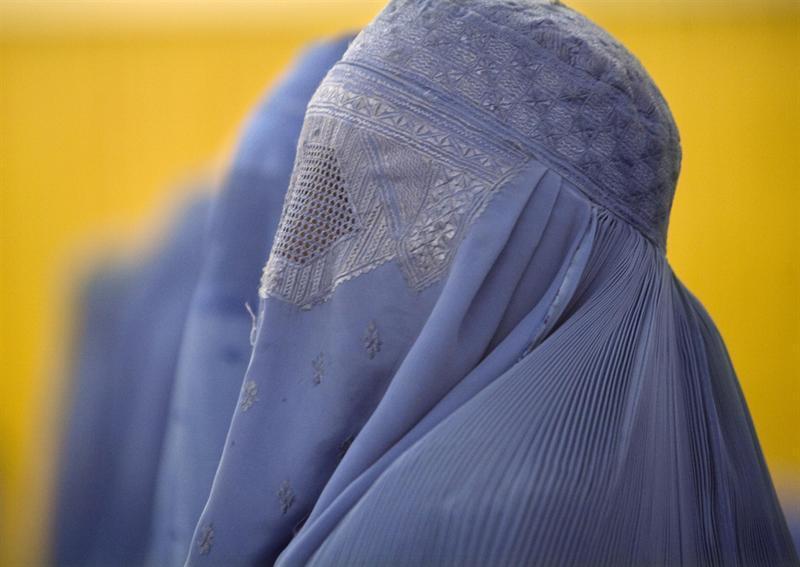
Más de uno
Tertulia: Con burkas y a lo loco
01:11:58
Antonio Casado, Rubén Amón, Marta García Aller, Carmen Morodo y Antonio Caño analizan la actualidad política.
Loading summary
Transcript247 lines
- [00:01]
Carlos Alsina
Aquí estamos estrenando la mañana de este miércoles, que es 18 de febrero del año 26. Echamos un vistazo a los periódicos. Hoy no hay dos periódicos iguales, esa es la verdad. Bueno, ABC no es ni siquiera igual al ABC de ayer, porque ha cambiado de diseño el periódico, escribe hoy su director Quirós dice seguimos donde estábamos, o sea, renovados en su diseño, sobre todo en el diseño de la página web, en la edición digital, pero somos los mismos, dice Julián. Bueno, en lo poco que coinciden hoy los periódicos es en destacar el acto de ayer en el Congreso, la celebración de la Constitución del 78 como la más duradera que ha tenido España, que en rigor lo será dentro de un mes, que es cuando superará en duración a la de 1876. Pero bueno, se ha adelantado la celebración porque aquí contamos los días como queremos que pase a libertad y le ha pillado fuera la celebración ya es mala suerte a Santiago Abascal, que dio prioridad ayer a una quedada que tenía con sus cofrades del grupo de los patriotas en Roma. Marcha sobre Roma, Santiago, y cierra España. Y recogen todos los diarios hoy en las crónicas sobre. En las crónicas sobre el acto de ayer en el Congreso, ese momento en el que Pedro Sánchez saluda protocolariamente a Felipe González y cuentan los cronistas que el saludo fue breve y frío. A ver, tampoco ¿Qué podías esperar? Imagínate que Pedro le da dos besos a Felipe y Felipe rendido, se pone a hacer campaña por Pedro Sánchez. Así de repente pasó lo que tenía que pasar. Fue una cosa muy rápida. Tuvo mal ojo, por cierto, ayer Jone Belarra, que pensó que quedaría muy respondón plantarse con una camiseta sobre la Constitución que ¿Y cumplirla para cuando? Y se encontró con que fue el Rey quien apeló a cumplir la Constitución en su discurso.
- [01:43]
Antonio Casado
La mejor manera de conmemorar la Constitución es cumplirla.
- [01:47]
Carlos Alsina
Cumplirla. Y al final, en lugar de echado pa' lante, pues pareció que Podemos le hacía los coros al discurso del monarca con sus camisetas. Cumplirla. Que Por cierto, en 2017, cuando aquello del proc. Que Rufián ya no recuerda, el Rey fue muy atacado por decir precisamente. Fue muy atacado por el independentismo y por Podemos, por decir precisamente eso, que había que cumplir la Constitución y que las instituciones reaccionaran. Bueno, en el Senado ayer, por cierto, le reprocharon a la vicepresidenta María Jesús Montero la ausencia de debate sobre nuevos presupuestos y se marcó ella una clase de derecho constitucional manipulado, como si los senadores fueran bobos.
- [02:22]
María Jesús Montero
El artículo 134.4 de la Constitución establece la prórroga presupuestaria y marca su automaticidad. Por tanto, gobernar con presupuestos prorrogados cumple con la Constitución y cumple con la ley.
- [02:37]
Carlos Alsina
Claro, lo que no cumple con la Constitución, como todo el mundo sabe, es que el Gobierno se niegue a llevar cada año un proyecto de presupuestos a las Cortes. Se ha saltado la ministra medio Artículo 134 Cuándo dice usted, presidente, que van a presentar presupuestos antes de que finalice el año vamos a sudar la camiseta como hemos hecho siempre, vamos a presentarlos, vamos a presentarlos antes de que acabe el año pasado, porque esta declaración es de septiembre del año pasado y está acabando ya febrero del año siguiente, o sea que la broma pesada esta de los presupuestos se sigue estirando. Noticias de WhatsApp hoy en los periódicos El español sigue con los whatsapps del móvil o móviles de Coldo. Entre Coldo y su pareja Patricia Uriz, que es esta mujer que acudió enbozada al Senado, adulteraron las primarias socialistas de 2017 en Navarra. Frase en clave de mete de los otros cuatro rumanos, que sintácticamente es una frase inadmisible y democráticamente yo creo que también mete de los otros cuatro rumanos. Explica El español que los rumanos en cuestión eran personas que habían sido afiliadas a última hora al Partido Socialista y que a cambio de una compensación hacían lo que se les dijera. Lo mismo votaban en primarias que luego aparecían como donantes del partido. Y de eso va esta historia de cómo votar en algunos lugares. Al menos hubo votantes de más en las primarias y a favor de la candidatura de Pedro Sánchez. El Mundo se ocupa de los whatsapps de los dirigentes de Vox que aprobaron las cuentas de su partido un viernes por la noche y utilizando el chat que comparten por WhatsApp. Fue la víspera de los Santos Inocentes para Maseñas, 27 de diciembre por la noche reproduce la crónica como Ignacio Garriga cuelga el presupuesto en el grupo de WhatsApp y se van pronunciando los integrantes del Comité Ejecutivo con OK o con emojis con dibujitos, en un alarde de comprensión lectora y presupuestaria. Además, algunos de los que votan y bendicen las cuentas de este modo lo hacen un minuto después de haberlas recibido. En un minuto fueron capaces de ver los presupuestos y OK, OK, OK, pues ya está. Y todos se desean feliz en la vida, que siempre es bonito. El Confidencial va con Borja Cabezón por tercer día adjunto a la secretaría de Organización del Partido Socialista, amigo de Pedro Sánchez y como ayer contó Felipe González, amigo también de Felipe González, que hay gente que es amigo de los dos. Hoy se fija El Confidencial en cómo Borja Cabezón simultaneó cargos y sueldos públicos, incluida la presidencia de una empresa pública, con su actividad privada en empresas privadas de energías renovables. Los papeles de Numaria Este caso que fue objeto de investigación judicial y de juicio y de sentencia. Los papeles de Numaria revelan, dice la crónica, que Borja Cabezón era el verdadero representante de varias firmas privadas que contrataron a esta consultora para intentar tributar menos. Más cosas. Hasta ayer casi nadie sabía en España, casi nadie habría sido capaz de decir cómo se llamaba el número 2 de la policía Nacional. Tampoco el número uno. Bueno, hoy el número 2 aparece en todas las portadas porque ha dejado de ser el número 2 de la policía Nacional. Se llama José Ángel González y dimitió al saberse que está denunciado por agresión sexual. Cuenta El Confidencial que la víctima dice en su querella La mujer dice en su querella que dispone de un audio del momento en el que fue obligada a masturbarle y violada. El País dice que Grande Marlaska forzó la renuncia del director adjunto de la Policía Nacional. El Mundo recuerda que Marlaska aprovechó la dana para blindar su permanencia en el cargo y evitar su jubilación. Esto es aquí odio hoy te estiro y mañana te mando a tomar viento. Sobre el debate del burka ayer en el Congreso, pues hay disparidad de opiniones también donde Leire Iglesias dice en El Mundo que la portavoz del PP hizo un buen discurso desde la racionalidad y no desde la exaltación religiosa. Xosermida dice en el diario El País que la portavoz del PP hizo una arenga que entusiasmó a la extrema derecha. Menciona en el diario Esi Público que el Tribunal Supremo advirtió en su momento, hace años ya del riesgo de que las mujeres queden aisladas en entornos fanáticos si se prohíbe el velo integral en espacios públicos. Para esto sí se acepta al Tribunal Supremo como fuente de autoridad. Para otras cosas se le manda paseo al Tribunal Supremo, pero para esto sí. Hay un artículo muy interesante, creo, de Ilya Topper en El Confidencial que explica desde Estambul que ni siquiera la doctrina más ortodoxa del Islam salafista, o sea, la secta que se atribuye ahora el monopolio de la interpretación del Islam, ni siquiera ellos consideran obligación religiosa que la mujer se tape la cara. Dice que esto sólo lo han declarado los teólogos que han tomado el poder en la Universidad Central de Egipto y que lo han hecho contra la resistencia de millones de mujeres musulmanas que ven cómo sus sociedades están siendo colonizadas por este símbolo uniforme, dice, de las falanges femeninas. Ellas saben las mujeres que este paño separa a las mujeres en dos las castas y las putas, o como lo expresó, dice el articulista, en el año 89, ya ha llovido el Tribunal Constitucional de Turquía, que aceptar el pañuelo como precepto religioso llevaría a discriminar a las musulmanas practicantes de las no practicantes por su forma de vestir o como estableció, dice, el Tribunal de Derechos Europeos en el año 2009, si se aceptara que estamos ante un precepto religioso, las perjudicadas serían las mujeres que deciden no llevar ese velo porque serían señaladas, concluye. Si no es un precepto religioso lo del burka o lo del velo, prohibir su uso no puede presentarse como una vulneración de la libertad religiosa porque no lo es en el país. Retoma Pablo Ordaz la historia de Salma, que es esta mujer que sufrió 22 meses el secuestro y violación a cargo de un tipo llamado Alberto, que decía que era su novio que salía con ella. Salma de repente desapareció del pequeño pueblo en el que residía la pareja. Desapareció porque el abusador la encerró maniatada en casa y nadie la buscó. Consiguió escapar 22 meses después aprovechando que él estaba exhausto por la paliza que le acababa de dar. Caminó ella cuatro kilómetros y se puso a salvo en casa de un antiguo amigo. Lo que se pregunta hoy Pablo Ordaz es qué habría pasado si esta mujer desaparecida de pronto hubiera sido una mujer nacida en España y su secuestrador en lugar de Alberto se hubiera llamado Mohamed si acaso no habría encontrado este caso mucho mayor eco en todas partes. ¿Y qué revela eso? Se lo pregunta y creo que todos sabemos la respuesta. Y termino La izquierda de la izquierda a la izquierda de dónde estará la izquierda Vibra de emoción hoy ante su nuevo baile porque hoy es el día de Rufián en Madrid. A Rufián lo bautiza hoy el diario El País como el diputado viral y en eldiario es. Se pregunta John Belarra en un artículo si ir todos juntos es un fin en sí mismo. Ir todos juntos. ¿Por qué nadie lleva el argumento hasta sus últimas consecuencias y propone que vayamos todos juntos también con el partido socialista? Sumar. ¿Qué dices de eso? Esto no lo hice yo. No velar todo lo que digo yo es. Y luego se cuelga ella una medalla. Hemos hecho más cuatro diputados que cinco ministerios. Sumar. ¿Qué te parece eso? John Ebelarra hoy recuerda a Sergio del Molino en su columna del País que cuando Rufián debutó en el Congreso, año 2015, VOX era un grupo marginal que tenía menos votos que el PACMA y que la mayoría de esta izquierda no socialista lleva en el Congreso desde mucho antes de que Vox fuera algo ha ocupado ministerios y ha estado años gobernando en coalición. Hoy que buscan una nueva marca para frenar a la extrema derecha, dice Sergio, deberían empezar por responder a la pregunta de qué diablos han estado haciendo todo este tiempo. Sobre los nombres que barajan para sus actos esto de un paso al frente o doble a nada. Dice que son más tópicos. Son tópicos de tertuliano perezoso. Más tópicos de tertuliano perezoso que proyectos políticos y que quizá están imitando a Vox y compitiendo con su misma banalidad de cuñao.
- [10:16]
Juan de Dios Colmenero
Más de uno Onda Cero.
- [10:21]
Carlos Alsina
Carlos Alsina Haciendo amigos. Sergio, qué te voy a contar. Si una de las promesas que se hace usted constantemente es la de ponerse en forma. Si es de los que gusta cuidar la línea, cuidarse, pues descubra cómo le va a ayudar. Dio Bio Solution.
- [10:34]
Juan de Dios Colmenero
Oye, vaya tipazo. ¿Cómo lo haces? Cuidando lo que como y pidiendo consejo a los que saben. Me recomendaron tomar Bio Solution.
- [10:42]
Marta García
Bio contiene extractos de plantas naturales, café.
- [10:45]
Carlos Alsina
Verde, alcachofa, faseolus, fibra y biotina que contribuyen al normal metabolismo de los macronutrientes.
- [10:50]
Juan de Dios Colmenero
Vienen sobres monodosis que disuelvo en mi botellita de agua. Y así, además de cuidar mi línea, me ayudan a beber todo el agua que me recomienda mi nutricionista. Así también me cuido yo. Pues ya sabes, a comprarlo y a cuidarte.
- [11:00]
Carlos Alsina
Bio Solution. Y si tienes alguna duda, consulta a tu farmacéutico. Entre tanta vorágine informativa, Begoña, es buen momento para buscar la calma y que no pase nada. Es tiempo de ventanas cortizo.
- [11:15]
Juan de Dios Colmenero
¿Sabes qué pasa cuando piensas que el invierno ha terminado pero la factura de la calefacción sigue disparada porque en tu casa hace más frío que en la.
- [11:21]
Rubén Amón
Sección de congelados de un hipermercado?
- [11:23]
Juan de Dios Colmenero
Pues con Ventanas Cortizo no pasa nada. Localiza tu tienda más cercana en ventanascortizo. Com y disfruta del calor de tu hogar. Ventanas Cortizo. No pasa nada.
- [11:37]
Carlos Alsina
Aquí está el gallo La Torre, como cada mañana a esta hora. Rafa, buenos días. Buenos días, Carlos Alsina. Lo que tengo claro es que tanto el burka como el niqab son cárceles de tela. Que en el debate sobre su prohibición no es un argumento el que sea minoritario y que la invocación de la islamofobia ha servido para coartar la legítima crítica sobre determinadas prácticas religiosas. Y aquí empiezan mis dudas, porque no veo cómo se puede reprimir el uso del burka o el niqab sin castigar a quien va debajo de la que es la víctima. Además, la ley ha de fundarse en criterios generales y eso toca un elemento fundacional de la democracia, que es la libertad religiosa. Sin embargo, sí creo encontrar una certeza en lo que el burqa o el niqab proclaman. Porque lo cierto es que no sólo someten a la mujer, sino que proclaman su inferioridad. Quiero decir que un burqa o un niqab es un discurso de odio andante. Una forma de decirle al mundo que lo que hay dentro de esa cárcel de tela es un ser inferior tan impuro y miserable que no merece ser mostrado. ¿Puede proclamarse eso impunemente? Yo creo que no. Bueno, yo y seis países europeos que han legislado al respecto.
- [12:41]
Marta García
Ya ves, muchas dudas, pero al menos dos certezas. Y la sospecha de que en España.
- [12:45]
Carlos Alsina
No se ha hecho el trabajo de precisión legislativo que un debate de esta naturaleza requiere. A la buen programa mismo para ti. Gracias, Rafa. Gracias por Madrugar con nosotros es mi trabajo. Aunque muchos hemos madrugado. Nuestros ahorros no deberían estar durmiendo. Y para evitarlo, Borja, está Bestinver, que.
- [13:07]
Ignacio Garriga
Son los expertos en inversión en renta variable, renta fija y alternativos. Invertir y operar con Bestinver es sencillo. A través de su app móvil, por teléfono, con su equipo de especialistas o en una oficina de Bestinver.
- [13:18]
Carlos Alsina
Los ahorros de 50 mil personas ya.
- [13:21]
Ignacio Garriga
No duermen y se invierten gracias a Bestinver.
- [13:23]
Carlos Alsina
Infórmese en Bestinvert, es.
- [13:31]
Esther Muñoz
Más de uno en Onda Cero.
- [13:45]
Carlos Alsina
En tertulia, aquí en Onda Cero, en la radio, en más de uno desde este momento está Carmen Morodo. Buenos días, Carmen. Muy buenos días y bienvenida. ¿Qué tal estás? Bien. Me alegro.
- [13:52]
María Jesús Montero
Sí.
- [13:52]
Juan de Dios Colmenero
Vale, Venga, todo dicho.
- [13:54]
Carlos Alsina
Bueno, pues no parece.
- [13:56]
Juan de Dios Colmenero
No, no, no. Todo dicho, todo dicho.
- [13:57]
Carlos Alsina
Buenos días, Antonio.
- [13:59]
Marta García
Buenos días. Tú muy bien, estupendamente. Quita el tú.
- [14:02]
Carlos Alsina
Yo me intereso por. Yo muy Bien, muchísimas gracias. ¿Quieres que te cuente un poco? Hola, Antonio Casado.
- [14:07]
Antonio Casado
Ya. Yo no te pregunto porque ya te he respondido.
- [14:08]
Marta García
Tú muy bien.
- [14:09]
Carlos Alsina
Bueno, tampoco te pongas así.
- [14:11]
Antonio Casado
No, No.
- [14:11]
Carlos Alsina
Qué talante.
- [14:12]
Antonio Casado
¿Tú qué tal? Ya te has respondido.
- [14:14]
Carlos Alsina
Pues muy bien. Buenos días. Marta García, ayer. ¿Cómo estás?
- [14:17]
Rubén Amón
Buenos días, Carlos. ¿Qué tal va?
- [14:18]
Carlos Alsina
Tú muy bien, muchísimas gracias.
- [14:20]
Rubén Amón
Solo miércoles, Antonio, no me mires así. Miércoles, que es miércoles.
- [14:23]
Juan de Dios Colmenero
Lo voy a jurando lo mismo.
- [14:24]
Antonio Casado
Las prisas, las prisas. Iba a llegar de tal.
- [14:25]
Juan de Dios Colmenero
No, es miércoles.
- [14:26]
Rubén Amón
Miércoles. Ayer fue martes.
- [14:28]
Carlos Alsina
Estábamos comentando ahora que ya están floreciendo los almendros, que ya está aquí la primavera.
- [14:33]
Rubén Amón
¿Cuándo los puedes disfrutar mejor? Pues el viernes, Claro, pasado mañana.
- [14:37]
Carlos Alsina
Buenos días, Amón. Rubén, ¿Cómo estás?
- [14:38]
Ignacio Garriga
¿Qué onda, Carlos? ¿Cómo vas?
- [14:39]
Carlos Alsina
Muy bien, la verdad. ¿Y tú? Me alegro muchísimo. Todo en orden.
- [14:43]
Ignacio Garriga
También lo celebro, de verdad.
- [14:45]
Carlos Alsina
Bueno, habéis celebrado la longevidad de la Constitución de 1978. Veo que hay algún artículo hoy en la prensa que dice que en realidad el aniversario es dentro de un mes, pero bueno, que no va de 30 días. Estamos hablando de 17.000 días, 17.000 y pico que está en vigor la Constitución de 1978. Y 17.000 menos uno, pues estuvo en vigor la construcción de 1876, que fue la que regía en España cuando Primo de Rivera padre, dio el golpe de Estado al Rey no le pareció mal del todo y la Constitución en realidad quedó inútil a partir de aquel momento, a diferencia de la actual, de la de 1978, que está en vigor y con una excelente salud. ¿Estáis todos de acuerdo?
- [15:34]
Antonio Casado
Absolutamente. No hace falta ningún acto, no hace falta protocolizar.
- [15:40]
Carlos Alsina
Necesitada de algunos retoques. Es verdad, porque hay algunas cosas ahí que ya chirrían. Por ejemplo, lo de la prevalencia del varón sobre la mujer en la línea de sucesión de la dinastía de la monarquía. Pero bueno, como en España es imposible modificar cualquier artículo de fondo de la Constitución porque no hay manera de que se ponga de acuerdo el personal, pues.
- [16:00]
Antonio Casado
Ahí es un procedimiento agravado muy complicado.
- [16:03]
Juan de Dios Colmenero
Pero no me parece mal en este contexto que tenemos ahora mismo, viendo lo que hay en el Congreso de los diputados. ¿Carlos?
- [16:07]
Antonio Casado
¿El qué?
- [16:09]
Juan de Dios Colmenero
Que no se puede hacer nada en la Constitución. A mí me parece estupendo. Yo creo que está vieja está mayor para los que no son. Que decías, hablabas tú antes de explicárselo a los que no son boomers en la entrada, pues a lo mejor ya esto les queda como muy carca, pero me parece de lo mejorcito que tenemos con todos los años que ya está cumpliendo y que esté tan fragmentado el Congreso de los Diputados y al final se hagan propuestas y todas sean inverosímiles, aunque haya que hacer ajustes, pues bienvenido sea. Creo que nos salva de una situación de polarización donde ni en lo más mínimo puede existir un mínimo acuerdo entre los dos partidos que están destinados a gobernarnos, porque al final los extremos, sea por un lado o sea por el otro, condicionan todo, aunque solo sea desde el punto de vista de la escenografía, no porque se vaya a concretar o incluso estando de acuerdo, no nos dicen que están de acuerdo porque tienen que cuidar sus flancos derechos e izquierdos.
- [17:02]
Rubén Amón
A mí me parece muy revelador, y creo que también un aviso a los navegantes que quieran prestar atención, que 47 años, que una constitución de solo 47 años, que para una norma de este tipo tampoco son tantos, muy poquitos, sí ya es batir un récord, que en España hemos tenido Constituciones muy efímeras y regímenes muy inestables, unos más democráticos que otros, y escenificarlo ayer con el Rey y un Congreso efectivamente fragmentado en el que había ausencias, y no solo las de los que se quieren separar de España también los que se quieren apropiar de lo que significa España, porque Vox Abascal no fue verdad. Tiene también sus reservas con respecto a darle una pensada. Por eso muy revelador de quién está y no con la Constitución, sabiendo lo.
- [17:56]
Ignacio Garriga
Frágiles que son en esas huestes, lo llaman felpudo. Sexto. En esas consideraciones que reprochan al jefe del Estado poca beligerancia cuando se trata de sancionar las leyes. Piensan que el Reino tendría que firmar las leyes que les trae el Gobierno. Y desde esa perspectiva también se daña la credibilidad de la monarquía parlamentaria, cuya salud es verdad. Se expone precisamente al boicot de los socios que gobiernan y a la posición del propio Sánchez respecto a los presupuestos. Lo has mencionado tú, Carlos. Parecía que el rey estaba diciéndole a Sánchez aprueba los presupuestos de una vez.
- [18:35]
Carlos Alsina
Eso estaba en tu cabeza, pero no en la del Rey.
- [18:38]
Ignacio Garriga
Bueno, pues en mi cabeza también estaba entonces. En mi cabeza también estaba que cuando Yolanda Díaz cita con tanto escrúpulo los artículos 14 y 16 sobre la libertad religiosa, se hiciera esta defensa tan. No sé, intensa de la Constitución.
- [18:54]
Carlos Alsina
Eso para luego.
- [18:54]
Rubén Amón
Sí era una defensa de la ley de vivienda.
- [18:57]
Carlos Alsina
Burka para luego.
- [18:58]
Ignacio Garriga
No, pero que su curiosidad.
- [18:59]
Carlos Alsina
Burka para luego.
- [19:00]
Ignacio Garriga
Que menciones la Constitución como parapeto político cuando te la toreas a tu ganancia continuamente.
- [19:11]
Carlos Alsina
Agotáis todos los temas en tres segundos. Desde luego es un insulto a la inteligencia lo de María Jesús Montero ayer diciendo sobre la prórroga de los presupuestos. ¿Es legal gobernar con los presupuestos prorrogados? Sí, sí eso no se lo ha discutido nadie. Lo que no es legal es no presentar presupuestos al Congreso. Y eso es lo que el Gobierno viene haciendo de manera reiterada. Por no poner aquí, por no volver a recordar cada vez que en los últimos dos años el Gobierno nos ha dicho que sí, que sí, que ya llegan, que sí, que los vamos a presentar. ¿Cuándo? El mes que viene, a mediados de septiembre, antes de octubre, antes de fin de año. Estamos sudando la camiseta. Sudando la camiseta.
- [19:52]
Antonio Casado
Siguen diciéndolo.
- [19:53]
Marta García
Yo creo que el mayor.
- [19:55]
Carlos Alsina
Pero que es una broma pesada.
- [19:56]
Antonio Casado
Saben que no se van a probar, pero piensan presentarlo.
- [20:00]
Marta García
Yo creo que la mayor amenaza para la Constitución en este momento, que estábamos hablando de cómo está de saludable, creo que en términos generales está saludable, pero con algunas amenazas y la principal, como la más directa e inmediata, es este intento de cambiar la Constitución desde dentro. Esta interpretación del Tribunal Constitucional de que la Constitución es objeto de adaptación o de reinterpretaciones automáticas sin necesidad de cambiarlas. El ejemplo más claro que tuvimos fue la Ley de Amnistía. En fin, me parece que desde el primer momento el Congreso, prácticamente en su conjunto, con excepción de algunos partidos independentistas, se entendía que no era una ley constitucional y que ahora se intenta constitucionalizar, o se ha intentado constitucionalizar con una interpretación, creo yo, exagerada, incorrecta de la Constitución. Y esa tendencia a decir, bueno, ya que no podemos cambiar la Constitución porque no existen mayorías, démosle entidad constitucional a lo que no es, pues en el fondo es convertir la Constitución en papel mojado. Y podemos encontrarnos, si no reaccionamos, en una situación en que haya una Constitución vigente, pero que en realidad no sirve para nada, porque unos no la cumplen y otros la reinterpretan a su antojo.
- [21:45]
Antonio Casado
Sí, es lo que algunos finos analistas están denunciando como una especie de proceso de constituyente. De hecho, por la colonización de instituciones y luego por algunos asuntos que tienen que ver, por ejemplo, con las cesiones de competencias tradicionalmente del Estado indebidamente pasadas a las comunidades autónomas en materia fiscal, en materia de seguridad social, en materia de seguridad ciudadana, etc. Eso es lo grave.
- [22:11]
Marta García
Control de fronteras.
- [22:13]
Antonio Casado
Control de fronteras, exacto. Eso es lo grave, que ese proceso vaya a más. Yo tampoco creo que va a ser para tanto. Pero fuera del protocolo, fuera de protocolizar el evento de la duración de la Constitución, a mí lo que me parece importante es resaltar que son 47 años, 46, los que sean el récord de paz, de progreso, de entendimiento. No ha conocido la historia de España, no ha conocido la historia de España un periodo de progreso semejante. Y eso yo creo que está más en la mente y en los corazones que en el hecho de celebrarlo un día concreto como ha sido el de ayer.
- [22:56]
Carlos Alsina
Sin techo Me he comentado esto de.
- [22:58]
Antonio Casado
Que.
- [23:02]
Carlos Alsina
En este momento sigue siendo más longeva la constitución del 76. Esto lo cuenta esta mañana en un artículo en El Mundo el profesor Roberto Villa García, que pone dos objeciones al hecho de que se eligiera el día de ayer. Primero, que la Constitución del 78 no entra en vigor el día que se aprueba en referéndum. Entró en vigor el día 29 de diciembre, no el día 6 y eso pues ya supone un reparo al aniversario este o como se quiera llamar, de ayer. Y en segundo lugar, que la Constitución del 76. Es verdad que cuando Primo de Rivera da el golpe de Estado en el 23 la Constitución como tal sigue vigente y siguió vigente hasta que llegó, supongo, la Constitución republicana pero el hecho de que estuviera vigente en realidad estaba suspendida como tal. Y ahí puede haber una duda académica respecto de si una Constitución que formalmente está en vigor pero que en realidad no se cumple o no sé o está suspendida. Es que estaban cerradas las Cortes con Primo de Rivera, la Real Congreso y el Senado y se inventó una asamblea paralela, una asamblea alternativa, un poco a lo Maduro ahora ¿Os acordáis de Maduro? Era un señor que presidía está en Brooklyn. Bueno, tengo que hacer una pausa. Tengo mil asuntos que plantearos esta mañana, como ya imagináis. El del burka, por ejemplo, pero no sólo porque tenemos la dimisión del número 2 de la policía Nacional por una denuncia de agresión sexual y el ministro Grande Marlaska que está en la sesión de control al gobierno. Tenemos la sesión de control que va a empezar enseguida en ausencia del presidente que está en la India y tengo lo del debate de Lurk, pero además tengo WhatsApp de Coldo que difunde El español con las primarias del 17 en el partido Socialista. Novedades sobre Borja Cabezón que publica El Confidencial en El Mundo. Hoy sacan los whatsapps de Vox aprobando los presupuestos del partido el día antes de los Santos Inocentes por la noche y a través del chat. En fin, pues hay cosas, hay cosas y todo eso. Coincidencia con la borrasca.
- [24:48]
Antonio Casado
Pedro que se avecina con ese nombre no puede traer más que desgracias.
- [24:55]
Rubén Amón
El nombre lo eligieron los franceses.
- [24:58]
Juan de Dios Colmenero
Muchos Pedros, Antonio.
- [25:00]
Carlos Alsina
Muchísima gente que se llama Pedro. Está por ejemplo, Pedro el Grande, algún Pedro Bueno. Pedro Piqueras, por ejemplo. Un saludo desde aquí a Pedro. Pedro Pica Piedra también. Igual no hay tantos Pedros. Está Pedro Bueno. Un minuto.
- [25:18]
Ignacio Garriga
Mira tu santoral ahora mismo San Pedro.
- [25:22]
Carlos Alsina
Pero ya no vive San Pedro.
- [25:24]
Ignacio Garriga
Ya no digo por citarte uno de referencia.
- [25:26]
Carlos Alsina
Un minuto que enseguida estamos en el Congreso y escuchamos el comienzo de la sesión de control, aunque sea en ausencia del presidente Sánchez. Y supongo que tampoco intervendrá el señor Núñez Feijo. Ocho y un minuto en Canarias. Estamos en Onda Cero, en más de uno en el Congreso de los Diputados comienza la sesión de control al Gobierno. Estamos escuchando ya a Francina Armengol, escaños.
- [25:47]
Juan de Dios Colmenero
Vamos a reanudar la sesión Enseguida nos.
- [25:49]
Carlos Alsina
Cuenta Juan de Dios Colmenero lo que se ha dicho antes en los pasillos del comienzo de la sesión de control con un asunto creo que ha sido el que más interés ha despertado en los periodistas que es lo del número 2 de la policía Nacional y la dimisión. Bueno, dimisión cuando se le ha requerido la dimisión, pues más que dimisión es una destitución a un relevo del señor González después, después de conocerse que hay una querella contra él presentada por una mujer que además es agente de policía, fue pareja de él, pero que expareja, pero que no es agente de policía y por tanto subordinada del director general operativo.
- [26:28]
Juan de Dios Colmenero
Se reanuda la sesión y comenzamos con las preguntas dirigidas al Gobierno conforme al orden remitido por él mismo.
- [26:33]
Carlos Alsina
Ahora contamos lo que ha dicho Abraham de Marlaska sobre este asunto pero vamos a escuchar el comienzo de la sesión de control con preguntas a María Jesús.
- [26:40]
Juan de Dios Colmenero
Montero, diputada, doña Esther Muñoz de la.
- [26:42]
Carlos Alsina
Iglesia de Carta Constitucional.
- [26:45]
Esther Muñoz
Gracias, señora Armengol. Señora vicepresidenta, yo pensaba preguntarle por la responsabilidad de un gobierno que lleva 8 años en el poder y ha hecho que la vivienda sea el primer problema de nuestro país. Pero claro, es que se hace tan difícil preguntarles por algo que no sean sus escándalos. Es que el lunes nos enterábamos de los tejemanejes del presidente del Gobierno con la OMT para financiar las ensoñaciones de su mujer. Es que ayer por la tarde nos enterábamos de que el presidente del Gobierno no solo amañó las primarias de 2014 sino también las de 2017 con el mismo modus operandi, alterando los censos con votos falsos. Pero ya para rematar todo, para rematar el día de ayer nos enteramos que quien dirige la Policía Nacional, mano derecha de Marlaska en Interior, presuntamente ha violado a una subordinada. Sabemos que lo conocían y que ha cesado y ha sido dimitido única y exclusivamente porque ha salido a la luz, no por lo que ha hecho. ¿Señora vicepresidenta, usted, vicepreside, un consejo de ministros en el que el señor Marlaska todavía es ministro dónde queda su responsabilidad?
- [27:42]
Carlos Alsina
Muchas gracias. Del Grupo Parlamentario Popular. El asunto del DAO del director adjunto operativo de la Policía Nacional. Pregunta para María Jesús Montero.
- [28:00]
María Jesús Montero
Llama la atención, señora Muñoz, es que ustedes, como siempre, utilicen una doble moral. Cuando ocurre algún caso o bien de abuso, agresión, presuntamente sobre una persona, sobre una mujer que pertenezca o que esté relacionado con la esfera del Gobierno, ustedes se rajan las vestiduras. Pero sin embargo, cuando hay miembros de su partido que permanecen en las instituciones y que después de las denuncias presentadas no hacen absolutamente nada, como el caso del alcalde de Móstole o el alcalde.
- [28:31]
Ignacio Garriga
De Algecira, qué mala respuesta digo al ciudadano. No se sienten interpelado tú más.
- [28:39]
Carlos Alsina
Y de ahí no salía.
- [28:47]
María Jesús Montero
Pidió la dimisión y en el día de hoy este señor no ostenta esa responsabilidad y que acuda la justicia, se defiendan la justicia y por tanto, tolerancia cero con la agresión a las mujeres.
- [28:59]
Carlos Alsina
Sí, como era absolutamente previsible esta respuesta de la vicepresidenta Montero. Vamos a ver si lo tenía previsto la portavoz del Grupo Popular.
- [29:07]
Ignacio Garriga
En cualquier momento aparece Las Aunas. Las Aunas y el Falcon están ahí.
- [29:12]
Esther Muñoz
¿Forma parte usted de un Gobierno que ha tenido un fiscal general del Estado que en lugar de perseguir delitos los cometía? ¿Tiene usted un gobierno en el que el número uno de la Policía Nacional cometía delitos en lugar de proteger a las mujeres? Señora vicepresidenta, ustedes trajeron un real decreto aquí, quiero recordar, para traer ayudas a las víctimas de la DANA e incorporaron que se prorrogara esa persona. Ahora sabemos a qué tipo de personas defendían ustedes. Ya dijimos entonces que era un escándalo. Mire, señora vicepresidenta, ¿De quiénes se rodean? Delincuentes para gobernar el Partido Socialista, delincuentes para bañar las primarias del Partido Socialista, delincuentes para financiar al Partido Socialista, delincuentes en el Consejo de Ministros, delincuentes en el Gobierno de España, delincuentes en la Fiscalía General del Estado, delincuentes en los altos mandos de la Policía Nacional. Ahora sabemos que había otro alto mando que era un comisario que intentó acallar a la presunta víctima para que no dijera nada. Esa es la gente de la que están ustedes rodeados. Y todavía se sorprenden de que alguien diga que son ustedes una mafia. Señora vicepresidenta, nos va a costar mucho reparar y recuperar el daño que yerno de sabinano ha hecho España. Pero no tenga ninguna duda que su tiempo llega a su fin y que los españoles recuperaremos nuestro país. Muchas gracias.
- [30:25]
Carlos Alsina
Solo quiero recordar que de todas las personas a las que ha aludido la señora Muñoz, el único que está condenado es el fiscal general del Estado. El resto son presuntos, en todo caso, delincuentes. Que sepa no hay sentencia todavía ni sobre Coldo, ni sobre Ábalos, ni siquiera sobre el señor González, objeto de una querella por violación.
- [30:46]
María Jesús Montero
Muchas gracias, señora presidenta. ¿Cómo pueden hablar ustedes de delincuentes, señora Muñoz, cuando el Partido Popular, y todo el mundo lo sabe, ha tenido delincuentes en el Gobierno que actualmente están en la cárcel? Ministros del Gobierno de España, altos cargos de su partido han tenido también y han sido juzgados por delito y también están en la cárcel. Sino que se lo pregunten al señor Rato y al señor Bárcena. Y permanentemente ustedes con la corrupción actúan igual. Intentan reprochar los casos de corrupción al adversario político y ustedes no hacen nada con los casos de corrupción que tienen en su partido que siguen teniendo personas imputadas en las instituciones. Pero verá, señora Muñoz, usted me preguntaba por la responsabilidad de este Gobierno. Este Gobierno está impulsando el bienestar de los ciudadanos, revalorizando las pensiones, aumentando la partida de becas, liderando el crecimiento económico de las economías más avanzadas, récord de creación de empleo, la cifra de paro más baja que hemos tenido en 17 años, reconocimiento de nuevos derechos como los permisos de paternidad, los permisos parentales, reconocidos como el país más avanzado por parte de la OCDE. Somos referentes en la esfera internacional en la que el señor Sánchez está denunciando aquellas agresiones que se producen y está llamando al diálogo. Por una vez, señora Muñoz, ejerzan ustedes responsabilidad.
- [32:18]
Carlos Alsina
Bueno, para ser previsible, la respuesta de la vicepresidenta a la primera intervención de la senadora es que si eres el PP y sacas el asunto del director adjunto operativo te van a responder por Móstoles. Si luego insistes en que se ha intentado tapar una denuncia cuando tienes a la denunciante, la exconcejal de Móstoles, acusando al PP precisamente de haber tapado lo suyo y de haberla intentado disuadir de denunciar el caso públicamente. Pues era tan previsible que a mí me sorprende mucho la señora Muñoz no tenga previsto que le van a salir por ahí y que no sea capaz de. Bueno, déjame un momento Antonio, porque Juan de Ayúdez Colmenero nos quiere contar lo que ha dicho Grande Marlaska al Ministro sobre el asunto este de la querella al número 2 de la policía Nacional, porque el argumento del Partido Popular se ha tapado este asunto porque hasta que no ha trascendido, hasta que no se ha conocido en la opinión pública, ayer por la tarde, creo que a media tarde, yo creo, lo vi por primera vez en El español, me parece que fue el quien dio la primera noticia, pero bueno, hasta ese momento no habían tomado la decisión de relevar de su puesto al Director Adjunto Operativo, pero lo sabían desde un mes antes, dice el partido popular y grande Marlaska que Juan de Dios Colmenero. Congreso, buenos días.
- [33:28]
Fernando Grande Marlaska
¿Qué tal? Muy buenos días, Carlos. Pues niega, niega la mayor, el Ministro protagonista hoy en los pasillos, justo antes de entrar en esta sesión de control, que lo vemos ahí sentado en los escaños del Gobierno, pues en los pasillos de la Cámara dice que no se sabía nada de esta denuncia, niega haber tapado que el conocimiento de la denuncia la tuvo el mismo día de ayer, porque además dice que es un asunto que se ha llevado en secreto, que es una decepción increíble y que si él no hubiera dimitido, que ayer mismo fue cuando se enteró del asunto, si no hubiera presentado su dimisión inmediata, se iba a tomar también otra decisión, es decir, el cese inmediato de este Director de Adjunto Operativo de la Policía Nacional, del Cuerpo Nacional de Policía, recordamos, es la persona designada por el Ministro, es el que está inmediatamente después en el escalafón del Director General de la Policía, la persona operativa de confianza del Ministro del Interior. De esta manera además podemos recuperar un. De esta manera justificaba eso de que no sabía nada el Ministro del Interior.
- [34:30]
Antonio Casado
Si hubiera habido algún conocimiento, alguna posibilidad de conocimiento, creo que cualquiera de los medios de comunicación os podréis haber hecho eco de cualquier circunstancia que hubiera podido conocerse, saberse sindicatos policiales, etc. Evidentemente no se sabía nada hasta ayer, vuelvo a decir, e inmediatamente, una vez tomada conocimiento, porque exigimos inmediatamente saber el contenido de la querella, una vez leída, evidentemente no había otra decisión por la gravedad de los hechos y por salvaguardar el propio prestigio de la Policía Nacional, que requerirle la renuncia y caso de que ésta no fuera inmediata, el cese inmediato del Director Adjunto Operativo a pesar.
- [35:12]
Rubén Amón
De que la denuncia se interpuso en enero.
- [35:15]
Juan de Dios Colmenero
¿Ustedes desconocían la denuncia en todo este tiempo a sus oídos no había llegado ninguna noticia sobre esa denuncia?
- [35:23]
Antonio Casado
No había llegado. Vuelvo a decirlo, Me remito a las propias manifestaciones del abogado de la víctima en ese sentido. Si hubiera llegado cualquier conocimiento mínimo, la decisión que se tomó ayer inmediatamente a conocerlo, se hubiera tomado previamente.
- [35:40]
Fernando Grande Marlaska
Desde luego, las explicaciones del ministro Malac. Si realmente esto se hubiera conocido, los medios de comunicación lo teníamos que haber conocido porque se podía saber a través de los sindicatos policiales, claro está. Según van pasando las horas dentro del Cuerpo Nacional de Policía, sí que es verdad que al vía y hay algunos agentes o mandos intermedios que conocían que existían irregularidades por parte del Director de Adjunto Operativo de la Guardia Civil. Una cosa es eso y otra cosa es constatar por medio de una denuncia que eso existe a nivel interno. Se supone que desde hace meses tenía conocimiento tanto el Director General de la Policía como el propio ministro Fernando Hora de Marlaska.
- [36:22]
Carlos Alsina
En la querella que presenta esta mujer, ella cuenta además que hay otro comisario que se llama Óscar San Juan, asesor del Director Adjunto Operativo, con el que ella se puso en contacto en julio del año pasado. El asesor del hoy querellado se pone en contacto con ella en julio del año 2025 para ofrecerle el destino laboral que ella quiera, porque ella pertenece al Cuerpo Nacional de Policía, a cambio de su silencio. Ella cuenta que este comisario le llama en julio del año pasado para oye, elige destino a cambio de que ésta o no trascienda. Ha dicho el ministro Marlaska que este comisario también se va a ver si esto en efecto es así y si es así, también será relevado de su puesto. Bueno, si queréis hacer algún. Yo como no. Como no sé. No tengo por qué dudar de que el ministro Mar Lasca se enteró ayer de la querella y procedió como ha procedido, destituyendo. En realidad estamos hablando de una dimisión requerida. Es una destitución.
- [37:20]
Juan de Dios Colmenero
Yo anoche lo que vivía en la redacción por parte de mi compañero de Interior, la noticia nos llega el primero que se lanza, porque llegó a todos los medios. Lo que pasa es que algunos se lanzaron y otros decidieron esperar a ver si lo podían confirmar desde Interior. Sí que es verdad que la impresión que se trasladaba cuando se hicieron las llamadas es del shock de que se nos está contando como si se hubiesen enterado prácticamente, pero me estoy refiriendo a lo que es el gabinete, algunos altos cargos de comunicación, como si se hubiesen enterado prácticamente al mismo tiempo. Ahora, yo tampoco tengo por qué dudar de la palabra del ministro, pero en la medida en que hay también otro presuntamente, posiblemente, porque estas cosas al final, por mucho que se mantengan en la reserva, de alguna manera acaban, y más si se están haciendo gestiones, como aparece en la denuncia, para forzar, para conseguir el traslado de esta gente. En cualquier caso, a mí me parece. Yo me felicito de una cosa y creo que eso es lo que tiene que producirse en todos los ámbitos, también en el de los partidos políticos, porque no funciona el filtrado o que sean los propios partidos los que gestionen estas cosas. Hay una denuncia, hay una investigación en marcha, hay que mantener la presunción de inocencia y veremos en lo que queda. De momento se le ha dado verosimilitud y es evidente y no nos debe de sorprender, porque lo sabemos todos y todas, que las situaciones de acoso, de abuso sexual, de abuso de autoridad, de patriarcado machista, se dan en todos los ámbitos y se siguen dando en todos los ámbitos. Nosotros en La Razón tuvimos ayer un foro sobre la igualdad en la justicia, por ejemplo, y que mujeres que son referentes hoy en el ámbito judicial denuncien en voz alta y sin ningún tipo de pudor cuál es la situación, como ellas también han tenido que combatirlo e incluso me quedo con una de las frases que el hombre sigue siendo hoy el puto amo. Bueno, pues yo me quedo con eso.
- [39:25]
Rubén Amón
Pero fíjate, no es una cuestión, dicho por Consuelo Madrigal, individual de las víctimas, denunciar, que vemos que no es fácil, que se repite la misma situación. Mujeres que han sido víctimas de algo así tienen que estar de baja, pierden el trabajo. No es el camino de rosas que plantean quienes era una aprovechada que quería medrar, como dice el PP de Móstoles. No es ningún chollo para una mujer dar este paso porque se la juzga, es un estigma, pone en riesgo su trabajo y su salud mental. Es algo que se repite en todos los casos. Pero no podemos eximir de responsabilidad a las organizaciones. Si estos hechos se produjeron, la víctima declara que fue en abril del año pasado, hace diez meses, y hasta ahora no sale la noticia. Esa idea de que hasta que no está el proceso judicial no hay nada que hacer, no es correcta. Que falló para que no funcionaran los canales internos en los que ella encontrase amparo Y si recurrió a ellos y lo que se encontró fue altos mandos policiales en una estructura además tan jerárquica como esa, que la intentaron disuadir, como también dice la presunta víctima del caso del PP de Móstoles, que los altos carros a los que recurrió para pedir ayuda la intentaron disuadir de que continuara con la denuncia y luego además le hicieron la vida imposible. Eso ya no es una cuestión individual y ya no es solo presunto. Ahí no está funcionando la estructura para que las trabajadoras y los trabajadores tengan a dónde recurrir antes de irse a un juzgado a poner su vida patas arriba. Sería de esperar que hubiera una estructura interna que antes de dar ese paso tan difícil como es el de la denuncia ante un tribunal, las instituciones y sobre todo una institución como la policía, es que es la policía la garante de la ley de la seguridad de los ciudadanos, la que ha podido poner en una situación tan complicada a esta mujer, más allá de la presunta violación. Luego el recurrir a las estructuras. Creo que bien está que se hayan tomado medidas rápidas, pero también faltan explicaciones por saber si es que han fallado los mecanismos, sobre todo, como decimos siempre en estos casos, para que no se pueda repetir.
- [41:53]
Antonio Casado
Es una buena descripción de lo que está pasando desde el punto de vista estructural, de ese machismo que está estructurado en los sistemas de convivencia y de funcionamiento de los organismos públicos. Yo voy a ir más por la parte política. A mí lo que me parece desalentador de verdad es que la defensa de la dignidad de la mujer en este caso, la defensa de la condición femenina en este caso, se convierta en un intercambio de pedradas. En un intercambio de pedradas ida y vuelta entre dos partidos que los de la centralidad, por lo menos los dos partidos de la centralidad, el pilar derecho y el pilar izquierdo, se deberían entender. Se deberían entender en este objetivo que es común, que es eliminar de la vida pública a los violadores, a los agresores. Y luego, en cuanto a. Primera cosa, en cuanto a Marlaska, sí, yo sí que me lo creo. Yo sí que me lo creo. Es posible que a lo mejor tuviera noticia con una antelación de 2 o 3 días, una noticia con antelación de 2 o tres días de la querella que se ha presentado antes de que el periodismo de investigación hiciera su papel. No más. No tiene sentido que si lo hubiera sabido con una antelación, un mes, dos meses, tres meses, hubiera esperado sabiendo que se iba a presentar la querella y sabiendo que antes o después tenía que trascender.
- [43:18]
Juan de Dios Colmenero
Es que lo que estás comentando es su mano derecha. ¿Es prácticamente como un cargo político de quien estamos hablando para la gente de que no?
- [43:25]
Antonio Casado
Sí, pero lo tendrá que valorar por su trabajo, no por algo. Que le cuente lo que hizo.
- [43:31]
Marta García
No solo es que sea su mano derecha. A ver cuando el ministro responde por cómo ha funcionado la organización que él dirige. Creo yo, Antonio, ante un caso de una denuncia así, primero, por supuesto, presunción de inocencia e investigación, nos llevamos sorpresas, pero cuando hay una denuncia de este tipo, las organizaciones tienen que reaccionar, tienen que saber, tienen que tener mecanismos para saber responder a esas denuncias. En el sector privado existe. En el sector privado existen sistemas de control interno en las empresas que permiten y fallan. Y cuando fallan, las empresas que funcionan bien señalan a un responsable. ¿Quién es el responsable de Compliance? ¿Quién es el Responsable? Se le señala y a veces se le despide. Cuando se trata de una organización política, hay una responsabilidad política de cómo ha funcionado eso. En el caso de Móstoles, si realmente hubo desprotección de esa mujer dentro de los sistemas de operación del Partido Popular, hay un responsable en el Partido Popular de Madrid que tendría que asumir la responsabilidad política. En el caso de la policía, si funcionaron mal y durante unas semanas o meses se supo o se fue sabiendo en diferentes escalones que esto había ocurrido y eso por lo que sea no funcionó y no llegó al ministro. El responsable político es el ministro.
- [45:07]
Rubén Amón
Es así.
- [45:08]
Marta García
Y esto. El problema es que me temo que en general la clase política no entiende bien la responsabilidad política. Cree que responsabilidad política consiste en asumo la responsabilidad política y asumo irresponsabilidad política.
- [45:20]
Ignacio Garriga
O la implicación directa en un CAS.
- [45:22]
Marta García
O esperar la implicación directa.
- [45:25]
Rubén Amón
Asumo la responsabilidad.
- [45:26]
Antonio Casado
No, Pero asumir la responsabilidad política no equivale necesariamente a una dimisión.
- [45:31]
Marta García
Pero si la organización que tú diriges a alta escala, decía Carmen que hasta el número 2 de la mano derecha no ha funcionado, el responsable, lo siento, pero es el mismo.
- [45:43]
Ignacio Garriga
Estoy de acuerdo y creo que no podía no saber más allá de tener pleno conocimiento, forma parte de la irresponsabilidad no estar al tanto, no conocerlo por la elocuencia del caso, por el tiempo al que se remonta y por la noticia que se tenía del propio caso dentro del seno de la Policía Nacional. ¿Cómo no iban a saberlo?
- [46:02]
Carlos Alsina
Dice la crónica, artículo 14, la crónica de Carla Acuña, que es muy completa y muy precisa. Que la víctima tarda siete meses en coger fuerzas suficientes como para ir a un abogado y acudir a la vía judicial y presentar la querella. Que los hechos recogidos en la querella son del 23 de abril, como decía Marta, el 23 de abril del año 25. Que recogen este episodio de agresión sexual con penetración. Que a partir de ese momento lo que hay son llamadas, primero del propio González, el DAO, y luego de este otro comisario asesor del DAO, para intentar que la cosa no pase de ahí, sabiendo lo que ha ocurrido. Hay incluso mensajes del propio González que alega que es que nunca antes ella le había negado el sexo. Esto desde el entorno de ella y de su abogado están desmintiendo que hubieran tenido una relación constante o frecuente anteriormente. Que si acaso llegaron a tener una relación de afinidad. Que hubo una serie de llamadas insistentes por parte de él, llamadas y mensajes por parte de él para decir lo de estos casos de Ay, ¿Cómo ha podido pasarme esto? En fin, que nunca me había pasado.
- [47:12]
Rubén Amón
Mensajes en los que los mensajes de.
- [47:14]
Carlos Alsina
Siempre, el tiempo, supongo que eran de ay, discúlpame.
- [47:17]
Rubén Amón
Hay otros más agresivos de esa noche que es estas gilipollas o borrica. Si los tiene por escrito, pues será fácil.
- [47:23]
Carlos Alsina
Bueno, y que entonces en junio, los hechos suceden en abril. Que en junio es cuando esta mujer, la víctima, acude a un punto de violencia, un punto violeta, se llaman de Rivas, va hacia Madrid para que le asesoren sobre qué es lo que puede hacer, que ahí es donde le asisten los psicólogos. Que un mes después va a Recursos Humanos del Cuerpo Nacional de Policía para pedir la baja por razones mentales, porque dice que no se encuentra en condiciones de trabajar, pero que no llega a especificar los motivos de esa baja. Que sí fue apoyada, dice la información, por el equipo psicosocial del Cuerpo Nacional de Policía. Y que es a final de año, cuando ya tiene fuerzas suficientes como para ir a un abogado, presentar la denuncia correspondiente en la Plaza Castilla en. En los juzgados de la Plaza de Castilla y que esta es la denuncia o creí ya mejor que ha sido admitida a trámite este martes y que la admisión a trámite es lo que ha traído consigo que se conozca.
- [48:12]
Ignacio Garriga
Es que además hay estructuras.
- [48:14]
Carlos Alsina
El ministro Marlaska, yo de verdad me creo que no lo supo hasta ayer, me lo creo, no tengo por qué dudar. Pero que tenga presente lo que le ha ocurrido. Es decir, tenía como director adjunto operativo a un ciudadano que sabiendo lo que había ocurrido en el mes de abril, él ha intentado callar a la víctima, incluso ofreciéndole destinos laborales de su gusto y tenía a un asesor del director adjunto operativo que colaboró en ese intento de acallar o de tapar lo sucedido. Si en los puestos más altos de la jerarquía de la Policía Nacional tiene a personas que han entendido tan malamente en qué consiste esto de la lucha contra las agresiones sexuales, pues igual el ministro deberá darle una vuelta ¿Por qué no ha permeado, permeado fuera de su ministerio algo tan evidente como esto?
- [49:03]
Ignacio Garriga
Yo que apuntaba, Marta, un aspecto muy interesante que es la cuestión cualitativa derecho, que es el cuerpo donde transcurre esto, la estructura jerarquizada y orgánica donde pasa el fenómeno. Y en esos ámbitos se acusa todavía mucho más la dependencia de los galones y la consideración jerárquica como para adoptar posiciones de influencia sobre tus subordinados.
- [49:25]
Rubén Amón
¿Y qué nivel de impunidad no debe de sentir alguien que sabiendo lo que ha hecho, luego escribe por escrito el acoso que denuncia la víctima? Porque si ha sido por WhatsApp es porque eres perfectamente consciente de lo jefe que eres y que te sientes intocable. No lo eres. Porque esta es otra cuestión muy interesante. Con esta acumulación de altos cargos denunciados por violación que venimos conociendo tanto en el Partido Popular como en el PSOE, puede dar la sensación de que de repente han sacado a los violadores de un cajón y están proliferando los casos. Lo que están proliferando son las denuncias. Por fin. Esto ha pasado toda la vida y socialmente hay cada vez hay una sensación por aquí no paso ya y les cuesta la salud, pero denuncian ese efecto contagio.
- [50:18]
Juan de Dios Colmenero
Me parece bueno porque estamos hablando, estáis insistiendo en este y creo que es importante la estructura jerárquica el poder, el abuso de poder unido al presunto acoso sexual. Sí hay estructuras jerárquicas que me voy al ejército, donde a veces. Quiero decir, es producto de tu carrera, de tu carrera militar. En la estructura jerárquica que hay en las fuerzas de seguridad del Estado, en lo que tiene que ver con lo que rodea al ministro del Interior. Ahora, como en todos los gobiernos, cuando llega un nuevo ministro, eso cambia por completo. Se produce un nombramiento de un director nuevo general de la Policía. Es que es importante para señalar. Ahí voy. Es el equipo del ministro con un componente político. Por eso decía que es un nombramiento que tiene político. Entonces es que ahora ya nos conjugamos lo de la responsabilidad invigilando ya no lo conjuga la izquierda. No lo conjugan. Ha pasado de moda. Cuando en la etapa del Partido Popular, que creo que es que hay que conjugarlo siempre, sea con corrupción o sea con casos como este, siempre tiene que haber una responsabilidad en lo que vosotros estabais comentando de quién te rodeas y qué hacen aquellos con los que tú te rodeas. ¿Que no lo sabía el ministro? Pues tiene un problema, No sé si es más grave que no lo supiese con lo que se estaba moviendo a su alrededor, que si lo sabía y no hizo nada.
- [51:38]
Antonio Casado
Pero esa prevalencia del macho.
- [51:41]
Juan de Dios Colmenero
Prevalencia del macho me gusta.
- [51:43]
Antonio Casado
Prevalencia del macho que denuncias. Existe no solamente en los órganos públicos, en los órganos administrativos, sino también en los empresariales, en cualquier.
- [51:52]
Rubén Amón
¿Que nos vas a contar, Antonio?
- [51:55]
Juan de Dios Colmenero
¿Que nos vas a contar que no sepamos?
- [51:56]
Ignacio Garriga
Pero siendo así en algunos. A mí no me parece que sea.
- [52:02]
Juan de Dios Colmenero
Un fiscal general del Estado lo mismo.
- [52:04]
Ignacio Garriga
Un ciudadano pederasta que un cura pederasta. Por los ámbitos de influencia y de responsabilidad. No es lo mismo que un jefe de la policía cometa un delito que lo cometa un.
- [52:16]
Antonio Casado
Yo solamente he tratado de sostener. No me creo que el Sr. Marlaska supiera. Conociera este asunto con la antelación suficiente como para.
- [52:26]
Rubén Amón
Si realmente lo desconociera, también sería negligente.
- [52:29]
Antonio Casado
Sí la estructura ha funcionado como la describías perfectamente antes, no hace falta que llegue al ministro del Interior en este caso, a otros niveles.
- [52:38]
Ignacio Garriga
Es que, Antonio, lo que caracteriza a la policía es la presunción de veracidad. Hasta ese extremo. Un policía es diferente a un ciudadano convencional precisamente en las características que reflejan su cargo y su posición en la sociedad. Por eso me parece más grave, mucho más grave que un delito se cometa en el seno de la policía que fuera.
- [52:55]
Juan de Dios Colmenero
De todas maneras, aquí deben andarse con cuidado. Creo que los audios existen esos audios, Esos audios, con toda la prudencia, en la medida en que ya hay una denuncia y un procedimiento judicial abierto, pero es muy posible que esos audios acabemos conociéndolos. Muy posible.
- [53:14]
Marta García
Mejor esperar, Claro.
- [53:15]
Juan de Dios Colmenero
No, pero digo que es muy posible porque en la denuncia ya figura que existen audios.
- [53:19]
Marta García
Existen audios. Yo sé, sé que en la denuncia dice que existen audios, pero bueno, la.
- [53:22]
Antonio Casado
Denuncia está perfectamente elaborada, lo habéis leído, es perfecta, considerando todos los supuestos delictivos, la ley de violencia de género, el uso del e.
- [53:34]
Carlos Alsina
No, no, que en efecto, claro, las querillas tienen que estar fundamentadas, convendría que estén bien. Eso vale para la del Dao, para.
- [53:41]
Antonio Casado
El alcalde de Móstole, muy bien hecho.
- [53:43]
Juan de Dios Colmenero
Y vale para Muliá y Rejón y para todos.
- [53:45]
Carlos Alsina
Y vale para el alcalde de La Algaba, que también ha sido objeto de ayer de una denuncia por un supuesto acoso sexual a un menor de edad, en este caso chaval de 14 años, con el agravante que eso supone también. Bueno, o sea que afortunadamente hay denuncias.
- [54:05]
Antonio Casado
Y más porque se ha abierto la vida de las denuncias del hecho.
- [54:10]
Carlos Alsina
Bueno, hay otros asuntos de la actualidad de este día que aún no he sometido a vuestra consagración. Sé que Amón quiere hablar del burka.
- [54:19]
Juan de Dios Colmenero
Yo también.
- [54:20]
Carlos Alsina
Ah, pues venga, vamos. WhatsApp de Coldo. Pero venga, No iba a decir solo debate sobre el burka y el PSOE y sumar diciendo que el burka es un signo de libertad, signo de libertad religiosa. Hay muchas maneras de abordar este debate, de verdad, hay muchos argumentos, como ayer decíamos, pero justamente el burka como signo de libertad, esto no lo vimos bien, esto no contábamos.
- [54:44]
Ignacio Garriga
Creo que esa es la mayor contradicción y el punto más flagrante, porque en ese sintagma libertad religiosa no puede estar incluida la libertad en la medida en que tú decides embozar la dignidad de una mujer y la conviertes en un conflicto de convivencia.
- [54:58]
Rubén Amón
No hablamos del velo del burka, no es habitual en los.
- [55:06]
Juan de Dios Colmenero
Que insistir, por.
- [55:06]
Rubén Amón
Si nos está escuchando Pachino.
- [55:08]
Ignacio Garriga
Y yo entiendo que cuando decimos que las cámaras dejan de representar a los ciudadanos, y esto es muy grave, lo hacemos cuando debates sociales que deben observarse con elocuencia y con sentido de la responsabilidad se malogran por la beligerancia de unas fuerzas y otras. Aquí la cuestión no es la idoneidad de abolir el burka, no, es la idoneidad de quien propone la iniciativa y a partir de esa propuesta, no digamos si se suma el Partido Popular, anteponer o subordinar al interés general la oposición a Abascal y a Feijóo y creo que es enormemente grave porque en la conciencia y en la dignidad de la izquierda tendría que estar la sensibilidad a la situación de las mujeres que se exponen a ser canceladas desde su aspecto físico hacia todo lo demás y es verdad que Vox ha dado motivos para recelar de sus posiciones, no digamos en el ámbito del feminismo y no digamos en el ámbito del laicismo. Yo recuerdo que el mitin de Abascal en Zaragoza previo a las elecciones terminó con una invocación de la Virgen del Pilar y que su campaña política empieza en Covadonga y termina en Granada, o sea, a mí el folclore del cruzado Abascal de Santi Matamoros me resulta tan preocupante con ese tufillo confesional que me permite ciertas dudas cuando enfoque debate sobre el laicismo pero en sí el debate nuclear, es decir, ¿Podemos consentir en una sociedad abierta y democrática que una mujer transite embozada? No, no podemos. Y pongámonos de acuerdo ¿Cómo formalizamos y cómo afinamos la normativa y la ley para que eso no suceda en lugar de dar por zanja el debate en función de quién lo propone?
- [56:51]
Juan de Dios Colmenero
Es que me parece importante lo que estabas diciendo antes Marta, porque si no es una confusión total, no estamos hablando del vela velo, estamos hablando del burqa del nik cuando te obligan a cubrirte entera, pongamos no sé lo que. A ver, ¿Qué diría Patxi López y esta izquierda tan progresista si ahora siguiese siendo una costumbre, una costumbre y además un síntoma religioso y de libertad individual supuestamente que nosotras si fuésemos cristianas católicas, tuviésemos que ponernos el cinturón de castidad porque es algo parecido? ¿Qué diría esa izquierda Patxi López, la propuesta con ese tufillo que tú dices que lo tiene, porque además el preámbulo de la propuesta de la iniciativa legislativa es inaceptable pero no supone secundarla completamente? Yo creo que la libertad de la mujer y defender la libertad individual de la mujer y además es pura razón. Si no quieren ir por ahí, cuestión de seguridad, cuestión de respetar que en el ámbito público no haya esa imposición o esos símbolos religiosos. Solo con quedarte con eso, que me parece muy progresista, te vale.
- [58:01]
Rubén Amón
Hay enmiendas religiosos, tienes que aplicarlo a todas las.
- [58:06]
Juan de Dios Colmenero
Bien, pero bueno, también hay culturas y costumbres, pero vale, te lo compro. Pero se puede enmendar. Y esas enmiendas implican que tú no tienes que asumir ese texto. Solo estabas admitiendo atraer esa propuesta. Termino con dos cuestiones, porque me parece que además lo que deja en evidencia es que son muy catetos y muy paletos en la medida en que, no sé si saben que no es un mandato inequívoco, ni siquiera desde el punto de vista religioso del Islam, que eso no viene recogido en el Corán. El Corán te habla del recato, pero no del burqa. El burqa está en su contexto histórico. Es un contexto histórico de imposición porque está intrínsecamente ligado a los talibanes y Afganistán, al régimen talibán. A partir de ahí es donde se impone la obligación y luego ya deriva hasta llegar a nuestros días.
- [58:52]
Antonio Casado
Bueno, no todas las ramas del islam dicen lo mismo.
- [58:57]
Juan de Dios Colmenero
Hay un cierto consenso en lo que son todas las escuelas jurídicas.
- [59:01]
Antonio Casado
En todo caso, lo que voy a decir vas a estar de acuerdo.
- [59:03]
Juan de Dios Colmenero
Una cosa es el recato, el velo.
- [59:06]
Antonio Casado
Aquí estamos hablando de dos vectores que yo creo que son los que han entrado en el debate, que son uno el de la dignidad de la mujer y otro es el de la seguridad ciudadana, si no me equivoco. Más o menos han sido los dos planteamientos que se han hecho para sostener la iniciativa esta que de momento no ha prosperado. Está ahí. A mí lo que se me hace muy cuesta arriba es escuchar a un representante de Vox hablando de la dignidad femenina. No me entra en la cabeza, porque en todo caso, la dignidad femenina la tiene que decidir la mujer. Tiene que ser la mujer o las organizaciones femeninas en este caso, que defiendan los derechos de la mujer, quienes digan si de verdad está afectada la dignidad femenina o no. Cuando se pone en el burka, por cierto, me parece maravilloso la expresión que utilizó la representante de Vox, una mazmorra textil. Precioso lo de para el burka.
- [59:56]
Rubén Amón
Sí, lo que pasa es que a las mujeres, Antonio, que dicen querer proteger los de Vox, también las quieren multar y como pasarían a ser delincuentes pasarían a ser expulsadas. Imagino que de vuelta al país.
- [60:10]
Carlos Alsina
De.
- [60:10]
Antonio Casado
La dignidad de la mujer es. No sé, como si nombrasen ministro de Hacienda Coldo no, Bueno, claro.
- [60:19]
Rubén Amón
Te pillan con burka, te deportan a Afganistán.
- [60:26]
Antonio Casado
En todo caso habría un campo para el debate que me parece mucho más racional y más cercano, el de la seguridad ciudadana Ya, como en los tiempos del motín de Esquilache cuando se prohibían los empleados porque no llevar mercancías o.
- [60:39]
Juan de Dios Colmenero
Algo No puedes ir con pasamontañas a una manifestación, Antonio, no puedes ir con un pasamontaño.
- [60:43]
Marta García
Si, el tema tiene, de hecho es verdad, el tema y la propuesta de Vox respaldada por el Partido Popular es discutible desde muchos ángulos Empecemos que en España prácticamente no existe el burka, yo no he visto en mi vida a ningún burka en España Existe una prenda, hay nicapsi Nicapsi se ve algunas veces en Marbella, en general está vinculada al niqab a familias muy ricas el niqab procede más bien de los países del golfo, el burqa es exclusivamente de Afganistán y se ve en Pakistán porque son las mismas tribus pashtunes que lo usan pero no es una vestimenta de los países musulmanes, no se ven Marruecos y es muy difícil imposible verlo en España, con lo cual en realidad prohibir el burqa en España no sería una medida muy eficaz porque no serviría mucho aquí. Este debate esconde el debate sobre el velo musulmán. Si permitimos en occidente que las musulmanas se cubran en distinto grado y el tema es discutible desde muchos ángulos, para empezar su ejecución, cómo controlas, cómo prohíbes que las musulmanas se tapen o si quieren bañarse tapadas, cómo prohíbes que se bañen tapadas También hay muchas suecas que se bañan tapadas porque son alérgicas al sol. Es difícil, por eso digo, quiero decir que es difícil. El tema es polémico y discutible desde muchos ángulos, incluido el hecho de que lo proponga Vox pero lo que ha sacado todo esto, el disparate mayor, lo que tapa todos los disparates, la madre de todos los disparates es que la izquierda, incluido el Partido Socialista, se ponga ahora a interpretar el burka como un instrumento de libertad de las mujeres, o sea, el disparate es de tal calibre que no encuentro adjetivos.
- [62:45]
Carlos Alsina
Pues pausa entonces para que veas el nivel.
- [62:50]
Marta García
¿Y en parte esto explica el otro tema que mencionado en la introducción, Carlos, que es qué le está pasando a la izquierda?
- [62:59]
Carlos Alsina
Eso para después de la pausa.
- [63:01]
Rubén Amón
Es que esto, si nos metemos en la formación de la izquierda, de la izquierda de. ¿Cómo era? No nos va a dar tiempo.
- [63:11]
Ignacio Garriga
A coldo, vosotros porque habéis ido poco al chat, pero yo que estaba en chat, hay una norma que prohíbe.
- [63:18]
Rubén Amón
Yo tengo un chat en WhatsApp.
- [63:19]
Ignacio Garriga
Pues hay una norma que impide utilizar el casco en moto porque está relacionado con los atentados terroristas. La sociedad prefiere que te partas la cara yendo en moto. Está prohibido llevar casco.
- [63:35]
Marta García
Bueno, hubo un tiempo, hubo un tiempo.
- [63:37]
Carlos Alsina
Pero no habría sido bonito que desde el Gobierno de España lo que se hubiera hecho, porque el mensaje que ha salido al Gobierno de España, las mujeres que llevan burka, sean una, dos o ninguna en España o el NICAP, es porque ejercen su libertad de llevarlo. ¿No habría sido bonito que hubiera abierto la posibilidad de que alguna de esas mujeres lo lleve, no porque ejerza la libertad de llevarlo, sino porque estén obligándola a llevarlo y que entonces hubiera hecho llegar un bonito mensaje que por si acaso usted quisiera quitárselo, que sepa que el Estado está aquí para apoyarla a usted en su derecho a quitárselo, no en su libertad de ponérselo? Habría sido.
- [64:12]
Marta García
Eso es elemental.
- [64:14]
Ignacio Garriga
Hubiera sido muy socialista incluso transmitir la.
- [64:17]
Carlos Alsina
Idea de que toda mujer que va tapada hasta las orejas es porque ha elegido ir así. A mí me parece una idea un poco descabellada.
- [64:23]
Juan de Dios Colmenero
No es nada progreso.
- [64:24]
Marta García
Ellos y ellas si lo quieren usar ellos y ellas.
- [64:29]
Antonio Casado
Pero sobre todo por lo que diga Antonio, por lo que decía Antonio, es que no hay casuística suficiente como para tomar ese tipo de medidas. Si es que el burka prácticamente en España no lo lleva nadie.
- [64:40]
Ignacio Garriga
Pero ha retratado a la izquierda.
- [64:45]
Carlos Alsina
Tampoco va nadie desnudo por la calle en España y está penalizado a ir desnudo por la calle. Y podría decir el Gobierno, pues es un acto de libertad. ¿Cómo vamos a coartar la libertad de quien quiere ir desnudo por la calle? Pues si vas desnudo te penaliza.
- [64:57]
Ignacio Garriga
Os pongo el ejemplo, mira, os pongo el ejemplo de la que estéis muy.
- [65:01]
Carlos Alsina
Serio, muy rápido, que hay que ir.
- [65:02]
Ignacio Garriga
A el de la castración genital, el de la ablación de si tú lo aceptas, que es una práctica derivada de una religión y un fanatismo, podrás decir, no, esto es libertad religiosa.
- [65:12]
Carlos Alsina
Todo lo que consideres tú que es una prescripción religiosa, entonces ya no lo puedes intentar combatir porque es una prescripción religiosa. Bueno, primero, no todos son prescripciones religiosas. Y luego, aunque lo fueran.
- [65:23]
Ignacio Garriga
Vaya libertades.
- [65:24]
Carlos Alsina
Aunque lo fueran.
- [65:25]
Juan de Dios Colmenero
Como el catolicismo ultra. Vamos a ponernos el título de casidad.
- [65:29]
Carlos Alsina
Ya está callado un momento. Vamos a hacer una pausa y ahora a la vuelta hablamos de. Ahora la vuelta. En medio minuto despacharemos la izquierda de la izquierda. La izquierda de la izquierda. Ahí a la izquierda. Antes de eso, con.
- [65:50]
Juan de Dios Colmenero
Más de uno, onda cero, carlos alsina.
- [65:58]
Carlos Alsina
12 minutos para que sean las 10 de la mañana. Una hora menos en Canarias. Quién pedía turno de palabra para hablar de la izquierda de la izquierda, La izquierda. Mañana tendremos tiempo también, porque hoy es lo de Rufián con Emilio Delgado, que ya pedía disculpas también por su entrevista de ayer en eldiario. Es por esa parte en la que se metía. Se tiraba de cabeza un charco cuando él venía a sostener que la izquierda tiene que ser capaz de hacer llegar sus mensajes a quienes no son LGTBI. Porque él dice, hemos dado tanta visibilidad a lo LGTBI que hemos desplazado a quienes antes eran más visibles, que son los heterosexuales. Supongo. Tenemos que intentar que nuestros mensajes también lleguen a los chicos varones y a los hombres mayores. Aunque él no lo crea, hay chicos varones homosexuales y hombres mayores. LGTBIQ tiene un poco de lío que parece que ha sido resuelto porque él mismo ha pedido disculpas porque dice que se explicó fatal.
- [66:54]
Rubén Amón
Quería hablar de los amigos de entre 40 y 50. Se refería a eso.
- [66:58]
Juan de Dios Colmenero
Pero si a lo mejor tiene un poquito de razón, que la virtud está en el término medio.
- [67:01]
Carlos Alsina
Es que no tiene ninguna razón.
- [67:02]
Juan de Dios Colmenero
No sé, digo, digo, digo.
- [67:04]
Carlos Alsina
La idea de que si das visibilidad a uno se la estás quitando.
- [67:07]
Juan de Dios Colmenero
Eso no. Pero tienes que hablar a todo el mundo, no solo una parte. De todas maneras, de la izquierda a la izquierda, yo solo quiero decir que.
- [67:13]
Carlos Alsina
Este cambio registro de rufián.
- [67:15]
Juan de Dios Colmenero
Este cambio registro de rufián del independentismo al eje social no cuela.
- [67:23]
Antonio Casado
Rufián tiene un plan, pero la izquierda tiene un problemón, que es el de la fragmentación. Es el de los grupos, subgrupos, grupitos y subgrupitos. Hay una cosa en la que tienen razón los seguidores de Bosch. ¿Por qué no decimos extrema izquierda? Los costaleros, los socorristas de Sánchez. Solamente son dos. Uno es la izquierda plurinacional, republicana y antiteurina. Eso es la extrema izquierda. Y lo otro son los nacionalismos periféricos. Pero si quitas a los nacionalismos periféricos, lo que te queda es la extrema izquierda. Y no es un concepto ideológico, es un concepto topográfico. Es que están ahí, en el espectro. Están. ¿Por qué lo dice usted ya de una vez? Extrema izquierda. Pues es verdad.
- [68:08]
Rubén Amón
Es una mezcla tan heterogénea. Ahí hay desde luego, extrema izquierda. Pero es una mezcla heterogénea que no lo es. No es lo mismo Compromís que Bildu. No, ya es por la heterogeneidad de la mezcla, pero también es por el recochineo. No hay más que escuchar el tono.
- [68:25]
Marta García
Con el que lo dices. Pero me da la impresión que este debate es más bien de puestos. Ese espacio se ha estrechado muchísimo. Va a haber muy poco que repartir. Se queda con el escaño y hay que ser cabeza de lista o número 2 para poder seguir en el Congreso. Creo que va de eso nada más.
- [68:44]
Juan de Dios Colmenero
Y la desilusión sobre el programa.
- [68:47]
Marta García
Y no creamos algo. Si no nos colocamos de líderes de algo, Pues no vamos a.
- [68:56]
Carlos Alsina
Orden. Bueno, que saco la mata.
- [68:59]
Rubén Amón
Rufián tiene un plan.
- [69:00]
Carlos Alsina
Esa rima te la copió para manito. El tiempo es finito y ya se ha acabado el tiempo. Porque habléis todos a la vez no vais a consumir más.
- [69:11]
Ignacio Garriga
Desde mi punto de vista, no vais.
- [69:12]
Carlos Alsina
A atraer la atención de nadie. Hola, Ignacio, ¿Cómo estás? Hola, ¿Qué tal?
- [69:15]
Ignacio Garriga
Estamos modesto.
- [69:16]
Carlos Alsina
Saben que es el último turno. Lo usan todos a la vez y no hay quien.
- [69:19]
Rubén Amón
Nosotros hablamos.
- [69:21]
Carlos Alsina
Como hay poco tiempo, vamos volando. Cuenta la actualidad económica ahora mismo. Pues volando a toda velocidad. El Ibex 35 sube un 0,90 y ahora mismo el principal selectivo de la bolsa española gana a la altura de los 18.123 puntos nuevos máximos. Una de las protagonistas de la mañana es Aena. El gestor de Aeropuertos anuncia 13.000 millones de euros de inversión. Pero también ha anunciado una subida de las tasas aeroportuarias del 3,8 %, lo que supondría unos 43 céntimos por pasajeros de media. Las aerolíneas, fíjate, ya han protestado. No han tardado mucho. También es protagonista, por cierto. Aena baja ahora mismo en bolsa un 1,5 %. También es protagonista Naturgy, que dispara sus ganancias a la cifra récord de 2.023 millones el año pasado. La energética, curiosamente, lidera ahora mismo los recortes, las bajadas, con recortes superiores al 2%. Y también quien deja un aroma de beneficios es Puig, la perfumería, con casi 600 millones de ganancias. Puig, en cambio, sube más del 5%. Y ojo, se olisquean cambios en el BC, en el Banco Central Europeo. Según Financial Times, Christine Lagarde dejará la presidencia del Banco Central Europeo antes de tiempo, supongo, para que le dé tiempo a Macron negociar con Merge, quien va a dirigir los dineros del euro. Gracias, Ignacio. Nada, hasta ahora. Que tengas muy buen día. Pues unos Callahan para estas personas que.
- [70:49]
Juan de Dios Colmenero
Se van. Los zapatos Callahan, que están diseñados para ofrecerte una experiencia única al caminar, combinando la máxima comodidad, calidad y tecnología. Gracias a su exclusiva tecnología Adaptation, que se adapta al pie, cada paso se convierte en puro confort, porque cada pie es único y cada forma de caminar también lo es. Por eso Calahan se adapta a ti, ofreciéndote siempre una comodidad excepcional. Ahora es el momento de cuidarte con Calahan. Aprovecha sus rebajas, fabricados por expertos artesanos que combinan tecnología, diseño y confort al.
- [71:21]
Carlos Alsina
Mejor precio. Pues os deseo de todo corazón, de todo corazón y con absoluta sinceridad, que tengáis un día.
- [71:29]
Marta García
Muy.
- [71:29]
Antonio Casado
Bonito.
- [71:30]
Juan de Dios Colmenero
Igualmente. Sabemos. Para.
- [71:32]
Carlos Alsina
Ti también. Yo lo digo de corazón. Vosotros no estoy muy seguro, porque habéis respondido como.
- [71:37]
Juan de Dios Colmenero
De trámite.
- [71:39]
Rubén Amón
Increíble, amor. Mi hija ya es.
- [71:42]
Carlos Alsina
Como nunca.
- [71:43]
Rubén Amón
Adiós.
- [71:43]
Carlos Alsina
Marta.
- [71:44]
Rubén Amón
Adiós. Adiós.
- [71:46]
Antonio Casado
Hasta mañana. Os metéis.
- [71:47]
Carlos Alsina
En líos. Adiós, Antonio. ¿Otra vez? Bueno, es que es otro Antonio. Adiós, Antonio Casado. Hasta el próximo día.
- [71:52]
Ignacio Garriga
Adiós, Amón.
- [71:53]
Carlos Alsina
Hasta mañana. Ahora en cinco minutos contamos las noticias de las 10 de.