← Más de uno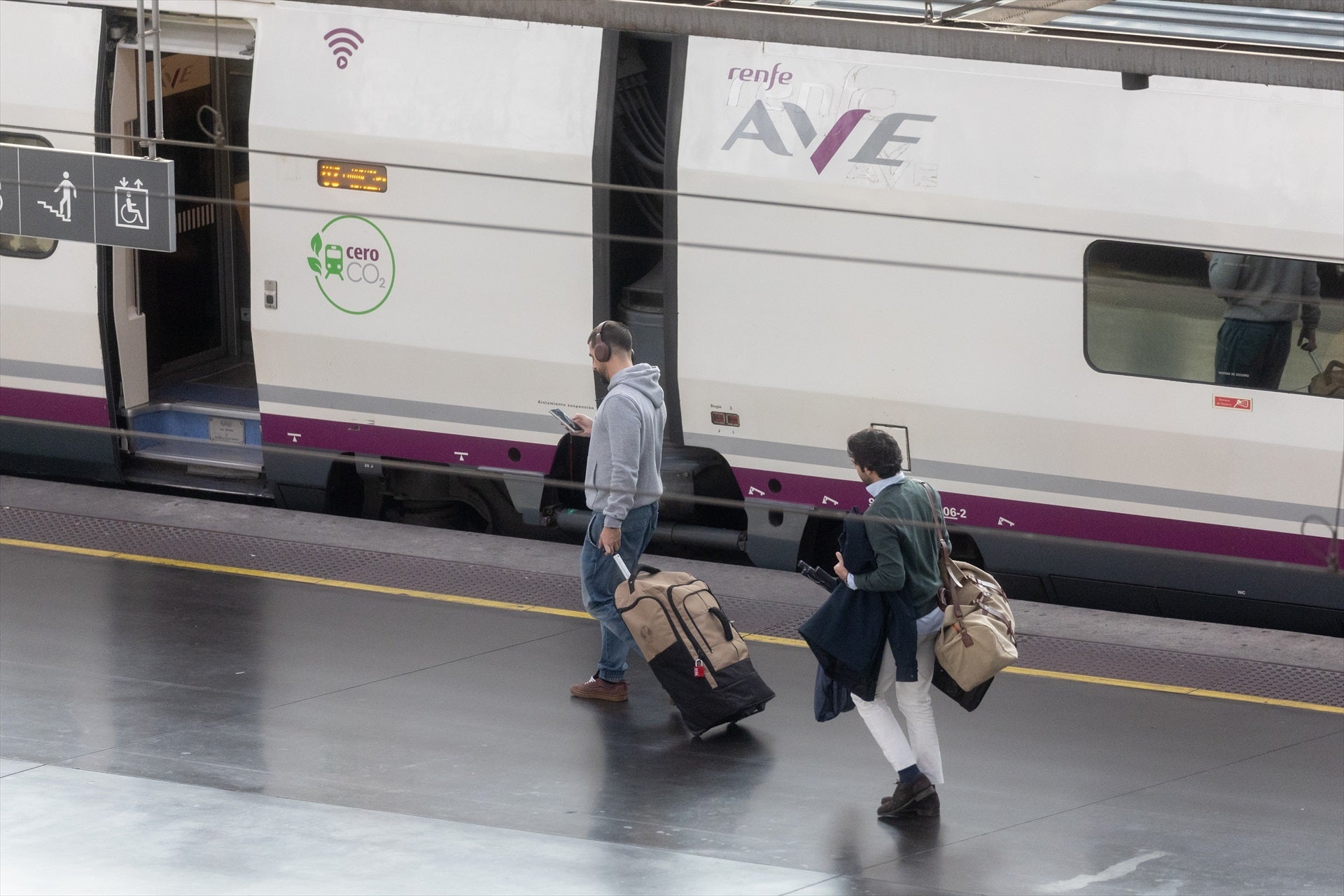
Más de uno
Tertulia: La crisis del tren sigue
01:11:29
Paco Marhuenda, John Müller, Pilar Velasco, Marta García Aller y Rubén Amón analizan la actualidad política.
Loading summary
Transcript194 lines
- [00:01]
A
Son las ocho y media, siete y media de la mañana en Canarias. Aquí estamos estrenando La mañana del 3 de febrero del año 2026, que es martes, los periódicos y un vistazo. Los temas cambian, pero la crisis ferroviaria permanece. Hace dos semanas, igual se ha olvidado todo el mundo, pero hace dos semanas la urgencia del presidente Sánchez era una ronda con los grupos políticos para informarles de Groenlandia y de si mandamos tropas o. Y ya nadie se acuerda. Aquella ronda se suspendió la primera reunión que iba a ser con Sánchez, con Feijóo y nunca más se supo. Bueno, ahora el esfuerzo ímprobo de la Moncloa es salvar lo que se pueda del decreto batiburrillo naufragado. La semana pasada se sabía el desenlace de este cuento desde que empezó el cuento la víspera de Nochebuena, y aún siendo un final cantado, que es que en efecto el Gobierno no le queda otra que hacer un decreto solo para las pensiones, aun siendo un final cantado se convierte en noticia e incluso en apertura. Hoy del diario El País a cuatro columnas, Sánchez trocea el decreto para sacar adelante las pensiones. Este diario ya le reprochó en un editorial al Gobierno que no hubiera separado las pensiones de las otras medidas desde el principio. Aún así hoy lo llama en su crónica Estrategia del Gobierno para evitar un nuevo bloqueo. En rigor y como hemos explicado aquí, lo que el Gobierno quiere salvar no son las pensiones que siempre estuvieron salvadas, sino la prohibición de desahuciar a inquilinos vulnerables, que esto es lo que Junts y el PNV no quieren, o sea, no lo quieren las derechas nacionalistas, tan del gusto de la izquierda que gobierna El País. Leo este párrafo de la crónica del País. Fuentes de Sumar dicen que las negociaciones con los grupos están siendo profundas estos días y a la vez Rufián desveló que los contactos con el Gobierno se iniciaron ayer. Profundas pero muy recientes estas negociaciones. Ayer hay elecciones en Aragón este domingo y El Mundo abre edición con algo que comentamos ayer aquí la ausencia en esta campaña de Rodríguez Zapatero del Zapatero mitinero que tantas alegrías dio a su partido en ocasiones anteriores. Desaparece Zapatero de las campañas, titula El Mundo. Luego dice que en Ferraz sostiene que por supuesto Zapatero sigue siendo un activo de máxima relevancia para ser tan activo y tan relevante y para haber presumido en su día el expresidente de haber sido él quien le dio la vuelta a la campaña de las generales del 23, pues ya podían requerirle de urgencia en Aragón, donde dice El Confidencial que Pilar Alegría ha entrado en pánico. Leo Ferraz envía a los peones de Sánchez a intentar frenar la debacle en Aragón Los enviados, según la crónica son Borja Cabezón, que tiene cargo orgánico en el PSOE Óscar López, que se habrá pedido unos días libres en el Ministerio porque es ministro y digo yo que tendrá un montón de ocupaciones ministeriales mucho más relevantes que actos de partido Antonio Hernando, que es secretario de Estado de Óscar López y que también estará librando estos días Antonio Hernando, que ayer declaró en el juzgado como testigo del caso Fontanera.
- [03:33]
B
Ni fontanera ni cobarde, soy periodista.
- [03:36]
A
Sostiene Pomba en el diario El Confidencial que el dato de movilización que reflejan las encuestas para el electorado socialista por debajo del 60% es un dato crítico por lo bajo que es y porque sigue menguando a medida que la campaña electoral se va terminando. En aragón dan el 57% en este momento la fidelidad del votante socialista. Hubo, por cierto, una vez un presidente socialista en el Senado, presidente del PSC primera época, Pedro Sánchez en el gobierno, año 19, cuando se llevaban los perfiles moderados un presidente que se llamaba Manuel Cruz, que es filósofo y que hoy firma una tribuna en el diario El País en la que se duele de que la extrema derecha se haya convertido en la coartada para que ciudadanos de izquierdas abracen cualquier viraje que decidan sus líderes para asumir puntos de vista contrarios a los que antes tenían y expulsando a las tinieblas a quienes sigan manteniendo los principios anteriores. Dice que Vox sea una amenaza para el sistema no significa que quienes vayan a ayudar a defender el sistema sean aquellos que perpetraron, por ejemplo, un golpe de Estado en el año 17 violentando la legalidad, o sea los independentistas. Manuel Cruz identificar a nacionalistas e independentistas con el progresismo está resultando tan ruinoso para la izquierda como identificar a la derecha con el franquismo. Sobre la comparecencia de Feijóo en la comisión de la riada ayer hay coincidencia poco habitual entre La Razón y La Vanguardia, Coincidencia en que la oposición a la oposición pinchó en hueso. Con más entusiasmo pro Feijóo en La Razón, que dice que Génova se viene arriba y concluye que su líder reventó a sus interrogadores. Y con más sobriedad en La Vanguardia, que titula Feijóo se zafa de un estéril interrogatorio entre insultos y griterío. En El Independiente se fijan en el guante blanco de Junts per Catalunya con Feijóo en la comparecencia de ayer, a cuyo portavoz de hecho le reconoció Feijóo que le hubiera hecho preguntas oportunas y razonables. Y en eldiario es otro punto de vista. Opinan que Feijóo enfangó la comisión y dio una lección de grosería. Ignacio Camacho opina en ABC que tal como marchan las cosas, Feijóo no podrá cumplir su compromiso de gobernar sin Vox porque es este partido quien está capitalizando el rechazo al sanchismo. La moderación no vive buenos tiempos y Feijóo no la defiende bien. Se le ve indeciso, inseguro y al rebufo de los acontecimientos. La crisis ferroviaria que no escampa. Cuenta el periódico que hay efecto dominó en las incidencias y que el 80% del tráfico internacional de mercancías está paralizado porque está cerrado el túnel de rubí que utilizan los trenes que van del puerto de Barcelona camino de Francia y del resto de Europa. La Vanguardia dice hoy que los cortes en cercanías se enquistan y que los retrasos se vuelven crónicos. Y de hecho empieza así la crónica No busquen un tren pasando a su hora. En ABC lo que más destacan es que Adif ha suprimido Sinedie, los trenes de alta velocidad Madrid Barcelona, Barcelona Madrid del horario nocturno. Y en El español cuentan que Renfe ha aplazado la compra de nuevos trenes. Son 2.000 millones de euros de inversión prevista. Está aplazado por las incógnitas que todavía rodean el accidente de Adamuz. De la investigación del accidente y por cierto, no he visto novedades hoy en los diarios. ¿Y alguna cosa más de esta mañana? Premio al título más claro para la portada del Diario de Burgos. El título es Los talleres no dan abasto con los daños por las carreteras molidas. Pinchazos, daños en la amortiguación o en la dirección son recurrentes en los automóviles de la ciudad de Burgos. Los baches en la Ronda. Claro que El Diario de León cuenta hoy que la Guardia Civil tiene que patrullar más que nunca por la carretera más transitada de la provincia por los baches. Se trata de la N-120. Dice que coches con ruedas reventadas por culpa de los baches ponen al límite la paciencia de los conductores. Título de la crónica. La Guardia Civil custodia los baches de la carretera. Se ocupa hoy Sergi Pamies en La Vanguardia de las apariciones mediáticas de Iñaki Urdangarín. Lo llama oficializar su reinserción. Se confirma, escribe, que si la justicia no es igual para todos, como dice Urdangarín, las oportunidades de reinserción tampoco son iguales para todos. Y en Le Figaro cuentan que. Aquí también leemos la prensa internacional. En Le Figaro cuentan que la fiscalía de París finalmente no va a presentar cargos contra este joven al que le tuvieron que sacar del recto un obús de la Primera Guerra Mundial. La historia igual ya la conocen. La hemos contado aquí a primera hora. Es un paciente que llega a urgencias por un dolor insoportable en los cuartos traseros. Examinado, se observa un objeto de 16 centímetros por 4. Un pedazo de supositorio amigo que iniciada la extracción, el cirujano comprueba que es un proyectil y avisa a la policía que envía a los artificieros para que desactiven el obús. Se entiende una vez que ya ha sido desactivado el paciente, o sea, una vez que ya el obús ha sido.
- [08:31]
C
Extraído del cuerpo, de estallar el obús.
- [08:36]
A
El miedo era que estallara el obús dentro o fuera. Se convierte, confirmó después, que este artefacto, que es del año 1918, no presentaba riesgo alguno de explosión. A buenas horas, artificial. La policía ha explicado que el joven podría ser acusado de posesión ilegal de armamento, pero la fiscalía ha decidido dejarlo pasar. Noticia que para el joven habrá supuesto para el joven juguetón tanto alivio como ver el obús saliendo de su cuerpo.
- [09:08]
D
Más de uno. Onda cero. Carlos Alsina.
- [09:30]
A
Aquí está el gallo, la torre, como cada mañana a esta hora. Rafa. Buenos días.
- [09:33]
E
Buenos días, Carlos Alsina. No consigo acostumbrarme a la alegría con.
- [09:37]
A
La que Gabriel Rufián utiliza palabras como homicida o psicópata referidas a sus enemigos.
- [09:42]
F
Que no adversarios políticos.
- [09:44]
A
No sorpresa, porque al contrario que tanto hechizado, yo no olvido quién es Rufián.
- [09:49]
E
Pero creo que si algún día llegamos.
- [09:51]
A
A percibirlo como normal, es que ya está todo perdido. Conviene recordar que es peor un asesino que un hijo de fruta. Y sin embargo, no parece que lo.
- [10:00]
G
Primero dañe alguna sensibilidad.
- [10:02]
E
No, desde luego, las de las faction.
- [10:04]
A
Victim que creen haber encontrado su mirlo.
- [10:07]
E
Blanco en un diputado independentista que hace.
- [10:09]
A
No tanto quiso extranjerizar a los trabajadores extremeños en Cataluña.
- [10:14]
E
Como ya tenemos memoria TikTok, quizás haya.
- [10:17]
A
Que recordar que lo que impulsó Esquerra con el aplauso fócido de Gabriel Rufián.
- [10:22]
E
Fue exactamente el proceso inverso al de.
- [10:24]
A
La regularización de inmigrantes, que es la extranjerización de nacionales. Amputarle sus derechos a una parte de la población cómo.
- [10:33]
E
Cómo aquel histrión que llevó unas esposas.
- [10:35]
A
Del Sexop Adán y Eva al pleno del Congreso terminó convertido en el Olof.
- [10:40]
E
Palme de Santa Coloma de Gramanet.
- [10:42]
A
Es un misterio.
- [10:43]
E
Lo que se le da bien a Rufián es leerle la cartilla al PSOE. ¿Y saben por qué?
- [10:48]
A
Porque su secretario general no le puede responder. No debería tratar de leerle la cartilla a quien sí le va a responder. Porque entonces vuelve a ser quien es. Ala. Buen programa. Gracias, Rafa. Lo mismo para ti. Gracias por madrugar con nosotros.
- [11:03]
G
Es mi trabajo.
- [11:13]
A
Antes de invertir los ahorros hay una pregunta y una respuesta. La pregunta es ¿Cuánto tiempo queremos tenerlos invertidos, Borja? Y la respuesta es Bestinver y sus.
- [11:20]
F
Fondos de renta fija, mixta o variable.
- [11:22]
A
Que se adecuen a nuestros planes.
- [11:24]
F
¿Qué dinero queremos invertir y qué plazos tenemos?
- [11:26]
A
Y con la ayuda de su equipo.
- [11:27]
G
De expertos en inversión.
- [11:29]
F
Y es que en Bestinver siempre es posible la respuesta adecuada. Infórmese.
- [11:33]
A
En Bestinver es. Unos Callahan, Marisol. Para estas personas, que ahora diré quiénes.
- [11:43]
D
Son, que aprovechen las rebajas de Callahan. En Callahan es calzado creado por auténticos artesanos que fusiona la mejor tradición con la última tecnología más avanzada para caminar. Porque no hay dos pies iguales ni dos formas de caminar idénticas. Por eso la exclusiva tecnología Adaptation, que se adapta a ti, te ofrece una comodidad extraordinaria en cada paso. Los zapatos Callahan están disponibles en las mejores zapaterías. Y en Callahan es Callahan es tecnología, diseño y confort al mejor precio. Más de uno en Onda Cero.
- [12:32]
A
En tertulia. A partir de ese momento, aquí en la radio, en más de uno está Pilar Velasco. Buenos días, Pilar.
- [12:36]
D
Muy buenos días, Alsina.
- [12:38]
A
Paco Marhuenda. Buenos días, Paco.
- [12:39]
E
Buenos días, Carlos.
- [12:40]
A
Y John Müller. Buenos días, John. Hola, Buenos días, Carlos. ¿Qué tal estás? Me alegro muchísimo.
- [12:44]
G
Bien, muy bien.
- [12:46]
A
Sí. ¿Estás bien?
- [12:47]
G
He visto que ha cambiado el sentido de obús. A mí me corregían cuando estaba empezando en esto, me decían que obús era el arma que disparaba y que obús no era el proyectil. Pero ahora veo que la RAE admite que lo ha puesto además como primer significado sinónimo de proyectil y el segundo es la máquina para disparar. Pese a que si miras el origen de la palabra descubres que viene de una palabra checa que significaba máquina de lanzar piedras.
- [13:17]
A
¿Tú pensabas al escuchar esta noticia que era la máquina de lanzar en lugar de del proyectil?
- [13:23]
G
Es que a mí me lo corrigieron mucho cuando empezaba en el periodismo.
- [13:26]
A
Entonces te parecía aún más sorprendente. Buenos días, Marta. Arte ayer.
- [13:31]
B
Buenos días, Carlos. Alsina. John. Me quedo muy inquieta de cuántas veces tenías que escribir la palabra obús cuando comenzaste a ser periodista.
- [13:38]
G
En el periodismo, cuando el MO era muy duro todavía.
- [13:43]
B
Te corrigieron mucho. Era algo muy frecuente allá por 1919.
- [13:51]
F
Allá por 1992 y 1995, que es la guerra de Bosnia. Lo digo porque la compartimos yo ni yo en la redacción.
- [13:59]
B
Pero yo no empezaba en el noventa y algo.
- [14:01]
A
Yo no estaba empezando.
- [14:02]
F
¿Y fuera de ella?
- [14:03]
A
Y fuera de ella habéis coincidido también en coincidir en un hotel ¿De dónde era?
- [14:08]
B
¿En Venezuela? No, en Caracas.
- [14:11]
G
Pero hemos estado en la redacción mucho tiempo. Si, Ro, llegó desde el principio.
- [14:16]
A
Yo era un niño que no hemos venido a hablar de vosotros.
- [14:18]
F
No, digo la actualidad de los obús en esos tiempos.
- [14:21]
A
Así es.
- [14:21]
F
Esos 90 de presunta paz fueron muy incendiarios en otros lugares.
- [14:26]
A
Y ya entonces obús era el proyectil en lugar de. Bueno, a la vez que hubo una.
- [14:31]
G
Época en los 80 en que la RAE estuvo realmente mareada e incluso aprobó la palabra clon para sinónimo de payaso. Esto luego se corrigió, pero en ese momento el nicho de la palabra clon se usó para payaso, viniendo de clown, como el anglicismo. Y resulta que me acuerdo que mucha gente lo cuestionó.
- [14:53]
B
Creo que en la calle con pancartas, claro, académicos.
- [14:57]
G
Es que les dio una ventolera en el 82 porque había que poner al día a la Academia y se pasaron de frenada porque luego vendría clon del clon.
- [15:06]
F
Incluso socialista significaba socialista.
- [15:10]
A
No voy a ir por ahí, todavía no entro a vuestros. Pero probé muchas burdos muletazos porque no.
- [15:17]
B
Pensé que fuera a traernos por aquí la noticia del pobre chico francés con el obús.
- [15:21]
A
Bueno, pobre chico. Él se lo ha buscado también, que evacuaron el hospital. Se lo ha buscado y se lo ha encontrado.
- [15:25]
B
Hombre, claro, es que podía explotar.
- [15:28]
A
Bueno, he contado a los oyentes que la crisis ferroviaria, por llamarla así, continúa en los dos escenarios que conocemos todos. Uno es la investigación que sigue adelante sobre Adamuz y el estado en el que estaba la vía, si fue la soldadura, si fue el carril y todo lo demás, que se une a las denuncias que venían haciendo los maquinistas sobre no problemas de seguridad, pero sí de de mal estado de la vía, de bache, que han ocasionado que en la línea de alta velocidad siga habiendo en algunos tramos limitaciones a la velocidad máxima que pueden alcanzar estos trenes, hasta el punto de que lo que ahora dura hacer el viaje entre Madrid y Barcelona, Barcelona Madrid, pues es muy superior a lo que venía durando antes de que estas limitaciones entrara en vigor. Y que luego tenemos rodalías cercanías en Cataluña, donde se siguen produciendo no la suspensión total del servicio, pero sí los retrasos acumulados. Y este efecto nominó del que habla, por ejemplo la prensa de Barcelona, cómo afectan las incidencias, las complicaciones en el transporte ferroviario también a las empresas o por ejemplo al transporte de mercancías desde el puerto de Barcelona al resto de Europa. Hemos contado también que hay una comparecencia hoy del ministro Óscar Puente en el Congreso de los Diputados, que supongo que hablará sobre todo estos dos asuntos del accidente de Adamuz y del accidente que se produjo en Cercanías de Cataluña y de la situación en la que se encuentra el servicio en esta comunidad autónoma. Y hay una concentración convocada hoy por los sindicatos ferroviarios a la puerta del Ministerio de Transportes y en esa concentración o a esa concentración se han sumado el CSIF Ferroviario y se ha sumado también el Sindicato de Circulación Ferroviario en Adif. Una cosa es RENFE, otra cosa es Adif. Pero los sindicatos en la concentración están unidos o están de acuerdo todos otra cosa es en la huelga que sigue convocada para la próxima semana. Tengo al teléfono Antonio García, que es el portavoz de CSIF Ferroviario de Renfe. Antonio, buenos días.
- [17:16]
C
Buenos días.
- [17:17]
A
Buenos días a Carlos Moreno, que es el secretario de Organización del Sindicato de Circulación Ferroviario en Adif. Carlos, buenos días.
- [17:24]
H
Buenos días, Carlos, buenos días.
- [17:26]
A
La concentración de hoy ante el Ministerio de Transportes, ¿Qué se busca o qué buscáis o qué pretendéis o qué exigís en esta concentración? Cuando se habla de que el Ministerio asuma responsabilidades, ¿Cómo debería asumirlas y de qué responsabilidades estáis hablando? ¿Antonio?
- [17:44]
C
Pues por nuestra parte, me alegra mucho que estemos aquí dos compañeros representantes cada uno de las respectivas empresas ferroviarias públicas estatales, ADIF y RENFE. Nosotros por la parte de RENFE, lo que aparte de esta concentración, hemos respaldado la huelga de los días 9, 10 y 11 de la próxima semana, lunes, martes y miércoles. Lo que realmente estamos reclamando para ir tanto a esta concentración como para respaldo al que le estamos dando a la huelga, es lo que ya hemos venido reclamando desde el año 2023. 2024. Y donde en el año pasado, 2025, tanto en marzo como en abril, salimos también a la calle, hicimos huelga que no fue respaldada a última hora, se bajaron los sindicatos mayoritarios. Nosotros aquí lo que pedimos fundamentalmente para la parte de RENFE es que en los talleres se acometa seriamente un plan de inversión para las instalaciones, para infraestructura, los almacenes, equipos de seguridad y sobre todo acabar con las externalizaciones que se están produciendo, que también lleva a que operaciones claves importantes que se realizan en los trenes, las asuma, se internalicen esas cargas de trabajo y las sumamos en Renfe. Nosotros la sumamos los trabajadores de RENFE, que son los que entendemos estamos más capacitados, tenemos la mejor formación, tenemos muy buenos ingenieros en nuestros talleres, pero tenemos que internalizar esas cargas de trabajo. Es cierto que también para internalizar y acoger esa carga de trabajo, si se llega a internalizar, que es nuestra reclamación, una de nuestras reclamaciones principales, pues tendríamos que hacer un incremento de plantilla. No solamente ir cumpliendo con las tasas de reposición que cada año se van haciendo entre las salidas y las entradas que se van acometiendo, sino que habría que acometer también un profundo cambio de potenciación de esa plantilla y de incremento de esa plantilla.
- [19:32]
A
Porque interpretáis, Antonio, que el hecho de que algunas tareas o algunas labores hayan sido externalizadas ha incidido negativamente en el mantenimiento, en el funcionamiento y en el servicio también a los viajeros.
- [19:47]
C
Sí, en este caso de los trenes, efectivamente, de la infraestructura. En este caso se lo dejo a mi compañero David que nos dirá, pero en el caso nuestro de los trenes, efectivamente nosotros y lo que nos dicen nuestros responsables, nuestros delegados, nuestros compañeros en los talleres, es que esto incide negativamente. Nosotros, a través de todos los operarios y la especialización que tiene cada uno de ellos, somos los que mejor podemos acometer todas estas tareas de mantenimiento. Pero para eso hace falta justamente eso, Carlos, apostar por la gente que tenemos y apostar por unos mejores planes de carrera desde los más inicios de la entrada de las personas y de los trabajadores a la empresa.
- [20:28]
A
Y en Adif, Carlos, Sindicato de Circulación Ferroviaria en Adif, la concentración de hoy desde los sindicatos de Adif, una cosa es Renfe, otra es Adif, como creo que los oyentes a estas alturas ya saben. ¿Desde Adif qué es lo que reclamáis al Ministerio esta mañana? Y luego si quieres hablamos de la huelga de la semana que viene. ¿Por qué unos sí, otros no?
- [20:46]
H
Bueno, más que nada va un poco en relación con lo que ha comentado el compañero. Lo que pasa que hay que matizar, que más o menos lo has hecho tú al principio, de que ahora mismo Renfe y ADID, aunque son empresas del sector ferroviario, el trabajo y la actividad que desarrollan son distintas. Entonces, de alguna manera, como somos el administrador de las infraestructuras, de alguna manera lo que venimos reclamando es algunos puntos que son similares pero otros distintos, que se han venido materializados en las distintas comisiones de conflictos presentadas por una parte como el Comité General de Empresa DADI y otra como Sindicato de Circulación Ferroviaria. Ha habido tres o cuatro puntos en concreto que varios de ellos se llevan demandando también desde hace mucho tiempo. Uno de ellos y el más importante, es la falta endémica de personal tanto en estaciones como en centros de regulación de circulación, los CRCs, donde se ha puesto de manifiesto últimamente con la saturación de las cargas de trabajo y la presión diaria, lo que supone el estrés para los trabajadores de allí del CRC. Otro de los puntos importantes es lo que se pide un estudio de la capacidad de la red de alta velocidad y mayor inversión en la red convencional. Ha habido el impacto de la liberación.
- [22:05]
D
Del.
- [22:07]
H
Transporte ferroviario de otras operadoras, tanto en viajeros como mercancías, ha supuesto un incremento exponencial tanto en el tráfico que como es natural, lo que supone para la infraestructura ferroviaria. Entonces, de alguna manera pedimos una mayor inversión tanto en red convencional y para conseguir una sostenibilidad del sistema y que al mismo tiempo sea necesaria para la movilidad ciudadana. Otro de los puntos es la actualización de protocolos y procedimientos, además de formación específica que se pide dentro de la empresa de Adif, protocolos que desde hace tiempo se están demandando y que teniendo en cuenta las últimas situaciones meteorológicas de fenómenos adversos, pues de alguna manera se pide que haya procedimientos consensuados y que se sepa de alguna manera actuar conforme a la situación que se genere dependiendo de los sitios. Y en concreto, dentro de la Comisión de conflictos que ha presentado el Sindicato Circulación, lo que pedimos también es una revisión de una instrucción técnica donde se tiene que planificar la gestión de actividades del control de tráfico ferroviario, que de alguna manera todos los trabajadores que están en los CRCs, lo que era antes, los puestos de mando y en estaciones, sobre todo en CRCs, tengan y se les reconozca la identificación de los puestos concretos donde tengan esas por ser usuarios de pantalla de visualización de datos, tengan que tener unos periodos de descanso a lo largo de su jornada. Más o menos son los puntos que de ahí han sido los que se ha presentado la Comisión de Conflictos y que una vez realizadas las reuniones de los distintos Comités General de Empresa, como es natural, se llegó al acuerdo de la concentración para hoy día 3 de febrero, delante del Ministerio de Fomento, llevarlo a cabo todos los sindicatos que conformamos y configuramos los dos comités, tanto de Adif como de ROCE.
- [24:11]
A
En este momento cualquier cosa que hagáis los sindicatos del sector ferroviario, como consecuencia de lo de Adamu sobre todo, y también de Cercanías en Cataluña, cualquier cosa que hagáis tiene mucho más eco. Antes nos habéis hablado de otras movilizaciones anteriores que seguramente en los medios no han tenido tanto eco como estas de ahora, estas iniciativas como consecuencia de todo lo que ha ocurrido en estas últimas semanas. Pero estas reivindicaciones que vosotros estáis planteando, más allá de las cuestiones laborales o de lo que tiene que ver con inversiones, estas reivindicaciones significan que la situación de la red ferroviaria en España y del mantenimiento de esa red ferroviaria tanto de los trenes como de las vías en este momento trae como consecuencia una falta de seguridad para los viajeros. Estamos escuchando al Ministerio decir se ha producido un accidente, es verdad, o dos, incluido el de Yelida, además el de Adamuz, pero eso no significa que la red no sea de las mejores de Europa, que se estén invirtiendo más dinero que nunca, que se esté mejorando todo lo que se puede mejorar. ¿Discrepáis de ese análisis que hace, ese diagnóstico que hace el ministerio? ¿Nuestra red ferroviaria en este momento es segura y es de las mejores de Europa o no Carlos? Antonio.
- [25:25]
H
En principio por nuestra parte. Bueno Antonio, como quieras, tú mismo.
- [25:29]
C
No, no, habla Carlos.
- [25:31]
H
No, simplemente decir que el transporte ferroviario como tal no vamos a decir que no es seguro, más bien todo lo contrario. Lo que pasa que como pasa en todos los sitios, cuando hay un incremento exponencial del transporte ferroviario tanto de viajeros como de mercancías en las líneas de alta velocidad y en las líneas red convencional, de alguna manera lo que se tiene que hacer un mayor mantenimiento. Dentro de ese mantenimiento siempre hemos defendido también a nivel de ADIF, como ha dicho antes el compañero, que se han externalizado muchas cargas de ese mantenimiento y consideramos que con el personal que tiene allí la formación, la capacidad y un mayor aumento de plantilla, pues de alguna manera esa inversión y ese mantenimiento sería más acorde con ese incremento que comentas del tráfico.
- [26:24]
C
Antonio efectivamente concuerdo con lo que dice el compañero. Por nuestra parte entendemos también lo mismo, la red ferroviaria claro que segura que se pueden producir este tipo de accidentes e incidencias, pues es cierto que también, pero nosotros lo que aquí estamos reclamando es que esa inversión se traslade no sólo en un mayor mantenimiento sino en un mejor también mantenimiento. Se ha incrementado mucho los tráficos, la red se ha saturado mucho, hay que tener en cuenta que las circular, el número de circulaciones que pasan no son las mismas que hace diez años cuando se iniciaron, cuando se inició todo el tema del AVE, empezó el AVE Barcelona, todo esto. Entonces cuando hay mayor saturación de la red es normal que la infraestructura sufra más fatiga, haya que hacer mejores revisiones de mantenimiento, incrementar esa seguridad y sobre todo también desestresar los puestos de mando que tanto en el caso de además en sus CRC como en los CGO que tiene Renfe, pues también están faltos de personal y necesitan esta inversión de aumento también de plantilla. En este caso también tengo que decir que la entrada de los nuevos operadores es en el único país de Europa donde se ha producido. Es verdad que somos innovadores, muchas veces queremos ir a la cabeza de todo, pero yo en este sentido, yo y en este caso mi sindicato, y en este caso yo creo que ese sentir de todos los ferroviarios, tanto de Renfe como ADI, la entrada de estos nuevos operadores solo es a producción España. Aquí al final podemos concluir que o entramos todos, Francia, Alemania, Italia. ¿Qué pasa? ¿Que ahí no pueden entrar los operadores? ¿Han tenido que ser solo en España? Pues con eso tampoco hemos comulgado nunca desde un principio. Operadores que estos trenes, tanto los Ouigo como en este caso IRYO, son trenes mucho más pesados, con unas rodaduras distintas, tienen un desgaste irregular de la vía. ¿Eso no pasaba antes cuando los trenes eran propiedad de Renfe? No he pasado con los trenes, por decir de Renfe, los que siempre han venido operando antes de esta liberalización del sector, son trenes muy pesados. El Lirio es un tren muy pesado y el Weibo desgasta irregularmente la vía y tiene un desgaste distinto. Entonces, ¿Eso se ha analizado? Pues entiendo que sí. Entiendo que tanto por los gestores de la infraestructura como por Renfe está analizado todo esto a nivel de seguridad. Pero ¿Qué ocurre? Claro, está ocurriendo, está ocurriendo.
- [28:59]
A
Dos últimas preguntas ya muy rápidas. Una es para Antonio, otra es para Carlos. Antonio, los sindicatos que sí respaldáis la convocatoria de huelga de la semana que viene, el ministro Puente dijo que iba a hacer todo lo que estuviera en su mano para que esa huelga finalmente quedara desconocida, convocada, que iba a hablar con los sindicatos, que iba a escucharos. Ese diálogo existe, esa interlocución con el Ministerio, ¿Se está avanzando para intentar que la semana que viene la huelga se desconvoque o no?
- [29:22]
C
Nosotros no estamos en contacto en estas conversaciones, no somos un sindicato mayoritario, no formamos parte del comité de empresas. Sí que somos un sindicato con un gran crecimiento en Renfe, pero hasta día de hoy no estamos dentro del comité general. Estamos en otros tipos de comités. Entiendo que se están produciendo, no sé si están siendo escuchados, si finalmente va a atender todas las reclamaciones que se le están haciendo. Lo que sí esperamos es que se siga con la huelga, adelante y si no es así, si se desconvoca, pues realmente que se cumpla con lo que se llegue a acordar. Porque es que los últimos acuerdos a los que siempre se han alcanzado, que se han tirado siempre de todas las huelgas, estos sindicatos mayoritarios no han tenido realmente un reflejo luego en la realidad, como pasó en 2023 con el acuerdo del traspaso de Rodalia a Cataluña, como pasó con la venta de mercancías. Al final se firmaron una serie de puntos que no se están teniendo, que no se han tenido en cuenta y no se están teniendo en cuenta. Si llegan a un acuerdo, pues que sea un acuerdo real y si no, pues habrá que seguir con la huelga, que es nuestra postura.
- [30:27]
A
Y Carlos, si yo no recuerdo mal, cuando se difícil fundió el audio del maquinista de Lirio, la conversación que tiene con el centro de control y también la del centro de control con la interventora del Alvia. A los sindicatos de Adif no os gustó que esos audios salieran a la luz y reclamasteis que se investigara, que Adif aclarara quién había sacado a la luz esos audios o quién se los había pasado a los medios de comunicación. ¿Tenéis ya respuesta? ¿Os han llegado a explicar cómo esos audios que formaban parte del centro de control de Adif o que tenían en el centro de control de Adif, llegaron a conocerse por la opinión pública o no?
- [31:08]
H
No, en principio todavía no nos ha llegado ninguna notificación. Nosotros como sindicato representativo del colectivo de circulación, y sí que estamos en el Comité General de Empresas DADIF, hemos tomado ya las medidas legales oportunas para de alguna manera intentar saber cómo se han producido esas filtraciones, porque de alguna manera, como en cualquier trabajo donde hay una responsabilidad y haya una implicación por parte de la gente, no es de recibo y teniendo en cuenta la ley de Protección de Datos, que se conozcan en un momento determinado la interlocución que pueda haber entre trabajadores, y más cuando hay un incidente de estas características. Entonces, por nuestra parte hemos iniciado, lo hemos reclamado también en la comisión de conflictos que presentamos a la empresa, que se investigue y en principio lo que estamos demandando es que de alguna manera haya un reconocimiento por parte de la empresa, dirigiendo como se ha dirigido cartas al presidente de Adif, de que haya una valoración y teniendo en cuenta los últimos acontecimientos, se valore el trabajo y la profesionalidad que tienen todos sus trabajadores de Adif y especialmente el colectivo de circulación que trabaja en unas condiciones muchas veces un poco penosas en cuanto a falta de refuerzos, en cuanto a falta de pausas y el aumento exponencial que llevamos desde hace tiempo de cargas de trabajo.
- [32:35]
A
Carlos Moreno, gracias por haber hablado con nosotros esta mañana.
- [32:38]
H
Si me permite, solamente para terminar aprovechando la ocasión que me brinda este medio de comunicación, solamente reconocer el trabajo que acabo de comentar que están realizando todos los responsables de circulación tanto en CRCs como en estaciones y especialmente de las líneas de alta velocidad que llevamos unas cuantas semanas desde que se produjo los desgraciados accidentes, un aumento exponencial del estrés y de las cargas de trabajo que tiene. Muchas gracias por todo.
- [33:04]
A
Gracias Carlos. Gracias. Y también gracias a Antonio García, el portador de CSIP Ferroviario en Gracias a ti, Antonio. Hasta una próxima ocasión. Enseguida os pido opinión a los contertulios del programa sobre la crisis ferroviaria que como decimos, pues ahí continúa con los dos escenarios que venimos contando desde hace ya al menos 15 días. Bueno, los usuarios de cercanías en Cataluña no hace falta que se les cuente nada porque sufren cada día las incidencias y los trastornos que en su vida cotidiana genera el mal servicio. Voy a saludar ya a Ignacio Rodríguez Burgos. Vamos a contar los datos del paro correspondientes al mes pasado y luego ya entramos, si os parece, en el análisis de esta y otras cuestiones de la actualidad de la mano de Randstad Research, que es el Centro de Estudios y Análisis sobre el Mercado Laboral y que lleva 10 años descifrando el mercado de trabajo en nuestro país con los datos del paro del mes de enero que ha difundido el Gobierno. Hace un minuto, Ignacio, buenos días.
- [33:55]
I
Hola, buenos días. Mira, decirte que enero no suele ser un buen mes para el empleo y este año se cumple la máxima el desempleo aumentó en 30.392 personas en el pasado mes de enero, aunque es el menor incremento en cuatro años. En total hay 2.439.062 personas en paro registradas como desempleadas en las oficinas públicas del Ministerio de Trabajo. El desempleo baja en construcción, también desciende en Industria y en el colectivo sin empleo anterior, pero se eleva con fuerza el paro en el sector servicios con 35.000 personas más en desempleo. Evidentemente es el fin de la campaña navideña, la más fuerte del comercio. Y también este año las rebajas no han sido tan alegres como otros años. También aumenta el paro en Agricultura con 800 desempleados más. En cuanto a la Seguridad social, se pierden 270.782 afiliados, que son muchos. 270.772 afiliados menos el propio Ministerio de la Seguridad Social. Indicadores que el mes de enero es tradicionalmente negativo, pero que este año la cuestión se ha agravado, es decir, es peor que el año pasado por un clima especialmente adverso, dice el Ministerio el dato. Como digo, el año pasado fueron 242.000 empleos los que se perdieron, este año casi 271.000. En total hay 21.573.000 afiliados en el sistema. Se firmaron 1.163.000 mil contratos de carácter indefinido, sólo el 41 %, el resto fueron temporales. Y dentro de esos indefinidos, pues hay que tener en cuenta que hay una proporción muy grande de empleo a tiempo parcial y de fijos discontinuos. Y bueno, el paro, para hacerte una idea de lo que ha pasado en toda España, el paro ha aumentado en toda España, menos en Baleares y en Melilla, que han sido 10 para.
- [35:54]
A
2, menos la ducha escocesa. La semana pasada contábamos la EPA del año pasado, la tasa de paro baja del 10% por primera vez desde el año 2008. Decíamos qué buena noticia que la tasa de paro caiga por debajo del 10%. Hoy estamos contando que enero ha sido el peor mes de enero desde el año 2012.
- [36:12]
I
¿No? En cuanto a paro, ha sido el mejor. En cuanto. Bueno, desde el 2022 el paro la verdad es que viene cayendo, viene subiendo, perdona, viene subiendo el paro en alrededor de 30 mil personas. El problema está en el empleo que se ha perdido, que se ha perdido desde 271.000, que ese sí que es el peor dato desde el 2022. Perder empleo La verdad es que no es nada.
- [36:40]
A
Bueno. Gracias, Ignacio. Si usted quiere ampliar la actualidad sobre el mercado laboral, lo puede hacer entrando en Runstatresearch. Onda Cero es más e es la tertulia de este programa. A las 8.14. Una menos a las 8.14 en Canarias, una más en el resto de España. A las 9 y 14 minutos. Bueno, hemos contado ya que el Gobierno troceó finalmente el decreto este ómnibus de la semana batiburrillo que decayó la semana pasada. Es un decreto que se aprobó el 23 de diciembre sabiendo de sobra el Gobierno que iba a estar en esta situación porque ya le ocurrió, como hemos recordado aquí, el año pasado exactamente lo mismo y finalmente ha recurrido a la misma solución que el año pasado después de haberse creado él mismo el problema del año pasado, que es trocear el decreto batiburrillo, o sea, que va a haber hoy un decreto específico sobre pensiones que tiene su convalidación garantizada no sólo porque Junts per Catalunya va a votar a favor, sino porque el PP va a votar a favor de esa convalidación. Y luego otro decreto en el que se salvan algunas de las medidas de esto que se llama el escudo social y se modifican otras para conseguir también el apoyo de Junts per Catalunya y del Partido Nacionalista Vasco. Porque la novedad a esta hora de la mañana, y ya os la traslado, es que el PNV difunde una nota en la que dice que el grupo vasco, o sea, grupo del PNV en el Congreso, ha logrado que el Gobierno español amplíe el escudo social a los propietarios con una sola vivienda en alquiler. Dice la nota que ya os trasladó, que el grupo vasco celebra que el Gobierno español amplíe el escudo social a pequeños propietarios con una sola vivienda en alquiler, dejándolos exentos de asumir la carga de ofrecer una alternativa habitacional a personas en situación de vulnerabilidad. Es decir, que quien tenga dos inmuebles, uno en el que vive él y otro que lo tiene en alquiler, ese segundo en alquiler no va a estar blindado del desahucio la persona que lo.
- [38:22]
G
Habita. Un escudo social contra el escudo.
- [38:24]
A
Social. Un escudo social para los propietarios, dice el PNV, para los pequeños propietarios. Es decir, que la obligación que tienen los arrendadores, la obligación que tienen de, en el caso que tengan inquilinos que estén declarados vulnerables, inquilinos o familias vulnerables, de procurarles una alternativa porque si no, no pueden proceder a desahuciarles de la casa que habitan, pues va a quedar exenta de esa obligación estas personas, estos pequeños propietarios. Dice además el comunicado del PNV que la nueva redacción del decreto que va a aprobar hoy el Consejo de Ministros incluye la petición concreta que había realizado el grupo vasco y exonera de esta obligación a propietarios que sólo tienen una o dos propiedades, siendo una de ellas vivienda habitual y otra en alquiler. De esta forma, dice el PNV, se tiene en cuenta la situación de esta personas y se les permite recuperar la posibilidad de alquilar sus pisos, evitando que continúen los meses de impagos. Esto que algunos llaman los inquiokupas, que es esa persona tiene un contrato en vigor, no está pagando la renta, por ejemplo, porque ha sido declarada como persona o familia vulnerable y entonces no se puede proceder al desahucio. En este caso el PNV ha conseguido esa obligación para los pequeños propietarios. Y termina la nota diciendo el grupo vasco ha peleado para que no se equipare a estos pequeños propietarios con los grandes tenedores o con los fondos buitre. El grupo vasco valora que el Gobierno español haya aceptado este acuerdo de mínimos en la confianza de que esto permita seguir negociando mejoras en materia de vivienda en este nuevo año de prórroga del escudo social, aunque sea un escudo social, digamos tuneado o modificado. Lo digo porque ayer decía el ministro Urtasun, o sea decía Sumar y decían los grupos de la izquierda no podemos ceder al chantaje de la derecha en materia de vivienda, no podemos corregir o modificar nuestras medidas del escudo social, tienen que ir todas tal como fueron en el decreto anterior. Bueno, pues si esto era un chantaje, en palabras de Sumar y de Urtasun o de los grupos de la izquierda, pues se ha cedido al chantaje porque si no, no salía adelante la convalidación del decreto que hoy aprobará el consejo de ministros. ¿Algún comentario queréis hacer seguro los contertulios ya a estas horas sobre esta situación verdaderamente inesperada? ¿No se podía saber que el gobierno al final trocea el decret ómnibus después de haber dicho que hay que ver el PP y no sé qué, que los pensionistas, la incertidumbre en la.
- [40:45]
D
Que viven el déjà vu del decreto? Es lógico que el Gobierno quisiera todo el escudo social porque implica todas las medidas y no se puede permitir, gobierno progresista dejar fuera las medidas antidesahucios que se confunde en el debate habitualmente o se confunde intencionadamente con esto que se llama coloquialmente o popularmente los inquiokupas. Inquie okupa es el que por el morro deja de pagar. Lo que afecta al decreto son las familias vulnerables que pueden demostrar esa vulnerabilidad sobrevenida y que el Gobierno el año pasado ya cuando se lo tumbaron por primera vez, ya hizo este escudo a propietarios. Bueno, pues si no le paga la familia vulnerable, nosotros les reembolsamos de alguna manera lo que no les están pagando. ¿Qué pasa? Que junts tenía mucha desconfianza porque como con todas las medidas de reembolso, pasa un año y no se abona. Prácticamente 6 millones de euros creo que se ha gastado en Cataluña propietarios, pero el despliegue de la protección de los propietarios no ha sido suficiente. ¿Qué pasa ahora? Pues efectivamente, la intención es la misma. Escudo social muy amplio, pero el desgaste está ahí. Y el desgaste significa que el año pasado Yunci y Gobierno se pusieron relativamente de acuerdo en cuestión de una semana. El PP además hizo este ridículo, por llamarlo de alguna manera, de estar en contra y luego estar a favor con la excusa del palacete del PNV. Pero luego votó todo al final el escudo social. Pero como digo, hay desgaste, se trocea el decreto, se salvan las pensiones. Por un lado es verdad que las negociaciones decíais, empezaron toda la semana. No, las negociaciones empezaron ayer. La semana pasada Junts aseguraba que no se había hablado con el Gobierno y el Gobierno tampoco era capaz de demostrar el Grupo Parlamentario Socialista que realmente estaba hablando con Junts. Ahora la incógnita está en. En qué va a hacer Junts con este paquete, sobre todo con los desahucios. La revalorización de las pensiones va a salir y Junts tendrá que ver si acepta lo que ahora el PNV dice, que puede proteger más a los propietarios. Que en total creo que la cifra que daba el Gobierno, el Ministerio de vivienda, eran unos 50 mil el año pasado de familias vulnerables que afectaban a pequeños o medianos.
- [43:00]
E
Propietarios. La verdad es que nunca he entendido muy bien esto de que inquie ocupación. Inquie ocupación vulnerable. In.
- [43:06]
D
Que ocupa el que tiene morro y no paga. Familia vulnerable. Los que tienen hijos y sobrevenidamente.
- [43:14]
E
Pueden. Familia vulnerable, si me permites, no, Es decir, familia vulnerable. Yo lo he vivido. Es alguien que se separa, el matrimonio y Benito y oiga, no es que ahora soy vulnerable. ¿Cómo, perdón? Vulnerable no es mi problema. No tengo nada que ver con que usted se haya separado, que sea la Administración, el Ayuntamiento, la Diputación, la comunidad autónoma, el Gobierno. Es decir, lo que me parece insólito en este país es la inseguridad jurídica. Es decir, eso es lo que no tiene ningún sentido. Hay alguien que tiene vulnerabilidad, oiga, que llegue a la administración y que le pague al inquietud. Pues bien, No se preocupe. Usted paga 900 euros. El Estado le paga 900 euros durante un año. Mira, se busca una bebida. ¿Pero qué broma es esta de que tenga el propietario que con su esfuerzo o el de sus padres o de sus abuelos o que le ha tocado la primitiva tenga que aguantar este individuo dignidad? Es un país como de chiflados. Es decir, que no pasa en los países fuera de aquí la gente ocupa pues usted es un okupa, ya está fuera y ya el Estado lo resolverá. Luego tanto da, porque este es un gobierno de pillos, es decir, de farsantes, donde el presidente sabe perfectamente. Además te lo cuentan ellos. Es decir, aquí no es una información secreta, exclusiva, no, no. Ellos te cuentan que hacen este tipo de prácticas para ver si cuela, metiendo una cosita para el PNV, una cosita para el PP, le obligamos y tal, y luego acaban fracasando porque es un gobierno agónico. Es decir, en Extremadura de centro derecha un 60%, Aragón previsiblemente otro 60% de centro derecho y el PSOE va yendo al desastre liderado por este gran político y estadista que es Pedro Sánchez. Es decir, al final tú has de asumir que tienes un gobierno sin apoyo parlamentario para cosas obvias, ¿No? Es que estos días saldrán los monos, gran éxito, hemos apoyado, consigo el apoyo de tal, tal y tal. Bueno, sí, ahora es la mañana y son las 9 y 22. Gran talento. Pero lo que es vuestra estrategia ideológica, probáis algo, ¿No? Por tanto, legislatura acabada, seguiremos con esta agonía, Sánchez seguirá en Moncloa, que es lo único que le preocupa, y todos.
- [45:15]
G
Felices. Sí, yo creo que esta presunción del PNV, lo de presumir de que hay un escudo social contra el escudo social, lo que pone de manifiesto es esto, cómo se traslada la carga del coste de esta operación, de este escudo social a los particulares. En este caso el PNV ha salvado a los pequeños propietarios. Pero bueno, aquí lo que está claro es que hay unas personas privadas que están atendiendo a un problema que asume el Estado pero que no quiere pagar. A mí me ha sorprendido además que el Gobierno creara un comité de crisis, porque el presidente del Gobierno está en Dubái, con lo cual ha dejado un comité de crisis encargado de supervisar este troceamiento del decreto. Donde está Félix Bolaño, la ministra de Hacienda obviamente, y la de Vivienda. No hay un comité de crisis para lo del accidente de Adamuz. Simplemente quiero dejar de manifiesto.
- [46:11]
B
Eso. Hay también algo que se está hurtando al debate público. Era previsible lo que iba a pasar con el decreto ómnibus. Alsina lo lleva avisando desde el primer día que esto ya pasó el año pasado y ha sucedido efectivamente. Sabíamos que lo iban a trocear. Cero misterio en el asunto. Pero no lo normalicemos, porque lo que se está hurtando a la opinión pública y al Congreso de los Diputados es que sus señorías debatan de las posibles soluciones. Tenemos una crisis de vivienda enorme y efectivamente, John, lo resumen en que se está imputando los costes a los propietarios de dar una solución habitacional a las familias vulnerables, que efectivamente son vulnerables y que no se puede desentender la sociedad de esas familias con niños pequeños que de repente tienen problemas para pagar el alquiler. No los vas a llevar a la calle. Algo tendrá que solucionarse. Y en el Congreso de los Diputados no se está debatiendo porque se mete todo en ese decreto batiburrillo y se le pide a los grupos que lo aprueben, vaya lo que vaya dentro de ese decreto. Al final no ha sido así y el PNV ha negociado esto para los pequeños propietarios, que sigue sin ser una solución. De hecho hay suficientes estudios que apuntan al efecto perverso de la protección a las familias vulnerables. Y es que las personas en esa circunstancia, que sobre todo son familias monoparentales con niños pequeños, cada vez tienen más difícil encontrar quién les alquile una vivienda. Nadie les quiere alquilar porque saben que están blindados. Y eso es un efecto perverso porque impide La gente que ya tenía una casa, vale, pues no la puedes echar, pero los que no la tienen, los que están buscando ahora, no encuentran quien les alquile y el Gobierno también debería abrir este debate.
- [47:45]
A
Público. ¿Para que ha pactado el Gobierno? Lo que ha pactado con el PNV es que estas familias vulnerables, si la casa que habitan de alquiler es de un pequeño propietario que sólo tiene su propia casa y está en alquiler, a estas familias si las van a poder desahuciar. Esto es lo que ha pactado el Gobierno con el.
- [48:04]
B
PNU. No será responsable de encontrar una.
- [48:06]
A
Solución los desahucios de familias vulnerables en determinadas circunstancias. Esto es lo que ha pactado.
- [48:11]
B
Que no sea esa persona propietaria la que tiene que encontrar una solución. Tendrá que ser el Ayuntamiento, tendrá que ser los servicios sociales los que encuentren una solución para esas personas cuando se las desahucia. Pero no nos lo están explicando, insisto. Y aquí claro, hay intereses en colisión y en eso consiste la política, en encontrar soluciones. El decreto ómnibus.
- [48:33]
F
Tiene lo interesante.
- [48:38]
A
Sumar. ¿Está de acuerdo con.
- [48:40]
F
Esto? Pero si. El problema es que aquí ojalá el Gobierno tuviera una idea y una estrategia y un planteamiento ideológico político práctico de lo que quiere, pero de lo que no se puede permitir porque sus socios no se lo permiten. Y entonces ahí donde se voy a discutir o no la conveniencia de una iniciativa legislativa que proteja a la familia precaria, se encuentra con la resistencia de sus socios. ¿Qué.
- [49:02]
B
Socios? ¿Los de derecha? ¿Son los de.
- [49:03]
F
Izquierda? Todos los socios. Porque el drama y la realidad del sanchismo en su precariedad parlamentaria se explica en los vaivenes ideológicos a los que le someten sus socios precisamente por naturalezas y concepciones de la política totalmente antagonistas, o sea, no contradictorias, excluyentes. Y por eso trató de disfrazarlo todo en un decreto ómnibus. Y cuando se trata de aplicarlo en su letra pequeña se topa con la evidencia de su inferioridad aritmética. Y entonces hay que ceder allí donde el PNV y Junts remarcan su línea política antagonista y se le concede. Y se le concede. Pilar, es que te estoy mirando de frente. Es un vocativo casi, o sea, que es víctima de sus contradicciones y de su minoría. Solo faltaba que encima pudieras avanzar con majestad sabiendo que tus lastres son incompatibles entre.
- [50:05]
D
Sí. Pero en esta precariedad parlamentaria, precariedad para que el Gobierno sume posturas, sabemos que no hay una mayoría progresista y sabemos que hay dos modelos absolutamente contrapuestos. Junts no se va a mover de defender al pequeño propietario. Yo no he escuchado a Junts una sola medida que tenga que ver con familias vulnerables, tampoco se lo he escuchado a Vox y tampoco se lo he escuchado al Partido Popular ni en el Congreso ni en el Senado. Recuerdo que con la primera magnitud de la crisis de vivienda que tenemos en este país, la primera iniciativa que registró el Partido Popular fue en el Senado contra la ocupación, que si comparamos en porcentaje la dificultad de españoles que tienen acceso y a los que afecta una vivienda ocupada, creo que es bastante elocuente. Entonces, en esta precariedad, a mí me parece imposible que el Gobierno. No he visto la letra pequeña del acuerdo. Si el Gobierno ha pactado con el PNV desahuciar a familias vulnerables que sólo tienen propietarios con un solo piso, ese pacto no tiene ningún sentido porque no te lo va a apoyar Podemos, no te lo va a apoyar Esquerra Republicana, no te lo va a apoyar Sumar. Veremos la letra pequeña del acuerdo. Y luego está el problema del choque de competencias, porque si el Gobierno ha pactado que un propietario con una sola vivienda tenga que ser la Administración quien de manera inmediata le busque a esa familia, que estamos hablando de 50 mil familias, ¿De verdad que este estado de bienestar a 50 mil familias vulnerables que afecte incluso a pequeños propietarios, no se le puede dar una salida rápida desde la Administración? Porque al final serán los gobiernos autonómicos los que tengan que. Y el Gobierno central. Esto es muy fácil, Paco de no, como el culpable es el de enfrente, yo no hago.
- [51:41]
F
Absolutamente. Yo te pregunto cómo es posible que este problema tenga que. Es que no puede ser un problema de Estado, un problema que tiene que ver con la situación precaria de las familias no puede recaer en la solución en el pequeño.
- [51:57]
B
Propietario. Pero además acuérdate que la solución, Rubén, la solución es un parche que viene de la pandemia, recordémoslo. Esto fue un apaño que se hizo en el año 20 cuando estábamos confinados y de repente no se podía echar a la gente a la calle, entre otras cosas porque no podíamos estar nadie en la calle. Y viene de entonces, o sea, no es una solución de ahora, es un parche que se ha ido prorrogando desde el año 20. Y mientras no haya más casas y mientras no haya más vivienda social, pues estamos jugando como al juego de las sillas en el que para la música y cada vez hay más familias buscando casa y las mismas casas no salían las.
- [52:31]
D
Cosas. Paco, perdona, que tú sabes de legislación, las comunidades autónomas, tú sabes que tienen leyes y para darles una solución.
- [52:38]
E
Habitación. No, no, vamos a ver si hay leyes autonómicas. Bueno, una vez asumido de que los del PP son unos desalmados y.
- [52:45]
D
Unos. ¿Déjame ahora que yo acabe o Andalucía, PP o PSOE, Bueno, a mí.
- [52:49]
E
Me parecía de broma este país, sinceramente, es decir, en Adamuz es culpa de Rajoy, ahora es culpa de Rajoy o de Franco? No, no, es que claro, es que el gobierno lleva siete años, ocho, ya ocho años gobernando y tiene millones de metros cuadrados de terreno disponible que no gestiona bien, ya está, es que oye, podemos, me parece muy bien socializar, oye, Rajoy malo, Fe hijo peor, etc. Pero ahora vayamos al núcleo de la cuestión, tanto jurídica, jurídicamente, que modifiquen las leyes administrativas, de urbanismo, que es bastante sencillo, bastante sencillo, pero no quieren hacerlo, no quieren hacerlo. Entonces ahí estamos dilatando, vamos inaugurando campamento, ahora lo ha inaugurado otra vez el proyecto, pero no hacen nada. Es muy sencillo, es decir, en un país que cada año nos endeudamos en 70, 80.000 millones de euros, no en 1.000 millones, no reducimos el deuda y déficit, no paramos de endeudarnos. Entonces la gran parte pregunta por qué un gobierno que tiene la capacidad legislativa de hacerlo, que tiene recursos inmobiliarios, el ejército tiene centenares millones de metros cuadrados, todo el mundo tiene millones de metros cuadrados, pero claro, hay que hacerlo y hay que hacer las infraestructuras viarias, es bastante, relativamente fácil, lo que pasa es que tienes que establecer prioridades, lo mismo que los trenes, y tu prioridad es la que es en estos momentos de sobrevivir. Entonces claro, pues no pones viviendas sobre la mesa, porque yo entiendo muy bien que los propietarios sean impopulares, los grandes tenedores, los grandes tenedores están yendo de España, yo conozco algunos, están intentando ver cómo abandonan España, no tienen más remedio, no es fácil vender, pero quieren vender, no quieren vender. ¿Tú si tuvieras un piso, le gustarías venderlo a pérdidas? Te gustaría, o tú imagínate que tus padres, tus tíos, tus abuelos, como.
- [54:31]
A
Digas que sí te lo compra, como.
- [54:32]
D
Diga que sí me lo compra Paco. Bueno, mira, a ti, Paco, en.
- [54:36]
F
El pequeño momentario, un problema que no tiene que ver con el.
- [54:38]
D
Pequeño. Igual contigo sí, Paco, especularía. Ojalá el Ministerio de Vivienda hubiera exprimido mejor sus competencias hace 7 años y no casa 47. Pues claro que es una gran medida. El Ministerio de Vivienda absorbe terreno público y se pone a hacer promociones que van a llegar dentro de cuatro, cinco, seis años. Pues como digo, ojalá se hubiera hecho en el año 2018 y no en el año 2025. Que bienvenida sea. Pero insisto, por esta precariedad, al final todo el mundo se pone de perfil en sus competencias. Y luego vienen las elecciones autonómicas y sufren porque el PNV ya sufrió en las últimas elecciones porque tiene un problema de acceso a la vivienda y al final gana Bildu. Pasa lo mismo en cualquier comunidad autónoma. No se hacen responsables de sus competencias. Igual que el Gobierno ha exprimido competencias de vivienda a cinco minutos de terminar la.
- [55:32]
F
Última. El mercado inmobiliario español, el 92%, está en manos de pequeños propietarios. ¿Cómo se va a depositar en los pequeños propietarios la solución del.
- [55:40]
B
Problema? Ahí no está la solución, ahí está el parche. Pero para la solución estaría en algo. Porque cuando hablamos de polarización lo hablamos en abstracto, pero la polarización es lo que explica que las administraciones sean incapaces de colaborar en buscar una solución. Porque la comunidad autónoma que pone en marcha una política de vivienda la va a recoger, esas llaves las va a entregar dentro de dos o tres legislaturas. Y entonces no es una inversión, como pasaba con las infraestructuras, y llevamos hablando mucho estas semanas con los trenes. Es mucho más vistoso inaugurar estaciones que repararlas. Pues este es el mismo problema. Tienen que invertir ayuntamientos, comunidades autónomas y gobierno central en una política de colaboración que luego, si empieza el Gobierno central ahora la va a recoger el siguiente que venga, que posiblemente sea de otro color. Y no tienen políticas a medio plazo. Es todo.
- [56:30]
E
Cortoplacista. Las autonomías nacieron, como todo el mundo sabe, a a partir de que se aprueba la Constitución y van asumiendo competencias del estado, van asumiendo. ¿Quién es el gran tenedor de suelo público en España de verdad? El Estado. El Gobierno de España, vía distintos organismos públicos, tiene millones, insisto, y millones Fuerzas armadas. Se puede mover. Yo adoro el ejército como todos, es decir, la admiro, etc. Pero hay cuarteles que se pueden trasladar más lejos todavía, haciendo vivienda social también para los soldados y oficiales, etcétera. Pueden buscar mecanismos. Yo estoy pensando en las afueras de Madrid, varios cuarteles que podrían. Hombre, no es fácil, no es de un día para otro, pero los.
- [57:09]
D
Trasladas directamente las casas de la Sareb, pues desde el 2018 y no a partir de.
- [57:16]
A
2025. Perdonadme que vuelva a lo más inmediato, pero mi única duda es qué es exactamente lo que ha pactado el Gobierno y qué parte del gobierno ha pactado con el Partido Nacionalista Vasco. Porque según el PNV, lo que se ha pactado es que hay familias que hoy no pueden ser desahuciadas, que son las familias vulnerables que habitan pisos de pequeños propietarios, que sí van a poder ser desahuciadas. Esto es lo que yo interpreto del comunicado del PNV. Que sí van a poder ser desahuciadas. Es decir, que la manera de salvar el llamado escudo social ha sido quitarle un trozo al escudo social y dejar sin escudo social. No sé en qué condiciones quedarán estas familias. Espero que el gobierno lo aclare esta mañana. Pero es que ayer Schumar decía que esta era la línea roja. Ayer Sumar nosotros estamos por la labor de que se trocee el.
- [57:58]
D
Decreto. Eso no se ha pactado.
- [57:59]
A
Nada. Pero hay una línea roja que es que la única medida que no puede desaparecer del decreto es la suspensión de los desahucios para todas las familias.
- [58:07]
B
Vulnerables. Kumar nunca explica qué pasa si el gobierno al que pertenece traspasa la línea roja que pone. Porque ya ha pasado más.
- [58:14]
F
Veces. Luego no se van a.
- [58:16]
B
Ir. Porque soy con la venta de armas a Israel. Ha pasado con muchas cosas. Hay una línea roja que no se puede.
- [58:21]
A
Traspasar. Este decreto tiene que ser convalidado en el.
- [58:26]
D
Congreso. El problema no es Sumar. Esto no lo aceptas. Guerra republicana. Esto no lo.
- [58:30]
B
Acepta. Tu gobierno te.
- [58:32]
A
Torea. Hay algún elemento que nos falta, algún truco.
- [58:37]
D
Falta. No puede ser tan corta porque sólo taparía al PNV y al.
- [58:41]
A
PSOE. El PNV, yo he ampliado. ¿Como es el escudo social? El PNV lo ve de esta manera. Yo lo que he hecho es ampliar el escudo social a los pequeños propietarios. Pero esto desde el punto de vista de sumares. Hemos quitado el escudo social a las familias vulnerables que habitan pisos de.
- [58:54]
B
Pequeño y ambas cosas son.
- [58:55]
A
Compatibles. ¿Cuál es el truco? ¿Perdón? El truco, el elemento que falta para que en sumar puedan decir no, pero siguen protegidas todas las.
- [59:03]
G
Familias. Las acusaciones de racismo al decreto de Junts, o sea, podemos aceptar el racismo en el preámbulo pero no en el articulado. Esto también es insólito, o sea que aquí los que se tienen que explicar son los socios de Sánchez. Y en este caso a mí lo que me sorprende es el PNV ha creado la nueva categoría de propietario vulnerable. Propietario vulnerable que está por encima de las familias vulnerables. Si el propietario es vulnerable puede desahuciar a la familia vulnerable. Es un juego de intervenciones absurdo. Realmente hemos destruido el mercado inmobiliario tanto de alquiler como de la compra, con todas las medidas de intervencionismo que este gobierno lleva introduciendo desde 2018 que.
- [59:52]
D
La ley de vivienda no se ha aplicado en ninguna comunidad.
- [59:54]
G
Autónoma. La ley de vivienda es una de las mayores chapuzas que existe en este.
- [60:01]
D
País. Pero no digamos intervencionismo porque es.
- [60:03]
G
Inexistente el intervencionismo que lo único que.
- [60:06]
D
Hacen es intentar corregir una comunidad autónoma.
- [60:08]
G
Quitando Cataluña las mismas perversiones que ha.
- [60:10]
D
Introducido. Pero no digamos una cosa y la contraria. La ley de Vivienda no se.
- [60:14]
G
Ha aplicado un paso en la medida para quitar un trámite para ahorrarnos meses en.
- [60:19]
D
Algo. ¿Qué intervencionismo hay en.
- [60:21]
G
Madrid? Pisos siguen tardando 18 años en recibir 8 meses de ser construido y 18 años en ser.
- [60:28]
D
Autorizado. Castilla León 0. Es que puedo seguir una detrás de otra hasta todas las que gobiernan. Pero que no ha habido intervencionismo.
- [60:36]
B
Porque no se ha aplicado la ley.
- [60:37]
G
De Algunas son atencionadas en España lo.
- [60:40]
E
Que no puede el gobierno es libre.
- [60:42]
D
De toda la vida y no se ha.
- [60:44]
E
Regulado. Ahí la cuestión va a ser como siempre con este gobierno, que son unos chapuceros y hacen malas leyes, no saben de derecho, es así, los funcionarios saben, pero ellos no saben. Entonces nos vamos a encontrar que el propietario que tenga un inquilino en esas circunstancias entrará. Yo me juego lo que queréis en una especie de mundo kafkiano otra vez, que intentará demostrar la persona afectada inquie. Ocupa vulnerable, por llamarlo así, resulta que también recurrirá y tardará muchísimo. Es decir, siempre acaba todo igual con este gobierno, porque las leyes aquí se hacen o los decretos de esta forma. Pero bueno, seguiremos ahí dándole vueltas al mismo tema porque está muy bien que digamos. Las comunidades autónomas no aplican. Hombre, tendrán que aplicar si consideran que competencialmente no se ha invadido sus competencias. Aquí pasa una cosa con este gobierno, como tiene este deje autoritario sanchista, dice esta es la ley de Vivienda y todos a.
- [61:37]
D
Tragar. Que no se ha aplicado una sola medida de la Ley de Vivienda en ninguna comunidad autónoma del Partido Popular. Mira, salvo en Galicia, que creo que en A Coruña aplicaron cierto tope, si no me falla la memoria. Pero que no hay intervencionismo. Si tú tienes, dijeron esto es una caja de herramientas, ¿Quien quiere que la.
- [61:54]
F
Utilice? Si son tales las.
- [61:56]
D
Competencias. Estoy de acuerdo que no se ha.
- [61:59]
F
Aplicado. Si son tales las competencias que van a asumir los gobiernos autonómicos, el PNV gobierna en Euskadi, que tampoco tiene tan difícil.
- [62:11]
A
¿No? Los oyentes piden un poco de.
- [62:13]
F
Publicidad.
- [62:13]
A
Sí. Y si lo piden demostrar. Bueno, pues existen los procedimientos que tú no conoces, pero que yo dispongo de una caja de herramientas y una maza que me. Un minuto. Ahora mismo.
- [62:26]
D
Continuamos. Más de un onda cero, carlos.
- [62:35]
A
Alsina. 14 minutos para que sean las 10 de la mañana. Una hora menos en las Islas Canarias. Nos trasladan desde el grupo parlamentario de Sumar o desde la marca política Sumar, que hasta el Consejo de Ministros no haya aprobado el decreto. Pues no se van a pronunciar, claro, sobre el contenido del decreto. Está bien, porque la cuestión es esta. Si el decreto supone traspasar la línea roja, que hasta ayer era esto de los desahucios para personas vulnerables para el partido, o la marca de Yolanda Díaz, si era una marca roja, una línea roja, pues si se supera o no se supera. Y si apoyarán entonces el decreto, no ya en el Consejo de Ministros, donde no parece que les vayan a preguntar mucho, sino en el Congreso de los Diputados, donde tienen los votos correspondientes. Bueno, esto respecto del decreto finalmente troceado. Vamos mal de tiempo. Quedan 4 minutos. En 4 minutos tenéis que decirme qué os parece lo de Feijóo ayer en el Congreso de los Diputados. Bueno, planteaba el gallo la torre a las 8.30 esto de los insultos, que parece que molestan más unos que otros. Ayer hablábamos aquí de la concejal del PP valenciano residente en Teruel, que le llamó hijo de. Al presidente Sánchez en un mitin pero ayer escuchamos por ejemplo a Rufián llamar homicida y psicópata a Amazon arrogante, ignorante y cuñao cuñado desgraciadamente se utiliza como insulto en España, vamos a decirlo claramente, arrogante, ignorante y cuñado al señor Núñez Feijóo, o sea que en esto de la utilización y tampoco parece que se haya generado un gran escándalo igual porque estamos ya hechos a que en el Congreso se insultan constantemente y no pasa nada. Bueno, ¿Alguna cosa queréis comentar sobre todo.
- [64:57]
D
Esto? Sí, perdamos toda esperanza, decía Pelayo hace un rato, a mí me molesta el tono de las dos comisiones y cómo se están utilizando en la comisión del Senado el pasado jueves coincidiendo con el funeral de Estado llegaron todos los senadores del Partido Popular, aporrearon, hicieron la gresca y salieron como habían entrado, se quedaron los propios de la comisión luego Óscar Puente cometió el error en el peor día también de recordar que llevaba tres horas y media de sueño, que el día del funeral tampoco era lo suyo y ayer más de lo mismo. Yo en las puertas de las comisiones, por lo menos de estas, pondría el Número de víctimas 237 víctimas en Valencia, 46 muertos en Adamuz. Igual así mantenían cierto tono porque las comisiones de investigación deberían servir en algún punto para aportar datos, no digo para la parte penal, digo en la parte política de responsabilidades de esclarecimiento y no es que sea un poco de batalla campal y de barro y un poquito de transparencia y de datos, es que es un absoluto circo en el que acaba Feijóo culpando de los crímenes de ETA, Óscar Matute el otro llamándole homicida. Feijóo no aclaró lo de los WhatsApp con mazón, lo mismo que le dijo a la jueza podía haberse elevado y haber dicho pues mire, yo a la jueza le dije estos WhatsApp con mazón fueron producto del X En fin, que las comisiones estas con víctimas, a mí me parece, recuerdo lo que dijo Liliana en el funeral de Estado de nos atraviesa una polarización tal, aquí todo el mundo se olvida de lo importante.
- [66:27]
F
Hay una perversión y es que ahí donde el partido tiene más control de la cámara correspondiente se ejerce un uso partidista y partidario del espacio de representación de todos, o sea, como quiera que en el Senado manda al PP, las comisiones del PP se convierten en un escarnio de los protagonistas que se citan Y como sucede ayer, cuando el protagonista es del Partido Popular y la cámara está bajo control de la mayoría gobernante, entonces se convierte en un escarnio del invitado y se convierte en el fondo todo en una ofensa a los perjudicados de una y otra.
- [66:56]
E
Catástrofe. Lo de ayer es una vergüenza, es decir, que se cite al líder de la oposición, al líder del primer partido de España de forma caprichosa y arbitraria. Es decir, como sucedió con la juez de Peiporte que se mostró que en Derecho penal se llama un testigo inútil, se hizo solamente para ver si se pilla algo y tal. Y ayer lo mismo. Ayer era un componente absolutamente partidista vergonzoso que a mí me hubiera gustado editoriales de todos los medios criticándolos, no porque sea Feijóo, me hubiera parecido cualquier otra forma. Pero bueno, Pel PSOE inició esta estrategia, es decir, citó a Mariano Rajoy para masacrarlo en la comisión y entonces a partir de ahora que asuman las responsabilidades, es decir.
- [67:34]
B
Normal. Pues fíjate, a mí no me parece que Feliz parece que Feijó saliera mal parado.
- [67:39]
E
Ayer. ¿Por qué tenía que citarlo? ¿Cuál es la.
- [67:44]
B
Razón? No tenía ninguna responsabilidad de gobierno. Pero es verdad que podría explicar como decía Pilar, si mintió, hombre, ¿Por qué no tiene por qué explicar que ha mentido, pero queda mal si no lo hace? Yo creo que salió bien parado porque por ejemplo, en el interrogatorio que le hacía Rufián se desprestigiaba a sí mismo utilizando el lenguaje que utilizó. Creo que Feijóo no está sobrado de ocasiones. Pero Paco, si estoy diciendo lo.
- [68:14]
I
Contrario. ¿Que.
- [68:14]
B
Dices? Pero Paco, si lo que estoy diciendo es que no me estás escuchando. Paco, si me escucharas verías que lo que estoy diciendo es que Feijóo salió bien parado porque no tiene tantas ocasiones de lucirse en el Congreso. Y ayer, pues me parece que el bajo nivel del interrogatorio que le hicieron le permitió lucirse, que no suele.
- [68:33]
E
Hacerlo. El fondo es que no tenía que ir, que eso es lo único importante. No se puede utilizar la comisión parlamentaria desde el gobierno es quien manda para al líder de la oposición. A ver si lo desgastamos y le salió mal. Pero otra cosa es que está mal de fondo, no tiene ningún sentido. Ni tenía mando en plaza, simplemente unos mensajes que traiga Sánchez y enseñe sus mensajes de móvil y que llegue la delegada del gobierno y enseñe. Pero como la juez tiene un sesgo ideológico, pues ella hace lo que quiere en su.
- [69:00]
A
Instrucción. ¿Quieres amnesiar a.
- [69:02]
F
Alguien? Mucho se habla de la frivolidad del tertuliano, de la capacidad adaptativa que tenemos para interpretar la actualidad transitando de Groenlandia a la balística del obús. Pero no me parece que el aluvión o la romería de expertos en la depresión de esta crisis ferroviaria desmerezca la estupefacción. Los he visto en acción estos días, no abrumando al personal con su titulación y cualificación generística, sino incurriendo también ellos en la polarización del debate, en las conclusiones exclusivas más evidentes. Que si la vi, que si el litio, que si la precariedad del soldaje, que si las infraestructuras en general. Algunos se visten con una bata de profesional blanca, como si un plató de televisión fuera el escenario de una autopsia. Y no se equivocan del todo las vísceras. Lo que sorprende es la exageración y la vehemencia con que se apropian de la opinión. Los he visto recorrer emisoras y televisiones compulsivamente conscientes de que la propia excepcionalidad del accidente limita cualquier expectativa de permanencia. Hay un libro de Philip Techlock que los tiene muy calados a los expertos. Ha estudiado sus predicciones, profecías y cálculos en grandes términos estadísticos y cualitativos para terminar concluyendo que el acierto de los expertos equivale al resultado que proporciona el azar, o sea que los expertos aciertan tanto como se equivocan, probándose por añadidura que existe una inquietante relación inversa entre lo bien que los expertos creen que están haciendo su trabajo y lo bien que realmente lo están haciendo, muchas veces esclavos. Tiene un aforismo de guión. Elliot dice así de todas las formas de error, la profecía me parece la más gratuita. Me ahogo, Tedlock. Philip Tedlock de toda la.
- [70:28]
A
Vida. Me ahogo, dijo el tertuliano. Terminar ya la.
- [70:31]
F
Tertulia. Me hago mi propio.
- [70:33]
A
Argumento. Bueno, Marisol Callahan para estas personas.
- [70:35]
C
Que han de abandonarnos para que entren.
- [70:37]
D
En las rebajas de Callahan en Callahan es calzado creado por auténticos artesanos que que fusiona la mejor tradición con la última tecnología más avanzada para caminar, porque no hay dos pies iguales ni dos formas de caminar idénticas. Por eso la exclusiva tecnología de Callahan Adaptation se adapta a ti, ofreciéndote una comodidad extraordinaria en cada paso. Los Callahan están disponibles en las mejores zapaterías y en Callahan es tecnología, diseño y confort al mejor.
- [71:07]
A
Precio. Bueno, Georgmüller, que tengas un día muy.
- [71:10]
G
Bonito. Igualmente.
- [71:11]
A
Caliente. Muchas gracias por traer desayuno, que eres el único que lo hace bueno. Adiós Marbenda, hasta otro.
- [71:16]
E
Día. Muchas gracias.
- [71:17]
D
Carlos. Adiós, Pilar Velasco, me apunto la indirecta. Buen.
- [71:19]
A
Día. Próxima. Adiós, Marta, hasta el próximo. Adiós, Amón, hasta luego. Cinco minutos y contamos las noticias a las.