← Más de uno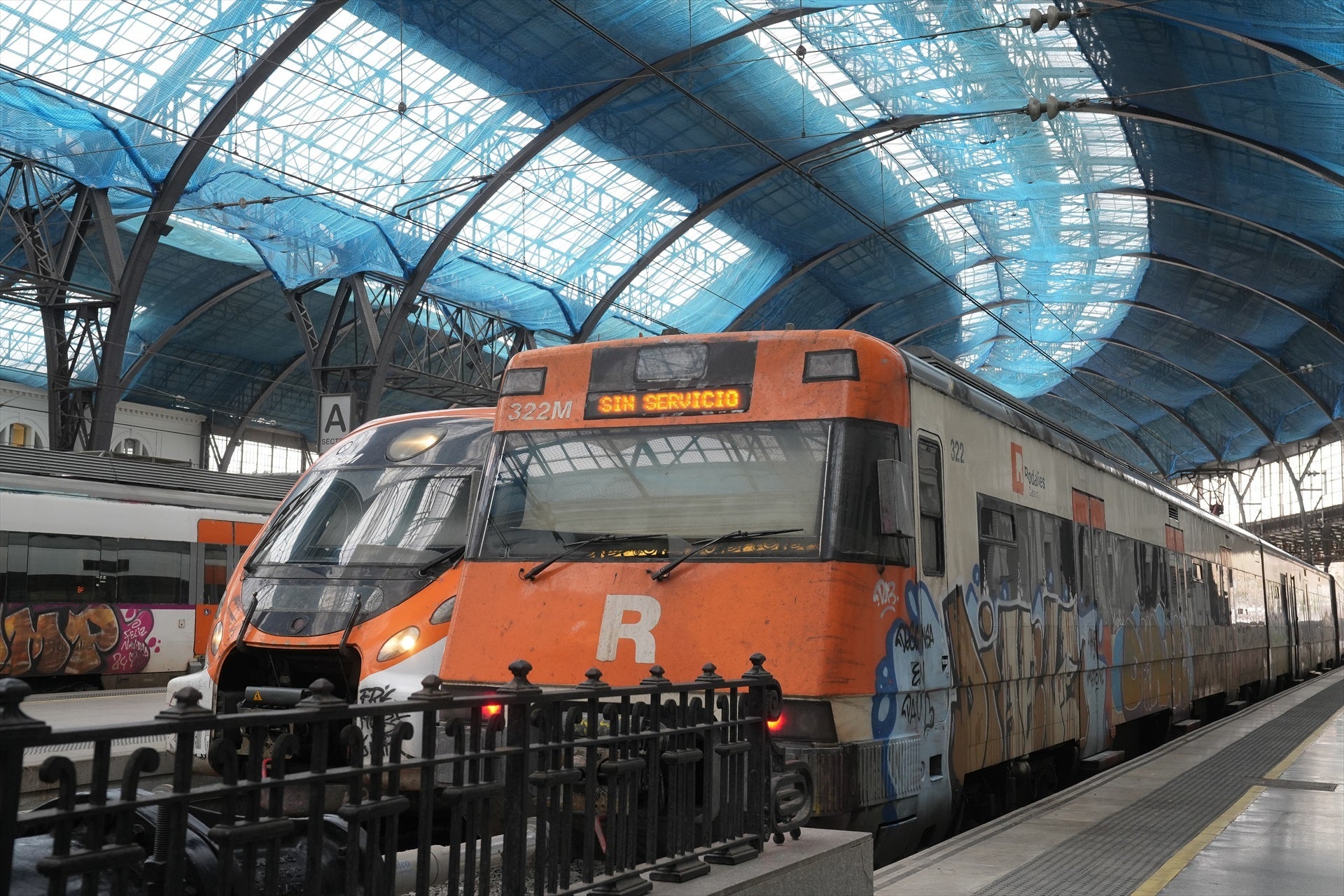
Más de uno
Tertulia: La situación del transporte
01:10:34
Toni Bolaño, María Dabán, Ainhoa Martínez, Rubén Amón y Marta García Aller analizan la actualidad política.
Loading summary
Transcript151 lines
- [00:16]
Carlos Alsina
Estamos estrenando la mañana de un día 22 de enero del año 2026. Solo hay un día como este, 22 de enero de este año, y es jueves además. Y desde las 6 de la mañana les venimos contando, y así sigue, que está suspendido el servicio de cercanías en Cataluña, que a esta mañana sigue sin retomarse la actividad del servicio por causas operativas que no se precisa desde la administración qué causas exactamente son esas, Pero hay una posibilidad, porque habían advertido los maquinistas de que iban a reclamar a Adif por escrito, garantías de seguridad antes de retomar el servicio, y es posible que sea el motivo. Pero bueno, que no está precisa el motivo, pero sí está precisamente acreditado que no hay cercanías en Barcelona, con todo lo que eso, en Cataluña, con todo lo que se supone, todo lo que eso trae consigo, ya lo vimos ayer con lo problemas muy serios, problemas de caos en la movilidad y que seguramente se van a volver a reproducir en el día de hoy. Desde el gobierno catalán están recomendando el teletrabajo, claro, para el que lo pueda desempeñar, que seguramente será una minoría de trabajadores, de personas, el teletrabajo. Se mantiene abierto el peaje para poder facilitar también el transporte en coche para los automovilistas, porque sigue también restringido el tráfico en un punto de la AP-7 debido al accidente que se produjo en el Rodalguías. Esta es la situación ahora mismo en Barcelona, provincia de Barcelona, con todas las dificultades consiguientes. Bueno, los periódicos de la mañana, de un vistazo, salvo el diario El País, que da prioridad en su portada a Groenlandia, los diarios siguen atendiendo preferentemente a los trenes al cercanías en la prensa de Barcelona y al accidente de Adamuz en el resto de los diarios generalistas. Con el ministro Oscar Puente como gran protagonista y con una frase suya que todos los periódicos destacan hoy, es esto de la posibilidad innegable de que un defecto de la vía causara el desastre. Es una posibilidad innegable, pero yo no puedo establecer ese criterio, porque ni siquiera lo hacen los técnicos que están en este momento a cargo de la investigación. Como posibilidad sin duda innegable, dijo el ministro, como hecho probado. Pues no, por lo menos a día de hoy. Varias veces respondió Óscar Puente que aún no hay respuestas concluyentes sobre la causa del descarrilamiento. Y eso para algunos periódicos se convierte en prueba de cargo contra el ministro. La Razón dice que dio muchos datos pero pocas explicaciones y editorializa es un intento bastante pueril de esquivar su propia responsabilidad ante la tragedia de Adamuz, que sólo cabe atribuir al deterioro progresivo de la infraestructura ferroviaria. Subrayo que sólo cabe atribuir. No hay más preguntas. ABC En la misma línea dice Óscar Puentes, incapaz de aclarar datos clave en más de dos horas de comparecencia, desconoce si la causa es delirio o es de la infraestructura. Léase con tono de debería ya conocerlo. Interpreto que ese es el enfoque. Lo desconoce y estamos ya. Fíjate a jueves y el accidente fue el domingo a última hora. En su crónica dice el diario ABC que Adif desconoce si las cámaras que pudieron grabar el accidente estaban operativas porque dijo el responsable de Adif ayer que estas son cámaras de seguridad pero parecidas a las cámaras domésticas, o sea que es posible que sólo graben cuando se produce una intrusión no autorizada en la infraestructura, que no es que estén grabando todo el tiempo. Título de la crónica. La Guardia Civil reclama a Adif las imágenes del accidente. El Mundo pone el acento hoy en los técnicos de las compañías que operan los trenes y que han detectado daños en las ruedas que atribuyen al deterioro progresivo de la vía. Explica que la línea Madrid Andalucía sólo la utilizan trenes de Renfe y de Iryo y que tres trenes examinados presentan esas muescas. Dice que son fuertes rozaduras del tamaño de una moneda de 50 céntimos, un fallo de la soldadura, dice la información que fue a más según pasaba por encima el tren de la compañía italiana. Interpreta El Mundo que ya hay un cúmulo de evidencias que desmonta los argumentos del ministro. Sostiene en su editorial que Oscar Puente ha dedicado sus esfuerzos a diluir los hallazgos sobre la vía, desviando el foco hacia otros elementos. Luego dice que no hay que descartar que aparezcan otros elementos en efecto en la investigación, pero que ya existen estas muescas en los trenes que recorrieron ese tramo. Califica El Mundo de maraña técnica las comparecencias del ministro Maraña dice para diluir responsabilidades. El editorial del País exige a Adif que restaure la confianza de los ciudadanos, pero no se refiere al accidente de Adamoz sino al de Cercanías en Barcelona. Dice que no se puede obviar que no puede obviar Adif el larguísimo historial de incidencias técnicas que arrastra la red en Cataluña. Coincide el editorial de La Vanguardia. Es obvio, dice, que al menos en el caso de Rodalías las deficiencias han sido denunciadas una y mil veces y las inversiones anunciadas no aseguran un mejor servicio. Opina Martí Planck en este periódico que ayer se echó mucho de menos un plus de beligerancia de la Generalitat catalana del Gobierno, que es socialista, para con su hermano mayor de la Moncloa, porque el PSOE gobierna España desde el año 2018 y estamos ya a 2026. El ministro, opina el articulista que ayer ejerció de psicólogo a Ratos Libres cuando atribuyó la huelga de maquinistas al estado de ánimo de estos profesionales en su crónica sobre la investigación de Adamuz. Menciona hoy el diario El País que expertos y maquinistas consultados consideran absolutamente anormales las vibraciones que han grabado pasajeros en otros viajes, aunque a la vez, y como el ministro, estos expertos no llegan a vincular esas vibraciones con el siniestro que se produjo el domingo. Menciona también la crónica este pasaje de la rueda de prensa de ayer en el que le preguntaban a Óscar Puente por qué no comparecían con él los presidentes de Adif y de Renfe No hay ninguna consigna para que el presidente Adif no abre. Hemos elegido las personas que puedan ejercer mejor una portavocía. No siempre es el presidente. No siempre es el presidente. Cabe recordar que fue el presidente de Renfe quien el lunes calculó que entre el descarrilamiento de los vagones de Lirio y el choque con el Alvia habían pasado 20 segundos, que es mucho tiempo cuando vas a 200 kilómetros por hora. Ayer el ministro Puente rebajó ese dato a nadie. Segundos del presidente Renfe. Pues no hemos vuelto a tener noticias. Leo este enfoque en El Periódico esta mañana Sánchez delega la comunicación de la crisis en Óscar Puente y aísla al resto del Gobierno El ministro ha asumido prácticamente en solitario la atención a los medios con un tono, dice la crónica, pretendidamente pedagógico y al hacerlo asume también hipotéticas responsabilidades y protege así al presidente del Gobierno. Y leo este enfoque en el diario ABC dice Feijóo ordena contención contra el Gobierno pese a la presión interna porque dice que hay que probar que no somos como ellos cuando se producen tragedias. Parecido enfoque en La Vanguardia. El PP eleva el tono, pero evita la confrontación con el Gobierno. Por ahora no van a pedir la dimisión de nadie. Añade este diario, por cierto, que la reunión de Sánchez y Feijóo que se suspendió el lunes por el accidente de Adamuz, que se va a reconocer para la semana que viene pero que en el PP no convoca, confirman que Feijóo vaya a acudir porque entienden que el foco hay que ponerlo ahora en la seguridad ferroviaria y no en la agenda internacional. La agenda internacional, por cierto, y en todos los diarios. Hoy es la apertura, por cierto, del diario El País. Ya les he dicho lo de Trump y Groenlandia, este acuerdo que ha anunciado la Casa Blanca, un acuerdo con el secretario general de la OTAN, que vamos a ver en qué queda. Donald Trump dice que ya no hay amenaza por su parte de arancelaria y que el acuerdo va a ser estupendo para todo el mundo y que lo van a agradecer muchísimo los gobiernos de la OTAN. La primera ministra de Dinamarca, lo que ha afirmado hace unos minutos, no sé si porque lo pone en el texto del acuerdo, porque ella quiere pensar que es así, es que esto no va a cuestionar en absoluto la soberanía de Dinamarca sobre todo el territorio de la isla de Groenlandia. Claro, que el interlocutor de Donald Trump sea su mascota, Mark Rutte, genera recelo sobre este acuerdo. Y un par de cosas más que informa El Mundo, lo adelantó ayer en Selección Digital de que vuelve Morante, que reaparecerá el domingo de Resurrección en Sevilla Vuelve casi sin haberse ido, dice Bala de la Serna y que en el ABC le da 4 estrellas de 5. Oti Rodríguez Marchante a la película Hamnet, adaptación de la novela del mismo título. Emocionante de ver, dura de paladear, con momentos visualmente mágicos, armoniosa de formas, áspera de fondos, elocuente, sensible y esclarecedora, o sea que yo diría que le ha gustado.
- [08:29]
Marisol Parada
Más de uno. Onda Cero, Carlos Alsina.
- [08:35]
Carlos Alsina
Vamos a hablar de la patata, que puede parecer lo más sencillo del mundo, pero para que lo parezca antes alguien ha tenido que trabajar mucho e investigar mucho en Somos Hijolusa. Cada patata esconde el secreto de lo sencillo que es que No es sencillo. ¿Cuánto se tarda en preparar una tortilla de patatas?
- [08:51]
Marisol Parada
Parece sencillo, pero se tarda meses. Cómo meses de siembra, recogida, lavado, selección. Somos Hijolusa. El secreto de lo sencillo es que no es sencillo.
- [09:23]
Carlos Alsina
Aquí es el gallo, la torre. Como cada mañana, a esta misma hora. Buenos días, Rafa. Buenos días, Carlos Alsina. Me contaba ayer Leire Iglesias que cuando.
- [09:30]
Rubén Amón
El mundo publicó que la investigación del accidente de Adamuz se estaba centrando en un defecto de la vía, empezó a sonar el teléfono. Era el Ministerio de Transportes, alguien a las órdenes del ministro que les pedía.
- [09:42]
Carlos Alsina
Que abandonasen tal hipótesis. Es más, se lo exigía.
- [09:45]
Rubén Amón
Un disparate inasumible que en ningún caso se estaba planteando la investigación.
- [09:49]
Carlos Alsina
¿Sabían lo que había ocurrido? No, no lo sabían. Pero ya sabían que la vía no.
- [09:54]
Rubén Amón
Había tenido nada que ver.
- [09:55]
Carlos Alsina
Hace unas horas que Óscar Puente compareció.
- [09:58]
Rubén Amón
Lo más encomiable de la cita fue su duración. No se estila, es verdad, una comparecencia sin límite de preguntas.
- [10:04]
Carlos Alsina
Lo reprochable es que los periodistas se.
- [10:07]
Rubén Amón
Fueron con más preguntas de las que habían traído.
- [10:09]
Carlos Alsina
Y es curioso que un ministro que.
- [10:11]
Rubén Amón
No aporta ni una sola certeza sea capaz de descartar tantas certidumbres en esto.
- [10:17]
Carlos Alsina
Es una gestión ciertamente emparentada con el apagón.
- [10:20]
Rubén Amón
No sabemos lo que ocurrió, pero sí que no ha sido nuestra responsabilidad.
- [10:24]
Carlos Alsina
Olvídense del mantenimiento de la vía.
- [10:26]
Rubén Amón
Olvídense de la inversión.
- [10:27]
Marisol Parada
Olvídense.
- [10:28]
Carlos Alsina
Sin embargo, ahora sí admitió que las.
- [10:31]
Rubén Amón
Muescas en las ruedas de Lirio del accidente de Adamuz son una posibilidad innegable de un defecto en las vías. Vaya. Justo lo que había negado.
- [10:41]
Carlos Alsina
Estos vaivenes provocan, desde luego, mucha confianza.
- [10:44]
Rubén Amón
Igual que el cambio inopinado y de apariencia aleatoria de velocidad permitida en la línea Madrid Barcelona. Si ya andaba con el crédito exhausto Óscar Puente, y eso siempre complica todo, no parece que esté en el camino.
- [10:56]
Carlos Alsina
De recuperar la credibilidad.
- [10:57]
Rubén Amón
Mal asunto para la gestión de una crisis. Ala. Buen programa.
- [11:01]
Carlos Alsina
Gracias por madrugar con nosotros, Rafael.
- [11:05]
Rubén Amón
Es mi trabajo.
- [11:11]
Marisol Parada
Hay una luz que lleva 125 años brillando contigo. Esta luz ha llegado a cada rincón de España y cruzado fronteras de otros continentes. Ha transformado nuestras vidas y ahora quiere llegar aún más lejos. Porque lo mejor está siempre por venir. En Iberdrola celebramos 125 años luz junto a ti. Iberdrola. Más de uno en Onda Cero.
- [11:45]
Carlos Alsina
Buenos días, Marisol Parada, ¿Cómo estás?
- [11:47]
Marisol Parada
Buenos días, Carlos Alsina.
- [11:48]
Carlos Alsina
Tendrás unos Callahan para estas personas que.
- [11:50]
Marisol Parada
Ya me acompañan para que descubran las rebajas de Callahan en Callahan es zapatos diseñados para caminar, creados para ofrecerte la máxima comodidad, adaptación y ligereza en cada paso. Gracias a su exclusiva tecnología Adaptation, que se adapta al pie de forma natural y a la cuidada combinación de pieles de primera calidad, forros transpirables y plantillas extraíbles, Callahan consigue un confort único. Son los únicos zapatos que se adaptan a tus pies y a tu forma de caminar. Pruébalos y siente la diferencia de caminar con el zapato más cómodo. Ahora en rebajas Callahan. Tecnología, diseño y confort al mejor precio.
- [12:45]
Carlos Alsina
Tertulio, A partir de este momento, aquí en la radio, en más de uno está Ainhoa Martínez. Buenos días, Ainhoa.
- [12:49]
Marisol Parada
Buenos días.
- [12:50]
Carlos Alsina
Y también María Labán. Buenos días, María.
- [12:51]
Marisol Parada
Hola, buenos días.
- [12:52]
Carlos Alsina
Está Marta García ayer. Buenos días, Marta.
- [12:54]
Marisol Parada
Buenos días, Carlos.
- [12:55]
Carlos Alsina
Y luego también está Toni Bolaño. Buenos días, Toni.
- [12:57]
Rubén Amón
Buenos días, Cara.
- [12:59]
Carlos Alsina
Ya voy, ya voy.
- [13:00]
Rubén Amón
He visto que te has saltado qué.
- [13:03]
Carlos Alsina
Si no hay un orden establecido, ¿Qué me vas a reprochar? No existe ningún orden. ¿Puedo saludar? ¿Como? Buenos días, Amón. ¿Qué tal?
- [13:10]
Rubén Amón
¿Qué tal?
- [13:10]
Carlos Alsina
Bienven. Pues muy bien. Gracias por vuestra presencia en esta mesa.
- [13:15]
Rubén Amón
Me voy a citar porque me voy a citar.
- [13:17]
Marisol Parada
¿Pero qué es esto? ¿Empezamos bien, nos vamos bien, no?
- [13:21]
Rubén Amón
Autobombo.
- [13:22]
Carlos Alsina
Antes de que te cites, tienes una.
- [13:24]
Marisol Parada
Cuenta fake donde te elogias tu micrófono.
- [13:26]
Carlos Alsina
Por algún motivo tu micrófono está siendo saboteado.
- [13:29]
Rubén Amón
Pero para lo que estaba diciendo, total, ni buenos días te va a escuchar.
- [13:33]
Carlos Alsina
No, de momento no se te escucha, así que vamos a cambiarte el micrófono.
- [13:37]
Rubén Amón
Sí, Bueno, tú eres el de Marta. Entonces que me lo acabé de prestar.
- [13:40]
Carlos Alsina
Bueno, pues dejadme que salude al secretario general del SEMAF, que es el Sindicato de Maquinistas, que es uno de los protagonistas de la actualidad de estas últimas horas que tienen, que tiene cosas que hacer y tiene la amabilidad de atendernos. Un minuto. Hablábamos con él, yo creo que anteayer, el martes por la mañana, Diego Martín Fernández, secretario general del sindicato de maquinistas, EMAF, que es el mayoritario entre los maquinistas ferroviarios en nuestro país. Buenos días, Diego. Hola, buenos días y gracias por atenderme en esta jornada. Ahora hablamos del comunicado de ayer y de la convocatoria de la huelga y de cosas que ha dicho también el ministro Puente sobre esa huelga. Pero antes, una duda que teníamos, que venimos arrastrando desde primera hora. Hemos contado que el servicio de cercanías en Barcelona, el Rodalías en Cataluña, no está operativo, en contra de lo que se había anunciado, no estaba funcionando y que el gobierno autonómico todo lo que dice es que son causas operativas. He contado a los oyentes que había una exigencia que habían planteado los maquinistas de cercanías en Cataluña, que era por escrito, garantías de seguridad. Lo que nos preguntamos es si ese es el motivo de que no estén circulando los trenes de cercanía, si el motivo es que los maquinistas de momento, a esta hora de la mañana no quieren o no encuentran garantías suficientes como para retomar el servicio o no tiene nada que ver con los maquinistas.
- [14:55]
Diego Martín Fernández
Bueno, en este caso, desde que se produjo el trágico accidente donde falleció el compañero en Yelida, y se había producido también previamente otro descarrilo, se acordó tanto con todas las partes, Adife, el administrador, Renfe, la operadora, un protocolo para reabrir y recuperar la confianza al final de la infraestructura, porque al final lo que había pasado es que nosotros habíamos denunciado que se tenía que tomar medidas, pues creo que habían inclemencias meteorológicas adversas y podía haber riesgo de desprendimiento, riesgo de cualquier tipo de arrollamiento de objetos extraños en la vía, y no se habían tomado medidas, pues se acordó un procedimiento para reabrir. A lo largo del día de ayer se realizaron trabajos por Adif, pero no se dieron garantías de esa seguridad en la operación y de hecho se nos informó de un escenario en el ámbito de Cataluña, en las infraestructuras, que horas más tarde comprobamos que tampoco era cierto, puesto que había nuevos desprendimientos en ciertos puntos de la red y como no se ha cumplido ese procedimiento, nosotros considerábamos que no había garantías, ni siquiera por escrito, ni asumían esa responsabilidad, que entendemos que no es de los propios maquinistas, para retomar el servicio, o sea que.
- [16:11]
Carlos Alsina
En efecto el servicio no se retoma mientras los maquinistas no tengan garantías de seguridad, que hasta este momento, aunque parecía que se les habían dado, no se correspondía con la realidad y mientras eso no se produzca no va a haber reanudación del servicio, entiendo.
- [16:27]
Diego Martín Fernández
Efectivamente, hay reuniones previstas y el protocolo que se acordó, que era básicamente auditar la infraestructura, elaborar un informe con el estado de cada línea y las deficiencias encontradas para contrastarlo los propios profesionales, porque al final lo que tienen que tener los profesionales es confianza de del estado de las infraestructuras para poder circular por ellas y cuando se produzca todo ese procedimiento que al final se acordó horas después de producirse el accidente, pues se retomará el servicio. Lo que nos extrañó es básicamente que ayer se anunciase esa reapertura del servicio por toda la administración cuando realmente sabían por qué les habíamos reportado que teníamos que cumplir ese procedimiento para.
- [17:15]
Carlos Alsina
¿Y el maquinista que no presta servicio se puede enfrentar a algún tipo de responsabilidad desde el punto de vista legal? ¿Puede ser o sancionado, por ejemplo, por no haber cumplido con su trabajo en un día como este?
- [17:33]
Diego Martín Fernández
Pues eso no lo sabemos. Pero bueno, como bien sabes, al final los profesionales, que al final somos los que desafortunadamente ha quedado demostrado que nos jugamos la vida, consideramos que necesitamos unas garantías que no nos Casi preferimos mantener la integridad de los usuarios y de los propios profesionales que el trabajar simplemente por dar servicio con una calidad que no es la corriente. Además de que existen medidas incluso desde los propios trabajadores y de los propios delegados de seguridad para paralizar una serie de infraestructuras y consideramos que no reúnen las características técnicas adecuadas.
- [18:11]
Carlos Alsina
Diego, el martes cuando hablamos, recuerdo que te voy a tutear, si no te importa. Tú nos decías sobre el asunto, este accidente de Adamuz y sobre las quejas, denuncias que ya habíais presentado en la carta famosa del mes de agosto dirigida a la Agencia de Seguridad Ferroviaria. Y tú nos decías que no se trataba de cuestiones relativas a la seguridad, que si hubierais tenido alguna duda o alguna sospecha de que estaba en peligro la seguridad en algún punto, en algún tramo de la vía, lo que habríais hecho es demandar la paralización del servicio y no mejoras en el mantenimiento, etc. Pero en el comunicado que difundisteis ayer convocando la huelga, veo que sí habláis, lo comentamos ayer aquí, que sí se habla de la necesidad de demandar garantías para la seguridad y te pregunto si esto es un paso más que dais. Lo que estáis diciendo ahora es que los defectos que veníais denunciando, falta de mantenimiento, mayor desgaste de la vía, sí suponen un riesgo para la seguridad de los maquinistas. ¿Y de los pasajeros de los trenes?
- [19:09]
Diego Martín Fernández
Bueno, lo que consideramos es que lo que sí se considera un riesgo para la seguridad es que nosotros reportemos y al final normalicemos el que no se nos escuche. Eso sí que creemos que al final es el riesgo que estamos denunciando. Realmente ha quedado desafortunadamente patente con los nuevos accidentes y el trágico fallecimiento de otro compañero y la afección de otros compañeros que nosotros también habíamos denunciado en este caso que se tomasen medidas por la situación meteorológica que se estaba viviendo en Cataluña en el mismo día que se han producido dos descarrilamientos con el trágico fallecimiento de esta persona.
- [19:51]
Carlos Alsina
Entiendes que la pregunta que se hacen los usuarios, que nos hacemos los usuarios de los trenes ahora mismo entonces ¿Es seguro o no es seguro viajar en tren en España?
- [20:01]
Diego Martín Fernández
El escenario ferroviario en general es seguro, lógicamente porque existen procedimientos. El problema es que si los procedimientos no funcionan por los responsables o realmente no tratan la información que le aportamos los profesionales que estamos diariamente y en primera línea, pueden existir riesgos que tienen que asumir esos responsables, no los propios trabajadores o los usuarios. Entonces el sistema ferroviario es seguro en su conjunto pero tiene que mejorar muchísimo y lo que tienen que hacer es, por lo menos en este caso entendemos que es escuchar a los profesionales.
- [20:32]
Carlos Alsina
El ministro Puente dijo ayer dos cosas cuando le preguntaron esta rueda de prensa sobre la huelga que tenéis convocada en Semaf La primera es que él entiende que es la situación anímica de los maquinistas lo que ha traído como consecuencia esta convocatoria, es decir, que la sucesión del accidente de Adamuz y luego los accidentes de ayer de cercanías, de rodalías en Cataluña, que eso es lo que ha llevado desde el punto de vista anímico dar el paso de convocar una huelga. ¿Cómo recibís vosotros esa explicación que da el ministro?
- [21:05]
Diego Martín Fernández
El estado de ánimo, como puedes comprender, todo el colectivo puede estar mejor o peor. Lógicamente cuando fallecen compañeros prestando servicio no es agradable para nadie, somos profesionales, con lo cual se ha mantenido el servicio en la totalidad de la red a excepción de Cataluña que se han producido unos nuevos accidentes y no tiene nada que ver el estado anímico con las decisiones que toma el colectivo al final de reclamar que al final ese ferrocarril tiene que tener cambios puesto que no es normal. Podemos considerar un hecho trágico, un accidente en Adamuz con ese trágico desenlace. Pero lo que ya no es normal es que se produzcan accidentes en 48 horas de las mismas características y que encima se reporten por parte de los profesionales y no se hayan tomado medidas.
- [22:01]
Carlos Alsina
¿Y qué tiene que pasar? Porque el ministro lo otro que anunció es que tiende la mano, que quiere diálogo, que. Que se sienta a hablar con vosotros a ver si se puede desconvocar la huelga. ¿Qué tiene que pasar para que la huelga no se llegue a producir? ¿Para que haya una desconvocatoria antes del día 9?
- [22:15]
Diego Martín Fernández
Pues eso lo veremos, puesto que es el único mecanismo legal que ahora disponemos los profesionales para poder demandar cambios en el sector. Les presentaremos los necesarios al Ministerio y a toda la administración competente al final en el ferrocarril y veremos si somos capaces de cambiar. Básicamente porque lo que está claro es que algunos procedimientos y algunas responsabilidades no están cubiertas, puesto que hemos tenido diferentes accidentes en poco espacio de tiempo y ha habido un fallo al final en todo este sistema ferroviario.
- [22:51]
Carlos Alsina
Y la última que te planteo en tu condición de maquinista, de todo lo que se está contando sobre el accidente de Adamuz, las llamadas que hemos escuchado entre el centro de Atocha y el Irio, también con el Alvia, ¿Tú llegas a alguna conclusión ya? ¿Quien lleva un tren de alta velocidad 200 kilómetros por hora, si por ejemplo hay un defecto en un tramo de la vía, puede llegar a sentir o a notar algo que le permita saber qué es exactamente lo que ha sucedido?
- [23:22]
Diego Martín Fernández
En el caso de los compañeros que circulaban en El Lirio, lo primero reivindicar su excelente profesionalidad, puesto que han actuado según todos los procedimientos. En determinados casos, dependiendo de la distancia, los movimientos, todos los ruidos y todo lo que se produce está muy próximo a la cabina, pues puede llegar a saber lo que ocurre. Si quedan muy distantes a la cabina, como es en el caso, pues lógicamente no es apreciable y muchas veces notamos cualquier golpe, vibración, que puede indicarnos una cosa y parecer otra, o al revés. Con lo cual tenemos muy sensorizados los trenes, con muchísimos datos, pero en muchas ocasiones, hasta que no hay una inspección visual no se puede determinar cuál es la causa de una frenada de emergencia, de un impacto o de una vibración.
- [24:13]
Carlos Alsina
Te dije que era la última, pero era la penúltima Ayer, el responsable de Adif que compareció en la rueda de prensa explicó sobre este asunto de los límites temporales de velocidad que se pusieron en un tramo de la vía Madrid Barcelona y luego luego se levantaron. Luego se han puesto límites en otro tramo de esa misma línea, pero es un tramo diferente. Y lo que le explico es que esto es lo que se hace habitualmente cuando hay denuncias o avisos, llamémoslo así, de los maquinistas que advierten de puntos en los que se producen circunstancias que les hacen temer que no esté bien la vía y que entonces se limita temporalmente la velocidad, se arregla lo que haya que arreglar y luego se vuelve a levantar el límite. ¿Esto es así de frecuente o es ahora, a raíz de lo de Adamuz, que hay una mayor sensibilidad y que entonces Adif está procediendo a poner límites temporales con más facilidad de lo que lo hacía hasta este momento o viene sucediendo en los últimos meses, aunque no se haya informado de ello?
- [25:06]
Diego Martín Fernández
Pues hombre, normalmente estamos hablando en el caso concreto de esta limitación que se ha interpuesto. Hemos reportado los maquinistas centenares de veces a los responsables de circulación y al administrador de infraestructura todos estos defectos y casualmente ahora se han puesto esta limitación temporal cuando llevábamos año y medio o dos años demandando que se tomasen medidas y que se mejorase la infraestructura. Esta limitación no sabemos por qué se ha establecido, se ha quitado, se ha vuelto a establecer cuando nosotros venimos reportando desde, ya decía, desde hace año y medio estos hechos y ojalá fuera un sistema de reporte, porque lo hacemos realmente en persona en los trenes, al responsable de circulación y a través de la operadora cuando hemos finalizado el servicio. Ojalá existiese un sistema más eficiente, puesto que vemos que hasta ahora no ha funcionado de esa manera.
- [26:05]
Carlos Alsina
Lo que se hace es, durante el propio trayecto, el maquinista percibe cualquier cosa en la vía, una vibración excesiva o algo que le parece que no debería producirse, informa en ese mismo momento a la persona que es la interventora que va en el tren y cuando termina.
- [26:21]
Diego Martín Fernández
El trayecto lo vuelve el responsable de circulación. En ese momento avisamos a otros profesionales que son los responsables de circulación que están a la otra los que dirigen al final la circulación de los trenes y son los que establecen porque trabajan para administrador de infraestructura y son los que establecen o no y toman decisiones para establecer limitaciones de velocidad temporales y en algunos casos se llevan reportando muchas veces y no sabemos por qué el administrador al final es un conjunto, porque al final todos somos ferroviarios y todos que trabajamos en pro del ferrocarril, pues no sabemos por qué esos reportes que realizamos muchas veces los maquinistas no se tienen en cuenta o ya se normaliza el estado de la infraestructura. El problema es que se normalice, que al final los maquinistas no tengan respuesta a esos reportes.
- [27:16]
Carlos Alsina
Es que ayer decía, de los 25 avisos que hay en este tramo de la línea Madrid Barcelona, 23 o no sé cuántos dijo 23 son del mismo maquinista, pero hay que atender a esos avisos y por tanto se toma esta decisión de limitar temporalmente la velocidad, pero que es un mismo maquinista el que ha dado la mayor parte de los avisos. No sé si eso, si eso a ti te suena.
- [27:37]
Diego Martín Fernández
Hombre, nosotros tenemos registros de centenares de maquinistas reportando en esos mismos puntos y hasta ese momento no se había tomado ningún tipo de medida, con lo cual entendemos que que ahora después del accidente producido, pues están tomando medidas, pero antes no era con esa facilidad, puesto que tenemos registros además. Eso es todo esto es trazable. Me imagino que en todas las investigaciones técnicas, en todas las investigaciones ferroviarias y en las auditorías que establecen desde la Agencia Estatal de Seguridad Ferroviaria se puede comprobar que centenares de maquinistas han reportado el estado no de esa línea, sino de todas las líneas y muchas veces no han recibido ni siquiera respuesta.
- [28:16]
Carlos Alsina
Diego, gracias por habernos atendido esta mañana. Que tengas buen día.
- [28:21]
Diego Martín Fernández
Muchas gracias.
- [28:22]
Carlos Alsina
Secretario General del Sindicato de Maquinista Semaf ¿Algún comentario que querréis hacer sobre lo que acabamos de escuchar? Bueno, primero la noticia de que en efecto, nos confirma el responsable de SEMAF de que la causa de que no haya cercanías en Cataluña esta mañana es que los maquinistas se han negado a prestar servicio porque entienden que no se les han garantizado la seguridad y que incluso muestra su sorpresa por el hecho de que ayer el gobierno catalán anunciar el restablecimiento del servicio cuando los maquinistas habían dicho que no había garantías porque se estaba produciendo algún otro desprendimiento que podía poner en peligro. Recordamos que el accidente desgraciadamente mortal de anteayer es porque un muro de contención de la P se precipita, se desmorona y se precipita sobre la vía. Esa es la causa del accidente. Pero que el motivo de que hoy no haya cercanías es este. Causas operativas es que no hay quien lleve los trenes, para entendernos, mientras no haya garantía de seguridad. ¿Alguna cosa queréis decir sobre la conversación con el responsable de SEMAF antes de que hagamos una pausa?
- [29:17]
Rubén Amón
Pues sí, a ver, ayer después de la reunión que hubo del presidente de Renfe con los maquinistas en la estación de Sants, en el Barcelo Sants, el hotel que está justo encima de la estación, ya quedó patente que la cosa no iba bien porque los maquinistas hicieron unas exigencias que era simplemente que les garantizaran por escrito el tema de la seguridad. Eso no se produjo y ya se veía que la cosa no iba a ir bien. Hoy. Hoy el gobierno catalán ha expedido en toda Renfe por no prestar el servicio, pero hay 400 mil personas que estarán teletrabajando en el coche básicamente porque los atascos son monumentales. Decías una cosa Carlos, hace un rato, que es que se han eliminado los peajes. Han eliminado los peajes de la C 32 que es la otra autopista que comunica Barcelona con Tarragona. Pero voy a dejarlo encima de la mesa. La AP-7 no tiene peajes desde el 31 de agosto del 2021. La AP no tiene un mantenimiento que antes la empresa Vertis, la concesionaria, tenía obligación de hacer. Bueno, pues a lo mejor nos hemos de plantear si el modelo de no peajes sin mantenimiento provoca situaciones como las que se produjeron ayer, porque desde el año 21 coger la p una aventura, hay atascos, hay colapsos, hay accidentes, hay un deterioro paulatino. Llevamos cuatro años y ha pasado esta situación, con lo cual mal vamos. Y desde el gobierno no apuntan de que la situación de los maquinistas cambie de hoy para mañana, o sea que el colapso va a ser monumental. Hay que decir, perdón, una cosa que en general la red ferroviaria segura, en general, a mí lo que me preocupa es dónde no es segura y en qué matices y en qué aspectos. Por eso hablamos siempre de este estado de ánimo y de su gestión. Esperamos que subiese al tren, ya lo sabemos, no es una operación de riesgo, pero la atmósfera de psicosis que nos ocupa. Me parece que sí es inquietante y.
- [31:22]
Marisol Parada
Por eso conviene prudencia, porque yo creo que esto se está proyectando como un conflicto entre Adif, entre el gestor del servicio y entre los maquinistas a los que se les sitúa como personas que no quieren trabajar, que no quieren subirse a los trenes, cuando lo que se está trasladando a la ciudadanía es una crisis de confianza. Una crisis de confianza en uno de los sistemas más vertebradores, que son el tren, más democráticos. Todo el mundo se sube a un tren y antes todo el mundo lamentablemente asumía que si se subía un tren podía enfrentarse a ciertas incidencias, a retrasos, a no llegar en hora a trabajar, pero ahora lo que se está trasladando es la sensación de que puede no ser seguro subirse a un tren en ciertos tramos de la red y eso es muy peligroso para la ciudadanía, para esa crisis de. Es significativo también esto último que ha dicho, que hay registros de centenares de maquinistas en esos mismos puntos donde se ha rebajado la velocidad, Es decir, no es la queja de uno, que es que pone muchas porque debe ser un pesado, que prácticamente eso es lo que se insinuaba ayer, sino que si hay centenares de reportes, a lo mejor es que efectivamente hay que hacer una reflexión o un análisis en profundidad de unas vías que al parecer y según los maquinistas e incluso uno de los fallecidos, uno de los tripulantes que iba en el tren, accidentado en uno de los trenes, Agustín Fadón, dice que le comentaba a su familia que tenía miedo, porque dice que ellos no se sentían ya seguros en los trenes. Entonces a lo mejor habría que hacer un plan para hacer una revisión de nuevo de toda la infraestructura, algo que dé también tranquilidad, no solo a los maquinistas, sino también a los usuarios, porque tiene razón Rubén, hay unas especie de psicosis. Ayer se veía unas imágenes de uno de los sirios que iba a Barcelona, iba prácticamente vacío. Entonces yo creo que hay que recuperar un poco la confianza y para eso el gobierno tiene que hacer un esfuerzo también. La comparecencia de ayer del ministro de dos horas y cuarto, respondiendo sin límite de preguntas, creo que va por la buena dirección, porque no es a lo que otros responsables políticos nos tienen acostumbrado, pero ir al tran tran de filtraciones ha contribuido mucho a generar esa sensación de desconfianza. Porque a lo mejor efectivamente reducir la velocidad de la vía es parte del protocolo. Cuando cualquier maquinista dice que hay algún tipo de incidencia. Y no es de extrañar que en un momento como éste esté todo el mundo mucho más sensible a cualquier incidencia. Cosas que a lo mejor en otro momento hubieran pasado por alto, no le daban importancia. Ahora está todo el mundo con todos los ojos puestos. Pues si eso es protocolo, si es normal que en unos tramos haya una velocidad y en otro otra. Nos lo tenían que haber explicado antes, porque ahora a enterarnos después parece que lo estuvieran ocultando cuando en realidad no es más que el procedimiento habitual.
- [34:08]
Rubén Amón
Y además ayer los trenes no es que fueran todos vacíos, depende de la.
- [34:13]
Marisol Parada
Compañía, depende de los imágenes, ya digo en el telediario.
- [34:17]
Rubén Amón
¿Pero por ejemplo el de ayer que salía a las 8 de la noche, el oigo que salía a las 8 de la narde de aquí de Atocha, llegó a las 12 y cuarto de la noche a Barcelona y además todos los pasajeros recibían un mensaje diciendo por restricciones de velocidad, etc. Y luego yo me pregunto por qué el Gobierno, el Ministerio de Transportes en concreto, cada vez que hay un conflicto, en lugar de intentar buscar la solución, busca el enfrentamiento? ¿No os acordáis de la señora Raquel Sánchez, que también fue ministra después del señor Ábalos y antes del señor Puente, cuando se enfrentó a los camioneros, que eran todos unos peligrosos activistas de un partido político muy determinado? Y ahora. Es que claro, ayer yo flipé cuando desde el Gobierno, desde Adif, se sacaba un comunicado es que un solo maquinista es el culpable. A ver, si solo es un maquinista, es un culpable y ese maquinista es un descerebrado. ¿Por qué se reduce la velocidad? ¿Es que le dan credibilidad esas denuncias? Porque si no también a lo mejor.
- [35:24]
Marisol Parada
Conviene en esta idea de transmitir tranquilidad, al menos calma, que no todo reporte de una incidencia tiene implicaciones en la seguridad.
- [35:33]
Rubén Amón
Totalmente.
- [35:33]
Marisol Parada
Que hay incidencias que tendrán que ver con la seguridad y otras que son cosas que no están todo lo bien que deberían estar. Y lo que nos ha dicho ahora la persona a la que entrevistaba Carlos no se ha atrevido.
- [35:43]
Carlos Alsina
Este es el asunto que. Que hasta el martes hablamos con esta misma persona, con Diego, el Secretario General del SEMAF, y él insistía en que las quejas o los avisos de los maquinistas no guardaban relación con la seguridad, que en ningún momento estaban diciendo que estuviera en riesgo la seguridad ni de los maquinistas ni de los pasajeros. Que lo que venían denunciando desde agosto son fallos que se producen. Fallo se refiere a que en un punto de la vía de alta velocidad, pues por lo que sea, tiene más desgaste el raíl de lo que debería y entonces se produce una vibración o un bote o como un bache, que es lo que yo creo que lo decimos en términos un poco coloquiales, pero bueno, ellos también lo usan, un bache. Entonces se trata de avisar de que eso pasa para que vayan allí a reparar el bache. Que esto es lo que se hace en las labores de mantenimiento durante la noche, que es lo que se ha hecho en el tramo que quedó limitada la velocidad anteayer y que supongo que esta noche se ha hecho en el tramo que quedó limitada ayer. Lo que está diciendo ahora, ahora sí se reacciona a lo que estamos diciendo cada día, cada día, incluso con comunicados como este de quién es el maquinista que haga lo que quiera, ahora sí se reacciona. Y hasta ahora no nos hacían caso, es decir, no se procedía a inmediatamente reparar la vía, pero es que ahora ellos sí están hablando de seguridad y hasta ahora no lo hacían. Y yo creo que entiendo que lo que están pidiendo es que se les escuche y que el gobierno les atienda. Pero claro, cuando ya introduces el elemento de la falta de seguridad en las vías, entonces estás sugiriendo que va más allá de la comodidad. Claro, hasta ahora ellos hablaban de la comodidad del pasajero y del propio maquinista y del hecho de que los baches constantes lo que hacen es hacen más probables las averías en los trenes, más probable que se produzca un fallo que obligue a parar el tren o a que el día a reducir la velocidad, pero todo eso no tiene nada que ver con el riesgo para quien va en el tren. Cuando ya introduces el elemento de la seguridad ya estás dando un paso que inquieta, Claro que inquieta y por eso yo creo hay que ser muy prudente. Bueno, vamos un momento a la estación de Sants. Antes de hacer una pausa os voy a permitir que reflexionéis sobre estas cosas que habéis dicho vosotros mismos, porque en la estación de Sants, además de alta velocidad tiene servicio de cercanías. Y el servicio de cercanías, insistimos, no sólo que está suspendido, ha dicho el ministro que él confía en que se retome. Después de escuchar al SEMAP, me da la impresión de que hoy no se retoma el servicio cercanías y eso lo van conociendo muchos usuarios. Al llegar a la estación está Ana Utiel para informarnos de lo que está pasando allí, de lo que está diciendo el Gobierno de Cataluña. Ana, buenos días.
- [38:13]
Marisol Parada
Hola, buenos días. Pues sí, es constante aquí la llegada de usuarios, que como ayer se dijo que se iba a retomar este servicio, todo el mundo ha acudido hoy aquí para ir a sus trabajos y para desplazarse porque pensaban que podrían y al llegar se dan cuenta de que no, que eso, que las pantallas siguen en negro, no anuncian ningún tren de cercanías aquí en Sants, pues sólo funciona la alta velocidad y la larga distancia. Así que al llegar aquí hay mucho personal de la estación dando esa información a los pasajeros, también personal del Ayuntamiento de Barcelona que ha puesto a disposición de los usuarios para explicarles qué alternativas tienen, ya sea autobús, ya sea metro, sea Ferrocarriles de la Generalitat. Pero el caso es que aquí hay mucha incertidumbre y muy poca información. Y mientras tanto, el comisionado del traspaso de rodalias de Cataluña que espera Macías, ha dicho que va a abrir expediente el Govern a Renfe por esa negativa de los maquinistas a circular hoy. Porque recordemos que todo esto viene porque los maquinistas están hartos de esa inseguridad que dicen que sufren y que se ha visto en accidentes como el que provocó la muerte de un maquinista este mismo martes. Bueno, pues aquí la situación es esa. Y por cierto, recordemos que los usuarios tienen una opción que es coger el coche, aunque es también bastante caótica porque hay retenciones por el corte del AP-7 provocado también por ese accidente. Y el túnel del garraf en la c 32 ahora mismo está suspendido.
- [39:44]
Carlos Alsina
Es un efecto dominó, si no hay cercanía, si se coge el coche, el problema es que hay mucha más circulación y por tanto muchas más posibilidades de atacar. Bueno, Gobierno autonómico de Catalán El Gobierno catalán abre expediente a la compañía Renfe. Recordamos que la competencia sobre la infraestructura ferroviaria es de Adif. El expediente se le abre a Renfe. Por eso le preguntaba yo al responsable de SEMAF si los maquinistas se enfrentan a posibles acciones legales contra cada uno de ellos por no haber atendido con su obligación laboral, que es llevar el tren. Alegan razones de seguridad y supongo que eso también le servirá para protegerse de posibles sanciones o castigos por no estar haciendo el trabajo de llevar los trenes de cercanías. Voy a hacer una pausa con vuestro permiso, incluso sin él. Son las nueve y diez minutos, una hora menos en las Islas Canarias y enseguida retomamos el análisis y tendremos ocasión de decir algo más, supongo, sobre la comparecencia del ministro y de los responsables de Adif y de Renfe en la tarde noche del día de ayer. 9 y 18. Estamos aquí en tertulia con Ainhoa Martínez, con María Daván, Tonio Bolaño, Marta García, Ayer Rubén Amón. Enseguida recibimos a Ignacio Urquizu, que sé que es jueves y que tenemos que repasar el estado de la opinión, pero antes me permitís que saludemos a uno de los pasajeros que iba en el tren siniestrado en el Irio. Iba en el vagón número 5. Sabéis que el 6 es el primero que descarrila. Ayer dijo, por cierto, el ministro Puente, entre las cosas que dice, dijo que ni siquiera los investigadores confirman que es que el punto este que hemos visto, donde falta un trozo de carril, los treinta, cuarenta centímetros, que no confirman que ese sea el origen del descarrilamiento. Hasta ahora todos pensábamos, pues será ahí donde ha empezado, haya sido culpa de la vía, haya sido que se ha desprendido algo del tren, será en ese punto en el que empieza el descarrilamiento del vagón número 6. Ayer dijo que ni siquiera eso está acreditado todavía. Hay que examinar, o se están examinando también metros antes de ese punto en concreto, por si hubiera empezado antes el suceso que desencadena la situación tan dramática que venimos contando desde el domingo por la tarde. Bueno, pasajero delirio, que se llama Augusto Zunzunegui y que además me contó el profesor Rodríguez Brown, que es conocido de la familia, o sea que. Augusto, buenos días.
- [42:02]
Augusto Zunzunegui
¿Qué tal? Buenos días, Carlos.
- [42:03]
Carlos Alsina
Buenos días. ¿Conoces a los hijos del profesor Rodríguez Brown?
- [42:07]
Augusto Zunzunegui
Conozco uno, efectivamente, a los hijos y al profesor también, de hace muchos años.
- [42:12]
Carlos Alsina
No son mala gente. No son mala gente los hijos. Bueno, Augusto, cuéntanos, porque una de las cosas que desde el desconocimiento general que tenemos todos sobre qué siente o no siente quién va en la cabina del maquinista, lo que está pasando en el resto del convoy. Una de las cosas que se viene comentando, ¿Cómo es posible que el tren iryo, cuando el vagón número 6, 7 y 8 se salen de la vía y viene de frente, por la vía contigua, viene el Alvia y se rozan, aunque sea sólo un roce, hablamos de 200 kilómetros por hora? Y eso puede traer consecuencias como las que hemos visto. Pero cómo es posible que no se enteren quienes van dentro del. ¿Que el maquinista no sienta que se ha producido ese roce o ese choque? Incluso los pasajeros que van dentro del tren. Tú que ibas en el vagón número cinco, ¿Tú llegas a notar que ha pasado algo con el otro tren que habéis visto que viene por la vía contigua o no?
- [43:10]
Augusto Zunzunegui
Pues mira, nosotros lo primero que notamos es en el coche 5, porque hablan mucho del coche 6, pero en el coche 5, al principio, donde íbamos nosotros sentados, que íbamos en la fila 1 y 2, un golpe metálico por debajo brutal. Es un golpe seco por debajo, como si nos diera algo por debajo del tren. Y en ese momento el tren se mueve y empieza a traquetear primero, como a dar muchos botes y a moverse de un lado a otro. En ese momento yo intento proteger a mi hija, que iba sentada a mi lado, y aviso a mis otros hijos y a mi mujer, que iban al otro lado del pasillo, que se agacharan y se cubrieran la cabeza para protegerse, porque yo pensaba que íbamos a volcar ahí. Eres consciente de que has descarrilado y en ese momento pasa el otro tren. Pero se movía tanto el tren traqueteando y moviéndose de un lado a otro, como si fuera de papel, que nosotros desde el coche 5, desde luego no fuimos conscientes. No se oyó un golpe, aparte fue todo constante y en un ruido horrible y un movimiento horrible del tren.
- [44:23]
Carlos Alsina
Me dices que tú.
- [44:24]
Augusto Zunzunegui
Si el conductor no sé cuántos metros, no se da cuenta. Yo lo veo totalmente normal.
- [44:30]
Carlos Alsina
Me dices que tú temiste que volcara el coche número 5, que es en el que tú con tu familia ibas.
- [44:37]
Augusto Zunzunegui
Sí, Sí, porque el golpe por debajo del tren nos hace darnos cuenta que algo ha pasado. Y acto seguido, el movimiento no es como las vibraciones que puedes notar, o los movimientos de otros días, o que hemos visto vídeos, sino que es un movimiento totalmente antinatural, de lado a lado y botando encima de la vía. Nosotros pensábamos en las traviesas, pensábamos que habíamos descarrilado. Y se mueve tanto que yo en un momento dado pensé bueno, se acabó todo, vamos a volcar y que sea lo que Dios quiera.
- [45:23]
Carlos Alsina
La sensación es de que algo impacta en la parte de abajo del vagón en el que vosotros vais, del coche número 5. Es verdad que hablamos de sensaciones. Es decir, puede ser que lo que haya ocurrido es que asalta un trozo de la vía y que entonces, en ese momento en el que la rueda pierde contacto con el trozo que falta de la vía, se sienta dentro del coche como si fuera el impacto de algo. Pero vuestra sensación, tu sensación fue que algo había impactado en los bajos del tren, en el coche en el que vosotros ibéis, que es justo el anterior al que primero descarrila. Es eso, ¿No?
- [45:55]
Augusto Zunzunegui
Exacto, esa es la sensación. Y el ruido metálico brutal debajo de nuestro asiento.
- [46:02]
Carlos Alsina
Una vez que ya se produce el tren, se para, se activa el freno de emergencia, como hemos contado, el maquinista hace la primera llamada al centro de Atocha para informar de que está parado el tren, que se ha perdido su eléctrico y todo lo demás. ¿Cuánto tiempo pasa desde que se produce esa situación? Veis que el tren se ha parado, afortunadamente vuestro coche no ha volcado, seguís ahí. ¿Cuánto tiempo pasa hasta que empezáis a saber exactamente lo que ha ocurrido y se produce la evacuación del tren y la llegada de los primeros servicios médicos y de los bomberos y todo lo demás?
- [46:33]
Augusto Zunzunegui
Pues mira, nosotros. El coche se para a las ocho menos cuarto, porque justo en ese momento mi mujer llama al 112 y reporta el accidente. Le hemos tenido un accidente en el Lirio, que ha salido de Córdoba a las 7 y media. Hemos descarrilado y hay heridos. Porque en ese momento se oía desde el coche 6, que estábamos todos a oscuras, pero se oía médico, ayuda, etc. Entonces pedimos ayuda al 112. La tripulación de Lirio vino enseguida. Me gustaría recalcar que fue espectacular la calma que transmitieron y los mensajes. Creo que hay un vídeo de uno de los tripulantes que lo que hace es transmitir calma y va hacia los coches 6, 7 y 8 a ver lo que pasa y a solicitar ayuda si hay médicos en el pasaje, etc. Eso desde la llamada a las ocho menos cuarto hasta que aparece pegado al tren la primera ambulancia, pasa media hora. La primera ambulancia aparece a las 8 y cuarto y a partir de ahí empiezan a llegar vehículos de emergencia. Durante todo ese tiempo, tanto los pasajeros que estábamos en el 5 como la tripulación de Lirio, ayudaron a intentar hacer los primeros auxilios a las personas del coche 6 que tenían algunas heridas, sangrando, e intentaron, los que no estuvieran heridos, que fueran a asientos libres de otros vagones. A nosotros nos evacúan del tren, somos el último vagón en evacuar, por el vagón 2, nos llevan hasta el vagón 2, nos evacúan y nos llevan.
- [48:26]
Ignacio Urquizu
A.
- [48:27]
Augusto Zunzunegui
Una zona de espera donde estábamos los que no teníamos heridas físicas, donde hay un apeadero o una caseta técnica de Adif en Adamuz. Ahí nos dejan pegados al tren mientras evacúan todo el tren, etc. Nos sacan del tren a las nueve menos cuarto, es decir, una hora más tarde del accidente. A nosotros, que somos el último vagón en evacuar, mientras están las labores de rescate, Guardia Civil, Protección Civil, Bomberos, ambulancias, etc. No somos conscientes de que hay otro tren. Nosotros no teníamos ni idea, Nosotros pensábamos que habíamos descarrilado. Es verdad que pasa el otro tren, cuando estamos traqueteando por la vía, pasa el otro tren, pero como te decía al principio, no somos conscientes de que ha golpeado y no sabemos qué ha descarrilado. De hecho, hasta las nueve y media, diez menos quartz, dos horas más tarde del accidente, no aparece una persona desde la vía andando, solicitando ayuda. Y de hecho, el tripulante que nos había calmado en el tren, Sube al coche 8, que está volcado y por favor, médico, si hay algún enfermero en el pasaje, si hay médico en el pasaje, por favor, hay otro tren y está peor que nosotros. Y en ese momento, Guardia Civil, Bomberos, ambulancias, empiezan a correr por la vía desde nuestro tren hacia el Alvia, que estaba no sé cuántos metros más lejos, y que nosotros ni veíamos ni éramos conscientes de que estaba ahí.
- [50:10]
Carlos Alsina
Son como 700 metros por lo menos. Pero entonces, la primera noticia que tenéis y que tienen los equipos médicos y los bomberos que están trabajando en el Lirio, de que el Alvia también se ha salido de la vía y que también está sin estrella. La primera noticia que tenéis es por una persona que iba en el Alvia, que viene caminando por la vía para pedir ayuda dos horas después de que se haya producido el accidente.
- [50:33]
Augusto Zunzunegui
Sí, nosotros desde luego, los que estábamos ahí y los servicios de emergencia que estaban ahí, tampoco sé si lo sabían, pero prefirieron dar primero auxilio a nuestro tren, que era el primero que se encuentran, y también porque al otro tren no se podía llegar, salvo por la vía. Pero cuando llega esa persona y avisa, lo que nos cuentan después es que esa persona lo que dice. Yo veía las luces de los servicios de emergencia a lo lejos y pensaba ¿Pero por qué no vienen? Y entonces decidió andar hacia las luces, porque ellos tampoco sabían que había otro tren. Yo creo que ellos tampoco fueron conscientes de que chocaban contra el nuestro.
- [51:13]
Carlos Alsina
Claro, ni los del Alvia sabían que el Lirio estaba siniestrado. Ni los de Lirio sabían que el Alvia estaba siniestrado. Y esta persona que llega viendo las luces de los equipos de emergencia para pedir la ayuda, esta persona era un pasajero del. No sé si lo sabes. Era un pasajero. ¿Sabes si era pasajero tripulado?
- [51:31]
Augusto Zunzunegui
Lo que nos han dicho es que era un pasajero del Alvé. Y cuando llega, habla con el tripulante de nuestro tren, que es el que se sube, y empieza a gritar desde el coche 8 Ayuda, ayuda. Hay otro tren. Hay otro tren.
- [51:46]
Carlos Alsina
Y en ese momento es cuando empezáis a atar cabos de lo que ha ocurrido. Supongo que en los minutos siguientes es cuando empezáis a entender la dimensión que ha tenido el desastre, el accidente y. Y los que estáis ilesos, pues la fortuna que habéis tenido de salir ilesos de una situación como esta.
- [52:03]
Augusto Zunzunegui
Sí, sí. Sobre todo cuando ves las imágenes del otro tren. Del nuestro. Del nuestro éramos conscientes, porque lo estábamos viendo cuando nos evacúan del tren, pero del otro tren si llega a impactar de lleno contra el nuestro, no estamos aquí.
- [52:23]
Carlos Alsina
Bueno, Augusto, salvo que quieras contarnos algo más, porque supongo que tú estás siguiendo con mucha más emoción y mucho más interés que todos nosotros, todas las explicaciones que se van dando, cómo avanzan las investigaciones, los testimonios, etc. Salvo que quieras contarnos algo más o decirnos algo más sobre cómo estás viendo tú lo que ha ocurrido en estos últimos días y las explicaciones o argumentos que va dando Adif, Renfe, el propio ministro. Yo sobre todo te agradezco el testimonio y el relato de esta situación tan desagradable y tan amarga.
- [52:59]
Augusto Zunzunegui
Muchas gracias, Carlos. Lo que os decía al principio, el golpe del coche 5, porque se centran mucho en el coche 6. Yo que iba en el 5 y noté el golpe por debajo, de hecho fui a la Guardia Civil a contarlo porque como veía que sólo se centraban en el 6, creía que no sé si mirando el 5 podrán encontrar algo más. Y luego lo de los servicios de emergencias, que desde luego a nosotros fue espectacular lo bien que nos trataron y cómo gestionaron nuestro tren. Pero me sigue sorprendiendo que al otro tren, dos horas después, nadie supiera que estaba ahí y nadie fuera a prestarles atención.
- [53:45]
Carlos Alsina
Esto que comentábamos ayer también esta mañana a raíz de las llamadas que se han difundido, de las grabaciones, ¿Cómo se explica que en el centro de control de Atocha, cuando están hablando con el Irio no tengan o no tienen constancia o no se dan cuenta de que falta un tren que es el Alvia, que no sigue su camino porque también se ha siniestrado? ¿Como no detectan eso inmediatamente? Y luego esto que tú me estás contando, ¿Cómo no ha llegado la atención médica y los bomberos no sólo al Lirio, donde ya estaba, sino al otro tren, una vez que ya se sabe que hay otro tren? Gracias, Augusto, por tu testimonio. Te envío un abrazo y celebramos que toda tu familia hayáis salido ilesos de este accidente.
- [54:32]
Augusto Zunzunegui
Muchísimas gracias, Carlos. Un abrazo.
- [54:35]
Carlos Alsina
Gracias. Cuídate. Augusto Zunzunegui, pasajero. Estamos todos un poco.
- [54:40]
Marisol Parada
Es que ha sido impresionante.
- [54:42]
Carlos Alsina
Estremecidos ahora mismo.
- [54:43]
Marisol Parada
Es tan inquietante. Es tan inquietante saber que había esos dos trenes y ninguno sabía que el otro también estaba ahí accidentado y que.
- [54:53]
Carlos Alsina
No lo sepan los servicios de emergencia.
- [54:56]
Marisol Parada
Eso lo confirmó ayer la versión oficial. Según la versión oficial, según lo que decía ayer García de la Bandera, pasa media hora, al menos media hora, hasta que detectan a las 8.15. Adif no ordena que se interrumpa la línea de Madrid y Sevilla ni activan los comités de crisis por las conversaciones que se han hecho públicas y que ayer comentaron también esos responsables en esa rueda de prensa estaban siendo de manera simultánea, o eso explicaron ellos, la comunicación con el Irio, con la comunicación con el Alvia. Y en esa comunicación con el Alvia, la interventora ya dice que se ha dado un golpe en la cabeza y está sangrando, que no localiza al maquinista. Entonces no entiendo ese tiempo tan. Ya no hablo de la incapacidad de ver que un tren que en una pantalla tiene que ir avanzando, no avance y se quede paralizado. Vale, pero si tú ya has hablado con esa interventora que te está diciendo que tiene sangre, que se ha dado un golpe en la cabeza, que no localizas al maquinista, ¿Cómo no envías de inmediato? Porque estamos hablando de las ocho menos diez. Ocho menos cuarto. Si ambas comunicaciones fueron en paralelo. Porque se escucha de fondo lo de que baje los. No me sé ahora la palabra concreta, pero bueno, que se ha quedado sin tensión cuando el maquinista delirio refiere que tiene un enganchón. ¿Si ya estás hablando con el Alvia, cómo tardan dos horas en venir esa prestación de ayuda? Y sobre todo, cómo tiene que ser un propio pasajero, porque no informa el que vaya a pedirla, porque ve que hay unas luces y que no llegan. La situación de angustia y de desesperación de esas personas a las que no están socorriendo y están viendo que la ayuda está a unos. Pero sobre todo porque comunicaron la que comunicaran los maquinistas. Y el del Alvia trágicamente murió en el impacto. Pero dijera lo que dijera la interventora, hay muchos supervivientes que ya estaban llamando al 112 en ese instante, como nos ha contado, lo confundirían con los delirios.
- [56:48]
Rubén Amón
Los servicios de emergencia estaban en delirio, la gente llamaba y se pensaban que era otro.
- [56:53]
Carlos Alsina
Ese error lo puede cometer el 112.
- [56:55]
Marisol Parada
Pero no lo puede cometer.
- [56:56]
Carlos Alsina
Quien no lo puede cometer es Atocha. Atocha sí sabe que son dos los trenes que están siniestrados, lo que tiene que activar es el protocolo para cada uno de los trenes para que vayan los servicios a socorrer. Claro, es que si se han tardado dos horas, si han pasado dos horas desde que ha descarrilado el Alvia hasta que han llegado los equipos médicos, muchas familias que hayan perdido personas en el Alvia se estarán preguntando si no habrían podido salvarse de haber llegado antes.
- [57:28]
Marisol Parada
Y luego hay otro asunto que no sé cómo de men. Es en esta confusión. Y es que las comunicaciones se producen a través del teléfono móvil.
- [57:40]
Rubén Amón
Dame tu teléfono. Perdón. Y no hay una conexión telefónica con el maquinista.
- [57:46]
Marisol Parada
Si la cabina está destrozada.
- [57:47]
Rubén Amón
A lo mejor el delirio no tenía ningún.
- [57:51]
Marisol Parada
Lo que pasa es que el delirio dice que abandona la cabina y que se va a hacer un reconocimiento. Yo entiendo que tiene que haber una doble vía Y de hecho creo que la. Lo que me parece también interesante de este testimonio, el testimonio de Augusto, es el tema de lo del golpe fuerte en los bajos del vagón 5 y que ya se lo ha comunicado a la Guardia Civil, que me parece que es lo que hay que hacer. Es decir, para las investigaciones. Igual es que impactaron con algo después de lo que nos ha contado. Sí, pero que también puede ser la vía. Reviente la vía. Es que claro, eso ya no se sabe.
- [58:21]
Carlos Alsina
Pero si lo sabe la Guardia Civil, pues no puede. Augusto es que se examine. Yo sepa que la Guardia Civil ha examinado ya todos los vagones. Pero está bien que sepan que en el vagón número 5 se percibió un golpe muy. Un golpe que luego los expertos determinarán a qué hay que atribuirlo, pero que se percibió así desde dentro del vagón. Pues seguramente es una información muy útil. Para quien tengo que hacer una.
- [58:43]
Rubén Amón
Se reúnen empresas, Gobierno de Cataluña y maquinistas para intentar desbloquear la situación.
- [58:50]
Carlos Alsina
Hacemos una pausa y ahora sí a la vuelta dejamos que diga algo Urquizu, que ya que se ha personado en el programa, ya sabes cómo es esto. Bueno, un minuto. Ahora mismo seguimos. Bueno, son 17 los minutos que quedan para las 10 de la mañana. Una hora menos en las Islas Canarias. Ignacio Urquizú precisamente hoy tiene. Qué prisa. Tiene que irse pronto. Pero bueno, algún dato puedes dejar aquí sobre la mesa antes de abandonarnos sobre el estado de la opinión respecto de los transportes en España.
- [59:32]
Ignacio Urquizu
Sí, la verdad es que no era una semana fácil para elegir un tema. Y seguramente lo más fácil, entre comillas, era dar algún dato que creo que tranquilizara un poco a la gente. Es decir, que estamos hablando mucho sobre cómo nos movemos, cuál es el transporte utilizamos. Y yo creo que los datos en cierta forma dan más tranquilidad. Y me explico. En España, por ejemplo, en el último mes que tenemos datos de transporte, según el INE, que es de noviembre del año pasado, se desplazaron casi 510 millones de viajeros en nuestro país, es decir, en un solo mes se movieron 510 millones de personas. Digamos que sería, o si lo hacemos la comparación con hace 20 años, estamos hablando de 100 millones de personas más. Es decir, que realmente se mueve bastante gente cada mes usando los diferentes medios de transporte. ¿Cuál es el que más utilizamos para movernos de una población a otra? El autobús. Realmente la gente lo que se mueve es en autobús. Son prácticamente 80 millones de personas las que utilizaron el autobús frente al otro transporte que es el tren, donde fueron 59 millones de personas. Por lo tanto lo que realmente usa la gente es el autobús frente al tren. Y además conforme ha ido pasando el tiempo no se ha reducido la distancia entre el tren y autobús, sino que se ha aumentado, es decir que hace 20 años la distancia que había entre tren y autobús eran de 7 millones de viajeros y hoy en día es de 20 millones, por lo tanto lo que aumenta realmente es el autobús. ¿La pregunta, viendo lo que ha sucedido esta semana es cuánta gente se mueve en alta velocidad? En el año pasado, en noviembre se movieron 3,4 millones de personas. Es el número de personas que utilizaron la alta velocidad en un mes. En el mes de noviembre es verdad que no es un mes con muchos viajeros, que generalmente cuando más se viaja en alta velocidad es en junio y en julio, que es cuando hay vacaciones y en el resto del año baja bastante. Por ejemplo en el mes de enero suele ser el mes que menos viajeros de alta velocidad suele haber, es decir, que menos gente lo utiliza. Si nos comparamos con el pasado, la primera vez que el INE reunía datos sobre desplazamiento de viajeros en alta velocidad es hace 10 años, entonces se movían 1,3 millones de personas. Es decir que hoy en día casi el triple de personas utilizan alta velocidad con respecto a lo que utilizamos. Habría gente que pensaría bueno al liberalizarse ha aumentado. Bueno, no necesariamente, no ha sido la liberalización, es decir, la entrada de nuevas empresas lo que ha hecho, sino que han sido realmente los dos últimos años cuando más ha aumentado la alta velocidad. Si nos vamos a qué es lo que piensa la gente y esto es lo que nos trae aquí, es decir, si vamos un poco las encuestas, en realidad a la gente le gusta viajar el tren, aunque no es lo que más utilizan, sí que les gusta bastante. En el año 2022 el CIS le preguntó a la población qué habría que hacer para combatir el cambio climático y la contaminación, los efectos invernaderos. La medida más aplaudida era sustituir el tren, sobre todo en media y larga distancia, por otras formas de desplazamiento. El 92 de los españoles se decantaba por sustituir el tren media larga distancia por otro tipo de desplazamiento. Era lo que más se aplaudía. Mucho más, por ejemplo, que el uso del vehículo eléctrico, que lo apoyaba el 70% de la gente, o el establecimiento de zonas de bajas emisiones, que era el 73% de la gente los que aplaudían ese tipo de medidas. Lo que menos aplaudía era dejar de vender coches de gasolina y diésel en el 2035, solo el 50%. Por lo tanto, de todas las medidas, a la gente lo que más le gustaba era utilizar el tren. Es verdad que no todo el mundo. Los que menos entusiasmo tienen con el tren, por cierto, son los votantes de Vox, son los que menos entusiasman, solo el 80 de ellos, cuando en el resto de votantes es más de 90 los que preferían utilizar el tren. Es decir, que hay algo en los votantes de Vox con el tren que parece que no les gusta tanto. Y las clases altas eran los que menos se entusiasmaban con el tren. La clase social más alta, digamos que casi más del 26%, no estaba a favor de fomentar el uso del tren frente a otros modos de transporte, cuando en el resto de clases sociales era prácticamente el 10%.
- [63:32]
Carlos Alsina
La avioneta privada siempre es mejor.
- [63:35]
Ignacio Urquizu
Pero si nos vamos. Es verdad que a la gente le gusta el tren, pero estamos hablando de media y larga distancia, no de alta velocidad. Y me explico. En el año 92 se hizo una encuesta al hilo de la Expo de Sevilla y se le preguntó a la gente cómo pensaba ir a la Expo de Sevilla. Bueno, pues el 57% dijo que iban en coche, el 19% en autobús, el 5% en avión, el 4% en tres normales, entre normal y sólo el 3% en AVE. Es decir, que realmente era el transporte que menos se iba a utilizar en el año de la explosión del AVE era el transporte que menos se utilizaba. ¿Y quiénes eran los que más lo iban a utilizar aquellos que decían que ganaban más de 300.000 pesetas al mes, que al cambio serían hoy en día unos 4.200 euros? Es decir, que era entonces una cosa de clases altas. Y es verdad que además esto del AVE siempre ha tenido un mito y es que todo el mundo quería que se lo pusieran cerca de su pueblo, que les pusieran una estación. Y por ejemplo, en Valencia, en el año 2009, un año antes de que se pusiera en funcionamiento el AVE, porque se puso en funcionamiento en Madrid Valencia en 2010 y en 2009, se hizo una encuesta y se le preguntó a la gente qué medio de transporte había que mejorar, qué es lo que quería que la gente mejorara. El 20% dijo que el autobús interurbano, el 15% el autobús urbano, el 12% el cercanías, el 5% decía el avión y los trenes de media y larga distancia, el 3,5 decía que el taxi, el 3,5 hacía el metro y solo el 2% de los valencianos decían que el AVE. Por lo tanto, es verdad que el AVE se utiliza más frecuentemente, aunque es el medio de transporte que menos se utiliza y digamos que no tiene ese apoyo popular que tiene otros medios de transporte de alguna manera, por lo menos según las encuestas. Solo dos cosas más. Cuando uno mira los accidentes, según las estadísticas, donde más accidentes hay, más de mil personas murieron el año pasado por utilizar las carreteras, algo que no se produce ni en el avión ni en el tren. Por lo tanto, si hay un medio seguro es el tren y es el avión a la hora de desplazarse. Y luego hay un segundo elemento que yo creo que también hay que poner sobre la mesa, lo hablábamos hace un momento, hay una paradoja para los sociólogos y es que cuando se produce un accidente de estas características o una catástrofe, la gente empieza a buscar otros medios de transporte. Cuando el 11-S en Estados Unidos se produjo los ataques terroristas, casi o más del 40% de los aviones fueron cancelados durante el año siguiente y la gente empezó a utilizar el vehículo, el coche, lo que significó que se incrementaron en 1.500 personas las que fallecieron con el coche. Es decir, que se intentó evitar el avión porque se entendía que iba a ser menos seguro por los ataques terroristas y lo que hizo fue aumentar las muertes en carretera. En España después del 11 de M cuando los ataques terroristas, sí que los dos primeros meses se notó un descenso del uso del tren, pero no necesariamente un incremento del uso de los coches, fue realmente el uso del autobús. Y es verdad que En España, al tercer mes después de los atentados terroristas del 11-M, volvió de nuevo a aumentar el uso del tren y a la gente rápidamente se le olvidó esa gran catástrofe, esos ataques terroristas y la gente volvió a utilizar los trenes con mucha rapidez. Se dice que porque aquí estábamos ya más acostumbrados a los ataques terroristas, a diferencia de Estados Unidos y digamos que aquí el comportamiento fue distinto. Por lo tanto, la previsión es que seguramente en estos próximos dos meses bajará seguramente el uso del tren, pero será una cuestión temporal volver a utilizar el tren porque como digo, es uno de los medios más seguros que tenemos ahora mismo.
- [66:41]
Carlos Alsina
Gracias, Urguizu, gracias.
- [66:47]
Marisol Parada
Es que es carete, tampoco te creas tú. Y sobre todo ya si encima no hay otras líneas. Yo que voy a Navarra. Carete es una buenísima expresión. Yo que voy a Navarra, por ejemplo, es bastante caro el Alvia a Navarra porque no hay competencia posible. Entonces yo entiendo cuando decía ayer que no era muy fan de la liberalización, pero la liberalización sí que ha traído una bajada de precios en algunas líneas, en las competencias. Cuando al poner AVE desaparecían las alternativas ferroviarias más económicas, que era más rápido pero más caro. Entonces tiene lógica, contaba Urquizu de que más gente iba al autobús.
- [67:24]
Carlos Alsina
Ignacio, buenos días. ¿Alguna noticia económica que querías compartir con nosotros? Seguro. Muy rápidamente se descongelan las relaciones de Europa y Estados Unidos por Groenlandia y los mercados financieros europeos marchan al alza con claridad al ver que se relaja la tensión y que Donald Trump retira.
- [67:43]
Ignacio Urquizu
Sus amenazas de elevar los aranceles a Europa.
- [67:46]
Carlos Alsina
Pero está por ver el contenido del acuerdo. El Ibex 35 sube ahora mismo un 0,80 %. Las siderúrgicas son las que más suben. El que más baja es Bankinter, que precisamente es el primero en presentar resultados del año pasado. Por primera vez en su historia supera los 1.000 millones de beneficios, un 14 más, pero es el que más cae. El mercado pensaba que iban a ser mejores las cuentas cuando el Banco Central Europeo ha iniciado un test estrés a los grandes bancos del continente para ver su capacidad de resistencia ante las tensiones geopolíticas. Ya no solamente se habla de.
- [68:21]
Ignacio Urquizu
Economía y de contabilidad, sino de tensiones geopolíticas en las.
- [68:25]
Carlos Alsina
Finanzas. Y ojo a esto, ya que hablamos de servicios públicos, FEDEA estima que el déficit básico de la Seguridad Social.
- [68:33]
Ignacio Urquizu
Sin tener en cuenta las transferencias que.
- [68:35]
Carlos Alsina
Hace el Estado, es decir, Hacienda, el año pasado fue de 69.800 millones, un 5,8 más que en el 24. Es decir, el agujero real de la Seguridad Social se acerca los 70.000 millones de euros. Gracias, Ignacio. Hasta ahora. Que tengas buen día. ¿Quieres amnistiar a alguien?
- [68:55]
Rubén Amón
Rapidísimo. La devoción de Morante al pan aloja la explicación de la retirada efímera que se ha concedido el diestro de la Puebla. Lo digo porque el difunto y malogrado diestro mexicano, panadero y sepulturero, entre otros oficios, aprovechó la tarde de su despedida para reaparecer. Ya que me voy, me quedo. Y eso ha hecho Morante en cierta manera. Se despojó de La Castañeta en el centro de las ventas del 12 de octubre y se había arrepentido nada más llegar al hotel. Por eso nos sorprende la noticia de su vuelta. Técnicamente ni siquiera se ha ido. La temporada termina en otoño y empieza en primavera, así es que Morante se ha limitado a descansar. Hay aficionados que le reprochan el amago y que reclaman las lágrimas derramadas. Pero estas objeciones de plañidera despechada representan una anécdota respecto a la lectura entusiasta. Los morantistas hemos vuelto a levitar, por ejemplo, y Morante se ha puesto en camino porque la tauromaquia es la única terapia que le sustrae a los tormentos psiquiatra. Así es que me voy a citar la soberanía de mi sección sin que María Nenuea se me soliviente. Voy a citar el magnífico ensayo que he escrito. No entero, no voy a citarlo entero pese a su interés, pero sí su desenlace. Dice así deseamos la dicha en los años de jubilación, pero la decisión de haber escogido el mismo vestido de Antoñete en su despedida conlleva un sortilegio que nos hace imaginarlo de vuelta a los ruedos. Nadie más que Antoñete se ha marchado para regresar. Y nadie mejor que Morante sabe que vivimos sin torear. No es.
- [70:09]
Marisol Parada
Vivir. Entonces estás a favor, no dices de su libro, sobre todo que ha salido en bolsillo.
- [70:17]
Rubén Amón
Creo. El otro ha salido en bolsillo. Es un libro tan importante que os tenéis.
- [70:22]
Carlos Alsina
Que. Adiós Toni, hasta el próximo. Adiós María, adiós Ainhoa, que tengas buen día. Adiós Amón, adiós Marta García. Cinco minutos, contamos las noticias de las.