← Más de uno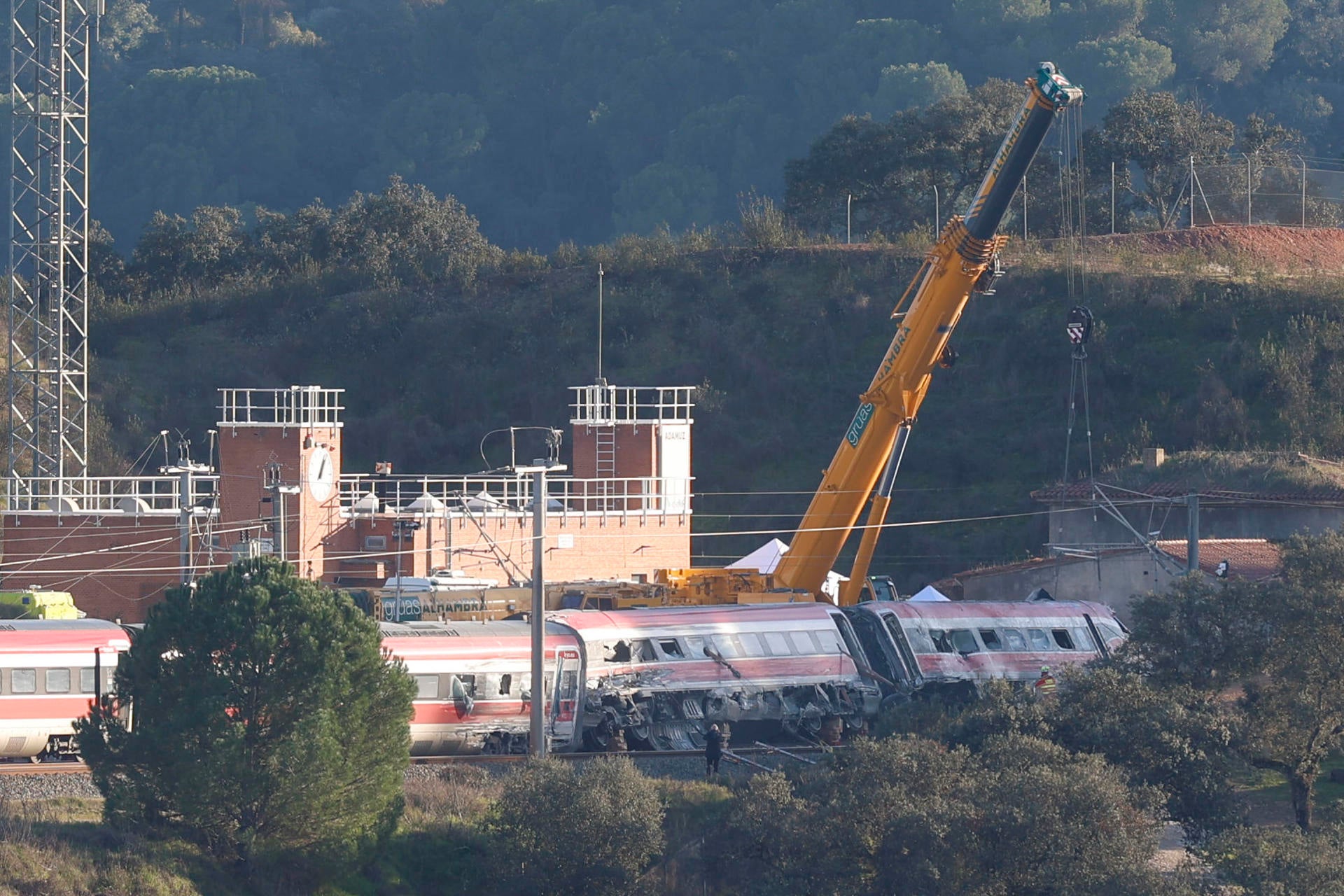
Más de uno
Tertulia: Prisa por escoger un bando
01:11:22
Antonio Caño, Carmen Morodo, John Müller, Marta García Aller y Rubén Amón analizan la actualidad política.
Loading summary
Transcript186 lines
- [00:10]
A
Estrenando la mañana del 21 de enero del año 2026. Echamos un vistazo a los periódicos. Bueno, los periódicos son desgracia sobre desgracia. No hay una sola buena noticia sobre trenes en estos últimos días. El accidente de anoche en Yelida, en la provincia de Barcelona, cercanías en Cataluña en Rodalías y la limitación de velocidad en el tren de alta velocidad en la línea de alta velocidad Barcelona en Madrid, son los dos asuntos que mandan hoy en las portadas. Ya les he contado que hay un comunicado que ha difundido el sindicato de maquinistas SEMAF. El sindicato de maquinistas lo primero que ha hecho es suspender todas sus participaciones en medios de comunicación porque tenía cerradas algunas entrevistas, por ejemplo en Espejo Público, el secretario general del SEMAF. Están suspendidas porque han estado analizando.
- [00:55]
B
La.
- [00:55]
A
Situación después de tener conocimiento del accidente de Rodalía esa noche y de la muerte de una de las personas que iba en la cabina del maquinista, que parece que no es el maquinista como tal del tren, pero iban otros maquinistas en formación o en prácticas, parece que uno de ellos es el fallecido, pero en todo caso maquinista como tal. Dice SEMAF que los integrantes del sindicato que están devastados, que consideran inadmisible la situación de deterioro constante que se está produciendo en el ferrocarril en nuestro país, que hay que tomar medidas con urgencia y que el tener conocimiento de este accidente de anoche, de estos accidentes de anoche en Rodalías, como medidas iniciales las que han decidido tomar la convocatoria de la huelga en todo el sector ferroviario, la convocatoria de movilizaciones para denunciar la falta de garantías sobre la fiabilidad y seguridad de la red ferroviaria. Vamos a exigir responsabilidad penal a las personas encargadas de garantizar esa seguridad. Vamos a solicitar que se aplique en el ámbito de Cataluña y también en el resto de España el protocolo que establece que si no está garantizada la seguridad de los maquinistas, del personal y de los viajeros, lo que hay que hacer es suspender el servicio. Al inicio del servicio, los maquinistas de todas las empresas ferroviarias van a requerir que se les garantice la seguridad y cuando no se disponga de esas garantías, se adaptará la marcha del tren a las condiciones reales de la infraestructura. Y termina este comunicado debido a la carga emocional motivada por estos sucesos. Recomendamos a los maquinistas que no se encuentren en situación de prestar servicio, que se lo comuniquen de inmediato a todos sus responsables. Digo que esto es lo que está sucediendo en ese momento. La noticia más reciente, más inmediata, relativa a la circulación ferroviaria en nuestro país trae la prensa esta mañana, por cierto, una página, no es exactamente de publicidad de comunicación institucional, digamos de Renfe. La traen todos los periódicos de papel con crespon y para trasladar el pésame a las familias de los afectados. Se refiere al accidente de Adamuz, pero se publica también en la prensa de Barcelona, cuando hoy tenemos nuevas familias damnificadas, en este caso por el accidente en Rodalies, que a esta hora permanece suspendido. Como les venimos contando, hay muchas páginas dedicadas al accidente de Adamuz y a la investigación en investigaciones sobre las causas de este siniestro. Digamos que la investigación le va ganando espacio en los periódicos al desgarro de las familias, como era también previsible. Lo que más destaca El País, por ejemplo, es que hace dos meses este mismo tramo de la vía de alta velocidad de Nadamuz fue examinado por Adif, que se hizo el test de seguridad y que no se detectó defecto alguno en el punto kilométrico donde ahora está roto uno de los raíles. El periódico precisa que fueron 38 las revisiones en dos meses, sumando, entiendo, todas las comprobaciones que se tienen que realizar para pasar el test de seguridad y que se corrigieron, dice, algunos daños leves como picaduras en las vías, pero que son habituales y que se resuelven en horario nocturno, aprovechando que no hay circulación y sin necesidad de parar el servicio. El ministro Óscar Puentes se refirió ayer en este programa a la renovación de la vía el pasado mes de mayo y a lo probada que estaba ya la vía en estos meses para poder superar lo que él mismo llamó pecados de juventud.
- [03:59]
C
Todas las zonas que son nuevas también.
- [04:01]
A
Tienen pecados de juventud y pueden fallar en los primeros compases de su instalación, por la razón que sea, pero en.
- [04:08]
C
Este caso estamos hablando de una instalación.
- [04:09]
A
Nueva que al mismo tiempo ya tenía un tiempo de rodaje importante. Dice ABC que precisamente porque todos estos datos de los últimos test de seguridad están en poder del Ministerio es por lo que el ministro la madrugada del lunes dijo que el accidente era muy extraño. Leo además en la crónica de ABC los especialistas consultados por este periódico nunca habían visto una rotura de un trozo de la vía del raíl como esta. Una rotura sin deformación del raíl, una rotura limpia. Se dice hipótesis que la soldadura saltara, como ayer dio por hecho el diario ABC, pero que la causa de esa ruptura de la soldadura fuera algún objeto desprendido del tren irio y arrastrado por el tren, que acabara haciendo palanca en ese punto del rail y levantándolo, rompiéndolo. En favor de esta hipótesis está que el bogie del wagon 6, o sea la pieza móvil que forman las ruedas y los ejes de estos trenes, saliera despedido también a más de 100 metros. Explica el español que cuando hay algún punto donde existe defecto en la vía se informa inmediatamente a las compañías de los trenes y se limita la velocidad. Que esto, por ejemplo, ocurrió el domingo en otro punto de la línea de alta velocidad, que es la bifurcación a Málaga, donde estaba rota una pieza de una aguja, pero que en el tramo de Adamuz no había incidencia alguna y por eso nada fue comunicado a los maquinistas. Y explica en todos los diarios esta mañana que los investigadores han hecho un primer examen visual de la vía y de los rodamientos de los vagones de lirio, que lo siguiente será examinar esas mismas piezas pero con más precisión, ya en el laboratorio. Cuenta el diario El Mundo que está confirmado que hay marcas en las ruedas de los primeros vagones del convoy, marcas que son compatibles con la rotura del raíl o de la vía, que presentan marcas del tamaño de una moneda que coinciden con el fallo de la soldadura. Y añade la crónica que los investigadores creen que la pieza de la vía se soltó tras el paso de 5 vagones hasta que ya cuando llegó el número 6, saltó del todo y es cuando descarriló. ¿Qué más? Que recoge en los diarios la grabación, naturalmente, de la llamada del maquinista Delirio a Atocha cuando se acaba de producir el descarrilamiento, se ha parado su tren, se ha activado el freno de emergencia e informa inmediatamente de lo que ha ocurrido para pedir que se pare la circulación, que se interrumpa la circulación, sabiendo que ha invadido una parte de la vía contigua. El maquinista Delirio habla de un enganchón, es la expresión que él utiliza, e informa de que ha invadido como digo la vía contigua, digo que los periódicos reproducen esta conversación, este audio que vamos a escuchar después lo escucharemos íntegro, pero no sacan los periódicos conclusiones del audio en cuestión.
- [06:37]
B
Comunicarle que es un descarrilamiento. Estoy invadiendo la vía contigua. Repito, descarrilamiento. Está invadiendo la vía contigua.
- [06:43]
A
Vale, venga, recibido.
- [06:45]
B
Pues gracias por avisar.
- [06:47]
A
Sí, sí, sí. No hay ningún tren llegando. No hay ningún tren llegando porque el Alvia ya había pasado por ese punto y se entiende, o pensaba el maquinista, y supongo que Natocha también, que había seguido su camino hacia la estación siguiente sin que se hubiera producido ninguna alteración. Pero el Alvia en ese momento ya había sido también siniestrado y ya estaba. Ya había personas, incluido el maquinista fallecido. Digamos que ni el maquinista ni en Atocha en ese momento son conscientes de que son dos los trenes que están implicados en ese accidente. Dice El País que la caja negra refleja que el maquinista Delirio no fue conocedor del impacto que había sufrido el Alvia. Si hay coincidencia en los diarios esta mañana a la hora de interpretar que la reducción de velocidad máxima, aunque sea reducción temporal o limitación temporal en una parte de la línea Madrid Barcelona entre Alhama y Mejorada, que es consecuencia de las quejas de los maquinistas de hace cinco meses y del eco que ahora ha tenido a raíz del excedente de Adamuz. Hay una editorial en El Mundo sobre este asunto. Dice que Adif incurre en un ejercicio de irresponsabilidad que agrava la percepción de la población que no ha informado a Adif ni por qué se hace ni cuál va a ser la duración y que esa confusión está alimentando también las dudas. ABC cuenta que hay preocupación en la Moncloa porque temen en Moncloa que se imponga el relato que señale como culpable al Gobierno. Dice la verdad va antes que el relato. Y opina Ignacio Camacho no existe la más mínima posibilidad de eludir la certeza de que el tráfico ferroviario en España es una competencia exclusiva del Gobierno central. El País lo ve de esta manera. Presión interna en el PP para dinamitar la tregua política de Adamuz Atribuye esa presión a gobiernos autonómicos del PP. Se entiende que opinan que esta tregua y esta unidad de la que ha hecho gala, por ejemplo, Juanma Moreno, ¿A quien beneficias? A Pedro Sánchez. Y entienden que es hora de salir al ataque contra el presidente del Gobierno. Un surtido de títulos sobre otros asuntos rápidamente. Por ejemplo, leo El PP enfada Vox en Extremadura Se están complicando las cosas para la investigadora de Guardiola. Que la ex de Coldo sostiene que todo el dinero en efectivo que manejaba procedía del PSOE. Que la ex de Coldo ha alegado pérdida de memoria por su maternidad como defensa para que el PSOE pagó en efectivo y sin contrato. Esto lo cuenta El español a personas durante las campañas electorales no tenían contrato pero cobraban y era Coldo el que les pagaba con billetes de 500. Que barbón se ha plantado y ha hecho frente común con García Paje contra la financiación autonómica. Y de Barbón a Borbón. Que ya está abierto al público el túnel que va del Palacio Real a los jardines del Campo del Moro. Este primer tramo del túnel de Bonaparte o túnel de Villanueva, que de ambas formas se llama y que es por el que marchó Alfonso XIII conduciendo su coche camino de Cartagena en el año 31 y creyendo Alfonso XIII que regresaría aclamado en unas pocas semanas. Y en las páginas de Cultura y Sociedad lo de Filming Amenazas a los dueños de esta plataforma dice El País por ofrecer un documental sobre las algaradas independentistas de 2019. El trabajo se titula Ícaro, está realizado con grabaciones de los policías y ha soliviantado a algunas personas que dicen que el documental insulta a las víctimas y entonces estas personas para desquitarse insultan a los de Filmin y llaman al boicot. Ha dicho el director de la plataforma que el documental va a seguir ahí disponible y que ellos ni lo recomiendan ni lo dejan de recomendar, que solo dan la opción de verlo y así poder juzgarlo.
- [10:03]
D
Más de uno. Onda Cero, Carlos Alsina Bueno, si una.
- [10:10]
A
De las promesas que usted se hace constantemente es la de ponerse en forma y le gusta cuidarse, pues escuche este mensaje de Bio Oye, vaya tipazo.
- [10:18]
D
¿Cómo lo haces? Cuidando lo que como y pidiendo consejo a los que saben. Me recomendaron tomar Bio Solution.
- [10:24]
A
Bio Solution contiene extractos de plantas café verde, alcachofa, faseolus, fibra y biotina que contribuyen al normal metabolismo de los macronutrientes.
- [10:31]
D
Vienen sobres monodosis que disuelvo en mi botellita de agua y así además de cuidar mi línea, me ayudan a beber todo el agua que me recomienda mi nutricionista.
- [10:39]
E
Así también me cuido yo.
- [10:40]
D
Pues ya sabes, a comprarlo y a.
- [10:42]
A
Cuidarte Bio Solution Y si tienes alguna duda, consulta a tu farmacéutico. Aquí es el Gallo la Torre como cada mañana a esta hora.
- [10:53]
F
Buenos días Rafa, Buenos días Carlos Alsina. Ahí va una pregunta retórica ¿Hubieran reducido la velocidad de circulación en caso de que no se hubiera producido el accidente de Adamuz? Sí, es una pregunta retórica Adif ha tomado una decisión probablemente necesaria, pero sin duda comprometida y que el gobierno debería explicar Aplica a los operadores ferroviarios de alta velocidad limitaciones temporales a 160 km hora en uno de los tramos con más vibraciones de la red hablamos de la línea Madrid Barcelona El gestor de infraestructuras obliga a Renfe, Irio y Ouigo a reducir su velocidad entre Cetina y Mejorada del Campo por las vibraciones en el recorrido las mismas denuncias que había sobre el tramo de Adamuz.
- [11:34]
C
Esto se parece tanto a lo ocurrido.
- [11:35]
F
Con el apagón que casi da hasta vértigo pensarlo, o sea, el mix energético no tiene nada que ver con el apagón que dejó en penumbra la península, pero tras el apagón cambiamos el mix energético, nos ponemos a quemar ciclo combinado de gas a lo bestia no vaya a ser que se vuelva a producir un apagón o sea, las vibraciones en la vía denunciadas reiteradamente no tienen nada que ver con el accidente de Adamuz pero vamos a reducir de urgencia la velocidad en la línea Madrid Barcelona no vaya a ser que la vibración en la vía vaya a producir otro accidente ¿Esto significa que haya sido esa la causa del accidente? No, significa que el gobierno la dio por cerrada cuando no la puede dar por descartado porque no hay escapatoria. Si las condiciones de la vía son seguras, ¿Por qué se limita ahora la velocidad? Si las condiciones de la vía no son seguras, ¿Por qué se ha permitido circular 250 hasta ahora? Y sobre todo, ¿Por qué Óscar Puente dijo que estábamos en condiciones de alcanzar los 350 km hora circulando hacia Barcelona o hacia Madrid? En esta edad dorada del ferrocarril a.
- [12:44]
A
La UAM programa lo mismo te escuchamos a las 7 de la tarde en La Brújula, como siempre. Gracias por madrugar con nosotros.
- [12:50]
F
Es mi trabajo.
- [12:57]
E
Hay una luz que lleva 125 años brillando contigo. Esta luz ha llegado a cada rincón.
- [13:03]
D
De España y cruzado fronteras de otros continentes.
- [13:06]
E
Ha transformado nuestras vidas y ahora quiere llegar aún más lejos. Porque lo mejor está siempre por venir. En Iberdrola celebramos 125 años luz junto a ti. Iberdrola.
- [13:20]
A
MÁS DE UNO EN ONDA CERO. Buenos Días, Marisol Parada. ¿Cómo estás?
- [13:31]
D
Buenos días. Carlos Alsina nos callahan.
- [13:33]
A
Para unas personas que aún no he dicho quiénes son.
- [13:34]
D
Este invierno da un paso más hacia el bienestar y aprovecha las rebajas de Callahan en Callahan es. Descubre una colección creada para acompañarte cada día con el máximo confort. Los Callahan incorporan la innovadora tecnología patentada Adaptation con diseños exclusivos que reproducen los movimientos naturales del pie al caminar. Porque cada pie es único y cada forma de caminar también lo es. Por eso Callahan se adapta a ti ofreciéndote siempre una comodidad excepcional desde el primer paso. Ahora es el momento de cuidarte con Callahan. Zapatos fabricados por expertos artesanos que combinan tecnología, diseño y confort al mejor precio.
- [14:21]
A
Ahora ya en tertulia, aquí en la radio, en Más de uno en Onda Cero, está Carmen Morodo. Buenos días, Carmen.
- [14:28]
E
Muy buenos días.
- [14:29]
A
Está Marta García Ayer. Marta, buenos días.
- [14:31]
G
Buenos días, Carlos. Parece que has dudado. ¿Cómo se llama tu programa? Más de uno Es correcto.
- [14:36]
A
A veces dudo sólo de eso. Buenos días, antonio caño. Hola.
- [14:40]
H
¿Qué tal, Carlos?
- [14:41]
A
Bienvenido. Y buenos días, John Müller. También para ti.
- [14:43]
C
Buenos días, Carlos.
- [14:44]
A
¿Cómo estás?
- [14:45]
H
Bien.
- [14:46]
A
Me alegro mucho. Y buenos días, Rubén Amón.
- [14:48]
I
¿Qué tal? ¿Cómo estás, Carlos?
- [14:50]
A
Bueno, lo primero que os cuento es que Adif ha levantado ya, como estaba previsto, la limitación temporal de velocidad en una parte de la vía. Se llama temporal precisamente porque habitualmente dura unas horas, que son las que requieren los equipos para garantizar, para hacer la supervisión correspondiente de ese tramo de la vía. Y si hay algo que corregir, pues corregirlo. ¿Y repararlo? Pues repararlo. Se aprovechan las horas de la noche habitualmente, que es cuando menos circulación, como sabéis, ahí, sobre todo en la línea de alta velocidad, para proceder a esas tareas. Entonces, ya ha levantado esa limitación temporal. Adif se lo comunica esto a las empresas propietarias de los trenes a Renfe, a las propietarias de las demás marcas, es decir, a los maquinistas, para que sepan cómo tienen que circular en cada uno de los tramos. Digo, ¿No se lo comunica la opinión pública? ¿No comunicó ayer a la opinión pública la limitación temporal y no ha comunicado hoy a la opinión pública el levantamiento de la limitación temporal? Lo que pasa es que ayer fue la cadena serio y creo que también quien ha tenido información y entonces la ha facilitado. Pero Adif como tal no está diciendo en realidad nada sobre esta cuestión. Yo creo que bastante relevante. Ahora hablamos de eso y de la investigación del accidente de Adamuz, pero lo más reciente en materia de accidentes ferroviarios es la de anoche en Yelid, en la provincia de Barcelona, con este accidente sufrido por rodalías por el servicio de cercanías, en el que también hay que lamentar la muerte de una persona que iba en la cabina del maquinista y heridas de varios de los viajeros, algunos de ellos heridas graves. Nos atiende Lluís Bals, que es el alcalde de Yélida y al que le agradezco que nos dedique un minuto en esta mañana complicada, entiendo, también para el gobierno municipal. Señor alcalde, buenos días.
- [16:28]
B
Hola, muy buenos días.
- [16:29]
A
Buenos días. La última información de que usted dispone respecto del trabajo de los bomberos. Los bomberos han estado ahí toda la madrugada, primero viendo a ver cómo había quedado el convoy, atendiendo a los pasajeros y tratando también de asegurarse de que si se retoma el servicio y la circulación sea en condiciones de seguridad, porque lo que ha ocurrido es que ya ha vencido un muro de contención de la autopista.
- [16:54]
B
Bueno, uno de los muros de contención, suponemos, por lo que estábamos hablando durante toda la noche, de que motivado por las lluvias, los episodios de lluvia continuados de estos tres, cuatro últimos días han provocado esta caída justamente en el momento en que pasaba el tren. Ahora están en una fase de retirar el convoy, pero también averiguar y. Y averiguar las causas de las que.
- [17:37]
A
Lo han motivado, porque ese muro de contención, alcalde, es muy largo, es un punto concreto en el que se ha desmoronado, pero entiendo que si las lluvias son la causa, la preocupación existirá, sobre todo el muro de contención.
- [17:52]
B
Bueno, por eso están investigando, averiguando las causas. No es que sea un muro de una extensión muy larga, pero bueno, fue el punto fatídico en que ocurrió. Ya digo, han sido tres, cuatro días de lluvias continuadas, ¿No? De un caudal enorme o de una intensidad enorme, pero que ha ido calando en el terreno y eso provocó esta situación.
- [18:30]
A
No tiene noticia, alcalde, de si se podrá restablecer el servicio de cercanías. Hay una reunión anunciada por el gobierno autonómico, el Gobierno catalán, para las nueve y media de la mañana, creo que hemos contado.
- [18:42]
B
En ese momento no hay ninguna noticia de cuándo se podrá restablecer, sobre todo en esta línea, la rueda. Y se están haciendo ahora, digamos.
- [18:58]
J
Se.
- [18:58]
B
Están haciendo comprobaciones en otras líneas, pero en esta, evidentemente, hasta que no esté retirado el tren, pues no se podrá restablecer el servicio.
- [19:10]
A
El convoy todavía permanece en la vía, no han conseguido todavía los bomberos sacarlo.
- [19:14]
B
Las últimas noticias que tengo es que sí, que todavía permanece allí, con lo cual es difícil decir cuándo podrá restablecerse el servicio ferroviario en esta línea.
- [19:31]
A
Alcalde, gracias por haber hablado con nosotros esta mañana.
- [19:34]
B
Muchas gracias a ustedes.
- [19:35]
A
Gracias. El alcalde de Yélida, en la provincia de Barcelona, está suspendido el servicio de cercanías y como nos cuenta el alcalde, en este punto concreto, que es la línea 4, todavía está el convoy porque no han conseguido retirarlo de las vías. En este punto es imposible que se retome la circulación, al menos de momento. Anunció anoche la consejera del Gobierno de Cataluña, del Gobierno del señor Illa, que se iban a realizar durante la noche lo que allí llaman, o lo que aquí en Cataluña llaman las marchas blancas, que son trenes que circulan sin pasajeros, pero con los expertos, los técnicos, para asegurarse de que la circulación, las condiciones de seguridad están garantizadas en función de lo que se informe. Una vez que terminen esas marchas, las inspecciones, digámoslo así, pues se tomará la decisión correspondiente. Pero a esta hora de la mañana, nueve menos diez, suspendido todavía el servicio de cercanías en Cataluña. Bueno, contertulios de este programa, a ver por dónde empezamos. Lo más reciente es el comunicado de SEMAF, que es el sindicato de maquinistas al que están afiliados creo que el noventa y tantos por ciento de los maquinistas de España, o sea, que hablamos de la abrumadora mayoría de los profesionales que se dedican a conducir los trenes en nuestro país. Este comunicado que antes conté a los oyentes y del que os recuerdo que es lo más relevante. Primero, que es fruto de esta noticia de anoche unida a la noticia de Adamuz, lo que explica el propio SEMAF es que es la concatenación de accidentes que además han traído como consecuencia el fallecimiento de maquinistas, es decir, de colegas de los profesionales de este sindicato, lo que les lleva primero a estar devastados personalmente y luego a entender que hay que dar un paso más. Hasta ahora lo que venían haciendo era denunciar públicamente en los medios de comunicación y lo hicieron en una carta el pasado mes de agosto a la Agencia de Seguridad Ferroviaria que no tuvo contestación, denunciar lo que ellos entienden que son problemas. No hablan o no hablaban hasta ahora de riesgo para la seguridad de los profesionales o de los pasajeros, pero sí de problemas que vienen detectando y que atribuyen a la mayor utilización de las vías de alta velocidad y entiendo que también de rodalías, pero sobre todo de alta velocidad en los últimos tiempos. ¿Por qué? Porque han entrado los operadores privados y por tanto hay más trenes utilizando las mismas vías y eso supone un mayor desgaste y genera problemas. Ayer nos decía el secretario general de SEMAF en este programa que ellos hasta ahora han hablado siempre de problemas para la comodidad del pasaje y también para los propios trenes en la medida en la que las vibraciones constantes o recurrentes, los baches que estamos diciendo, para entendernos, todos los baches o los garrotes, que eso lo que trae consigo es que sea más fácil que se averíe un un tren o que sufran desperfectos los trenes y eso luego tiene también consecuencias que en ningún caso hasta ahora al menos habían hablado de riesgo para la seguridad. Porque si hubieran entendido que en algún punto de la red ferroviaria había riesgo para la seguridad lo que habrían demandado no es mejoras en el mantenimiento, sino la suspensión del servicio hasta que se garantice la seguridad. Lo digo porque en el comunicado de esta mañana van ya un poco en esa dirección. Lo que dicen es que van a convocar una huelga en el sector para que la convocatoria de huelga ampare jurídicamente las movilizaciones que también se van a realizar o a las que van a ser llamados los trabajadores para exigir primero responsabilidad penal a las personas que están encargadas de garantizar la seguridad en las infraestructuras y hablan de la seguridad para que la apertura del servicio en Cataluña esta misma mañana, si se retoma en Rodalías y en el resto de España si hubiera también sucesos parecidos, no se pueda realizar la apertura del servicio sin haber garantizado la seguridad de la circulación. Dice que los maquinistas de todas las empresas ferroviarias, o así lo insta SEMAF a que lo hagan, requieran esas garantías antes de ponerse en marcha y que si esas garantías no se les dan a los maquinistas, lo que hagan es adaptar bajo su criterio las condiciones de la circulación, entiéndase la velocidad, por ejemplo, a la situación real de las infraestructuras. Esto que hemos sabido también que ya venían haciendo algunos maquinistas en algunos puntos de las líneas de alta velocidad, donde pudiendo ir a 300 por hora, porque estaban autorizados, por ejemplo en Adamuz, hemos sabido que iban a doscientos y pico, en otros puntos, debido a esto mismo, los baches, no sé qué, pues para moderarse lo que hacían era levantar el pie, para entendernos, y que la circulación fuera a una velocidad inferior. Ahora lo que dicen hagamos esto siempre que no se nos den las garantías suficientes. Y por último, dice el comunicado debido a la carga emocional que han motivado estos sucesos, recomendamos a los maquinistas que no se encuentren en disposición de prestar servicio, que se lo comuniquen ya de manera inmediata a sus responsables. La huelga todavía no tiene fecha, pero entiendo que va a ser también inmediata y va a suponer un elemento más de presión al Ministerio de Transportes y en general a las administraciones, al Gobierno de España fundamentalmente, para que atienda a lo que los maquinistas vienen reclamando y hasta este momento se han sentido bastante poco escuchados. Lo que entienden es que no se les ha atendido o no se les ha querido escuchar, porque la carta del mes de agosto, como hemos contado aquí, nunca tuvo respuesta. Sabemos que hay una respuesta de Adif, que he contado antes a las 8 a los oyentes, pero es una respuesta parlamentaria en el Senado del Gobierno a una pregunta que le hace el Grupo Parlamentario Popular, me parece recordar, y en la que se alude esa carta. Pero la carta como tal nunca tuvo respuesta. Y la respuesta que se le dio en el Senado por parte del Gobierno, es decir, de Adif, fue que en la carta no había argumentos técnicos que justificaran bajar la velocidad a 250 kilómetros por hora. No sé si ahora Adif encontrará argumentos técnicos para justificar un cambio de criterio o no, pero esta es la nueva situación a la que se enfrenta el Ministerio y la circulación ferroviaria en nuestro país. Huelga que va a convocarse MAF, Ya veremos con qué fecha. Comentarios de los contertulios y contertulias con tertulias.
- [25:06]
G
Primero, con esto que estás contando, Carlos, queda claro que hay algo que no se está haciendo bien y vaya toda la prudencia por delante que estamos teniendo desde el accidente del domingo. Pero creo que todos los que estamos en esta mesa sabemos más de comunicación que de trenes. Y en lo que a la comunicación respecta, no nos han estado explicando bien las medidas que se han tomado esta de bajar la velocidad, aunque sea temporalmente y luego se vuelva a restaurar, que se estén enterando medios de comunicación con sus fuentes y no a través de comunicados oficiales que nos digan por qué se está tomando la decisión que se toma después de que ayer hubiera otros accidentes en rodalíes que no tienen nada que ver con el del domingo, pero no dejan de coincidir. En un momento en el que la sensibilidad está especialmente a flor de piel, hace que cualquier notificación, por más que sea dentro de los protocolos, de baches, de temblores, de lo que sea, tenga la opinión pública mucho más sensible en medio de la investigación de las causas del accidente de Adamut. Y eso debería llevar al Ministerio de Transportes a extremar la transparencia y la diligencia en dar unas explicaciones que desde luego ayer no nos han dado. Y esto en la investigación de Adamut no interfiere, pero en el malestar y en la desconfianza a las infraestructuras españolas.
- [26:28]
E
Yo creo que el comunicado que acabamos de conocer de los maquinistas amplía las preguntas. Ya no solo estamos ante qué ha pasado, que es lo que necesitábamos y nos urge conocer, sino también si hay señales, si había señales que ya teníamos esas referencias a que había señales de que había problemas, por qué no se actuó, por qué no se ha actuado antes sobre las denuncias presentadas por los maquinistas sobre el estado en el que se encuentran las vías y si hay un problema de mantenimiento de esas infraestructuras, esas señales. A mí me parece que lo que hoy traslada ese comunicado y la decisión de ir a una huelga. Aquí veníamos nosotros diciendo que había determinados problemas. No se ha actuado, nos sentimos inseguros. Esa inseguridad se traslada también a la ciudadanía y ante eso tomamos esta medida. Yo coincido contigo, Marta. Yo quiero información técnica. Yo quiero información de los técnicos. Quiero información de alguien que no sea dos ministros que están interesados en un momento donde la cosa parece que se les está complicando y se pueden derivar importantes responsabilidades penales y políticas sobre lo que ha ocurrido, intentando construir un relato que a lo mejor no se ajusta estrictamente a la verdad, sino a las necesidades políticas del momento. Estamos además en manos de un ministerio marcado por la corrupción, de un ministro que se ha comportado como un hooligan y que tampoco traslada la confianza necesaria, que ha actuado como actuado ante otras desgracias y ante Adif y Renfe, que creo que es un momento oportuno para decirlo, son repositorios de asesores, de cargos colocados, de amiguetes, de clientelismo. Es evidente que ni siquiera, que ni tanto la operadora, ni tanto la gestora de infraestructuras, ninguno de los dos han hecho la transformación que necesitaban hacer para ajustarse a los cambios que se estaban produciendo, a la competencia y a la liberalización. Son muchos frentes los que están abiertos. Pero yo insisto, a la pregunta de qué ha pasado, añado la de por qué si había señales de que había problemas, no se actuó antes hablado como.
- [28:45]
H
Usuario, que es usuario del tren, que es la única condición en la que puedo hablar sobre ese tema, porque desconozco todos los otros aspectos técnicos del sistema ferroviario, pero como usuario, lo que puedo decir es que no me fío. Yo soy un usuario que simplemente escucha hablar a uno al otro, conozco los antecedentes, los antecedentes de ese ministerio, los antecedentes de este Gobierno, los antecedentes del ministro, y veo las medidas que se toman y entonces, como usuario, no me fío. He perdido totalmente la confianza en la seguridad de la red ferroviaria española. Y en este momento me da miedo subirme a un tren porque no sé si las líneas están en buen estado, no sé si el mantenimiento que hace Adif es el correcto, no sé si existe un sistema de control que le corresponde al Gobierno central que a mí me permita subirme al tren con seguridad. Y eso es lo triste de toda esta historia, que creo que la gestión que el Gobierno ha hecho de este asunto ha creado inseguridad en los usuarios. El estado de la red puede o no ser la causa del accidente de Córdoba, eso no lo sabemos todavía, pero en todo caso el estado de la red es motivo de preocupación de profesionales como son los maquinistas, y eso para mí es suficiente para generarme inseguridad. De lo que sé, más que como periodista, sí me gustaría comentar este aspecto de esta crisis, que ha sido lo de hacer caso solamente de la información oficial. Ayer un ministro llegó a no hagan caso de nada solamente de la información que produce el Gobierno. Mi experiencia al respecto es que los gobiernos en general suelen ser una máquina de mentir, de difundir mentiras. La información oficial en ocasiones no solamente no es la que se ajusta a la verdad, sino que es la que miente. Es verdad que este gobierno, esa cosa de formar la realidad y contar mentiras, lo ha perfeccionado, pero no estoy hablando aquí, no estoy haciendo un juicio a un gobierno en particular, No es necesario recordar que fue un gobierno el que contó, no es nada menos que un presidente del Gobierno el que contó en su día a los directores de los medios quién era el responsable del M y les mintió nada menos que un presidente de Gobierno. De manera que esta asociación de que la verdad está en manos del gobierno y de la Federación oficial es falsa.
- [31:37]
A
Dos cosas, una sobre la seguridad, el accidente de Adamuz, que ha sido gravísimo, nos ha sobresaltado tanto a todos y nos ha preocupado tanto a todos por lo inusual que es. Es el primer accidente que se produce desde el de Angrois, que es del año 13, es el primer accidente que se produce en vías férreas españolas con un resultado tan grave. Quiero decir que en los últimos meses hemos contado incidencias, hemos contado retrasos, hemos contado trenes que se quedaban varados en algún punto de la vía, pero eso no tiene nada que ver con que un tren descarrile y se maten 40 personas. Creo que son cosas distintas y me resisto a que las juntemos todas. Una cosa son retrasos, problemas con la catenaria, incluso los botes en el trayecto o los baches, y otra cosa es que descarrile un tren. Para que descarrile un tren tienen que pasar cosas que todavía no sabemos cuáles son. Todavía no sabemos cuáles son, y como no sabemos cuáles son, pues atribuir el descarrilamiento, delirio, a una circunstancia concreta. Yo desde luego no lo voy a hacer. Y segundo, es verdad que los gobiernos son muy mentirosos, ya lo sabemos. Pero para denunciar que el Gobierno en este asunto está mintiendo, habrá que decir en qué está mintiendo y por qué sabemos que está mintiendo. Y en este momento yo no tengo ninguna prueba de que el Gobierno esté mintiendo en nada de lo que está diciendo. ¿Que estará preocupado por el relato? Pues sí, claro. Supongo, como hoy dice alguna crónica, que en el PP están preocupados por si el relato es demasiado favorable al Gobierno y evita aprovecharse de esta situación política. Pero quien tenga constancia de que el Gobierno ha mentido en algo, que diga en qué ha mentido y en qué se basa para afirmar que ha mentido. El Gobierno, de momento lo que está diciendo es que todas las hipótesis están abiertas sobre el accidente de Adamuz.
- [33:21]
H
Claro, yo no digo que el Gobierno miente. Lo que digo es que el Gobierno, esa recomendación de haga caso únicamente a la información oficial no es correcta. Porque esa recomendación en ocasiones, la información oficial en ocasiones puede no ser la verdad y en ocasiones puede ser incluso la mentira. Con lo cual, la información que la busque cada ciudadano.
- [33:43]
A
Igual que los gobiernos mienten mucho, los partidos políticos mienten mucho. Y hay algunos periodistas que tampoco son muy rigurosos a la hora de trasladar las informaciones a la opinión pública. Porque en un asunto como este es muy fácil dar a entender cosas que en realidad no están probadas en ningún sitio. Y una de las cosas que se pueden dar a entender es que está todo vinculado. Y que el hecho de que un tren pierda la conexión con la catenaria en el mes de julio del año pasado tiene vinculación con un accidente como este del domingo pasado. Y eso no es un hecho. La investigación está realizándose en este momento. Ahora os cuento lo que ha dicho Óscar Puentes sobre algunas cosas que publican hoy los periódicos. No sé por qué tenemos tanta prisa, Esa impresión tengo yo. Por qué tenemos tanta prisa en saber de qué bando hay que ponerse también en esto que es, si de Lirio o de Adif, si ha sido la vía o ha sido el tren. Cuando podemos estar ante un accidente en el que pueden haber sido las dos cosas.
- [34:46]
H
Puede ser.
- [34:47]
A
Puede haber sido un desprendimiento de una pieza pesada del iryo que trae como consecuencia que se rompa una parte del carril, que a lo mejor también es porque estaba mal soldado. Pues no lo sabemos.
- [34:57]
I
¿Yo diría una cosa, Carlos, quédate tú con quién vas? No, Por hacer una matización, a mí me parece que si la sociedad está compungida por un accidente de esta envergadura, las informaciones de ayer que tienen que ver con la disminución de la velocidad en algunos tramos, suscita en la psicología de la opinión pública un estupor. A mí me parece que esa medida se podía haber adoptado dos semanas después, puesto que no estaba en peligro, o mucho mejor, cuatro meses antes. Pero la secuencia de los hechos construye un relato respecto a la sensibilidad de la opinión pública que establece una relación aprehensiva. Y me parece una torpeza haber tomado esa decisión precisamente ayer. Digo en el contexto anímico. Yo no hablo de la información, hablo del estado ni ánimo de una sociedad y de los recelos que provoca una red Februaria. No digamos cuando se suma para la psicosis una tragedia como la de Rodalies, que nada tiene que ver con lo anterior, pero que suscribe un estado de ánimo. Yo me refiero al estado de ánimo.
- [35:55]
A
El accidente de Rodalies, por ejemplo, hemos explicado a qué se debe. Aquí no hay ninguna duda de qué es lo que ha pasado. Lo que ha pasado es que se ha desmoronado un muro sobre la vía.
- [36:01]
I
Sí, está claro.
- [36:02]
A
Esa es la causa del accidente, no ninguna otra.
- [36:05]
H
Yo tengo que coger mañana un tren. Yo no soy un experto ferroviario. Yo simplemente reacciono con una emoción. ¿En qué estado de ánimo estoy yo en este momento respecto a los trenes? El estado de ánimo en el que estoy es de desconfianza.
- [36:19]
I
Y luego otra cosa más que tiene que ver con el experto.
- [36:23]
A
Pero por eso yo me siento animado a recordar que el único accidente como tal accidente ferroviario, con consecuencias tan dramáticas y con muerte de pasajeros que hemos contado en los últimos años, del 13 al 26, van 13 años, es este del domingo. Lo anterior eran otras cosas que se producen en los trenes y que generan mucha incomodidad, lógicamente, y negligencias y deficiencias y problemas y lo que usted quiera. Pero no han sido accidentes graves en la red ferroviaria española. Que hay que saber por qué se ha producido. Naturalmente que sí. Que Adif ayer. Estoy muy de acuerdo con eso, porque Adif, en primer lugar, lo que debías explicar a la opinión pública, cualquier decisión que tome en estos días por la sensibilidad enorme que existe. Pero la decisión de Adif de limitar temporalmente la velocidad en esta línea no significa que estén en riesgo de perder la vida los pasajeros de esa línea.
- [37:14]
B
No, claro que no.
- [37:16]
A
Hay que corregir algunos defectos que se han percibido en la línea.
- [37:19]
I
Yo creo que hay un estado psicosis.
- [37:20]
A
Pero que no provocarían el descarrilamiento de un tren.
- [37:22]
I
No, claro que no. Pero hay un estado de psicosis y una aprehensión.
- [37:25]
A
Contribuyamos a que no lo haya.
- [37:26]
I
Desde luego. Pero desde la misma perspectiva, a mí me gustaría que las filtraciones informativas que se están produciendo no se produjeran. Porque si un medio con todo el mérito, como eldiario es accede a los audios del Maestro y otro medio accede a las informaciones de Adif, empieza a descoyuntarse la necesidad de un relato homogéneo. Y me inquieta que haya filtraciones. Y me inquieta que haya filtraciones a medios afines y que se vaya desdibujando la obligación de un relato transparente e inequívoco. En este clima de susceptibilidad que es el que provoca una relación perfectamente justificada, aprensiva, respecto a si tomas un tren o no. Claro que no está en peligro tomar un tren. Claro que no se juega uno la vida. Pero hay un estado de psicosis que exige ciertas cautelas respecto a cómo se maneja la información y qué decisiones se toman.
- [38:16]
C
Estando de acuerdo con Carlos en que no hay que adelantar conclusiones respecto de las causas del accidente, yo sí creo que aquí los distintos episodios que hemos vivido en los últimos años generan un retrato de un sistema funcionando bajo estrés. Un sistema funcionando bajo una elevada tensión provocada por la opinión pública, provocada por los políticos que están al frente, por el estilo personal de esos políticos, y provocado por el shock que ha supuesto la liberalización del sector. Y una empresa que tiene dificultades para reformarse. Una empresa pública acostumbrada a ir al tran tran, que de pronto se encuentra desafiada por una serie de competidores. Y todo eso sobre la base de una empresa pública también que debe garantizar que las infraestructuras funcionen bien. Fíjate que yo creo que Óscar Puente desde hace tiempo es consciente de esa situación de estrés de la red. Por mucho que nos diga públicamente que el tren vive la edad dorada dentro de España, ha sido una desgracia la decisión tomada ayer de bajar la velocidad, porque no se explica por qué ahora, y no en agosto, cuando los maquinistas lo pidieron. Porque, entre otras cosas, hunde el crédito total de la alta velocidad española. Porque ahora la gente se está preguntando por qué la vía de Barcelona y no la de Valencia y la de Alicante, ¿Por qué no las demás vías de España están siendo revisadas? Bueno, pues es que esto hay que explicarlo y hay que ponerlo sobre la mesa, porque si no, el personal saca sus propias conclusiones. Y luego, desde el punto de vista de la comunicación, que es lo que nosotros entendemos, yo creo que aquí hay una cuestión. Yo creo que quedó grabada con la expresión del fiscal de ganar el relato de fiscal general, del ex fiscal general de ganar el relato, que creo que define muy bien lo que ha sido esta legislatura de Pedro Sánchez, una legislatura de relato y de ganar el relato. Y eso nos hace pensar que aquí podemos estar ante una situación como la que se vivió con el apagón, donde efectivamente, hasta el día de hoy no sabemos qué pasó. Y como no hubo víctimas mortales, pues tampoco. Y solo hubo incomodidad. Tampoco hemos sido tan acuciosos, ni los medios ni la población, para exigir responsabilidades. Pero claro, aquí ahora estamos hablando de un accidente con víctimas mortales. Perdonadme por extenderme un segundo. Respecto de la huelga convocada por los maquinistas, ahí hay un aspecto. Yo creo que hay una serie de puntos muy atendibles y respetables, porque ellos son los principales. Bueno, se están jugando el tipo, mira, han muerto dos conductores en las últimas horas. Pero el factor humano en esto, el dejar que sea el maquinista el que decida todos los aspectos de la conducción, es una cosa en la que el sistema ferroviario ha estado luchando toda la vida. Toda la vida el sistema ferroviario estaba inventando mecanismos para sustituir al maquinista. Y la posibilidad de que se equivoque existía aquel. A mí me sorprendió al conocer ayer esta conversación del conductor de Lirio con la central de Atocha, Pues primero, que Atocha no se había enterado de que el tren había impactado, y que seguro que se había ido la catenaria o se había cortado la luz. Y segundo, que el propio conductor no era consciente de que había chocado contra la cola de su tren otro convoy. Pero lo principal es que descubrí que ya no existe el famoso pedal del hombre muerto.
- [41:47]
A
Ahora hablamos del que era ese dispositivo.
- [41:50]
C
Por el cual si tú dejabas de pisarlo, el tren dejaba de avanzar.
- [41:54]
A
Hablamos del audio del maquinista. Delirio. Antes, sobre la huelga que anuncia Semaf, lo que ha dicho el ministro de Transportes, que ha estado en Telecinco, creo, no quiero equivocarme del medio en el que ha hablado, lo que ha dicho es que va a sentarse a hablar con. A dialogar con el Semaf y que va a intentar que esa huelga no se produzca. Pide que seamos un poco precisos los medios. Cuando hablamos de descarrilamientos es lo de Adamuz, que lo de Yelida de esta pasada noche, que es otra cosa, es un descarrilamiento es que se te viene encima un muro de contención y entonces te estrellas contra el muro en el curso de la vía. Y luego, respecto a esta información que publica hoy El Mundo, que dice que en los rodamientos o las ruedas de los vagones anteriores al número 6 de lirio se han encontrado muescas que coinciden por la anchura que tienen las marcas en las ruedas que coinciden con la parte rota del raíl del carril, en la anchura del raíl que coinciden, que podrían explicar que ya estaba rota esa parte cuando pasan los primeros vagones, que en efecto dice que presentan una marca los primeros coches y las ruedas, los que pasaron anteriormente, que tienen marcas similares, pero que todavía hay que conocer por qué, si era debido a la situación de la vía o si es que había algo en esa vía que provocase esa muesca o esa marca, que tampoco en eso se puede establecer todavía una conclusión. ¿Me dais un minuto? Vamos a nuestra graduación en Barcelona, porque ha sido ya confirmada la identidad de la persona que ha resultado muerta en el accidente de anoche en el servicio de Cercanías. En las primeras informaciones recordarán lo siguiente, que si hablaba del maquinista, luego hemos sabido que en realidad en la cabina del maquinista, además del propio conductor, iban otros maquinistas en formación o en práctica. Y el fallecido creo que es uno de estos. Uno de estos jóvenes que estaban formándose para maquinistas y que es natural de Sevilla, si no me equivoco, pero tiene toda la información. Ana Utiel. Buenos días, Ana.
- [43:48]
D
Hola, buenos días. Pues sí, los Mossos de Esquadra han confirmado eso, que el fallecido no era el maquinista titular, como se pensó en un inicio, sino un joven en prácticas, nacido en el 98. La trágica noticia ya ha sido comunicada a su familia, como decías, residente en Sevilla. El chico también estaba en la cabina en el momento del accidente junto con otros aprendices, tal y como ha dicho Joan Rovira. Aquí en Santa de Urnia, Joan Rovira es el jefe de Intervención de Bomberos.
- [44:13]
A
En el accidente se produjo la situación que había un maquinista titular e iba acompañado de otros maquinistas que estaban en un periodo de prácticas. Por tanto, en cabina, que es donde recibió el tren el mayor impacto, es donde tuvimos desgraciadamente el éxito y uno de los maquinistas también quedó atrapado.
- [44:36]
D
Según Rovira, ese trabajo de liberar a ese maquinista herido y atrapado fue uno de los más laboriosos que tuvieron que hacer eso. Se ha dicho que el accidente se produjo en una zona de acceso relativamente fácil, cosa que ayudó a liberar a todos los pasajeros y trabajadores que pudieran haber quedado atrapados. Por otro lado, Rudalías sigue sin funcionar, recordemos. Así lo hará hasta que se pueda garantizar la seguridad. Por eso la Generalitat ha decidido abrir las barreras del peaje del túnel del Garraf en la C 32 para favorecer la movilidad. También recomienda a las empresas fomentar el teletrabajo.
- [45:08]
A
Gracias, Ana Utiel, desde San Sadourni, que es donde se está facilitando toda la información respecto de este accidente. Son las nueve y cuarto, tengo que hacer una pausa. Con vuestro permiso, enseguida retomamos el análisis y el comentario y escuchamos la grabación del audio del maquinista delirio a la que aludía hace un momento John Muller. Todo eso enseguida porque antes tenemos que hablar. Son las 9 y 24 minutos, son las 8 y 24 minutos en las islas Canarias y aquí continuamos más de uno en Onda Cero, hoy en Tertulia. Tertulia. Pues yo creo. Interesante, ¿Verdad? Con Marta García ayer con Carmen Morodo, John Müller, Antonio Caño y Rubén Amoni. Lo que venimos hasta este momento se va analizando todas las novedades que se van produciendo respecto de los dos accidentes ferroviarios que se han producido en estos últimos días. El que más atención sigue mereciendo por las consecuencias tan dramáticas que ha tenido y porque hay familias, no lo olvidamos, que siguen todavía esperando a tener la confirmación. A estas alturas ya casi todas las familias saben que han perdido alguno de sus seres queridos, pero falta la confirmación, que es previa a la entrega de los restos mortales a esas familias, para que puedan volver con esos restos mortales a sus casas y darles sepultura o incineración, lo que consideren oportuno. Todo eso, hasta que los forenses no completan la identificación y el juez autoriza la entrega, las familias siguen esperando. En una situación, ya lo comentábamos ayer, muy, muy dura, muy amarga y muy dolorosa, digo, sigue mereciendo más atención el accidente de Agamuz por esta circunstancia, por la dimensión que ha tenido y también porque la investigación está. Se van conociendo cosas de las investigaciones. Vamos a recordar que son dos. Ayer decía el ministro Gran de Marlaska que la Guardia Civil, porque la Guardia Civil lleva una de las investigaciones, lo que está es recabando elementos, indicios, y eso incluye los tramos de la vía donde se ha producido el accidente. Eso incluye los rodamientos o las ruedas, para entendernos, de los trenes afectados, sobre todo del vagón número 6 del Iryo. Todo eso hay que llevarlo ahora a un laboratorio para hacer un examen más minucioso. Y luego está la otra investigación, que es la de la comisión independiente o la comisión de investigación de accidentes ferroviarios, que se presume independiente, aunque está adscrita al Ministerio de Fomento, o sea que en realidad es una comisión que en efecto depende del Gobierno. Pero son dos las investigaciones, por aquello de que también hay dudas sobre si hay que creerse o no cualquier cosa que diga la comisión de investigación, porque depende del Ministerio de Transportes. Si no nos creemos esa, nos creemos al menos la de la Guardia Civil, o tampoco no nos creemos ya nadie. El audio que se difundió anoche lo difundió un medio que se llama Cordópolis y que está asociado a eldiario, es. Y el audio es la grabación, recordamos la llamada que hace el maquinista, Delirio, cuando el tren que él conduce se ha parado, se ha activado el freno de emergencia. De hecho, se escucha en la grabación como por megafonía, por la megafonía de la cabina del maquinista, o por el altavoz o como se llame, se está avisando de que se ha activado el freno de emergencia, el tren se ha parado y lo que el maquinista sabe es que ha tenido un enganchón, que es como él lo llama. No sabemos exactamente a qué se refiere o qué sensaciones tuvo él se ha producido un enganchón, el tren está parado y avisa a Atocha porque se ha dado cuenta de que ha invadido alguno de los vagones del tren la vía contigua para que se para inmediatamente la circulación. Y luego ya en una segunda llamada, Vamos a escuchar, creo que las dos a la vez. En una segunda llamada lo que pide es que se envíen inmediatamente los bomberos y los servicios médicos, porque ya tiene constancia, tiene ya información de que hay heridos en el vagón, de que está ardiendo o hay un incendio en uno de los vagones y que por tanto, la situación, digamos, es más grave de lo que él pensaba. Pero en ningún momento, como vamos a comprobar ahora, este maquinista alude al otro tren, se entiende que porque él no es consciente en ese momento de que hay otro tren afectado, que es el Alvia 6189.
- [48:43]
J
Aquí Atocha.
- [48:44]
B
Hola, Tocha 6189. Mira, comunicarle que es un descarrilamiento, Estoy invadiendo la vía contigua. Repito, descarrilamiento. Estoy invadiendo la vía contigua.
- [48:52]
A
Vale, venga, recibido.
- [48:54]
B
Pues gracias por avisar el tráfico de navíos urgentemente, por favor.
- [48:57]
A
Sí, sí, sí no hay ningún tren.
- [48:58]
B
Llegando, tengo incendio también necesito abandonar la cabina porque tengo que verificar. Vale, que tengo un coche enseñando.
- [49:05]
A
Venga, tengo su teléfono. Perfecto, pues voy a comunicarlo por aquí. Ahora me pongo en contacto con usted.
- [49:10]
B
Y necesito que envíen, por favor, también un servicio de urgencia a bomberos y ambulancias, que tengo también heridos en el tren.
- [49:15]
A
Vale, Vale. Venga, recibido.
- [49:17]
B
Abandono la cabina, lo informo, Vale, Vale, Venga, perfecto.
- [49:20]
F
Hasta ahora.
- [49:22]
A
Maquinista, está cumpliendo, entiendo el protocolo de una situación como esta, que es informar al centro de Atocha de lo que él. De lo que él sabe que ha pasado, que se le enganchó, ni que el tren se ha parado. Ir informando después de las. Los datos que va recabando e informarte que abandona la cabina del tren. Bueno, no sé si sois capaces de sacar conclusiones sobre una llamada.
- [49:44]
E
Carlos, yo creo que lo que dice.
- [49:47]
H
La palabra enganchón, que no sorprende en Atocha cuando le preguntan. ¿Pero a qué te refieres con enganchón? Da la impresión de que saben a qué se refiere. Probablemente en el argot de los maquinistas, convendría preguntarle a algún maquinista si eso es un término relacionado con algo, con alguna actividad que ellos conozcan y que usan con cierta frecuencia. Para mí es un término realmente que puede ser revelador.
- [50:16]
E
A ver, a mí me parece bueno, me llama la atención la tranquilidad y la profesionalidad con la que actúa el maquinista, porque evidentemente yo creo que en ese momento él no es consciente del alcance de la tragedia que luego después hemos visto aplica los protocolos, entiendo yo que tiene que aplicar y no sabe cuál es la dimensión del choque y del descarrilamiento. Esta es una filtración porque yo de aquí no puedo sacar ninguna conclusión ni tengo ninguna capacidad en estos momentos para sacar tampoco conclusiones sobre hacia dónde van a evolucionar las investigaciones abiertas. Sí que creo que esta es una primera prueba de distintas otras filtraciones. Creo que lo apuntabas antes Rubén, porque ante este tipo de tragedias esto es lo habitual. Lo que me preocupa es que dentro de lo que es la información oficial y las instituciones oficiales son las que van a tener más información, haya una intención de dirigir esas filtraciones desde ahí, desde también otros ámbitos que quieran hacer daño también a las instituciones oficiales, de dirigir la información y de construir un relato, dándonos elementos que cada uno de ellos lleve a que se saquen conclusiones distintas a la hora de señalar quién tiene más responsabilidad, si una compañía privada o si tiene el Ministerio de Transportes, Adif y Renfe una filtración. Vamos a ver cómo sigue evolucionando porque desde el Ministerio ya se nos está. Eso es algo que insiste muchísimo. Esto va a ser lento, es complicado, tendremos que esperar muchísimo. Yo creo que informar no es sólo tranquilizar, que sí, que también es tranquilizar, sino que informar es dar todos los elementos y intentar que sea en el momento y con una periodicidad y casi según se va recibiendo esa información a la ciudadanía para que no se generen lo que ellos llaman los bulos, los fakes o todo lo que pueda ser construir relatos alternativos, que también tenemos el riesgo de que ese relato alternativo se haga desde el Gobierno, e insisto, solo un apunte más, porque creo que seguimos centrados en algo en donde no podemos ir más allá porque no tenemos datos, que es hacia dónde nos lleva la investigación de lo que ha pasado, pero me sigue pareciendo muy pertinente insistir en las señales que ya existían y que no quiere decir que esas señales sean causa efecto, pero sí te indican que teníamos una serie de elementos desde hace meses y una serie de advertencias sobre, por ejemplo, los maquinistas son los que mejor saben cuál es la importancia de cuánto vibra, lo que pasa en determinados tramos. Todo eso se ha ido conociendo, todas esas señales se han ido produciendo y sin embargo a día de hoy es cuando todavía no hemos recibido ninguna explicación de por qué se nos advertía de que había incidencias y de que teníamos que acostumbrarnos a las incidencias, pero no se tomaban las medidas correspondientes. Creo que la falta de presupuestos, que la mala utilización de los fondos europeos, que las necesidades de inversiones muy importantes que exigen una colaboración privada. Es que estoy hablando ya de gestión. Todo eso no se ha hecho bien desde el Ministerio de Transporte. No es causa efecto, pero sí tenemos un problema nuestras infraestructuras que se ponen más en evidencia después de esta tragedia.
- [53:44]
G
Claro que se mira con lupa, pero por no mezclarlo todo, la pregunta de Carlos sobre los audios, yo creo que sí, que hay cosas que podemos deducir de ellos y otras que no. Creo que ahora desconocemos por completo el origen de la filtración y si tiene o no alguna intencionalidad política. Sí sabemos que ese audio muestra que el maquinista no sabía lo que acababa de pasar y lo que es más preocupante todavía, la persona con la que habla en Atocha tampoco, y eso es.
- [54:11]
H
Muy bueno, sabe que ha tenido un enganchón o él dice que ha tenido un enganche. Él cree que ha tenido un enganchón.
- [54:17]
G
Pero no sabe lo que ha pasado. No tiene una dimensión de la trajería y no sabe que acaba de descarrilar un tren que ya ha desaparecido.
- [54:24]
H
Pero él cree que ha tenido un enganchón. Sí sabe lo que le ha pasado.
- [54:27]
G
Bueno, él interpreta qué ha pasado, hay dos llamadas, tarda en saber que que uno de sus vagones.
- [54:35]
H
Las consecuencias no las sabe, pero lo que le ha pasado sí creo que sabe o él cree que lo sabe.
- [54:40]
A
¿Me dais un minuto? Son las 9.33, una hora menos en Caraigas, que ahora hablar con una oyente, me dicen que muy fiel de este programa, que es natural de Pamplona, se llama Rosa y se apellida Ugi. Rosa, buenos días.
- [54:55]
J
Hola, ¿Qué tal? Buenos días.
- [54:58]
A
Voy a contar a los oyentes. Sí, perfectamente. Y usted a mí. Rosa, ¿Me escucha bien? ¿Escucha bien?
- [55:04]
J
Sí, perfectamente. Si quieres, porque yo te llevo yendo desde que naciste tú. Yo soy mayor que tú toda la vida.
- [55:16]
A
Pues te lo agradezco, te lo agradezco, Rosa, y te transmito en primer lugar nuestras condolencias, nombre de todos los que hacemos este programa que tú escuchas cada día por el fallecimiento de tu hermana y también de tu marido, que me ha contado. Efectivamente, Sí me dejas que cuente a los oyentes, Rosa, que tu historia a mí me la empezó a contar esta madrugada Daniel Ramírez, Dani Ramírez García Mina, el nuevo, porque el que es navarro, me contó que una oyente llamada Rosa, que eres tú, que es navarra, pero que vive en Huelva, que le envió una carta aquí a la radio explicándole la ilusión que le hacía que hubiera alguien de Pamplona en este programa. Y entonces Dani, al ver el apellido de una de las personas desaparecidas en este accidente de tren, que es el tuyo, Eugui, María Luisa Eugui. Y al ver la imagen, la imagen de María Luisa, se dio cuenta que se parecía mucho a ti y que tenía el mismo apellido. Y entonces sospechó que probablemente era hermana tuya y por eso se ha puesto en contacto contigo y tú se lo has confirmado. Tu hermana iba desde Navarra, Tu hermana vive en Navarra, Tú sin embargo vives.
- [56:27]
J
Mi hermana vivía en Madrid. En Madrid y venía porque en Mario estaba muy mal, que era cuestión de horas o de días y por acompañarnos.
- [56:38]
A
Tu marido estaba muy mal.
- [56:39]
J
Mi marido estaba muy mal, muy mal porque tenía muchas cosas y entonces se le juntó todo y se descompensó todo y. Y por más que hicieron el hospital de Huelva, que fue mega maravilloso, pues no pudieron. Falleció.
- [56:58]
A
Tu marido estaba hospitalizado. Tu hermana desde Madrid dice me bajo a Huelva para estar con mi hermana Rosa y viajaba en este tren Alvia, que resultó.
- [57:10]
J
Viajaba en el tren y casualmente viajaba una nieta mía. Entonces yo hacia las 7 de la tarde llamo a mi hermano, iba el viaje y le digo, oye, que viaja ahí Blanca también. Ah, pues me voy a ver si la encuentro. Y se me corta el teléfono. Le llamo más veces y ya no me coge el teléfono más. No sé si sería. Creo que llegó a ver a mi nieta, creo eso. Cuando yo vea a mi nieta ya me lo dirá, porque ella está en el hospital ahora mismo en Huelva, ha estado en Córdoba, en el Reina Sofía, hasta ayer se pudieron traer ambulancia al de Huelva.
- [57:48]
A
¿Tu hermana no sabía que tu nieta iba en el mismo tren?
- [57:52]
J
No lo sabía, claro. Lo dije y por lo visto creo que fue a buscarla y la encontró, pero a mi nieto no la ha visto porque yo tuve ayer, como te puedes imaginar, el funeral de mi marido y ella llegaron de Córdoba ambulante como las 10 de la noche al Juan Ramón Jiménez de Huelva, al hospital.
- [58:17]
A
¿Tú cuando has tenido la confirmación, Rosa, de que tu hermana María Luisa era una de las? ¿Una de las personas fallecidas?
- [58:24]
J
Yo no tengo confirmación ninguna.
- [58:26]
A
¿Aún no la tiene?
- [58:28]
J
No, no, no. Incluso es mayor, bastante. Bueno, estoy con. Se pegó el viaje de Pamplona a Huelva por pasar por Córdoba y hacer averiguaciones, tomaron el ADN y todo eso y se vino para aquí, para Huelva. Estuvo conmigo una hora, poco más. Le traían dos compañeras suyas que conducen y se volvieron otra vez para Pamplona. Y ella no sabía tampoco estuvo en Córdoba. Si mi hermana ha sido todavía identificada, yo no lo sé. A mí no me ha dicho nadie que haya identificado. Parece que identificado todas las víctimas, pero yo aún no lo sé.
- [59:13]
A
Están todavía por identificar, es verdad, algunas víctimas y probablemente a nosotros no nos lo han comunicado.
- [59:19]
J
No lo sé.
- [59:21]
A
Bueno, yo te deseo, Rosa, que cuanto antes puedas ver a tu nieta y puedas hablar con. Con tu nieta.
- [59:27]
J
¿Podré ir a verla, Claro, porque tiene muchas contusiones, muchas facturas?
- [59:33]
A
Tu nieta ha vuelto.
- [59:36]
J
A quedar inconsciente y alguien sabe que un hombre y un hijo, no sé si pasajeros o del pueblo, la sacaron y por visto ella les decía no, no, que vengan los bomberos que me duele mucho. Pues la sacaron, la taparon con ropa de abrigo, inmediatamente metieron ambulancia y se iban a Córdoba, o sea que eso sabemos. Aquellas personas las sacaron del tren.
- [60:05]
A
Rosa, te agradezco que hayas hablado con nosotros esta mañana.
- [60:09]
J
Pues no hay nada que agradecer y te agradezco que. Muy triste la historia para la familia de Huelva. Aquí en Huelva la gente está destrozada porque eran la mayoría gente de Huelva y los pueblos de Huelva, o sea que esto ha sido muy triste.
- [60:24]
A
La familia de esa cría, la niña de 6 años, que es la única que ha sobrevivido de esa, Pues ahí está.
- [60:29]
J
En el caso nuestro será duro a lo mejor, pero mi nieta no corre peligro, aunque tenga un montón de fracturas de contusiones de historia, pero ella no tiene algo grave ni se recuperará perfectamente. Pero mi hermana, pues habéis leído del opus Dei desde 26 años, pues 78 años, pues es otra historia distinta. Pero aquí familiar de Huelva, que ahí están esperando todavía. Muy triste para Huelva. Es muy triste.
- [61:02]
A
Rosa, te envío un beso desde el programa, que es el que tú escuchas.
- [61:06]
J
Pues muchísimas gracias, lo agradezco un montón.
- [61:08]
A
Gracias a ti, gracias a ti seguiré.
- [61:10]
J
Oyendo siempre, todos los días a Dani.
- [61:14]
A
Sobre todo, que.
- [61:17]
J
Mi ídolo, por Dios, es muy divertido, además me encanta ser artillo que hacéis, de verdad.
- [61:24]
A
Muchas gracias. Gracias, Rosa. Un abrazo. Un abrazo. Hacer una pausa con permiso de todos los contraturios de este programa. Son las diez menos veinte, una hora menos en las Islas Canarias. Desgracia sobre desgracia. Perder a tu marido. Es que ayer fue el funeral, como nos contaba Rosa. Perder a tu marido el fin de semana cuando falleció en el hospital. Que venga tu hermana y tu nieta de camino para arroparte y que en el viaje pues pierdas también a una hermana. 20 minutos para que sean las 10 de la mañana, una hora menos en las Islas Canarias. Un minuto y enseguida retomamos la tertulia de este programa. 14 minutos para que sean las 10 de la mañana, una hora menos en las Islas Canarias. En tertulia esta mañana con John. John Müller, Juan Antonio Caño, Carmen Morodo, Marta García Ayer y Rubén Amón. Bueno, que os interrumpí para hablar con Rosa, esta oyente nuestra que está pasando por una situación tan desgraciada como haber perdido en la misma semana al marido y a la Hermay, pero que a la vez, fíjate lo contenta que está de haber conocido a Dani Ramírez García Mina. Bueno, estas cosas que tiene también la radio y la vinculación con el programa que escuchas todos los días.
- [63:27]
E
Haces familia.
- [63:28]
A
Que os interrumpí cuando hablábamos del enganchón. Estabais hablando de qué significa enganchón.
- [63:36]
G
Lo que se puede deducir y lo que no. De las comunicaciones que escuchamos entre el maquinista de Lirio y la central en Atocha. Y es lo más sorprendente de todo. Y eso, a juzgar por la comunicación, se puede deducir. Es que no hay constancia todavía de. De lo que ha pasado con el Alvia. No sabemos, creo que no se ha publicado en qué minuto exacto se produce esa comunicación, pero teniendo en cuenta que fue algo que separó apenas unos segundos un tren y otro.
- [64:07]
E
Como el maquinista falleció, no tiene la capacidad.
- [64:11]
G
Pero presuponemos que en la central en Atocha tienen información. Claro que hay. Pues como los controladores aéreos en los trenes. Nosotros alguna vez hemos estado en Atocha, hicimos una vez un programa desde allí y es impresionante la conexión tecnológica, como todas las centrales de grandes infraestructuras, en la que todo está conectado, o eso creíamos. Esa es una explicación que también podríamos esperar que nos den y que todavía no tenemos, y que sí se puede deducir con lo que sabemos que no.
- [64:43]
E
Necesitas verbalización, sino según estamos aprendiendo estos días, que como hay esa corriente que va todo el tiempo a través de las vías, la catenaria, que en cualquier momento, aunque sea ligera, si hay una interrupción, llega la señal al plan ordenador.
- [64:57]
G
Y no lo tenga la persona que atiende la llamada, puede que la persona que atiende la llamada sí tenga conocimiento, pero no se lo hizo el maquinista para no alarmarlo más, o que todo.
- [65:06]
E
Ha sido tan, tan, tan, tan rápido.
- [65:10]
H
Un tren se estrella y esa información no sale de inmediato en el centro de control de Atocha.
- [65:17]
G
Esa es la pregunta que estoy haciendo.
- [65:18]
A
Claro, esto es lo que digo, que.
- [65:20]
G
Sí podemos preguntarnos a raíz de las filtraciones, la cuestión política nos la estamos. Estamos yendo tres pueblos más allá. La cuestión logística sí que ya nos da una indicia.
- [65:32]
C
Pero Antonio estaba diciendo una cosa interesante. Enganchón, por lo visto se refiere a la catenaria.
- [65:37]
H
Se enganchó con la catenaria, que eso.
- [65:39]
C
Te dicen los conductores. Bueno, efectivamente, él reporta un enganchón y hay una parte que no hemos oído, donde discute con la central de Atocha que baje el pantógrafo y le dice no lo puedo bajar más, o sea, ya está más bajado.
- [65:50]
A
Lo que se puede, que es coherente con el enganchón en la catenaria, es lo que él creía, como saben los oyentes, es el sistema que une el tren con la catenaria.
- [66:04]
C
Esta palabra, este término enganchón, es el que desde el lunes ha llevado a que, por ejemplo, la Guardia Civil esté buscando explicaciones a ese trozo de riel que falta. Y una de las teorías que se ha estado utilizando desde el primer momento es que al convoy de lirio se le desprendiera una pieza que hiciera un efecto palanca sobre esa parte de riel. Yo no sé cómo puede ocurrir esto y lo desprendiera por una mala soldadura o por lo que fuera. Y entonces, claro, esto ¿Por qué hay todas estas especulaciones? Porque los mismos investigadores saben que si eso hubiese ocurrido, hay responsabilidades de IRYO. Hay responsabilidades del fabricante de los convoyes de IRYO, que es Hitachi, que es una de las empresas más reputadas en el sector ferroviario, que es la que.
- [66:53]
A
Hace la revisión, ¿No?
- [66:55]
C
Itachi es el fabricante del convoy, del tren.
- [66:57]
A
Quién hace el consorcio con Italia.
- [67:00]
H
Forma parte del consorcio italiano.
- [67:02]
A
Si al final se confirmara que el IRYO pierde una pieza, que es la que provoca todo lo demás. Es que el IRYO pasó la semana pasada una revisión.
- [67:09]
C
Claro, exacto.
- [67:10]
A
Favorable. Cuatro días. Ahí la responsabilidad ya pasaría a quién hace la revisión.
- [67:15]
C
Entonces, Pero es que pasamos de un problema del Estado español a un problema geopolítico con Italia, con Japón, y que tiene muchísimas más consecuencias, por ejemplo, para toda la flota de IRYO, que tendría que ser revisada inmediatamente. Entonces, bueno, pues hay distintas. Efectivamente, las especulaciones están muy orientadas a las responsabilidades.
- [67:38]
E
Obviamente, o es la empresa o es el ministerio. Y de ahí se deriva todo lo que tiene que ver con las responsabilidades penales y pecuniarias. Claro.
- [67:49]
A
Bueno, me dicen que el ministro Puente, en la entrevista que ha hecho esta mañana, o en otra que ha hecho ahora, no lo sé, ha dicho que la llamada del maquinista de Lirio se produce cuatro minutos después de que se haya producido el accidente en cuestión. Esto me cuentan. Yo no escuchaba la entrevista con el ministro y no sé si él lo confirma. Cuatro minutos me parece mucho tiempo.
- [68:10]
E
A mí también.
- [68:11]
A
Mucho tiempo, pero así será. Bueno, ya se verá que tenía otros asuntos que plantearos esta mañana, pero nos hemos quedado sin tiempo.
- [68:22]
G
Sin tiempo para Davos.
- [68:23]
C
Con lo interesante Mark Carney, con el discurso que ha hecho Mark Carney y la doctrina que ha creado.
- [68:28]
A
Está Davos y está Groenlandia y está Francia. ¿Que está pidiendo? Francia ha pedido ya que se active la. En Groenlandia entiendo que no es para enfrentarse a Estados Unidos.
- [68:36]
G
La OTAN contra la OTAN.
- [68:37]
C
Dinamarca mandó mis soldados, pero para ayudarlas.
- [68:41]
A
Activar la OTAN no es para defenderse de Estados Unidos, sino para defenderse para garantizar la seguridad en el Ártico Norte. Pero como Donald Trump se lo toma todo como una afrenta, pues si Francia pide que se active la OTAN, entiendo que Trump se lo va a tomar como un ataque a Estados Unidos.
- [68:53]
G
De momento, la única potencia. La única potencia que ha amenazado Groenlandia.
- [68:57]
A
Es Estados Unidos, a quién amnistías esta mañana.
- [69:00]
I
Fíjate lo que habría cambiado el mundo si al niño le hubieran dado en el juguete un Nobel de la Paz temprano, preventivo, concedido no por méritos, sino por higiene planetaria. Un premio sonajero para calmar el ego antes que el berrinche. Quizá bastaba eso, una ceremonia, un aplauso largo, la vitrina bien iluminada. Tal vez así Donald Trump no habría sentido la necesidad de vengarse del planeta. Porque su primer año en la segunda temporada de La Casa Blanca ha sido sobre todo una represalia contra la historia, contra las formas, contra la democracia, contra la idea del límite, contra la multilateralidad. Trump ha gobernado herido en su vanidad, como quien confunde el poder con una reparación personal. El narcisismo no ha sido un rasgo de carácter, sino la arquitectura del mandato. Todo ha debido reflejarlo. Lo que no hacía, lo estorbaba. La democracia americana no ha caído, pero ha quedado sometida a un trato degradante. La prensa ha pasado a ser enemiga a los jueces. Obstáculos, La verdad, una variable prescindible. No ha habido accidente, ha habido pedagogía. La enseñanza ha sido clara y el yo importa más que la ley. En política exterior, no digamos. El multilateralismo ha sido abolido por infantil. Trump ha preferido la fantasía imperial. Groenlandia como solar en venta. Venezuela como decorado, discursos de fuerza. Gaza imaginada como una Riviera obscena donde el conflicto cabe en una maqueta inmobiliaria. El mundo ha funcionado como tablero de ocurrencias y demencias. El Nobel no llegó, el juguete tampoco. Y el niño, frustrado, ha decidido jugar con todo lo demás.
- [70:23]
A
Nos ahora vaya unos Callahan para estas personas que nos van a tener que.
- [70:26]
D
Abandonar para que den un paso más hacia el bienestar y aprovechen las rebajas de Callahan en Callahan es Descubre una colección creada para acompañarte cada día con el máximo confort. Los Callahan incorporan la innovadora tecnología Adaptation con diseños exclusivos que reproducen los movimientos naturales del pie al caminar. Porque cada pie es único y cada forma de caminar también lo es. Ahora es el momento de cuidarte con Callahan. Zapatos fabricados por expertos artesanos que combinan tecnología, diseño y confort al mejor precio.
- [70:58]
A
Ahora sí que os tenéis que marchar ya, lo lamento porque estaba siendo muy agradable vuestra compañía, pero así es la rodilla. Adiós John Buller, que tengas buen día. Adiós Carlos, adiós Carmen Morodo, que tengas un día estupendo.
- [71:09]
E
Tú mucho mejor.
- [71:10]
A
Tienes frío en el estudio. Adiós Antonio, un poquillo. Adiós Marta, adiós Amón, que está de manga larga también.
- [71:18]
I
Un minuto, cinco minutos con Tamangar.