← Más de uno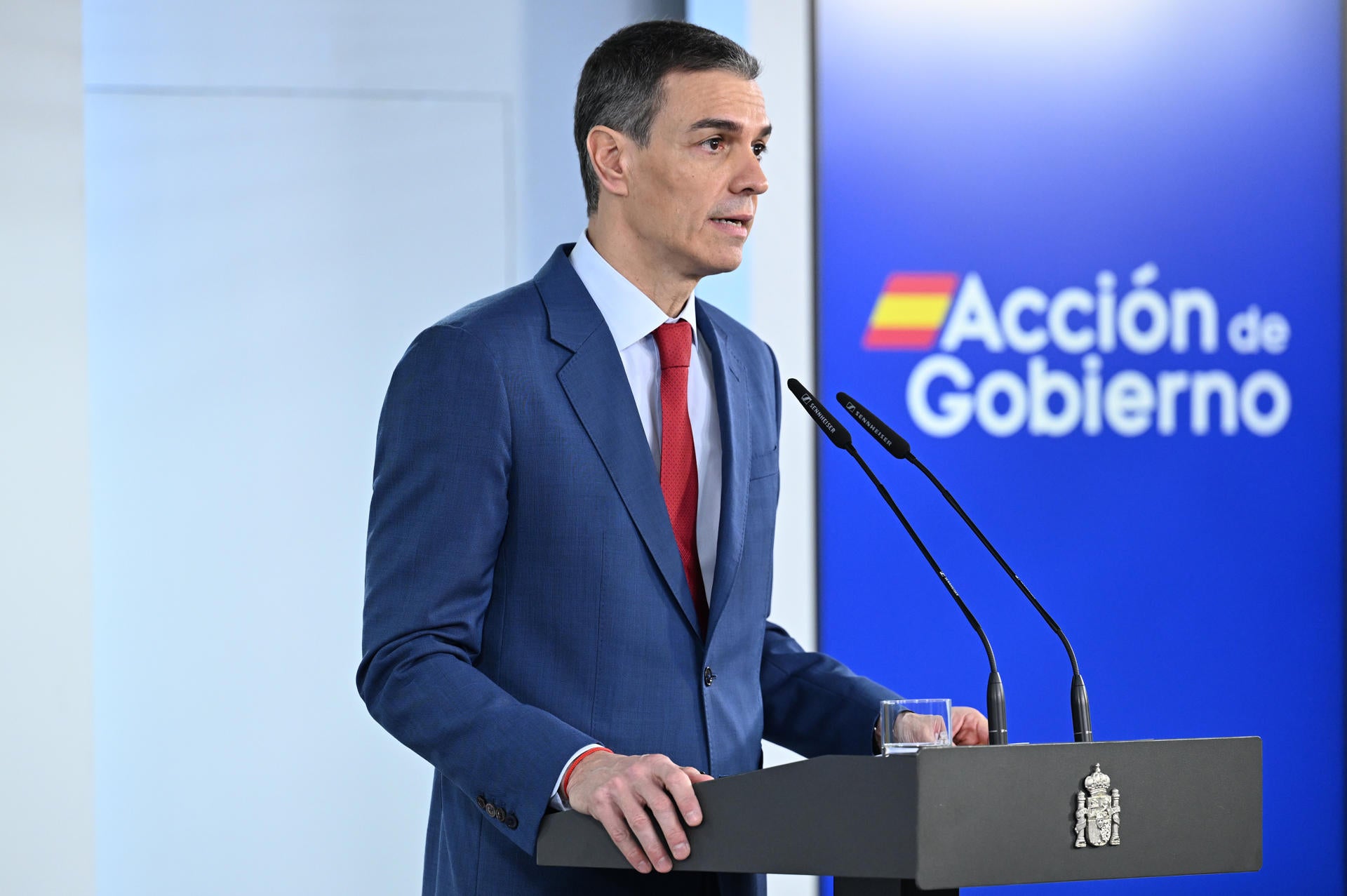
Más de uno
Tertulia: Sánchez contra la guerra
01:10:05
John Müller, Toni Bolaño, Pilar Gómez, Rubén Amón y Marta García Aller analizan la actualidad política.
Loading summary
Transcript207 lines
- [00:12]
A
Aquí estamos estrenando la mañana del jueves 5 de marzo del año 2026 a esta hora, como siempre echamos un vistazo rápido a la prensa de la jornada. Hoy lo que suena broma hoy, mañana puede ir en serio. Ayer bromeábamos en la tertulia con que Donald Trump utilizaría la coartada de que España es un peligro para los estadounidenses y con eso le basta a él para hacer cualquier cosa en Venezuela, en Irán o en España. A ver si va a decir que Sánchez es un peligro para los estadounidenses y nos manda los Delta Force. Bueno, pues seis horas después su ministro de Hacienda estaba diciendo justamente que España pone en riesgo a los estadounidenses o sea que está prohibido hacer bromas a partir de hoy en este programa. Bueno, las portadas del día hoy se reparten entre la hostilidad trumpista contra España y el presidente del Gobierno de España que fruto de un esfuerzo ingente y de una dedicación encomiable ha exhumado un eslogan Ha exhumado un eslogan que en realidad nunca fue enterrado, o sea no a la guerra. Ayer ya se coreó este eslogan en un acto del Ministerio de Igualdad. Es un tráiler todavía un poco deslucido porque había pocas personas. Un tráiler de lo que está por venir. Bueno, recordemos cuatro días después de asistir en Barcelona a la gala de los Goya en la que se recordó la gala del No a la guerra Pedro Sánchez, 54 años, a quien sus críticos ven desmejorao, se quitó 23 años de encima y volvió a sentirse treintañero. No a la guerra. Eso es, así se escribe la alta política en España. El día que Estados Unidos e Israel atacaron Irán, que fue el sábado, el presidente eligió irse a la gala de los Goya después de haber publicado un tuit y de ahí se trajo esta idea, yo creo que es la de resucitar el eslogan. Bueno, es la apertura del diario El País que lleva este título Sánchez rescata el no a la guerra Rescata en el sentido de que saca del desván o resucita pero trae esta editorial del diario del País que un eslogan, por hábil que sea, no basta en un contexto tan grave como el actual. La posición del gobierno es correcta pero un tuit y un vídeo sin preguntas no son manera de defenderla Hay que ir al Parlamento e informar al líder de la oposición porque confiarlo todo a un eslogan es ponérselo muy fácil al trumpismo español. Amén. Como escribe David Mejía en el si desdeñas al Parlamento, no puedes presentar como postura de España lo que sólo es tu opinión, por muy presidente que seas, no se defiende la soberanía nacional cuando ignoras a quienes la representan. La Vanguardia también abre con el no a la guerra, pero le añade que Pedro Sánchez mantiene el pulso, no el latido sanguíneo, que también, sino el enfrentamiento con Donald Trump, el innombrable. Por tanto, no vamos a ser cómplices de algo que es malo para el mundo simplemente por el miedo a las represalias de alguno. ¿Trump en español? ¿Se dice alguno? Dice la crónica de La Vanguardia que el presidente anima a la movilización progresista, o más bien se lo pregunta en la crónica, ¿Logrará despertar al desmovilizado electorado progresista? No al pacifista, sino al progresista. De modo que también La Vanguardia interpreta que lo que hay es un intento de aprovechar Irán para conseguir votos en Soria, por ejemplo, ya que hay elecciones el domingo 15. El electorado progresista, esto es intuición mía, debe estar un poco agotado de que le empujen todo el tiempo a movilizarse. Cuando no es por Gaza, es por el aborto, es por el fiscal general del Estado, que no le dejan un fin de semana libre. Tampoco es que el editorial de La Vanguardia sea muy entusiasta porque dice que Pedro Sánchez suele reivindicar la diplomacia como herramienta para resolver conflictos y dice La Vanguardia no se equivocará entonces si obra en consecuencia, actúa con más contención y reconduce las relaciones con Estados Unidos Esta fórmula un poco cardenalicia no se equivocará usted si hace esto que le estoy diciendo. Marius Carol opina en este periódico que aunque en la locución del presidente abundaron las elipsis, se le entendió todo. Se le entendió todo menos por qué hay que recurrir a las elipsis, digo yo. Somos mayores, Pues somos mayores, dice Trump en lugar de alguno en el mismo diario Martí Blanque Sánchez tiene razón, pero podría haber ido más allá en los detalles y reconocer que si él puede ir hasta el final en el pulso con Estados Unidos, a diferencia de otros países, es por la propia endeblez española en el concierto internacional, pues una mosca cojonera en un enjambre de abejas no evita la producción de miel, como quedó acreditado en la cumbre de la OTAN. La Razón lo que dice es que lo de Sánchez es un lavado de cara y que vuelve al burladero del pacifismo para resguardarse de la realidad. Y el español sostiene que en el PSOE han echado cuentas y lo que les sale es que el no a la guerra podría darles la victoria electoral en unas elecciones generales. Es la bandera que a Zapatero le funcionó en el 2003, dicen fuentes de. Fuentes rejuvenecidas también, seguro. Fuentes del Partido Socialista dicen aquel no a la guerra. Aquel no a la guerra, el del año 2003, como recuerdan quienes hoy ya no son tan jóvenes, en realidad fue un no Aznar, un no a la participación de España en la guerra de Irak, o sea, contra el presidente del Gobierno. Que igual es un poco distinto el escenario actual, pero bueno, que fuentes de dicen que podrían ganar las elecciones de gobernar no dicen nada. Y hablando de Aznar, por cierto, hoy El País va y exhuma una foto de aznar del año 1987 en la que se disfrazó del Cid. Le convencieron en el Cid. El País, año 1987. En fin, el Confidencial. Lo que rescata o lo que recupera hoy no es un eslogan sino una quiniela. Es esta quiniela que dice que Salvador Illa no conseguirá tener. No conseguiría por eso una hipótesis. No conseguiría sacar adelante los presupuestos en Cataluña y entonces convocaría elecciones catalanas en coincidencia con las elecciones andaluzas que son en junio y Sánchez le sumaría unas elecciones generales y así tendríamos un superdomingo electoral con el voto del PSC muy movilizado y con el no a la guerra hasta la victoria final. Bueno, todos son cálculos, claro. Dice la crónica que lo de ayer ha disparado la expectación de los medios y que en Moncloa replican que carece de sentido esta hipótesis, lo cual alimenta todavía más la quiniela o la sospecha de que finalmente se produzca. Cuanto más lo desmienta la Moncloa, más creerán algunos qué es lo que va a suceder. El Mundo va en portada con lo del ministro americano que nos ve como un riesgo para los estadounidenses y en el editorial afirma, en sintonía con Sánchez, por cierto, que un país soberano, en efecto, no acepta imposiciones ni se deja arrastrar a una guerra por inercia. Pero añade El Mundo que el Gobierno convierte esa norma en un artefacto de propaganda y convierte la guerra en un recurso partidista. Como si el PSOE celebrara que haya un conflicto porque igual así se le movilizan más votantes. Como ayer dijo el presidente Sánchez que tenemos que prepararnos para una guerra larga y de graves consecuencias. Pues hay quien está viendo ahí ya un deseo. Deseo de que no termine pronto esta situación de conflicto. No vaya a pasar lo que pasó en Gaza, Que el plan de paz cambió el guión y ya ni flotilla ni nada, ni movilización del electorado progresista ni más cosas ahora, por cierto, les cuento en medio minuto que el diario El País está informando ahora mismo de que a lo que sí está dispuesto el Gobierno de España es a dar apoyo militar a Chipre. Chipre, que no es OTAN, pero sí es Unión Europea. De hecho ejerce la presidencia de la Unión Europea. Y una base británica en Chipre resultó alcanzada por un misil iraní. Yo por aquello de la confusión esta que hay de qué pasó ayer para que en la Casa Blanca interpretarán que nuestro Gobierno cambiaba de posición y estaba por colaborar militarmente con Que igual era esto. Que hoy sabemos que el Gobierno sí está por la labor de enviar o de dar apoyo militar a Chipre. No es que queramos participar en la guerra, pero sí respaldar a quien ha sido afectado ilegalmente por un misil iraní que forman parte. Sobre el misterio este de la jornada, digo qué llevó a la portavoz de la Casa Blanca a decir que España había cambiado de postura. La Moncla dice que son fake news, que no ha cambiado de postura. Y el español señala, creo que es el único periódico que lo subraya, que el único contacto que ahí hubo entre los dos gobiernos fue la reunión de Margarita Robles con el embajador de Estados Unidos, señor León. Pero que Moncloa dice la información niega que ahí se le transmitiera al embajador rectificación alguna. Que supongo que es lo que la ministra le ha contado al palacio de Moncloa de cómo fue, cómo discurrió esa reunión. No tengo ni idea y sinceramente, tengo muchísimo trabajo en estos momentos.
- [08:30]
B
No tengo la menor idea.
- [08:35]
C
Más de uno. Onda Cero, Carlos Alsina.
- [08:42]
A
Una patata puede parecer muy sencillo, pero para. Muy sencilla, pero para eso alguien ha tenido que hacer todo lo complicado que hay antes. Somos hijolusa. Cada patata esconde ese secreto. Porque el secreto de lo sencillo es que no es sencillo. Una zanahoria, una patata y ya. No, no.
- [08:56]
C
Meses de trabajo siembra, selección pero parece tan fácil.
- [08:59]
D
Ese es el secreto.
- [09:01]
A
Somos hijolusa. El secreto de lo sencillo es que no es sencillo. Aquí está Gallo la Torre, como cada mañana a esta hora. Rafa, buenos días.
- [09:28]
D
Buenos días.
- [09:28]
E
Carlos Alsina Sánchez ha resumido en cuatro palabras la posición española respecto de la guerra contra Irán. No a la guerra. 4. No a la guerra. No es un argumento, es un disparador sentimental. Una consigna que no pretende fortalecer a España ni aliviar ningún sufrimiento. Sólo pretende activar la nostalgia. Y hay algo, además, que lo delata. El apresurado, ansioso, angustioso desmentido de Álvarez. Resulta que la portavoz de la Casa Blanca, Caroline Levitt, salió diciendo que España había aceptado cooperar militarmente con Estados Unidos. Álvarez pudo decir que claro, que son aliados de la OTAN, que siempre hay cooperación. Bueno, el bla, bla, bla diplomático. Pero salió con tal premura a decir que todo es falso que revela lo que en realidad importa. Ni los iraníes, ni el interés general de España, ni cuáles son las amenazas de Trump, ni cómo combatirlas. Que nadie estropee la campaña del no a la guerra. Eso es lo que importa. Que nadie ponga en duda el no a la guerra presidencial.
- [10:26]
D
Porque, al fin y al cabo, que
- [10:27]
E
España haya vendido armas en 2024 por valor de 3.400 millones de euros es una contradicción salvable. Yo creo, claro, que España es un país soberano cuyo gobierno puede decidir qué hacer ante una guerra, pero siempre que las consecuencias se expliquen en el Congreso, que se someta al dictado de las cámaras y que se argumente acerca del interés general o de la inmolación moral, si se quiere. Yo entiendo que una deliberación democrática en una cámara de representantes sobre el interés nacional es una quimera en este país. Esto, desde luego, va de otra cosa. Una que, como recuerda el editorial de hoy del país, se ha ventilado con un tuit, un vídeo y un eslogan. Hala. Buen programa.
- [11:08]
A
Gracias por madrugar con nosotros, Rafa.
- [11:10]
E
Es mi trabajo.
- [11:23]
A
Antes de invertir el dinero que tenemos ahorrado, hay una pregunta y una respuesta. Y la pregunta es ¿Cuánto tiempo queremos tenerlo invertido? Borja.
- [11:30]
F
La respuesta es Bestinver y sus fondos de renta variable, renta fija y alternativos. Decidimos qué dinero queremos invertir, qué plazo
- [11:37]
A
nos interesa y con la ayuda de
- [11:38]
F
sus expertos, cualquiera puede empezar a invertir desde 100 euros. Bestinver es siempre la respuesta adecuada informes en Bestinver es o llamando a su equipo en el 987-8280.
- [11:52]
C
Más de uno en onda cero.
- [12:11]
A
A partir de ese momento aquí en tertulia en Onda Cero. En la radio hoy está Pilar Gómez. Buenos días, Pilar. Muy buenos días. Ha venido John Müller. Buenos días.
- [12:19]
G
Hola, buenos días, Carlos.
- [12:20]
A
Muy buenos días. También Tony Bolaño ha querido venir. Buenos días, Tony.
- [12:23]
H
Muy Buenos días, Carlos. ¿Cómo te encuentras?
- [12:24]
A
Bien, muchísimas gracias. Pues muy bien. Sí. ¿Por qué no ves mal?
- [12:27]
H
Como no dejas de hacer preguntas. Ya te pregunto cómo estás preguntas.
- [12:31]
A
Sí. Lo que no dejo es que se hagan bromas. El riesgo que tienen los estadounidenses.
- [12:36]
H
Estoy dormido.
- [12:37]
A
Ni cantar menos. ¿Has dicho cantar o catar?
- [12:40]
G
Cantar.
- [12:41]
H
¿Y por qué no se puede cantar? ¿Si eso da?
- [12:43]
A
Buenos días. Marta García, Ayer.
- [12:44]
I
Buenos días. Carlos Alsina.
- [12:46]
C
¿Cómo estás?
- [12:46]
A
Muy bien, muchísimas gracias. Buenos días. Rubén Amante.
- [12:48]
H
¿Qué tal, Carlos?
- [12:49]
A
Bueno, pues empiezo por contaros, como les he dicho a los entes. Publica el diario El País, ¿No? Si. No necesito autorización. En esto soy como Trump. ¿No necesito autorización, No? Publica el diario del País y es una infracción de Miguel González, que maneja buenas fuentes siempre en el Ministerio de Defensa y en el Gobierno. El título dice que España estudia prestar apoyo militar a Chipre ante los ataques de Irán. Y cuenta la información que el gobierno del presidente Sánchez tiene sobre la mesa una serie de opciones. Todas supondrían dar apoyo militar a Chipre. Chipre forma parte de la Unión Europea, no de la OTAN, pero sí de la Unión Europea. Dar apoyo militar a Chipre ante los ataques que ha recibido. Que está recibiendo por parte de Irán y de su aliado libanés Hezbolá. Según fuentes gubernamentales, dice que la decisión de no apoyar la guerra iniciada por Estados Unidos. Aquí viene la explicación de si esto encaja o no encaja con lo que gobierno viene defendiendo. Dice la decisión de no apoyar la guerra iniciada por Estados Unidos e Israel contra Teherán y no permitir el uso de las bases españolas no es incompatible con el apoyo militar a un miembro de la Unión Europea como Chipre. Porque en el primer caso se trata de un acto de agresión, en este caso Irán fue el país agredido, que vulnera el derecho internacional y no tiene cobertura jurídica. Mientras que el segundo caso, que es enviar apoyo militar a un país europeo que ha sido agredido, en este caso por Irán, sí forma parte es un acto de solidaridad en defensa de un socio que pide ayuda ante un ataque exterior. Dice, lo primero, el ataque contra Irán debilita el orden internacional. Lo segundo, lo que fortalece es la defensa europea. Lo que cuenta la información es que el presidente habló el pasado lunes con el presidente de Chipre, que le trasladó todo el apoyo de España ante el ataque que sufrió Chipre, una base británica en Chipre, el domingo por la noche. Y que en este momento el presidente tiene sobre la mesa porque ¿En qué se traduce el apoyo militar? Pues que en este momento tiene varias opciones encima de la mesa y están a la espera de que el presidente decida cuál le vale. Y que estas opciones son que van desde el envío a Chipre de una unidad antidrón, una batería antiaérea, un radar desplegable o una fragata, que en todos los casos dice, hay que subrayar, son sistemas de defensa antiaérea. Son para protegerse de posibles misiles que procedan de Irán y que se puedan derribar desde Chipre o desde una fragata, en este caso española, que sería la primera participación militar de España en este conflicto, pero con una dimensión exclusivamente de defensiva y europea. Podríamos ver, y el gobierno nos explicaría que no es incompatible y que no es contradictorio. Podríamos ver al presidente encabezando el no a la guerra y a la vez enviando una fragata a Chipre a la
- [15:34]
C
guerra,
- [15:37]
A
a defender a Chipre de un ataque iraní.
- [15:42]
H
Viva la diferencia. No es ir a la guerra. Igual que Stremer no va a atacar a Irán.
- [15:49]
C
Pero a Chipper ¿Quién le ha atacado? Irán. Es que no es parte de la guerra.
- [15:54]
H
La guerra es global.
- [15:55]
C
Bueno, no, pero es guerra.
- [16:00]
H
Hay que ir de rodillas detrás de
- [16:04]
F
coherente aliados.
- [16:07]
A
No os enfadéis tan pronto, que no he traído la maza hoy. Bueno, tengo otra en el armario. Sí, tráemela, por favor. La buena,
- [16:15]
F
el martillo de Tor.
- [16:17]
A
No os enfadéis tan pronto que acabamos de.
- [16:19]
I
Sí, la verdad que viene Toni. Desde que decía que estaba dormido y
- [16:22]
H
pirar me ha despertado.
- [16:24]
C
Has acabado diciendo que era la guerra, ¿No?
- [16:26]
H
No vas a defender Europa a un socio de la Unión Europea. Es el presidente rotatorio de la Unión Europea.
- [16:36]
C
¿Que quién ha atacado Chipre?
- [16:38]
A
Irán.
- [16:40]
C
¿Y la guerra contra quién es y por qué se ha desatado? Por un ataque a Irán.
- [16:44]
H
¿Y vas a defender en la misma guerra o no? En la misma guerra, pero no vas a participar en una guerra, en un ataque, si es la misma, rápido.
- [16:55]
G
Hemos comprado el marco de Marco Rubio, presidente totalmente, que es el que desea Viva Trump.
- [17:02]
A
Hablad de uno en uno. Hablad de uno en uno. Ya sé que discrepáis en algunas de vuestras lógica de Marco Rubio también, pero es bonito que se entienda lo que decís. Por tanto, ahora habla John Müller.
- [17:11]
G
Gracias. La lógica de Marco Rubio es que había una amenaza inminente, que era la capacidad de Irán a responder a un ataque. ¿Me parece que como les vamos a atacar?
- [17:21]
A
Marta, por favor. Marta, por favor, que hable John una vez.
- [17:28]
G
John ha sido muy rápido.
- [17:31]
F
Una vez que Irán decide cómo responder y al responder involucra a países que nos atañen, ¿Estamos en guerra o no estamos en guerra?
- [17:40]
I
Rubén, podemos establecer un poco más de matiz, ¿No?
- [17:42]
F
Yo es que estoy empezando el argumento ahora voy perfilando y afilando los matices que tú quieras. Es que en el momento en que se comprometen intereses propios y lo son los comunitarios, lo son de Francia porque ha sido atacado en una base White, ¿Habrá que responder o no habrá que responder? ¿Mandar una fragata es o no intervenir?
- [18:03]
G
¿El misil que cayó en Turquía era un misil disparador para provocar una guerra o era una agresión contra Turquía, un país de la OTAN? Es curioso además porque ayer corrió el rumor de que la batería patriot española que está desplegada ayer, la que lo había derribado.
- [18:21]
I
Es muy interesante cómo una vez que Trump empieza sus incursiones variopintas, mata o secuestra líderes mundiales según le va conviniendo, aunque sea lo contrario que lo que ha dicho, saltándose a la torera no sólo la legislación internacional, sino también todos los organismos como los conocemos. Entonces la reacción a esa acción tampoco es coherente a la primera. Es complicado explicar lo que pasa con las reglas que veníamos diciendo. No es lo mismo intervenir en un conflicto o decirle que puede utilizar tus bases para atacar Irán, aunque no sea llevar armamento, atacar Irán, que decir que si hay un socio europeo que se ve involucrado se le pueden poner, qué es lo que ha hecho, por cierto, Inglaterra, qué es lo que está haciendo Starman y qué es lo que está haciendo Alemania, de manera mucho más inteligente que Sánchez Toni, que lo han hecho de manera diplomática, decir, oye, vamos a
- [19:16]
C
dar la gran diferencia.
- [19:17]
I
Claro, es que es muy diferente. Es que con el brochazo gordo, porque ninguno ha salido. Que no se han opuesto a Trump de manera frontal porque no es inteligente y tampoco le han hecho vasallaje. Han bueno, aquí los intereses europeos. De hecho, Trump ha sido. Hay un artículo muy interesante hoy en Político que plantea cómo Estados Unidos, a lo mejor, entre todas las cosas que no ha calculado, porque se mueve más por lo que improvisa Trump, por los planes que le dicen los estrategas de la Casa Blanca, entre lo que no ha calculado es lo estratégico y lo importante que son las bases europeas y el ponerse de acuerdo con ellas. Y que no hace falta plantarse, como hizo Francia en la guerra de 2003, cuando se enfadó la Casa Blanca y hablaba de las liberty, en vez de llamarlas las french fries, les cambiaron el nombre porque Francia le plantó cara. En vez de eso, lo que hay son diferentes grados de intervención. Si cae un misil en territorio europeo, los europeos tendrán que hacer algo. Pero Trump despreció la OTAN. Y ahora se da cuenta que.
- [20:31]
C
Para mí el debate es la incoherencia del presidente del Gobierno con esta última decisión. Criticar que Sánchez está yendo incoherente no quiere decir que estemos apoyando a Trump. Yo no apoyo uno, lo digo porque hay que hacer un. Pero yo lo hago. El básico, entonces. El básico. ¿Estamos en contra yo de la intervención que ha hecho Trump en Irán? Sí.
- [20:52]
A
Eso es.
- [20:53]
C
¿Estoy en contra de la respuesta que ha dado el gobierno de Sánchez? Sí. ¿Por qué? Porque me parece incoherente, porque me parece improvisada y con unos fines exclusivamente partidistas y domésticos de un conflicto que es internacional. ¿Qué quería yo explicar antes? Que es la misma guerra. Es decir, estamos ante un ataque de Irán y tú tienes que ver en qué forma respondes. Primero, el ataque de Trump a Irán. Así empezó todo. Entonces, los países a partir de ahí toman una postura. Nuestro presidente del Gobierno, desde el minuto uno tomó su postura. Los presidentes de Alemania, de Francia, de Gran Bretaña. Oye, nosotros ayer apoyamos al Sr. Sánchez. Sí Trump toma represalias contra el Sr. Sánchez. Pero nosotros sabemos, uno, que estamos ante una amenaza global que no es ajena, que no va solo de Irán y de ese territorio, sino que se ha visto que el propio Irán quiere, como bien decía Müller, provocar y ver hasta dónde llega el tablero que estamos. No se nos olvide, con una guerra
- [21:51]
I
en Ucrania no compramos el marco a Sánchez, pero no se lo compremos atrás.
- [21:55]
C
No, no, para mí es una amenaza global. Yo te voy a decir por qué. Porque yo creo que estamos en una guerra de Ucrania que se nos olvida, muy peligrosa y que todos los países, todos los países de Europa están reforzándose y sus opiniones públicas están entendiendo que estamos en una situación diferente y aquí no pasa nada. Estamos en el no a la guerra de Sánchez. Yo lo que digo que no entiendo. No entiendo cómo podemos decir que no entramos en una guerra cuando vamos a estar claro que sí, participando de otra forma. Participando como va a participar Gran Bretaña, como va a participar Francia, pero de la misma guerra. No, son conflictos diferentes. Tú no puedes decir no a la guerra y participar. Y es que estás en tu deber de participar. Claro que sí. El problema es que Sánchez con su argumento, que es electoralista puro y duro, ahora a ver cómo lo mantiene con la política internacional responsable que tiene que
- [22:43]
F
hacer y que yo creo que se hace movilizar al votante de izquierdas a través de un eslogan trasnochado y de un contexto extemporáneo.
- [22:52]
A
Ya voy, Toni.
- [22:53]
F
Digo una cosa. En el momento en que Irán establece cuáles son. Irán establece cuáles son sus puntos de despliegue arropado por China, no olvidemos que esta guerra tiene detrás un objetivo clarísimo de Trump, que es desestabilizar a China. Luego, ¿Cómo no va a ser una guerra de ámbito global? ¿Y cómo no lo vamos a vincular al pulso entre Beijing y Washington? ¿Cómo no? Pero una vez que Irán escoge quirúrgicamente cuáles son sus objetivos e involucra a los países uníes e involucra determinados socios comunitarios, está definiendo precisamente cuál es el alcance de su represalia y de su derecho a responder o no. Pero no podemos fingir que ha sido atacado un país comunitario.
- [23:35]
A
Ahora seguimos y antes de que Tony hable, yo sólo voy a decir dos Una, que en junio ya hubo un ataque de Estados Unidos a Israel contra Irán. No han parado por la legalidad internacional y las bases españolas se utilizaron para preparar ese ataque. Y ya hubo un debate en España y una polémica. Y sin embargo, en aquel momento yo no escuché a Sánchez decir que si los americanos usan nuestras bases para atacar Irán, somos nosotros cómplices de una actuación internacional ilegal y por tanto de una guerra ilegítima. Pero es que esto ya pasó. Pasó en junio, no hace 23 años. Pasó hace menos junio, cuando Trump dio
- [24:09]
I
por destruido el arsenal militar nuclear y
- [24:11]
G
dijo que todos los que decíamos que la amenaza nuclear
- [24:16]
A
que no me cambiéis el foco, que no estoy hablando de Trump y de sus contradicciones, estoy hablando de las nuestras. Estoy hablando de las nuestras, de cómo en junio que nuestras bases fueran utilizadas por Estados Unidos no tenía mayor problema. Y hoy son. Ese es el argumento. Porque este es el motivo del último choque entre Estados Unidos y Españ que se le ha denegado el uso de las bases porque ahora resulta que te convierte en cómplice de una actuación ilegal. Eso es lo primero. Yo creo que esto el gobierno, igual la ministra, por ejemplo, que ha dado entrevistas a algunos medios, no aquí, a este programa desde hace años, podría explicarlo si las bases son o no son un elemento que te convierte en cómplice de guerras ilegales. Porque entonces ya lo fuimos en junio. Y lo segundo, antes de hacer una
- [24:59]
I
pausa,
- [25:01]
A
el único problema que tiene el no a la guerra es que como es un eslogan, no admite matices. Bueno, no admite matices por quien utiliza el eslogan. Y entonces te pone en situaciones un poco complicadas. Porque no a la guerra es lo que decía Podemos respecto de la guerra de Ucrania. En Ucrania, el país agredido es Ucrania. Y por tanto defender que Ucrania pida ayuda de países aliados tiene cobertura de la legalidad internacional porque Ucrania ha sido agredida por Rusia y entonces podemos nosotros mismos prestar ayuda económica y militar a Ucrania porque es perfectamente legal que eso se haga. Pero para Podemos aquello significaba que España se metía en la guerra de Ucrania y que formábamos parte de ese conflicto. ¿Y qué argumento utilizaba Yene Belarra? No a la guerra. No a la guerra. Y Sánchez era el señor de la guerra porque enviaba armas a los ucranianos. Pero es que los ucranianos eran los agredidos. Claro, si utilizas el no a la guerra ahora y quieres establecer comparaciones, que son todas bastante forzadas, yo creo, y bastante absurdas, en este caso el país agredido se llama Irán. No hemos quedado en eso. El sábado el país que fue agredido fue Irán. Fue agredido por Estados Unidos y por Israel. Pues menos mal que Irán no nos ha pedido ayuda para defenderse de Estados Unidos e Israel, ¿No? No. Y Ucrania tampoco. Y Ucrania tampoco. Menos mal que Irán no nos ha pedido ayuda porque entonces habríamos tenido que ir en socorro del agredido que es Irán y sería perfectamente legal desde el punto de vista internacional. Lo digo porque el no a la guerra trae estas complicaciones que luego te cambian el guión internacional. Mañana Putin te monta un lío en el Báltico. Pero fíjate, no a la guerra.
- [26:37]
H
No te voy a dejar pasar.
- [26:39]
A
No, no. Vamos a hacer una pausa de publicidad. Venga, para eso soy un veto.
- [26:45]
H
Esto es autoritarismo.
- [26:46]
F
Un minuto.
- [26:47]
A
Esta sí que es de verdad. Esta me la ha regalado alguien que se dedicó a.
- [26:52]
H
Cuidado que no des en el portátil.
- [26:54]
D
¿Como?
- [26:55]
H
Des en el portátil con la maza.
- [26:57]
A
¿Por qué voy a dar en mi portátil?
- [26:58]
H
Bueno,
- [27:02]
A
bueno, dadme un minuto. Ahora seguimos con este bate porque Tony tendrá ocasión de
- [27:10]
C
más de uno. Onda Cero, Carlos Alsina.
- [27:35]
A
Las 9 y 4 minutos. Una hora menos en las Islas Canarias. Estamos aquí en tertulia en Onda Cero con Bolaño, con Pilar Gómez, John Müller, Marta García, Ayer, Rubén Amón, que sé que queréis seguir hablando de Irán, pero me vais a permitir que nos vengamos un poco más cerca durante algunos minutos porque tenemos unas elecciones en Castilla y León el próximo día 15 de marzo. Luego el personal se lamenta de que es que no nos fijamos en las cuestiones más próximas y Castilla y León es una comunidad autónoma bien importante. Todas lo son. Todas lo son. Pero además el resultado en Castilla y León seguramente tendrá una lectura de ámbito nacional el día siguiente, pase lo que pase con Irán y con estas otras cuestiones que venimos contando. Bueno, Carlos Martínez, como sabéis, es el candidato del Partido Socialista a la presidencia de la Junta en Castilla y León. Señor Martínez, buenos días.
- [28:21]
D
Hola, buenos días. ¿Qué tal? ¿Cómo estáis?
- [28:22]
A
Muy bien, Gracias por acompañarnos esta mañana. Usted espera que le voten mucha gente para castigar a Donald Trump por la guerra de Irán. ¿Cree que puede haber alguna relación entre una cosa y otra?
- [28:34]
D
Bueno, tiene que haber. Necesariamente tiene que haber. La guerra tiene una consecuencia directa en cuanto al coste de vidas, máxime cuando es una guerra absolutamente ilegal y contraria al derecho internacional, el paraguas de Naciones Unidas. Pero ese coste de vidas también hay que incorporarle el coste económico y creo que es ahí donde no nos estamos dando cuenta. Y además que va a afectar mucho también a la propia Castilla y León, aunque parezca. Aunque parezca. Algunos estén incluso justificando este ataque ilegal sin darse cuenta del coste económico que esto va a tener, que ya tiene en cuanto al precio de subida de los carburantes, el precio de los fertilizantes, al final pagan siempre los mismos nuestros agricultores y nuestros ganaderos. Por eso también nosotros queremos poner encima de la mesa que ese coste económico, ese sobrecoste, la producción que van a tener nuestros agricultores y ganaderos tiene que tener medidas correctoras por parte del Gobierno de España y por parte de la Comunidad Autónoma. Por eso nosotros hemos puesto encima de la mesa que tenemos que plantear una línea directa de ayudas para comprar el fertilizante. Tenemos que generar una especie de bonificación a la hora de liquidar el coste de explotación, el incremento del coste de los hidrocarburos. Sabéis que las comunidades autónomas ingresan el 55% del impuesto de hidrocarburos y lo que tenemos que intentar plantear que ese exceso de ingresos que va a tener por el sobrecoste que está teniendo la Comunidad Autónoma, de alguna forma retorne a quien lo está pagando, quien lo está soportando, que son nuestros agricultores. Y desde luego, ahora más que nunca intentar defender en la política agraria que no se reduzca ese 20% que se que se ha propuesto por parte del Partido Popular Europeo en Bruselas y que aquí parecen renegar de él, pero que es una realidad. Por tanto, Irán afecta lo que sucede en todo el mundo afecta y afecta de una forma plena y directa a un sector primario fundamental para nosotros.
- [30:17]
A
¿El presidente Sánchez debería ir al Parlamento a explicar la posición del Gobierno en lugar de despacharlo con una comparecencia sin preguntas ayer en el Palacio La Moncloa?
- [30:25]
D
Bueno, yo creo que tiempo habrá. Creo que es absolutamente necesario. El Parlamento es la base absolutamente de todo. Y nosotros que criticamos abiertamente a Mañueco porque acude a rastras, acude a rastras cuando los incendios en Castilla y León y acude a rastras a duras penas a las Cortes de Castilla y León. Me parece que la casa de todos, el Parlamento, tiene que ser donde se decisiones del Ejecutivo.
- [30:47]
A
Igual Mañueco también pensaba tiempo habrá, como dice usted ahora sobre el presidente de Irán, Tiempo habrá. Tiempo habrá.
- [30:55]
D
Tiempo habrá quiere decir que no dejándolo mucho, yo sí soy partidario de dar la cara permanentemente y sobre todo en las Cortes de Castellano y el Parlamento nacional. Creo que es absolutamente necesario que el Ejecutivo rinda cuentas y las cuentas se rinden al margen de los medios de comunicación siempre en el Parlamento.
- [31:12]
A
Le pregunté a Mañok el otro día que estuvo en este programa por la oferta que había hecho usted para que gobierne quien gane las elecciones. Firmar un acuerdo para que el que gana gobierna y el otro facilita que gobierne y así Vox, digamos que se queda sin llave para la investidura. Él no acepta esa oferta, como quedó claro también en este programa. Usted en todo caso mantiene esa esa posición o propuesta de que deberían entenderse para que Vox no tuviera la llave de la investidura.
- [31:39]
D
Estuve muy atento al desarrollo de esa entrevista porque no solamente negó la mayor a la hora de plantear este acuerdo, es que dijo que no quería acuerdo alguno con el Partido Socialista. Y creo que es una grandísima irresponsabilidad y además es hacer oídos sordos a la voluntad mayoritaria de ciudadanía que nos está buscando que alcancemos consensos en la banda ancha, las dos formaciones políticas más importantes, aquellas que podemos configurar gobierno en Castilla en este país y por tanto la exigencia de la banda ancha y hacer oídos sordos a la misma creo que es un mayúsculo error. Nosotros, yo lo planteo y lo dije ya el 24 de febrero, llevo diciendo hace más de un año, es absolutamente necesario que los dos grandes partidos políticos nos pusiéramos de acuerdo y pusiéramos encima de la mesa la coherencia que yo he defendido siempre, que la lista más votada pudiera configurar gobierno y luego a partir de ahí el ejercicio de responsabilidad de tener que buscar esos puntos de encuentro. Y lo mantengo, pero claro, lo mantengo, como también le he dicho, hasta la noch del día 13 porque creo que el Partido Popular está acostumbrado siempre a jugar con las cartas marcadas y por tanto lo que yo digo es que quiero saltar al terreno de juego con las normas claras antes de la celebración del partido y no a posteriori, como le gusta hacerlo siempre al Partido Popular.
- [32:50]
A
Pero si usted tiene la convicción, yo entiendo que usted habla por convicción y no por cálculo, si usted tiene la convicción de que lo suyo es evitar que Vox tenga la llave de una investidura, hombre, si gana usted las elecciones, pues con mayor motivo. Pero si es por convicción, aunque no haya acuerdo previo, si las elecciones las gana Mañueco y tiene opciones de ser investido para evitar que Vox tenga la llave. Debería usted, entiendo yo, ser coherente con esa convicción y facilitar la investidura.
- [33:19]
D
Es una cuestión de reglas de juego, es una cuestión de que no puede permanentemente exigirse responsabilidad al Partido Socialista y nunca exigirle responsabilidad al Partido Popular. Fíjese, yo soy de los que aquel primero de octubre fatídico en la sede de Ferrari se posicionó por la abstención que permitió la investidura del señor Rajoy y me arrepentí meses después precisamente porque cuando le tocó al Partido Popular hacerlo unos años después, el señor Casado se negó y hubo que hacer una repetición electoral y finalmente generar un gobierno de coalición con Podemos. Y por tanto, a mí me gusta ser coherente y decir las cosas claras antes de empezar a salir al terreno de juego. Y lo digo abiertamente porque creo que no las tendrá todas consigo. Aquel va de ganador de las elecciones desde el pasado 24 de febrero y la realidad es contraria. Se lo estoy poniendo. Yo diría que aquí me dicen como a Felipe II, que es prácticamente un error. Yo creo que la coherencia se lleva hasta el final, pero no puede ser que permanentemente el responsable sea el Partido Socialista. Yo no me niego con posterioridad a buscar puntos de encuentro. Le he ofrecido acuerdos con los presupuestos, le he ofrecido. Estoy pendiente y creo que es absolutamente necesario y que tenemos que hacerlo incluso previo a la investidura y la configuración de un nuevo gobierno. Hay tres cuestiones que son fundamentales y que tendrían que estar poniéndose encima de la mesa que estamos a tres días del 8 de marzo y tenemos hace diez, quince años que caducó la ley de la violencia machista, ha habido dos pactos de estado en el 17.25 y aquí necesitamos hacer una adaptación de esa ley. Hemos puesto encima de la mesa como un acuerdo absolutamente necesario y que además el tiempo apremia, que es una mesa de incendios para que no nos vuelva a pasar lo que nos sucedió este pasado verano y los dos meses que se van a tener hasta que volvamos a configurar un nuevo Ejecutivo, sea del color que sea, apremia a intentar buscar consensos para que a través de esa mesa de incendios reunamos al sector y pongamos un plan de prevención y extinción de incendios para esta comunidad autónoma. Y eso hay que hacerlo ya. Cuando yo escucho que no hay acuerdo alguno, pues me parece que es estar
- [35:29]
A
en contra de lo que hace las investiduras. Siempre que le pregunto tanto a los dirigentes de su partido como a los del otro, a los del PP, siempre acaba planteándose esto como si fuera un hoy por ti, mañana por mí. Si yo hoy facilito tu investidura, entonces luego tú tienes que facilitar la mía. Pero yo le hablaba de convicciones que tienen que ver con los intereses de los ciudadanos, con si luego el partido de enfrente es recíproco o no los intereses de los ciudadanos. Si uno cree que en interés de los ciudadanos hay que evitar que Vox tenga la llave, pues uno va y lo demuestra y lo ejerce y luego ya el otro partido hará lo que sea y se le podrá reprochar en su momento.
- [36:06]
D
Bueno, yo le compro, le compro la mayor. Pero yo creo que tenemos que intentar jugar con unas reglas de juego y no con las cartas marcadas. Y hoy sólo hablo de investidura. Yo estoy ofreciendo acuerdos a posteriori. Yo no voy a renegar, no voy a hacer una labor de oposición frontal, el no por el no absolutamente a todo, que es lo que estamos sufriendo con el Partido Popular frente al Gobierno en la oposición contra el Gobierno de España. Yo estoy planteando que yo diré que no a la investidura porque nosotros no vamos a facilitar la investidura si no hay una previo. Eso no quita que ejerzamos desde la responsabilidad total y absoluta nuestra labor de oposición para buscar puntos de encuentro que son absolutamente necesarios y que tienen que bloquear las políticas de la extrema derecha. Eso se hace en el día a día en el Parlamento, se hace con aprobación de unos presupuestos, se hace con unas medidas legislativas que pongan encima de la mesa adaptación a la ley de violencia machista, una mesa de incendios, la actualidad con esas medidas que le he comentado Agricultura. Nosotros no vamos a renegar si finalmente el préstamo de confianza a la ciudadanía nos ubica en la oposición. Otra cosa es la investidura y por tanto yo no voy a investir a un Partido Popular con las cartas marcadas y lo estamos diciendo de antemano cuando las encuestas no nos dan favorable. Es verdad que es prácticamente un empate técnico, un poquito, un voto arriba, un voto abajo y ellos no las tienen todas consigo, pero creo que la coherencia. También pasa que las reglas de juego sean idénticas para todos. No es un día por ti, otro por mí. Mismas reglas del juego para todos los que salimos a jugar de una forma limpia a esa solicitud de préstamo de confianza a la ciudadanía. Porque si no estaremos siempre dependiendo de que el Partido Popular gobierna y cuando no gana también es hacerse trampas al solitario.
- [37:42]
A
¿Pero entre el PP y Vox usted prefiere al PP?
- [37:46]
D
Hombre, si les estoy planteando hasta el día 13 una oferta tan generosa como la que estamos a tenor de las encuestas. Es verdad que yo soy de los que confía en que las encuestas no tan ajustadas como las que tenemos les vamos a poder dar una vuelta. Es decir, que yo no soy ingenuo, es decir, que para esto tenemos que intentar jugárnosla todos. Pero claro, de esto se trata la democracia, de tener confianza en la ciudadanía. Yo tengo confianza en nuestro proyecto político, tengo mucha confianza en los equipos que tenemos en las nueve provincias y por tanto, desde el minuto uno, allá cuando asumí la responsabilidad el pasado 23 de febrero del año pasado, puse oferta encima de la mesa. Desgraciadamente ni a esta ni a otras muchas quiso atender el señor Manuco.
- [38:28]
A
¿Su partido le consultó a usted, la Dirección Nacional del partido del Gobierno le ha consultado a usted en algún momento antes de elaborar el modelo de financiación autonómica que presentó la ministra María Jesús Montero? Contaron con el criterio.
- [38:42]
D
Tuve la oportunidad de tener varias reuniones, dos con carácter previo y varias a posteriori, con la Secretaría de Estado y con la propia ministra Montero. Y es verdad que los criterios, la música, como he definido en muchas ocasiones, suena bien, las cuotas y los criterios de ponderación, esa cantidad hace que el resultado, y lo he dicho abiertamente, sea insuficiente e injusto. Por tanto, hay que ajustar muy mucho esos criterios de ponderación para que realmente el coste efectivo de los servicios nos dé un resultado que sea suficiente y justo para poder aplicar el proyecto político que yo tengo encima de la mesa, que no es otro que ampliar la garantía de los derechos de la ciudadanía en un territorio tan extenso como es nuestra comunidad autónoma, casi 95.000 kilómetros cuadrados, más grande que Portugal y 2.248 municipios, además bastante envejecido. No lo digo desde una posición pesimista, sino de una posición realista, que eso significa un mayor coste y por tanto hay un conflicto de intereses dentro de nuestro propio partido y dentro del Partido Popular, entre comunidades autónomas que quieren fijar el criterio de población y otras que entendemos que el coste efectivo de los servicios es el que garantiza los derechos de ciudadanía. Y por tanto, yo digo abiertamente que lo primero que tenemos que hacer cuando asumamos el Gobierno de la Junta de Castilla y León es precisamente, primero, promover unos presupuestos, segundo, poner encima de la mesa una Ley de Ordenación de territorio, tercero, una normativa que regule y legisle la despoblación y en paralelo ir al Consejo de Política Fiscal y Financiera con todo lo que queremos hacer, dónde queremos hacer y cuál es el coste real para poder negociar con algo. Lo demás, plantear que se acuda al Consejo Política Fiscal y Financiera desde una posición victimista y con la amenaza de llevarlo al Constitucional sin poner una alternativa encima de la mesa, me parece que es absolutamente irresponsable. Por tanto, yo digo, no me gusta el resultado, me suena bien la música, pero hay que ajustar muy mucho para que el resultado sea justo. Y eso es lo que vamos a defender dentro del Partido Socialista y dentro de ese Consejo de Política Fiscal y Financiera esté al frente del Gobierno de España el Partido Socialista, que es mi partido, o esté el Partido Popular.
- [40:40]
A
Eso significa que le consultaron a usted, habló usted con la ministra Montero, pero le hizo poco caso.
- [40:46]
D
Bueno, la música es uno bien. Y a mí lo que no me contaron es el resultado final, lógicamente. Y por eso lógicamente dije, cuando yo supe ese resultado final, dije lo que dije públicamente, que es exactamente lo mismo que he dicho internamente, hay que tocar los criterios, pero es un borrador de propuesta. Yo creo que en el marco de Consejo de Política Fiscal es donde se tiene que negociar todo eso, porque, insisto, hay conflicto de intereses con lo que pide y reclama Andalucía, con lo que pide y reclama la Comunidad Valenciana, que es por habitante, y nosotros por habitante siempre perdemos. Y la sanidad, la educación tiene mayor coste la protección social en una comunidad dispersa y envejecida como la nuestra. Si lo está poniendo encima de la mesa Europa. Y por tanto, esos criterios de corrección tienen que ajustarse, pero tienen que ajustarse cuando se sepa realmente un gobierno ejecutivo que haga sus deberes, una Junta de Castilla y León que haga sus deberes y que lleve cuál es el coste efectivo real de los servicios y cuál es la cuantía económica mínima para poderlos abordar con un plan de acción para la movilidad que garantice también transporte inexistente que hoy por hoy tenemos de los municipios con las cabeceras de comarca, las cabeceras de comarca con las capitales de provincia y eso se ponga encima de la mesa a través del Fondo Social por el clima como 8 mil millones. Es decir, necesitamos saber qué queremos, dónde lo queremos y cuánto cuesta para poder ir con un poco de rigor, un poco de seriedad a estas negociaciones que se tienen que producir porque nadie en su sano juicio quiere tener caducado de forma permanente la financiación autonómica, tampoco la financiación local, por cierto. Y por tanto hay que abordarlo. ¿Si es el momento de abordarlo, ves con los deberes hechos, que es lo que no se hace? Porque aquí lamentablemente nos olvidamos de una cosa. En esta última etapa de gobierno del señor Sánchez hemos pasado de 41.000 millones de euros de financiación autonómica a mi comunidad autónoma a 75.000 millones de euros. Y ese incremento de financiación no se ha visualizado una mejor de los derechos de ciudadanía en las condiciones con las que se presta la sanidad, la educación, abandonando a su suerte a muchas de las comarcas, a muchos de los municipios de mi comunidad autónoma. Y por tanto, primero tenemos que ¿Qué queremos hacer? ¿Dónde lo queremos hacer y cuánto cuesta? Y a partir de ahí una planificación estratégica de esas políticas públicas que corrigen las desigualdades que hoy por hoy tenemos. Pero hay que hacer los deberes, hay que trabajar y eso no se está haciendo, lamentablemente.
- [42:59]
A
Decía usted, Carlos, claro, hay diferentes criterios porque hay diferentes intereses de distintas comunidades autónomas, incluso dentro de los mismos partidos, pero el conflicto de intereses no es mayor cuando quien diseña ese modelo de financiación a su vez es la candidata a presidir el gobierno de una comunidad autónoma concreta, que es Andalucía.
- [43:15]
D
Bueno, yo no quiero creer que cuando uno asume la responsabilidad del ejecutivo algo te puede tirar la camiseta de tu territorio, pero tienes que ser lo suficientemente responsable para entender que cuando haces una financiación autonómica no puedes pensar única y exclusivamente en lo tuyo. Yo me niego a pensar mi compañera ministra de Hacienda haya mirado única y exclusivamente los criterios para Andalucía, se ha puesto un documento que asume la responsabilidad de abordar la financiación autonómica y desde esa responsabilidad abramos la negociación. Y ahí es donde nos tenemos que ver, porque este criterio beneficia una vez más a Madrid, a Cataluña, a la comunidad valenciana. ¿Por qué? Porque tienes. Porque prima mucho todavía el criterio de la población y en poblaciones envejecidas y dispersas como la nuestra, con la extensión que tenemos, salimos perjudicados. Y por eso hablo de insuficiencia. Injusto. Es verdad que todas ganamos, pero no me vale a mí. Todas ganamos y algunos ganan más que otras y por tanto se produce mayor brecha de desigualdad. Y eso creo que tenemos que afrontarlo sin dramatismos, pero desde la realidad, que eso necesita ser corregido. Desde esa perspectiva tenemos que ir a negociar y abordar un punto de encuentro y de consejo.
- [44:32]
A
Me está impugnando usted el argumento fundamental del Gobierno central que es como todas las comunidades autónomas ganan, todas tienen que estar aplaudiendo con el nuevo modelo.
- [44:40]
D
Porque es verdad que todas ganamos, pero cuando no todas ganamos lo que debiéramos ganar, cuando los criterios de ponderación no se ajustan a los intereses que yo defiendo a los habitantes de mi comunidad autónoma, yo tengo que poner pie en Palecio. A mí no me he ido en emprendas a hacerlo rivalizando ante la propuesta de mi partido o negociando ante la propuesta que hace mi partido. Creo que es que tenemos que intentar normalizar esto en democracia. Si yo estoy aquí para defender los intereses de los castellanos y los leoneses, esto necesita que se haga en todas las partes. Ya tenemos al Partido Popular, ya tenemos a Mañueco para que sea sumiso absolutamente a todas las políticas. Nosotros necesitamos, si estamos tratando de dar un cambio de un giro de guión, necesitamos defender, ponernos la camiseta de Castilla y Lyon y defenderlo con todas las consecuencias, pero también con la absoluta normalidad. Hay que entender que en toda la negociación hay unos puntos de inicio y unos puntos de llegada. Y el punto de llegada tiene que corregirse, bajo mi punto de vista. Y creo que eso es lo que tenemos que abordar. Pero el no ir, el dar la espantada en los consejos de política fiscal y financiera, el abordar el trabajo dentro de ese seno, en lugar de un marco de negociación, decir que yo lo voy a llevar al Constitucional, algo que todavía no se puede llevar a ningún sitio porque no deja de ser un borrador base para la negociación. Pues no asumir las responsabilidades y jugar a una política partidista que no beneficia absolutamente a nadie. Por tanto, cuando yo pido rigor, trabajo y seriedad es lo que estamos intentando poner encima de la mesa. ¿Que es lo que falta? El señor Mañueco, que todo lo va a hacer ahora después de haber tenido 40 años de gobierno esta comunidad autónoma y siete años de forma exclusiva bajo su presidencia. Y por tanto creo que tenemos que intentar abordar nuestra problemática sin dramatismos, ser conscientes de lo que somos y afrontar las soluciones que tenemos que aportar y las respuestas que tenemos que dar a las demandas de la ciudadanía. Esa es nuestra razón de ser y esa es la forma que yo entiendo la política y es la política que nos está demandando la ciudadanía y en la que llevo practicando 20 años al frente del Ayuntamiento de mis ciudadanos.
- [46:36]
A
Una última cuestión, Carlos, del 1 al 10 ¿Qué nota le pone al transporte ferroviario en Castilla y León?
- [46:44]
D
Pues mire, si le digo que soy de la provincia de sorpresa y no tengo tren, le estoy diciendo absolutamente todo. Por tanto, necesitamos, somos una comunidad que necesita de esas infraestructuras, ese repoc de infraestructuras que digo yo siempre, que generan competitividad al territorio para ser atractivo en la implantación de las empresas, con ello crear empleo y con ello fijar población. Ese repóker son infraestructuras viarias, ferroviarias, eléctricas, tecnológicas y logísticas.
- [47:14]
A
Que no tenga usted trenes competencias, que no tenga trenes en Soria. Disculpa, De Manuel.
- [47:19]
D
No, no, por eso, por eso estoy diciendo. Si me deja le explico. No tenemos entre en Soria porque ahora mismo están acometiéndose unas obras de modernización, se han invertido más de 100 millones de euros para tener una conexión con Madrid que hoy por hoy está en ejecución de obras y que por eso no tenemos tren en Soria y estamos planteando la reapertura de la conexión con el norte de España a través de la Soria Cantejón. Por tanto, frente a quienes cerraron el tren hay un gobierno y un ministro Puente que es de esta comunidad autónoma, que está invirtiendo más de 100 millones de euros en la conexión con bancos y que estamos estudiando la redacción del proyecto para ampliar la conexión con Castejón y por tanto dotarnos de tren. Pero le estoy diciendo que una comunidad tan grande como ésta, al margen de esas infraestructuras que competen al Gobierno de España. Para articular estos 95 mil kilómetros cuadrados, este país, como le llamo yo a Castilla y León, necesitamos de una red de carreteras autonómicas y de un transporte y una movilidad autonómica que va más allá de la red ferroviaria y las vías de gran capacidad que necesitamos transportar, urbano, intraautonómico, que es competencia exclusiva de esta comunidad autónoma y que lleva 40 años sin desarrollarse. Por eso, insisto, exigencias al Gobierno de España para que Soria tenga tren y todas las provincias podamos estar conectadas, porque el tren es la infraestructura logística también del futuro. Pero no haremos nada si solo somos capaces de entender Castilla y León desde el punto de vista de las capitales de provincia. Necesitamos entender que Castilla y León es mucho más que las nueve capitales. Son esos 2.248 municipios que se sienten muchas veces olvidados, abandonados y a los que tenemos que dar una respuesta.
- [48:51]
A
Pero su partido lleva gobernando España casi ocho años. Me dice que el ministro Puente está haciendo grandes esfuerzos, pero antes del ministro Puente u otros ministros de Fomento ha habido ocho años para poner tren en Soria.
- [49:05]
D
Fíjate, es lo que le estoy diciendo, es que se han invertido más de 100 millones de euros y es una obra que está en ejecución. Por eso no está el tren, porque la obra se está ejecutando ahora mismo. Y eso ha obligado, lógicamente, a que los dos trenes que teníamos, que eran insuficientes, se estén ahora mismo mejorando para que en breve, esperemos que para antes del mes de abril, porque ha habido un retraso de tres meses en lo que es la ejecución de la obra, podamos tener esa conexión con Madrid, pero tendremos una conexión con Castejón y por tanto hay un grupo político, un ministro, como es el ministro Puente, que ha sido sensible a las necesidades que tiene una provincia y está planificando. Las grandes infraestructuras van más lentas de lo que a todos nos gustaría y por tanto, a mí no me duelen prendas, me hubiera gustado mucho más rápido. Sí, pero hay que recordar una cuestión, es que no solamente las grandes infraestructuras vivimos, las grandes infraestructuras están llegando y me preocupan menos ahora mismo, fíjese lo que le digo, porque sé que están en plena ejecución, porque sé que hay un compromiso político, porque además sé lo que han hecho otros, porque esta inversión de 100 millones de euros de modernizar la Soria Torral a la conexión con Madrid ya estaba adjudicada en tiempos de Zapatero y cuando llegó Rajoy renunció a ese contrato e indemnizó con un millón de euros a la empresa Acciona para que no lo ejecutara. Esa es la diferencia. Un ministro que se compromete y ejecuta y que lamentablemente el tiempo en el que no tenemos, en el que está desarrollándose la obra, no tenemos tren, pero hay una planificación y una fecha cierta de la existencia de tren. Y otro que renuncia a un contrato de modernización de esa línea financiando a la empresa. Y lo que yo digo, hay vida más allá de las infraestructuras. Ayer salieron a la calle miles de personas en Miranda de Ebro clamando por profesionales de la sanidad en un hospital comarcal que es del siglo XIX de Cuéntame. Y por tanto, si no garantizamos la sanidad, si no garantizamos la educación, si no garantizamos la protección social, si no garantizamos el acceso a la vivienda, que es competencia estricta autonómica, podrá pasar el tren y pasará como en Petinto, que no habrá nadie para que lo pueda coger. Y esa es la realidad. Por tanto, infraestructuras y reclamación al Gobierno de España para que cumpla con esas infraestructuras grandes que conectan los territorios, toda la del mundo. Pero asumamos nuestra responsabilidad como comunidad autónoma. Manejamos, gestionamos o debiéramos gestionar más de 15.000 millones de euros de presupuesto. Lamentablemente, uno de cada tres castellanos y leoneses se marcha de nuestra comunidad autónoma por falta de oportunidades y por falta de empleo. Eso no lo hace, desde luego, no puede abstraerse de ello. Quien lleva gobernando esta comunidad 40 años, quien lleva gobernando las siete y pretende aspirar a siete, cuatro, lleva gobernando 40
- [51:39]
A
años porque así lo han querido los ciudadanos, también hay que decirlo.
- [51:42]
D
Sí, sí, claro. Pero hay responsabilidades de gobierno.
- [51:45]
A
Si. No, me refiero a que hay. Bueno, de esto ya hemos hablado. Yo creo que alguna vez, Antero, que siempre está la asignatura pendiente de la izquierda en Castilla y León de no haber sido capaz todavía de conseguir el gobierno de la comunidad autónoma.
- [51:56]
D
Pero bueno, vamos a por ellos. David.
- [51:58]
A
Sí, sí, como cada cuatro años, a eso me refiero. Pero que sigue siendo una asignatura pendiente, que el día 15 los castellanos y leoneses votan lo que les dé la gana para eso se ponen las urnas. Veremos cuál es el resultado, cómo queda constituido el Parlamento de Castilla y León y tendremos ocasión de analizarlo y de comentarlo. Pues si a Carlos Martínez le apetece el día siguiente a las elecciones o en esa semana postelección. Que tenga un buen debate esta noche y un buen final de campaña electoral. Bueno, aún quedan casi 10 días.
- [52:29]
D
Un abrazo muy fuerte y todo el apoyo, porque todos hemos lamentado la pérdida de ese gran compañero vuestro y ese referente periodístico que fue Fernando. Un abrazo para todos.
- [52:39]
A
Gracias. Carlos Martínez, candidato del Partido Socialista a la presidencia de Castilla y León. Voy a hacer una pausa porque si no sé que no me vais a dejar hacerla y enseguida retomamos ya el asunto de Irán y de no sabíamos en una base de la OTAN en Turquía, creo, y en una fragata con fuego antiaéreo español que va igual camino, que a lo mejor acaba yendo camino de Chipre, de Soria y del no a la guerra, que también hablamos de Seida, que hoy viene Urquizu, lo sabes desde su al año, para contarnos cuál es el estado de la opinión en España respecto igual del no a la guerra, que es un tema siempre bonito. Bueno, Bueno, ahora seguimos. 23 minutos para que sean las 10 de la mañana, una hora menos en las Islas Canarias de novedades en las últimas horas, bueno, de la última hora, de la última media hora respecto de la guerra en Irán, haberá confirmado Margarita Robles que la batería esta antiaérea de la OTAN con soldados españoles, que son los que operan esa batería, que en efecto tuvo una participación en el derribo del misil iraní, no porque lo derribara exactamente, sino porque ayudó a detectarlo. ¿Este tipo de matices os parece que cambian en algo del análisis que veníais haciendo? Y luego que Irán niega que el misil fuera suyo, dice que ellos no habían. No saben eso de dónde ha salido y que respecto de la confusión esta, de la confusión, bueno, la intoxicación que según el Gobierno de España hizo ayer la Casa Blanca al decir que habíamos cambiado de posición, que ahí lo que dice Margarita Robles es que hay que ver que no han cambiado de posición, que no sabe dónde ha salido eso y que en todo caso las palabras se las lleva el viento y que seguramente es que la portavoz de la Casa Blanca, como habla para los estadounidenses, quiere que se cree que ha sido un cambio de posición de España por las palabras de Trump del día anterior, porque eso no ha pasado. Y ya está. Y hasta ahí os puedo contar las novedades que ha habido no cambian vuestros análisis, ¿Verdad? Tony Bolaño tenía un turno de palabra pedido hace 40 minutos, pero ¿Como? ¿Ya has olvidado lo que ibas a decir?
- [54:35]
H
No, no, lo tengo aquí apuntadito porque es para llevarte a la contraria.
- [54:38]
A
Ah, pues adelante, que luego tiene que. Urquizu tiene que hablarnos muy rápido.
- [54:42]
H
Carlos. Tengo mis dudas de que las bases de Der Rota y de Morón fueran utilizadas en junio, porque según lo que apunta el propio gobierno de Estados Unidos es que salieron siete aviones B, que deben ser muy grandes.
- [54:56]
A
Muy grandes. Si, los vieron llegar a las bases,
- [54:58]
H
por eso se supo que estaba Whitman en Missouri. Salieron de allí, volaron 37 horas y bombardearon lanzando 12 bombas. Luego el submarino, que también atacó con varios misiles Tomahawk, pero repostaron en el aire, con lo cual no duró 24 horas cisterna. Claro, la intervención americana duró dos horas
- [55:16]
A
realmente, porque repostan en el aire y para eso hacen falta los aviones cisterna, que son los que salen de las.
- [55:21]
G
Los que han sido desplazados de las bases españolas.
- [55:23]
H
Pero seguramente no estaban avisando a todo el mundo, los americanos, de lo que iban a hacer. Eso también nos lo podemos los aviones. El turno lo tenía yo.
- [55:32]
A
¿Sí, pero como estás?
- [55:33]
H
Esta guerra dura ya seis días. ¿Como estás?
- [55:36]
A
Poniendo en cuestión lo que yo dije antes. Quiero recordar que hemos escuchado a las 8 de la mañana una declaración que hizo Margarita Robles, ministra de Defensa, cuando se le preguntó por la utilización de las bases conjuntas por parte de aviones estadounidenses para la actuación en Irán en junio. Porque la izquierda en aquel momento podemos y sumar, estaban pidiendo que se denegara la utilización de las bases conjuntas. Y Margarita Robles explicó que no había ningún problema en que se estuvieran utilizando. Luego se utilizaron.
- [56:03]
H
Bueno, se utilizaron. Te puedo aceptar que los aviones cisternas, si vas a hacer un ataque sorpresa, seguramente no lo vas anunciando, porque yo también estos días he oído algún pero que los vieron. Una persona diciendo es que claro, me fui de vacaciones Oriente Medio y nadie me avisó de que podía.
- [56:21]
A
Que vieron los aviones,
- [56:24]
H
con lo cual no. Y yo considero.
- [56:26]
A
Las bases están en España y se ven los aviones todo lo que quieras.
- [56:32]
H
Volaron 30 horas seguidas sin pisar nunca territorio español. Y luego la utilización de la recarga de combustible. Evidentemente no te avisan si es un ataque sorpresa.
- [56:45]
A
Tú escuchaste al gobierno en junio decir que había denegado el uso de las bases a Estados Unidos.
- [56:49]
H
Es que el ataque de Estados Unidos duró dos horas. No dio tiempo.
- [56:52]
I
Pero a posteriori no le pusieron ningún
- [56:55]
H
problema y la guerra acabó. Al día siguiente se firmó el acuerdo de.
- [57:00]
A
¿Pero tú eres consciente de que los ataques se preparan? Los ataques se preparan. ¿Quieres que escuchemos otra vez a Margarita Robles?
- [57:06]
H
Yo creo que los ataques se preparan y te comunican que van a hacer un ataque sorpresa.
- [57:10]
A
¿Puedes poner la declaración de Margarita Robles del mes de junio, por favor, sobre la utilización de las bases conjuntas?
- [57:15]
H
Y luego déjame decir simplemente una cosa.
- [57:18]
A
No es lo mismo ir a aporte algo constructivo. Porque si nos ponemos aquí a discutir sobre si Margarita Robles dijo o no dijo lo que hemos oído a las
- [57:25]
H
8, yo he dicho que los aviones volaron directamente de esta. Y en un ataque de dos horas seguramente no te hacen un anuncio previo los americanos de que van a lanzar un ataque sorpresa. Vamos a situarnos en la realidad. En aquel momento el gobierno español no se enteró de nada. Igual que no se enteró de nadie.
- [57:41]
A
Pero cómo no se va a enterar el gobierno español de lo que está pasando en las bases que son españolas. Españolas de utilización conjunta.
- [57:48]
H
Vamos a poner gasolina en unos aviones que van a atacar ahora.
- [57:52]
A
Pues claro.
- [57:55]
H
¿Y te lo anuncian así?
- [57:57]
C
Claro, ellos sí.
- [58:00]
A
¿Y entonces ahora por qué se le ha denegado el uso?
- [58:02]
H
¿Cuántos días llevamos de guerra? No, llevamos 48 horas. El lunes fue cuando pasó lo de haber violado los acuerdos de cooperación. Con lo cual ahora lo que se plantea de que las bases no pueden ser utilizadas. ¿Cuál es el problema? Hombre, claro. Cuando ya llevamos 48 horas. La otra duró dos horas el ataque americano. Y al día siguiente se firmó que
- [58:28]
C
Estados Unidos dijo que iba a utilizar.
- [58:31]
H
Ponen un anuncio radiado. Eso ya lo hace Trump.
- [58:34]
A
Bueno, vamos con Urquizu y con el Estado de la
- [58:38]
H
un éxito espectacular. Poco éxito porque la guerra la ha reproducido por el mismo motivo.
- [58:43]
A
Sí, lo que dijo Trump. Y las contradicciones de Trump ya las conocemos. ¿Pero por qué cada vez que se habla de las contradicciones del gobierno de España hay que volver a las de Trump? No, porque el gobierno tiene que hacer suyas sus contradicciones y explicar las suyas. No las de Trump, que tendrá que explicarlas Trump. Y las contradicciones del no a la guerra las tiene que explicar el Gobierno de España, no en un vídeo en el Palacio de la Moncloa sin preguntas.
- [59:07]
H
En eso te doy la razón. Que tiene que ir al Congreso de los Diputados. Sí, porque además no entiendo por qué no se va. Porque si vas a que queda claro, son las contradicciones.
- [59:18]
A
¿Por qué no se va? Porque en el Palacio de la Moncloa se cree que la posición de Sánchez es la posición de España. Pues eso es Bueno, díselo a ellos.
- [59:25]
H
No se lo digo a ellos.
- [59:26]
A
Ayer el presidente nos expresó su opinión sobre la situación que se está produciendo en Oriente Medio y está muy bien que la exprese, pero para hablar en nombre de España o es el Parlamento o es el jefe del Estado.
- [59:37]
H
Sí no, no, si estoy de acuerdo,
- [59:38]
A
por mucho que la política exterior la decida el presidente, pero como la de ayer era más política interior que política exterior. Pero bueno, Urquizu, que te ha comido todo el tiempo Tony Bolaño para abrir un debate bastante innecesario en mi opinión, que es respecto de por qué en junio no se le denegó nada a Estados Unidos.
- [59:56]
B
Bueno, yo de eso no sé si voy a poder responder mucho, pero sí que voy a responder a la pregunta que está ahora mismo flotando en el ambiente. Yo creo que nuestro país, esto si los españoles están en contra de.
- [60:08]
A
Muchas gracias. Por cierto, las fuentes de Toni, si
- [60:11]
B
no están en contra de la guerra, es decir, este lema del no a la guerra, ¿Que significa?
- [60:15]
A
También pueden llamar como aludidas y hablar directamente.
- [60:18]
B
Y la verdad es que es una pregunta difícil responder.
- [60:21]
A
Está mucho más cerca, Es decir, es
- [60:23]
B
difícil de saber si alguien está a favor o en contra de la guerra, porque es difícil encontrar a alguien que esté a favor de la guerra. Es decir, hace unos años se preguntó a la gente si va a favor de que se usaran armas químicas en un conflicto y el 86% estaba en contra y solo el 5% en caso extremo. Por lo tanto, realmente en un conflicto la gente que va a estar a favor, como digo, va a ser siempre muy pequeña. Pero lo que hemos vivido, estamos viviendo ahora mismo, lo hemos vivido ya en dos ocasiones anteriores, en el año 91 y en el año 2003. Las respuestas de las personas variaban en función a un conjunto de variables. Primero, a quién se le veía responsable del conflicto y eso siempre es importante. Y en segundo lugar, si se sigue el orden internacional o no se sigue. ¿Qué pasaba en el año 91? En el año 91 el 87% de los españoles sabían que había una autorización de Naciones Unidas para poder empezar la guerra contra Irak. Por lo tanto. Por lo tanto, la mayoría de España sabían que había un orden internacional que se estaba respetando. Aunque también es verdad que el 60% pensaba que se podría evitar la guerra. Es decir, que ellos sabían que se estaba siguiendo el orden internacional, pero un 60 creía que se podía evitar esa guerra. Es verdad que fue una guerra muy televisada y así lo veía el 96% de los españoles, que es por donde siguieron la guerra, por la televisión. Sólo el 67 se informó por la radio. Y quizá la diferencia con lo que luego hemos visto después es que entonces el 54% de los españoles consideraban que el responsable de la guerra era Saddam Hussein. Por lo tanto, no solo veían que la guerra seguía el orden internacional, sino más que tenía un responsable claro que era el líder iraquí. Y sólo el 30% pensaba que era Estados Unidos y Saddam Hussein al mismo tiempo. Y algo más del 5% pensaba que era Estados Unidos el responsable de la guerra. Entonces la gente esperaba una guerra larga, el 52 por ciento. Y el 22,6 sólo esperaba en cambio una guerra corta. Y algo que me ha llamado la atención es que entonces el 48% de los españoles pensaba que si Israel se sumaba a esa guerra era el principio de la guerra mundial. Por tanto, ya en el año 91, hace casi 30 años, la mayoría de españoles pensaba que si había un conflicto donde estuvieran Israel, Estados Unidos y Oriente Próximo, iba a comenzar una guerra mundial. En cambio el 22% no lo veía así. Unos años más tarde, en el año 2003, es cuando se establece ese lema del no a la guerra y el contexto empieza a ser algo distinto. ¿Y por qué es distinto? Bueno, la gente estaba muy preocupada por el conflicto y así lo decía el 83% de los españoles. Y el 60% sí que veía en Irak un peligro para la seguridad internacional. Es decir, que entonces los argumentos que utilizaron, que era que Irak estaba conectado con el terrorismo internacional, que Irak tenía armas de destrucción masiva y que Irak era un problema para el orden internacional, lo compartían los españoles. El 60 de ellos pensaba que Irak era un peligro para la seguridad internacional, el 54 creía que Irak tenía conexiones con el terrorismo internacional y el 58 pensaba que Irak tenía armas de destrucción masiva. Por lo tanto, sí que había en la opinión pública una mayoría en esas posiciones. Pero en cambio lo que veíamos como diferencia, es decir, lo que veíamos entonces es que sólo 8 por ciento apoyaba la actuación de Estados Unidos y un 11 por ciento Apoyaba la actuación del gobierno de España, o dicho de otra manera, el 91 de los españoles entonces estaban en contra de la guerra de Irak, el 91 era una oposición completamente transversal que compartían todos. Es verdad que en la izquierda era el del 99% y en la extrema derecha del 64%, la oposición a la guerra de Irak, pero era algo que pensaba todo el mundo y De hecho el 67% de los españoles querían que España se mantuviera neutral, era lo que quería la mayoría. ¿Cómo estamos ahora mismo, que hay pocos datos todavía, se ha preguntado muy poco? En febrero de este año sí que se ha preguntado sobre cómo ven atrás respecto al orden internacional y el 80 de los españoles creen que es una amenaza para la paz mundial. Es decir, que Trump se le ve en España como una amenaza para la paz mundial, el 80 %, algo que comparten todo excepto unos votantes, los de Vox. Sólo el 40 de los votantes de Vox creen que Trump sea una amenaza. Los españoles están muy preocupados por el conflicto en el Oriente Próximo, ya en julio del año pasado lo decía así el 70% y en febrero de este año otra vez el 70% ha expresado que están muy preocupados por ese conflicto. De nuevo, sólo hay un votante que no está preocupado, los de VOX. El 36% de ellos están preocupados por el conflicto de 20 próximos, pero los demás están en torno al 70%. Y cuando en julio del año pasado se publicó y se preguntó si el presidente debía acatar las órdenes de Trump, es decir, si teníamos que seguir las órdenes de Trump en materia de defensa, sólo el 35 de los españoles eran favorables. Por lo tanto, la opinión pública española está en contra de seguir las órdenes de Trump. ¿Y quienes creían que debían acatarlo? ¿Quiénes creen que sí que tenemos que seguir? Pues sólo hay dos votantes, los de Vox, el 75% de ellos sí que creen que España tiene que seguir adelante. ¿Trump Y los del PP? El 68 de los votantes del PP creen que España tendría que acatar las órdenes de Donald Trump. Y ya para acabar, En julio de 2025 se preguntó justamente a los españoles por el conflicto de Israel, Estados Unidos e Irán. Por este conflicto casi el 80% de ellos estaban muy o bastante preocupados. ¿Quiénes eran los menos preocupados? De nuevo los de VOX, sólo el 54% de ellos. Pero los votantes del PSOE suma están preocupadas al 90%. Por lo tanto. Por tanto, este conflicto que vivimos ahora, hace unos meses ya estaba dentro de la agenda o de la preocupación de los
- [65:38]
A
españoles. Bueno, pues con este clima demoscópico se inicia la nueva aventura del no a la guerra en nuestro país. Durará dependiendo de lo que pase en Irán, que esté ese elemento
- [65:52]
I
de. Pues según las encuestas en Estados Unidos la opinión pública allí no quiere que esto dure. No sé cuánto influirá
- [65:59]
F
eso
- [66:02]
A
tampoco. Creo que aquí tampoco nadie quiere que dure, no vaya a ser que haya
- [66:06]
I
alguien. El que decide es el de allí. Y sólo un 15 por ciento de estadounidenses aprueban
- [66:17]
B
decididamente. Hay una diferencia respecto a los dos anteriores. Es que entonces hubo hasta dos años de debate porque se buscaba las resoluciones, Naciones Unidas, los líderes explicaban las cosas. Aquí no había ningún debate. De un día para otro ha comenzado y eso influye en la opinión
- [66:29]
I
pública. Y Bush consiguió que le apoyara su opinión
- [66:32]
A
pública. Aquí nadie nos ha pedido. Nadie nos ha pedido que participemos en esta intervención militar. Se trata solo de que los aviones estadounidenses usaron las bases españolas, como hicieron en junio, para poder abastecer a los otros aviones, preparar la intervención. Nadie nos ha
- [66:48]
F
pedido. Elemental, sostener que claro que estamos en contra de la guerra, a favor de la paz, del amor, de la fraternidad, ya se da por
- [66:54]
G
hecho. Y de la legalidad internacional. Cuestión importante. No sé si hay un tiempo para explicar porque hay un aforismo en el sector de la defensa, que los aficionados hablan de tácticas, los profesionales hablan de logística. Y el tema es que el uso de las bases es clave para el despliegue logístico, e Irán está muy lejos de Estados Unidos, con lo cual las líneas logísticas de suministro entre Estados Unidos Continental e Irán están lejísimos. Llevar misiles, que parece que es el elemento decisivo ahora, es clave. Hay analistas norteamericanos que dicen que a Estados Unidos le quedan antimisiles para 23 días. Hay una imposibilidad técnica industrial de fabricar más antimisiles si tenemos que compensar o reponer la tasa a la que se está utilizando. No nos olvidemos que Irán ha disparado casi 600 proyectiles y drones contra Emiratos Árabes solamente en los últimos días. La tasa de interceptación es de 90 %. Pero cada vez que te disparan, y estábamos hablando de la batería Patriot española, cada vez que te disparan un misil, tú tienes que contraatacar con dos para intentar abatirlo. Y eso es una tasa de
- [68:07]
C
gasto insostenible. Pero lo que nos tendrá que aterrizar el presidente, muy breve solo, es si el convenio de cooperación para la defensa con Estados Unidos sigue vigente, que en junio sí que nos dijeron que seguía vigente pese al embargo Israel y que se podían usar las bases, si vamos a romper ese convenio más allá de
- [68:24]
A
las declaraciones. Bueno, Ignacio Rodríguez Burgos, te han dejado sin tiempo. Ya, lo lamento. Tienes diez
- [68:29]
J
segundos para. Acaba de decir el general en jefe del Comando Central de las Fuerzas Armadas iraníes que Irán acaba de declarar que tiene el control del estrecho de Ormuz y que atacará cualquier buque que pase sin respetar sus protocolos. De tal manera que ahora mismo el gas sube un 10% en Europa, 53 euros y medio el megavatio, y el petróleo también sube por encima de los 84 dólares el barril. Sube casi un 3%. Y con esto el IBEX 35, pues claro, vuelven los números rojos a todas las bolsas y caen moderadamente, pero caen alrededor de una décima. Sobre todo sube Repsol y Solaria y caen
- [69:08]
A
las aerolíneas. Bloquear el estrecho de Ormuz y bombardear barcos de mercancías también va contra la legalidad internacional, supongo yo. No estarán parados por ninguna. ¿Por qué ponéis cara de no sabemos
- [69:20]
C
lo suponemos? No sabemos si podemos hablar. Ya nos has dicho que
- [69:23]
A
nos vamos. El tratado internacional va haciendo
- [69:25]
F
una valoración geoestratégica, pero no tengo tiempo
- [69:27]
A
suficiente para estar amparado por la
- [69:30]
F
legalidad internacional. La medida
- [69:32]
H
ha
- [69:32]
A
hecho estratégico. Bueno, adiós. Que esto no os lo habíais preparado. Entonces no tenéis opinión. Adiós, Ignacio. Adiós, Pilar. Adiós.
- [69:40]
F
Adiós, Rubén. Tengo aquí
- [69:42]
A
una batería. Adiós, John.
- [69:44]
I
Marta García. Y hasta
- [69:46]
A
mañana viernes. Adiós, Urquizu. Hasta otro día, Bolaño. Hasta otro día. ¿Me dejaba alguien? Creo
- [69:50]
F
que no. Ya me has
- [69:52]
A
citado. Pues. Bueno, ahora enseguida hablamos de Callahan, pero será después de las noticias de las 10 de la mañana. En 5 minutos contamos