
Podcast
Miami History Podcast
Hosted by Casey M. Piket · EN
Reflecting on South Florida's vibrant past.
16episodes
Episodes
Newest firstAll episodes

Miami Bicentennial Celebration in 1976
3w ago00:27:17Tap to summarizeIn 1976, as the United States celebrated its Bicentennial, South Florida marked the nation's 200th birthday with an ambitious civic celebration. During the planning for the festivities, Miami earned a distinction achieved by only three other American cities, a remarkable honor whose story is revealed in this episode. Planning for the Bicentennial began nearly a decade earlier during the administration of President Lyndon B. Johnson and continued through the Nixon years as communities across the country prepared for the historic anniversary. Although downtown Miami was facing economic decline by the mid-1970s, city leaders used the Bicentennial as an opportunity to reimagine its urban core. Their efforts transformed the former Port of Miami location and downtown waterfront into a signature public green space that continues to be enjoyed by residents and visitors today, serving as one of the celebration's most enduring legacies.
Transcribe →
Impact of the Interstate Highway System on Miami
Jun 2200:28:39Tap to summarizeThis podcast episode explores South Florida's embrace of automobile transportation, beginning with the opening of the Dixie Highway in 1915. The discussion traces the evolution of the region's road network from early state highways to the creation of the federal Interstate Highway System, a transformative public works initiative whose impact has shaped South Florida since construction began in the late 1950s. The story is not solely one of progress and mobility. From the use of eminent domain to clear established neighborhoods to proposals that would have routed Interstate 95 through some of Miami's most treasured green spaces, the highway system came with significant social costs. While the network enabled unprecedented economic growth, regional connectivity, and suburban expansion, many communities bore the burden of its construction. Nowhere was that impact more profound than in Overtown, where large portions of Miami's historic Black community were displaced to make way for the transportation infrastructure that South Floridians rely upon today.
Transcribe →
Miami Pioneers: Isidor & Ida Cohen
Jun 1500:28:03Tap to summarizeThis episode explores the remarkable story of Miami pioneers Isidor and Ida Cohen, whose lives and contributions helped shape the city's early history. Isidor Cohen arrived on the banks of the Miami River in February 1896, months before Miami was incorporated, determined to become one of the first merchants in the fledgling community. His journey to South Florida was not without challenges, but he successfully established a store in a building leased from the Brickell family on the south side of the river before relocating to the emerging business district on the north bank. Following his marriage to Ida in September 1904, the couple became influential figures in both the business and civic life of the young city. Over the ensuing decades, they played important roles in Miami's growth, contributing to its commercial development while helping build many of the community institutions that would leave a lasting impact on the region. As one of Miami's earliest settlers and merchants, Isidor Cohen occupies a prominent place in the city's history, and together the Cohens are widely regarded as the "first family" of Jewish Miami.
Transcribe →
City of Opa-locka Centennial
May 1400:25:37Tap to summarizeThis podcast episode explores the history of the Opa-locka, which celebrates the 100th anniversary of its incorporation on May 14, 1926. Founded by aviation pioneer Glenn Curtiss, the distinctive North Miami-Dade community was envisioned around an "Arabian Nights" theme. Opa-locka became renowned for its remarkable collection of Moorish Revival architecture, the largest concentration of its kind in the Western Hemisphere, featuring onion domes, minarets, courtyards, and whimsical street names inspired by tales such as Ali Baba and Aladdin. The city also developed into an important aviation hub through the growth of Miami-Opa Locka Executive Airport, which at one time ranked among the busiest commercial airports in the United States. In 1982, Opa-locka established a Historic Environment Preservation Board to help protect its architectural heritage, and many of the city's signature buildings from its formative years have since been carefully restored and preserved, ensuring that its unique character continues into its second century.
Transcribe →
Miami Pioneers - Sewell Brothers
Apr 2300:23:49Tap to summarizeThis episode tells the story of two brothers who arrived on the shores of Biscayne Bay and the Miami River the very year the City of Miami was incorporated. John and Everest Sewell were not only early pioneers, but also among the city's first retailers. As Miami grew, both men would go on to serve multiple terms as mayor, helping shape the direction of the young community. John Sewell's enduring legacy includes the home he built in 1912 just outside the city, constructed from native rock and still remembered today. John's Halissee Hall is still standing and part of the Jackson Health Complex. His younger brother, Everest, became one of Miami's most influential promoters, leading the Chamber of Commerce and working alongside local business leaders to launch the first Orange Bowl game, an effort designed to draw visitors during the depths of the Great Depression. Together, the Sewell brothers played a central role in Miami's formative years.
Transcribe →
Olympia Theater in Downtown Miami
Feb 2500:29:02Tap to summarizeThis podcast episode recounts the story of the Olympia Theater at 174 East Flagler Street in downtown Miami as it marks the 100th anniversary of its grand opening in 1926. Built with extraordinary fanfare, the lavish and distinctive structure quickly became the crown jewel of Miami's burgeoning entertainment district. The celebrated showplace debuted at the height of the vaudeville era, when live stage acts and silent films captivated audiences, and later adapted to the age of "talkies." Motion pictures were enhanced by live musical accompaniment, whether from the orchestra in the pit or the majestic organ housed within its chamber. The grand opening on February 18, 1926, unveiled architect John Eberson's signature atmospheric design to an enthusiastic public. During the ceremony, the principals of Paramount Enterprises, a partnership between the Leach family and the Famous Players-Lasky organization that financed the project and later evolved into Paramount Pictures, were recognized for their vision. Prominent entertainers of the era and local leaders were also in attendance, lending star power to the debut of what was hailed as one of the most ornate and distinctive theaters in the nation.
Transcribe →
Biltmore Hotel in Coral Gables
Jan 1500:26:27Tap to summarizeThis episode explores the remarkable story of the Biltmore Hotel in Coral Gables, Florida, one of the crown jewels of George Merrick's visionary City Beautiful. Developed through a partnership between Merrick and John McEntee Bowman of the Biltmore Corporation, the hotel opened as a symbol of Mediterranean Revival grandeur, designed to draw visitors from around the world and define South Florida luxury in the 1920s. The Biltmore Hotel's story is one of resilience. The institution was challenged by its inland location, and although it opened on January 15, 1926, during the peak of the building boom, it experienced economic turmoil following the bust of the building boom later that year. The hotel endured cycles of decline and renewal. Over the past century, it has served many roles, from glamorous resort to World War II Army hospital, later a VA hospital and medical school, before ultimately returning to its original purpose as a grand hotel. This episode traces the Biltmore's dramatic evolution and enduring legacy as one of South Florida's most iconic landmarks.
Transcribe →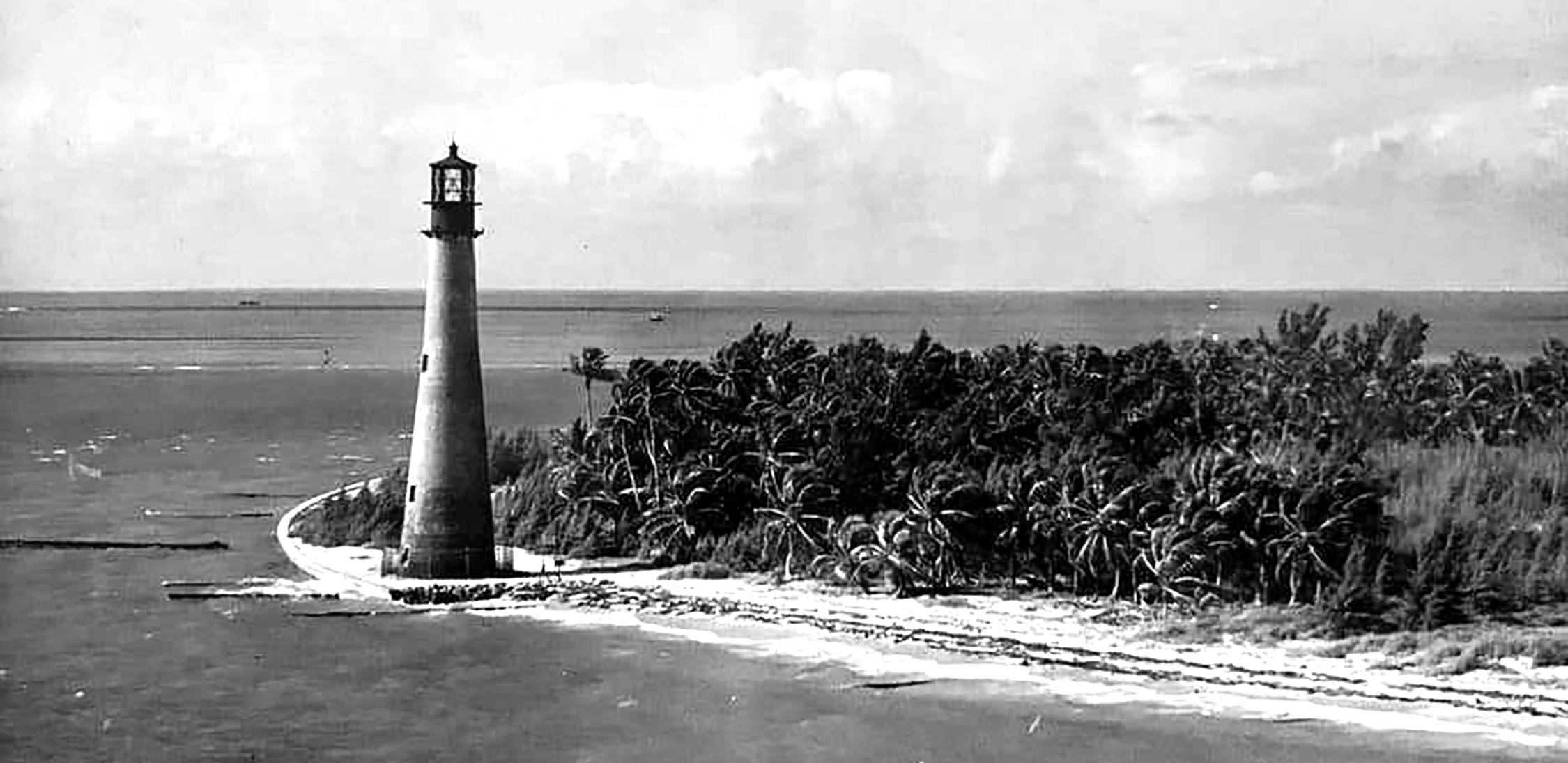
Cape Florida Lighthouse
Jan 1300:28:29Tap to summarizeThis podcast episode tells the story of an enduring South Florida landmark. On December 17, 2025, the Cape Florida Lighthouse marked its 200th anniversary, standing today as the oldest structure in Miami-Dade County still in its original location. Built on Key Biscayne, the lighthouse was designed to guide ships safely past the treacherous Great Florida Reef. Over two centuries, it survived a battle during the Second Seminole War, sabotage in the Civil War, periods of abandonment and restoration, and the destructive force of Hurricane Andrew. Thanks to the dedication of Miami News editor Bill Baggs and the advocacy of the Dade Heritage Trust, this historic beacon has been preserved and was fittingly honored during its bicentennial celebration.
Transcribe →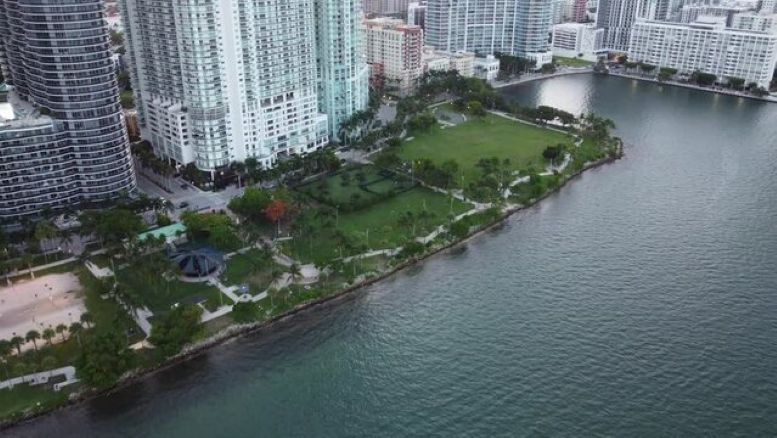
Miami's Edgewater Neighborhood
Jan 200:23:05Tap to summarizeThis podcast episode features the story of development of the Edgewater neighborhood in Miami, Florida. What was part of an area referred to as 'North Miami', best known as Miami's first saloon and red-light district, Edgewater evolved out of the city's first suburbs that were developed after the saloon district was cleared out in 1908. When a Miami attorney turned developer began creating residential communities north of the city, one of those suburbs was called 'Edgewater' given its proximity to Biscayne Bay. After the annexation of North Miami in 1913, the neighborhood reference for the former northern suburbs was Edgewater encompassing from roughly north of the Venetian Causeway to the Julia Tuttle Causeway and east of Biscayne Boulevard.
Transcribe →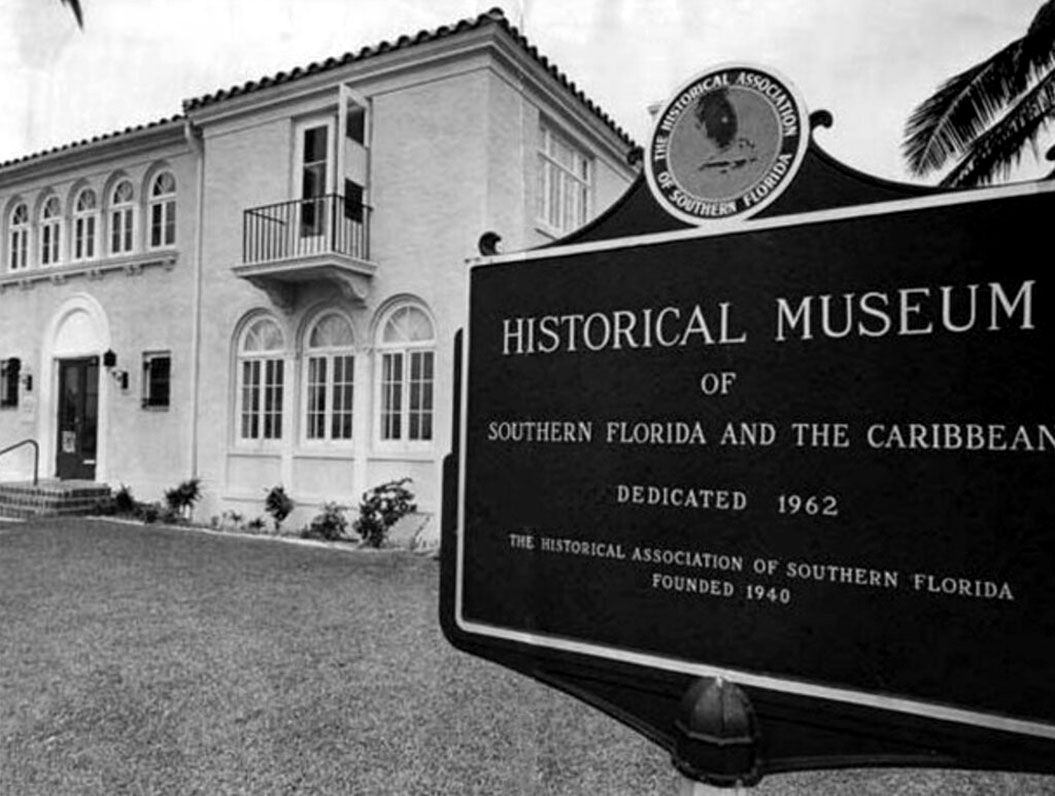
HistoryMiami Museum
Nov 1300:29:04Tap to summarizeThis podcast episode explores the origins of the HistoryMiami Museum. Established in 1940 by George Merrick and several of Miami's early pioneers as the Historical Association of Southern Florida, the institution initially operated without a permanent home and relied on conducting talks and events at different locations around the Greater Miami area. Conceived as a collection-based museum, some of its earliest acquisitions were the personal recollections of the city's founding residents. Many of these stories were published in Tequesta magazine, authored by Merrick, Marjory Stoneman Douglas, and other notable Miami figures. The museum reached an important milestone with the dedication of its first building, a Beaux-Arts–style structure located in the Edgewater neighborhood. Despite the building's shortcomings, it provided the museum with space to grow and to appoint its first full-time director. In the following years, the museum relocated to the Vizcaya complex alongside the Miami Science Museum, before settling in its current home at the Dade Cultural Center in 1984.
Transcribe →