Podcast
Michael's Green World
Hosted by Michael Wilhelm Herzog · EN
Hi, I’m Michael.
After years as an engineer and corporate manager, I founded my own consulting firm focused on sustainability solutions. Since retiring, I’ve been tackling puzzles that align seemingly conflicting interests and discovering win-win strategies with my clients. I also support a project dedicated to ocean ecology. My wife Karin and my son Alex were the first to suggest a podcast for me. As a natural optimist and father of two wonderful kids, I tend to resist gloomy predictions about our future. We probably live in the best world we ever had, with the promise of making a meaningful life accessible for a growing part of the world population, but it is imperative to keep this spirit alive. Therefore, I’ve created an antidote to scepticism: ‘Michael’s Green World.’
14episodes
Episodes
Newest firstAll episodes
24P - The Ocean Race: Do Percurso de Regata a uma Força em Defesa do Oceano (dobragem com ElevenLabs)
1w ago00:34:02Tap to summarizeComo a The Ocean Race liga o desporto de alta competição à ciência, à educação, às políticas públicas e à ação local Título 24P – The Ocean Race: do percurso de regata a uma força em defesa do oceano (dobragem com ElevenLabs) Subtítulo Como a The Ocean Race liga o desporto de alta competição à ciência, à educação, às políticas públicas e à ação local Descrição A The Ocean Race começou como uma das aventuras mais exigentes da vela internacional. Hoje, é também uma plataforma global ao serviço de mudanças positivas para o oceano. Michael Herzog conversa com Lucy Hunt, Ocean Impact Director da The Ocean Race, sobre a forma como o desporto de alta competição pode aproximar as pessoas da ciência oceânica, da educação, das políticas públicas e da ação local. Lucy explica como os veleiros de competição recolhem dados importantes sobre o oceano e o clima, como os programas educativos promovem a literacia do oceano, por que razão as cidades anfitriãs e as ONG locais são essenciais e como a The Ocean Race procura avaliar se o seu impacto se mantém a longo prazo. Uma conversa sobre aventura desportiva, propósito e responsabilidade, cultura organizacional, ação comunitária — e sobre como o desporto pode oferecer uma razão credível para ter esperança. Show notes A The Ocean Race começou como uma das aventuras mais exigentes da vela internacional. Hoje, a regata utiliza a força emocional e o alcance global do desporto de alta competição para aproximar as pessoas do oceano e promover mudanças positivas. Neste episódio de Michael’s Green World, Michael Herzog conversa com Lucy Hunt, bióloga marinha e Ocean Impact Director da The Ocean Race. A conversa mostra como a antiga Whitbread Round the World Race evoluiu de uma grande aventura desportiva para uma plataforma dedicada à ciência oceânica, à educação, ao diálogo político e à ação local. Lucy explica como os veleiros de competição recolhem dados importantes sobre o oceano e o clima, como os programas educativos promovem a literacia do oceano e por que razão a cooperação com cidades anfitriãs, ONG locais e comunidades é essencial. A conversa aborda também os Direitos do Oceano, a cultura interna da The Ocean Race e a difícil questão de como medir um impacto duradouro. NESTE EPISÓDIO • As origens da Whitbread Round the World Race • A partida da primeira regata à volta do mundo, em 8 de setembro de 1973, em Portsmouth • A evolução da Whitbread Race para a Volvo Ocean Race e, mais tarde, para a The Ocean Race • A passagem de um evento puramente desportivo para a abordagem “Racing for the Ocean” • Como o desporto de alta competição pode aproximar milhões de pessoas do oceano • A literacia do oceano e os programas educativos para crianças e jovens • O programa de aprendizagem Generation Ocean • Como a educação pode conduzir a ações concretas na sociedade e na política • A recolha de dados científicos a bordo dos veleiros de competição • Os OceanPacks e a medição de parâmetros oceânicos essenciais • O papel da The Ocean Race como intermediária, plataforma e catalisadora • Os Summits da The Ocean Race e o diálogo de longo prazo com decisores políticos e a sociedade • Itajaí, no Brasil, e o movimento pelos Direitos do Oceano • Por que razão a sustentabilidade não pode ser responsabilidade de um único departamento • “Walking the walk”: aplicar internamente os princípios que se defendem publicamente • Acesso, equidade e inclusão na vela oceânica • A cooperação com ONG locais e comunidades • Conhecimento local, confiança e conservação de base comunitária • Como transformar visibilidade global em impacto local e duradouro • A difícil questão de saber o que permanece depois de uma escala • Como o desporto pode oferecer uma razão credível para ter esperança SOBRE LUCY HUNT Lucy Hunt é bióloga marinha e Ocean Impact Director da The Ocean Race. O seu trabalho liga a plataforma desportiva internacional da regata à educação sobre o oceano, à investigação científica, ao diálogo político, à organização sustentável de eventos e às iniciativas locais. Lucy desenvolve também investigação sobre a forma como os programas educativos influenciam a literacia do oceano e os comportamentos favoráveis ao ambiente, incluindo a questão de saber se esses programas produzem mudanças duradouras. PRÓXIMO EVENTO The Ocean Race Summit Porto 19 de novembro de 2026 O Summit reunirá representantes da ciência, da política, da vela, da economia, da educação e da sociedade civil para discutir soluções para a saúde do oceano. Mais informações sobre o programa, os oradores e as inscrições serão publicadas pela The Ocean Race. https://www.theoceanrace.com/en/racing-for-the-ocean/summits-and-policy LIGAÇÕES E INFORMAÇÕES ADICIONAIS The Ocean Race – site oficial https://www.theoceanrace.com/ Racing for the Ocean https://www.theoceanrace.com/en/racing-for-the-ocean/about O que é a The Ocean Race? https://www.theoceanrace.com/en/therace/343_What-is-The-Ocean-Race A primeira edição da Whitbread Round the World Race, 1973–1974 https://archive.theoceanrace.com/en/history/1973-74.html Programas educativos da The Ocean Race https://www.theoceanrace.com/en/racing-for-the-ocean/learning Generation Ocean https://www.theoceanrace.com/en/learning/generation-ocean Programa científico da The Ocean Race https://www.theoceanrace.com/en/racing-for-the-ocean/science Summits e trabalho político da The Ocean Race https://www.theoceanrace.com/en/racing-for-the-ocean/summits-and-policy Lucy Hunt no LinkedIn https://www.linkedin.com/in/lucy-hunt-05633030/ Redes Fantasma – prevenção, localização e recuperação de artes de pesca perdidas https://www.redes-fantasma.org/ Ocean Patrol Association, Portugal https://www.ocean-patrol.org/en NOTA SOBRE ESTA VERSÃO LINGUÍSTICA Este episódio é a versão dobrada em português da entrevista original em inglês, publicada no episódio 24A. A versão portuguesa foi criada através de dobragem assistida por inteligência artificial com ElevenLabs. O conteúdo de referência continua a ser a entrevista original com Lucy Hunt. SEGUIR E PARTILHAR MICHAEL’S GREEN WORLD Se gostou deste episódio, siga Michael’s Green World na sua aplicação de podcasts e partilhe-o com pessoas que também se interessam pelo oceano, pela sustentabilidade, pela ciência e por soluções concretas. As avaliações, recomendações e partilhas ajudam mais pessoas a descobrir estas conversas.izacional, ação comunitária — e sobre como o desporto pode oferecer uma razão credível para ter esperança.
Transcribe →
24F – The Ocean Race : du parcours de régate à une force pour l’océan (doublage avec ElevenLabs)
1w ago00:34:02Tap to summarizeComment The Ocean Race relie le sport de haut niveau à la science, à l’éducation, aux politiques publiques et à l’action locale The Ocean Race a commencé comme l’une des aventures les plus exigeantes de la voile internationale. Aujourd’hui, la course utilise la force émotionnelle et la portée mondiale du sport de haut niveau pour rapprocher le public de l’océan et favoriser des changements positifs. Dans cet épisode de Michael’s Green World, Michael Herzog s’entretient avec Lucy Hunt, biologiste marine et Ocean Impact Director de The Ocean Race. La conversation montre comment l’ancienne Whitbread Round the World Race est passée d’une grande aventure sportive à une plateforme dédiée aux sciences océaniques, à l’éducation, au dialogue politique et à l’action locale. Lucy explique comment les voiliers de course recueillent d’importantes données sur l’océan et le climat, comment les programmes éducatifs développent la culture océanique et pourquoi la coopération avec les villes hôtes, les ONG locales et les communautés est essentielle. La conversation aborde également les droits de l’océan, la culture interne de The Ocean Race et la question difficile de la mesure d’un impact durable. DANS CET ÉPISODE • Les origines de la Whitbread Round the World Race • Le départ de la première course autour du monde, le 8 septembre 1973 à Portsmouth • L’évolution de la Whitbread Race vers la Volvo Ocean Race, puis The Ocean Race • Le passage d’un événement purement sportif à « Racing for the Ocean » • Comment le sport de haut niveau peut sensibiliser des millions de personnes à l’océan • La culture océanique et les programmes éducatifs destinés aux enfants et aux jeunes • Le programme d’apprentissage Generation Ocean • Comment l’éducation peut conduire à des actions concrètes dans la société et la politique • La collecte de données scientifiques à bord des voiliers de course • Les OceanPacks et la mesure de paramètres océaniques essentiels • Le rôle de The Ocean Race comme intermédiaire, plateforme et catalyseur • Les sommets de The Ocean Race et le dialogue à long terme avec les responsables politiques et la société • Itajaí, au Brésil, et le mouvement en faveur des droits de l’océan • Pourquoi la durabilité ne peut pas être confiée à un seul département • « Walking the walk » : mettre en pratique la durabilité au sein de sa propre organisation • L’accès, l’équité et l’inclusion dans la course au large • La coopération avec les ONG locales et les communautés • L’expertise locale, la confiance et la conservation fondée sur les communautés • Comment transformer une visibilité mondiale en impact local et durable • La question difficile de savoir ce qui subsiste réellement après une escale • Pourquoi le sport peut offrir une raison crédible d’espérer À PROPOS DE LUCY HUNT Lucy Hunt est biologiste marine et Ocean Impact Director de The Ocean Race. Son travail relie la plateforme sportive internationale de la course à l’éducation à l’océan, à la recherche scientifique, au dialogue politique, à l’organisation durable d’événements et aux initiatives locales. Elle mène également des recherches sur la manière dont les programmes éducatifs influencent la culture océanique et les comportements favorables à l’environnement, ainsi que sur leur capacité à produire des changements durables. PROCHAIN ÉVÉNEMENT The Ocean Race Summit Porto 19 novembre 2026 Ce sommet réunira des représentants des sciences, de la politique, de la voile, de l’économie, de l’éducation et de la société civile afin de discuter de solutions pour la santé de l’océan. De plus amples informations sur le programme, les intervenants et les inscriptions seront publiées par The Ocean Race. https://www.theoceanrace.com/en/racing-for-the-ocean/summits-and-policy LIENS ET INFORMATIONS COMPLÉMENTAIRES The Ocean Race – site officiel https://www.theoceanrace.com/ Racing for the Ocean https://www.theoceanrace.com/en/racing-for-the-ocean/about Qu’est-ce que The Ocean Race ? https://www.theoceanrace.com/en/therace/343_What-is-The-Ocean-Race La première édition de la Whitbread Round the World Race, 1973–1974 https://archive.theoceanrace.com/en/history/1973-74.html Programmes éducatifs de The Ocean Race https://www.theoceanrace.com/en/racing-for-the-ocean/learning Generation Ocean https://www.theoceanrace.com/en/learning/generation-ocean Programme scientifique de The Ocean Race https://www.theoceanrace.com/en/racing-for-the-ocean/science Sommets et action politique de The Ocean Race https://www.theoceanrace.com/en/racing-for-the-ocean/summits-and-policy Lucy Hunt sur LinkedIn https://www.linkedin.com/in/lucy-hunt-05633030/ Redes Fantasma – prévention, localisation et récupération des engins de pêche perdus https://www.redes-fantasma.org/ Ocean Patrol Association, Portugal https://www.ocean-patrol.org/en NOTE SUR CETTE VERSION LINGUISTIQUE Cet épisode est la version doublée en français de l’entretien original en anglais publié dans l’épisode 24A. La version française a été créée à l’aide d’un doublage assisté par intelligence artificielle avec ElevenLabs. Le contenu de référence reste l’entretien original avec Lucy Hunt. SUIVRE ET PARTAGER MICHAEL’S GREEN WORLD Si cet épisode vous a plu, suivez Michael’s Green World dans votre application de podcasts et partagez-le avec des personnes qui s’intéressent également à l’océan, à la durabilité, aux sciences et aux solutions concrètes. Les évaluations, les recommandations et le partage des épisodes permettent à davantage de personnes de découvrir ces conversations.
Transcribe →
24B - The Ocean Race: Vom Regattakurs zur Kraft für den Ozean (Dubbing mit ElevenLabs)
1w ago00:34:02Tap to summarizeWie The Ocean Race Spitzensport mit Wissenschaft, Bildung, Politik und lokalem Handeln verbindet The Ocean Race begann als eines der härtesten Abenteuer des internationalen Segelsports. Heute nutzt die Regatta die emotionale Kraft und weltweite Reichweite des Spitzensports, um Menschen mit dem Ozean zu verbinden und positive Veränderungen anzustossen. In dieser Folge von Michael’s Green World spricht Michael Herzog mit Lucy Hunt, Meeresbiologin und Ocean Impact Director bei The Ocean Race. Das Gespräch zeigt, wie sich das frühere Whitbread Round the World Race von einem reinen Segelabenteuer zu einer Plattform für Ozeanforschung, Bildung, politischen Dialog und lokales Handeln entwickelt hat. Lucy erklärt, wie die Regattayachten wichtige Ozean- und Klimadaten sammeln, wie Bildungsprogramme Ocean Literacy fördern und warum die Zusammenarbeit mit Gastgeberstädten, lokalen NGOs und Gemeinschaften entscheidend ist. Es geht ausserdem um die Rechte des Ozeans, die interne Kultur von The Ocean Race und die Frage, wie sich langfristige Wirkung überhaupt messen lässt. IN DIESER FOLGE • Die Entstehung des Whitbread Round the World Race • Der Start der ersten Weltumsegelung am 8. September 1973 in Portsmouth • Die Entwicklung vom Whitbread Race über das Volvo Ocean Race zu The Ocean Race • Vom reinen Sportereignis zu „Racing for the Ocean“ • Wie Spitzensport Millionen von Menschen für den Ozean erreichen kann • Ocean Literacy und Bildungsprogramme für Kinder und Jugendliche • Das Lernprogramm Generation Ocean • Wie Bildung zu konkretem gesellschaftlichem und politischem Handeln führen kann • Wissenschaftliche Datenerfassung an Bord der Regattayachten • OceanPacks und die Messung wichtiger Ozeanparameter • Die Rolle von The Ocean Race als Vermittler, Plattform und Katalysator • The Ocean Race Summits und der langfristige Dialog mit Politik und Gesellschaft • Itajaí in Brasilien und die Bewegung für die Rechte des Ozeans • Warum Nachhaltigkeit nicht Aufgabe einer einzelnen Abteilung sein darf • „Walking the walk“: Nachhaltigkeit in der eigenen Organisation leben • Zugang, Chancengleichheit und Inklusion im Hochseesegeln • Die Zusammenarbeit mit lokalen NGOs und Gemeinschaften • Lokale Kompetenz, Vertrauen und gemeinschaftsbasierter Naturschutz • Wie globale Sichtbarkeit in lokale und langfristige Wirkung übersetzt werden kann • Die schwierige Frage, was nach einem Stopover tatsächlich bestehen bleibt • Warum Sport einen glaubwürdigen Grund zur Hoffnung geben kann ÜBER LUCY HUNT Lucy Hunt ist Meeresbiologin und Ocean Impact Director bei The Ocean Race. Ihre Arbeit verbindet die internationale Sportplattform der Regatta mit Ozeanbildung, wissenschaftlicher Forschung, politischem Dialog, nachhaltiger Veranstaltungsorganisation und lokalen Initiativen. Sie beschäftigt sich ausserdem wissenschaftlich mit der Frage, wie Bildungsprogramme Ocean Literacy und umweltbewusstes Verhalten beeinflussen und ob sie tatsächlich zu langfristigen Veränderungen führen. BEVORSTEHENDER TERMIN The Ocean Race Summit Porto November 2026 Der Summit bringt Akteure aus Wissenschaft, Politik, Segelsport, Wirtschaft, Bildung und Zivilgesellschaft zusammen, um Lösungen für die Gesundheit des Ozeans zu diskutieren. Weitere Angaben zum Programm, zu den Referierenden und zur Anmeldung werden von The Ocean Race veröffentlicht. https://www.theoceanrace.com/en/racing-for-the-ocean/summits-and-policy LINKS UND WEITERFÜHRENDE INFORMATIONEN The Ocean Race – offizielle Website https://www.theoceanrace.com/ Racing for the Ocean https://www.theoceanrace.com/en/racing-for-the-ocean/about Was ist The Ocean Race? https://www.theoceanrace.com/en/therace/343_What-is-The-Ocean-Race Die erste Ausgabe des Whitbread Round the World Race 1973–74 https://archive.theoceanrace.com/en/history/1973-74.html Lernprogramme von The Ocean Race https://www.theoceanrace.com/de/racing-for-the-ocean/learning Generation Ocean https://www.theoceanrace.com/de/learning/generation-ocean Wissenschaftsprogramm von The Ocean Race https://www.theoceanrace.com/en/racing-for-the-ocean/science The Ocean Race Summits und politische Arbeit https://www.theoceanrace.com/en/racing-for-the-ocean/summits-and-policy Lucy Hunt auf LinkedIn https://www.linkedin.com/in/lucy-hunt-05633030/ Redes Fantasma – Prävention, Ortung und Bergung verlorener Fischereigeräte https://www.redes-fantasma.org/ Ocean Patrol Association, Portugal https://www.ocean-patrol.org/en HINWEIS ZUR SPRACHFASSUNG Diese Folge ist die deutsch synchronisierte Fassung des englischsprachigen Originalinterviews aus Episode 24A. Die deutsche Sprachfassung wurde mithilfe von KI-gestützter Synchronisation erstellt. Inhaltliche Grundlage bleibt das Originalgespräch mit Lucy Hunt. MICHAEL’S GREEN WORLD FOLGEN UND TEILEN Wenn Dir diese Folge gefallen hat, folge Michael’s Green World in Deiner Podcast-App und teile sie mit Menschen, die sich ebenfalls für den Ozean, Nachhaltigkeit, Wissenschaft und wirksame Lösungen interessieren. Bewertungen, Empfehlungen und das Teilen einzelner Folgen helfen dabei, dass mehr Menschen diese Gespräche entdecken.
Transcribe →
24A - The Ocean Race: From Racetrack to Force for the Ocean
1w ago00:34:02Tap to summarizeHow The Ocean Race connects elite sport with science, education, policy and local action Die offiziellen Seiten und Lucy Hunts Funktion als Ocean Impact Director and marine biologist sind geprüft. Show notes The Ocean Race began as one of the toughest adventures in international sailing. Today, it is also a global platform that uses the emotional power and visibility of sport to create positive change for the ocean. In this episode, Michael Herzog speaks with Lucy Hunt, marine biologist and Ocean Impact Director at The Ocean Race, about the evolution from the Whitbread Round the World Race to today’s Racing for the Ocean approach. Lucy explains how The Ocean Race connects elite sport with ocean literacy, education, science, policy dialogue and local action. The conversation explores how racing yachts collect valuable ocean data, how young people can turn learning into action, and why cooperation with host cities, local NGOs and communities is essential. They also discuss the Rights of the Ocean, The Ocean Race Summits, internal organisational culture and the difficult question of how to determine whether environmental and social impact lasts beyond an individual race or stopover. In this episode The origins of the Whitbread Round the World Race The evolution from sporting adventure to Racing for the Ocean Racing with Purpose and Racing for the Ocean Ocean literacy and the Generation Ocean learning programme Scientific data collection aboard the racing yachts OceanPacks and essential ocean parameters The role of The Ocean Race as a communicator, convener and catalyst The Ocean Race Summits and the Rights of the Ocean Itajaí, Brazil, and cooperation with local organisations Working with NGOs, volunteers and host-city communities Why local expertise and community ownership matter Building sustainability into the culture of the entire organisation Access and equity in ocean racing Measuring long-term impact How the emotional power of sport can provide a credible reason for hope About Lucy Hunt: https://www.linkedin.com/in/lucy-hunt-05633030/ Lucy Hunt is a marine biologist and Ocean Impact Director at The Ocean Race. Her work connects the global sporting platform of the race with ocean education, scientific research, policy engagement, sustainable event practices and local action. She is also researching how learning programmes influence ocean literacy and pro-environmental behaviour. Links and further information The Ocean Race https://www.theoceanrace.com/ Racing for the Ocean https://www.theoceanrace.com/en/racing-for-the-ocean/about History of the first Whitbread Round the World Race, 1973–74 https://archive.theoceanrace.com/en/history/1973-74.html Ocean learning programmes https://www.theoceanrace.com/en/racing-for-the-ocean/learning Generation Ocean https://www.theoceanrace.com/en/learning/generation-ocean The Ocean Race Science Programme https://www.theoceanrace.com/en/racing-for-the-ocean/science The Ocean Race Summits and policy work https://www.theoceanrace.com/en/racing-for-the-ocean/summits-and-policy The Ocean Race Summit Porto – 19 November 2026 Programme and registration details will be published by The Ocean Race: https://www.theoceanrace.com/en/racing-for-the-ocean/summits-and-policy Redes Fantasma https://www.redes-fantasma.org/ Ocean Patrol Association, Portugal https://www.ocean-patrol.org/en You enjoyed the episode, then please follow Michael’s Green World in your podcast app and share it with someone who may also be interested in the future of our ocean. Following, rating and recommending the podcast helps more people discover these conversations.
Transcribe →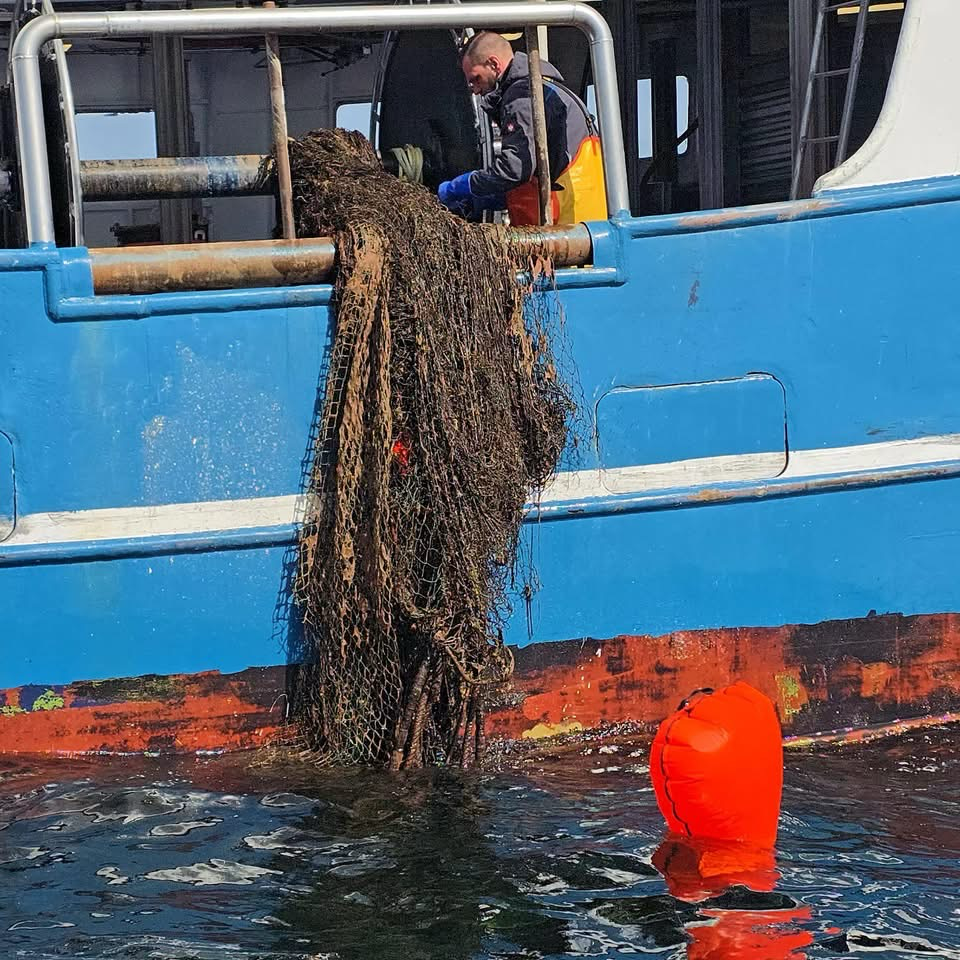
#23ES – Buceadores cazan redes fantasma (AI dubbed via ElevenLabs)
May 1400:41:24Tap to summarizeSabine Kerkau habla sobre peligrosas recuperaciones de redes fantasma en el mar Báltico Este episodio trata sobre peligrosas operaciones de recuperación de redes fantasma en el mar Báltico. Michael Herzog conversa con Sabine Kerkau, buceadora técnica de pecios y presidenta de la Baltic Sea Nature & Heritage Protection Association e.V., sobre la recuperación de redes fantasma atrapadas en pecios en el mar Báltico. Hablamos de mala visibilidad, frío, profundidad, riesgo, trabajo en equipo, cooperación con pescadores y de lo que ocurre con las redes después de ser recuperadas. Para Redes Fantasma, este episodio ofrece una mirada importante al final de la cadena: la recuperación sigue siendo necesaria, pero la prevención, la localización y la rápida recuperación de artes de pesca perdidas deben empezar mucho antes. Nota sobre donaciones: Quien desee apoyar el trabajo de Sabine Kerkau y de su equipo puede encontrar información y datos para donaciones en la página web de la Baltic Sea Nature & Heritage Protection Association e.V.: https://www.bsnhpa.org Enlaces de este episodio: Vídeo de una operación de recuperación de redes fantasma en el mar Báltico: https://www.linkedin.com/posts/sabine-kerkau-a0a3b0134_baltic-sea-nature-and-heritage-protection-ugcPost-7458591819501744130-N0FC Baltic Sea Nature & Heritage Protection Association e.V. https://www.bsnhpa.org Baltic Sea Heritage Rescue Project https://bshrp.org/de/ Redes Fantasma https://www.redes-fantasma.org Hashtags: #RedesFantasma #RedesFantasmaMarinas #GhostNets #MarBaltico #BalticSea #BuceoTecnico #WreckDiving #ProteccionMarina #OceanConservation #ConservacionMarina #PatrimonioSubacuatico #MichaelsGreenWorld
Transcribe →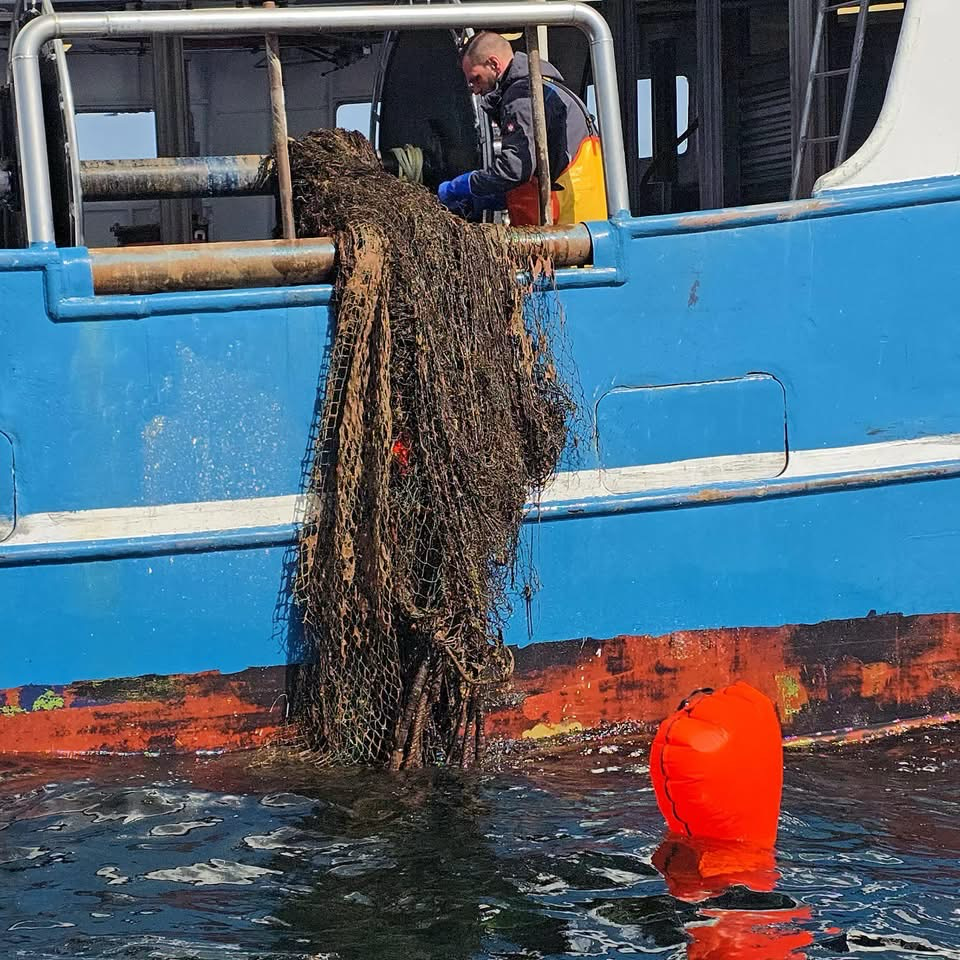
#23F – Des plongeurs traquent les filets fantômes (dubbed by Artificial Intelligence)
May 1200:41:24Tap to summarizeSabine Kerkau parle des opérations dangereuses de récupération de filets fantômes en mer Baltique Cet épisode porte sur les dangereuses opérations de récupération de filets fantômes en mer Baltique. Michael Herzog s’entretient avec Sabine Kerkau, plongeuse technique spécialisée dans les épaves et présidente de la Baltic Sea Nature & Heritage Protection Association e.V., au sujet de la récupération de filets fantômes accrochés à des épaves en mer Baltique. Nous parlons de la mauvaise visibilité, du froid, de la profondeur, des risques, du travail d’équipe, de la coopération avec les pêcheurs et de ce qui arrive aux filets après leur récupération. Pour Redes Fantasma, cet épisode apporte un regard important sur la fin de la chaîne : la récupération reste nécessaire, mais la prévention, la localisation et la récupération rapide des engins de pêche perdus doivent intervenir plus tôt. Note de soutien : Toute personne souhaitant soutenir le travail de Sabine Kerkau et de son équipe trouvera des informations et les coordonnées pour les dons sur le site de la Baltic Sea Nature & Heritage Protection Association e.V. : https://www.bsnhpa.org Liens de l’épisode : Vidéo d’une opération de récupération de filets fantômes en mer Baltique : https://www.linkedin.com/posts/sabine-kerkau-a0a3b0134_baltic-sea-nature-and-heritage-protection-ugcPost-7458591819501744130-N0FC Baltic Sea Nature & Heritage Protection Association e.V. https://www.bsnhpa.org Baltic Sea Heritage Rescue Project https://bshrp.org/de/ Redes Fantasma https://www.redes-fantasma.org Hashtags : #FiletsFantomes #GhostNets #MerBaltique #BalticSea #PlongeeTechnique #WreckDiving #ProtectionMarine #OceanConservation #ConservationMarine #PatrimoineSubaquatique #RedesFantasma #MichaelsGreenWorld
Transcribe →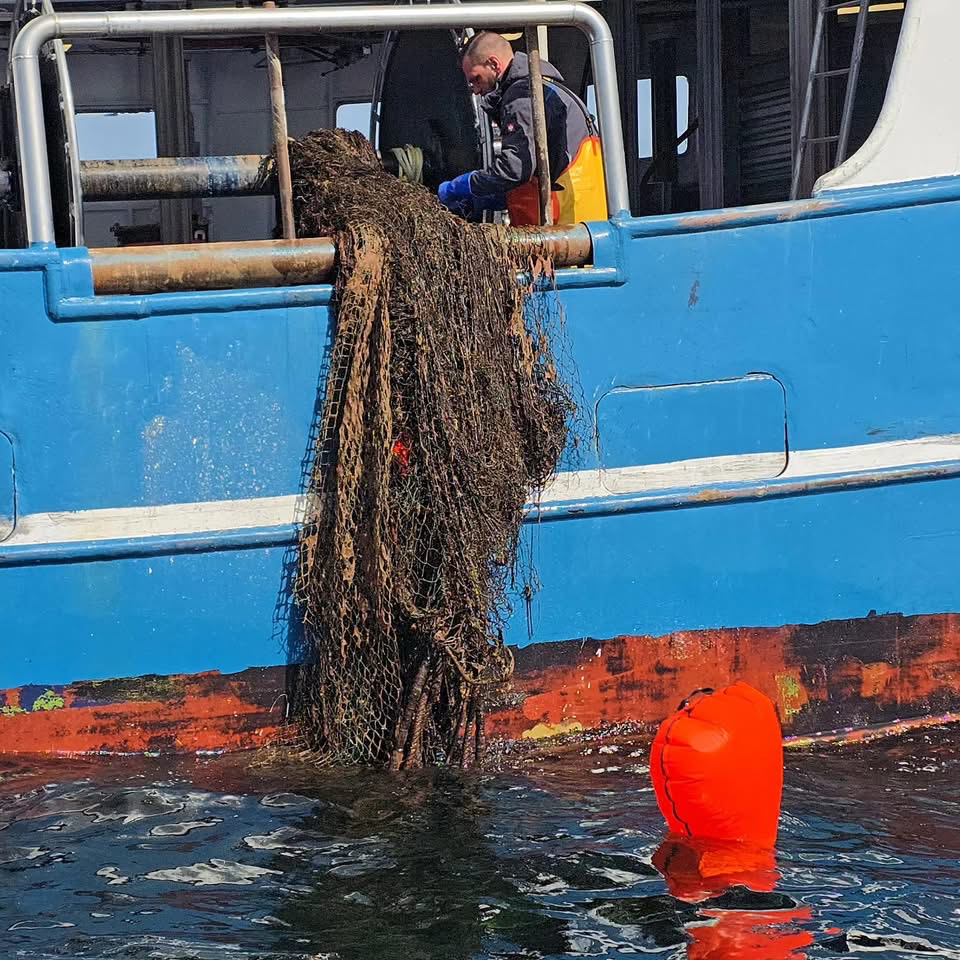
#23P – Mergulhadores Caçam Redes Fantasma (dubbed via A.I. elevenlabs)
May 1200:41:24Tap to summarizeSabine Kerkau sobre perigosas operações de remoção de redes fantasma no Mar Báltico Cet épisode porte sur les dangereuses opérations de récupération de filets fantômes en mer Baltique. Michael Herzog s’entretient avec Sabine Kerkau, plongeuse technique spécialisée dans les épaves et présidente de la Baltic Sea Nature & Heritage Protection Association e.V., au sujet de la récupération de filets fantômes accrochés à des épaves en mer Baltique. Nous parlons de la mauvaise visibilité, du froid, de la profondeur, des risques, du travail d’équipe, de la coopération avec les pêcheurs et de ce qui arrive aux filets après leur récupération. Pour Redes Fantasma, cet épisode apporte un regard important sur la fin de la chaîne : la récupération reste nécessaire, mais la prévention, la localisation et la récupération rapide des engins de pêche perdus doivent intervenir plus tôt. Note de soutien : Toute personne souhaitant soutenir le travail de Sabine Kerkau et de son équipe trouvera des informations et les coordonnées pour les dons sur le site de la Baltic Sea Nature & Heritage Protection Association e.V. : https://www.bsnhpa.org Liens de l’épisode : Vidéo d’une opération de récupération de filets fantômes en mer Baltique : https://www.linkedin.com/posts/sabine-kerkau-a0a3b0134_baltic-sea-nature-and-heritage-protection-ugcPost-7458591819501744130-N0FC Baltic Sea Nature & Heritage Protection Association e.V. https://www.bsnhpa.org Baltic Sea Heritage Rescue Project https://bshrp.org/de/ Redes Fantasma https://www.redes-fantasma.org Hashtags : #FiletsFantomes #GhostNets #MerBaltique #BalticSea #PlongeeTechnique #WreckDiving #ProtectionMarine #OceanConservation #ConservationMarine #PatrimoineSubaquatique #RedesFantasma #MichaelsGreenWorld
Transcribe →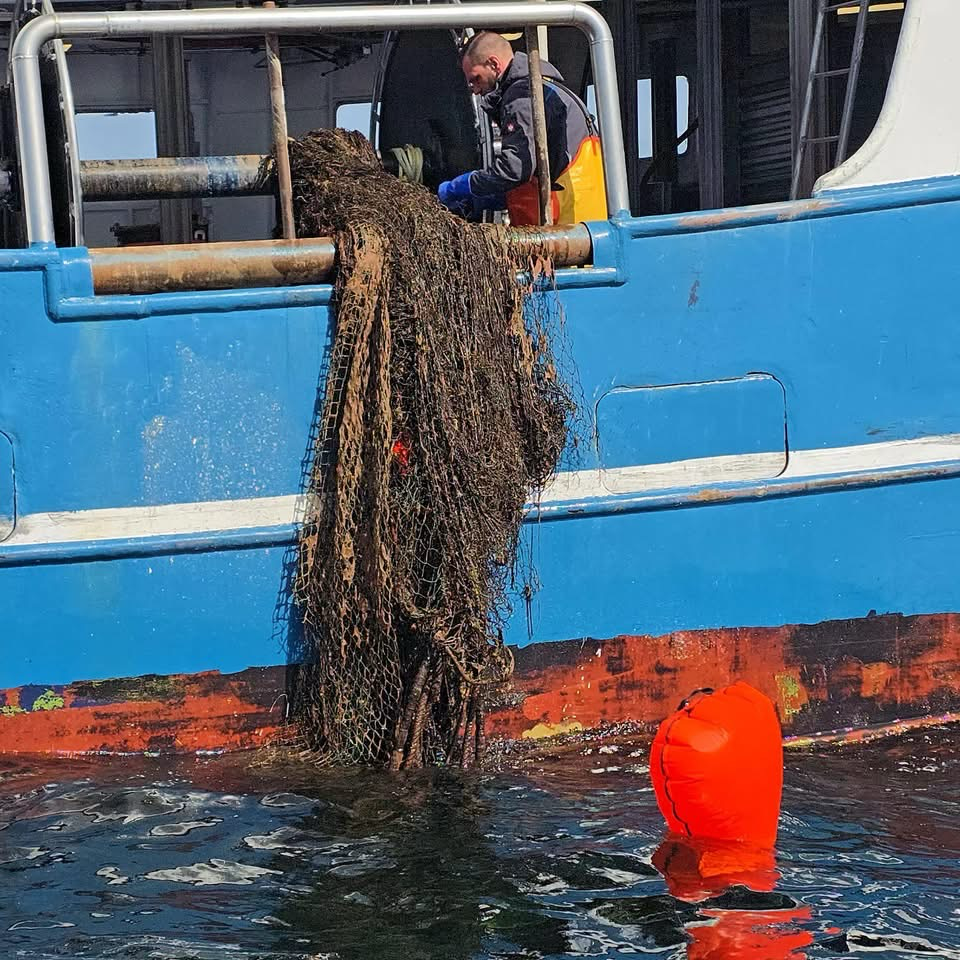
#23A - Divers Hunt Ghost Nets (dubbed via A.I. - elevenlabs)
May 1200:41:24Tap to summarizeSabine Kerkau on dangerous ghost-net recovery operations in the Baltic Sea This episode is about dangerous ghost-net recovery operations in the Baltic Sea. Michael Herzog speaks with Sabine Kerkau, technical wreck diver and President of the Baltic Sea Nature & Heritage Protection Association e.V., about recovering ghost nets from wrecks in the Baltic Sea. We talk about poor visibility, cold water, depth, risk, teamwork, cooperation with fishers, and the question of what happens to the nets after recovery. For Redes Fantasma, this episode offers an important look at the end of the chain: recovery remains necessary, but prevention, location technology and faster retrieval of lost fishing gear must start earlier. Donation note: Anyone who would like to support the work of Sabine Kerkau and her team can find information and donation details on the website of the Baltic Sea Nature & Heritage Protection Association e.V.: https://www.bsnhpa.org Links for this episode: Video of a ghost-net recovery operation in the Baltic Sea: https://www.linkedin.com/posts/sabine-kerkau-a0a3b0134_baltic-sea-nature-and-heritage-protection-ugcPost-7458591819501744130-N0FC Baltic Sea Nature & Heritage Protection Association e.V. https://www.bsnhpa.org Baltic Sea Heritage Rescue Project https://bshrp.org/de/ Redes Fantasma https://www.redes-fantasma.org Hashtags: #GhostNets #BalticSea #TechnicalDiving #WreckDiving #MarineProtection #OceanConservation #MarineConservation #UnderwaterHeritage #RedesFantasma #MichaelsGreenWorld
Transcribe →
#23B – Taucher jagen Geisternetze
May 1000:41:23Tap to summarizeSabine Kerkau über gefährliche Geisternetz-Bergungen in der Ostsee In dieser Episode geht es um gefährliche Geisternetz-Bergungen in der Ostsee. Michael Herzog spricht mit Sabine Kerkau, technischer Wracktaucherin und Präsidentin der Baltic Sea Nature & Heritage Protection Association e.V., über die Bergung von Geisternetzen aus Wracks in der Ostsee. Es geht um schlechte Sicht, Kälte, Tiefe, Risiko, Teamarbeit, die Zusammenarbeit mit Fischern und die Frage, was nach der Bergung mit den Netzen geschieht. Für Redes Fantasma ist die Episode ein wichtiger Blick auf das Ende der Kette: Bergung bleibt notwendig, aber Prävention, Ortung und schnelle Rückholung verlorener Netze müssen früher ansetzen. Spendenhinweis: Wer die Arbeit von Sabine Kerkau und ihrem Team unterstützen möchte, findet Informationen und Spendenangaben auf der Website der Baltic Sea Nature & Heritage Protection Association e.V.: https://www.bsnhpa.org Links zur Episode: Video zur Geisternetz-Bergung in der Ostsee: https://www.linkedin.com/posts/sabine-kerkau-a0a3b0134_baltic-sea-nature-and-heritage-protection-ugcPost-7458591819501744130-N0FC Baltic Sea Nature & Heritage Protection Association e.V. https://www.bsnhpa.org Baltic Sea Heritage Rescue Project https://bshrp.org/de/ Redes Fantasma https://www.redes-fantasma.org Hashtags: #Geisternetze #GhostNets #BalticSea #Ostsee #Wracktauchen #Meeresschutz #OceanConservation #MarineProtection #RedesFantasma #MichaelsGreenWorld
Transcribe →
#22A Who Keeps the Power Grid Stable? (AI dubbed via elevenlabs)
Apr 1300:25:20Tap to summarizeBehind the Energy Transition - with Tobias Andrist (EBL) Many applications that used to rely on oil or gas are now being electrified, whether in heating, mobility, or industry. The main reason is simple: many applications can be run far more efficiently with electricity than through the direct combustion of fossil fuels. At the same time, electricity can be generated from different sources, including renewables and local sources. Oil and gas, by contrast, are limited and only available in certain places. Anyone who depends on them also remains dependent on resources that must be extracted and transported elsewhere. This makes electricity a central building block of the energy transition, and the power grid itself one of the most critical systems of our future. In this episode, I speak with Tobias Andrist, CEO of EBL in Liestal. Together, we explore how a power grid can remain stable when generation, consumption, and feed-in are becoming ever more decentralised and no longer occur in sync. We talk about system stability, digitalisation, growing complexity, and where new opportunities are emerging, as well as where new risks lie. More about EBL and its projects: https://www.ebl.ch
Transcribe →