← Mick Unplugged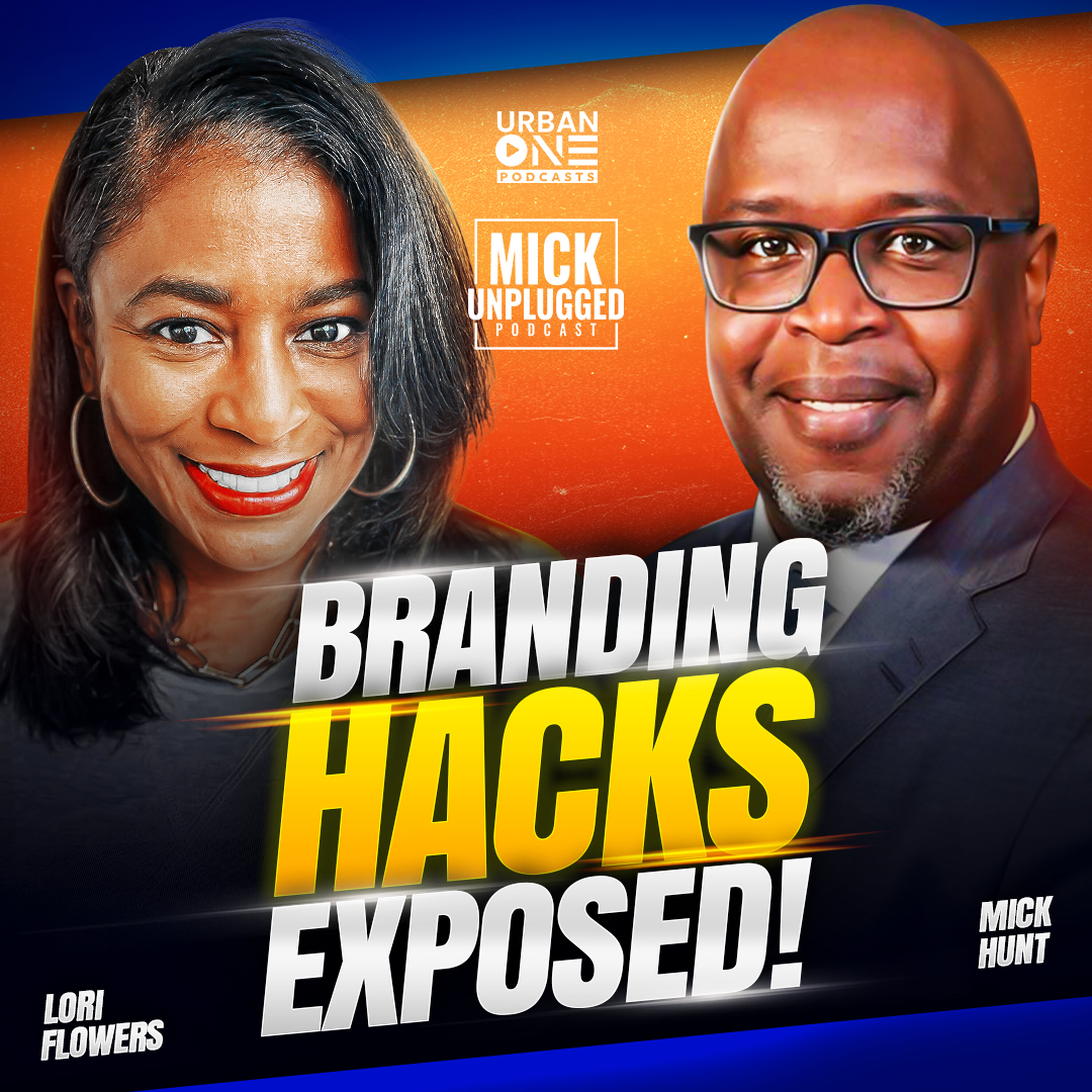
Loading summary
Transcript118 lines
- [00:00]
A
Foreign.
- [00:05]
B
Welcome to Mick Unplugged where we ignite.
- [00:07]
A
Potential and fuel purpose. Get ready for raw insights, bold moves and game changing conversations.
- [00:13]
B
Buckle up, here's Mick. Ladies and gentlemen, welcome to another exciting episode of Mick Unplugged. And today's guest is a dynamic marketing strategist and project manager with over two decades of experience in the radio industry. As the manager of integrated marketing and project management at Radio One and Reach Media, she crafts innovative marketing solutions for national advertisers across multiple platforms. Her dedication to empowering women in business is evident through her authorship of A Seat at the A Survival Guide for Women in Business. Get ready to be inspired by the trailblazing, the influential, the visionary, my good friend and I don't even know if we can say coworkers now, but the best in the business, Ms. Lori Flowers. Lori, how are you doing today, dear?
- [01:01]
A
Well, I'm doing great. What an introduction. Wow.
- [01:05]
B
You deserve it all. You deserve it all.
- [01:07]
A
I'll take it. I receive it. Thank you so much.
- [01:10]
B
Yes, Lori, I'm honored to have you on the podcast. We talk so much outside because like I said, we're kind of like partners now in the things that we do. Just your story, your history, the things that you've done, as I'm gonna say a mentor for those that you probably don't even know that you mentor. I just wanna thank you for taking time to be with us today.
- [01:34]
A
Thank you for having me. I'm honored to be on your podcast.
- [01:37]
B
Stop it.
- [01:38]
A
And yes, we work together quite often, but it's just nice to actually be in your world right now. So thank you.
- [01:44]
B
I love it. So, Lori, you don't even know this, so I purposely wanted to wait for the podcast to talk about this. So, you know, for. For those that are listening, you all know I'm a part of the UrbanOne podcast network, which is a part of UrbanOne. So you've got Radio One, Reach Media, a whole multitude of companies. But Lori, I've actually been a fan of yours and have known about you for at least six years. So when we got to meet in person at the offices in Atlanta, like, it literally made my day because it was like, this is Lori. And then we talk all the time now and it's just like I just wanted you to know how one proud of you I am, how much I look up to you and the trailblazer that you are in this space is, is amazing.
- [02:28]
A
Mouth wide open. I'm. Wow, really?
- [02:31]
B
Yeah.
- [02:32]
A
That's really special. And I'm literally in shock. I'm like, you did? Really?
- [02:36]
B
Yes. I wanted to wait for this moment to tell you that.
- [02:40]
A
So you got me. Because I literally was not expecting you to say that. Really. And so my mouth was literally wide.
- [02:46]
B
Open, like, no, no, no, no, no.
- [02:49]
A
Wow.
- [02:50]
B
So two decades in this, this industry, this world of radio, Right. And you started when you were two years old. So. Two decades.
- [02:59]
A
I was gonna say that. I did. I was two.
- [03:01]
B
You were two, yeah. How has the radio industry changed in 20 years from the early days of when you started at 2 to where it is now and where it's gonna go in the future? What are some of the things you're seeing change in the radio space?
- [03:18]
A
I mean, a lot has changed, and it starts with how people consume their media. So back in the day, when I was 2, 3 and 4 and 5, um, people really looked at radio as. And I. And I say this kind of loosely as the king. Like, oh, it's radio. I'm going to turn my favorite station on, and all I'm going to do is listen all day to my favorite day, you know, my favorite show. I'm going to go to all of the events. They're down the street. I'm going to go and see the van pull up and I'm going to win tickets. So that, you know, just the excitement people would have when they would see a radio station van or turn the radio on. As times have gone on, people have other options now. And so as radio, we have to do our best to remain where they are. So we still have radio now podcasting. So that has changed. That's come into the form the frame digital. We have to meet them, you know, they're streaming. And so all these different evolutions of things, we as radio, we have to make. Make sure that we are ahead of the game. We have to meet people where they are. They may not get as excited about seeing us at an event with tickets. So we have. We're still out there, but, you know, they can win tickets other places. So we just have to always think of other things to entice them and give them experiences, things that money can't buy. Because so often you can buy tickets, you can, you know, you know, go online and get them right quick. But if you can have an experience, that's different.
- [04:54]
B
Yeah. And I want to hit on a couple of things that you talked about, especially how the industry has changed and meeting people where they are. Right. Like, I remember 20 years ago, 20 plus years ago, when I started in business, right? And it was all right. I've got to make sure I'm advertising in the newspaper, the yellow pages, and if I can afford a 15 second slide on the radio, I'm going to do that too. Right, because that's what you had to do to kind of grow it. And now that that marketing aspect has changed a little bit. But I will say this, and I'm probably proof of this. Radio is still king. People still do listen to the radio. Now, what might be different to what Lori was saying is they might have their favorite shows now because now there are shows everywhere. But if that show, if your favorite show or shows are on radio, you are still listening there. So for the business owners that are like me 20 years ago, where it was, you had to advertise in multiple places, you still need to do that, right? You still need to be visible, multiple streams. But how and why is radio still an, an important piece to our advertising marketing strategy?
- [06:05]
A
Well, you know what, we are always free and people forget about that a lot of times. You've got to pay for, you know, other platforms, platforms to pay to be, to be, you know, listen to their stations. But we're always free and we're always on. It's like the lights are always on where we are. We're live and local. You know, if something happens, the radio is there. Like I've been in snowstorms where the entire radio station, the crew, we had to be there to make sure that we are satisfying our listeners. We have to be there to make sure we are providing heaters for those who need stuff, fans for, you know, hot weather radio is always there and that's why an advertiser needs to always consider radio because it's not going to go out. We are live and local. We are on all the time. Like all the time. Think about it. We are turn it on, we're always on. If you are looking to advertise, why wouldn't you go to a platform that's always on? It's not going to go off because of, you know, the signal is out, whatever. Like we're on, right?
- [07:10]
B
Internet goes out for a week because of a snow or ice storm. Radio still there, right?
- [07:13]
A
We're still there. We have generators. We have a team of engineers who literally go out, stand there and make sure. I mean, I'm giving you the extra, but they're there to make sure that we stay on the airwaves. People like me and my team back in the day who would be trudging through the snow in the radio station vehicle just to make sure. We get to the station to make sure everything else is going okay. So we're there.
- [07:39]
B
Absolutely. So, Lori, I want to pick your brain and talk to listeners and viewers because there, there's so much that that makes you dynamic. And I. I wish we had five hours because we could literally go five hours with Lori Flowers. One of the things that I get asked all the time, especially with, with my podcast now, what makes a business, in particular a podcast? What makes it attractive to advertisers and sponsors? Like, I know that I've got half a million people that are business owners, that are podcasters or wanting to start a podcast. What makes something attractive to where Lori can go and say, oh, I've got McDonald's, or I've got ABC. I'm not going to name them all because I want people to take who we're working with.
- [08:27]
A
But.
- [08:27]
B
But how do I. How do I make myself attractive for those sponsors?
- [08:33]
A
That's a great question. And from my experience, advertisers, if you look at it, if I'm an advertiser, I want to be where the people are, and I want to meet people where they are. When you look at it, when you look at a podcast, if that podcaster is talking about a subject that is vast, that attracts lots of people, such as business, such as health and wellness, such as relationships, those podcasts seem to do really, really well. Because as an advertiser, I'm going to reach all those people who are looking to grow their business. As an advertiser, I'm looking to reach people who want good relationships. As an advertiser, I'm reaching people who are in the health and wellness space, and they want to reach people who are trying to meet those health goals. When we are on calls with advertisers, that's literally what they're saying. And I won't name any, but it's kind of like they may say, you know, we are. We're about to launch a new product in 2025, and it is supposed to do this and that. And we want to reach people who are in the business space and want to. Or personal development. They want to be better. So that goes hand in hand. So obviously, we're going to, you know, go with that podcast that has all of those elements and that speak to that audience, and that's important for us as marketers.
- [09:55]
B
I love that. And I'm going to say this because you didn't say it directly, but when we first met, this is what I heard also, and I think this is advice for podcasters or anyone that's looking for advertisers, no matter what the space is, is staying true to your brand, but more importantly, staying true to your audience. Like, if you don't know who your audience is. And again, I don't care if you're a business. Like, I come from the insurance space. If you're selling insurance, know who your audience or your ideal customers or clients are because that helps someone like Lori to then match you up. But I think people miss that because it's like, oh, well, you know, I'm going to be a podcast for everyone. I'm going to be a business for everyone. But that actually is the worst thing you can do when it comes to the advertising space. Is that right?
- [10:41]
A
It is the worst thing. And you have to think about if you don't know who you're talking to, you're just, you're just literally throwing out hot air. You have to know. So then when you come to us, I can say, hey, Joe advertiser, who. Who are you talking to? Well, I'm talking to women. I'm talking to women in this demo. I'm talking to women who want to better themselves in this area. Okay, well, make Unplug. That makes sense. And maybe two other podcasts, because that's going to reach. That's going to, you know, reach the audience that they're trying to, to touch. For us, we do a lots of consumer journeys, and that's when we put together literally what that would look like for an advertiser. So if the consumer journey we name the person, we'll name her Rochelle. And Rachelle is 35 and she is a professional. She's a IT person. She drives to work, she listens to the, her favorite podcast. While listening to her podcast, she hears an ad talking about blah, blah, blah. So we take them, we create this consumer journey for the advertiser so they can actually see how their brand will live out on our platforms. And I found that that really helps them actually understand because they see different touch points. So they may, Rochelle may listen to the radio. First. The radio is going to have a plug that's Nick Unplug. It's going to have like a plug to say and make sure you tune in to make Unplug that it is. So she's going to go to the podcast, then she hears the podcast, then she's going to go do whatever you say for her to do. And then that's how it all comes together. So it is about consumer journey. It's about a Persona, who are you talking to? I remember back in the day, we would create actual Personas in our studio of who our personalities were talking to. So me and my interns are create like a vision board and literally map out who they're talking to. So they're. When that mic opens up, they're actually looking at who they're talking to. And that also helps.
- [12:46]
B
And I'm telling you, whether you're a podcaster, business owner, small business owner, leader, having those Personas truly is the key, right? Because again, generalism doesn't help sales. It doesn't help marketing. You've got to be as specific as possible. And Lori, my sister, loves you now because her name's Rachelle, and you just explained her like, she's not it. She's education. You got it so good.
- [13:10]
A
Hey, Rachelle.
- [13:12]
B
So again, Lori loved you from afar forever. Now we work together. I want to go to how and why Lori got into this business. You know, we talk about your because here. And so for Lori, starting out at the age of 2, 3, 4, 5, whatever it was, what was your. Because. What was that reason that said, this is what I'm gonna do? And then not only that, but propelled you to this dynamic force that you are in the radio industry.
- [13:42]
A
You have such a way with words. Thank you. So When I was 2 and 3, I wanted to be a TV anchor. I wanted to be Oprah. I wanted to be on the news, all that good stuff. And I would say that my mom was my best publicist because although I wanted to do tv, I felt like I was a little shy. So she pushed me. She'd met all these people, and she's like, this lady works at the TV station, Get an internship, got an internship, did the TV thing, didn't really like it. Next thing you know, I'm getting an internship at a radio station. And it's crazy because the rest is history. I did not leave, like, internship at the radio station. And then from there, I really feel. Because I interned while I was in college in radio, I got out of college and started working at another radio station. But I feel that I did a lot of moves. I moved to different cities because of the opportunities that I had. And I feel strong about that because I think it was very helpful because I was able to get a different feel for different. Not only different stations, but, you know, I'm living in Phoenix, living in Miami, West Palm Beach, D.C. new York, in Atlanta, all of those markets and all of those different people that I met. I just feel like it. They they pour into you different things, different people you come across, and that makes. That makes you who you are. I also learned that those moves, I was able to make them because I wanted to make them, if that makes sense. Sometimes people don't want to move because they feel like they're just going to stay right where they are. And there's nothing wrong with that. But I feel like if you're able to take a step and make a move, whether it's a physical one or if you can make that move, I feel like it strengthens you professionally, it strengthens you personally, because those are a lot of risks that you take. And I think that it was risky, but I did it. And I'm very proud of myself for doing all those different markets and lots of memories and stories there, too. So.
- [15:42]
B
Yeah. And, you know, being the trailblazer that you are, it always hasn't been easy. Right. Like, people talk about doors waiting to be open, opportunity waiting to knock. And I tell people all the time, and I actually. I was on stage, and I actually used you as a reference. Like, sometimes you have to realize you are the opportunity. Sometimes you have to realize you are the door so you can actually open things yourself. Like, what was that like for you? Like, how the. The trailblazer that you are, like, opening your own doors and being your own opportunity. What were. What was that like for Lori?
- [16:17]
A
I think it was a motivator, I would say. And I would say I'm still trying to open doors. I'm gonna say that. But looking at the other doors that I were opening, I can say that every opportunity, somebody looked out for me, I didn't apply. So if I was doing my thing in West Palm, Miami knocked on the door, and I went ahead and opened that door. Then Atlanta called. I went ahead and opened that door, and then D.C. called. And because of that, I think it's. It's. It's your reputation, and it's how you deal with people. And that's why I always tell people, don't burn bridges. And it's so cliche, but don't burn bridges, because people talk. And every move that I made was somebody putting my name into. Into their conversation or into the opportunity, and they reached out and said, do you want to do this? So that I didn't have to like, hey, can I get in? They were already like, come on in. So that part was pretty cool.
- [17:15]
B
Yeah. So talk to me about writing a seat at the table. Right? Like, what was the. I know what the inspiration was, because obviously I've read it, so I don't want. I'm gonna let Lori tell it, but, like, what was the inspiration behind it? And then when it was released, right. Like, how well was it received? Again, I know all these answers, but I want to hear Lori say it in her own words, I think.
- [17:39]
A
So. A seat at the table. What I was realizing is a lot of young ladies would come to me and ask me all the. All these questions. How do I get an interview? What do I do in the interview? How do I shake a hand? How do I get a resume together? And then I just figured, you know what? Instead of just having all these multiple conversations and multiple emails, put it all in a book. Now, I will say the book is very, very small. Very, very small. But I was. I was scheduled to speak at this event, and instead of doing, like, handouts, I figured, let me just go ahead and put together something. A small book with everything. Every question you'd want to know, I got it for you. And so put together the book when it was released. It was exciting. And I say it's kind of hesitant because I feel like there's more that needs to go into that book. And I. I plan on doing it because times have changed. But what doesn't go out of style is basic etiquette, business etiquette, basic branding, and how you set yourself up for success. So when they came out, I was really excited, and I did my best to, you know, promote it and get it out. Did a few radio shows to talk about it, because I feel really strong about women in business. I feel like there is so much, so many opportunities, but sometimes we shy away because we think we're not good enough or we think we don't have this or that to propel ourselves forward, but we actually do. And so that's kind of been. My whole thing is a seat at the table and helping young ladies navigate and get their way into this industry. And I just feel like that's always been my heart.
- [19:24]
B
Totally agree. And what I love about the book is that it truly is a guide. Right? Like, it truly is its own workbook inside of a book. It's its own strategy inside of a book. And I personally liked it for myself, even though, you know, it is intended for. For women in business. And every woman that is a business owner, business leader, or thinking about starting a business, you definitely need that book. But even for just any entrepreneur, the. I'm going to say the fundamentals that you give Lori in that book are second to none. Like things that I can put in place today. Like how to look someone in the eye when you're having a conversation. Things that we all know, but you're telling us how to do those things, right? Like telling us how to hold conversations and be memorable. Because that's what's important. Right? People are going to remember the experience that, that you gave them and how crucial that is. And so I just want to applaud you because, yes, it is written for women and women should get the book. But I'm also going to say people like me needed that book too.
- [20:34]
A
Well, thank you. And I like how you said it. It's literally just step by step. Like, you know, how do I shake a hand? Because I found. And it may seem, seem so small, but it's a big deal to me. When you meet someone and your handshake is so limp and you just, it just, it just drains you, like shake that person's hand and look them in their eye. So it's literally like you said fundamental things that we feel that maybe we should all know. But I, I learned a lot of people don't know.
- [21:01]
B
Yeah, it was, it was game changing for sure. So thank you for that. So I'm also going to say this about Lori because this goes into. I'm going to say at least one of your core values and, and I don't know what they all are. I'm going to let you share, but you have a knack, a gift of making people feel like family. Right? Like the moment that you meet Lori, you're getting a big hug and you're having a conversation about you. Like Lori makes you feel like you're the most important person that she's interacting with in that moment and literally feels like family. I'm assuming that that's what you do with everyone. It wasn't just me, right? Because I've seen you in the rooms and I see how you navigate. Is family one of your core values?
- [21:49]
A
You know, it's so funny, when you said core values, I literally had to think, what are my true core values? And I know I have them, but it's something. Let me get back to what you said. Family, yes, family is very important, but another core value, especially in the business world, and I don't have a fancy word for it, but I'm a cheerleader, literally. And I believe in cheering people on and making them feel special. And part of, to me, good leadership for me, for my people and for people who have been my manager is when they cheer you on and make you feel like you are Just, you know, the only person in the room or just make you feel like you're really doing something amazing. I think that has been very important for me. When I talk to my team and I'm literally like, good job. That looks great. I just. Because it makes me happy. Because I see like a person lights up when you make them feel special. Whether you're meeting them for the first time, whether you are in a meeting with them, going over, you know, day to day things, or whether you're having a, you're meeting with an advertiser, you want them to feel special. So yes, family is a core value and just making people feel good because the world is so ugly. And I just feel like everybody just needs a smile.
- [23:14]
B
No, I, I totally agree. And one of the best smiles in the world is Lori.
- [23:18]
A
Right?
- [23:18]
B
And so. No, I genuinely mean that. And, and you are so right. You know, Les Brownlore, you know, is one of my mentors and he always says, like, people remember how you made them feel right above anything. The words you say may not matter as much as how you make them feel. And you are that, that cheerleader, that inspiration. And so again, just, just thank you for all those amazing things that you do.
- [23:42]
A
Thank you so much. Like, you just boosted everything. This is just. Thank you. Thank you for making me feel special.
- [23:51]
B
No, no, I mean, you are special. You are very special. And you know, again, all the various markets that you've worked in and you leave an impact everywhere that you go. Do you have a favorite market that you worked in?
- [24:05]
A
I do and it's so funny. I do. But then it just a two popped in my head. But I'm going to say my most favorite was Miami. Miami just. It was, it was, it was very. It was challenging personally being there, just learning my, my way and where I fit in. But from a business promotional standpoint, it was the best thing because we had a lot of money, we had great advertisers. We had advertisers to wrap our vehicles. We had that type of, you know, money and did lots of great things. Kanye west at the time came by and before people know who he was and we were doing fun things with him and you know, Christmas concerts with TI and things like that. It was just. Miami was fun. I will say the second market that was the most fun was Washington dc. That is a great market to be in. And it was just lots of experiences and you know, Obama at the time, that was a big deal going to different events and parties. So I really felt at that time, you know, I think I was 12 by then, and I was just excited about that opportunity. So those, those two, those are the best markets. Atlanta, obviously. Yes. But those are the best for me. Miami and Washington, D.C. like, yes. Top notch.
- [25:25]
B
Amazing. Amazing. So earlier we talked about how the radio world has changed a little bit. Has advertising changed?
- [25:35]
A
Oh, my gosh.
- [25:36]
B
And if so, how? I know the answer is yes, but how has advertising changed, especially now that you've got social and digital and everything else involved.
- [25:45]
A
And you just said it because of, I'm an advertiser, and we kind of touched on it a little bit. If I have an. If I'm an advertiser, I have so many options now. I can do influencer marketing, I can do, you know, digital. I can do a whole, you know, just straight podcast. But again, we, as radio, we have so many different extensions. You can start with radio and extend out to a podcast. You can extend out to influencer marketing, extend out to digital. I think radio always should be the center and, and not just because I'm in it, because I've seen it work. I've seen it work for advertisers and even advertisers that we're working with with you. Like, I see, I'm seeing results. I'm seeing how radio and your podcast, how the two go together and the synergy there. And, you know, the coverage of the advertiser is going to get is amazing. And then top that off with adding an event to it. You know, we have different signature events that we do throughout the year that's going to also give that advertiser more visibility and coverage for their market. So Marketplace.
- [26:53]
B
Yeah. So I spent a lot of time the last 12 months speaking, obviously, but in particular, one of the messages that I've been telling business leaders and entrepreneurs is to start thinking about yourself as a brand. Right. Because not just the advertising space or the sponsor space, but we're in this age now. That's weird. And I would have never thought of this, you know, even two years ago. And we've evolved from, hey, you're a businessman, to where you are now, a brand man or a brand woman. Right? And to me, it's so important for everybody. Start thinking about yourself as a brand brand. I don't care what your product or service or lack thereof is, but to me, advertisers and sponsors, corporate executives, when they see you as a brand, not only can they take you places, but you're helping them go places as well, too and reach deeper places. So I love your feedback on that. Piece.
- [27:57]
A
I'm literally that you. Yes, we are all brands, and that's what we need to remember, um, as it relates to our talent. And this is something that I tell our talent. I work very closely with all of our talent at reach Media Radio 1, advertisers look to see everything that you're doing because you're a brand. So if they're looking and they say, I want to advertise on, you know, this station or this podcast, they're going to go and look at social media. They're going to look you up, they're going to see, oh, that person does this, this and this, or, ooh, that person does this, this and this. You're a brand. And I think people forget that even in the business world. Branding, when you look, when you think about it, do you show up on time to meetings? Are you, are you late responding to emails? All of that is your brand. And people end up talking about that in a roundabout way. They may say, oh, you know Sarah, huh? She's going to be late. That's her brand. And she may not even realize that's. That's not, that's her brand. But I'm sure that's not the brand she necessarily wants, which is why we all need to be cognizant of everything that you do. Is, is, is, is your brand. You know, how you show up, how you communicate again via email, how you communicate on a zoom or a teams call. That is your brand.
- [29:19]
B
Yep.
- [29:20]
A
And when people realize that, I think it's, oh, gosh, let me, let me straighten some things up or let me straighten up my social media. I, you know, the, the people that I mentor, I'm always like, let's do an audit. Let's. What is your, what is your social media looking like? Because people Google in a minute.
- [29:38]
B
So I'm gonna go there and Lori, you just, you made my day because I want to have this conversation with somebody and you're going to be that person now.
- [29:45]
A
So. Okay.
- [29:46]
B
Because you brought it up. So. And I want everybody that's watching or listening to hear this, write this down. Your brand is not your logo and your colors and all these marketing companies that are creating brand guides for you, your font, I promise you it's important when you need to send it to someone, but that is not your brand. And for all the brand marketing agencies and brand management companies, stop telling people logos and colors are their brand. It is not. Lordy, said it perfectly. Your reputation and your social media is the new brand. I promise you how you communicate how you show up, the things that you do when you're not speaking, that's your brand. And if you can embrace that, I promise you can change your brand. And then the second thing that Lori, I want you to unplug is that social media audit. That is so, so, so true. Like most people think, oh, well, once I get to a million followers, I've won or you know, things I did 10 years ago don't matter. Eh? Yeah, go, go look at the news.
- [30:56]
A
Go look at the, oh, they'll pull it up.
- [30:58]
B
How important is social media? One, and then two, when you do an audit, what specifically are you having people do?
- [31:06]
A
So social media is very important in this day and age. Whether, you know, I hear a lot of, I don't do anything, I just get on it for a little bit, that's fine. But whatever you have on there, if your name was attached to that and people see it, and I say people because that could be a potential client that's going to work with you, that could be an advertiser, whatever, whatever area that you're in, they see it. And then as far as your overall brand and how it relates everything, when we do a brand audit, I'm, I'm looking at every post, I'm look, we're going down, we're going down. How, what have you posted and what were you doing and what does that look like? And sometimes if I'm having a one on one with a, with a mentee and I pull up and I may screenshot and I say, what do you think about this? And they'll say, well, this was in 2008 or whatever, you know, 2018. Okay, well the fact that I saw it, that means that somebody else is going to see it. That means that. And I don't know what they're going to take. I know where you are right now, but they may not know. It's just important and it's not like you can't have fun, but depending on where you want to go in your career, in your life, where we are right now, social media, that's everything they see, everything they do.
- [32:23]
B
Yeah.
- [32:23]
A
And nowadays with screenshot and screen record, you may put it in a story, oh, it'll go away in 24 hours, they can pull it and we'll have it on their records.
- [32:35]
B
Yep.
- [32:36]
A
And I know a person personally, I know one of our air personalities and we're not going to name them and we have so many that you would know, but we were working with an advertiser and they said, I have Concerns about that person because of some things that they posted, and because of that, they moved on to another talent. So I tell our talent how you can have fun, show your personality, have a good time, but there's limit. I mean, where you are, you just have to be careful, you know, you don't even put everything out there.
- [33:07]
B
Totally agree. And, and Lori, you just confirmed again one of my other messages. When I talk about brand and growth. You know, people think social media is just, you know, your personal story, your personal stuff. But here's the deal. 54% of the people that are actually on social media are researching brands.
- [33:25]
A
So, so true.
- [33:27]
B
Right? Like, even us as consumers, right? Like, Lori tells me about something, I go to social media to research and see, like, does it really align with me? Right, Because. And you're great about that. But before you even have a conversation, you're like, mick, what do you think? Right? Do. Do we want to have this conversation? Do we want to move forward? And I take time to research because it's like, hey, you know what? Like, I know Lori's done hers.
- [33:49]
A
Yeah.
- [33:49]
B
But I also have to make sure that I don't see anything. And like, I go look when I do audits, I'll go look at comments and likes, too.
- [33:56]
A
Because that's important.
- [33:57]
B
Yes, because you can hide behind your post. Right? Like, you can, you can be someone and not do your own posting and make sure that everything's buttoned up. But when you have the phone, when you have the phone in your head, what are you liking and what are you commenting on? Because that's going to tell me the things that I don't actually just see in front of me.
- [34:16]
A
That's so true. Oh, my goodness, that's so true.
- [34:19]
B
Yeah.
- [34:20]
A
And it all shows up, too. We think that you can kind of slide in sometimes. You just don't. It's just better just to. It's not if you really are trying to go somewhere because it will stop you. And I love that, you know, I'll send you. I'll send you an advertiser and then you'll immediately tell me why you like it. And that's been very helpful, too, because ultimately, if that advertiser decides to do something, then I'm going to be calling you again. Okay, you ready? So that's why it's good that you're actually looking into that, because your brand is important, too. And if that doesn't align with your brand and you agree to something, that's not going to be a positive experience either.
- [34:58]
B
Alignment is Key alignment, yes. So as we're talking about brand and we're talking about social, and you're looking at it from making your job easier, right, with the advertisers and so forth. For the, for the person that's not at the point yet where they are, I'm gonna say advertiser attractive, right. They're working on building the brand of the substance. How important is it to not rush the experience? Because I personally think so many people. And I'll talk about some of my podcaster friends and buddies, right, that are like, oh, well, you know, I really gotta grow this so I can get advertisers and sponsors, but if it's fake, it doesn't work. Like, how important is it to. To take your time and what are some things that people can do when they're trying to now become attractive for advertisers?
- [35:48]
A
You know what? And that's. Everyone always wants the quick. The quick fix they want. I'm just trying to grow and I'm by the. By March, I'm going to have X amount of followers and that's. I get it. It's cool to have goals, but it's so important, in my opinion, is to have consistency and always, always, if you're going to commit to this, commit to it and be consistent and do your, do your show weekly month, whatever you decide, make sure that you do that. Because a lot of times people fall off because they're not seeing that quick. They're not seeing an advertiser reach out to them, or they're not seeing any, you know, movement of people following them. But you have to remain consistent because guess what? Advertiser A could be looking for what you have in your podcast and you had a strong three months and then you just stopped because you didn't see it. But people are watching. Yes, as we sit, people are watching. They're watching to see, you know, are they consistent? What did they talk about? Was their messaging good? Is their branding good? And do they. Are they really in it to win it? And that sounds so cliche. I know, but that's so true. Because if I'm going to invest my money into a podcast or a show and you just stopped posting because you weren't seeing the benefits, then I can't rock with you.
- [37:15]
B
Love it.
- [37:16]
A
You know, we could go into a deal and then you get tired and then you say you don't want to do it. So I just, I would just say you need to be consistent and really put your all in it, regardless of you got two followers or 2,000 followers.
- [37:30]
B
There you go. I love it. Lori, you've been so gracious with your time. I know you're busy. Just rapid fire, three questions with Lori. You ready?
- [37:38]
A
Ooh. Okay.
- [37:39]
B
The best meal that Lori Flowers cooks.
- [37:43]
A
Oh, gosh. Spaghetti.
- [37:45]
B
Okay. All right, so then question two. What do you put in your spaghetti? Then? If you say you open a can of Ragu, Lori, the call is over. I'm just going to let you know.
- [37:54]
A
If I said sugar.
- [37:56]
B
Brown sugar.
- [37:57]
A
I've tried brown sugar. I have. Okay, what if I just said sugar? What if I just tell you I sweeten it up a little bit? Oh, my God, I'm going to get dragged. I don't know. And it's not ragu. It's a mixture of things that I put in my spaghetti.
- [38:10]
B
Okay, well, you know, it's a secret.
- [38:13]
A
But it's really good.
- [38:14]
B
All right, I'll. I'll be that one. I'll be down for them to try it, and I'm going to let the people know. Maybe that'll be the next. It won't be a podcast. We'll just have some social clips on our Mick Try and Lori spaghetti. We'll see.
- [38:25]
A
I'm gonna make. I'm gonna make. Okay. Yeah, go ahead. Yeah, we're gonna talk about that. Yeah. Okay.
- [38:29]
B
All right. Your. Your favorite talent you've worked with.
- [38:33]
A
I really will say you, because what did I say in an email? I said I won't even say it.
- [38:39]
B
Yeah, we. We. We won't repeat it. We won't repeat it.
- [38:42]
A
I will say you.
- [38:43]
B
Okay.
- [38:45]
A
I'm really thinking they're all great, but you always look for someone that's going to be enthusiastic about the process, and not everybody is enthusiastic about the process.
- [38:54]
B
Okay, I appreciate that. That $20 I gave you still goes a long way. It does.
- [38:59]
A
I'm gonna buy some more spaghetti sauce for that.
- [39:03]
B
All right, Lori, so where can people follow you, find you? And I'm gonna do this. I. The. The. The seat at the table. I want to give to some folks in. In my community, the Make Unplug community. So nice. I'm going to purchase 20 copies. Oh, wow. But I want other people to buy them, too. So I'm giving 20 to folks in my community. But where can people find the book? Where can people follow you? And what does Lori have going on next?
- [39:35]
A
Okay, so IG and Facebook, it's. Well, IG is Lori iflowers. Facebook. Lori flowers. LinkedIn. Lori flowers. It's pretty much the same across the board. The book is on Amazon. I see it at the table. Lori Flowers. It should pop up.
- [39:53]
B
Yep.
- [39:54]
A
And then as far as what's next, you know what? I will be honest. I have been in a silent season, which means I'm ready to pop out. And I don't know exactly how I'm gonna pop out, but I'm gonna pop out.
- [40:08]
B
Let's go.
- [40:09]
A
So just to be continued.
- [40:12]
B
All right. So, you know, Lori, I'm actually announcing this for the first time with you in May, End of May, and all the details will come out. But doing a leadership summit. And Lori Flowers will be on stage with me and Les Brown and potentially some other big names that I'll wait till they confirm back. But Lori Flowers, let's go.
- [40:33]
A
Oh, wow. In May. Wow.
- [40:36]
B
In Atlanta. So you have no excuse not to.
- [40:38]
A
I have no excuse. Let's go. Wow.
- [40:42]
B
Let's go, Lori. Thank you for your time today, dear. This was amazing.
- [40:48]
A
Thank you so much. I really enjoyed our time. Lots of. Lots of fun discussions. Thank you, Mick.
- [40:53]
B
You got it. For all the viewers and listeners, remember your. Because is your superpower. Go unleash it. Thank you for tuning in to Mick Unplugged.
- [41:06]
A
Keep pushing your limits, embracing your purpose, and chasing greatness.
- [41:10]
B
Until next time, stay unstoppable.