Loading summary
Transcript58 lines
- [00:00]
Mick Hunt
Foreign.
- [00:05]
Raymond Hicks
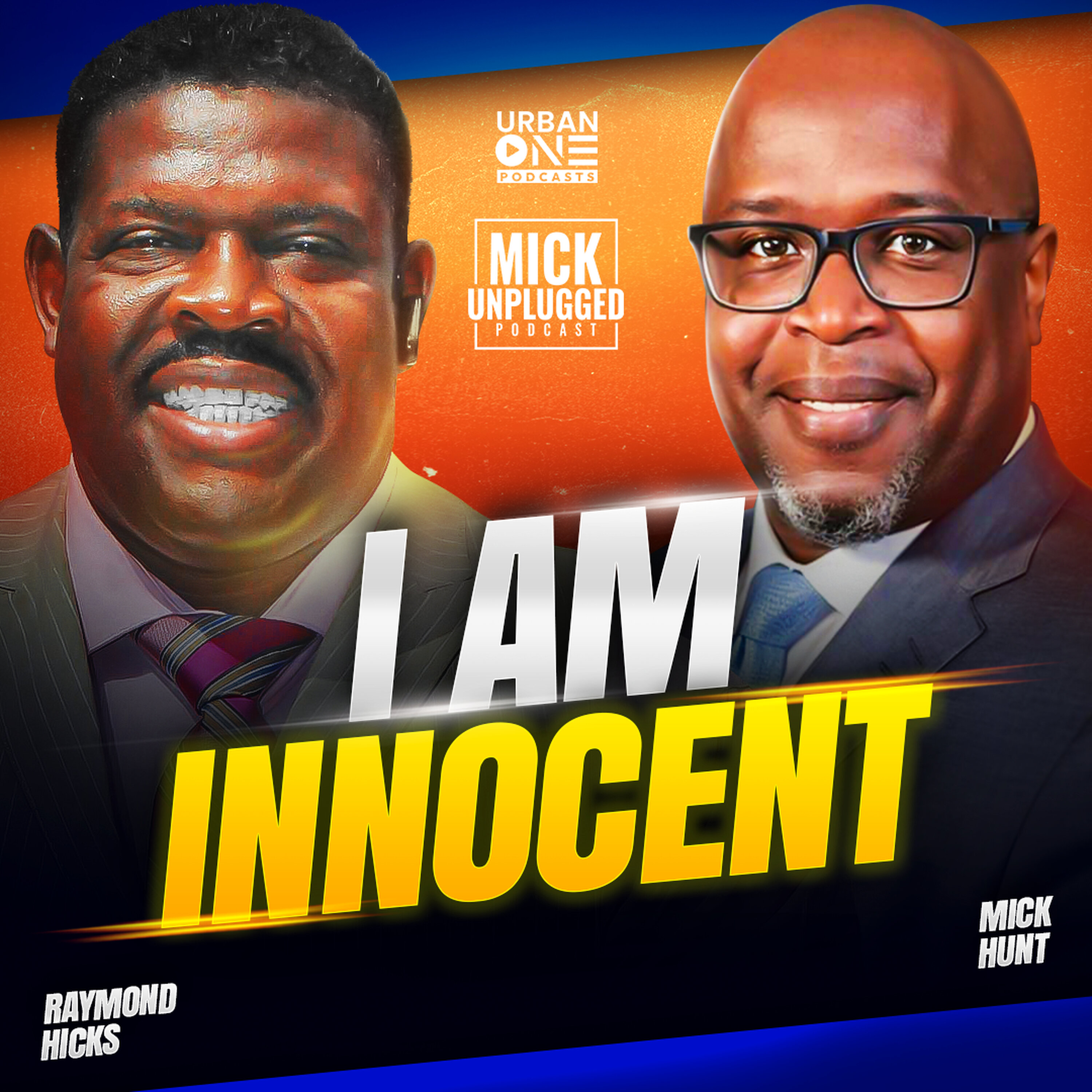
Welcome to Mick Unplugged, where we ignite potential and fuel purpose. Get ready for raw insights, bold moves and game changing conversations. Buckle up, here's Mick.
- [00:15]
Mick Hunt
Ladies and gentlemen, welcome to another exciting and informative episode of Mick Unplugged. And today's guest is a testament to resilience, courage, and the will to persevere. As the author of I'm Still Standing, he shares a personal journey that highlights both the darkest moments and the incredible triumphs of his life. His experience is not just a story of survival, but of standing tall in the face of insurmountable odds. Please join me in welcoming the determined, the courageous and the Inspiring. My brother, Mr. Raymond Hicks. Brother Hicks, how you doing today, man?
- [00:49]
Raymond Hicks
Good evening, my brother. How you doing? Brother Hunt, Just want to thank you and God, you know, and Mick Unplugged for this opportunity to speak about, you know, these things that have taken place in my life. My brother, just want to tell you that I love you, man, and I just pray that God continue to elevate you and take you to levels that you have not seen before, you know, so that you may reach everybody, I mean, even internationally, you know, because it's very important, especially when you have stories such as mine and my family.
- [01:16]
Mick Hunt
I appreciate that. I received that, man. And, and I want to start with the story, man. So highly decorated officer, you know, going even before that high school football star, stud in the community. And then there was a point where it just crashed, man, and a lot of people have given up, but you did it. And that's what makes your story so amazing and, and so uplifting. And so I'd love to just give you the floor, man, like wherever you want to start with your story, the background. But for all the listeners and viewers, I need everybody to just sit down and buckle up because this story right here is going to change your life. Brother Hicks. It's yours, man.
- [01:59]
Raymond Hicks
Yeah. So my name is Raymond Lamar Hicks, and I was born in Vero Beach, Florida, but I grew up in a place called Gifford, as well as also here in Fort Lauderdale. And, you know, I just remember when I was about maybe 8 or 9 years of age, you know, there was always chaos in my home where there was stabbing, cutting. My mother was shot. My dad went to prison. So I remember the cops coming to my home. And this is after my mom and dad just finished plunging knives into each other body. And the cops would put me aside, you know, saying, hey, little man, come here, you know, let me talk to you. And of course, they pulled me Aside, you know, taking me from the records that was going on, they began to, you know, counsel me, you know, said, hey, this is the blackjack, which was two leather straps with a steel at the end of the two leather straps, then the handcuffs. And then they talked to me about the importance of the gun, you know, and they were saying, maybe one day you could be, you know, become one of us, a law enforcement officer. So it was during that time that I said to myself as a little kid, you know, if I didn't make it in football, which was my aspiration, you know, I would go into law enforcement to make a difference. And of course, granted, you know, I grew up where there was. My dad couldn't read or write. He dropped out in third grade, couldn't even spell his own name. My mother dropped out in seventh grade. You know, there I was, going to school. But one of the things that he did, Brother Hunt, where he taught me how to fight. So I've been fighting ever since I was six years of age. You know, he bought me a sock Embak. And he said, you know, each time you punch, you better touch it, you know, and if you don't touch it, I'mma touch you. And of course, you know, I became so efficient with my hand that every time I punched, punched his sock and box, it was a ball that stood up on, like a little pole. And when you punch it, it go in different directions. And of course, my hand got so good, my brother, that, you know, each time that ball I punch and it went different direction, I was touching it, you know. And it came a point where the teacher asked me, you know, Ms. Kirby asked me to read a sentence in class. And of course I couldn't read. I couldn't write, you know. And I got up and I tried to do the best that I could. And the kids began to laugh at me, you know, And I said, okay, you want to laugh, you wait after class. And as soon as after class was over, you know, wasn't no talking with me, I started, you know, going upside the head, you know. And she said, you come here, Come here. She said, you're very respectful. She said, but every time I ask you to read a sentence, you always get into a fight. And that's when, you know, I began to explain to her. I said, ma'am, I don't have anyone to help me, you know, I mean, my dad dropped out in third grade. He can't read or write, can't spell his own name. My mom dropped out in seventh grade. She had to harvest in the fields of Georgia, you know, And I said, I don't have anyone to help me. I was getting D's and F's, my brother. And of course, you know, when you grow up in the hood, you know, a lot of times your parents are not even concerned about the grades that you get, you know, and they don't even ask you what type of grades are you receiving, you know, and that was something that. That they never asked me when I was a young kid and she began to tutor me. So I went from D's and F to C's and D's to a, B's and C's to. I was able to earn myself a scholarship, you know. But prior to me going to college, I remember I was about 17 years of age, as you mentioned earlier on in this interview, that I was a standout athlete. I won the most athletic award throughout Vero Beach High School. Football, basketball and track. I set records, you know. And of course, I was about 17 years of age. And we had a basketball game, and we normally stop at, like, McDonald's, you know, @ the conclusion of the game. And of course, I asked my mom if she can give me $2. And she scraped up, you know, all the knickers, quarters, dimes that she could muster, and she couldn't even give me $2. But what she did, there was a grocery store called Piggly Wiggly, and they had the brown paper bags. And of course, you know, my mother, she made me two peanut butter sandwiches, and she put those peanut butter sandwiches in that brown paper bag. And I took it and put it in the bag that the coach gave me, you know, where you put your shoes and your equipment in. And when everybody got off the bus to go into McDonald's, I sat on the bus, you know, I was eating my. My peanut butter sandwiches. So I happened to speak to one of the players, and he saw what was going on. So he went and told Coach Davenport, his name is Ron Davenport. He said, hey, coach, you know, Hicks don't have any money. You know, he's still sitting on the bus. And one of the things that my mother and father have always told me when I was young, if you don't have it, you don't ask nobody for it, you know, and that's just something that I think they do in the hood, you know, in the ghetto that we refer to as poverty. And of course, he says, ray, you get off this bus from this day forward, I'm gonna pay for your dinner, you know, and that's what he did, you know. And finally I told my mom, I'm getting ready to go to college, mom, because I earned myself a 2.5 GPA. I could have gone to any university that I wanted to go to. Brother Hunt. You know, I had office from the Gators. Um, a lot of cats that I played ball with, you know, they played ball for University of Miami, like Dale Dawkins, Dame Stewart, some of these guys, they looked up to me, you know. But anyway, I decided to go to Missouri. A friend of mine that I grew up with, you know, he was like, yo, Ray, this is a great school, man. Why don't you come out here? Which was a Division 2. It wasn't a Division 1 school, but it was a Division 2. And of course, I told my mom, I said, mom, I'm gonna need money, you know, to go to Missouri. And she scraped up. My mother was a migrant worker, you know, she worked at Hogan and Son Packing house, making a dollar an hour. My dad worked there also. And of course, she scraped up these 99. And she put me on that Greyhound bus. I was on that bus for three days and three nights, and I never forget it, Brother Hunt. We arrived at Nashville, Tennessee. And when I arrived there, you know, one of the things I'm proud to know that my mother always said, hey, if you get hungry, go drink as much water as you possibly can, because that water will make you feel like you full. And when we arrived in Nashville, Tennessee, there was an older white lady. She said, young man, you and I been on this bus for three days and three nights now. I haven't seen you eat anything. And she gave me a bologna sandwich and a banana, and I swear to God, you'd have thought I was eating a porterhouse steak, my brother, you know?
- [08:40]
Mick Hunt
And it was Thanksgiving, huh?
- [08:42]
Raymond Hicks
Yes, sir. You know, I was so happy, you know, that God brought it to my life, you know, because I had no money. I had nothing, man. The only thing I had was a black Foot locker. And of course, we arrived in Missouri. And when I arrived in Missouri, the coach said to me, where's this kid from Florida that got wheels? I said, coach, I said, I'm from Florida, but I don't have no car inside. He said, no, I want to know if you can run. I'm like, run on foot. I said, man, so they took me down to the turf, and I ran like a 43540. And then he said, come on, let's run it again. Run it over. I ran a 437, and from that day, you know, my life kind of like, took off, you know, where the Booster Club and everybody, you know, I scored every game. And I was determined, man, to become a professional football player, even from a Division 2 school, you know, I was run up for Ricky of the Year award my freshman year. My sophomore year, I broke all the Russian records. Going into my junior year, I became an All American. And then, of course, the young lady who I'm married to now, I met her there. My friend Mark Bellamy was the one who introduced me to my wife. And she had to go into the Navy on a delayed entry program, so they gave her orders to go to Scotland. And during this time, you know, her and I, we was engaged. And I'm like, you know what? The only way we can keep you from going to Scotland is to get you pregnant. So that's how our first daughter come about. And I left school, you know, I didn't have a father in my life, man. My dad walked away from us when I was about 12 years of age. So I didn't have that father figure in my life to sit down and talk to me and, you know, coach me along the way, you know. So I just basically went off my own instincts because I've always said that, you know, if I have a family, I don't want to walk away from my family. I want to be there for them, you know, because it's so important that you got both parents in the home and not just one, you know, because it take a strong person, man, you know, to raise especially young men like myself, you know, who come from the gutter, man. You know, I come from the bottom, brother Hunt. I mean, it was. It was so difficult for us, man, and. And I just said to myself, you know, I'm gonna do what's right. And my mother had to sign the consent in order for us to get married, you know, because my wife was stationed in Pascala, Mississippi. She was on the USS Simon Lake. And I got a job working at the shipyard there. And I worked there until I told my wife. I said, you know, it's time for us, you mean, to go back to Florida and try to get a job so I can continue to take care of my family. So I came back here to Fort Lauderdale, which is where I used to come almost every year from about 11 to 12 years of age. I came here to spend time with my family. And of course, I always said that, you know, this would be my home, you know, as a young kid. So I arrived here and I got a job Working construction at the 110 Tower, which is right across the street from the courthouse. And I was doing construction work, and I said, no, I'm not going to do this long. So I went and applied for the Broward Sheriff office. So 1117, 1986 is when I tried for the Broward Sheriff Office, and I was hired by them as a detention officer.
- [11:53]
Mick Hunt
I love it. I love it. So I want to pause the story here and ask you about some things, man, that you were just bringing up. So, one, at an early age, you knew that what was going on in the household wasn't. Right? Right. And. And I have a very similar story of, you know, seeing things in the household but not accepting it as normal. And what I love is that you were determined because you could have literally just said, okay, dad dropped out third grade, mom dropped out sixth or seventh grade. There's no bar for me. But what brother Hicks said was, I'm going to create the bar. I'm going to create the standard. So I want to applaud you for creating that standard for yourself. And I'm going to go deeper here because you kind of highlighted some things, right? And I know Raymond Hicks is modest, and he ain't going to go there. So I'm going to tell you the things that he didn't tell you. Raymond Hicks was a dog on stud in high school. Let me tell you something. When he said he ran a 4, 37 after he ran a 4, 3 5. People don't do that. And so I'd love for you to just talk a little about your football prowess, too, man. Like. Like, what was it like? You leaving Florida for the first time, going into Missouri, a spot that you didn't really know anyone other than your best friends, Right? Like, what was that like? And then when you knew and realized you were just dominating, scoring a touchdown in every game, some games, three and four touchdowns. Again, Raymond ain't gonna tell you. I'm gonna tell you. What was that like for you when you just were like, I'm that guy.
- [13:23]
Raymond Hicks
Well, you know, ever since I was a little kid, my mother would tell you this. I always went to bed with a. A football or basketball in my. In my arms, you know? And I mean, when you talk about a great athlete, I mean, Vero beach, my name was up in the gymnasium, you know, I mean, I scored I don't know how many touchdowns. I don't know how many hundreds and thousands of yards that I had. As a matter of fact, my ninth grade year, I was moved up to Varsity. And we won the very first State Championship in 1981 at Vero Beach High School, where we played against Pensacola Windham, you know, and that's the first time that Vero Beach High School have ever won a state championship. They have not won a championship since that time. You know, it just goes to show you the type of the athletes that was there and the athleticism that, you know, we displayed each and every day, man. You know, we was hungry, you know, a lot of time. What people don't realize is. And that's why I give my brother Dion credit, Deion Sanders credit, because of the fact where he came from, you know, he used his life as an illustration to these young people, to inspire them. You know, a lot of people don't realize, man.
- [14:37]
Mick Hunt
Take your time, brother. Take your time. Take your time, man.
- [14:41]
Raymond Hicks
You know, it's your only way out, man. You know, it's the only way out is with your athletic ability. And, you know, my family, man, I grew up around killers, man. You know, I mean, if my. If my mom and dad was plunging knives into each other body, and he eventually shot my mom, even shot his own best friend, you know, because they said he touched my mom leg. You know, I wasn't there during the time, but this is what I was informed. And it was my dad best friend. His name was Mr. Knott. And of course, you know, he went up under the tree where they played dominoes and cars and stuff. They drank, you know, smoke and all this other stuff. And that's where my dad found him at. And my dad said, not, did you touch my wife's leg? And he said, if I touch the leg, what you gonna do? He said, I'm gonna shoot you, man, if you tell me you touched my wife's leg. And of course, he said, yeah, I touched her. And my dad pulled out a chrome.32 with a pearl handle. From what I was told, Mr. Hunt. And I know for me being in law enforcement, that when he tried to shoot him in his face, from what I was told, Daddy jerked the trigger. You know, it's like when you shoot, if you ain't squeezing and you jerking it, the brown is not going to go where. Where you anticipated going, you know. And he said, you didn't shoot me? He said, no, I didn't get you that time, but I get you this time. The second one hit him in his neck. And my dad did eight years in prison. It's not easy, man. When you come from the hood, a lot of these young athletes, man, trying to get out, you know, they want to make something out of themselves, and the only way they can come out of this type of environment is from the athletic ability, you know. And that's what I was striving on, you know. I said, I'm gonna make it to the pros, man. I know I'm making the pros, whether it be basketball, football, or track, you know, And I was determined, my brother. And I tell you, it's just amazing to me because, you know, when you grew up in. In poverty, you know, and you see a lot of these different things, but I didn't want to become a product of my environment, brother Hunt. I wanted my environment to become a product of who I am. So the things that I witnessed and I saw and, you know, I'm saying to myself, I don't want this for me, man. You know, I want to get away from here. And that's what enticed me to leave. And my mom said, where are you going? I said, mom, I'm going to Missouri. She said, Missouri. She say, son, you know, why would you go so far? You don't know nobody. I said, I know one person. That was Mark Bellamy. And I decided to go to Missouri, you know, and it really changed my life, man.
- [17:14]
Mick Hunt
Yes, sir. Yes, sir. I appreciate that insight in that story, man. You're touching millions with this story. And now let's go back to the Fort Lauderdale Police Department. So 1986, you apply, right? And again, Brother Raymond Hicks, being Brother Raymond Hicks, you don't do anything halfway. So if you go in all in, you going all in. And you were trying to not only be the best, but also be an example. And so let's talk about the early years of the police department. So, you know, you get there, then you become highly decorated man, one of the most decorated folks on the force. So let's talk about that a little bit.
- [17:52]
Raymond Hicks
Yeah, so when I first got hired at the Broward Sheriff Office, you know, and detention, working in the jail, you know, I used to hear the cries of brothers and sisters saying, hey, man, you know, they plant drugs on us, they beating us to the ground, they taking money from us, you know, and one of the guys that I grew up with, we call him Gastonickens, we call him G. Fresh, but his name is Gaston Aikens. And of course, G, you know, he was out in the streets, man, robbing and, you know, selling drugs and everything else. And I used to always get on him. I'm like, gee, listen, man, the recidivism rate is constantly growing by A vast number, man. You need to change your life around, G. I said, what about, what about your wife and kids, man? You was one of the ones that made it out the hood, man. I say, so can you, G. I said, you need to change your life around, man. So the third time that he went to prison, Mr. Hunt, he actually took up a trade, you know, operating backhoes. And of course, when he came home, he got a job as a construction worker. And that brother went from just a regular construction worker to a foreman and to a superintendent. And now he owned his own construction company. You know, his sons actually worked out with the Miami Dolphins. His name is Jonathan Akins, and also Marquis Aiken. You know, so people can change, man. You know, it just takes someone to inspire them and teach them about, hey, man, what you gonna do with your life, man? You know, you sitting here, you're going through all of this stuff, you know, what about your family? And a lot of times, you know, when you're growing up in poverty, people don't care about their family, man. You know, the family is involved in all kind of crazy stuff. I got killers in my family, man. I got young people in my family been selling drugs on drugs, robbing, home invasion and everything else that you can think of. So I didn't, you know, again, like I said, I didn't want to become a product of my environment, my brother. I wanted to be an example. And while I was a deputy, yes, I was a holod decorated officer, man, I risked my life so many different times, you know, to earn the awards that I. I received from that agency. For an example, in 1997, there was a gentleman who actually came from the psychiatric ward and he punched one of our sergeant in the face. And he was trying to toss him over the rail, you know, he literally knocked the sergeant out. And I happened to be walking by and the sergeant Sinclair say, ray, go, go, go. So I ran into the unit and the deputy who was there, he panicked. You know, the deputy panicked. He. He didn't do anything, and he getting ready to toss him. So finally I got there and I told him, put him down, man. So I helped him put him down. He was knocked out cold, you know, and they were trying to move him back downstairs to general population. He didn't want to go, you know, and that was a big brother too, man. He was about 622-72-74. And he hit him and literally knocked him out. And as a matter of fact, he hit me and literally almost knocked me out. I mean, it Was like somebody taking one of those hot combs that you put on the stove back in the days, you know what I mean? And to straighten the hair. And it felt like he went from the front of my head to the back of my head, man. He hit me so hard, you know. And the inmates went to screaming out, man, big hicks gonna kill you, man. And when I came to my equilibrium, brother Hunt, I hit him so hard that if you looked at my left hand right here, you'll see where the bone actually came through the skin. And they had to put two pins crisscrossing each other and they had to take bone fragments out right here. And I lost my knuckle right here. So, yeah, so we both went to the hospital that day, man. But thank God I was, you know, able to get in there, man, because had he tossed him over them rails, man, he wouldn't have survived. He would have probably really did some real serious damage to the sergeant, you know, dermatakis. And they gave me the Silver Cross award. And then of course they gave me deputy of the month in 1997. I went on in 1999. I risked my life doing an armed carjacking. I thought it was an armed robbery. So I see this car coming down the street and I was in civilian clothing. And when the light turned red, I saw the taxi cab stop. But there was two black individuals in the car. So when the light turned green, the car merged into the fence. So when the car merged into the fence, I saw the two of them fighting. So I said, let me just stop and break up the fight. So as I stopped to break up the fight, brother Hunt, I discovered that they wrestling over.350 said Magnum. One round went through the roof of the car. The subject took a chunk out of the victim eye. They both were saying, he's robbing me, he's robbing me. So going back to my special training that I had, you know, I had to secure that weapon. So what I did is I did a redirect. I put pressure on that trigger finger to make him release it. Either release it or it's going to snap. And he released the gun and the subject took off running. So when he took off running, I got on the phone call, communication. Hey, I need his papa's in the air. I need a perimeter set up. I gave my location, I told him who I was, you know, I gave him a CCN number. And of course, within a few minutes they set up a perimeter and they arrested this 18 year old kid. Come to find out he Gets into the taxi office, Six Drum, which is one of the worst areas here in Broward County. He gets into this, the taxi, and have the taxi take him off of Oakland park at 21st Avenue. And he went upstairs and retrieved the gun, according to the report that I read. Came back downstairs and made the taxi cab driver get in the passenger seat. And at this time, he was robbing him. So, of course, it was the armed carjacking. I thought it was an armed robbery, but it was an armed carjacking. I went, that was in 1999. I win the Gold Cross award. That's the highest award that anyone can receive without getting killed in the line of duty.
- [23:43]
Mick Hunt
Wow, that's amazing, brother. So much that you were able to achieve and as always, always being the example, right. The example for others to follow, the standard that you've always set for yourself. Now, let's talk about moving forward. So, you know, you hinted a little bit that you saw corruption going on in the police department. Talk us through. Not necessarily the corruption, but the moment of when you decided that you needed to say something, you needed to do something. And obviously the aftermath of that piece, too.
- [24:16]
Raymond Hicks
Yeah. So going back to 1990, you know, the bar sheriff officer manufacturing their own drugs, and it was given to us to be sold in the street, which is entrapment. And of course, I said something about it. I told him, I said, you know, how could the bar sheriff always be manufacturing their own drugs and given to us to be sold in the street? So they pulled several of us out of the jail, you know, blacks. And if you had any type of street mentality, brother Hunt, they want to use you for these sting operations, you know, like, especially, you know, with me coming from the hood, man, you know, what's happening. I got them parlays, you know, meaning that the cocaine rocks that we were selling was probably about the size of our thumb. And. But I always knew that there was something wrong with that situation. As a matter of fact, I even kept a document that I think I sent to you showing that I was one of the ones who was actually working this thing operation. And they gave me a letter of accommodation because we arrested about maybe 30 some people that night. We confiscated over 100 some cocaine rocks. And just to let you know, they was actually cooking the drugs at the courthouse on the seventh floor. We had a deputy cooking the drugs, and they were packaging and everything, you know, and it was just. I just knew something went right with that and they created something which was called the cradle within 1,000ft of a school was three years in the state penitentiary. You know, so if you get caught within 1,000ft of a school, you automatically get a mandatory three years in the Florida State prison.
- [25:45]
Mick Hunt
So the sheriff's office was manufacturing their own drugs.
- [25:50]
Raymond Hicks
Yeah.
- [25:51]
Mick Hunt
For distribution. And I'm trying to read between the lines for setup as well, Right?
- [25:57]
Raymond Hicks
Yes.
- [25:58]
Mick Hunt
And Raymond Hicks said, I got to say something, right?
- [26:02]
Raymond Hicks
Absolutely. So.
- [26:04]
Mick Hunt
So talk us through that when you had the courage to say, I've got to go against the grain and I've got to report this. And I'm sure part of it was one, you've got to do the right thing because that's who you are. And I also feel like a part of it is your conscience just wasn't going to let you sleep, wasn't going to let you function knowing that this was going on. So walk us through that moment of when you decided to say something.
- [26:33]
Raymond Hicks
Well, you know, I told him, I said, you know, this is entrapment. You know, how is it that we manufacture the drugs and you guys are giving it to us? And granted that the cocaine rock was in a Ziploc package and it had a serial number on it, and the money that they was giving us was marked money. So a lot of times what we did is that we would take informants of person who've gone out there and committed a crime, and that person, we would give them cocaine rocks and the money, they would. Would go into a certain particular location, and they would make the transaction with the subject and come back and give us the intel. So when they come back and tell us who these peoples are, so what we had with the backup unit would move in and they were arrested, these individuals. And then we get out imposed as undercover dealers. I had three goes in my mouth, you know, which is another indication that, you know, I'm. I'm a part of the street, you know, which, in fact, I ain't never been a part of the streets. I grew up in the streets, but I ain't never been a part of the streets. And of course, they had us out there, man, and. And we were selling these drugs, and I told them that it was wrong, and they told me I shouldn't mind my business. And I told them what you mean, mind my business. And of course, I just made a decision that I was going to stop selling drugs, and I went and got a job working for a boot camp. They chose me to go to Fort McCollum Drill Sergeant School in order to get certified as a drill instructor because the Broward Shaft farmers were implementing their own boot camp program. So I went to Fort McCollum, me and several other individuals, and it was really hard, man. It was physically hard, mentally hard, academically was hard. You know, these drill instructors was not going to give you anything if you didn't earn it, you know, and of course, I. I went through that course, I passed it, and I came back to Broward County. As a matter of fact, while I was there, brother Hunt, I called my wife. I told her, I say, listen, you go ahead and send me a ticket, man. I arrived on Sunday, and that Thursday I was ready to come back home because it was just that intense, you know, it was just that hard, you know, and. But one of the drill instructors said to me, he said, if you guys going to put other people through the same type of regimen training that we put you through, this is the reason why we actually have you going through this program. So you will be able to understand the distinguish between turn it on and turning it off, which means that you break a person down, but you help rehabilitate that person and make them a stronger person. And when I came back, let me tell you something. I was one of the best drill instructors that anybody would ever come in contact with. When you look at me, I. I mean, you would think that I was actually served in the United States Army, Marines, or even the Navy. I mean, I was just that sharp, man. My boots, you can literally see yourself in with my boots. My uniform, it was so pressed, and, you know, you think it cut you, you know, because that's something that I took pride in, man. You know, I want to set the tone and example for those individuals that was coming through the boot camp program. And a lot of times, I use my life as an illustration to them, to let them know that I come from the gutter. You know, it took something for me to come out of that type environment, to be the person that I am now. And this is the reason why, you know, I'm a drill instructor, to inspire you, to lead you and guide you in the right direction.
- [29:51]
Mick Hunt
Yep. Always the example, right? Raymond Hicks is always the example. But then things change, right? There's a moment when all of a sudden, the tables turn. And again, I'd love for you to be able to tell this in your own way, tell us about what transpired next.
- [30:10]
Raymond Hicks
So, of course, you know, as I was working in boot camp, I decided to go through the crossover academy, from correction to law enforcement. So I finished the academy. I was going to school at night from 4 to 10 up in Palm Beach. I graduated from there. And then I came back and I began to work narcotics again. I work with drug task force ocd, which is organized crime in the cradle. And of course, I'm watching these individuals. They plant drugs on black offenders and beat them to the ground and taking money. I mean, they were busting their head open with this PR24. It was a flashlight that carried D batteries, but we called it PR24, but it's actually a flashlight that we used to have on that we carried on our side. And I mean, they were splitting these guys heads open, man. You know, where they putting staples and everything else in their head. And it got to a point, Brother Hunt, that the way that they were beating these blacks, man, I got so angry, and I admit that I was wrong, but I started knocking the white folks out. You know, every time I made a transaction with him, you know, know, I was hitting him and knocking him out. And. And the commander came to me, she says, ray, why are you hitting them like that? I said, why are they hitting them like that? You guys ain't saying nothing about how they busting these people's head open, and you ain't doing nothing about that. So why you saying something to me? But you know, again, I was wrong for that, you know, But I just felt like, you know, why are you doing my people like this? And you think that it's okay? It's not okay, man. I'mma say something about it. I called the cops on my dad when he was doing wrong. You know, when they was fighting and everything else, I would dial 91 1, you know, so I felt like it was the right thing to do, you know, and it just got to a point, man, where I'm watching these folks take money, you know, because the one particular area that we was on the sunrise and 4th Avenue and 6th street, they was actually had. These brothers were selling cocaine rocks for 40, 50, $60. So the commander would give us X amount of rocks. You know, we get out there and pose, and they would give us the money. And I'm watching these dudes leave with thousands of dollars each and every night, man. I'm like, what are you guys doing, man? You're no different than the one that we just put in the padding wagon. And they've been taken downtown. You should be going to jail yourself. They told me again, I need to mind. You need to mind your business. What the freak you mean, mind my business? You know, and it just got. It just got worse from there, man. You know what? I Mean, because I felt like it was the right thing for me to say something about what I saw and what I witnessed. It's not what I heard, it's what I saw. And nobody can refute this. I have documents and everything else as it relates to everything I'm sharing with you, my brother, to back up what I'm saying. And it really got bad for me, man. They came to me and told me, hey Ray, we're not going to use you out here on the streets no more. We're going to put you back into jail. I said, I don't give a flying, you know what, you know, you could put me back in the jail. That's where I started from. And of course they put me back in the jail. I was working the sixth floor and I was working Bravo ship 73. And when I, I left work to go home, I normally take a shower and I lie down and I wake up around about 5, 5:30, you know, I had like 600 some pounds in my backyard, you know, and of course me and my neighbors, one of the sergeant sons, you know, they used to come and work out with me every day. And there I am getting ready to go in my backyard and work out. I look across the street and I'm like, that's even the SWAT team or the drug task force mounting up. And when they saw me, brother Hunt, they all jumped in their cars and they spit down the back street of my home. So I told a young man that I was working out with, I said, come on man, let's go to the front of my yard. My wife had gone to Winn Dixie which was like maybe a couple of blocks from the house, you know, man, they had me and my kids at gunpoint. They had my 12 year old daughter and, and my 7 year old daughter at gunpoint. Man, 60 some cops stormed me at gunpoint and they, they was saying, hey, are you Ray Hicks? I said, you guys know I'm Ray Hicks, man, what's the problem? And they said, well, we got a one for your arrest. I said, a one for who? Arrest for what? So all of a sudden this black dude named Ricky Clark, he come pat me at my shoulder. Hey, come on man, come on. Hits. I said, what you mean Ricky? What the freak you mean? Calm down. I'm looking at him like, because if they had told me what they were coming to get me from, brother Hunt, they would have killed me that day. Because I ain't never tried drugs in my entire life. I never tried a marijuana cigarette that we refer to. As a joint, I never took a drink a day in my entire life. And. And God is my witness, if they had told me what they were coming there to get me for that. To kill me, man. So, of course, he started trying to calm me down, you know? So my daughter get on the phone, she calls my wife, hey, mom, they got data here. You know, the police got data here. And Rob Shaw came to me, hey, Ray, we gonna place you on suspension, pin the outcome of this case. I'm like, what case? What case? You guys ain't show me no warrant. And you. What case are you talking about? Well, we can't discuss it right now. What you mean you can't discuss it? So they go in there looking, Tearing up stuff in the house, looking for. I don't know what they're looking for. You got any guns? Yes, I got guns. They belong to me. They don't belong to the sheriff's department. So they hurry up, handcuff me and put me in a mark unit and transported me over to District 5. So when I ride the District 5, I'm still asking questions. Why am I here, Ray? We gotta book you in. I'm saying, book me in for what? What are the charges? They still ain't told me nothing. So, of course, after they booked me in, they transported me over to the city jail. So when I get over to the city jail, I'm asking a question, brother Hunt. Why am I here? What did I do, man? Everybody started telling me, well, we can't discuss it. You know, we can't discuss it, right? What you mean you can't discuss it? You can't tell me what? Okay, let me talk to a lawyer. They wouldn't even give me an opportunity to call a lawyer, you know, Nor did they ever read me my Miranda, you know? And so, of course, they put me in isolation, solitary confinement. I'm there for 24 hours. The next day, the marshals arrive. I'm like, whoa, man, what the Marshall's doing here? Ray, we here to take you to court. Okay, for what? Well, we can't get into it, Ray. You know, we just here to transport you to court. So they handcuffed me, my brother, but with the handcuffs like this in front of me, they shackle me, you know, and they had the change intertwining with the handcuffs and shackles. They put me in an unmarked unit and transporting over to the federal courthouse. So when I arrived over there, my wife and my mom sitting there in the courthouse, you know, and the prosecutor, DA, she says, when Mr. Hicks is at work. He's in the top 10% of his department, but when he's not at work, he's into other curricular activity. I'm looking at my mom and my wife saying, like, what the freak is this woman talking about, man? And then she actually proffered to the courts, she said that I went to various states delivering 350 kilograms of cocaine that was equivalent to $750 million.
- [37:23]
Mick Hunt
Wow. Wow. That part I did not know. That's wild and crazy. Totally insane. Totally insane. So you're in court and you get convicted wrongfully. Right. And I know it's a moment you never forget having to look at your family, those that look up to you, and. And that's the image that they see, right? Not the superstar Raymond Hicks, not the decorated officer, not the man of the community. That's the image that they see. And I know that that's the pain, because it's paying for me, right? That's the pain that I know. Images of other people's mind, other people's perception, you can never take away. And so I know that that had to eat at you more than anything.
- [38:16]
Raymond Hicks
So it's basically the magistrate judge, she said, you're not a flight risk. She said, but you a minister of society.
- [38:26]
Mick Hunt
Take your time, brother. And you know who you are, and you know what you've done for your community, for other communities, keeping people safe, keeping families together. And to hear that Raymond Hicks is a menace to society, that's.
- [38:48]
Raymond Hicks
I'm a minister of society. I ain't never been in trouble my entire life. I was a holly decorated officer, never been in trouble. Fifteen years on the force, I'm a menace, you know? So, of course she slammed the gavel, told the marshes, come in and escort me out. So of course, they take me to the holding cell, and I'm. I'm going in the holding cell where there was five other guys who I used to work out with at the gym. And all of us was big dudes, man, you know, benching like 500, 600. I mean, a lot of weight. And I'm looking at every last one of them, Brother Hunt. And Lord is my witness on everything I love, man. Like, which one of you said something about me, man? You know? They're like, come on, Big Hicks, man, you tripping, man. I'm like, which one of you said something about me? Because really, I'm ready to tear their head off their body, man. You know? I'm ready to tear their head off their body. I'm ready to fight with every last one of them in the unit. They're like, come on, man, you tripping, man. Ain't nobody, none of us ain't said nothing about you, man, this is crazy. And of course, they hurry up and take us out. They give us a bag lunch and take me down to the federal prison, man. I get down there and these people treated me inhumane, you know. They said, all your belongings, we going to take it and send it back to your house. So they took all my clothes and everything, they put it in a box, they send it back to my home. It's a certain way that you script set your inmate brother hunt, you know. And I noticed because when I worked in the jail, you know, and the way that they try to treat me, man, when it was inhumane, I mean, literally inhumane, you know, when you strip such an inmate, you know, you. If they got hair, you haven't run their finger through the air, you know, they. You have them lift up their tongue, you have them turn around, you know, to lift up the bottom of their feet. And of course, you haven't been at the waist and, and spread the cheeks and cough, you know. And I told him, I said, man, there's nothing professional about you guys, man. I said, but you know what? You got a job to do. So they come and give me a orange jumper and they took me and put me in a hole. I stayed in the hole for.
- [41:04]
Mick Hunt
Take your time, brother.
- [41:06]
Raymond Hicks
Five months. I stayed in the hole for five months. But I remember Ray Lewis, how when he went to jail, he was doing push ups. And the only way I could really go to sleep, you know, my brother, was to actually, I started doing a thousand to fifteen hundred push ups every other night, you know. And when they brought the food to me, if it wasn't a hot dog or hamburger, I was going to eat it because I felt like they were spatted, they were spitting my food, you know. And these officers, they were jigging at me every single day, man. You that Effie Copy. I hope you gone for the rest of your life. You that cricket cop, you know, I said, I ain't never been a cricket cop. And furthermore, I. I've been here for something that I didn't do. Yeah, that's what they all said. I said, I don't know what they all say, but I'm telling you what I'm saying. I don't have a right to be here, and I should be here, you know, And I say first. And furthermore, you guys are not professional. I said, none of you guys are professional. I said your job is not to judge me based on the fact that what I'm in here for. Your job is to remain as a professional. Your job is to do job the way the policy and procedure, the sop, the standard operation procedure said that you should do your job is not for you to judge me based on the fact that I'm in here locked up for something that I have not done. You know, and it just got to a point, my brother, that I'm. I'm ready to fight with all of them. You know, I started there's emergency button inside the unit, and I start pushing the button, like, repeatedly. Because now when you stick, I think it should be mandated that a man or woman who be placed in a hole don't stand there no more than a few hours, man. Because to be in there for days and months. I don't know if you ever seen the movie Reuben, Hurricane Carter, when Denzel was actually in the hole. And, you know, yeah, you start hallucinating, man. You know, it's like the walls are caving in on you. Like, you can put your arms out there, you know, and like, you could test the walls. I mean, this is the type of stuff that you. You experience, man. And they feed you like you some dog, you know, they let down the COVID slot. You know, they call it a feeding pointed hole where you let the tray down and then you put the tray on there, you know, and it's in total darkness. You in there 23 hours a day, one hour a day for recreation. Envision going to your bathroom, close the. Turn out the lights, and envision you being in there for 23 hours a day. You only come out for one hour a day for recreation. And you don't go nowhere for wreck. You go right around the corner in another unit similar to what you're already in. So it really intensified, man. But I would never forget this brother named Captain Fernandez. And when God blessed me, brother Hunt, I'm gonna find that brother, man. I'm gonna bless him and his family. Trust me when I tell you that because that man treated me with respect, you know, he had them come and get me and bring me to his office, you know, so they had me put my arms through the feeding port. They handcuffed me before they came in, in the cell, because I really want to tear the head off Brother Hunt. May God be my witness on everything I love, you know. And once that put my hand in, they came in and shackled me and took me to his office. So When I went to his office, he said, Mr. Hicks, he said, listen, man, you know, you was one of us at one time. I said, yes, I was one of myself. I would never. One of these guys who you got out here working for you? I said, you know, he said, well, what can I do for you? I said, I haven't talked to my wife and kids, man. Can you allow me an opportunity to talk? Because the only way you can really get a phone call is every seven days, and it's through your lawyer. So your lawyer. Because you can't do a three way in the feds. That's one thing you can't do, you know, I mean, you do a three way, your phone privileges is done, you know. So of course she gives me a phone call. I call my wife, I'm talking to her, you know, and she's telling me about all these things that she's going through and they. What she experiencing, man. Let me tell you something. I wouldn't wish it on my worst enemy, Brother Hunt. You understand me, as a man, as a father, you know, as a husband, I wouldn't wish it on my worst. I mean, that's on everything I love, man. And after that phone call, he said, Mr. Hicks, he said, listen, the only other way you're going to be able to, you know, talk to your family on a regular basis is to go down the general population. I said, I don't care where you put me, man. You could put me wherever my home. So they put me down in general population. I was down there with eight guys who I had arrested or I was over when they came through the county jail, man. And, you know, and soon as I got to the unit, there's. From what I found out later, there's 122 inmates. There's an upper tier and a lower tier. There's one officer in the unit. So as soon as I walk through the door, this. This one black dude who saw my picture parade over the newscast, man, that's that effing cop. So one of the cats that knew me from the streets, you know, he lived in Tatertown. We called him blind because he had those thick glasses. But his name was Maurice, you know, so of course he was like, man, you know who that is? Man, that's Big Hicks. He come from where we come from. He gonna thump you. Tripping, man. So he saw my picture parade over the newscast. He done formulated an opinion about me, you know. So I get ready to go in there and put my bed roll down as I'm Putting my bed roll down. I turn around, and there he is. So all these inmates gathered around the door. That's what they do, you know, when you get ready to fight. They all gathered around, you know, to block the officer from seeing whatever's going on. I told him, I said, dude, you got a problem with me? I said, come on in here. Look, we can handle this like men. He actually tried to run in and try to grab me, brother Hunt. And I hit him with so many lefts and rights, man. And when he hit that floor, I tried to kill him, brother Hunt. I mean, I tried to put my fist through his brains, man. Blood gushing from his face like a faucet, you know. And the dude was like, yo, big homie. They gave me the name, Big homie. Come. Big homie. Come on, man. You gonna kill him. I was trying to kill him, you know? And the feds, they give you sardines. So that lid that comes on the sardine can, I took that lid and put it in my. We wore a green jumper. I put that lid in my pocket. And when the brother was sitting at the same dude at the table, man, I was getting ready to rip his throat, man. I was getting ready to cut his throat, brother Hunt. And one of the dudes, the Robert Harris, he said, man, he said, come on. He called me Sarge. That's the nickname they gave me when I got on with the sheriff department. He say, sarge, come on, man, don't do this, man. Man, I wanted. And when the dude realized what was getting ready to happen, he actually went to the officer, and they moved him off the floor. I don't know where they took him, but they had to get him out of there where I was, because I want to finish him, man, to let him know who the freak you think you playing with, man. Don't play with me, because I'm not the one. When you looking at me, brother Hunt, you looking at my dad, man, right? You know, you look at me. My father and I identical. You know, my mama tell you to this day. My wife will tell you to this day. You know, my mom, she said, anytime she get mad at me, she said, okay, Raymond. Raymond Lamar Hicks, she referred to as my Me, as my dad. I told her I'm not like my father, don't want to be like him. You know, it won't be like him. But one thing is for sure, you know, you ain't going to pump me. I'm gonna tell you right now. I had to let all them in know. But you know, don't try me. You better try somebody else, you know what I mean? Because I'm not going to lay down. And I just questioned God, man. I said, lord, why me? And God say, why not you? And do you not know, my brother, the Lord spoke to me and says, when all revenues has been exhausted, that's when I begin to manifest myself. And do you not know that God changed my life, brother Hunt? I mean, I walked around saying chapel e glacia, getting brothers up in the morning and the afternoon at night to come into the chapel, man, just to pray, you know? And as a matter of fact, I won a life saving award, brother Hunt, while I was an inmate and I was honored by the warden of the institution, and I got the documents to show it to you.
- [49:19]
Mick Hunt
Always going to be Raymond Hicks, right? Always setting the standard, always being the example, you know, all the things that I appreciate about you. And you finally, you know, 15 and a half months, 16 and a half months later, finally got your day in court, right?
- [49:34]
Raymond Hicks
Yes.
- [49:34]
Mick Hunt
And the amazing part of this, for everybody that's listening or watching, is this. Raymond knew he was innocent, right? You just heard him say he was manifesting it. He got in front of a jury of his peers, and it took not even 30 minutes for them to come back and say, raymond is innocent.
- [49:53]
Raymond Hicks
Right?
- [49:54]
Mick Hunt
How did that moment of validation feel for you? Like all the emotion, right? Like this hour we spent together. I see the emotion, I still see the pain. What was that moment like when you heard 12 people say, not that they believe you, that's understood, but they believe in you. What was that like for Raymond? What was that moment like when. When that happened? Like, you're sitting there, you knew for all these months that you did nothing wrong but to get validated. How'd you feel?
- [50:27]
Raymond Hicks
You know, I felt vindicated, you know, and, you know, going back to that day, September 26th of 01, you know, my family had come to court, and my wife even had a panic attack. I didn't even notice until she told me after I came home. She went in the bathroom before she got on the stand to testify and had a panic attack in the bathroom. But I remember on September 26th of 01, where they had us walking down this long corner and they had chose 11 whites, one black and one black. Alternate, all business people. And, brother, let me tell you something, brother Hunt. I had a chill that came over my body, man, that I can even describe to you. It felt like I was in Alaska with no clothes on. You know, it was like A chill. I couldn't stop it, you know. But I remember walking down this long Carter, man, and that the shocker was literally like cutting into my ankles, you know, I don't know if I felt like somebody had a razor blade cutting at my ankles. Every time you take a step, man, you know? And that's why you see a lot of these inmates, they take the pants leg and they try and put like a sock or something over the pants just to keep. But that still doesn't do any good. Because when you start walking, it start rubbing, you know. And I tell you, man, when I got back in that courtroom and saw the jurors that they had chose, you know, the d. A. I'm saying to myself, this is crazy. You know, they offered me 16 and a half months. I was incarcerated for 11 and a half months. They said, you'll go home in three months. I told him, the devil is a liar. I'm gonna trust God and know that God gonna deliver me. I refuse to accept time served. I'm not going to go in there and admit to something I didn't do. So they had to get rid of the court appointment attorneys. They was trying to force me to take time. My brother. I found out, you know, that the D. A give them a bonus. So when some of these brothers and sisters take a plea, they get the d. A. Give them a bonus just for you taking a plea. You know, I'm saying to myself, what is wrong with this system, man? You know, I mean, how do you get a plea? How many of you get a bonus for someone taking a plea? The person could be innocent, like myself. So, of course, you know, I'm so grateful to God, man. You know, those guys, they got off my case. Finally, my wife went through her thrift saving. He was a federal prosecutor. His name was Michael Bloom. And Mr. Bloom never lost the case in 15 years. You know, he told my wife and my mom, he said, your husband is not a drug dealer. Your son is not a drug dealer. He said, I know one when I see one. And I was so happy when he came to see me and when he represented me in court. And do you not know that the chief judge judge record this man had a mustache that was rolled up at the. At the end. And they said he would give you a million years if he found out that you was guilty, right? And he asked him, he says, what are drugs? No drugs. Where the money? No money. He said, so why this man here? So they lied and said I was giving confidential law enforcement information. So My attorney subpoenaed the communication operator, Captain Munaz, who worked in the capacity for 25 years. She came and she testified. Mr. Hicks has not read this information. They how you determine who run it is through your Social Security number, and there's a sign in sheet, and there's a certificate of completion from FDL lead. I have never taken that course. Then they lied and said I was on audio tape. And when they played the tape for the jury and the judge, they found out that it wasn't my voice on the tape, but in fact, it was the same deputy who arrested me. So the judge became infuriated. You would have thought that that gal was shouted all over the floor because he called for sidebar. You know, he said, sidebar. You can hear the static in the background. He said, for impeachment purposes. Everything y'all said to bring this man in here, you better come back in here with the same information. Why is this man here? And they lied. You know, and you know what's amazing to me, brother Hunt, is they knew that they didn't have no drugs. They knew they have no money. It was all fabricated, my brother. And then they tried to get an informant, right, who was arrested by the Broward Sheriff Office on January left of 2000, just a few months prior to me being arrested on June 15 to 2000. He chased a man down the street, Mr. Eddie Frazier, because Mr. Frazier went there to collect his $75 for dumping his trash. He come out the house, the side of his house, with a gun, chased the man down the street. A neighbor called 91 1, they arrested this man for aggravated assault with the firearm. So BSO give this man $15,000. They give him $20,000. They debrief him to come in there and lie on me and. And the other people that I was locked up with. So he said that the 350kg of cocaine was in a duffel bag. My brother, I got the paperwork, I got the document, and I can send it to you, brother Hunt, where you can look at it yourself. He said there was a duffer bag that had 350 kilograms of cocaine and $750 million. The Broward Sheriff, for his investigators should have known that you can't get 350 kilograms of cocaine and $750 million in a duffel bag. So when they played the state for the jury, the judge, it was a vacuum cleaner. And then this freaking moron, he lied and said that on December 24, I saw him and his wife at a red light, and I I pointed my thing at them that I was going to shoot the two of them. So my attorney subpoenaed his wife, Shelly Pratt. She came and she testified. So my attorney say, Ms. Pratt, before your testimony, have you ever seen my client sitting next to me? She said, no, I've never seen this man before. He said, please take a good look at him, because your husband just profit to the courts that on December 24, 1999, my client saw the two of you at a red light. He motioned with his finger that he was going to shoot you. She said, my husband is telling a lie. She said, my husband and I was not even together on December 24th of 1999.
- [56:33]
Mick Hunt
Wow.
- [56:34]
Raymond Hicks
So the case represented to the jury. So they actually came in, escorted all of us out, and they took us back to the holding cell, gave us a bag lunch that contained like a banana orange juice and a bologna sandwich, you know. And not even just a few minutes later, the marshals came and said, the jury has reached the verdict.
- [56:56]
Mick Hunt
Yeah.
- [56:57]
Raymond Hicks
And, man, let me tell you something, man. I mean, before they deliberation, I took the stand and I testified on my own defense. I told myself, listen, ladies and gentlemen of the jury, I ain't never been in trouble in my entire life. This is my department coming after me because I spoke out against the wrongdoing of these people, doing things that was morally wrong, totally unethical. This is their way of trying to silence me. I said, I was a highly decorated officer. I said, but each and every last one of you guys that's sitting there and you're listening to the testimony of each and every last one of us, I said, you guys watch the news and you read the newspaper and you formulate an opinion about us, not even knowing the logistics of everything that transpired within the case, you know? And I said, I hope and pray that you guys find it in your heart, you know, and to see what's been done to us, you know, because it's not right. And of course, they took us back. They gave us a bag lunch. And then the marshals came and said, hey, the jury has reached the verdict. And I came back in, and my kids. My wife was there, and I think. I don't know if my mom was with her, but they had come to court and other people from the sheriff's office, you know, to support me. And that's another thing. The people who came to support me, the Broward Sheriff Office Internal Affairs Division, was harassing these peoples, man. You know, And I must mention to you, when they played the audio tape in court, brother Hunt, it was the same deputy who arrested me at my home.
- [58:24]
Mick Hunt
Yeah, yeah.
- [58:25]
Raymond Hicks
And I sent you guys a tape, so. So you can hear it for yourself. You know, I'm saying to myself, this is. But in a way, the jury deliberated, and they came back with it. They said, the judge say, has the jury reached the verdict? So the foreman stood up, and he said, yes, your honor, we. The jury has reached the verdict. And he says, as it relates to Raymond Lamar Hicks, we find the defendant not guilty.
- [58:52]
Mick Hunt
Yes, sir. Yes, sir. Vindicated. Validated. All the emotions. Right. And in that moment, again, your wife. Right. Like the love that your. Your wife had. Because, again, getting the attorney that could. Could get your. Your voice heard. Right?
- [59:14]
Raymond Hicks
Yes.
- [59:15]
Mick Hunt
The judge that did the right thing, that was listening to the. The lack of evidence. Right.
- [59:24]
Raymond Hicks
Yeah.
- [59:25]
Mick Hunt
And not just taking it. And Raymond Hicks got to be Raymond Hicks. Right. Which we love, which we honor and what we're so thankful for. And that could have been the story, right? That. That could have been the story, but that's also not Raymond Hicks. Right? That is not Raymond Hicks. That's not the way that. That Raymond Hicks handles business. That's not the way Raymond Hicks is going to conduct himself. What has Raymond Hicks done since then? Like, we've got the book. What. What's Raymond Hicks doing now? What are the things that you're doing to make sure that one. This doesn't happen to others, but also continuing that vindication that you so rightly deserve?
- [60:07]
Raymond Hicks
Well, you know, after being exonerated, brother Hunt, I must mention to you, and I make it brief, the Broward sheriff office, they stormed my helmet second time at gunpoint. Another six or some cops on January 6th of all four said I was shooting at someone in my backyard. Of course, I take that case to trial, you know, before the judge. And there was a white guy who showed up in my yard. My wife showed him the documents, and within seconds, they dissipated. They were all gone. So they sent me a letter in the mail saying that I discharged a firearm, you know, and when I take the case at trial, the judge said. Judge Steven DeLuca in Dealfield. He said, so we're the victim. There's no victim. Where? Did you do a ballistic test? No, we're at a bully casing. There is none. He said, so why would you bring a former deputy in my courtroom, one of your own? And you said that he committed these heinous crimes. You have nothing. So I was tried by the court, sir, and I was acquitted by the judge. So What I did, I begin to fast and pray, you know, as I always do now, building that intimate relationship with the Lord. And of course I went back into the community. I got a job working in boot camp, Elite Military Academy. And I helped 25 kids accomplish their high school diploma GED. And with the help of my wife and my daughter, I helped my mother at the age of 55 get her high school diploma. My brother at the age of 32 get his GED, which he dropped out of school in 11th grade. But I could tell you he'd been working for the county now for 26 years, you know. And so I win this prestigious award in 2004, the African American Achievers Award. And it's given to the person who actually go within their community to make a difference. And it's actually given to you from a philanthropist, Mr. Jim Moran, from the Southeast Toyota distributor. And when I won, they was giving a thousand dollars to each honoree. Now it's up to $30,000 each honoree. That's what that person received to give to a business or organization of their choice, you know. So I won this prestigious award and I must mention to you is that they came again, brother Hunt, but they sent me death threats, man. They sent me death threats that I'd be lying in my room in a pile of blood. They left it on my answer machine. I called 91 1, a communication dispatcher unit to my home, Rick Watson. I said, rick, listen to this here, man. He said, ray, be careful. You know how these people play. I say the only thing I need you to do is a 98A Alpha, which is a written report. And of course, brother Hunt, they stormed the home a third time, but they was looking to kill me. But my, my daughter was there, she was 18 years of age and my 4 year old son was there. So again they handcuffed me, shackle me, man, Take me down the booking. And I'm still asking questions because when they came to the house, I'm like, what is this here for? We got a warrant for your arrest. I said, for what? We can't discuss it. I said, here you guys go again with this. You can't discuss it. But you're telling me you got a warrant for my arrest? And there was a black gentleman named Robert Crumb who got into an argument with the white sergeant because I couldn't get my arms behind me. I'm £290 right now, six foot one and almost six two. I couldn't get my arms behind me, you know, and he was stunning. Telling him, put the effing cups on him like I told you to. So the two of them engaged in a verbal confrontation that literally almost led to a physical altercation, man. And I said, I managed to get my arms behind me, you know. He said, ray, you can't get your arms behind you, man. So, of course, I get downtown, and one of the guys who I helped get on with the sheriff department in detention, his name was Richard Lee. So I said he was working booking. So he said, man, if it's six and violent, man, I could calm him down, you know, because that's. He called me Big D. I call him Little D. And of course, he said, what's strange about this? On the PC, there's no victim, but they charge you with child abuse. I said, child abuse? I'm like, how, child? I just won the highest award in the community. I ain't never touched my own kids. So the prosecutor did a thorough investigation. She threw the case out. No prosecution. So to answer your question, brother Hunt, you know, all of this stuff that I've gone through, my brother, it built it more of a relationship with Christ, you know, I built an intimate relationship with the Lord. I pray every day, all day, every day. I constantly watch Dion Sanders. My wife never tell you this is stuff that they bought for me because I just love the direction that he's taking these young men and how he's inspiring each and every last one of them not only to be football players, but to be, you know, productive citizen out in society, to be fathers, you know, husbands or whatever the case may, you know, good citizens, man. You know, and one day I'm gonna get a chance to meet that brother, and I'm gonna share some things with him, you know, because his upbringing is almost similar to mine, you know what I mean? And. But anyway, you know, it inspired me. I went back to college. I graduated College with a 3.97 GPA with my Bachelor's degree in criminal justice and forensic science. I went and got my doctorate degree in theology, you know, and on top of that, I actually have a foundation called the Raymond L. Hicks LLC foundation, where I give back to the underprivileged kids. So my wife and I, me and my family for the last, what, 15, about 20 years now, you know, we have a back to school extravaganza. I sent you some of the pictures through Tyler to show you the different things that we. It's a big cookout, you know, and a lot of the money, it comes from out of our own pocket. You know, I don't have a lot of money, brother Hunt. You know, I basically, I get a little bit of something that's donated, you know, from other people. But the majority of the money that it comes out of my hard work, my hard earned money that I work for as a security officer, you know. But one thing is for sure, you know, I want to just make a difference. I want to set the tone and the precedent to let these young brothers and sisters know that I'm that same kid that went to bed with the ketchup sandwich, a man made sandwich. My mother would send me to the corner store and tell me, hey, tell Friendly to give you a dollar with bologna, a loaf of bread. I see him on Friday. You know, Mr. Friendly, store was just tore down just recently, you know, and it's because there's 72 murders since 1972 inside the store, you know, so the area, man, it's a really nasty area, but there's a lot of great people that come out of there. So I go back to that same neighborhood to let them know that if I made it, you can make it. Only thing you need to do is take pride, look in the mirror, identify self, and know where you're going at in life, you know, and. But through it all, my brother, you know, I still love law enforcement to this day. They took something from me that I love. I didn't like my job. I love my job. And you could talk to so many different people that have seen me speak about it, have responded and say, man, I changed my life because of Deputy Hicks. I'm talking about white, Hispanics and blacks. And it's a shame. It's a disgrace what they've done to me, my brother. And would you believe my story went viral when I interviewed with Ms. Jane Turner. She was former FBI, Mr. Mike Zumer, former FBI, and Mr. Bobby Latigar. And when I interviewed. And Mr. Jeremiah Johnson, and when I interviewed with them, it was through Mr. Tom Devine, who actually created the Whistleblower act back in 1978. So he said he wanted me to talk to them and tell them my story. So when she interviewed me, it was titled, they told me to mind my own Business. And she said, Mr. Hicks, let me just tell you this. I read your book. I looked over all the documents that you sent. You're not a criminal, you're a hero. She said, if you was moving that type of weight and money, you wouldn't have been arrested by your department, the Broward Sheriff Office, you'd have been arrested by dea, FBI, ATF and the marshals should say, anyone that worked in law enforcement knows that to be a fact. And just recently I was on the news, my brother, you know, I sent the clippers to you guys where now after 30 years, because my wife and I went and spoke to the new prosecutor, Mr. Pryor, you know, basically saying, hey, you know, this is what happened to me, you know, and my family. And of course, they never gave me a chance to even speak to them. The media told me that they were not interested in my story, you know, and thank God, man, I was able to address the situation. And now you see Mr. Pierre from CNN, you see Dr. Richie from Indisputable and some of these other huge platforms, man, speaking about the fact that Broward Sheriff always manufactured their own crack and given to us be sold in the street, you know. But to this day, I still love law enforcement, brother Hunt, and I must put that out there. And I'm hoping and praying that one day I can become an advocate for the men and women in uniform. The reason why I say that, because a lot of people don't know you put your lives on the line each and every day, every minute, every second, every hour of the day. Some of these people making 50, 60 thousand dollars a year and they can't even afford to take care of their families. A lot of families are being broken apart because the husband and the wife are working so many hours, doing overtime and not spending quality time with the family. You know, you wind up that there's infidelity and everything else that goes on. So the fact of the matter is that I hope and pray, man, that God allowed me an opportunity to be able to speak to these brothers and sisters and administrators to say, hey, listen, we need to do something about this. I think it should be mandated that every man or woman or first responder should make no less than a hundred thousand dollars a year to be able to support them and their family, man.
- [69:55]
Mick Hunt
Amen. I, I believe that a million percent as well. You know, one of my, my first cousins who's also like a brother to me, I'm going to go ahead and shout out his name. Detective just got rewarded. Detective Torrance Jackson here in, in Pickens County, South Carolina. So shout out to him, oh, congratulations. Absolutely, Brother Hicks, man, for anyone that wants to, to follow you, what's the best place to follow you? And then I'm gonna have a couple of follow ups too.
- [70:21]
Raymond Hicks
Okay, well, I'm actually on Instagram, you know, and I'm still standing under Raymond Hicks I'm on Facebook under Raymond Hicks, and of course, I'm on Twitter, but I never really use Twitter, you know, and of course, you know, my email address is Raymond Hicks 2305gmail.com. I give you guys my phone number because one of the things that I made a promise to God and brother Hunt, you won't believe how many lives I've helped save, man. Guys who have actually been in law enforcement that was contemplated taking their own lives until they saw my video. And. And one of the promises that I made to God is that if someone reaches out to me, I will reach out to them. So my email address is Raymond Hicks2305gmail.com My personal phone number is 954-347-3361. You know, and of course, I am the author of the book titled I'm Still Standing by Raymond Hicks. I do have a GoFundMe where I'm able to, you know, help a lot of the kids through my foundation. So the money that I. I generate, you know, I'm actually getting ready to put a sizzle together, you know, and a trailer with some other people, like Matthew Cox. If you see my YouTube has hit 6.8 million. Yeah, you know, 1.5 million. There's another video he just put out on the 27th of November, and it's almost up to 600,000 viewers right now as we speak. So as I said to him, I say the same thing to you, brother Hunt. You know, God will continue to elevate you, my brother, and you will receive the extraordinary blessings from the Lord because of the things that you're doing. I watched a lot of your podcasts and the people that actually that you brought on. But I pray and ask God to continue to elevate you so that you. Your voice and your platform can reach peoples around the globe. My brother and I just want to thank you for this opportunity. Please give my love to Ms. Chris, you know, until I said, thank you so much for the. All the hard work that she's doing, you know, to facilitate and do the thing that she's doing, you know, for Mick Unplugged. And I just pray that God continue to bless you and your platform, man.
- [72:34]
Mick Hunt
You know, man, I appreciate that more than, you know, like I told you offline and off the air, just honored to be here. You were someone when I lived in South Florida got to hear your story, and someone. I didn't know you personally, but I definitely felt you, man. And I just want you to. To know that you are inspirational. You touch people that you don't even realize that you touch. And so just honored to. To spend this time with you today. For everybody that's listening that's watching, I'm going to make sure in the show notes, we have links to the GoFundMe page. I. I want to put this on your heart. And Raymond's not going to say it. I'm going to say it for him. The amount doesn't matter. We can get people to just support the things that he's doing in the community. The funds that you present, the funds that you share, are going to change and saves lives. And that's. That's one promise that I'll make to you. Mick Unplugged will be sending over some funds for this. I challenge my. My friends that I know are listening to. To definitely go to the GoFundMe. Those that are listening that I don't know. If you want to do anything for me personally, go to the GoFundMe page that's in the show notes, in the description, and please just give whatever your heart tells you to give. Brother Hicks, man, I love you, man. This won't be the last time that we do this. I'm going to make sure that I do my part to support. We're going to reach out to Dion, Coach Prime. We're going to get you guys to meet. We're going to make all this stuff happen, man. Like, I'm not saying me personally, but the atmosphere, the universe is going to make this happen. Brother Hicks, I love you, man.
- [74:18]
Raymond Hicks
I love you, too, Brother Hunt. And. And just know, just for the listeners that's out there, for example, there was a Caucasian gentleman reached out to me, and he was a federal correction officer. And of course, he went through something similar, and he was contemplating some really bad things that I won't be able to share. And he happened to stumb across my video. And he called me, and he was in North Carolina, and I called him back, and of course, when I called him, you know, it was such a very touching moment. You know, he says. I said, sir, you know, this is Raymond Hicks. You called and left a message for me. He said, d. Raymond Hicks. I said, yes, sir, this is me. And he broke down, you know, and he said, man, I just. I just need to be next to you. And I said, okay. You know, he said, but I don't have any finances. I don't have any funds, but let me just tell you this. And I told my wife, I said, I'm bringing that Brother here, and he came with his wife because he lost everything. His wife and kids walked away from him. He lost his home, his finances, his job. He was really contemplating some really, you know, bad things. And I told him, I said, don't worry about it. I'mma help you get here. And I put him up in a hotel in Sawgrass. And some of the money that I collected from GoFundMe, I actually put him up in the hotel and I went to the bank and I took out some funds that I won't tell you how much, but I took out some funds and I gave it to him and his wife. And he came to one of my events, the back to school extravaganza. And if you could see the smile on his face, him and his wife face, you know. And from there I took him out to dinner and he said, you know, you don't look like what you've been through. I said all praises to be to my Lord and savior, Jesus Christ. And I said there was a reason why you and I made contact with each other. And from that day to this day, you know, I still love him like he was a brother, you know, and that's the thing. That's why I'm saying to you, brother Hunt, you. You continue to let your light shine, my brother. You continue to use your platform, and I just pray that God continue to elevate you to that next level. And I know that he will. And I said the same thing to Matthew Cox, and I say the same thing to you. Matthew Cox never had over 100,000 viewers prior to him interviewing me. And let me just say this to you. Matthew cox went from 100,000 viewers to now has 6.8 million, 1.5 million, almost another million, you know, and. And, And I say the same thing to you, my brother. So the algorithm and everything else that's going to come in, it's going to elevate you to that next level so that you can interview peoples like myself and others, my brother. So I just want to tell you, man, I love you. I love you. I love you from the bottom of my heart, you know, and. And there's nothing that you can do about it, man. I just truly thank God for this opportunity, man. Thank you so much, my brother. It mean the world to me.
- [77:17]
Mick Hunt
You mean more and I love you more than words can ever share, brother. Just thank you so much. Thank you.
- [77:23]
Raymond Hicks
Yes, sir. Thank you. Thank you, man.
- [77:25]
Mick Hunt
All the viewers and listeners remember your because is your superpower. Go unleash it.
- [77:35]
Raymond Hicks
Thank you for tuning in to make Unplugged. Keep pushing your limits, embracing your purpose and chasing greatness. Until next time, stay unstoppable.