← Mindful Businesses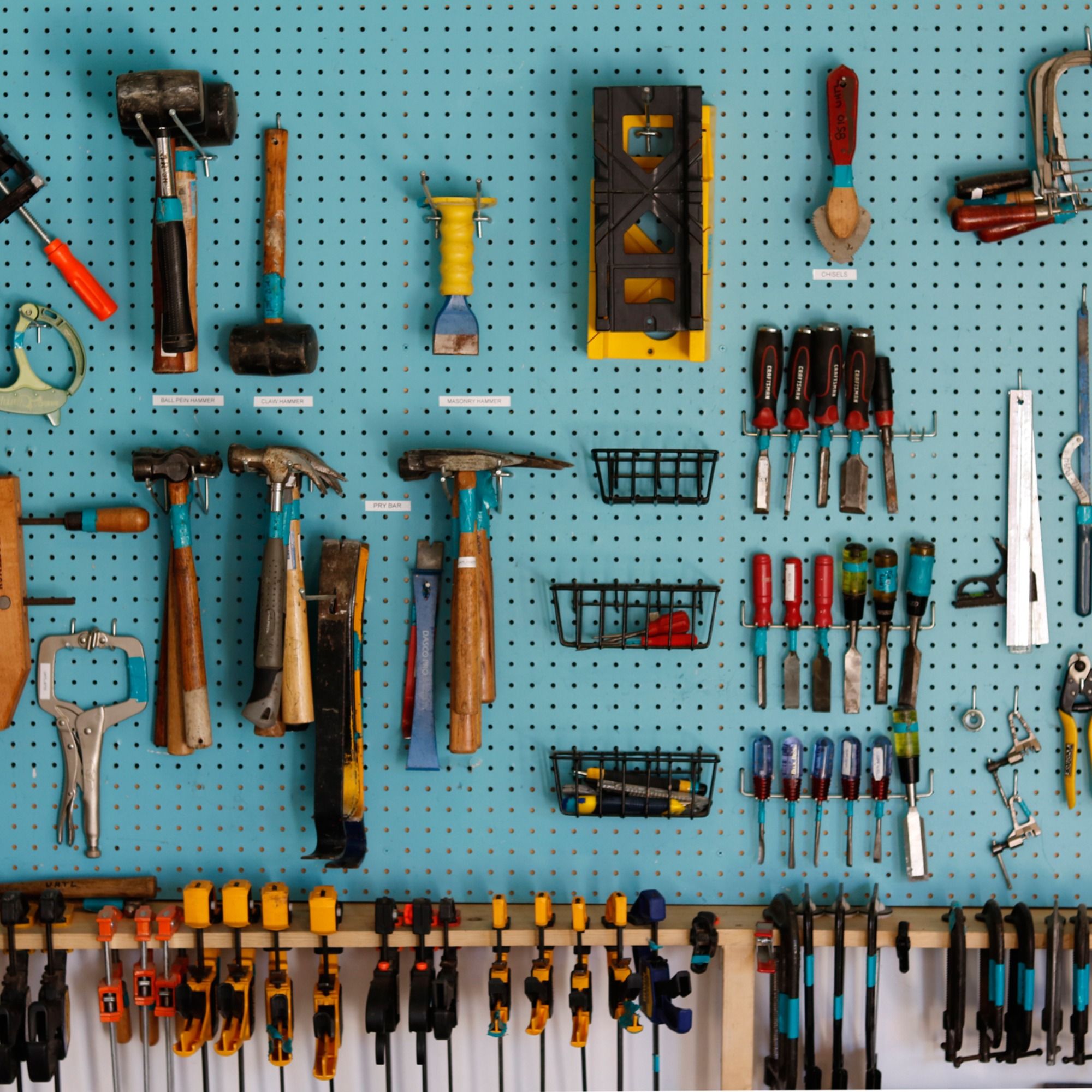
Mindful Businesses
The Tool Library - Borrow Tools. Build Community
00:32:38
The practice of manufacturing for planned obsolescence seems to be what most manufacturers in the present time follow. This means to make an item that will break down sooner than their earlier versions, lack of how-to-fix information or tutorials and even make it impossible to be repaired. The direct impact of such a philosophy increases the bottom line of the business at the cost of increasing e-waste and its impact on our planet. There needs to be a movement from a linear economy in which we take, make and waste to a circular economy. Complete circularity may be hard to achieve in all instances, repairing an item is an alternative that can reduce what ends up in the landfills. “Repair is such a low hanging fruit” says our guest Darren Cotton, Executive Director of The Tool Library. The Tool Library is an all-volunteer nonprofit tool-lending library based on the mantra that cost shouldn’t be a barrier to fix up one’s home, grow food, or improve the community. Tools can range an...