← Miss Understood with Rachel Uchitel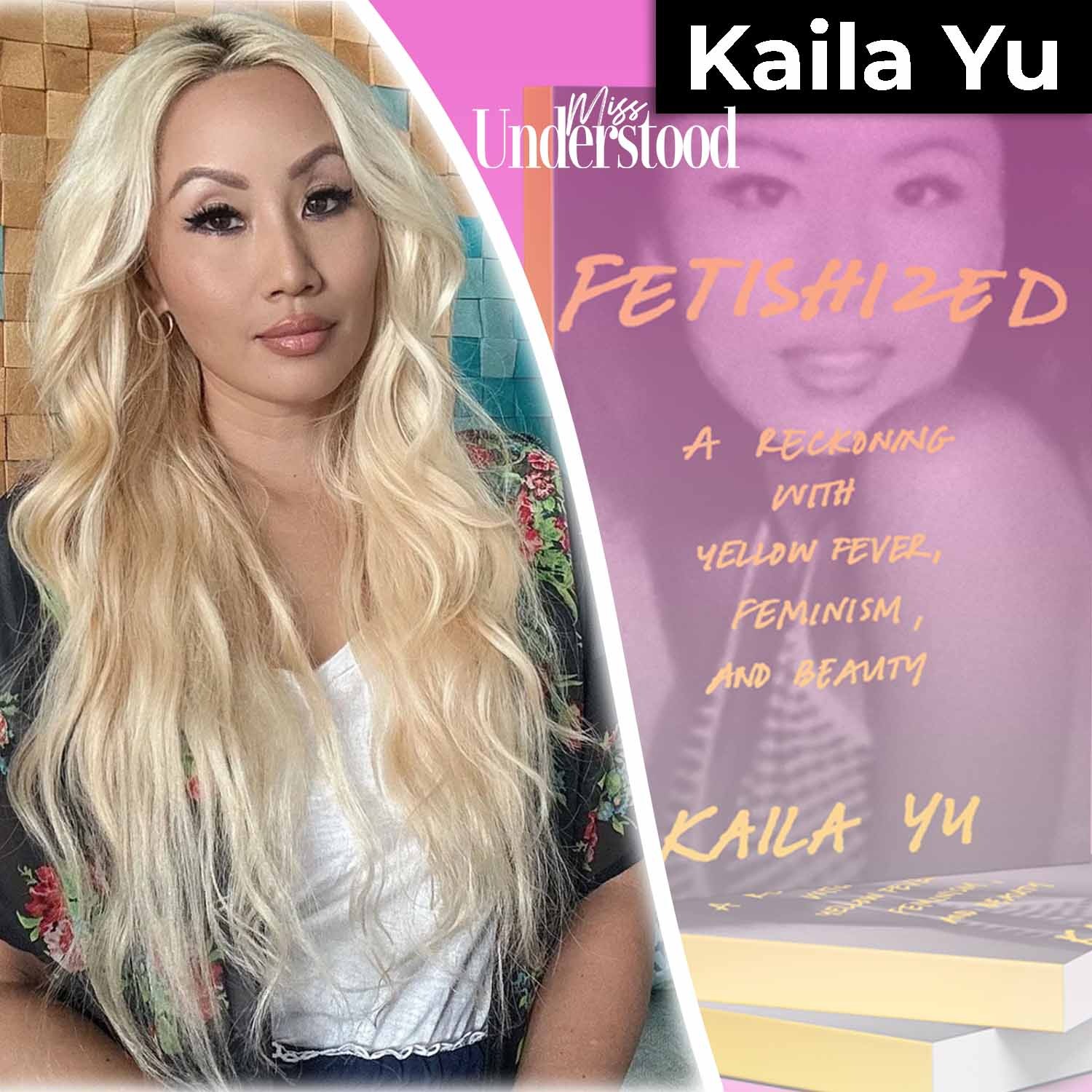
Miss Understood with Rachel Uchitel
Fetishized: The Truth About Asian Stereotypes and Sexualization
00:29:55
Loading summary
Transcript80 lines
- [00:00]
Kyla
When I was in my 20s, I kind of leaned into my sexuality for the male gaze and kind of fetishized myself. I grew up in a place called Upland California, which is just suburbia, and it's like 3% Asian. And I also felt really invisible.
- [00:20]
Rachel Yukatel
This quiet, demure, overly sexual woman who gave a lot to men in bed.
- [00:25]
Kyla
That's pretty much exactly it. Like a quiet, submissive girl who is a wild cat in bed and will do anything you want. I was 19 years old. I was a virgin. I wanted to model. Once I was in there, I was coerced to do more and things that I've never had, never done before.
- [00:46]
Rachel Yukatel
What do you hope this book changes about the way people see Asian women?
- [00:49]
Kyla
I think the men who fetishize Asian women in a demeaning way, who are not your vessels for your pleasure. I wish I had been able to talk about my experiences earlier. So I think if you have, like, secrets, don't hold anything inside.
- [01:16]
Rachel Yukatel
Welcome back to Misunderstood. I'm your host, Rachel Yukatel. We all want to be seen, but what happens when the way the world sees you is the one thing that you cannot control? For decades, Asian women have been flattened into stereotypes. The exotic fantasy, the submissive partner, the dragon lady. And for Kyla, you. Those weren't just images on a screen. They were labels stamped onto her body and her career as a model, as a musician, as a journalist. She was praised and punished for fitting into fantasies she never asked to live. Out Now Kyla is reclaiming her story. Her new memoir, out today, Fetishized A Reckoning with Yellow Fever, feminism and Beauty, isn't just about her life. It's about what happens when culture, history and desire collide to shape how entire groups of women are treated. It's raw, it's unflinching, and it's a story so many people will see themselves in, even if they've never had the words for it before. Today, Kyla joins me to talk about growing up under the weight of stereotypes, surviving the industries that exploited them, and ultimately finding her way back to her own identity. Because behind every label, every headline and every stereotype, there's a real human being fighting to be understood. Hi, thank you so much for joining me today on Misunderstood, all the way from la. How are you?
- [03:02]
Kyla
Good, how are you?
- [03:04]
Rachel Yukatel
I'm great, thanks. So you have your book out today, Fetished. I'm so glad we have you at the beginning of your press tour. And apparently the New York Times came out with raving reviews today. What made you decide this was the moment to write Fetished. Fetishized.
- [03:21]
Kyla
Nobody can pronounce it because nobody says that word out. Like people say fetish, but they don't say fetishized.
- [03:27]
Rachel Yukatel
Yeah, that's right. And by the way, I've said I've corrected myself when I've been reading it a couple times, but you know, it's written in a way that you kind of don't. You read it quickly. So I apologize. Fetishize.
- [03:38]
Kyla
Oh, no worries. Yeah, everyone's been having the same. Yeah. So I, you know, the book was signed actually three years ago and I didn't know the landscape was going to change so, you know, negatively for females, like autonomy rights as they have now. So that's a bit of a surprise. But I never like, chose to write a memoir or anything like that. What happened was during the pandemic there was all this increased Asian hate because the president called it an Asian or China virus. So there are literally like little old ladies, like Chinese ladies walking in the streets and getting attacked by, you know, beat brutally. And then the Atlanta spa shootings happened a year into the pandemic, I believe, where a sex addicted shooter went into three massage parlors and shot eight people, six of them Asian women, all dead. And then I started to reflect back. Like, how did I, you know, because when I was in my 20s, I kind of played into, leaned into my sexuality for the male gaze and kind of fetishized myself. So the book is kind of a reflection of me looking back on the past and also analyzing questionable media like Memoirs of a Geisha and the Harajuku Girls and other things like that.
- [05:02]
Rachel Yukatel
Yeah, I mean, it really is such an important topic and I'm so glad you wrote the book. Can you tell people a little bit, though, about who you were leading up to this, like, about your childhood, where you came from? Because you talk about, like I started the book last night. You talk a lot about your upbringing, your childhood and how you saw yourself and how you kind of fell into it too.
- [05:22]
Kyla
Absolutely. Yeah. Growing up, I grew up in this place called Upland California, which is just suburbia, and it's like 3% Asian. So I felt from the out skirts just, you know, like very different. And I also felt really invisible. Just like I was also really shy. So that like added on top of that. But my parents, you know, were super, super. They were immigrants and they were all completely gave up their lives to just like bring us a better life. And what I kind of write about in the book is like the first media I was really influenced by was the Little Mermaid, and I absolutely loved that movie. And. And, you know, like King Triton in the movie, so in love with his daughter, and he thinks she's the most beautiful thing in the world. And Asian fathers are a little bit different. They're a little more reserved, and they don't. Like, Asian parents don't really compliment you. They kind of criticize you. They're like, oh, this and that. Like, look at Jerry over there who got straight A's and, like, 1600 on her SATs. But they never say, like, oh, good job. There's always like, oh, look at this person doing better than you. So I think I was always just, like, born with kind of an extra need for validation. And then my parents loved me. They provided me with everything, but they didn't give me, like, verbal affirmation, which was like, I say, maybe my love language. So. And then when I became a teenager, I was boy crazy, like many teenagers, and the boys just didn't pay attention to me. I kind of write in the book about, in junior high, I had this big crush on this guy in my class. And then somehow he found out during class, and then he was like, oh, that dog's in love with me. And then, you know when something happens when you're young that just kind of sticks with you. So I think, like, the Little Mermaid's all based on, if you change yourself, you'll win the prince at the end, basically. And the prince at the end is a prize for women.
- [07:40]
Rachel Yukatel
Right.
- [07:40]
Kyla
So I kind of grew up thinking that male validation was, like, how I was going to feel loved.
- [07:47]
Rachel Yukatel
Right?
- [07:48]
Kyla
That's.
- [07:48]
Rachel Yukatel
Yeah. And I feel like a lot of women go through that. I mean, I kind of grew up feeling like that, too. Like, you know, the. You're always striving for the prince or the king or whatever.
- [07:58]
Kyla
All the movies.
- [07:59]
Rachel Yukatel
Yeah, all the movies. And. And you would think that they've changed them by now, but they haven't. It's the. The desire to be saved almost, right? The woman is supposed to be saved from whatever it is, whether it's the Wicked Witch or, you know, the. The slaving over the rich people or whatever. Like Cinderella. Right? So, yeah, it's interesting. So in. In starting this, you know, I did find it interesting because you talk about the stigmas, right? You talk about what, you know, a white woman stigma is versus the Asian woman stigma. And I found that really fascinating. You know, it's funny. I worked for many years in Las Vegas at a nightclub called Tao.
- [08:39]
Kyla
Oh, okay. Yeah.
- [08:40]
Rachel Yukatel
And I don't know if you've been there, but it's a lot of Asian woman women and they are seen as the ultimate beauties. And they are doing. They're. They're bathing in a tub as you eat. They are. I know it's like very over sexualized way.
- [08:55]
Kyla
Is it all Asian women doing things and not like a mix of women?
- [08:59]
Rachel Yukatel
Yeah, yeah. I don't know if it is now, but when we, when we opened it in 2005, that was, that was what it was. That was the theme. Right? It was an Asian theme. They were demure, quiet. But I will tell you, the men that would come in also would say, can you introduce me to any Asian women? Are there any Asian women here? So it was the first time that I was really involved in something where it was like a separate thing. And I saw so many people becoming obsessed with the sexualized, over sexualized, I guess, Asian woman. And I found that fascinating kind of because it was like they were looking for something that they believed existed. This quiet, demure, overly sexual woman who gave a lot to men in bed. I guess. I mean, you tell me what it is. It's just from the outsider. That's what I saw.
- [09:48]
Kyla
That's pretty much exactly it. Like a quiet, submissive girl who is a wild cat in bed and will do anything you want. That's like the stereotype, right?
- [09:59]
Rachel Yukatel
And is that something that Asian women are taught from a young age, that they're supposed to be, I mean, or is that just something that, that we created?
- [10:09]
Kyla
Yeah, it's funny because yes, like in East Asian culture for men and women, you're like, obey authority, like just listen and like get good grades and like anything your parents say. So there's like a little bit of submissive aspect, but for some reason when it comes to the west, it's suddenly hypersexual, which is not the case at all in Asia. And in fact, I feel like my parents have never addressed, we don't talk about sex in our household. That's not something that's even discussed. So I would say most Asian kids are the opposite of hypersexual. So that's why it's so strange that yes, part of the behavior is true, but not the hypersexual. But I explain in the book that's because Western men, when they first encountered Asian women was in a colonialist standpoint, where we occupied Vietnam War, Korean War, all the World War II, where Japan fell and then the soldier would go Occupy, say like Thailand. And then there were Prostitutes set up. And so they associated that with real Asian women, but they were never meeting like everyday Asian women.
- [11:26]
Rachel Yukatel
Right, right. Obviously, yeah. It's interesting because you do do a whole history in there and you really give a lot of background to your writing. It's not just your experience. You do talk about how when you were younger, you really did lean into it though, because that's what you felt like how you spoke about earlier. You needed to get acceptance and that was the way to get acceptance. Can you talk about. I mean, you've done so many things, by the way, like when I was looking you up and all the things you've done. Can you talk about all these different jobs? You've been a rock star. Like, all these things are so fascinating.
- [11:57]
Kyla
Well, it's interesting because I was just searching for validation. So I would like, I became a pinup model and then I was like, oh, I feel like I'm more than, you know. I was trying to find. It didn't fulfill that validation. So I was like, oh, I have talent with music. And then it wasn't validating. So I just kept pinballing to all these places, trying to find self love, essentially. I boil it down to. But yeah, I started off my career as a pinup model and in the import scene, which is this niche in the Asian community. Twitch inspired the Fast and Furious series. So if you can imagine Tokyo Drift, that's like car shows and races. And it was like just a really huge phenomenon within the Asian American community. But I pair it with, yeah, I was leaning into my sexuality heavily during that time. But it also dovetailed with. I quote this book a lot in my book Feminist Chauvinist Pigs by Ariel Levy. And what she talks about is the 2000s because pornography first started getting mainstreamed and fast, so you can download it on your computer. And that became represented in pop culture like pornified and then Maxim, Playboy. Everyone wanna be on the COVID Playboy. Pamela Anderson was a big thing. Paris Hilton, Britney Spears was pornified on the COVID of Rolling Stone. So all women post feminist were thinking like, oh, we're gonna be empowered by embracing our sexuality. So that was just kind of a thought at the time. Kind of, I think misguided, but we were all kind of doing it right.
- [13:39]
Rachel Yukatel
So you talked about what happened with the world or, sorry, America's view of Asians for a little bit during the COVID time. And I remember reading it was like, first it was, you know, the whole Black Lives matter and black people getting beat up. Next thing you know, it's Asian people getting beat up. And, you know, I guess my question is, what are your thoughts of the difference of how people see Asian women From the early 2000s to during COVID to maybe now? Like, do you think there's been a big change, a rise and a fall? What, what are the thoughts?
- [14:12]
Kyla
I feel like now there's been a huge change because when I was growing up, I talk about all the representations of Asian women in my book and there's like five to eight or something like that because that's all there was. But now there's like so hundreds and hundreds of different things. Like I couldn't even watch and count them all. And they're not fetishized. Like we have the K pop stars like Blackpink and all the other K pop groups. We have Squid Games, like the number one show on Netflix, which is not fetishy at all. And Crazy Rich Asians trying to name things that are not just from South Korea, but there's just so much media that we have so much choice to see Asian women as multifaceted.
- [14:57]
Rachel Yukatel
Well, I love that you bring that up actually, because I felt like there was a turning point within. Maybe it's just in the, in the movie business, but like when Crazy Rich Asians came out, I definitely think it brought a bigger side. There's also like Bling Bling, something Empire. But Crazy Rich Asians, it was almost very white. I mean, I don't know how to say that. Like there was. It seemed very. It was like a movie we always watch, but with Asians. And it was so popular and it almost made it seem like, oh, this is relatable. Not that it was ever relatable, but it just made it show that. And then that did so well. And then also, do you remember when Parasite, I think didn't that win?
- [15:38]
Kyla
Like, oh my God, Parasite was so great.
- [15:41]
Rachel Yukatel
It was so good. And. But people were like, how did Asians break into this market? How are they all of a sudden winning the best picture? And by the way, it was pretty amazing, that picture. But I think it took a while for people to. To jump on the bandwagon and really get that. But they. I feel like since the moments that we were hearing that Asians were really struggling in America, there has been a really big acceptance, at least in the movie side that they are in the forefront of what we're doing.
- [16:09]
Kyla
Yeah, absolutely. Crazy Rich Asians was such a huge milestone because it was like 20 years before the last all Asian big budget movie, Joy Luck Club was like, there was this huge, decades before there was one. And then for the South Korean movies and music, I think that the Western media was forced to accept it because there's so many dollars involved. Like, there's just a huge market of viewers who want to consume this content. So it wasn't like they wanted to feature K Pop. It's like they need to feature it to, like, profit.
- [16:45]
Rachel Yukatel
Right. Let's talk about the book. Was there a chapter that was hardest to write or one you almost didn't want to put out there?
- [16:52]
Kyla
Yeah. So in my book, I talk about the sexual assault that happened, like, 27 years ago. And it was a very public sexual assault because I basically, to sum it up, I was 19 years old, I was a virgin. I was going to UC San Diego and I wanted to model. And I just started looking up ads in, like, the school newspaper blindly. This was like, back before the Internet was really established even. And I was just like, going to these random auditions which were fine, but. And then one was not an audition, or I was told it was an audition for a modeling shoot. And then once I was in there, I was coerced to do more and things that I've never had never done before even. I had a boyfriend for six months during that time. We had never even done these things. Yeah. And then the movie was. Or the. The clip was distributed on the Internet and, like, impossible to remove for 20 years.
- [18:03]
Rachel Yukatel
Oh, my God, Kyla, that's terrible. Well, how was that to. To have to relive and decide to put that out there and like, show everyone what you kind of carry as scars they can imagine?
- [18:17]
Kyla
Yeah. I mean, in a way, it's terrifying to have people read that. But then on the other hand, it's kind of like I've never spoken about this. And millions of people watch the videos and they just. Even though in the video, like, when I. I watched it once just because I want to see what's out there and I look very uncomfortable and disturbed and even, like, scared and some parts of it. So it's like, you should know, but people actually enjoy that kind of stuff, so. Yeah.
- [18:58]
Rachel Yukatel
Did this man ever get in trouble, by the way?
- [19:01]
Kyla
No, I didn't even realize it was assault until 10 years ago when I was sharing it with a therapist and she was like, that's assault. Because he didn't hold a knife to me. You know, like, he didn't. Like, I. I knew I did not want to do these, but he had me there under false pretenses, decades older than me. And I just like, didn't understand what was going on. And I disassociated because, like, I can't remember a lot of what happened in that room.
- [19:32]
Rachel Yukatel
Yeah.
- [19:33]
Kyla
So anyways, like, no, I don't even know his name. I do know there's other victims out there because he shot a series of videos. But I at one point tried to find them. But you can't find. It's like, I feel like, you know, it's an assault when you see an explicit video of a woman and then she's never heard from again because she was not trying to pursue this. There was actually a big case called Girl against Girls do porn. Maybe like 10 years ago in the same area I was in, there was a company called Girls Do Porn, which was like one of the number one companies on pornhub. And they were coerced doing the same kind of thing, except they were flying girls in from Florida, whatever, really young, 18, 19 year olds. And they would, like, once they were in the room with them, they take away their passport and license and say, you better do this, or like, we're not giving this back. And the girls won, like $20 million or something. And all those guys are in jail. So it's definitely like. I don't think all the porn you watch is consensual.
- [20:43]
Rachel Yukatel
Right. I mean, listen, I've. I remember when I think it's called Money Shot, it was the pornhub story came out on Netflix. I had one of the girls on and she was talking about that, about how a lot of it is not consensual and both ways that some of the videos that are out there are not consensual. And that's really scary because essentially it's rape.
- [21:02]
Kyla
Yeah.
- [21:02]
Rachel Yukatel
And some people were saying that it was consensual, but the fact that it was on pornhub when it wasn't meant to be pornography, it was supposed to be an intimate moment went out there and then that becomes the abuse. It wasn't the actual sexual sexualization of what happened in the room, but it was a putting it out there for everybody to see and judge you on. And that was what, like, devastated their lives, you know?
- [21:26]
Kyla
And there was so much revenge porn just posted by boyfriends or like even child pornography on pornhub. It was only when my video was removed. I think it was only like seven years ago, something like that, when Nicholas Kristoff, this New York Times reporter, wrote this wonderful piece called the Children of pornhub, about how there's all this child pornography on there. In fact, like, there was, like, parents who discovered their kid who was missing on pornhub, and then pornhub refused to remove it. So it's, like, appalling. And finally, when that article came out, Visa and mastercard were like, we're not help supporting you anymore. Pornhub. And pornhub finally removed all these horrible videos.
- [22:11]
Rachel Yukatel
Yeah, they talk about that. They document that in that document.
- [22:14]
Kyla
Oh, yeah.
- [22:15]
Rachel Yukatel
Yeah, for sure. And it was a huge deal. So was there a moment in your life where you really were able to reclaim your power, that you were like, I'm not going to be stereotyped anymore, where I want to move forward, where I'm going to own? Because you talked about how you've changed your roles, your jobs, your, you know, you so many times to feel a purpose and a fulfillment. Was there a moment where you're like, I'm not going to do this for anybody else anymore, where I'm now happy in my own skin?
- [22:43]
Kyla
Yeah, it's still a work in progress. But, yeah, a lot of it was getting sober, because after that assault happened, I spiraled into a lot of drugs and alcohol, but I got sober 11 years ago. And then, of course, getting sober, you do all this recovery work of examining your past and going to therapy and speaking about. I think the best part about the recovery is speaking about these horrible things to other people who have gone through horrible things and nobody judges. And then that was really healing for me. And then, yeah, sharing this with lots of women who are like, this is assault. And.
- [23:27]
Rachel Yukatel
Well, it's so amazing because it's. Sorry to interrupt you. I just want to say it's one of those things where you feel like you've been grappling with the facts of it or what happened. And then when you actually get to say it with people that are like, I've been through that. Maybe not the same exact thing, but the feeling. And you create, like, a community of people and feel much stronger for it.
- [23:48]
Kyla
Yeah. It's so important to have, like, safe spaces where you can share. I think that's, like, what I really learned, because before, when that. When that assault happened, I never spoke about it.
- [24:01]
Rachel Yukatel
Right.
- [24:02]
Kyla
Like, for decades.
- [24:04]
Rachel Yukatel
And there was probably some shame there, and you didn't even realize it was shame.
- [24:07]
Kyla
But, I mean, unbelievable amounts of shit. Yeah. Unbelievable. Unbelievable amounts of shame. I still. And you know, it's just a natural thing in society for women to blame them. Like, even if someone brutally raped, without question, they'll still, like, question, oh, should I have been there? Should I have, like, been nice to him or, you know, when it's absolutely not the victim's fault. Like, don't rape is. Is the moral of the story.
- [24:34]
Rachel Yukatel
I know. Yeah. It's incredible. All right, so what do you hope this book changes about the way people see Asian women?
- [24:42]
Kyla
I just hope to people. I think most people are okay with it, but for those who sexualize Asian women to see them as multifaceted people. But I think the men who fetishize Asian women in a demeaning way probably treat all women as. Still, I would want them to see all women as multifaceted beings who are not your vessels for your pleasure, you know?
- [25:10]
Rachel Yukatel
Yeah. If readers walk away with just one thing from fetishized, what would you hope they do walk away with.
- [25:21]
Kyla
Outside of the theme of the book? You know, there's a saying that you're as sick as your secrets. I wish I had been able to talk about my experiences earlier, because I would have healed a lot earlier. It was, like, eating me from the inside out. So I think if you have, like, secrets, just find someone you can trust. You know, they. Even a priest, if you're Catholic, that's, like, a whole part of the. That religion. It's just, I think, healthy to at least. Or you have a therapist, you can tell a therapist. Right. Just don't hold anything inside. It's. It's, like, corrosive.
- [25:59]
Rachel Yukatel
Right, Right. That's good advice. Now that you've told this story, what's next for you?
- [26:06]
Kyla
I don't even.
- [26:08]
Rachel Yukatel
I know I've done everything else.
- [26:15]
Kyla
I. Yeah, I think. I mean, definitely there will be a second book, but I don't even know what it will be about.
- [26:22]
Rachel Yukatel
But do you like the process of writing?
- [26:24]
Kyla
Yes. Yeah.
- [26:26]
Rachel Yukatel
The.
- [26:26]
Kyla
I think the biggest thing that I discovered from this whole process, it's, like, such a priceless gift for me to, like, have discovered writing because it has no dependency on your looks and your youth. You could Write till you're 99. You know, it's like. And I enjoy it, and I would have never found it if I didn't get sober. You know, I would have went and pursued some other entertainment career that would have made me miserable.
- [26:53]
Rachel Yukatel
And for people that are listening that are interested in writing their own memoir or a story, how did you. Can you give a little, like, lesson in how you found your voice, how you found how you wanted to tell the story, how you broke down the chapters? Like, how did it come together for you?
- [27:07]
Kyla
Yeah. So my memoir is like a memoir in essays, so it's a little bit different. Than like, just a sequential memoir. But it's also a cultural criticism. And if you wanted to write this kind of book, which I recommend, it's really fun to write because it's not only writing your story. It's like I was researching media that was influential at the time and really digging into the Memoirs of a Geisha and, like, what inspired that. And then I'd, like, dig into the history behind American soldiers in Japan and then add that into the book. But yeah, it's like, also I worked on the book with my editor, Amy Lee, who's, like, a genius. I would write four essays and then give them to her and then we'd discuss. But honestly, I wanted to put all these cool stories in there, but my editor would be like, what does that have to do with the Asian fetish? You need a good editor to shape it and take out all the other fluff. Yeah, right.
- [28:11]
Rachel Yukatel
All right, well, you can save all your stories for your next book.
- [28:14]
Kyla
Yeah.
- [28:17]
Rachel Yukatel
My last question is, how has publishing this memoir changed the way you see yourself today?
- [28:23]
Kyla
It was not my intention, but it was probably the most healing experience of my life. It was not only that, but just like, working on it. My editor happens to be Asian American and she really championed the book and she's gone through the same things, these same feelings. So just being able to write that and have, like, someone trusted who would not judge me, it's just so healing. I recommend just writing your memoir for yourself. Just like to heal, to process all your, you know, everything that happened.
- [28:56]
Rachel Yukatel
Right. Well, that's great advice. All right, Fetishized is out now. Kyla, you tell people where they can get the book?
- [29:03]
Kyla
Yeah. You can find it at bookstores everywhere. But I always say support your independent bookstore. So if you have a local favorite, you can go to pick one up there.
- [29:12]
Rachel Yukatel
Amazing. Good luck to you. I can't wait to see how it does and what you come out with next.
- [29:16]
Kyla
Thank you.
- [29:24]
Rachel Yukatel
Thank you so much for listening to Misunderstood. I'm your host, Rachel Yukatel. Please be sure to subscribe to the show and give us a five star rating and review. You can support the show by joining our Patreon at patreon.com/understood with Rachel Yukatel. Do you have ideas for the show or want to reach out? Email us at infomisunderstoodpodcast@gmail com. That's spelled M I S S. Understood. Thank you so much. And I'll see you next.