← Miss Understood with Rachel Uchitel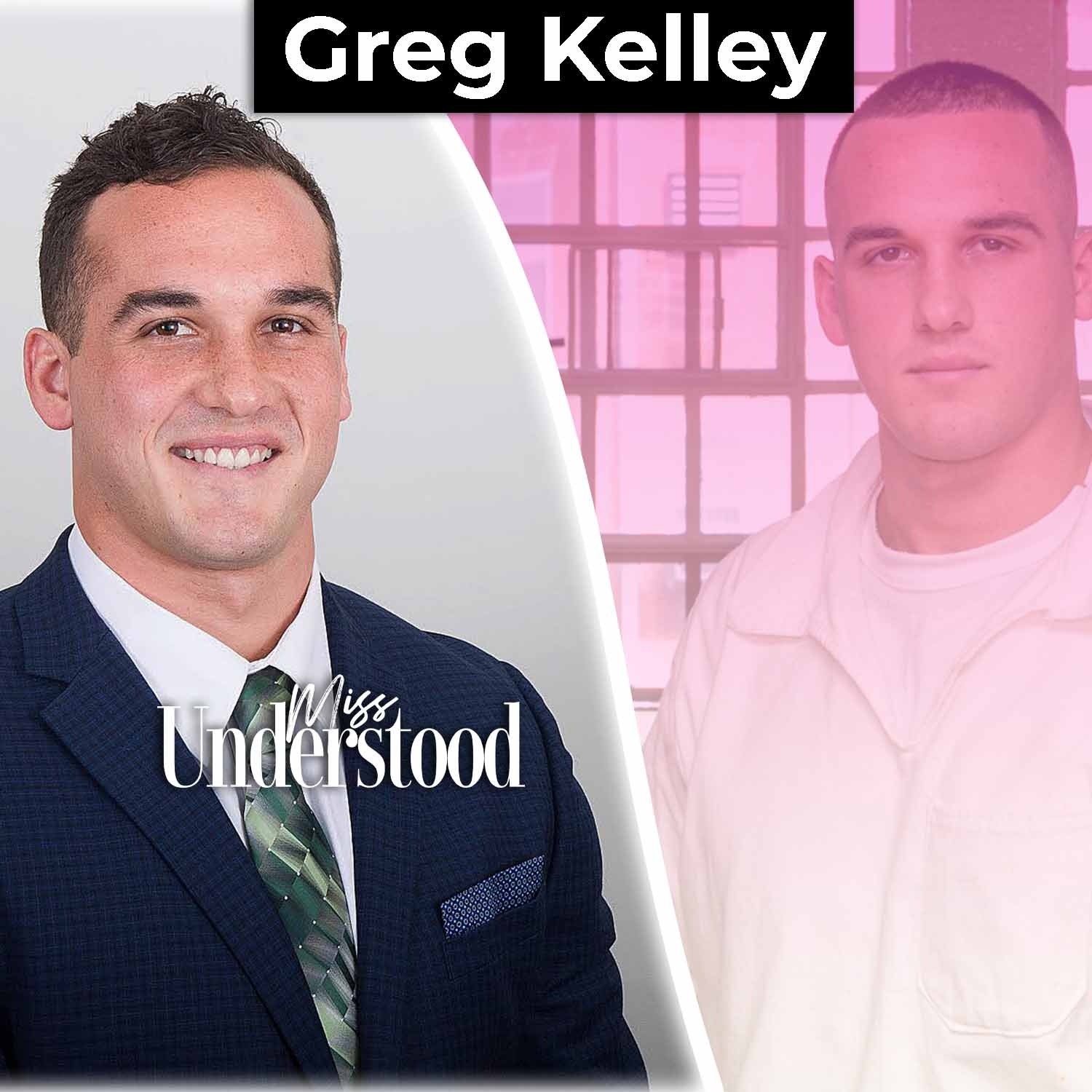
Loading summary
Transcript164 lines
- [00:01]
GoFundMe Announcer
Want to make a difference in your community, but not sure how? Go to GoFundMe.com right now and start a GoFundMe. Seriously. Your next fundraiser doesn't have to start in a school parking lot or a church basement. You can start a GoFundMe today in just minutes. Fundraise for yourself, a friend or family member or an organization. All that matters is that you care about them. GoFundMe is the trusted place to fundraise for what you care about. With no pressure to hit your fundraising goal, but tons of tools to help you reach it, you can confidently start fundraising right now. Whether it's creative, local, or critical, your cause matters. And there's a reason why GoFundMe is backed by millions and chosen by fundraisers everywhere. It works and it matters. GoFundMe helps you make a real difference. Start your GoFundMe today at gofundme.com that's gofundme.com G O F U N D me dot com this is a commercial message brought to you by GoFundMe today.
- [01:00]
Rachel Yucatel
On misunderstood with Rachel Yucatel.
- [01:02]
Greg Kelly
We the jury find the defendant Gregory Kelly guilty of the offense of super aggravated sexual assault, Route 2 of the indictment. A jury found Greg Kelly guilty on two counts of super aggravated sexual assault. Figured I was good at football, dialed in, focused on football and then did that in high school. I have these scholarships, I've got college interests, I've got everything going for me. So I get a call saying that there a warrant out for my arrest. He says, well, there's an accusation that's happening. The father is saying that you did something to this child. A grand jury has indicted you to stand trial. You were looking at 25 to 99 years. I got sent to prison for 25 years, day for day. I was in solitary confinement for about three months. It was just 23 hours in, one hour out. It was so hard to be in there in a little 5x9 cell by yourself. All the evidence that proved my innocence is being brought forward. I want the truth to prevail. I get fully exonerated by the Court of Criminal Appeals and my conviction gets overturned. Thank God for this wonderful woman who's now my wife, who has such a fighter spirit, who when I'm at my weakest, she is the strongest. It's not like this just happened to him. We did this to him. We put him in there and we have a responsibility to get him out.
- [02:27]
Narrator/Commercial Voice
Now I declare you innocent and that you are fully exonerated.
- [02:41]
Rachel Yucatel
There are Stories that make you question everything you think you know about justice, about truth, about how fast your entire life can be stolen in the blink of an accusation. Greg Kelly was 18 years old. A star football player in a small Texas town. A kid everyone thought was headed for greatness. Then one day, his future was gone. He was accused of sexually assaulting a four year old boy at an in home daycare where he'd been staying. There was no physical evidence, no eyewitnesses, just one confused child's testimony and a community that decided Greg had to be guilty. Within months, he was convicted. 25 years, no parole, at 18 years old. And just like that, the golden boy became a monster. And in the eyes of the world. But here's the thing. Greg Kelly was innocent. What followed was one of the most shocking miscarriages of justice in recent memory. A broken investigation, a police department under fire, a town divided, and a young man fighting for his life from behind bars. It took six years and the relentless work of his family, his girlfriend, new investigators, and total strangers in his community to uncover the truth. The wrong suspect had been ignored. The the evidence didn't hold up. And in 2019, Greg Kelly was officially exonerated by the state of Texas. By then, he'd lost more than three years in prison, his college career, his reputation, and a piece of himself that no one can ever give back. But this isn't just a story about wrongful conviction. It's about what happens when the system fails and how someone keeps going anyway. Today, Greg Kelly isn't just the kid who was accused. He's the man who survived it, who found purpose in the ashes of his own life and built something new. This episode is about what it means to be misunderstood in the most devastating way imaginable and how you fight your way back to freedom, faith, and truth. This is Greg Kelly's story. Greg, thank you so much for joining me today on Misunderstood. I feel like you are why I have this kind of a podcast. So thank you for joining me.
- [05:14]
Greg Kelly
Thank you, Rachel, for having me.
- [05:17]
Rachel Yucatel
So I want to start. I think that people who do know your name and your story know you from the headlines. They know you from the document, docuseries, outcry. But can we start ahead of that? Can we start with people? I mean, from the beginning of your childhood, how you were brought up, who you were before we knew you?
- [05:34]
Greg Kelly
Yeah. So I grew up in Texas. I grew up with a lot of siblings, mostly brothers. Four brothers. One sister grew up playing sports. I'm the youngest of all my siblings. Found A love for football, played multiple sports. I ran track. I played baseball, basketball, kind of, you know, grew up in a loving household. My mother and father worked very hard. They were married for 30 something years. I don't necessarily know the exact years, but my. My. My dad is American. My mom's Guatemalan. So my dad actually met my mom down in Guatemala during a baseball recruiting trip. They fell in love down there, and she came back to America with them, and they landed here in Texas and developed an amazing family. So I grew up with just wonderful parents, a great childhood playing sports in high school.
- [06:40]
Rachel Yucatel
Were you close to all your siblings?
- [06:42]
Greg Kelly
Yeah, very close. One of them, my sister Lisa, love her very much. Very close to her from a distance, I guess. She lives. She lived in Iowa for a while, and then she is actually a. She's an archaeologist. I always say geologist, but she's an archaeologist. She travels and it's actually pretty interesting. Whenever she tells me the stuff that she does, she goes and discovers ghost towns and digs up ancient artifacts, like Indian remains. Old outlaw stuff. Yeah. So it's really cool. All the stuff she gets to find and share. So she does that. Didn't really grow up with her. She's on my dad's side, but very close, Very close with my brothers, my older brothers, Doug, Jonathan, Marlon, Aldo, two of them. Aldo and Marlon are from my mom's previous marriage. My mom is a double widow, by the way. She's an amazing woman. You know, a lot of the strength that I pull from myself is from my mom. And yeah, I'm the youngest. Very close with everybody.
- [07:50]
Rachel Yucatel
Awesome. So Texas is known for being a football state, and it seems like you found a love for the sport. Was that the sport you loved or is that kind of where you were pushed towards?
- [08:03]
Greg Kelly
Yeah, I both, I guess it's a good question. Both, because I've always knew that I was athletic, especially after puberty. I grew up kind of chubby, and my brothers never stopped reminding me how chubby I was there. They gave me a lot of tough love. They used to call me basketball belly. It's actually pretty funny because I'm the most fit out of all of them now, and so I always give them crap about that. But yeah, I both. I grew up with wanting to be fit. After puberty, I shot up six inches over a year. Um, the difference between my sixth grade and my seventh grade yearbook photo is actually pretty crazy. Um, I went from a looking like a fifth grader to a high school senior over a year. Um, but yeah, I figured out That I was good at football. So I started dialing in on that at the end of middle school. Um, ran track, of course. My brothers are really good at track. They're state champions here in Texas in the 4 by 4 relay. They. They won that in high school. And so we came from a really fast family. We knew that speed was our huge skill that we have. And so I focused a lot on football. And I realized in middle. In elementary school, I had a learning disability, dyslexia. A lot of people struggle with that. And I couldn't read very well in the kindergarten. In kindergarten, in first grade. And I had to be held back in first grade. It actually worked out because I have a kind of a going into summer type of birthday. So it could be either. Or I could graduate as an early senior or a young senior or an old senior. So my parents made the decision to hold me back to. So I can have an extra year of development in first grade. Learned how to read. Still struggled though. I've had to use a lot of skills. Got pulled out of class all through elementary school to go to an alternative reading class. So got made fun of a lot for that as well. Um, and so persevered through all that get went into middle school, figured I was good at football, dialed in, focused on football, and then did that in high school.
- [10:16]
Rachel Yucatel
So I. From what I know about you, it sounds like a lot of your coaches thought that you were pretty, you know, phenomenal. You really stood out as a sophomore. You were playing for varsity. Right. And on a team. Can you explain that kind of team for people that don't know how good that team was?
- [10:35]
Greg Kelly
Yeah. So Leander High School here in Central Texas, they've been known in the early 2000s to be a football powerhouse. They've never won the state championship, but they've always got really close in the early 2000s. So of course I was zoned to go to Leander and started going to Leander. I knew that the program was something to take serious because getting on varsity, mostly people that get on varsity are seniors, sometimes juniors, if you're good, very rarely sophomores. You'd have to be very good and would have to out compete the upperclassmen to be on. On varsity and sophomore as a sophomore. So there was three of us. Me, Martin Wakama, Michael Epley, two guys that I know that were my really good friends in high school. And we got moved up to varsity our sophomore year. We were over the moon about it, but also what comes with that is great responsibility. And we Knew that we would have to fill some shoes of some people that were leaving and then eventually that was something that we would need to not we earned it, but now we have to show up and show out every single day. So we took football very seriously and our coaches expected us to as well. And so I'm very fortunate to have the coaches that I have. I've had conversations with those coaches after the fact of everything I went through. And at my wedding I explained to my head coach that if it wasn't for you instilling the seeds that I needed later on in my life, I don't think I would be here today. I've got to have the conversation the day that I got to marry the love of my life who stood by my side. So my coaches mean the absolute world to me and they, I credit them a lot for who I am now.
- [12:28]
Rachel Yucatel
Yeah. So I'm trying to paint a picture before we get into the story that we're going to, we're about to talk about. But that football was such an important part of your life, that you were very well respected even in your earlier years for your abilities, but also for your mental capacity. They, they talk a lot about how mature you were, how responsible you were, how you took the time to really make priorities of the best parts of what you were doing. So you were in the gym at 5am you were practicing before school, after school. That was your life. Beyond that, you were helping your brothers with things. Your mother, your father became ill. Your mother had some issues too with her health. We'll get into in a second. And then you found this popular, gorgeous girl who you started dating in high school who now I will say is your wife and the mother of your child, which is such a cool story because you rarely hear about, about that. And you guys met in seventh grade or something, right?
- [13:30]
Greg Kelly
Yeah, we've known, we knew each other all through middle school. We got to meet in middle school. She, she comes from a very well respected family. Mother and father. Father, I have to say a lot is he's just cut from a different cloth, you know, he's just a different type of guy. He. I see a lot of myself in him, you know, maybe that's why we're so close. There's always this joke where you're not supposed to like your in laws and well, I love him. I love this guy. I love Tracy, my mother in law, just because of who they raised and who I'm married to, what they instilled into my wife. I see a lot in and in her mom and I just, you know, it gives you an appreciation for, for good women and where they come from. And so, yeah, I, I, she can't, she grew up, Gabriel grew up in a very loving household, of course, with siblings that she's very close with still to this day. They, they own a business together, a dance studio that's absolutely thriving. And they, she grew up the baby just like I did, and grew up in her sister's footsteps as a dancer, a commercial dancer, you know, high school drill team type and then hip hop, jazz, all that. Right. Contemporary. And I got to meet her and as a friend in seventh grade, we, I thought she was very cute in eighth grade. And going into high school, we went to a water park and we had mutual friends, so every once in a while we hung out. But we went to this water park here in Texas called Slitterbond and they have this wave pool and we went with mutual friends and she was kind of crushing on another guy that wasn't there. And I was available and you know, we're eighth grade going into ninth grade, thought she was super, super cute. So I was tackling her in the wave pool like, you know, every aggressive football player does. And yeah, she liked it. And she, yeah, we started digging each other and started texting more, calling more, starting to get through the lovey dovey, gushy, high school romance type stuff. Then, yeah, we started dating going into 9th grade and asked to be my girlfriend. August 2, 2010 is when, when I did it. And, and you know, we always have this thing called 8, 2, 10. We remember the day that we got together as boyfriend and girlfriend. That's the conception, I guess, of her coming into my life. And it's pretty crazy to think that I'm 30 years old and I've known her for over half of my life as the person next to me. And so yeah, I, I, we go into high school together, dating. And yeah, that's where we started falling in love with each other.
- [16:30]
Rachel Yucatel
I love that. So at some point, colleges start to reach out to you. You get offered three or four scholarships, I think, and you pick one and you know where you're going, you're excited going into your senior year and just lay the land right before we get into the real story here of what your life was like. At some point here, you move because of your commitment to your team and to what you're doing. You have to move into another home because your parents struggling with some issues. So can we just talk a little bit about that? But Also, like, where you were mentally, because you were really strong mentally at that time.
- [17:06]
Greg Kelly
Yeah, Rachel, you're a good journalist. Most people skip that part. And so I, I, yeah, I was gonna, I was gonna get to that part before we get to the actual, you know, accusation part of, like, kind of everything was my, my mom. My dad had a pretty bad stroke going into my. Like, it was the winter time of my sophomore year and he, he, it was terrible. I mean, he went to the hospital, never left. I mean, since, since that day, he never left. I mean, I, I try to think back, you know, the winter of my sophomore year around Christmas time, is when the last time I ever saw my dad outside of an institution. And because he just couldn't leave, he never got better. And so that had happened. My dad had a terrible stroke and I, I went into, you know, the off season, the spring of my sophomore year, dealing with all that. And then I had a friend named Jonathan McCarty. He was one of my best friends at the time. He's a grade younger than me. He was my backup in football, so we spent a lot of time together in athletics. I would also go over to his house every once in a while when my mom was busy. I wasn't driving at the time, so it was more so like go to his house, wait for my mom, hang out while we were there. His mother, Shamma McCarty, was very welcoming and the house was kind of like Grand Central Station. You know, in the documentary that that phrase was coined in describing that house. Everybody was coming to and fro. I mean, it just. Yeah, we people were in and out of that place. But it was also being ran as an in home daycare by his mother. That's how she made money.
- [19:09]
Rachel Yucatel
But just sidebar. It was, it felt safe. It felt like a home. It felt like everybody was happy and healthy and thriving there. It wasn't like in and out because it was so chaotic.
- [19:19]
Greg Kelly
No, yeah, no, it was, it was in and out. More so because Jonathan had a lot of friends and the door was always open to his friends and. But the house felt very safe. That's why people wanted to go there. You know, the house always had food. To a high school boy, food is everything. So it had food and it had video games. It, I mean, it was just. Shama was very welcoming. She was kind of like, you know, the mom to all the boys. You know, Jonathan's dad, Ralph, was a very awesome guy. You know, he very down to earth, mellow, well mannered, well tempered, just guy that you love to Talk to. Right. And so, um, yeah, I, I started hanging out there and then waiting for my mom to come pick me up after work. She ran her own in home, you know, cleaning business. And I ended up, you know, one day my mom has, she goes to a doctor's appointment. This is right around, you know, going into my junior year, she goes to the doctor's appointment and she gets diagnosed with several brain tumors. And so my dad's already going through what he's going through, not getting much better. And then my mom just realizes that she's got brain tumors close to her pituitary gland and her optic nerve. They need to be operated or they get any bigger, they're going to make her go blind or they're going to disrupt her pituitary gland. So I, you know, I don't know what's going on and, but my mom says, hey, we need to, you need to go live with your brothers. I was like, well, that's 30 minutes away from, from school, mom. I, I have, you know, these scholarships, I've got college interest. I, I have, you know, I gotta work out, I gotta go show up to the team. I'm gonna be team captain next year. I've got everything going for me and football was the way that I would get out of Leander, Texas. And I shama, I remember telling this to Shama what I was going through. And she offered for me to, you know, come live with them until my parents got better. And I wasn't opposed because I loved that place. I mean, it was where I was at almost every day, so why not I tell my mom about it? She was real hesitant at the time. I mean, a mother's very careful and giving her son away to other people. But eventually she agreed that this was what was best for me and I moved in. Going into all of my junior year, I had lived in that house. Um, but I was extremely busy all through my junior year. Man, I, I locked in so hard after I realized that I had a lot of college interest. Like I was getting 20, 25 letters a week from these colleges, big D1 schools, smaller D1 schools, and a lot of times a football player of my caliber. I wasn't like, you know, God's gift of football in Texas. I wasn't like a four star or five star athlete. I was a three star athlete. But three star athletes still get a lot of college interest. But smaller D1 schools their junior year, D2 schools, full ride scholarships, of course, but a lot of the big dog scholarships like the university of Texas or any of the big ones. They come for the D3 guy or the three star guys around senior year after they recruit the, the big dogs and try to get the big fish. And so I was just trying to stay consistent. I was locking in on my craft. I was going to the weight room, I was getting stronger, I was getting more powerful, I was getting faster because I, I never want to show up and wonder if I'm ready. I want to know that I'm ready when a college wants to come and see me practice. So that's what my, my, my whole mentality was. And I was very fortunate enough to, to have a car that was borrowed to me by Shama. I had gotten my license, I picked up a part time job after school, after practice, you know, four or six hour type of job every day. Got off at 11pm from the movie theater, went home. Sometimes I would do my quick homework during my break at the movie theater, come home, put my head down, go to sleep, wake up at 5:00am, get, you know, go straight to the gym, go to practice at 7:30, go to school, watch film after school during the off season, get another workout in, then go to work. I mean that, that's what was my schedule all the time essentially.
- [24:25]
Rachel Yucatel
Never home at this point. Never.
- [24:29]
Greg Kelly
No, I, the only time I would ever be there would of course sometimes be over the weekend, but most of the time during the weekend I, I was hanging out with Gabri. I made time in the weekend to hang out with my girlfriend because she was busy, I was busy. That's one thing that attracts us both to each other is how goal oriented, how driven we are. And so even in high school she was that way. She was honed into that machine by her family. That's just how they operate. And yeah, I never was there much and you know, all through junior year that was the routine. And then, yeah, we started coming towards the, the dreadful day where everything changed.
- [25:13]
Rachel Yucatel
So at this point you were a local star. Like people were writing articles about you, I think already just because you had picked a college and how well you were doing in football. Right. So people in the media, locally definitely were talking about you in positive light already, correct?
- [25:30]
Greg Kelly
Yeah. So all the, all the stuff on the news was me making interceptions, me making plays, what college is looking at me next? I was very well known in the media as a rising Texas football star.
- [25:47]
Narrator/Commercial Voice
Right.
- [25:48]
Greg Kelly
So that's, that's what it was all about.
- [25:50]
Rachel Yucatel
And the goal for the future was what?
- [25:52]
Greg Kelly
Of course, playing the NFL. You know, like every high school Football player who's got a little bit of attention going on for him is make it to the grand stage. And that's where all my eggs were. That's where my identity was, was in a football player. It was, it was that or nothing. That's what was in my head. And I didn't know enough about life where, you know, you shouldn't put your, all your eggs in one basket and you should have a well balanced life. But as a, as a 17, 18 year old kid who sees this as a way out, this was it.
- [26:24]
Rachel Yucatel
Right. So one day everything flips. I want to know about the moment you first heard that there was an accusation made against you.
- [26:34]
Greg Kelly
Yeah. So we were in, I was in Champions course. It was a summer strength conditioning program that the high school goal, you know, puts on for the high school kids, the high school football players to keep them away from video games and getting fat and eating junk food over the weekend and so, or over the summer. And so I, I was leaving Champions course and kind of who I was in Champions course to kind of lay the, the land here is I was a leader. I, everybody looked at. I was the first one there, last one to leave. I was welcoming all the young bucks who was coming into high school. I was kind of being that role model to them. I was commissioned that by my head coach to do that and because I was going to be a team captain my senior year. So he wanted to see a lot of that leadership from me. So I have to express that as I go into this. It's just, I wasn't just a normal high school football player. I'm trying to say that as humbly as possible. But I was looked at at high esteem by a lot of athletes and a lot of coaches.
- [27:44]
Rachel Yucatel
And at this point, were you still living at Chalmas?
- [27:48]
Greg Kelly
Yes. No. No, I wasn't. Sorry. I wasn't. I, at this point and during that summer, I had already moved out two months prior.
- [27:57]
Rachel Yucatel
Okay, where did you go?
- [27:58]
Greg Kelly
My mom's house. So I moved back in. Yeah. My mom got out of the hospital. She was in recovery after a surgery. So she got better. That's probably a hole I need to fill there. But she got better, she went back home and I moved back in with my mother. So I've been living there for two, two months now. Over the summer, actually all summer. So I had moved Shama's house before the summer started. And yeah, that's, that's where I was when I walked out of those doors, turned my phone, you know, looked at My phone. And I was walking towards the parking lot and I saw a bunch of missed calls from my brother Marlon. And, you know, he texted me saying, call me right now. When you see this, I'm thinking something happened to my dad or my mom. And so, like, I'm panicking and I call Marlon and he tells me, hey, where are you at? And I said, well, I'm leaving the high school right now and where are you going right now? So I'm going back home with Mom. He says, well, don't go to Shamas if you're going to ever go to Shamas. I'm heading there right now. I said, what's going on? Is everything okay? He says, well, there's accusations happening. Father's there with his child, and the father's saying that his child got sexually assaulted. And I said, wow, that's crazy what's going on? And that's unbelievable. And, well, he says that the father is saying that you did something to this child. And if you watch the documentary, I have a hard time even saying it because it's so horrendous. It's so disgusting, what I got accused for how my name is being put into this, that Greg did this. And if you watch the doc, it tells the details way better than I can. And it still makes my skin crawl every time I describe it, more so because of everything I had going on for me. And this is the example of how fast your life can change from an accusation. And I don't think this is talked much about on how important it is to get down to the actual facts before you ruin somebody's life. You see it every day in the media. You see it every day and it makes me disgusted. And that's why I, I don't engage much in the media stuff. And I try not to watch it because at one point I used to judge people. Mug shots on the media. And I used to say, that person needs to hang. And then I became that person. And so my brother calls me, says, hey, this is what's happening, and just don't come. And I'm in disbelief. I, I. A bunch of question marks. I don't know what's going on, right? He says, just go home, go to Mom. And I said, well, no, I wanna, I wanna. If my name's being brought into an accusation, I want, we want, we need to go clear this up. We need to get down to the bottom of it. Very confused. I end up going to my mom's house and I'm like, waiting. I'm Calling my brother over and over and over again, like, what's going on? And then he finally breaks the news to me that the father's there, absolutely pissed, saying that Greg did this to his child. Greg did this. I'm like, well, what's, what's, what's the child saying? Like, what do you, what do you mean? And John, my brother Marlon, he doesn't know what's going on. He doesn't have much information. He says, well, he's going to go to the police. I said, well, let's go to the police then. Like, let's do it. Like, this is, we're going to do an investigation, and if they're actually saying I did this, then we're going to get down to the bottom of it and the truth's going to come out and we're going to continue to move on here. And he says, well, you know, we left each other. And he said he's going to go to the police. I was like, okay, cool. And I said, my, my brother Marlon said, we'll just wait and just continue to live life. So, okay, whatever. And so, you know, hanging out with my girlfriend, going to, you know, already have a plan to go out to LA with her. We got tickets to the ESPYs. And my brother Marlon calls me one time when I'm la, and by the way, I'm telling nobody about this. I can't tell him. I tell my brother, I'm like, well, I want to tell Gabriel. It's be to going, going on. And he says, no, you can't tell anybody about this. This is a very serious matter. This isn't like, you know, an accusation because you lied about something or, or this and that. Like, I, I, I wanted to kind of like tell somebody I'm close to about what I'm going on and what was said about me. And, and he's like, no, my brother. Mom's like, no, just, let's just stay, keep this right here and we'll, we'll let this, we'll let this get squashed. I said, okay, okay, cool. So we go out to la, and it's absolutely killing me that I can't tell my girlfriend what I'm going through right now. And we're out on dinner together and I get a call from my brother Marlon saying that they went to police and we need to get an attorney. I said, why do we need an attorney? I didn't do anything. Let them go to the police. That's not how it works, Greg. We, we need to get an attorney. Because if a police are involved and they want to question you or interrogate you, you need to have representation. It's just the process. Process. My brother's an adult, I'm not. So I don't know the process like he does. And I was like, okay, okay, cool. And so we do. And I have, you know, a meeting with my attorney. And this is very important to describe here because like I said, you know, this is a lot of behind the scenes stuff that the DOC did a tremendous job on, you know, broadcasting my case, but they didn't really dial in on this specific fact. Patricia Cummings was my attorney that I hired, was recommended by Shama McCarty. Patricia Cummings used to represent multiple children in Shama's family. One specifically a sexual assault case. And so I didn't know where to get an attorney, so I just trusted Shama and I used an attorney that she recommended, which is Patricia Cummings. And you know, long story short, because we could be on here forever.
- [34:36]
Rachel Yucatel
A.
- [34:37]
Greg Kelly
Couple days goes by and she tells me that, you know, actually a month goes by and she tells me that. And this is like, I haven't. I only had one meeting with her. So I get a call saying that there's a warrant out for my arrest.
- [34:52]
Rachel Yucatel
Wait, can I ask a question? Normally, correct me if I'm wrong. Wouldn't the police have to call you in and interrogate you first and ask you some questions before just putting out a warrant for your arrest?
- [35:05]
Greg Kelly
Yes. And they didn't.
- [35:07]
Rachel Yucatel
Okay, so they didn't even give you a chance to tell your side and have, you know, ask you, where were you the day in question and did you know the kid and, you know, what was your interaction with the kid and where were you? Like, I would think that those are all important questions to ask before they ruin your life publicly.
- [35:23]
Greg Kelly
Yes. And this is the start of a conversation you and I are about to have on a police department that hires dumb and dumber. That is, you know, the detective in all of this, Chris Daly. I've got a lot of things to say about him. And, you know, out of the respect from my own soul and heart, I won't say the things I think about him. But yeah, he never questioned me, never called me, and never wanted to hear my side. Never wanted to get to know me, never wanted to interrogate me.
- [36:05]
Rachel Yucatel
What do you think it was? He just thought, oh, this is going to be a great case. This is going to end up in the paper because this guy's going to have the biggest fall from grace ever. And I'm going to catch the, you know, this, this child molester immediately.
- [36:18]
Greg Kelly
A little mixture of everything. You know, he saw, he saw who I was, he saw my football status, the opportunities I have. And I also think that he's just stupid. I think that he actually is dumb and I think he's lazy. I think he doesn't know how to do his job. I think that he doesn't wear that badge with honor and integrity. And you just, I think, you know, Rachel, you just started the document and episode one is very hard. It's a hard pill to swallow because of the disgustingness of the accusations. But when you get to episode three, you're gonna be pacing around your house absolutely pissed off because everything. You just brought up a really good question about why do you think he was doing the things he was doing? Why do you think he didn't do the things he should have done? That's the biggest question. And all those questions get answered for you. In episode three, I get a second chance at allowing the truth to prevail. And it took a really long fight against a system that is absolutely broken to be able to do that. And so the things he says on stand after the fact is enough to make your blood boil and enough to. If you're not already a true crime pissed off person, then you will be after you hear what type of detectives and police that police departments hire. And the chiefs. Right. The chief in, in my case, Chris, Sean Mannix, he's a. This whole situation is a perfect example. Is that as an employee or as a person, you're only as good and competent as your leader because that is who trains you. And yeah, you know, we'll let the document tell the story, but yeah, I don't know why he didn't do any of those things. Other than.
- [38:14]
Rachel Yucatel
Go ahead.
- [38:15]
Greg Kelly
No, other than that. The things that I said.
- [38:18]
Narrator/Commercial Voice
One of the hardest parts of getting older is feeling like something's off in your body but not knowing exactly what. It's not just aging, it's often your hormones too. When they fall out of balance, everything feels off. But here's the good news. This doesn't have to be the story of your next chapter. Hormone Harmony by Happy Mammoth is an herbal formula made with science backed ingredients designed to fine tune your hormones by balancing estrogen, testosterone, progesterone and even stress hormones like cortisol. It helps with common issues such as hot flashes, poor sleep, low energy, bloating, and more. With over 40,000 reviews and a bottle sold every 24 seconds, the results speak for themselves. A survey found 86% of women lost weight, 77% saw an improved mood, and 100% felt like themselves again. Start your next chapter feeling balanced and in control. For a limited time, get 15% off your entire first order at happymammoth.com with code NextChapter at checkout. Visit happy mammoth.com today and get your old self back naturally.
- [39:18]
Rachel Yucatel
What if I told you that the idea that you only get parasites when you travel to some exotic country is flat wrong? Millions of Americans carry parasites right now, often without symptoms. For example, it's estimated that millions in the United States have been exposed to toxocera, a parasitic wor, yet most never even know it. Parasites do not need a plane ticket. They can enter through tap water, sushi, undercooked foods, or contaminated produce. Some strains live in all stages. Eggs, larvae, adults hidden in your gut, releasing toxins that sabotage your energy and digestion. That's why I'm excited about Parafi. Kim Rogers, 30 day full spectrum parasite cleanse. The kit works by clearing parasites, worms, candida and heavy metals, targeting parasites in all life stages, supporting gut detox pathways and toxin removal. It's taken orally daily for 30 days with precise dosing. I'm actually doing it myself right now. I started with the lymph cleanse, then I'm doing the parafi. Want to dive deep? I did a full interview with Kim Rogers, the warm queen herself, where we expose all the myths, understand the facts, and show how to protect your body. Listen to that episode if you haven't already. Meanwhile, go to rogershood.com and use the code Rachel to get 10% off of your order. That's R A C for 10% off. Give it a try. Maybe your body's missing link is hiding inside. Let's do this together. Again, it's rogershood.com r o g e r s h-o o d.com and use the code Rachel for 10% off. So you said something that interested me. Maybe I got it wrong. But you said this lawyer was suggested by Shama because she had run into some other issues with kids in her facility. Is that what you. Is that what you said?
- [41:13]
Greg Kelly
No, what I. What I meant by that is this lawyer, Patricia Cummings, previously represented her. Her sons in multiple cases, one of them being a sexual assault case and who he spent. He's. I mean, the guy's name is Nemo. It's. It's her other older son, but he. He. He went to prison for eight years for sexual assault and. Go ahead.
- [41:41]
Rachel Yucatel
Isn't that something to. To note that there was another sexual assault person close to the home?
- [41:47]
Greg Kelly
Yeah. And that never was expressed to me. That never was told to me, never considered. And this is part of investigating a daycare, right? Like an investigating the actual crime scene. Chris Daly never did that as well, Never went there, never took pictures, never interviewed anybody in that house, never interviewed the parents of children, never. But what he wanted to do was, was call the parents not to know more about me, but to bring one of his, one of the parents kids in, AKA a second child, and, and absolutely interrogate this child and get an accusation out of this child. Out of multiple instances where the child said nothing happened to a actual licensed forensic interviewer. But he wanted to strengthen, of course, the first accusation and go into that interrogation room, that children's advocary center room and play forensic interview. When he has no qualifications to do so, he goes in with a gun on his hip and sits down with his child and starts asking all these open ended leading questions until the child gets so uncomfortable. And thank God we hired a child psychologist and a child forensic psychologist to explain what happens when a child realizes that this specific answer of no, no, no doesn't get them out of an uncomfortable situation, but instead if they say yes, yes, yes, it does and it ends this uncomfortable situation.
- [43:27]
Rachel Yucatel
And eventually I also want to say one thing that's really important about that, sorry, is that you have a great person on your documentary who the woman, I forget her name, who describes. She's like a child, not child psychologist, but somebody who deals with interrogating children. And something she mentions is that one of the experiments she did, whatever was, she filmed a doctor, you know, doing an exam on a young child. They then interrogated the kid and asked questions, well, where did the doctor touch you in an uncomfortable manner? Nowhere. Nowhere, Nowhere. Oh, they didn't touch you here. And later on, a week later, the child is saying that that did happen and they have video that it didn't. So the expression and the examples of how children are manipulated by how a question is asked, how many times wanting to make the adult happy, I guess, and also get out of an uncomfortable situation is documented in cases about the mental or the cognitive way that young children feel, think and do. I mean, we all know I'm a parent, you're a parent, you know, kids exaggerate, lie, don't know facts. And also I found it interesting that in that first interview kids are very shy to, to say things that they know will get them in trouble. Greg, Greg, Greg, I mean, he just kept saying your name over and over. And I thought that was like, well, that doesn't make sense. Who told him that? And I didn't know why. The question wouldn't have been like, to have you come in. If it were me, I would have been like, let me get Greg in another room and be like, how do you know this kid? What's the interaction you've had with this kid? Like, why does he know your name so much? Why would he think these things? Or have the kid look at two pictures or a bunch of pictures of men and say, well, which one is the Greg you're talking about? Because I just thought it was like, why is he so adamant to use your name over and over?
- [45:28]
Greg Kelly
Yeah. And, you know, these children that are involved in this case, they, they knew me as Greg. You know, the guy who would throw the ball with him, or like, when I was in passing, I would give him a high five or I'd ask him what they were doing. And, and, you know, just being nice. And, you know, I, I, I. It's, it's, it's pretty crazy the things that this detective could have done. I mean, I don't need to go get a degree in criminal justice. I've watched enough Law and Order to do an identity lineup. If a child is saying Greg and describing another assailant or another person, then, like, describing the clothes, describing where it happened, like the room with the trophies and things like that, that's all Jonathan's stuff. And now there needs to be some clearing up here about the identity of who Greg is.
- [46:29]
Rachel Yucatel
By the way, you looked a lot like Jonathan. I haven't gotten to the end of the doc. I don't know what the outcome is, and we'll get to it, but in my mind, I was like, wait, where's Jonathan during all of this?
- [46:42]
Greg Kelly
Yeah, that's the big question a lot of people had. And, you know, you're, you know, one of a million people who said that as well. And a lot of people, I mean, Jonathan and I got confused all the time as siblings. They're like, hey, is this your little brother? And he was like, you know, like, emotionally, he was like my little brother, even though we're not related and we just so happen to look a lot alike. And so, of course, everybody who's close to me that supports me was like, hey, why aren't we looking into Jonathan? It looks like Greg. And of course, we were being very shy about that because we don't know which way is up. Like, we're not. I'm paying an attorney to represent me and to lead her own investigation. That's what attorneys are supposed to do, too. They're not there just to defend you with the shield. They're there to attack, too, and to ultimately prevail with the truth of what's going on and why you're innocent or why they are defending you. And so this whole situation was tainted and compromised the moment that Patricia Cummings was conflicted because she is Shamma's friend, Jonathan's mother. She is her friend. She has represented them in the past. She has gotten one of Shamma's sons a sweet deal in a sexual assault case that only got him eight years. So it's. There's a lot of eerie kind of things going on. I didn't know anything about this, so I, I wish I would have known something about it after my mom put up the house that we grew up in and sold it to pay for her. Right. And it bugs me a lot knowing that all this could have been sidestepped if. If, you know, I actually had people care about me instead of having to. I don't know why things end up the way they want. And I can live the rest of my life with the what if stuff. But.
- [48:41]
Rachel Yucatel
Yeah, but.
- [48:42]
Greg Kelly
Yeah, that's.
- [48:42]
Rachel Yucatel
So for our listeners to catch up here. You were accused. You turned yourself in. You were in jail for a night. Another accuser comes out, you get arrested again. I'm kind of speeding it up. Correct me if I'm wrong with the facts, but then you are. Where do we get to when we're at the trial? How does that happen?
- [48:59]
Greg Kelly
Yeah. So I'll give you the highway version here. And I'm writing a book and I'm going into depth about this whole process. I'm just laying my heart out. As uncomfortable as it is, there's something I need to do and something I. In order for me to fully move on. I've moved on a lot in my life and all this, it's taken a lot of work to do so. But this book is explaining a lot of the. The process and a lot of it's a miracle. And I, I can't believe sometimes this has happened to me. I, you know, now that I'm living in this side of life with so many blessings to count, I can't even imagine. I can't believe sometimes we went through all that. But to give you a sped up version about this, the moment that I get accused, it takes about a month for the police to actually warrant an arrest for me. I have to now turn myself in. My attorney's telling me to turn myself in. I'm saying, no, I'm not going to turn myself in. I'm not doing it. I didn't do it. Again, super naive. I'm a kid, don't know what actually that means. She says, you know, they're going to come to your job or they're going to come to practice, they're going to come to your school and they're going to take you away in handcuffs and everybody's going to see it. So the best deal here is turn yourself in. Okay, how do I do that? Well, tomorrow morning, 6:00 in the morning, you're gonna go. And, and this is, by the way, this is trying to get my dates right here. This is July. Yeah, this is July. Like right at the end of July when I'm having to do this. And I show up early in the morning with my mom and my brother, and I remember this like it was yesterday. I walk into that sheriff's lobby and I see my mother and she's crying. You know, imagine being a mother, seeing your son have to do this at a young age. And, yeah, I sit there and they, they tell me to stand up, they put my hands behind my back. I still hear the clicking of the handcuffs. And, yeah, I get walked through these doors into a waiting room full of people that I've never thought that I would be sitting next to or even be around. People, like, coming in from, you know, a night out on town, drunk in a drunk tank, people peeing on themselves because they're overdosing on drugs. And, you know, people being arrested for beating women. It's just. It's unbelievable. And I sit there and it takes 13 hours to get bonded out. I make bond. My brother picks me up that night, gives me, embraces me, gives me a big hug. I cry in his arms, we get in his truck, we drive off. And then a month later, as I'm, you know, during that month, I get school starts, I get kicked out. I never get to start my senior year. I get kicked off the football team. My scholarships get stripped from me. I'm all over the news. Absolutely disgusting. Things are being said about me on Twitter, Instagram, Facebook. I had to delete all of them off my, my phone. I'm getting nasty text messages. I'm, you know, there's chat rooms being made about me. You know, there's people saying, you know, what do you expect, you know, from, you know, you, you get so High, you're gonna, you know, fall really hard and this and this and that, like, just terrible things. And I remember all the instances where, you know, I go to my. My family just broken, not wanting to keep going. And this is like, now life for me. And there's one day where I'm in a alternative learning school, which is Leo, during this process. And I'm waiting, of course, this is like, while waiting for the detective to continue to do his deal, right? And I didn't know at the time the detective was as stupid as he is. I'm thinking that he's actually doing an investigation and that the truths are finally going to prevail and my name's going to be cleared and I can go back to my normal life. But in reality, he's doing absolutely nothing. No wheels are turning. He's just making phone calls on, trying to strengthen the case. Right? And that is the definition of somebody who's pursuing a successful prosecution and not trying to find the truth. And remember what I just said there, because when you get to episode three, you're going to see that. Are you going to hear that out of this guy's mouth as he gets asked during an innocence hearing, when I get a RIT habeas corpus evidentiary hearing in episode three where he gets put on the stand and grilled by the new district attorney of Williamson county, asking why he didn't do these things, why didn't do that. And then he finally got asked, Chris Daly, Detective. Actually, Sergeant, now, Chris Daly, what is your definition of justice? And what's hanging in the balance here? Is it for me to go home on an appeal bond? I'm sitting in this courtroom three and a half years later, and what comes out of his mouth on that stand is he thinks about it for a second and he says, successful prosecution, that is what justice is. Do you know what's wrong with that answer? Justice is seeking the truth. That is what justice is. That's what the Texas Ranger says after he gets off stand, gets put on stand, Texas Ranger gets up there, gets asked the very same questions. He's the one redoing the investigation, and he gets asked the same thing. And he says, seeking the truth. So we know where everything went wrong here. And now that I'm explaining what's happening during this investigation timeline, right? This very important part, and this is why I've created a foundation, and this is why I am. I am trying to fight and prevent false accusations is for this very moment, like I'm trying to prevent the wrongful Convictions is holding these people that have badges accountable and hold them to a standard like. Hold them to a standard like, this is why I speak at conferences, is I got to. One of the greatest speaking engagements I've ever done was at this conference where it was a bunch of police officers that just graduated the academy. There was attorneys who just graduated law school. They don't necessarily know what type of practice law that they're going to get into. But I got to speak to these young bucks, these young fish that are about to be an open canvas in their industry. And I got to be one of the first people to tell them my story of what I went through, of what a corrupted, disgusting detective did to me. And I wanted to strike fear and I wanted to strike accountability into them. And I get arrested again. A month after I got arrested, the first time I get arrested, I got pulled out of class at this alternative learning center that I got condemned to. And I'm getting arrested now for a second child. Now I'm like, I'm wishing I'm dead. Like, I, I feel like I'm in a nightmare now, like I can't control anything.
- [56:53]
Rachel Yucatel
Well, not only that, the people that may have been standing by you the first time, now the credibility might seem a little bit different because now there's a second one, right? Did you feel like that? Like, oh, now people are really going to think this is true.
- [57:07]
Greg Kelly
1, 100. I, I, now I'm like thinking the worst, right? I, I'm like, there is no way out of this. Like, there's. I feel like now I'm being pained, something I'm not, and it's sticking and it's. I have no voice. I can't be the advocate for myself that I want to be. I have no desire to fight anymore. I'm just going to lay down and die now. Like I, and thank God for the people that actually believe me and love me, because if it wasn't for their strength, I would not keep going. Thank God for this wonderful woman who's now my wife, who has such a fighter spirit, who, when I'm at my weakest, she is the strongest. She picks up that, that torch for me. She still does that today as, as, as my wife, when I'm struggling, you know, mentally of what I went through while I'm writing my book and I'm having a bad day because I have to open up this dungeon that I want to keep closed of my past. And if it wasn't for my family, I don't think I'd be here today, because my family, they didn't waver. They didn't waver at all. I mean, thank God for people that love you and even people that aren't my blood, my best friends, my best Matt, my wedding. Martin Wakama, you know, he went 10 toes down, went to bat for me online, saying, you don't know Greg. You don't know Greg like, we know Greg. And so I get emotional thinking about it, because that's what love is. And so, yeah, I. You know, yeah, I don't want to fight much no more. And I'm. I'm. I'm. I kind of go into, like, a really deep depression. I don't want to get out of bed. And. Because I have to now go through the process again of getting arrested, getting bonded out, and, you know, my attorney is trying to be positive and telling me that we're going to continue to fight and I'm going to continue to give you the defense that. That you need. And, like, that's a bunch of bs. But, yeah, time goes on, and utsa, University of Texas San Antonio, is sticking with me through all this. So there's still hope, because I'm very glad that Neil Nethery, the defensive coordinator over there who is recruiting me, actually believes in me. And I don't know why to this day, because everybody else dropped. Everybody else dropped. I mean, rightfully so, man. Like, I. I. If I'm a. If I'm a recruiter and I'm in the best interest of my college, and all this is saying, being said about this guy that we're recruiting, we're gonna stay away. But again, good people, man, I don't. I don't know. Like, they're. They're hard to come by. When you find them in this world, you better cherish them.
- [59:57]
Rachel Yucatel
Yeah.
- [59:58]
Greg Kelly
And Neil Nethery said, hey, we're gonna. We're gonna go all the way to the end with this thing, and you're saying you didn't do it. You're saying you're innocent, then fight, fight, fight for it. Like, that's what we're about here at UTSA is when we're down and we're out and the odds are not in our favor, the program that we believe in is we're gonna fight. I'm glad he told me that. Boom. A seed being planted in my life, and I still remember that. That conversation to this day. When I train, and I don't want to train and I want to go. I don't want to train for this race That I have coming up because I'm tired or I'm over trained or whatever. But yeah, I, a whole like six, seven months, eight months goes by and nothing. I'm not hearing anything from a detective, I'm not hearing anything from a police officer. I'm barely hearing anything from my attorney. And I'm living with my brother at the time. I graduated college or high school early because I was at that alternative learning juvie center. And I get out, I mean, I, I start working with my uncle, still hearing nothing. And then there comes a day where my, I'm like the, the clock is ticking here. Like college is going to start going into, you know, after my senior year and it's already December. So I'm telling my attorney, hey, I don't care. I'm going to exercise my right to a, right to a speedy trial. Hey, we're going to take this thing and I'm going to put some pressure here on the investigation because I need my life back. I'm done with this. I'm done with living in the shadows. I want the truth to prevail. Something just had happened to me going into this and getting stronger, getting stronger, getting stronger. And then, you know, spring comes around and I get a call from my attorney and she says that you're being indicted. And I don't know what that means. And she said, well, the grand jury has indicted you to stand trial. And so that's a good thing, I guess, right? Like we're gonna go and get down to the bottom of this. Says Greg, your, your, your charge is super aggravated sexual assault of a child. We need to take this very serious. You, you're looking at 25 to 99 years.
- [62:21]
Rachel Yucatel
And yeah, wait, that be clear about that for people listening. The minimum was 25, minimum is 25.
- [62:28]
Greg Kelly
Years, day for day. Maximum is 99 years day for day, which means no opportunity at parole. There is this new law that was passed in Texas. I'm one of the first ones for this to be applied to, by the way, one of the first convictions. And depending on the age of the victim in this case, which was being under 5 years old, under 6 years old is what the policy is. Then you can upgrade the charge to super aggravated sexual assault of a child. As crazy as that sounds, it means day for day, no opportunity at parole. When an aggravated sexual assault of a child carries 25 to 99 years. I'm sorry, five years to 99 years with the opportunity to parole. But this was super. So apparently, like, it's kind of weird Because I remember my attorney telling me, like, if they're doing that means that they're competent in their case. Right. I've realized after the fact that it's all smoke and mirrors, and, yeah, I. I get indicted and I go, you know, we're preparing to go to trial now. There's different phases and steps to this thing, right? And so, like, my attorney now is gearing all her effort towards representing me in trial. So, like, we're getting a PI involved, and we're doing this, doing that, and we finally get a date for trial, which is in July. And now, beginning of July, there's jury selection. And this is still, like, I'm just giving you guys an insight here about how crazy our system is and what they're allowed to do. And this is part of another reason why I created my foundation. There's this part of the justice system, y', all, and whoever's listening right now and watching this, I want. I want to really share this with you. And because some of you might have experienced this already, and some of you might have not, and. But you will, one day in your life is you will get a card in the mail to go to jury duty. And do you know how uneducated our jury system is, how uneducated we are and how easily persuaded we are and how gullible we are when DA's put pieces of information in front of us that is geared towards believing what they're trying to sell with absolutely no weight, no water to hold weight. So jury selections happens, right? A bunch of people that get this card in the mail that have to go to jury duty. I'm sitting there at this table, the DA sitting at the other table, and it's about just finding a good jury box for this trial. And I'm sitting there, and my attorney's saying her thing, and the DA is saying his thing and trying to select a good jury, and people are getting weeded out, right? Getting weeded out. Weeded out, right? If you're conflicted, if you've got somebody who's been on trial before, if you feel a certain way, if whatever, right? Just weed it out, weed it out. And it's just an elimination process. And then finally it gets down to, like, the nitty gritty where there's only, like, 25, 30 people left. And then the DA pulls out this. This little trick in his sleeve, and this is how crazy it is. I'm sitting there and this. He puts this pile point up, and he puts my mug shot up, and then he puts Ted Bundy's mug shot up and he starts now comparing us, saying, don't let looks deceive you. Even good looking young people are able to do disgusted, disgusting things. And Greg Kelly is no different. And of course the jury's like, oh, my gosh. I mean, I look back, I'm like, are you believing this bs? And they're looking at me with disgust. They're already judging me before trial. Right.
- [66:41]
Rachel Yucatel
This is your lawyer doing anything about this.
- [66:44]
Greg Kelly
And of course she objects. She objects, but nothing happens.
- [66:47]
Ad Host/Ali Jackson
Right.
- [66:47]
Rachel Yucatel
And it's already too late. It's in their head anyway.
- [66:49]
Greg Kelly
It's already in their head.
- [66:51]
Rachel Yucatel
Yeah.
- [66:51]
Greg Kelly
This is not trial. There's no, like, redacting of information. There's no judge saying, ignore. Ignore what you just saw. No, there's none of that. Right. This guy shot his shot and it landed.
- [67:02]
Rachel Yucatel
Yeah.
- [67:03]
Greg Kelly
So this like.
- [67:06]
Rachel Yucatel
And by the way, I want to say about juries, I've been on a few. I've been on grand jury duty, which, by the way, I found fascinating. Fascinating. It's 30 days and you're listening to all the cases to see if they're going to go to trial. And to say a jury of your peers is, is such an inaccurate version of it. I can tell you, being in New York City at the time, they were not my peers. Some of them could hardly, like, they look like they had been on heroin all day. You know what I mean? Like, they were like, it's about to be five. Let's all just say guilty. You know, like, I'm done, I want to get home. Or some people are there for the $47 they get a day. I mean, it's insane. And I remember a couple of times, I'm not going to get into it because it's not my podcast here, but there was one case that stands out to me that I was trying to turn the room like the movie, the 12 Angry Men or whatever, because I was like, you are wrong. This is this person's life. If we let this go further, this. No one's going to protect this guy. This is, this is not true. And people are not listening. It was incredible. And, and I just a peer, like a jury of your peers. People really don't understand the uneducated level of what's going on in there. And it's very. I agree. It's very scary.
- [68:18]
Greg Kelly
Yeah. And we're, we're all subject to it. And we. There's this, There's a side of the jury system. The justice system. Right. The justice system ultimately makes Up a DA showing up doing his job, a defense attorney showing up doing his job, and a jury system showing up and doing their job. We, when people are wrongfully convicted, we often look more first towards the DA's being corrupt. Oh, corrupted d a f them. Right. Then you start looking towards the defense attorney. Oh, you know, the defense attorney was conflicted fm. But nobody ever talks about the jury.
- [69:00]
Rachel Yucatel
Yeah.
- [69:00]
Greg Kelly
Because the jury ultimately is the executioner. The jury is the one who executes and carry out, carries out the verdict as well as the sentence, at least here in Texas in the criminal justice system. But.
- [69:14]
Rachel Yucatel
And you get that people walk in there with their own life experience in relation to what the subject of the trial is. So whether or not there I heard someone on the doc talking about how Jeffrey Dahmer also was good looking and that really stuck with me. And I was just like, my God. Because where are the people saying, guys, what are the facts? Where are we? Look, there are facts and there are things that we can only look at based on what is the law. And that, you know, it's incredible that there are not as many people who are really caring about the facts and reminded that this is a real life. Because the conversation of child sex assault is so, it's, it's almost worse than murder.
- [69:58]
Greg Kelly
You know, 100%. It's in prison. It is in prison. It's classified worse than murder. You're treated worse than a murderer.
- [70:05]
Rachel Yucatel
Right. And I actually want to get into that. So I want to kind of just because we could talk literally all day, it's fascinating. But you, they offer you a plea deal, you choose. And we could talk about that a long time. But the bottom line is you realize from talking to your girlfriend, from talking to other people that you didn't do it. You don't want to be labeled a sex offender. Even if they would give you 10 years of parole and you wouldn't even have minimal jail time. You thought if you can get yourself to trial, the truth would come out, right?
- [70:34]
Greg Kelly
Yeah. Part of me not accepting a five year plea deal. I got offered a plea bargain of 10 years probation, a certain amount of fines, a certain amount of days in county jail, and sex sex offender registration for the rest of my life. I said, no, this is happening, of course, days before trial, then they come back with a five year probation, same amount of, you know, days in jail, fines, sex offender registration. Now I'm in a room with my mom and I, you know, I'm seeing her break down and cry and I turn to my mom and Ask her. And I'm torn. I don't know what to do. I'm torn at taking this path of comfort and ease towards never seeing a prison cell in my life and being free. And I say that like that, because you're not free. You are labeled this for the rest of your life and this is your new now life. And Williamson county, by the way, has a 98% conviction rate at the time. Which means out of all the cases that come across this DA's or this ADA's desk, 98% of them are going to be convicted. That doesn't mean 98% go to trial. It means 98 convictions, aka a lot of plea deals people are accepting. I never wanted to be another statistic. If I truly believe that I didn't do this and I truly know that you truth and I truly want to stand up there and fight for my life and not accept anything less than freedom, then I'm not going to take anything less than freedom. That's my mentality. And thank God I was instilled that mentality by a lot of characters in my life. But I'm breaking because I'm seeing my mom break. I'm breaking because I'm seeing her cry and she doesn't want her son to go to prison and something bad happened to him. You know, mothers are mothering right now and I, I have to make a decision. And I remember my dad telling me one time after I make a foolish decision as a teenager, that you're gonna need to figure out what type of man you're going to be in this world. You know, somebody who's a loser. Because I had hung out with the wrong people earlier on in my high school career and swapped out some shoes at a Coles apartment store, made a stupid decision to. To steal some shoes, and almost, you know, got taken to jail for it. I completely out of my element. This is something I would never do. But I did. And my dad picked me up, talked to the police officer and instead of him tearing into me, tells me what type of man I need. You need to figure out really quick what type of man you're going to be in this world. Because you're about to become a man, Greg. And men are held accountable. Children might not be, but men are. And so I went to the bathroom, looked up in the mirror as I was washing my hands before I made his decision. I see my dad staring right back at me in that mirror. He's not there, but I see him. And he tell, asks, he tells me what type of man you're going to be in this world. And I go back and I tell them that they can shove that up their ass. I'm going to go and fight for the truth. So I go into that courtroom and I go to trial. Trial is absolutely to sham. It's abs. It's absolutely ridiculous. And this is the importance of jury right. We are commissioned if we go to jury duty and we are selected on a jury panel to convict beyond a reasonable doubt. There has to be no doubt in your head at all during that trial. There's so much doubt. So much. A lot of actually evidence to my innocence. Nothing that would knock the ball out of the park like my evidentiary hearing. Like my cell phone absolutely proving that I was never there. My cell phone was never looked into. My laptop was never looked into during this process. So that wasn't in trial. Thank God it wasn't in trial because. Because after I was convicted, I was also again presented another plea bargain or a sentencing deal where the judge wanted to work together with the da. And this is already like, I'm already convicted. My hands are tied behind my back. I'm sitting in another room, broken, not wanting to live anymore, not knowing what the world has for me in store in this other world inside of the world, which is prison.
- [75:06]
Rachel Yucatel
And.
- [75:06]
Greg Kelly
And I sit there and I'm again presented with another deal. That's what they all do. And that's what our system is comprised to, is just deals. And I'm sick of freaking deals. And I sit there and I don't want to make another bad decision. So I tell my brothers after this deal is presented of 25 years, day for day, and my attorney walks in, of course, after I'm convicted, into this room and tells me and my family I remember this for the rest of my life. It's. It's absolutely crazy. She tells me the Judge and the DA want to make a deal of giving you 25 years day for day. You have to waive your right to appeal this trial and you have the hope to go home at 44 or. This is what she says. This is what she says, word for word. Or you can give it back to the jury that just convicted you and they can give you any number between 25 and 99. And after she said that fear, the greatest fear that I've ever felt entered my body that I would die in prison innocent and I would live a terrible, miserable life. And I give the decision to my family because I'm done. I'm done making decisions. I Don't think I make good ones. And they. They ultimately picked the decision where I go home at 44. So I waived my right to appeal the trial, but thank God, and I say that with emphasis, that my. My cell phone records and all that was still available now during trial that might have had me walk.
- [76:59]
Rachel Yucatel
Yeah. I mean, it was up to your. It's a flaw on your attorney that she didn't even. That she didn't even bring it up and show that as. As the evidence and she didn't hammer all that home.
- [77:10]
Greg Kelly
Yes. And, Rachel, what I'm about to tell you next is one of the hardest things I'm about to ever say, because I've had to really ponder this thought for a long time, and I've had to do a lot of reflection. But I am more grateful for being exonerated than walking not guilty at my trial. And I'm glad my cell phone records, and I'm glad all this stuff was still available to exonerate me, because it is greater to be exonerated and proven innocence than being found not guilty. Because now there is no doubt I get to walk the rest of my life and tell people, f you. If you call me a child molester, if you call me a pedophile, because I proved my innocence, I did the work right.
- [78:05]
Rachel Yucatel
It's not just about the jury didn't get it right or the. The prosecutors didn't get the information right. It's. They found you to be innocent, and it was a wrongful conviction.
- [78:16]
Greg Kelly
All nine judges of court of Court of Criminal Appeals have declared me innocent. And that's never happened without any DNA evidence in the state of Texas because of how bad everything was in this case. And I, you know, going into the prison, right, I get found guilty, I accept 25 years, day for day.
- [78:37]
Rachel Yucatel
And what was that like? Wait, I gotta know what this is like, because that's insane. And I saw the video of you, like, blowing the kiss to everyone. And for people listening, I want you to know that there's video of. You know, first of all, when somebody is accused of child molestation of child, you know, sexual assault, people drop off pretty quickly. But it was. It was very noticeable and showed to be quite, I don't know, astounding or different, weird almost, that you had so many supporters. People were so upset. And usually people are like, this is a bad look. I can't be around this, even if I like the guy. You had so many supporters at that trial and at that sentencing or whatever, when you actually walked away and it wasn't. It did not take very long for a complete stranger to jump into your family's life and say, I want to help, because something seems wrong. And you had more supporters, especially as someone who is accused of what you are accused of, show up in your support while you were locked in prison and had nothing to do with it, and you weren't asking for help anymore. You're like, I have to live here for 25 years. So I don't know what my question is there, but what did that feel like to get thrown in prison knowing, like, okay, it's over, Like, I'm done now for 25 years?
- [79:54]
Greg Kelly
Yeah. That trial and what happened after the trial and the movement that was created after that trial is a perfect example of. Of how powerful eyewitness actually is. I think of this a lot, and I align this a lot with Jesus and the disciples. And just the story of why the Christian faith has became so powerful that it stuck around for so many thousands of years is it's derived from a small group of disciples sharing the story and it spreading like wildfire because they witnessed. They were there, and they witnessed credible, like, corroborating stories all together. And next thing you know, boom. Like, a whole movement's happened. And that's a lot. What happened here is the people that were in that trial saw how much of a sham it was, and they saw a miscarriage of justice, and they started taking to social media. They started making videos. My wife, I. I recently just made a tribute on her birthday video. And I'm. As I'm writing this book, I'm looking back at the archives and the old videos of everyone taking to social media. I'm getting sent to prison. I'm going to the Wynn unit. I'm going to the holiday unit. I'm going through diagnostics. I'm now navigating this world. And outside in the free world, people are going to bat for me. People are fighting for me. People are fighting for me in these chats. People are making videos, you know, growing awareness. The Fight for GK movement is happening, and rallies are being held, and I'm in the county jail, and I could hear it outside. Free gk. Free gk. Free gk. Hundreds of people are gathered, gathering. And I'm over here like, you know, what was me? You know, and. And I'm losing hope, and I'm stuck in a cell, and I'm just trying my very best to continue to keep going.
- [82:03]
Rachel Yucatel
Did you even think now that you had to sign that waiver and say, you're gonna waive your option for an appeal. So did you think there's no way out of this? Like, no.
- [82:14]
Greg Kelly
Yeah, my life's over. I'm just trying to. Yeah, I'm just trying to. I don't know what I'm trying to do. Honestly, Rachel, I'm just, you know, like, what do you. What do you want to. What do you want to do here? I. Yeah, I get, you know, after that day, I get sent to this medical cell and I, you know, I got a lot of stories of very monumental things that had happened to me while I was in there. Spiritually. I was very broken. And I think a lot of times it's very interesting to ask questions to somebody who's came to the end of themselves and at that point, because out here in this world, we get so distracted with things, right? Like, I'm building a business, I'm building a foundation. My wife and I are watching Netflix shows. I've got Instagram, I've got a following that I tried to keep up with. We got all these distractions, and it's great to have a lot of things that we're busy with. But at the end of the time, like, sometimes we actually don't sit in front of a mirror and look at ourselves and ask ourselves if we're proud of ourselves or what we think of ourselves. And I've come down to the end of myself. I don't have football anymore. That's my whole identity. I don't know what I am now. I'm an empty shell. And a lot of things that had happened to me while I was in there, a lot of. Of personal searching while I'm at the end of myself, a lot of asking for God to intervene here. A lot of questioning if God actually exists. A lot of knowing if this life is actually real, if this is assimilation, if this is just. If the difference between good and evil I've experienced, I experienced the face of evil that would happen to me. And I know for a fact that there is. But, yeah, I'm sitting there and I'm hearing this chant happening over the TV outside my cell. And I'm in a medical cell, a little five by nine cell. I'm on suicide watch. I have nothing. Then I hear this little chant. I'm ready to give up. I'm ready to. I'm looking around the cell on, you know how I can end everything. And I hear this TV that's saying, fight for gk. Fight for gk. Fight with gk. And so many people have Hope I don't have any. And, yeah, I just sparked up, ignited something inside of me just to see the next day and then see the next day and then see the next day. And I get a visit from my family. I get a visit from my girlfriend. I get a visit from my new attorney, Keith Hampton. And, you know, he's kind of doing the vetting process, and he asks me this question that I didn't know he asked until a couple years ago when I started writing my book, taking my book. It's. I've been writing my book for two years now. It's. It's really hard to write a memoir about such a traumatic experience. But I asked my attorney, why did you choose to represent me? I've got a lot of trust issues, Keith, with attorneys, and. But why did you choose and why did you want to represent me? And he says, well, remember that time when I came in and I started asking you questions? I was interviewing you, and Keith was the best of the best. The reason why we wanted Keith is because he had already done it, like, 10 times already. He's already exonerated 10 people. So he's the best of the best. So he's having, you know, he's interviewing me, like, my first week in jail, and he asked me, like, why do you think this is happening to you, Greg? Like, why do you think you were wrongfully convicted? And I looked at him in the eyes, and I told him, I don't know. I don't know why this is happening to me. I don't know. And he says, okay. And then he leaves the jail telling my family, okay, I'll represent them. And, you know, later on down the road, as I'm writing my book, I have this lunch with Keith, and we talk, and I said, hey, why did you choose to represent me? And he says, well, when I asked you why this was happening to you, everybody that I've ever exonerated and that I truly believe that was innocent had told me that they don't know why this is happening to them. And so I've always been looking for that in representing people that say that they're innocent and that they're wrongfully convicted. So that's why I was like, wow. And he says, because most people, they try to find people to blame, or they try to figure out, like, this is why this is happening to me. This is why this is happening to me. And. But most people have come to the end of themselves and don't know why such an evil thing is happening. They just don't know. And I don't know, maybe I'll never know why all that had happened to me. But what I do know is what is happening now within my life and the opportunities that I have now and who I am now and the grateful, the gratitude that I have for life with being a father. Something that I never thought would happen for me in life after going through prison. You know, it wasn't guaranteed, but we'll get to that later. But yeah, I go to prison and what was that?
- [88:02]
Rachel Yucatel
Just tell me about prison for a minute here. What the first day they closed those doors behind you? Listen, I know that in prison, child molesters, child, you know, anyone that is involved with being there for child abuse, sexual abuse, whatever, is going to be treated worse than anyone else. So how were you treated in prison?
- [88:26]
Greg Kelly
That it's mixed. Mixed, mixed experience. I had to fight. Thank God my life was never threatened. You know, I ask myself sometimes like why, why, why didn't anybody ever try to kill me while I was in there? I've had instances where people have tried to hurt me and I've had to defend myself, but nobody's ever actually tried to kill me. And then I started thinking back about all the times I've witnessed people's life get taken in their. And a lot of times in prison, just like out here, if you get in trouble, it's most likely you put yourself in trouble's way. And in there there is a lot of sick people, a lot. And going through prison, you start thanking God that there are prisons because there are people in there that I wouldn't allow near my family with 100 foot stick. Yeah, I've had to share a cell with some very sexually sick people, sexually twisted, mentally unstable people. And my first cell block, when I got to my ID unit, which is your ID unit is like your final destination unit. It's a maximum security prison in Texas called the Wynn unit in Huntsville, Texas, AKA the prison unit that I'm going to be, you know, running an ultra marathon near in February and my first prison experience with a roommate. And it's actually pretty crazy because I should be a 19 year old kid playing football in college, getting to know his roommate who potentially might be in his wedding or making a lifelong friend. I'm housed with somebody who's killed all of his children and his wife and so much so and so twisted that he tattooed portraits of his children all over his head. So. And then this same cellmate two weeks later as I'm just trying to stay out of the way and do my own thing. As I'm reading my book in my bunk, I'm on the top bunk, he's on the bottom. He smokes a lot of the synthetic marijuana called K2. And he's smoking it in the cell while I'm. While he's with me. And I absolutely hated it because I just covered my mouth and my nose because I didn't want to breathe that crap in. And he got really high where he kind of overdosed on it. And when you overdose on it, you lose your mind. And he started thinking like he was water, like he felt like water. And he was going to run through the bars and escape. And he did, he tried. And he ran into the bars four times at full speed from the end of the cell and then ends up just knocking himself out, gashing his forehead open, blood starts, you know, going across his face. He's laying on the ground and I'm in my top bunk, absolutely stunned of what's happening. Like, welcome to prison. And you know, he. The guards end up running towards the cell. And I'm terrified now because they're going to think I did this to him. And then I'm going to get put in solitary confinement. And then, yeah, I. The guards end up saying, well, that's crazy. This is what he does all the time. That's his nickname, Crazy. And so I get put in a cell for a while by myself. But like before all that, my first prison experience in the holiday unit was I was in solitary confinement for about three months and it was just 23 hours in, one hour out. And it was hard. It was so hard to be in there in a little five by nine cell by yourself. I've had to develop a routine. And then that was the first time I experienced somebody being very disgusting to me. While I was in that cell, I was still all over the news. Everybody in that unit got the newspaper from Austin. So everybody was expecting me there. And there's times where I'll be sitting in my cell in solitary confinement and I get a tray of food and all the food is gone except a couple heaping piles of crap on the tray, as if this is my lunch. And so there are times where I wouldn't eat, I lost a bunch of weight. There's a lot of times where I'd want to give up and then, wait.
- [93:12]
Rachel Yucatel
Guards don't watch this and make sure this isn't happening.
- [93:15]
Greg Kelly
No, they allow it, they allow it. And the guards don't care. Especially people with my charge. They let a lot of the Inmates do whatever they want to do. The guards feel the same exact way, right? There are good guards, don't get me wrong. I mean, I've got to meet some really good guards that I respect, that have messaged me while I'm free, telling me, like, hey, so happy to see you doing well. You know, and we follow each other on Instagram and stuff. And so, yeah, I, I, I, I was starting to lose hope again, because when I got sent to an id, my, the holiday unit, before my ID unit, I was in the solitary confinement. I wasn't getting any more mail. And this is the importance of having people and, like, a community of people who believe in you, in your life. And that's why it's so important to show up for people and to be these type of people for people is I started getting to a really bad funk of depression when I stopped getting mail, because my mail, I, I was thinking people were forgetting about me, and. But in reality, the movement was still happening, but the mail was getting backed up because of my transfer. But then there was one day where the mail cart was only for me, and I got, like, 150 pieces of mail. And so I spent a whole week just reading and writing. And I just got my mind off of all the stuff I was going through. And people were praying for me. People were telling me how their life is going. People were telling me, you know, they love me. They, they're here for me.
- [94:55]
Rachel Yucatel
And it's some people you'd never met.
- [94:57]
Greg Kelly
Before, you didn't know, never perfect strangers. And they just watched the video that my wife did on Instagram and on Facebook. And I got to make a lot of friends from letters. And so I spent a lot of weeks just staying in those conversations with people. And I tried to keep up with the mail, but, like, there was 20, 30 pieces of mail coming in, and I could only write 10 letters a day. So I was very busy just keeping up with everybody that loves me. And then I got put out in population after I went through all the diagnostics, and that's when I went to the wind unit, right. And I got crazy as my cellmate, and, and, you know, I had to now start conforming to the life of general population. And that's where I experienced how prison is a world inside of a world. And I had to navigate learning how to. I'm just gonna say a bunch of stuff that I've had to learn how to do. I've washed my clothes out of a toilet. You know, I bought bleach, smuggled Bleach that people smuggle from their groin, from the laundry room and a glove and bleached my toilet and washed my clothes in there because I didn't want it to go to the regular wash where you get disgusting, filthy clothes. I've had to take something called a bird bath and learn how to do a bird bath, which is taking a shower in your toilet because you don't want to go to the shower block where people stare at you and try to assault you and try to check if you're, you know, homosexual physically. And I didn't want to do any of that. So what I wanted to do, what I want to do, I want to take a bird bath in my toilet. And I've heard I had to learn how to pour water over myself, clean myself. And I've had to learn how to do a lot of things that were crazy. I mean, I. I learned how to make prison meals and spreads. It's funny about. I made a few of those from my family ever since I've been out, and they almost threw up. But then I decided to go to college, and I decided to continue to dive deeper into the grand scheme of things of all of this, and figure out for me personally, if there's a God that loves me. And so I started going to church more, and I started taking classes, and I started learning more about my faith. And in doing all of that, of course, it allowed me to continue to put the best foot forward towards a very terrible, miserable situation I'm going through. Then I started believing that you can continue to have the best life you could possibly have in spite of the circumstances, through choosing to continuing to put your best foot forward and have the effort to continue to love your life regardless.
- [98:05]
Rachel Yucatel
Did you make some friends that you felt comfortable with there and could share?
- [98:09]
Greg Kelly
Yeah, I'm glad you said that, because I was literally about to go to that as well. If it wasn't for the men that I got to in the friendships. Prison is not all about. Like, they're not just some killers and monsters in there. I mean, there's guys in there that have made mistakes, that have repented from their mistakes, and trying to rehabilitate, trying to change their life, change their mind, change their heart, change their soul. And a lot of times you can respect the people that put in a lot of effort, and there's a lot of people putting in effort in there. And so if I was going to ever develop or build a community or be a part of a community, it was going to be with those guys. Because those were true intentional guys that are not putting up a front. They don't care what you're in there for. They don't care what some. What. What you're attached to or what. They don't care if you're guilty. They don't care if you're innocent. They just. They just want community. And so I didn't do. A lot of. A lot of people asked me while I was. What I was in there for. And of course, like, if you watch Shawshank Redemption or if you watched any of these movies, there's like, you know, let you know, everybody in prison's innocent, you know, And I. What's funny is I've watched that movie multiple times while I was in prison. And it's pretty crazy when you're experiencing and you're going through and you can resonate with what the main character is going through in real time. And a lot of people asked me, you know, what I'm in there for, And a lot of people didn't know what I was in there for. And I just explained to them, like, hey, I'm fighting my case. I'm trying to allow the truth to prevail here. And I'm in the appeal process. I never actually directly said I was what I was in there for until the day came, Rachel, where what I was in there for was put on full display to the public in prison. And that is where I was like, okay, here we go. Right. I was staying off the radar for so long. And now everybody knows is whenever the 3rd Court of Criminal Appeals is about a year and a half in the Third Court of Criminal Appeals, the first appeal court that I was trying to get my evidentiary habeas corpus hearing granted for, by the way, in real time, during this process of. While I was in prison. And the appeal process was still happening. But in order for me to get a shot at proving my innocence, I would have to bring forth evidence that was not presented in trial. Hence, a lot of the stuff that was brought in the evidentiary hearing, like my cell phone accounting for every day that I wasn't in that house, that I couldn't have done this crime. This is stuff that my attorney should have done with the private investigator, but never did. So Keith, the goat of attorneys, is.
- [100:59]
Rachel Yucatel
Doing so I think ultimately they came to find you weren't even living in that house the day that the accusation was made for.
- [101:08]
Greg Kelly
Correct?
- [101:08]
Rachel Yucatel
Right.
- [101:09]
Greg Kelly
Yeah. So through my cell phone records, I was actually, like, 60 miles away helping my brother move the day of and the Day after what they said, it could have happened too. I was actually at a junior day, all day at utsa, the University of Texas, San Antonio, as a football recruit. And then of course, Keith was like, hey, I'm gonna do you one better. I'm gonna account for 100 and something days that he couldn't have done this because we have the evidence. So. Yeah. And then all the other things that kind of point the finger towards somebody else who could have done this, which we believe is Jonathan, is, you know, the stuff that was found on his phone, on his laptop, the, the testimony of seeing, you know, naked children on his phone at parties, him confessing while he was intoxicated under the influence at a party that he did this, and I should be in prison for what Greg is in for, stuff like that. And it raised a lot of question in. Yeah, of course we were using all of that, but essentially what had fully exonerated me was the forensic evidence of my, my phone. And.
- [102:23]
Rachel Yucatel
And so ultimately they let you out on bail. Is that what happened?
- [102:27]
Greg Kelly
So what happened was, is that when the 3rd Court of Criminal appeals, the smaller courts denied my appeal, I get, you know, everybody starts figuring out what I'm in there for. That's when a lot of the threats start happening to me. Now I'm getting, like, very pissed off. I'm, I'm losing a lot of hope again. And then before I get to that, I want to explain this one part where I've, you know, probably experienced one of the most disgusting things that I've experienced while I was in prison, which was after that paper got passed around. I got put into a day room and I sat in the bench coming back from school, you know, mad. Everybody giving me dirty looks, people calling me chomo, which is child molester, pedophile, stuff like that. I'm having to watch my back. I'm just trying to get back to my cell now because I don't want to be out anymore. And I get some guy next to me, sits down next to me, and I, I, you know, he looks at me in the eyes and he has the paper in his hand. And I know this guy. I mean, I don't know him, but I know of him and I know he's not a very good guy. He's actually disgusting guy who's in there for molesting multiple children. You know, he looks at me in the eyes and says, hey, it's okay, man. They just don't understand us. And that's when I look back at him in the eyes. And I just saw darkness. And I look at him and I say, get away from me. I'm. I'm nothing like you. And I go back to my cell and I just weep. I cry that this is still my reality. You know, as much as I'm trying to, like, just continue to, to live for the next day, I have to always be reminded what I'm going through and who I'm around. And then something happens as I. As the year turns into 2017, this new policy where I get kicked out of college gets brought in, and anybody with a sexual crime has to do five years in prison before he can start going to college again or start college. So I get kicked out of college. This thing where I've been looking forward to doing and thing I'm striving for while I'm going through all this. So now I'm in the dumps, bad. But then I get a call from my attorney saying, hey, what are you doing? I explained to him what I'm got going on. He says, hey, I'm going to make this preacher. But I got a meeting with Sean Dick, the new district Attorney of Williamson County. I had one this morning. And at the end of it, he called the Texas Rangers and they're reopening your case and they're going to reinvestigate. And I'm. I mean, I'm ecstatic. I'm so happy, like, hope, just boom. I don't care about college anymore. Like, this is great. And then Texas Ranger comes and sees me. He interviews me. You know, you can watch the doc and learn more about that part. But then April comes around and I get. My attorney calls me again, Keith, and he says, hey, there's a bench warrant issued for you. I said, am I coming back? He's like, yeah, you're coming back to Williamson County. And he says, they're gonna come 4:00 in the morning, come get you, be ready.
- [105:56]
Rachel Yucatel
What does that mean, a bench warrant?
- [105:58]
Greg Kelly
A bench warrant is like a transfer back to the jail because for something most people get bench warrants to go and catch another charge in a case. Like for instance, like if a murderer is in prison and he gets. They find out he killed somebody else, they have to go to that court, gets bench warranted to that court to receive the charge and get convicted or whatever, right? So, so he says, there's a bench warrant issued for you and there's going to be a squad car to come pick you up at 4 o' clock in the morning. I said, keith, what's happening? He says, we got the evidentiary hearing. And I said, what? And I say, what does that mean? He says, we're going to go fight for your innocence. And I was like, is this like, did I get a retrial? And he says, no, no, no. He says, we're going to try to get you out on appeal bond. And this judge, Judge Donna King is going to be, she's a new judge. She's going to be presiding over this. And the goal of this evidentiary hearing is to get her recommendation and these claims that we're going to bring forth during this evidentiary hearing for her to recommend you, right? As your case goes to now the Court of Criminal Appeals, that's the next step, step to recommend that she, you know, recommends relief on all of these claims. Now that's a decision she's going to have to make during this evidentiary hearing after all the evidence is brought forth and presented. And I said, okay, well, okay, so they're gonna come tomorrow. And so they come and grab me. And man, that day was awesome because like a lot of the guys that supported me, I was up in 5 dorm. I was in this faith based dorm which overlooks the front gate of the prison. And the windows are always open because it's, you know, it's spring, it's beautiful outside. We got the windows open and I just hear a whole floor of men just clapping for me. And you know, I think a lot of these guys, because if it wasn't for these guys, these friends, these brothers that I made while I was in there, like, how foolish does that sound, right? Like I'm in prison and I'm still making people that I still keep in contact, friends that I still keep in contact to this day that are in there for the rest of their life, right? And it just goes to show you that the past that you have doesn't make you who you are, right? And I was still able and honored to call them my friends. They're clapping for me, they're cheering for me. I get put into a squad car, we take the drive back to Williamson County. There's a date set for May 2nd of. I'm sorry, August 2nd of 2017. So months. Like I'm getting bench warranted at the end of April. So I'm in, I'm in the Williamson County Jail for months. And what's so crazy is that when I'm entering this Williamson County Jail, it's like a different tune. Like, it's different tunes being sung here. Like I'm actually like people like the sheriff himself is like honoring like unlimited amount of personal visits with my family because he has a story in itself himself where he believed I was guilty. And he came on with this new DA and after seeing the evidence, the same evidence DA saw, he now believes that I shouldn't ever got convicted. So he's kind of allowing like, like me to get a little special treatment because I've been gone for so long. And in his own personal belief, because he's a sheriff, he could do what he wants. He's allowing me to have personal visits with my family, allowing me to kiss my, my girlfriend, allowing me to hug my mom, you know, allowing me to have dinner with my mom. Like it is unbelievable. Like it's a little taste of freedom even though it wasn't. And I'll get to that in a little bit. What actually is important in your life, Dinners with your mom, kissing somebody you love. You know, I always believe love is actually time. It's not money, it's not what you can provide, it's not, it's actually the time you give to people. And so Yeah, I get August 2nd comes around, the hearing happens. It's a three day hearing. It, I mean, talk about just, I don't know how to describe it. It's like it's the trial that I should have had, but it wasn't a trial. All the evidence that proved my innocence is being brought forward. So many gasps of people from people I love, from people that are on the fence, that don't know the truth, that just want to see the evidence right to reporters. I mean the whole courtroom's packed. I mean there's people lining outside the courthouse wanting to see what's going on, what's going to happen with Greg Kelly. And what could happen for me there at that moment is what was hanging in the balance is if I can go home and continue to fight this on appeal bond and, or if she was going to deny everything and I get sent back to prison. And what's happened was, is at the end of all this, she was so. Donna King, Judge Donna King was so blown away at what had just happened. She said that she needed two weeks to think about everything that just got brought forward. So now I'm having to go back to that cell and wait even longer and like, you know, but at this.
- [111:20]
Rachel Yucatel
Point, are you like having hope? Are you like, we did such a good case, I'm, I'm going home like. Or were you just so nuts about being in fear that you're going to go back I.
- [111:33]
Greg Kelly
Everything. I mean, everything. I don't know what to do anymore. Like, I. I've actually developed this mentality that I don't worry about things I can't control. It's like, you know what I mean? Like, I live that way now. I mean, I can't control it. God's got it, I'm cool. It's too big for me to handle. I don't want to spin my head around trying to handle it. But there are things I can control, though. My attitude, the effort I put towards tasks, how I love my wife, what type of father I am, how I show up for the people I love, right? What type of work I do. Those are things I can control, right? But I can't control if, God forbid, a sickness comes over me one day, I can't control if, God forbid, I lose my mother. Like, I can't control those things. But what I'm going to do is cherish the time that I have right now. And that is what I can control. So going into, you know, the weight process of two weeks, I. I just go on my normal routine in my cell. You know, I wake up, go to the rec yard, have my coffee, come back, have another cup of coffee, wait for the Price is Right, watch the Price is Right, watch let's Make a Deal. Like, it's just a, you know, study my Scriptures. And then boom, one day on August 22, my cell door opens and it's the sheriff of Williamson county himself. And he walks in. I mean, I've seen him once before. We had a call, we had a talk, and we had a personal talk, him and I. And, you know, he comes up to my cell and, like, with a grin on his face, like a smile, and I say, hey, what's your. What are you smiling about? And he says, hey, you got an attorney visit. And. Okay, cool. So as instant. You know, I'm so institutionalized that. And I'm just joking by that I didn't spend enough time to actually be institutionalized. But I actually have gone through the motions for years of getting up, turning around, putting my hands through the little hole that a little bean shoot that's in the door and get handcuffed, turn around, a door opens, they grab me by the arm, they walk me down to the. To the. To the attorney visit room. And that doesn't happen this time around, though. He says, we don't need to do any of that. I said, okay, I'm not gonna complain about that. But he opens up the door, we walk down the long Hallway of the Wimson county, you know, solitary confinement area. And he's not grabbing a hold of me. He's not like, I don't have handcuffs. It's like I'm walking next to a normal guy. Guy. And I'm a normal guy walking down a hall. This is all new to me. So I, I go sit down in the attorney room and I'm waiting there and it's a, it's a small little box room with a plexiglass and I'm waiting for my attorney and I'm just like, my knees are jumping, right? I'm, my hands are shaking, like, what's going on? What's going on? My attorney barges in again with a grin on his face and he has a piece of paper and he holds it up against the glass of the, of the attorney visit room. And he says, read that. And it says, the immediate release of Gregory Raymond Kelly. And that is the day I got to go home. And yeah, I just, I was in disbelief and I, I, yeah, just flicker my head, life flashing before my eyes, everything I had ever gone through. You know, my attorney being the realist that he is, he says, this is a huge win, Greg, but this isn't the end of the fight, okay, I gotta say that. But what I want you to do is I want you to go and I want you to kiss your girlfriend and I want you to hug your mom and I want you to go stand out there and walk out there proud with your chest up high and you're ready for another round of fighting because that's what you need to do. That's what we're going to do. So I said, well, I got a lot of stuff upstairs I need to go get. And he's like, you really want any of that stuff? And I said, well, Keith, I got a Bible up there, I got a cup, a mug that I want to take home. I got an ID card. But everything else I'm going to put in the trash, trash plastic bag and give it to my neighbors. Yeah, you know, a couple guys that have been super supportive in the cell next to me, the eight man cell next to me doing all this. And he says, okay, let's go. I still have pictures to this day of those. The sheriff actually was taking pictures of the whole moment on his phone and I had received those pictures like a couple years ago and I just was blown away at everything. And they're going to be in my book. But yeah, it's. That day was just absolutely beautiful. You'll see it in the dock. They spent a lot of time talking about that day, showing that day, like literally like the day in the life of that day. And I immediately walked out to my family, reporters, supporters loaded up in an SUV went out to a guy named Jake Brighton's house, who has been the lead vocal supporter in all of this. The perfect stranger that came out of nowhere, that the only tie that we have is my father in law. He was one of his students and he was called.
- [117:12]
Rachel Yucatel
Was that the first time you met him in person?
- [117:16]
Greg Kelly
Yeah, it was the second time I had met him in person. He visited me while I was in jail. He didn't want to visit me or talk to me while I was in prison because he didn't want any attachment. He just wanted to do what he believed God was calling him to do. And he didn't want any bias, he didn't want to know me, he didn't want anything. He just wanted to hear the voice of God in his heart on what he needed to do. And, and he, he accepted the call and he, you know, if it wasn't for Jake, I don't, I wouldn't be here right now. I wouldn't be doing this podcast. And that, that's the importance of cherishing good people in your life. You know, there are a lot of nice people, there's a lot of pleasant people, but in order to be a good person, you have to earn that and you have to carry out a lot of things and stand when most of the world will sit down because it's easy. So, yeah, then it became a two year waiting process for the Court of Criminal Appeals to make the ultimate decision of what they're going to do with me, which could be three things. One, send me back to prison as if none of this ever happened and I get torn away from my family again and I go and carry out the rest of my 25 year sentence. Two, I get a retrial and they go and we go and redo this thing with the evidence. Of course, that is new. Or three, I get fully exonerated by the Court of Criminal Appeals and my conviction gets overturned, my case, my name gets wiped clean and I'm pretty much that this time frame of my life is pretty much a black hole of nothing. So of course I'm trying to get exonerated. And yeah, two years of just a documentary crew following me around every Wednesday, checking a list to see if I'm on it, if I'm on the right category, which is the relief granted category. Pat and I. We talk and reminisce all the time about how funny it was that he showed up every week to my doorstep just to hope to get this money shot of me getting exonerated. He was going to tell the story regardless if it was going to go south. And I was on the wrong list on that day. But, but we were. I mean, we were all looking forward to that exoneration, but it happened for two years straight where nothing happened. And, like, when you're trying to receive good news, but at the same time, you're scared through all of it, and, like, no news is kind of turning into good news because you're still cherishing every waking moment with your family, but there's still a dark cloud over you, right? And it's like, you know, it's just I wasn't never fully free. And every hope and dream that I could have of playing football again or getting my life back or getting my name cleared, having my rights restored, like, I can't vote. Like, you understand, when I go and vote, I take that very seriously because that right was taken from me. I, I. All the other rights, too. I mean, something as petty and crazy as, you know, and, you know, but owning a gun, like, like, whatever. Like, you can't do anything. Think. And, you know, I, Yeah, it's. Then it came today where, you know, my wife got an opportunity to go and pursue a dance scholarship in New York. And I was a, A personal trainer at the job at the time, and that was my job. And I had shifted over to online personal training. And so I was working a lot from my laptop so I could do that any, anywhere. And so I decided to go up there with her. And, you know, we had been engaged to be married, so we're not married, but we were going up there and living. And I told Pat, I said, hey, I'm going up there. I don't know what this deal is with us now. Like, are you gonna come see me every week still? And he says, oh, yeah, we'll make the flight every week. It's fine. I said, okay. So the funny part about that is the decision came while I was up there. But Pat, the director, who has dedicated week for week, every week, and when you get episode four, the last episode, where the decision comes down and you get to see that moment, Pat's actually not the one who was there to film it. It was actually his cousin who he contracted in for that one week while Pat took a vacation. So Pat, Pat kind of had a, you know, bittersweet feeling about all that. Extremely happy, extremely over the moon for me getting exonerated. But he was kicking himself while he was in a resort in Hawaii that he dedicated all this time. But I get, you know, November 6th, which is coming up here in what, two days.
- [122:22]
Ad Host/Ali Jackson
Yeah.
- [122:24]
Greg Kelly
Is going to be the anniversary where that decision happened.
- [122:27]
Rachel Yucatel
How did it work? Are you in front of a judge? Are you looking at a piece of paper? How does that work?
- [122:33]
Greg Kelly
So every, every Wednesday, I checked a list online and it's pretty crazy. The fate of your future is checked on a refreshed list at 9am on the court of Criminal Appeals website. And I had a fire stick on. And I turned the fire stick on and I refreshed the screen. And there I was just, you know, in the category of relief, granted. And my wife was in a dance class at the time. And what's funny about all that, like, again, I'm gonna tell you behind the scenes stuff is while I'm here receiving this decision of my life getting restored back to me, my wife is in a dance class. And we have this inside thing where during this time on a Wednesday at 9am, as I check this list, if you get a text message from me with a bunch of doves, that means I'm free. Because in the Bible, in the book of Noah's, Noah's story of Noah's Ark, the dove represented salvation, it represented land, it represented home. And that day, immediately after I received that news, I took it in. I was, I. I mean, I was super emotional. I immediately grabbed my phone. The first thing I said was, I gotta text Gabriel. And I grabbed it and I just started like punching the dove emoji. Boom, boom, boom, boom, boom, boom, boom, boom. And I push send. And then moments later, after I'm just taking in this decision and I'm just sitting there in the bed just thinking and reminiscing on all the stuff, all the crap we had gone through. And then my phone blowing up. Ding, ding, ding, ding, ding. Of all my family members watching the same list. I hear a banging on the door like five minutes later. And it's crazy because my wife's dance studio is like 10 minute walk away and she's banging on the door. And as I open it, she just embraces me. And I'm like, how did you get here so fast? It's just. I threw everything. I threw my mug in Times Square. I. I threw my bag. It's probably a homeless person has it now. And. Yeah, I just, just. We hug and we embrace and it's all in the dock, it's all captured. And I just keep telling her, it's over, it's over, it's over. This nightmare is over. And, yeah, next thing you know, I'm catching a flight home to be with my family. We throw a big party. We come back to New York for a second, while a date is scheduled for my exoneration hearing, which happens at the end of November. And, yeah, I come back home for good. We sit there and we show up to a courthouse, the same courtroom that I was wrongfully convicted in. And this time around, instead of standing up to have my life ruined, I get it back.
- [125:48]
Ad Host/Ali Jackson
Wow.
- [125:49]
Greg Kelly
And so I get read that I'm fully exonerated, and I get my life back. And then a series of events happens where here I am now.
- [126:00]
Rachel Yucatel
Right. So sorry. I'm, like, totally tearing up. It's such an incredible story. I'm so sorry for what you've gone through, but, like, what an incredible person you are. I mean, you have a very rare amount of skills that you've gotten from some terrible situations, and you should be so proud, and I'm so sorry you went through those things, but they happened for a reason. And you probably know some of them now, you will know some of them later, but they're making you who you are, and I'm just so incredibly proud of you. So I just wanted to say that.
- [126:38]
Greg Kelly
Thank you, Rachel. No, I truly believe that everything happens for a reason. As. As crazy as that sounds, with what I had gone through. And I am. You know, I guess I'll end with this is. Nowadays, as I'm navigating life and I'm trying to take hold and try to make the most out of life with this newfound freedom that I have, I. A lot of people ask me, how could you? How can you believe? How can you have faith when you. When something like that happens to you? How can you have faith when people get wrongfully convicted? False accusations happen, Kids get kidnapped, kids get killed, kids get. Get molested, people get cancer, the people die who should have never died. Bad things happen to people that shouldn't happen to them, and I don't have any answers to those things. But one thing I do have an answer for and what I'm very grateful for and why I believe is I'm just in awe of how much healing I'm receiving. The more that I choose to have faith, the more that I choose. Choose to continue to go against the grain of not wanting to be comfortable just in living the everyday life of not knowing what I want to do when I wake up or having too much on my plate where I'm just so stretched thin that I don't know what to do. I actually have goals and I have a very few amount of goals that I'm continuing to hammer away at that, you know, as a family man, as an athlete, as a business owner, as a brother, as a friend. And I want to keep that in the forefront of my mind as I continue. So, yeah, a lot of times when people ask me, well, what do I want to, what I want to share with the world after all this is, you can, you can really make a lot of beautiful stuff out of a very crappy situation if you choose to put in the work to find the blessings through it all. And when I'm a father and I get to hold my little girl and get to see her develop into a little toddler, it's spend those moments. I think of a lot of my 19 year old self who was wondering if he's ever going to be a dad. I got to, you know, think of a lot of my, my 19 year old self who told this woman to go and live her life and go be everything she can be in la. And I think of that woman standing by my side and telling me, hey, you need to go ahead and shut up. I'm not going anywhere. And we're going to continue to fight. That's something to cherish 100%. So yeah, that's, that's what I, that's what I gotta share.
- [129:36]
Rachel Yucatel
Just a couple like questions to end that. I know people will want to know whatever happened to Chris Daley and Sean, the chief at the time.
- [129:45]
Greg Kelly
Yeah. So one of the things in my story on sadly is a lot of people didn't, they weren't held accountable the way they should have been held accountable. You know, unfortunately, Chris Daly and Sean Mannix, they were never actually truly held accountable for what had happened to me. They chose to resign due to public pressure. You know, unfortunately, in my case, a lot of people weren't held accountable for what had happened to me. They took a public documentary, it took a international documentary for them to actually get put in the hot seat amongst their organization.
- [130:26]
Rachel Yucatel
Is there a, is there a shot that at some point they'll be held accountable or it's like over?
- [130:31]
Greg Kelly
No, it's, it's like squashed. They, what they did was so in Sean Mannix's case, he was getting close to retirement and he was eligible for retirement. So what do you think he did? He retired.
- [130:46]
Ad Host/Ali Jackson
Right.
- [130:47]
Greg Kelly
And he's like, well, I'm gonna go and travel the world and go fishing and this and that and this, Right? And then it's a bunch of BS because he did that just to kind of get out of the. The hot seat or the limelight of all this. Six months later, tries to become the chief of police in Burnett, which is a city about an hour away from Cedar park, where he was a chief of, which is actually a city I live right next to now. But at the time when he tried to do that, what do you think happened? I got wind of it, and, yeah, we weren't gonna let that happen. And I rallied up the troops of everybody who fought for me and who doesn't allow this crap to happen. And, you know, we showed up to the city hall, Burnett held a little rally, and Sean Mannox never showed up to work. So. But what's so sad is I actually had a conversation with the city manager before that rally, and I told them, like, hey, we won't show up, but just do the right thing. I mean, you saw the same documentary I, I, I went through. Like, this guy was the leading charge in, in the investigation. He was the chief. He allowed his detective to not do anything. And you want this in your city? Like, there will be more of me, and there will be just tragedies that happen in your city, because you got this guy who doesn't know how to lead a freaking McDonald's more or less than a police department. So I'm just letting you know that. And they said, well, Greg, you know, he. It's really hard to get people with experience. I'm like, experience? Okay, let me tell you what experience he has. Let me tell you about my experience then, because apparently the doc didn't do much for you, so. But, you know, they just, they're blind to it all. And I was like, okay, well, we'll see you guys Monday morning. And, yeah, we showed up with hundreds of people, and he never came into work. He decided not to take the job.
- [132:50]
Rachel Yucatel
Has anyone ever apologized to you? Like, people who really thought you were guilty and were helpful about it and affected you?
- [133:04]
Greg Kelly
Yeah. So a few people that I went to high school with that took to social media bashing me for years. Like, years. Just most disgusting things.
- [133:17]
Rachel Yucatel
Yeah.
- [133:18]
Greg Kelly
After I was exonerated, they a few messaged me privately, and they just wrote long messages apologizing for the things that they said about me. And it's opened their eyes a lot to not jumping to, to the conclusions.
- [133:35]
Rachel Yucatel
Yeah.
- [133:35]
Greg Kelly
And so I'm glad that they learned that in their life and they can now move forward as a better person for it. And I accepted the apology. Like, I'm not gonna live with that grudge. Like I got my own freedom to worry about here. That would just kind of make me put, put me in a prison. But as far as apologies, one thing that's really, really, really hit home for me that I needed was the apology of a jury member who, you know, I was telling you about a jury, the importance of a good jury that is well educated and that goes 10 toes down when they truly believe in their convictions. And there was a few jury members during my deliberation of my trial that was holding out, they didn't want to convict. And until the, you know, became late at night and the judge informed them that if they don't receive a verdict today, which is fine, they have to get held in a, you know, a hotel and arrangements for their work will be made and medication and all that really. Right. Will be made and we'll start that process. But they're gonna have to come back tomorrow again and continue to deliberate. Well, the moment that happened, they went back to the deliberation room at like 11 o' clock at night and they came back five minutes later with a guilty verdict just because they didn't want to stay in a hotel. And this is my life now you're talking about. And you know, he, through my attorney, he apologized to me and just great. Anybody, anybody who says sorry to me, I'm very easy to forgive. And the reason being is it's not hard. I mean, it's not easy for me, but I choose it to be easy for me because I need it. I need to move forward. And I'm not going to sit there and hate you for some for a mistake you made against me because I've got my own freedom now to worry about in my head, in my soul, in my heart. And that is, I don't believe that comes from my experience. Trust me, I've dealt with a lot of unforgiveness and a lot of burdens of holding grudges. I'm not free. I could be labeled free, but I am stuck in my own mental prison and in my own soul for the rest of my life if I don't choose to forgive. And so is it easy? No. Do I still get angry? Absolutely. But the moment that I realized that I could truly forgive somebody is when I pray for them. And so I pray for everybody who's done me wrong. And yeah, that's pretty much it.
- [136:20]
Rachel Yucatel
And Whatever happened with the case? Did somebody go after someone else? What's going on with the kid that accused you of this?
- [136:28]
Greg Kelly
Yeah. So the resolution behind all that is, you know, everything points to Jonathan, and I truly believe he did this.
- [136:36]
Rachel Yucatel
And have you ever spoken to him?
- [136:38]
Greg Kelly
No, I tried to while I was in a county jail with him. I tried to arrange a meeting him and I face to face, eye to eye. And I wanted to have him tell me in my eyes that he didn't do this. And he declined that meeting and he didn't want to talk to me after I was exonerated. Jonathan, part of. During this whole process. Right. And this is a message I also want to emphasize to a lot of people is when you send the wrong person to prison, somebody who's innocent, when you send an innocent person to prison and there's a crime that's been committed, the person who actually did it goes out and becomes free to go and victimize more people. And that's what happened in this case. Jonathan raped drugs and raped four more women in this case. And one of them he was held accountable for and received a pretty sweet plea deal to not be registered as a sex offender for it by the DA of Williamson county, which I don't agree with. And I also don't agree that he didn't want to try Jonathan in this case. Because what I do understand and I can accept is a lot of this case is tainted because it wasn't done right correctly the first time. A lot of the evidence isn't inadmissible and it cannot be used used. That would send Jonathan to prison for this and it would require a lot of resources and it would require a lot of changing of venues from the county to try Jonathan for this.
- [138:14]
Rachel Yucatel
And in this situation, he's not in jail even for those other crimes.
- [138:17]
Greg Kelly
He's serving 35 years in prison right now. But it's for crimes that happened after what he went to prison for. So like he went out, he got out after doing like two inches, two and a half something years for that rape. And which is crazy, by the way, because I got sent to prison for two and a half for 25 years, day for day.
- [138:37]
Rachel Yucatel
Yeah.
- [138:37]
Greg Kelly
Just how crazy it's how upside down our justice system is. But it does like two and a half years on an eight year sentence. Gets out, starts immediately getting back into the drug trade, starts getting into like the fentanyl stuff, gets a gun. Right. Years later, after a bunch of stunts of him getting arrested like 16 times in and out of jail in and out of jail, in and out of jail. I. You know what the questions that raise from that is how does somebody get arrested 16 times and not go back to prison? And the conclusion behind all that, again, this is just what I believe is Jonathan was an informant for the drug activity he was doing in order for him to get out of of those situations. Until finally Jonathan finally gets held accountable for selling and distributing masses, massive amounts of fentanyl to high school kids. And also gets a charge of carrying a weapon, a firearm, as a felon. And the d. A finally has something to slap him with hard. And he gets since 20 or 35 years in prison. So he's in prison right now.
- [139:50]
Rachel Yucatel
Okay, well, that's good. Do you still speak to his mother?
- [139:53]
Greg Kelly
Not at all, no. I've seen her one time since I've been free, and it was at a gas station that she was working at, and I didn't know she was working at that one. I was pumping gas and she came out to me, tried to have a conversation with me, and I just got into my truck and left.
- [140:06]
Rachel Yucatel
Yeah, I can understand that. All right, tell us about your foundation and also your love for running and love the concept of that for you doing these marathons and acting like this dove that you talk about being free.
- [140:22]
Greg Kelly
Yes. So my foundation is called the vindication foundation. It's very small. Trying to grow it. I've realized a lot that a lot of people don't actually care about wrongfully convicted people or false accusations as much as they care about saving a dog or, you know, it's. It's. I don't know, it's. It's weird, you know, Like, I. I love saving animals and I love contributing. I ran a 5k for like an animal shelter. But at the same time, we've got a really big problem here of, of our justice system not operating and firing off as they should. And what I like to do with my foundation, I started it last year and it's been a really hard time trying to grow it for me just because I got my book I'm writing and I'd love to like. And I got a business I'm running too. I've got a million dollar business I've created out of the skills that I literally learned while I was in prison. It's crazy how that works.
- [141:22]
Rachel Yucatel
What's your business?
- [141:23]
Greg Kelly
So I have an ax throwing business. So if you see this thing right here, this, this, this little headboard here, it's called tomahawk targets. And that's just like a Little metal ax. But, but I started, I was one of the first ones to bring axe throwing targets to the market like on E commerce sales. So I, I invented during. Is this sparked during COVID by the way. So my bachelor's party after I was exonerated, January, we went ax throwing in Dallas, Texas. Had a great time. I've always been entrepreneur savvy. I've always wanted, oh, I can't work for somebody, I'm a terrible employee. I, I, I, I'm just, I go against the grain on everything. Like if it's not my way, it's not going to happen. So. And you know, that's just an attitude and entrepreneur.
- [142:08]
Rachel Yucatel
Yeah.
- [142:09]
Greg Kelly
And so yeah, I, I've always been business savvy to start my own thing, but I just didn't know what I want to do. And so I went ax throwing and we had a grand old time and had a bunch of bullseyes, a pretty good ax throwers. And I went back home, home, got married and we went, you know, covet happened. And during COVID I lost my gym job and got really frustrated, very stressed. Nothing gets stressed out like throwing some axes. So built my own axe throwing target in my backyard with my father in law and posted it on social media. At the time, the documentary hadn't aired yet, so, so I don't have the following like I do now, but the people that did follow me, I had quite a little bit and they're like, man, that's super cool. Can you, can you make one of those? I want to give that to my dad. My dad coming up for Father's Day. I says, yeah, sure. Like, okay, this is what I charge. Wasn't charging anything. I wasn't actually making any money. Just covering the material and built like a couple and then more people wanted some and like, like during Father's Day we're delivering like 13 targets around the Austin area. And I could be charging 700 bucks for these things. So I told my wife I was like, I might be into something here. And I start looking up if anybody's actually making these targets. Nobody is. So ax throwing targets, the product of Ax Throwing Targets wasn't actually in the market for consumers to buy online. So I could be the first one if I invent something that can fit in the box that holds its weight, is a good product and people want to buy. And so I go to the garage, spend a weekend trying to invent something. And so I invent my first prototype, test it, test it, test it. You know, continue to refine it until I'm confident enough to put this online listed on an Etsy shop. And next thing you know, orders started coming in. I mean I don't even have to do any marketing, just people, people were looking for this in the first place. Like I'm getting four orders today, eight orders over the weekend. I'm getting this and that. I'm selling these things for a couple hundred bucks a piece, so making more money than I would as a personal trainer. And I was like, this is crazy. So then I'm like, okay, how can I scale this? So I started inventing more products. And so I make now, now to this day I have 13 unit, 13 product lines, 13 products on my. Yeah, on my product and my website and on Amazon, on Etsy, Walmart.com and yeah, my third year I got to a point now where I started hiring employees and I fully dedicated or delegated all my responsibilities. So now it's put me in a position now to be a full time athlete, dad, philanthropist, somebody who enjoys just slow mornings, having some coffee, not necessarily having to do the grind of having to do something I hate. Literally off of something that I. A skill. I learned how to use power tools while I was in prison in a factory.
- [145:19]
Rachel Yucatel
I love that. Yeah, meant to be for some reasons. That was one of them.
- [145:24]
Greg Kelly
Exactly. So I, I always tell that story like, hey, what you're going through in life, there are skills still to be obtained and that will then serve you whenever your next chapter of life. Because this is just a chapter, everything I went through is a chapter. The difference between seasons and chapters is seasons come back. Right. Chapters, they close. So when you, when you have these chapters in your life, take advantage of them. Like if you're going through a tough situation where you're going through a really bad rut financially, count the blessings in it. Count the opportunity to live below your means. You know, get rid of that freaking subscription that you don't need anymore. Learn how to manage money because that chapter will end one day and your finances will bounce back. But you're going to learn how to live below your means. And you're now able to have a little bit money to invest.
- [146:15]
Rachel Yucatel
Well, and, and the way I say it, I. Did you ever see the movie the Karate Kid?
- [146:19]
Greg Kelly
Yeah. Yeah.
- [146:20]
Rachel Yucatel
Okay. So I believe that everything is like that. The wax on, wax off the side to side and you feel like there are times in your life they're like, you're like this, this sucks. Why am I doing this? And sometime in the future, all those things you learned all those skills will all of a sudden you'll be like, I know how to do this. I know how to get myself through a terrible time. I know how to use power tools that all of a sudden now I can delegate to other people to have it, to have an easy day while I have customers. Like all these things happened and you're learning skills throughout time that then one day come together and you know why? So I love that analogy of the Karate Kid for that go back foundation for one more second. How could people help you with this foundation?
- [147:04]
Greg Kelly
Yeah, so it's called the Vindication Foundation. You can Google it or you can go on my, my socials. They're there. And as well as like it's called the vindicationfoundation.org but it's man, it's, it's an opportunity for me to build some resources towards, you know, I got to build some resources and write a check towards somebody who we're fighting for right now. That's being held head on by my attorney, Keith Hampton. It's a case out of Georgia. Guy's completely innocent. I believe he's innocent. Keith believes he's innocent. Everybody believes he's innocent. But we have a really corrupt, corrupt DA's office that won't give this guy the time of day. He's falsely accused and wrongfully convicted for killing almost all of his family and it wasn't him. And there's a lot of evidence pointing towards a gang crew that ultimately did it. It. And this guy's been sitting in prison for, with multiple life sentences, has lost so many family members who committed suicide because of, they're going through this appeal process and it's just a sad situation altogether. His Name's Guy Hines Jr. You can look up his case if you want. It's. It'll blow your mind. It's, it's actually more disgusting and more mind boggling than mine is. But it didn't get the, the attention like a documentary did or it didn't get the media attention because he wasn't a football player. You know, like, it's, it's. I'm happy that that was going on for me because it did get a lot of attention and, but also this, the reason why I run ultra marathons is a lot of, a lot of reasons. One, because it's really good for me and I like to do things that are tough because in order for you to grow in life, you have to get uncomfortable. You have to, you have to do things that seem impossible in order to grow a really good business, right? The one thing you have to give credit towards founders is the bootstrappers. The ones who start with nothing and have grown just tremendous businesses that serve their community or serve the world or solve problems and they start with nothing. But they've actually had to get uncomfortable and had to beat the odds day in and day out and stay consistent. Now the reason why I run ultra marathons is because at one point I thought running 100 miles was impossible, but it actually is possible. Multiple people have done it, a lot of people have done it. It pales in comparison to how many people have actually run like marathons and stuff because the this percentage and the statistics just get shorter and smaller and smaller as you get to the 100 milers. But I thought it was impossible. But I also thought it was impossible for me at one point to get exonerated when I was, was in the lowest of the low and. But it is possible if you refuse to quit. And I've realized after running six ultramarathons already and one of them being a 100 miler and another one being 100 miler in February and then a 125 miler in May and then a 200 miler this next coming August called the Bigfoot 200, which is very well known across the world, I entered the lottery to get in and I got in and all 200 miles seems impossible to me right now. But what am I going to do? I'm going to show up every day, I'm going to wake up every day. I'm going to go against the odds of being £225 who can run 200 miles at £225. I'll be a lot smaller than. But I'm going to, I'm going to show up every day and put in the work and stay consistent and I'll reach the finish line. But that is the example I'm trying to show in my foundation that I just don't put on on a suit. I don't get on a stage and talk and allow words to be words. I'm going to go out there and put in the action and I'm going to dedicate a lot of my time because again, how what you dedicate your time to is love. And that's what I'm trying to do with these ultras to show how much I love this and that's. And it takes a lot of time. I'm putting in 25 to 30 hour weeks of training and this and I'm deciding to step Away from my business and it's kind of flatlined it, which is okay, I'm okay with it. I'm not trying to grow this into a billion dollar company or whatever. I'm just, I'm trying to find meaning and purpose in my life. And money is not that. And so yeah, that's, that's, that's what I'm doing. And if anybody can help with that, a lot of the money is going to go towards, of course, representing these people, putting on foundational events like conferences, races, and also production towards these documentaries I'm making towards these races that intertwine a lot of my story, but also all these other exonerated people's story. I want, I have visions to have exonerated people do this with me, to tell exonerate stories kind of like in a dark room, you know, to have them have a great valuable production for them to finally tell their story and how they're moving on with their life through my YouTube channel. And that's kind of what I wanna, I wanna do with the foundation.
- [152:06]
Rachel Yucatel
Amazing. If people haven't seen it yet, go watch outcry. It's on. Is it on Hulu?
- [152:12]
Greg Kelly
It's on Hulu. Paramount plus Paramount plus bought Showtime. Originally it was on Showtime. Showtime bought the rights, but Paramount plus bought it. Paramount plus us, Hulu. And I think you can buy it on Prime.
- [152:21]
Rachel Yucatel
Yes, that's correct. And then one more time, tell them how they can follow you, help you get involved in your foundation and support you in the marathon.
- [152:31]
Greg Kelly
You know, my Instagram is gr Kelly2. You can find me there. Facebook. I'm kind of active on it, but TikTok, my wife and I have a TikTok. Try to get in the whole Tik Tok thing. It's kind of crazy. My wife's like, like, let's do this dance. And I'm like, what? Okay, if it makes you happy, let's do it. And so yeah, we, we're doing all that. And then of course you can, you know, support by supporting the business, support the Find Out Foundation, Buy a Target. I, I dedicate a lot of my, my sales. I've dedicated about 20 of my sales towards the foundation in my business. And so, so yeah, that's pretty much it.
- [153:16]
Rachel Yucatel
Greg, it has been an honor. You are an absolute hero. I'm so excited to see what happens with you and the rest of your life. People should follow you on Instagram and see what a beautiful family you have. It looks like you have a beautiful home, a beautiful life and I know it can't always be easy, but I'm so happy. You're in a much easier place now and I wish you the best of luck in your run. We didn't really touch on it, but I know you're running right in the hometown. Right. Three miles away, I think you said from the place that you spent three years and you are trying to tackle that spot in a different way and find a different way to associate that town with the way you feel now, right?
- [153:58]
Greg Kelly
Yes. Yes. And I'm trying to literally rewrite my identity. It's been crazy and it's been an honor actually to have my hand shaken in public for Greg Kelly, the exonerated person who's gone through wrongful conviction. But as a person, it's great to have that identity and to live life like that. But when it comes to the history books, I just don't want to be put in the history books. I want to create something else out of my life and I want it to serve other people. And that's why I'm continuing to put the best foot forward as an athlete. But no, thank you for that. I appreciate it. And thank you for the opportunity to share my story and what I have going on.
- [154:37]
Rachel Yucatel
Absolutely.
- [154:38]
Narrator/Commercial Voice
Thank you so much.
- [154:46]
Rachel Yucatel
Thank you so much for listening to Misunderstood. I'm your host, Rachel Yukatel. Please be sure to subscribe to the show and give us a five star rating and review. You can support the show by joining our patreon@patreon.com misunderstood with Rachel Ukatel. Do you have ideas for the show or want to reach out? Email us@infomisunderstoodpodcastmail.com that's spelled M I S S. Understood. Thank you so much and I'll see you next time. Cookie cutter pharmacy plans are out. Stop settling for one size fits all and embrace one that puts you in the driver's seat. With Illuminate Rx. HR leaders call the shots. Partner with us to design your formulary, pick plan exclusions, and choose your networks. We give you the tools to achieve the lowest net cost without sacrificing member care.
- [155:37]
Greg Kelly
It's your plan, your rules.
- [155:39]
Rachel Yucatel
Take control with Illuminate Rx.
- [155:41]
Ad Host/Ali Jackson
If you're a podcast host, listen up. This one's for you. My name is Ali Jackson. I'm the host of Finding Mr. Height, a dating and relationship podcast that I've been doing for four years now, sharing my positive and practical approach to dating that's built on my own life experience. And I wanted to share another experience that I'VE had my secret behind monetizing my show. It's called Red Circle, and I was just telling my colleague about how much I love their platform. With Red Circle, not only am I getting a seamless hosting experience, but I also love the support I receive in ad sales. It's not just typical ad sales either. It's targeted opportunities based on my show and my life. And the platform is super simple. You just set your preferences and Red Circle matches you with sponsors that align with your show. You can vet every opportunity, and their platform gives you great analytics. More recently, too, my Red Circle team has brought me opportunities outside of my podcast on social media to really augment the podcast partnerships. Bring them full circle. I just can't recommend them enough. If you want to give it a try, go to redcircle.com to get your free trial. That's redcircle.com for a free trial.