Podcast
MIT Comparative Media Studies/Writing
Hosted by Massachusetts Institute of Technology · EN
Featuring a wide assortment of interviews and event archives, the MIT Comparative Media Studies/Writing podcast features the best of our field's critical analysis, collaborative research, and design -- all across a variety of media arts, forms, and practices.
You can learn more about us, including info about our faculty and academic programs and how to join us in person for events, at cmsw.mit.edu.
11episodes
Episodes
Newest firstAll episodes
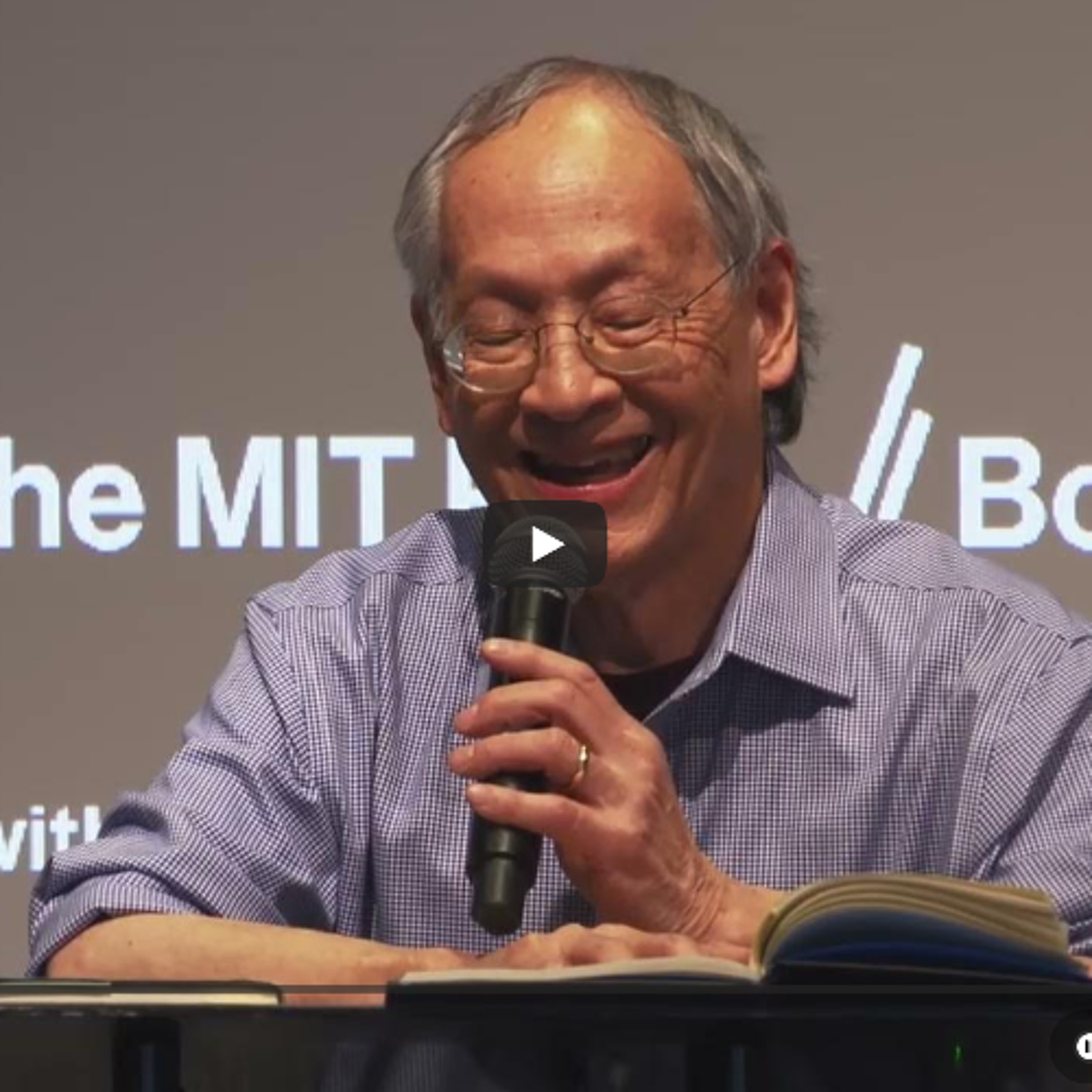
A Reading with Poet Laureate Arthur Sze
Apr 500:53:19Tap to summarizeThis reading, part of MIT’s William Corbett Poetry Series, welcomes former U.S. Poet Laureate Arthur Sze back to the campus where he began his literary journey. Introduced by Chloe Garcia Roberts and Nick Montfort, the event reflects on poetry’s enduring place at MIT and its power to shape lives and communities across generations. Sze’s visit highlights the unexpected connections and “rhymes” that emerge over time through teaching, mentorship, and the art of poetry. Sze is the author of twelve books of poetry, including Into the Hush (2025) and The White Orchard: Selected Interviews, Essays, and Poems (2025); The Glass Constellation: New and Collected Poems (2021); Sight Lines (2019), for which he won the National Book Award; Compass Rose (2014); The Ginkgo Light (2009); Quipu (2005); The Redshifting Web: Poems 1970–1998 (1998); and Archipelago (1995). He also authored Transient Worlds: On Translating Poetry (forthcoming from Copper Canyon Press, 2026), The Silk Dragon II: Translations of Chinese Poetry (2024), and edited Chinese Writers on Writing (2010). His poetry has been translated into fifteen languages, including Chinese, Dutch, German, Portuguese, and Spanish. He received the 2025 Bollingen Prize for lifetime achievement in American poetry, the 2024 Rebekah Johnson Bobbitt National Prize for Poetry, 2024 National Book Foundation Science + Literature award, the Ruth Lilly Poetry Prize, the Shelley Memorial Award, the Jackson Poetry Prize, a Lannan Literary Award, and a Guggenheim Fellowship, among others. A chancellor emeritus of the Academy of American Poets and a fellow of the American Academy of Arts and Sciences, he was the 2023–2024 Mohr Visiting Poet at Stanford University. Professor emeritus at the Institute of American Indian Arts (IAIA), Sze was the first poet laureate of Santa Fe, where he lives with his wife, the poet Carol Moldaw. The reading was presented by Comparative Media Studies/Writing and the William Corbett Poetry Series, with Lit@MIT and the MIT Press Bookstore.
Transcribe →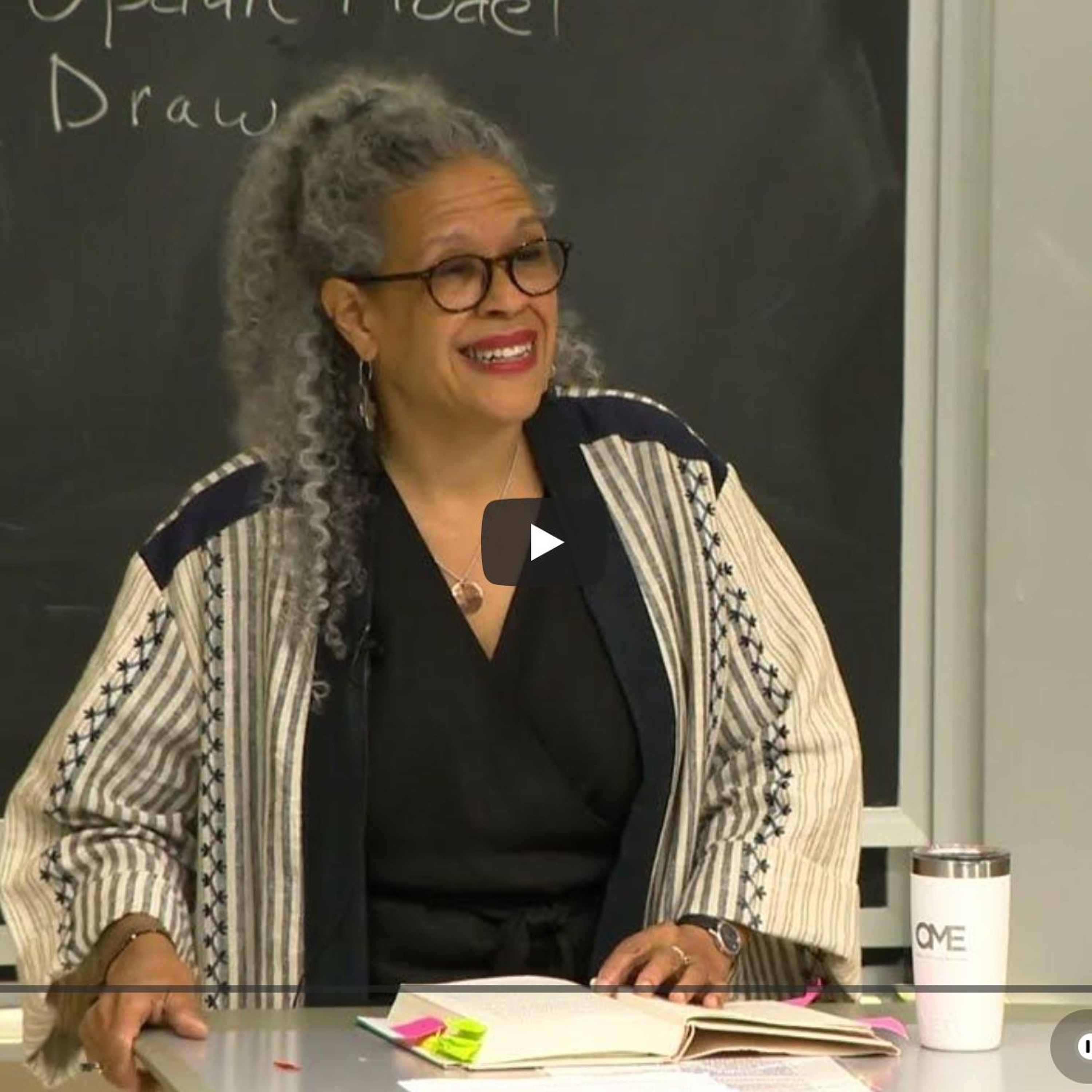
"Pomegranate" reading and discussion, with the book's author Helen Elaine Lee
Oct 4, 202301:23:27Tap to summarizeThe acclaimed author of "The Serpent’s Gift", Helen Elaine Lee, returns with this poetic and powerful journey of healing and autonomy. About the Book As she wraps up her four-year sentence for opiate possession at Oak Hills Correctional Center, Ranita Atwater is determined to stay clean and regain custody of her two children from the aunts who have been raising them. Leaving behind her lover Maxine, who has helped to awaken and inspire her, she must face a world of temptations, confront the wounds that refuse to stay buried, and honor the body that has seldom felt like it belongs to her. As novelist Jennifer Haigh has said, “Ranita’s journey out of addiction and incarceration and early trauma, her daily struggle to live a life as large as her spirit, is a remarkable feat of literary conjuration. This is what novels are for.”
Transcribe →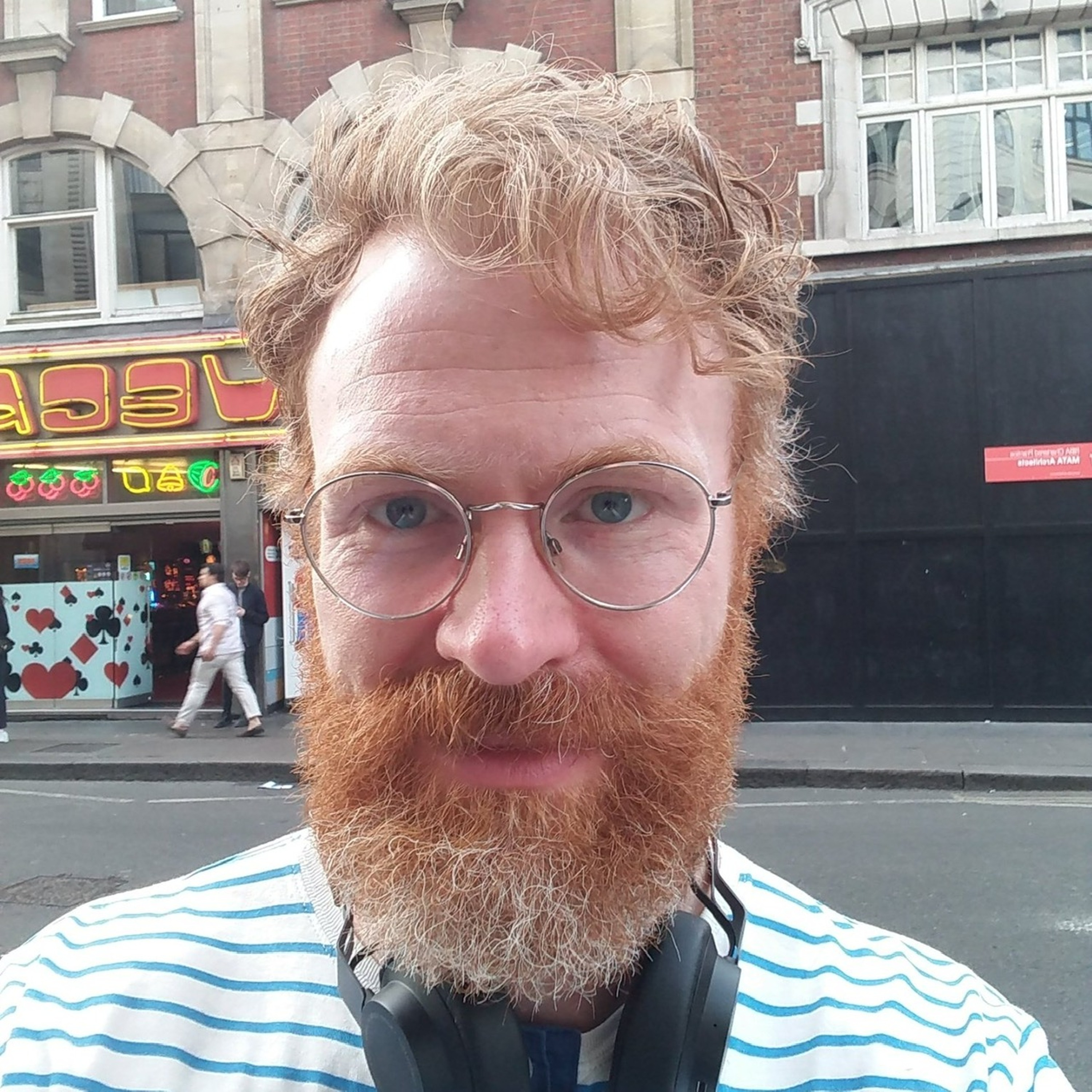
Bernard Geoghegan, “Learning to Code: From Information Theory to French Theory”
Apr 9, 202301:18:06Tap to summarizeHow and why, in the latter half of the twentieth century, did informatic theories of “code” developed around cybernetics and information theory take root in research settings as varied as Palo Alto family therapy, Parisian semiotics, and new-fangled cultural theories ascendant at US liberal arts colleges? Drawing on his recently published book “Code: From Information Theory to French Theory,” and primary sources from the MIT archives, this talk explores how far-flung technocratic exercises in Asian colonies and MIT’s Research Laboratory of Electronics (RLE) inspired these varied and diverse audiences in a common dream of “learning to code.” The result is a new history of the ambitions behind the rise of “theory” in the US humanities, and the obscure ties of that endeavor to Progressive Era technocracy, US foundations, and the growing prestige of technology and engineering in 20th century life. Bernard Dionysius Geoghegan is a Reader in the History and Theory of Digital Media at King’s College London. An overarching theme of his research is how “cultural” and “humanistic” sciences shape—and are shaped by—digital media. His attention to cultural factors in technical systems also figured in his work as a curator, notably for the Anthropocene and Technosphere projects at the Haus der Kulturen der Welt. Duke University Press recently published his book Code: From Information Theory to French Theory (2023), based partly on archival research he undertook as a visiting PhD student at MIT around 2008.
Transcribe →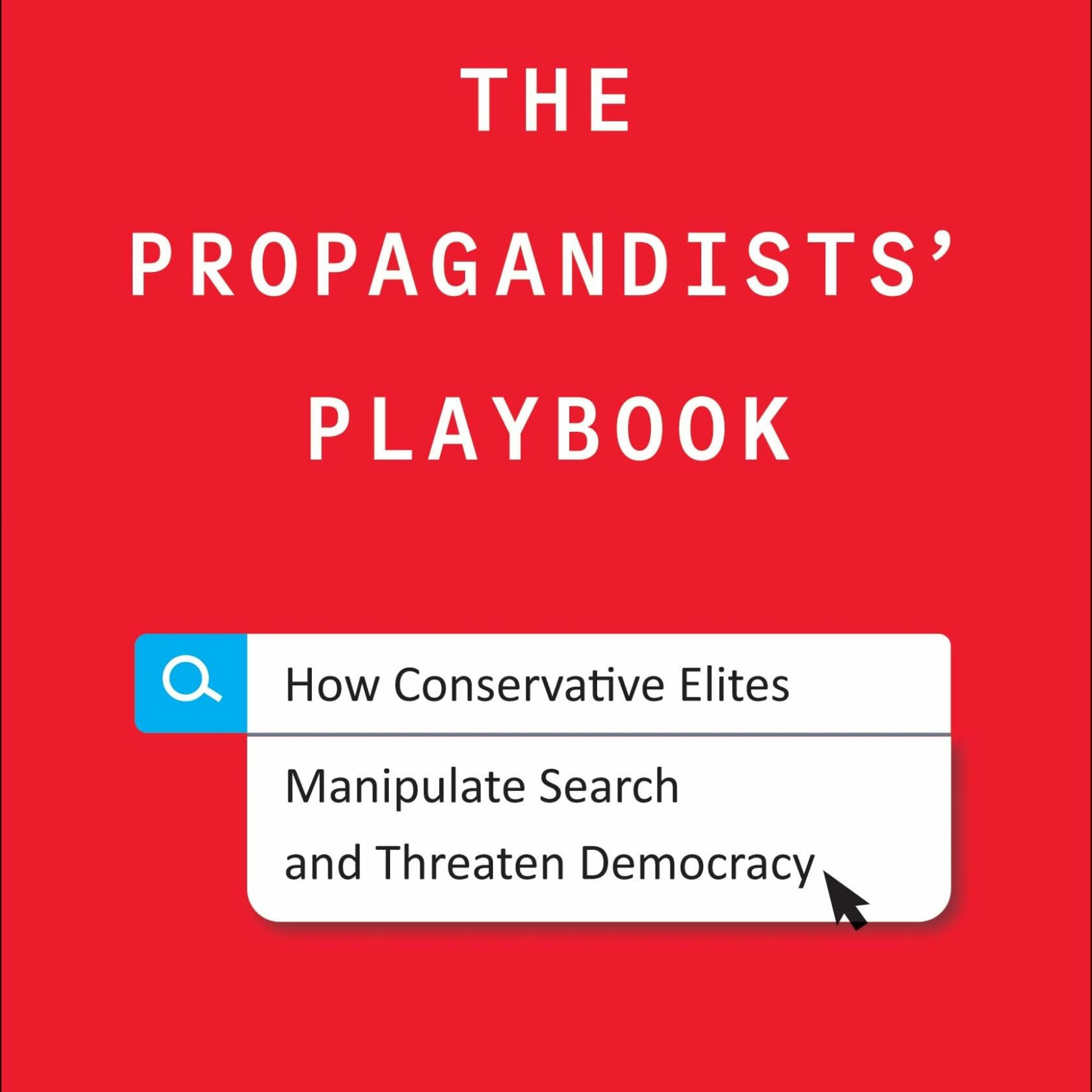
Francesca Bolla Tripodi, “The Propagandists’ Playbook”
Feb 28, 202300:52:37Tap to summarizeThe Propagandists’ Playbook: How Conservative Elites Manipulate Search and Threaten Democracy peels back the layers of the right-wing media manipulation machine to reveal why its strategies are so effective and pervasive, while also humanizing the people whose worldviews and media practices conservatism embodies. Based on interviews and ethnographic observations of two Republican groups over the course of the 2018 Virginia gubernatorial race-including the author’s firsthand experience of the 2017 Unite the Right rally, the book considers how Google algorithms, YouTube playlists, pundits, and politicians can manipulate audiences, reaffirm beliefs, and expose audiences to more extremist ideas, blurring the lines between reality and fiction. Francesca Bolla Tripodi is an assistant professor at the School of Information and Library Science at University of North Carolina, Chapel Hill, and a a research affiliate at the Data & Society Research Institute.
Transcribe →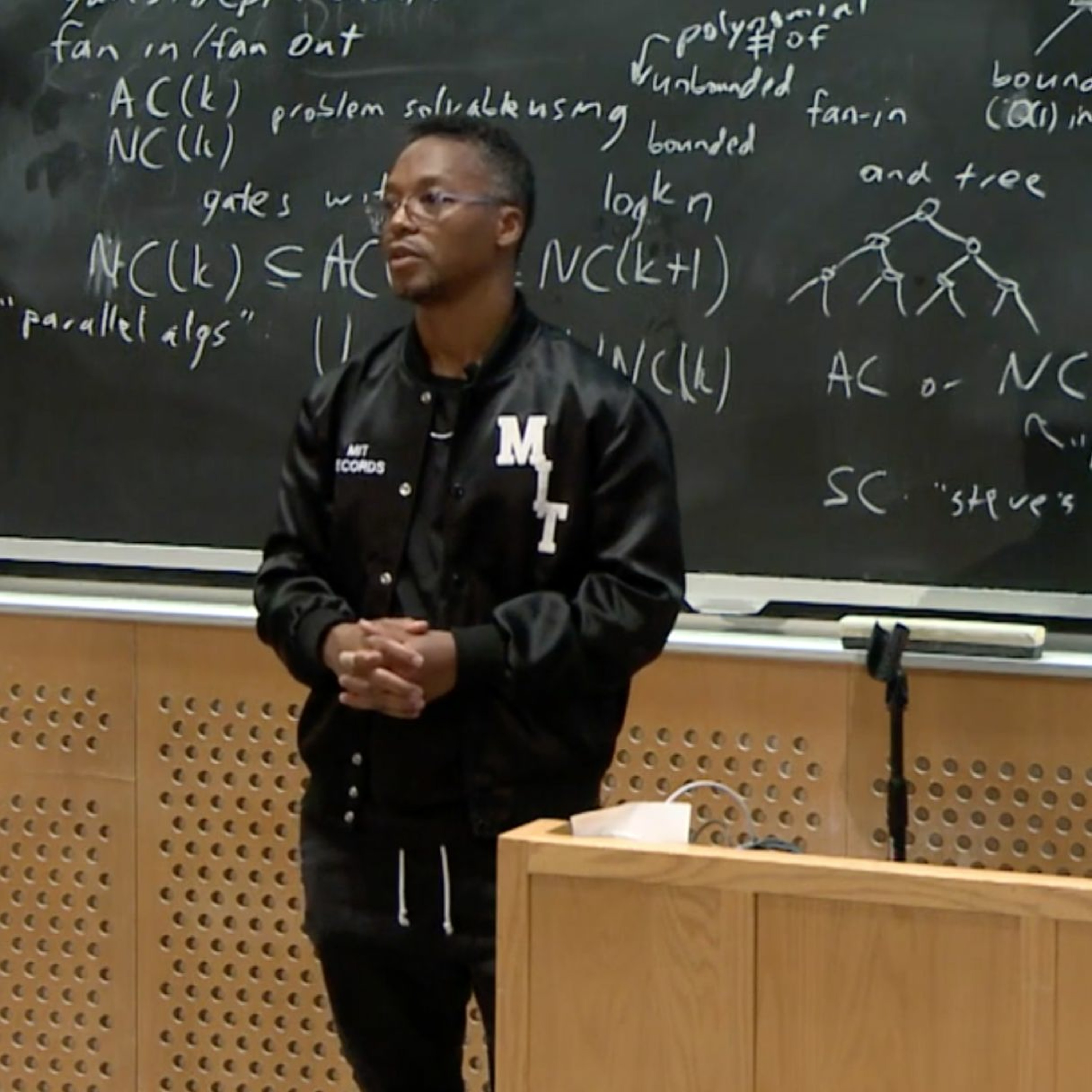
Lupe Fiasco presents “Rap Theory & Practice: an Introduction”
Dec 5, 202201:29:46Tap to summarizeAn exploration into the underlying fundamental functions, structures, and principles of rap. Open to the public, the talk was hosted at MIT on November 30, 2022. Wasalu Jaco, professionally known as Lupe Fiasco, is a Chicago-born, Grammy award-winning American rapper, record producer, entrepreneur, and community advocate. Rising to fame in 2006, following the success of his debut album Food & Liquor, Lupe has released eight acclaimed studio albums, his latest being Drill Music In Zion, released in June 2022. His efforts to propagate conscious material garnered recognition as a Henry Crown Fellow, and he is a recipient of an MLK Visiting Professorship at MIT for the 2022/2023 academic year.
Transcribe →
The Whole World Is Watching How 1968 Helps Us Frame The Present
Oct 6, 202201:10:33Tap to summarizeProfessor Heather Hendershot's opening plenary from the "Bearing Witness, Seeking Justice" conference, with initial remarks by Dean Agustín Rayo and Tracie Jones, Assistant Dean for Diversity, Equity, and Inclusion. Hendershot is Professor of Comparative Media Studies at MIT. She studies television news, conservative media, political movements, and American film and television history. Her 2022 book is "When the News Broke: Chicago 1968 and the Polarizing of America", available from the University of Chicago Press: https://press.uchicago.edu/ucp/books/book/chicago/W/bo183630531.html
Transcribe →The Long & Ambiguous (pre)history Of Audiovisual In The Black Experience
Oct 6, 202200:57:39Tap to summarizeFull title: “Between freedom & oppression: The long & ambiguous (pre)history of audiovisual in the Black experience” Featuring Chakanetsa Mavhunga, Ekene Mekwunye, Jepchumba, and Russel Hlongwane. Chakanetsa Mavhunga is Professor of Science, Technology, and Society at the Massachusetts Institute of Technology. Mavhunga explores international history, theory, and practice of science, technology, innovation, and entrepreneurship, with a focus on Africa. Ekene Mekwunye is adjunct faculty at the School of Media and Communication, Pan-Atlantic University, Lagos, Nigeria, and an award-winning filmmaker, television producer-director, and photographer. Jepchumba is Founder and Creative Director of African Digital Art, a collective and creative space where digital artists seek inspiration, showcase their work, and connect with emerging artists. Russel Hlongwane is a cultural producer, curator of the arts, and creative industries consultant based in Durban, South Africa. His work bridges themes of heritage, modernity, culture, and tradition across artistic disciplines.
Transcribe →The Forensic Citizen Learning From The Past, Preparing For The Future
Oct 6, 202201:06:39Tap to summarizeWilliam Uricchio is Professor of Comparative Media Studies at the Massachusetts Institute of Technology and founder of the MIT Open Documentary Lab, which brings together storytellers, technologists, and scholars to experiment with new documentary.
Transcribe →Resilient Witnessing In The Face Of Human Rights Abuses, Distrust, And Deepfakes
Oct 6, 202201:03:05Tap to summarizeSam Gregory is Director of Programs, Strategy & Innovation at WITNESS, which helps people use video and technology to protect human rights; studies relationship between emergent technologies, disinformation, media manipulation, & authoritarianism.
Transcribe →Moving Images In Absentia Courtroom Looking In The Age Of Hyper - Mediation
Oct 5, 202200:57:24Tap to summarizeKelli Moore is an Assistant Professor of Media, Culture, and Communication at New York University who examines how media and technology produce legal and political knowledge to inform public debates on visual literacy, race, and other issues.
Transcribe →