Podcast
Money for Medals - Olympics Leave Amateur Sports Behind
Hosted by Inception Point Ai · EN
Track and Field Makes History: Introducing Prize Money at the Olympics
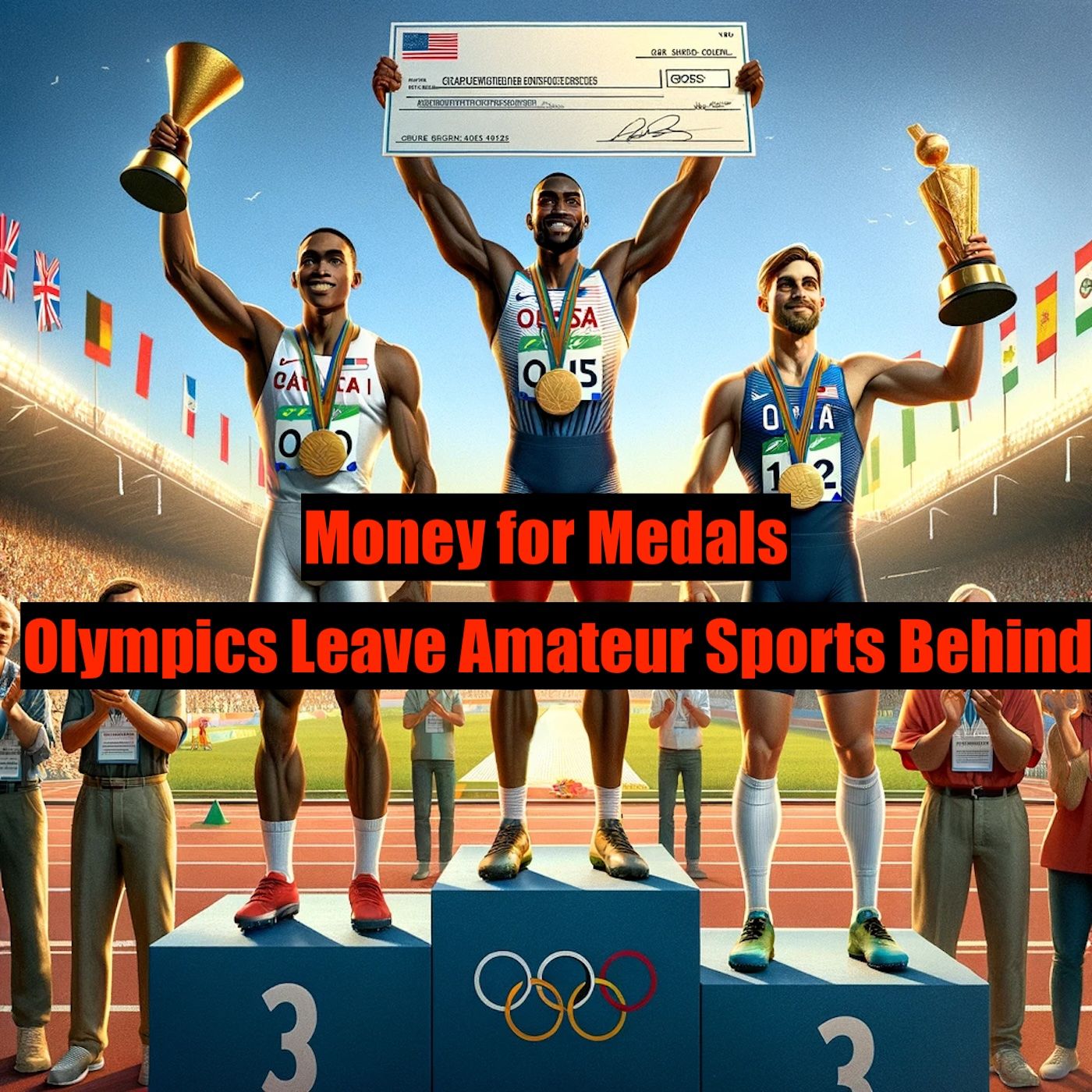
In a groundbreaking move that marks a significant departure from the Olympics' amateur past, track and field is set to become the first sport to award prize money to medalists at the upcoming Paris Games. World Athletics, the governing body of the sport, announced on Wednesday that it would pay a substantial sum of $50,000 to each gold medalist across the 48 men's, women's, and mixed events on the track and field program.
This landmark decision is expected to have far-reaching implications for the future of the Olympic Games and the way in which athletes are compensated for their performances. The introduction of prize money in one of the most widely watched and celebrated events at the Olympics is a clear indication of the changing landscape of sports and the increasing recognition of the value that athletes bring to the table.
World Athletics President Sebastian Coe, himself a two-time Olympic gold medalist in the 1,500 meters, emphasized the importance of this move in acknowledging the contributions of the sport's stars. "We recognize that the revenue share that we receive is in large part because our athletes are the stars of the show," Coe told reporters, highlighting the need to reward the athletes who make the sport what it is.
The $2.4 million prize pool set aside by World Athletics will be distributed among the gold medalists, with relay teams splitting the $50,000 prize equally among their members. While the Paris Games will only see prize money awarded to gold medalists, World Athletics has plans to extend the payments to silver and bronze medalists starting from the 2028 Olympics in Los Angeles.
This decision to introduce prize money at the Olympics is not without its potential controversies and challenges. The modern Olympic Games have their roots in amateurism, and the International Olympic Committee (IOC) has traditionally refrained from awarding prize money directly to athletes. Instead, many medalists receive payments from their national governments, sports bodies, or sponsors.
The IOC's response to World Athletics' announcement was measured, stating that it is up to each sport's governing body to determine how to best allocate its share of Olympic revenue. The IOC highlighted its role in redistributing 90% of its income to support athletes and sports organizations worldwide, with the equivalent of $4.2 million being distributed daily.
The introduction of prize money in track and field could potentially upset the delicate balance of power within the Olympic movement, as other sports may feel pressured to follow suit. However, World Athletics' decision to forge ahead with this initiative demonstrates the organization's commitment to putting athletes first and recognizing their central role in the sport's success.
Coe, who has not ruled out a future run for the IOC presidency, emphasized the transformative jour...
In a groundbreaking move that marks a significant departure from the Olympics' amateur past, track and field is set to become the first sport to award prize money to medalists at the upcoming Paris Games. World Athletics, the governing body of the sport, announced on Wednesday that it would pay a substantial sum of $50,000 to each gold medalist across the 48 men's, women's, and mixed events on the track and field program.
This landmark decision is expected to have far-reaching implications for the future of the Olympic Games and the way in which athletes are compensated for their performances. The introduction of prize money in one of the most widely watched and celebrated events at the Olympics is a clear indication of the changing landscape of sports and the increasing recognition of the value that athletes bring to the table.
World Athletics President Sebastian Coe, himself a two-time Olympic gold medalist in the 1,500 meters, emphasized the importance of this move in acknowledging the contributions of the sport's stars. "We recognize that the revenue share that we receive is in large part because our athletes are the stars of the show," Coe told reporters, highlighting the need to reward the athletes who make the sport what it is.
The $2.4 million prize pool set aside by World Athletics will be distributed among the gold medalists, with relay teams splitting the $50,000 prize equally among their members. While the Paris Games will only see prize money awarded to gold medalists, World Athletics has plans to extend the payments to silver and bronze medalists starting from the 2028 Olympics in Los Angeles.
This decision to introduce prize money at the Olympics is not without its potential controversies and challenges. The modern Olympic Games have their roots in amateurism, and the International Olympic Committee (IOC) has traditionally refrained from awarding prize money directly to athletes. Instead, many medalists receive payments from their national governments, sports bodies, or sponsors.
The IOC's response to World Athletics' announcement was measured, stating that it is up to each sport's governing body to determine how to best allocate its share of Olympic revenue. The IOC highlighted its role in redistributing 90% of its income to support athletes and sports organizations worldwide, with the equivalent of $4.2 million being distributed daily.
The introduction of prize money in track and field could potentially upset the delicate balance of power within the Olympic movement, as other sports may feel pressured to follow suit. However, World Athletics' decision to forge ahead with this initiative demonstrates the organization's commitment to putting athletes first and recognizing their central role in the sport's success.
Coe, who has not ruled out a future run for the IOC presidency, emphasized the transformative jour...
1episodes
Episodes
Newest first