Podcast
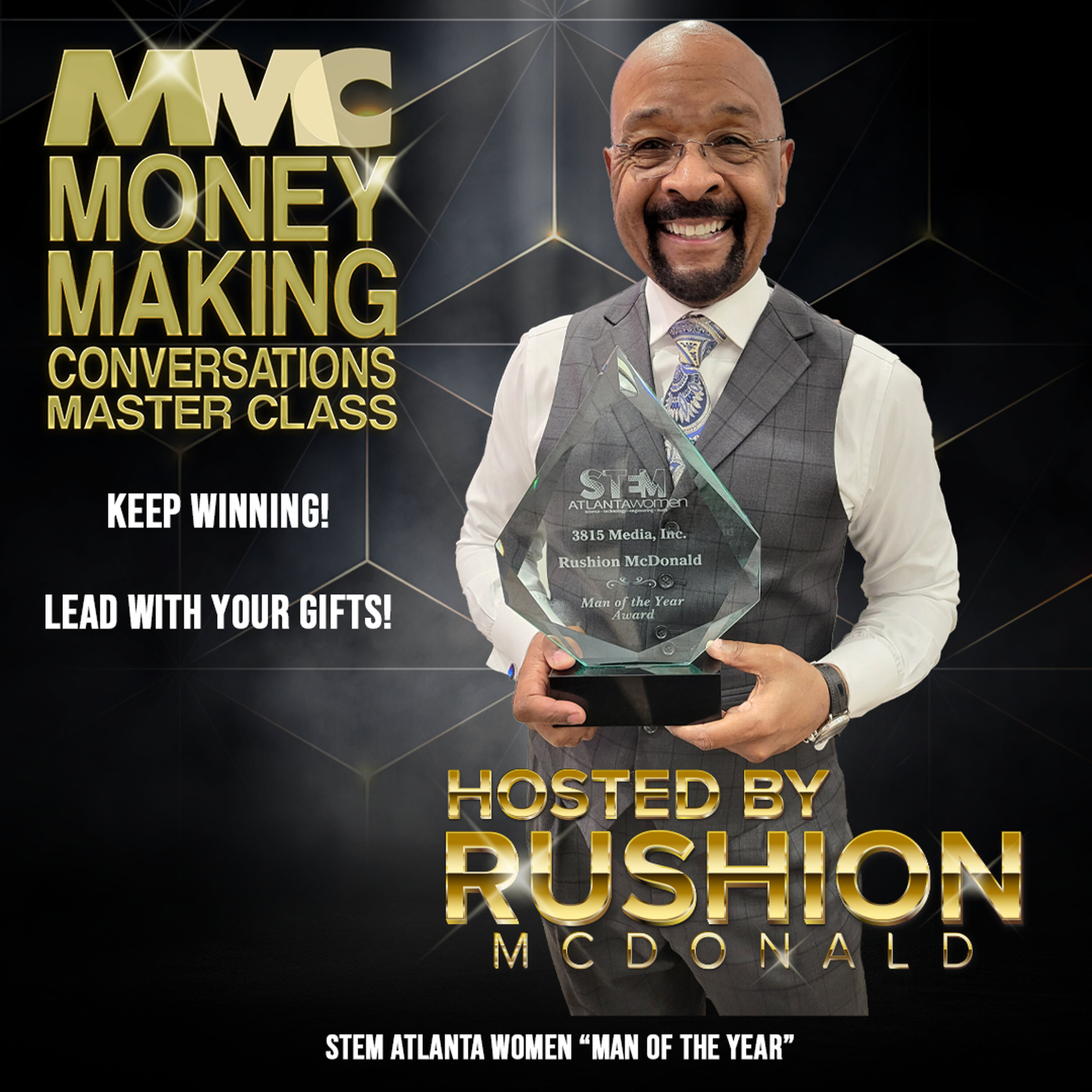
Money Making Conversations Master Class
Hosted by Rushion McDonald · EN
Money Making Conversations Master Class is more than a podcast. It's a front-row seat to the ideas, experiences, and breakthrough moments that inspire success. Hosted by Rushion McDonald, each episode features influential entrepreneurs, business leaders, celebrities, influencers, and nonprofit changemakers sharing the lessons, strategies, and mindset shifts that helped them turn ambition into achievement. The show empowers dreamers, doers, and leaders to think bigger, move smarter, and take action on their goals. As Rushion McDonald often says, "Stop reading other people's success stories and start planning your own."
Tune in, get inspired, and start writing your own success story, one conversation at a time.
https://www.moneymakingconversations.com
https://www.youtube.com/MoneyMakingConversations
https://www.facebook.com/MoneyMakingConversations/
https://twitter.com/moneymakingconv
https://www.instagram.com/moneymakingconversations/
162episodes
Episodes
Newest firstAll episodes
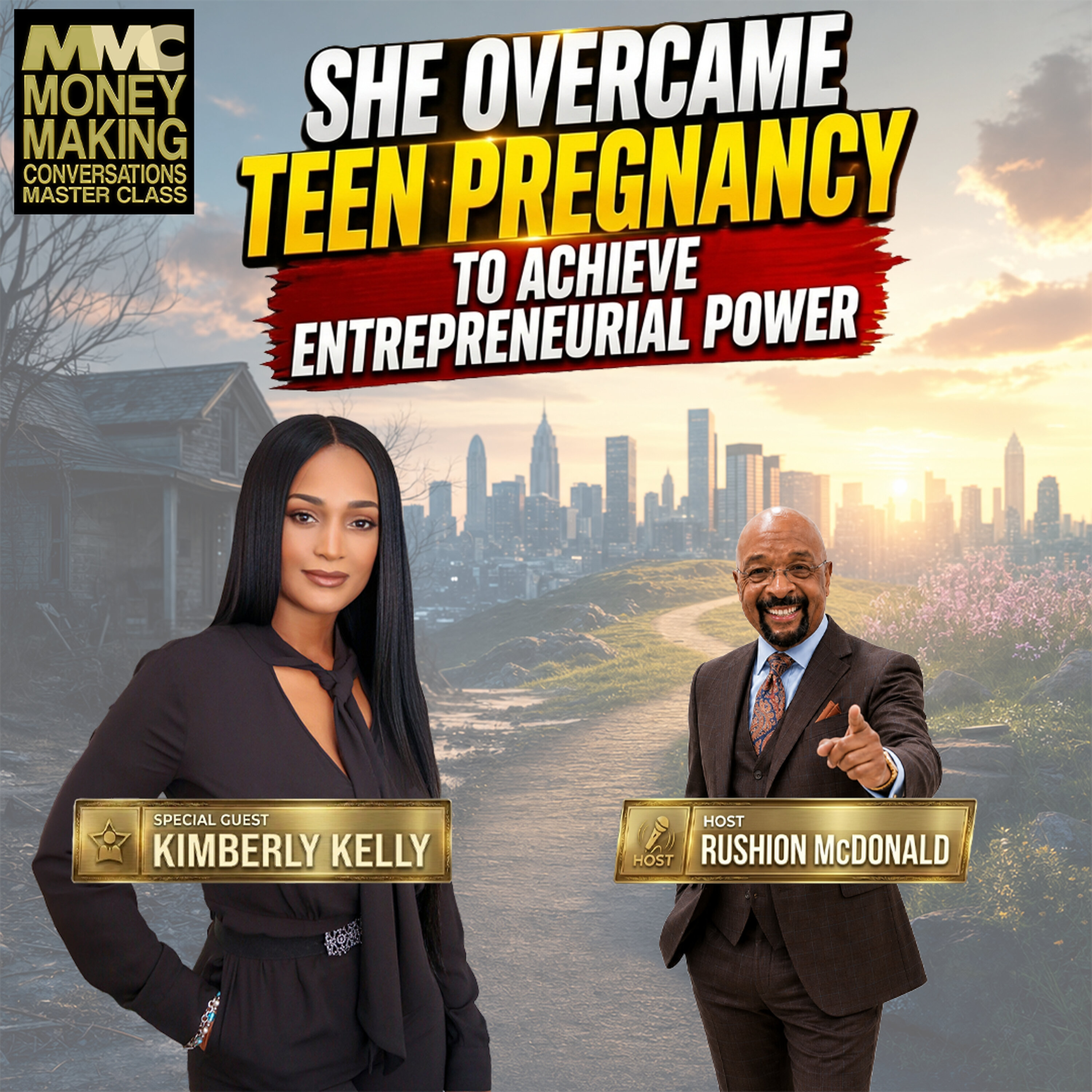
Overcoming the Odds: Kimberly became a mother at 15 and had two children by 18, while still caring for her siblings.
5d ago00:24:53Tap to summarizeListen and subscribe to Money Making Conversations on iHeartRadio, Apple Podcasts, Spotify, www.moneymakingconversations.com/subscribe/ or wherever you listen to podcasts. New Money Making Conversations episodes drop daily. I want to alert you, so you don’t miss out on expert analysis and insider perspectives from my guests who provide tips that can help you uplift the community, improve your financial planning, motivation, or advice on how to be a successful entrepreneur. Keep winning! Two-time Emmy and Three-time NAACP Image Award-winning, television Executive Producer Rushion McDonald interviewed Kimberly Kelly. A real estate broker and entrepreneur who overcame a challenging upbringing in foster care, teen motherhood, and systemic adversity to become a successful businesswoman. Kimberly shares her journey of resilience, faith, and determination, offering inspiration to anyone facing difficult circumstances. Her story is a testament to perseverance, adaptability, and the power of believing in oneself. 🧭 Key Points 🌱 Early Life & Adversity Raised in foster care from a young age due to her mother’s struggles with addiction. Took on a caregiver role for her younger brothers at age 9. Became a mother at 15 and had two children by 18, while still caring for her siblings. 💪 Resilience & Mindset Developed a survival mindset early on, driven by responsibility and love for her family. Found faith and spiritual grounding during her time in foster care. Never doubted her ability to succeed despite overwhelming odds. 🎓 Education & Career Path Returned to complete her high school diploma and pursued technical education. Earned a degree in electronics engineering and transitioned into the IT world. Later became a licensed real estate agent and opened her own brokerage. 🏡 Business Ventures Founder of a real estate brokerage in McDonough, Georgia. Focuses on educating and empowering first-time homebuyers and entrepreneurs. Co-owner of a property preservation company, Get Adventurous, with her husband. 🤝 Leadership & Branding Leads a small team of agents with a hands-on, mentorship-driven approach. Emphasizes adaptability, personal growth, and celebrating small victories. Operates within a price range of $250K–$750K and above, adapting to market trends. 💬 Notable Quotes “I’m superwoman. I’m phenomenal.” “Foster care is supposed to be temporary, but sometimes it becomes permanent.” “It never dawned on me that I wouldn’t be successful.” “You can do anything. There is nothing you can’t do in this life.” “Practice resilience. If you don’t have a support system, look in the mirror and talk to yourself.” “I’m always in the mindset of staying adaptable.” “My goal is to educate, motivate, and teach people that we can own real estate.” #SHMS #STRAW #BEST Money Making Conversations Master Class with Rushion McDonald is America's premier entrepreneurship, business leadership, financial literacy, and wealth-building podcast featuring successful entrepreneurs, executives, founders, celebrities, and industry experts sharing actionable insights for professional and financial success. Business Podcast Entrepreneurship Small Business Business Growth Financial Literacy Wealth Building Black Entrepreneurs Minority Business Leadership Executive Leadership Business Funding Marketing Strategies Personal Development Startup Advice Sales Training CEO Interviews Founder Stories Professional Development Economic Empowerment Business Success Networking Brand Building Innovation How to start a business Small business funding Entrepreneur success stories Business leadership podcast Wealth building strategies Black entrepreneur podcast Minority business development Marketing for small businesses Business growth strategies Startup funding opportunities Executive leadership training Financial literacy education Success mindset podcastSee omnystudio.com/listener for privacy information.
Transcribe →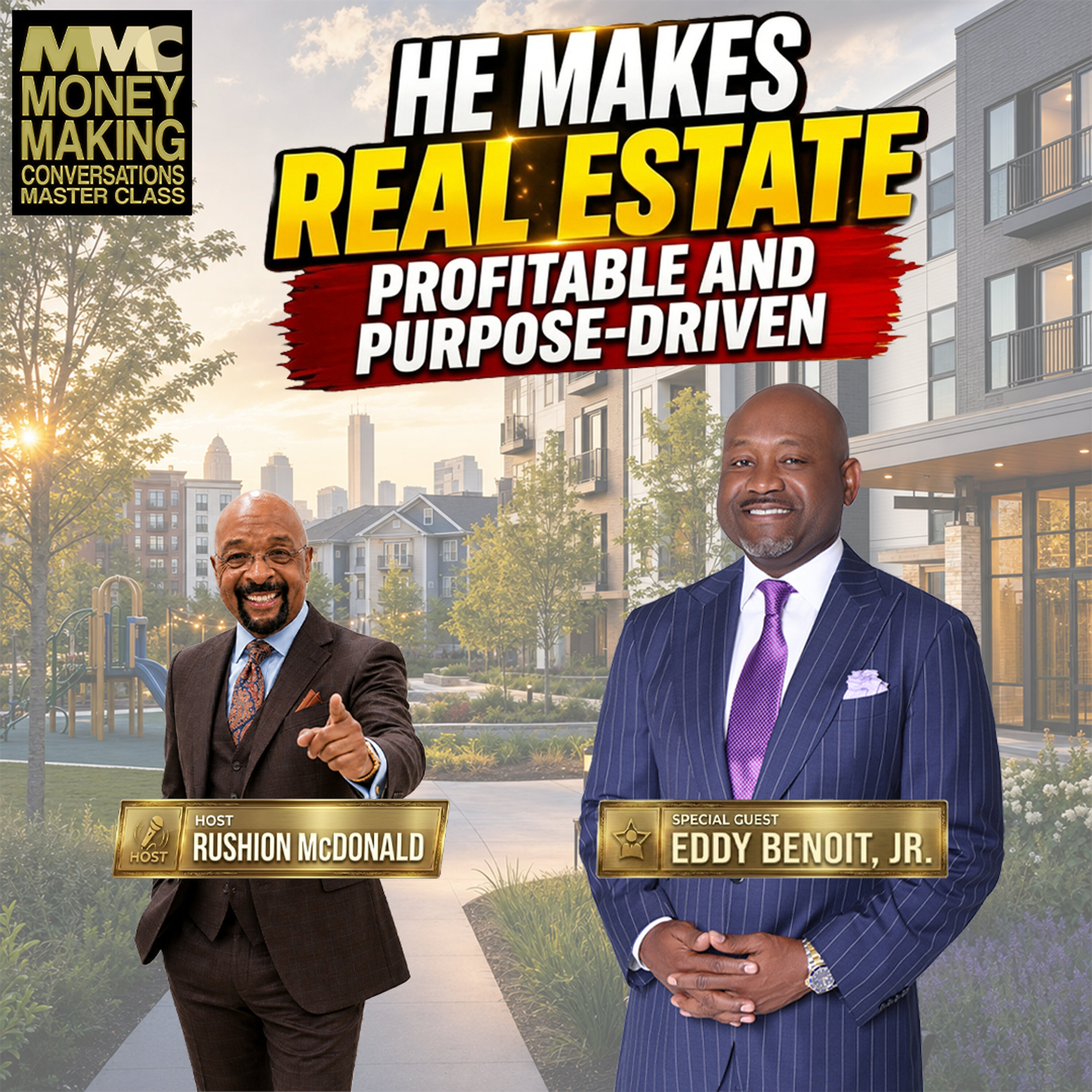
Community Uplift: Eddie explains how mission-driven real estate can transform communities.
5d ago00:24:42Tap to summarizeListen and subscribe to Money Making Conversations on iHeartRadio, Apple Podcasts, Spotify, www.moneymakingconversations.com/subscribe/ or wherever you listen to podcasts. New Money Making Conversations episodes drop daily. I want to alert you, so you don’t miss out on expert analysis and insider perspectives from my guests who provide tips that can help you uplift the community, improve your financial planning, motivation, or advice on how to be a successful entrepreneur. Keep winning! Two-time Emmy and Three-time NAACP Image Award-winning, television Executive Producer Rushion McDonald interviewed Eddy Benoit Jr. 🎯 Purpose of the Interview This interview has three primary objectives: Highlight Eddy Benoit Jr.’s work in real estate development Especially affordable housing, mixed-use developments, and senior living. Explain how mission-driven real estate can transform communities Focus on underserved areas and mixed-income solutions. Provide entrepreneurial and leadership insights Covering vision, discipline, team-building, and scaling a business. 🧠 Key Takeaways 1. Mission-Driven Development Is the Core of Success The Benoit Group focuses on affordable and mixed-income housing, especially for underserved populations. Their strategy is rooted in a clear “why” that hasn’t changed since founding. ✅ Insight: Long-term success comes from staying aligned with a clear mission. “Our litmus test has been our why… that’s what keeps us from being distracted.” [ 2. There Is a Massive Gap in Affordable Senior Housing Target population: Ages 55–85 Low to moderate income This group often: Doesn’t qualify for subsidies Can’t afford market-rate housing ✅ Insight: Huge opportunity exists in underserved housing markets. “The demand is extremely high… not many people are really building affordably priced housing.” 3. Understanding “Affordable Housing” Is More Complex Than It Sounds Two categories: Capital A Affordable: Low-income (≤60% of area median income) Small a affordable: Moderate-income (80%–140%) Projects must balance income ranges to remain financially viable. ✅ Insight: Real estate success requires technical, financial, and regulatory understanding. 4. Public-Private Partnerships Drive Large Developments Major projects come through: Competitive RFP/RFQ processes Partnerships with municipalities Developments often include: Housing Retail Office/hospitality components ✅ Insight: Scale is achieved through collaboration with government entities. 5. Great Leadership Requires Evolution and Self-Awareness Leadership style evolved over time: From authority-based to transparency-based Key principle: Honesty and communication build strong teams ✅ Insight: Effective leadership is adaptive, transparent, and people-centered. “Transparency and honesty… is the best form of communication.” 6. Hire People Who Challenge You Entrepreneurs often make the mistake of hiring people just like themselves. Strong teams include: Different perspectives Greater expertise ✅ Insight: Growth requires diverse thinking and constructive challenge. “You want people who think different… and can challenge your thought process.” 7. Be Realistic and Honest in Business Planning Many entrepreneurs: Set unrealistic revenue expectations Build budgets based on wishful thinking ✅ Insight: Success requires honest evaluation and disciplined planning. “They’re not honest with themselves… the path to making that revenue isn’t achievable.” 8. Real Estate Can Transform Entire Communities Benoit Group intentionally invests in: Overlooked or underserved neighborhoods Their developments act as catalysts: Attracting other investors Sparking broader economic growth ✅ Insight: Strategic investment can redefine entire communities. “We go in areas that have been overlooked… and act as a catalyst.” 9. True Impact Goes Beyond Buildings Success is not just physical development: It’s about changing mindset and confidence in communities ✅ Insight: Transformation requires both infrastructure and psychological uplift. “You’ve got to change the mindset… before you can get transformation.” 10. Recognition Is Meaningful but Not the Motivation Benoit didn’t expect the award and initially thought it was for someone else. He emphasizes: Mission over recognition Team contribution ✅ Insight: Awards are a byproduct of consistent, purpose-driven work. “We don’t do it for the awards… but the recognition does feel great.” 11. Future Focus: Growth + Mentorship Expansion goals: Broader geographic footprint (10+ states) Strategic priority: Mentoring smaller developers to scale ✅ Insight: True leadership includes creating opportunities for others to grow. 💬 Notable Quotes On mission “Our litmus test has been our why.” On market demand “The demand is extremely high… especially for the baby boomers.” On leadership “Transparency and honesty… is the best form of communication.” On team building “You want people who think different… and can challenge you.” On business planning “They’re not honest with themselves.” On community impact “We act as a catalyst… attract others to invest.” On transformation “You’ve got to change the mindset.” 🧾 Bottom Line This interview is a powerful example of mission-driven entrepreneurship in real estate. Eddy Benoit Jr.’s core message: Build businesses around purpose and real need Focus on underserved markets for meaningful impact Grow through discipline, partnerships, and strong teams Create success that extends beyond profit into community transformation #SHMS #STRAW #BEST Money Making Conversations Master Class with Rushion McDonald is America's premier entrepreneurship, business leadership, financial literacy, and wealth-building podcast featuring successful entrepreneurs, executives, founders, celebrities, and industry experts sharing actionable insights for professional and financial success. Business Podcast Entrepreneurship Small Business Business Growth Financial Literacy Wealth Building Black Entrepreneurs Minority Business Leadership Executive Leadership Business Funding Marketing Strategies Personal Development Startup Advice Sales Training CEO Interviews Founder Stories Professional Development Economic Empowerment Business Success Networking Brand Building Innovation How to start a business Small business funding En...
Transcribe →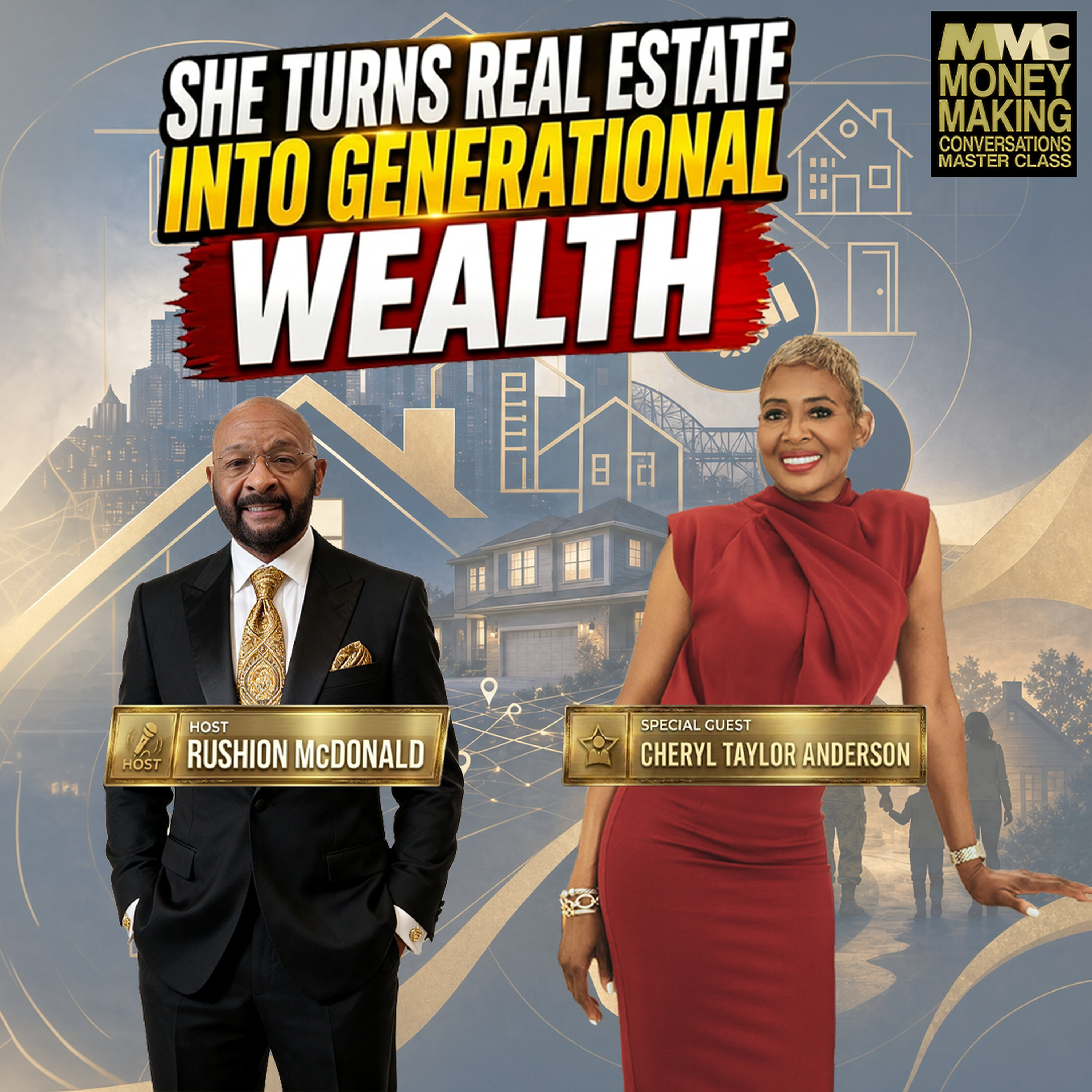
Motivation: She inspires renters, veterans, and people of color to pursue homeownership.
5d ago00:27:11Tap to summarizeListen and subscribe to Money Making Conversations on iHeartRadio, Apple Podcasts, Spotify, www.moneymakingconversations.com/subscribe/ or wherever you listen to podcasts. New Money Making Conversations episodes drop daily. I want to alert you, so you don’t miss out on expert analysis and insider perspectives from my guests who provide tips that can help you uplift the community, improve your financial planning, motivation, or advice on how to be a successful entrepreneur. Keep winning! Two-time Emmy and Three-time NAACP Image Award-winning, television Executive Producer Rushion McDonald interviewed Cheryl Taylor Anderson. Podcast: Money Making Conversations MasterclassHost: Rushion McDonaldGuest: Cheryl Taylor Anderson, Real Estate Broker (Metro Atlanta) 1. Purpose of the Interview The core purpose of this interview is to educate, empower, and motivate listeners—particularly first‑time homebuyers, renters, veterans, and people of color—to pursue homeownership as a wealth‑building strategy. Specifically, the conversation aims to: Demystify the homebuying process Combat fear and misinformation around mortgages Highlight low‑ and zero‑down payment opportunities Explain how homeowners can build equity faster Emphasize real estate as a key tool for generational wealth Encourage disciplined financial decisions rooted in ownership rather than renting Rushion positions the discussion as a knowledge‑sharing opportunity to help listeners move from renting to owning, especially in communities historically excluded from homeownership. 2. Interview Overview Cheryl Taylor Anderson brings more than 20 years of real estate experience and over $400 million in sales in Metro Atlanta. She works with: First‑time homebuyers VA and military families Move‑up buyers Luxury clients and institutional sellers Throughout the interview, Cheryl provides practical, real‑world examples—including her own story as a former single mother and homeowner—to ease fear, explain financing, and correct misconceptions about buying a home. 3. Key Takeaways A. Many Renters Can Already Afford to Own One of the central points is that many renters are paying as much—or more—than mortgage payments without building equity. Rent payments offer no tax benefits Mortgage payments build ownership and wealth Homeowners can deduct mortgage interest (unlike rent) Key idea: Many people qualify for ownership but are held back by misinformation and fear. B. First‑Time Homebuyers Have More Options Than They Realize Cheryl explains that many buyers are unaware of: Zero‑down payment programs Builder incentives covering closing costs Opportunities to move into homes with minimal out‑of‑pocket costs In some cases, buyers are only required to bring earnest money, making homeownership far more accessible than expected. C. VA and Veteran Benefits Are Underused Cheryl strongly emphasizes VA loans as one of the most powerful tools for homeownership: 100% financing (zero down payment) Ability to ask sellers for up to 6% in closing cost contributions Certain veterans may be exempt from property taxes Lower monthly payments overall Veterans are encouraged to use their benefits, even years after leaving military service. D. A 30‑Year Mortgage Does Not Mean 30 Years of Debt Cheryl reframes mortgage timelines by teaching strategic repayment: Paying bi‑weekly instead of monthly Adding small extra payments ($50–$100/month) Reducing both interest and principal faster She uses her personal example of being close to paying off her home early despite starting with a traditional 30‑year loan. E. Homeownership Builds Stability and Community The interview contrasts renting versus owning: Ownership benefits include: Equity growth Customization and upgrades Neighborhood relationships Security and long‑term stability A tangible asset to pass to children Even HOA‑managed communities—while sometimes frustrating—protect property values and neighborhood standards. F. Home Warranties Reduce Fear of Maintenance To address anxiety about repairs, Cheryl recommends home warranties: Cover major systems (HVAC, water heaters, appliances) Low service fees when repairs are needed Can be negotiated into purchase contracts Provide peace of mind similar to apartment maintenance This is especially helpful for first‑time buyers. G. Social Media Builds Trust and Visibility Cheryl explains how social media strengthens her business: Buyers see real closings, celebrations, and testimonials Creates emotional connection and trust Inspires others to picture themselves as homeowners Visibility drives confidence and referrals. H. Education and Adaptability Drive Longevity Cheryl credits her success through: The 2008 housing crisis COVID‑19 Market shifts to constant learning, flexibility, and strategy pivots (e.g., foreclosures, BPOs, builder incentives). 4. Notable Quotes On Renting vs. Owning “Never be willing to pay somebody more than you’re willing to pay yourself.” On First‑Time Buyer Fear “Don’t let the longevity scare you. In an apartment, you’re building nothing.” On VA Benefits “Veterans can come to the table with zero down—and sometimes no property taxes.” On Mortgage Strategy “Pay every two weeks and it knocks down your interest and principal faster.” On Equity “Rent doesn’t give you anything to leave your children. Homeownership does.” On Homeownership Mindset “People are willing to pay their landlord more than they’ll pay themselves.” 5. Overall Takeaway This interview reinforces homeownership as one of the most powerful, attainable tools for building long‑term wealth—when buyers are properly educated, supported, and encouraged to move past fear and misinformation. Cheryl Taylor Anderson demonstrates that: Buying a home is often more accessible than people believe Strategic mortgage management can drastically shorten debt timelines Ownership builds equity, stability, and generational opportunity #SHMS #BEST #STRAW Money Making Conversations Master Class with Rushion McDonald is America's premier entrepreneurship, business leadership, financial literacy, and wealth-building podcast featuring successful entrepreneurs, executives, founders, celebrities, and industry experts sharing actionable insights for professional and financial success. Business Podcast Entrepreneurship Small Business Business Growth Financial Literacy Wealth Building Black Entrepreneurs Minority Business Leadership Executive Leadership Business Funding Marketing Strategies Personal Development Startup Advice Sales Training CEO Interviews Founder Stories Professional Development Economic Empowerment Business Success Networking Brand Building Innovation How to start a business Small business funding Entrepreneur success stories Business leadership podcast Wealth building strategies Black entrepreneur podcast Minority business development Marketing for small businesses Business growth strategies Startup funding opportunities Executive leadership training Financial literacy education Success mindset podcast #BEST #SHMS #STRAWSee omnystudio.com/listener for privacy information.
Transcribe →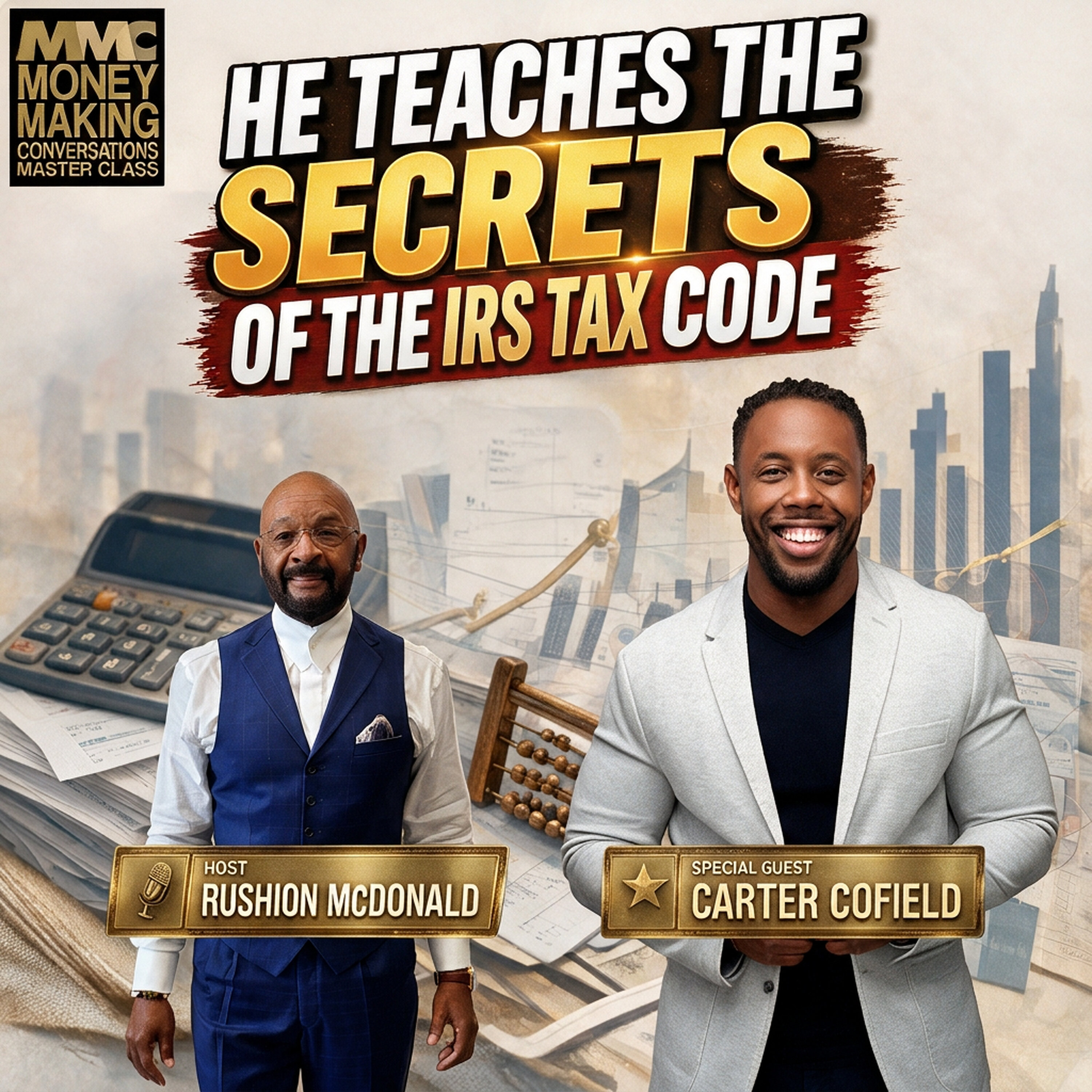
Overcoming the Odds: He used grief as motivation to excel academically and professionally.
1w ago00:22:00Tap to summarizeListen and subscribe to Money Making Conversations on iHeartRadio, Apple Podcasts, Spotify, www.moneymakingconversations.com/subscribe/ or wherever you listen to podcasts. New Money Making Conversations episodes drop daily. I want to alert you, so you don’t miss out on expert analysis and insider perspectives from my guests who provide tips that can help you uplift the community, improve your financial planning, motivation, or advice on how to be a successful entrepreneur. Keep winning! Money Making Conversations Master Class with Rushion McDonald is America's premier entrepreneurship, business leadership, financial literacy, and wealth-building podcast featuring successful entrepreneurs, executives, founders, celebrities, and industry experts sharing actionable insights for professional and financial success. Business Podcast Entrepreneurship Small Business Business Growth Financial Literacy Wealth Building Black Entrepreneurs Minority Business Leadership Executive Leadership Business Funding Marketing Strategies Personal Development Startup Advice Sales Training CEO Interviews Founder Stories Professional Development Economic Empowerment Business Success Networking Brand Building Innovation How to start a business Small business funding Entrepreneur success stories Business leadership podcast Wealth building strategies Black entrepreneur podcast Minority business development Marketing for small businesses Business growth strategies Startup funding opportunities Executive leadership training Financial literacy education Success mindset podcast Two-time Emmy and Three-time NAACP Image Award-winning television Executive Producer Rushion McDonald interviewed Charles Cofield. Thanks! The transcript from this episode of Money Making Conversations Masterclass features an inspiring and high-energy interview with CPA and financial educator Carter Cofield, co-founder of Melanin Money. Here's a breakdown of the key highlights and takeaways: 🔑 Key Themes & Takeaways 1. Melanin Money: A Mission-Driven Firm Co-founded by Carter Cofield and a financial advisor friend to serve the Black community. Focuses on helping business owners save on taxes and invest wisely. Aims to close the wealth gap and promote financial independence. 2. Authenticity as a Brand Carter left corporate America after being told to hide his success and identity (e.g., facial hair, tattoos, car). Built his brand by being unapologetically himself—fun, energetic, and passionate about financial literacy. His authenticity has helped him connect with a wide audience and become a standout in a traditionally “boring” industry. 3. Personal Tragedy & Financial Awakening Lost both parents by age 16. Used grief as motivation to excel academically and professionally. Learned the importance of financial literacy after receiving only $5,000 from a $25,000 life insurance policy following his father’s death. 4. Financial Literacy & Health Believes “health is wealth and wealth is health.” Poor financial decisions often lead to poor health decisions (e.g., fast food due to affordability). Financial stress can directly impact physical and mental well-being. 5. Melanin Money Awards Annual event in Atlanta celebrating Black wealth and financial milestones. Awards given for reaching net worth goals ($100K, $500K, $1M, $10M). Designed to make wealth-building visible and celebrated in the Black community. 6. Generational Wealth: Redefined Not just about leaving money to your kids. True generational wealth means your money lasts for multiple generations. Involves setting up trusts, investments, and financial education for future heirs. 7. Free Weekly Financial Classes Carter hosts free money classes every Wednesday at 7 PM ET. Accessible via his Instagram: @cofield_advisors 💬 Notable Quotes “Fear is Finally Exiting Average Reality.” “It’s okay to sleep in late when your money woke up early.” “The scariest thing is getting to the end of your life and realizing you never truly lived.” #SHMS #STRAW #BEST #AMISee omnystudio.com/listener for privacy information.
Transcribe →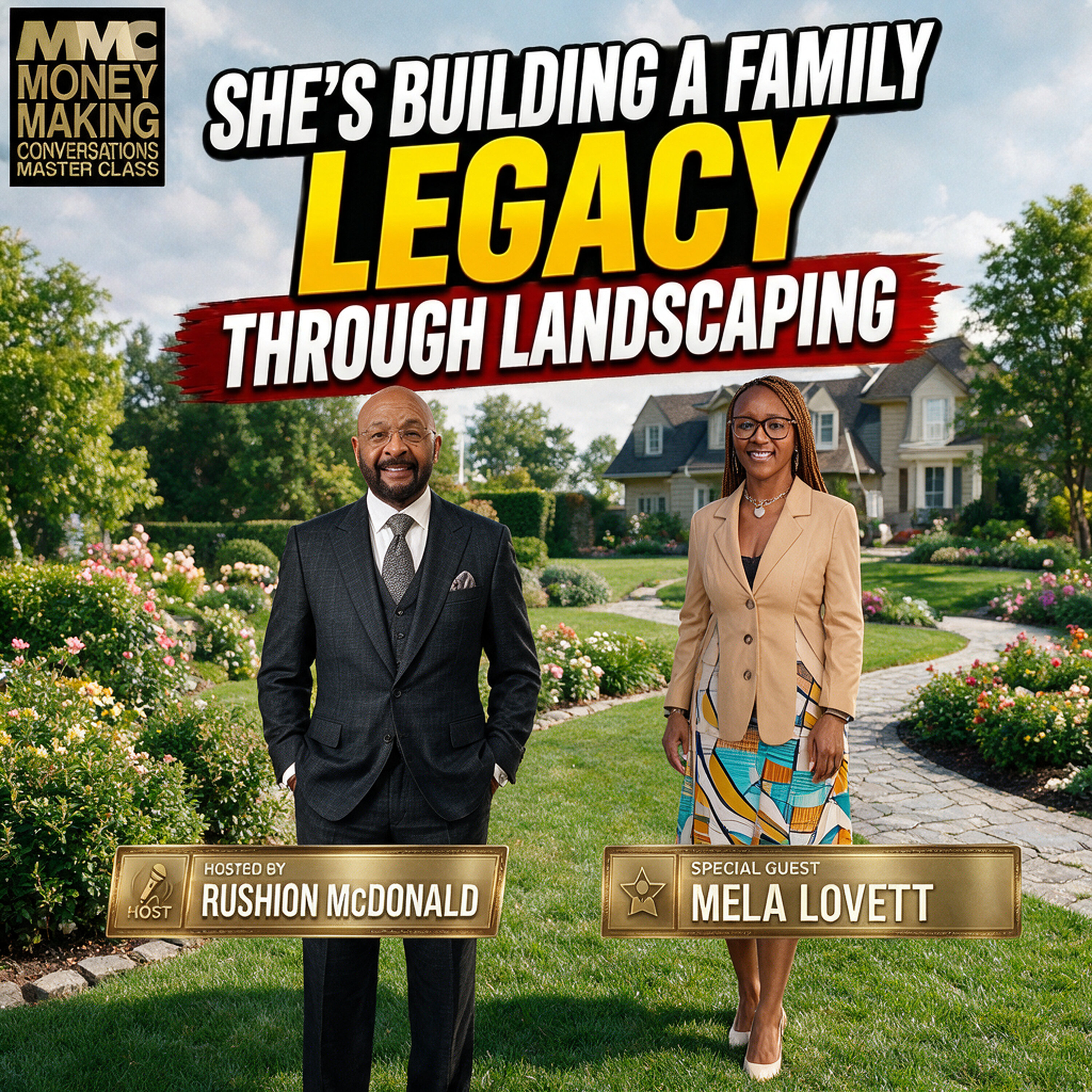
Career Change: She left corporate world to build generational wealth and leave a legacy for her children.
1w ago00:24:58Tap to summarizeListen and subscribe to Money Making Conversations on iHeartRadio, Apple Podcasts, Spotify, www.moneymakingconversations.com/subscribe/ or wherever you listen to podcasts. New Money Making Conversations episodes drop daily. I want to alert you, so you don’t miss out on expert analysis and insider perspectives from my guests who provide tips that can help you uplift the community, improve your financial planning, motivation, or advice on how to be a successful entrepreneur. Keep winning! Money Making Conversations Master Class with Rushion McDonald is America's premier entrepreneurship, business leadership, financial literacy, and wealth-building podcast featuring successful entrepreneurs, executives, founders, celebrities, and industry experts sharing actionable insights for professional and financial success. Business Podcast Entrepreneurship Small Business Business Growth Financial Literacy Wealth Building Black Entrepreneurs Minority Business Leadership Executive Leadership Business Funding Marketing Strategies Personal Development Startup Advice Sales Training CEO Interviews Founder Stories Professional Development Economic Empowerment Business Success Networking Brand Building Innovation How to start a business Small business funding Entrepreneur success stories Business leadership podcast Wealth building strategies Black entrepreneur podcast Minority business development Marketing for small businesses Business growth strategies Startup funding opportunities Executive leadership training Financial literacy education Success mindset podcast Two-time Emmy and Three-time NAACP Image Award-winning, television Executive Producer Rushion McDonald interviewed Mela Lovett. A serial entrepreneur with multiple businesses including: Landscaping (Family Lawn Services) Mortgage lending (commercial and residential) Business consulting (especially on proper business structuring) 🌱 Entrepreneurial Journey Mela and her husband transitioned from retail management jobs (Walgreens and Walmart) to starting their own lawn care business. The motivation was to build generational wealth and leave a legacy for their children. They faced major setbacks, including the theft of their truck and equipment, but persevered and rebuilt. 🧘 Mental Health & Meditation Mila emphasizes the importance of mental health, especially for entrepreneurs. She shares her experience with postpartum depression and how meditation and journaling helped her heal and manage stress. She advocates for taking time to decompress and reset, especially when overwhelmed. 🌿 Lawn Care Insights Mila explains the difference between lawn maintenance and landscaping. She stresses the importance of quality work and customer trust. Rashawn shares a humorous but cautionary tale about hiring an unqualified landscaper who ruined his hedges. 💡 Business Advice Mela encourages: Multiple streams of income Proper business structure Resilience in the face of adversity She highlights the importance of reputation and referrals in growing a service-based business. #SHMS #STRAW #BESTSee omnystudio.com/listener for privacy information.
Transcribe →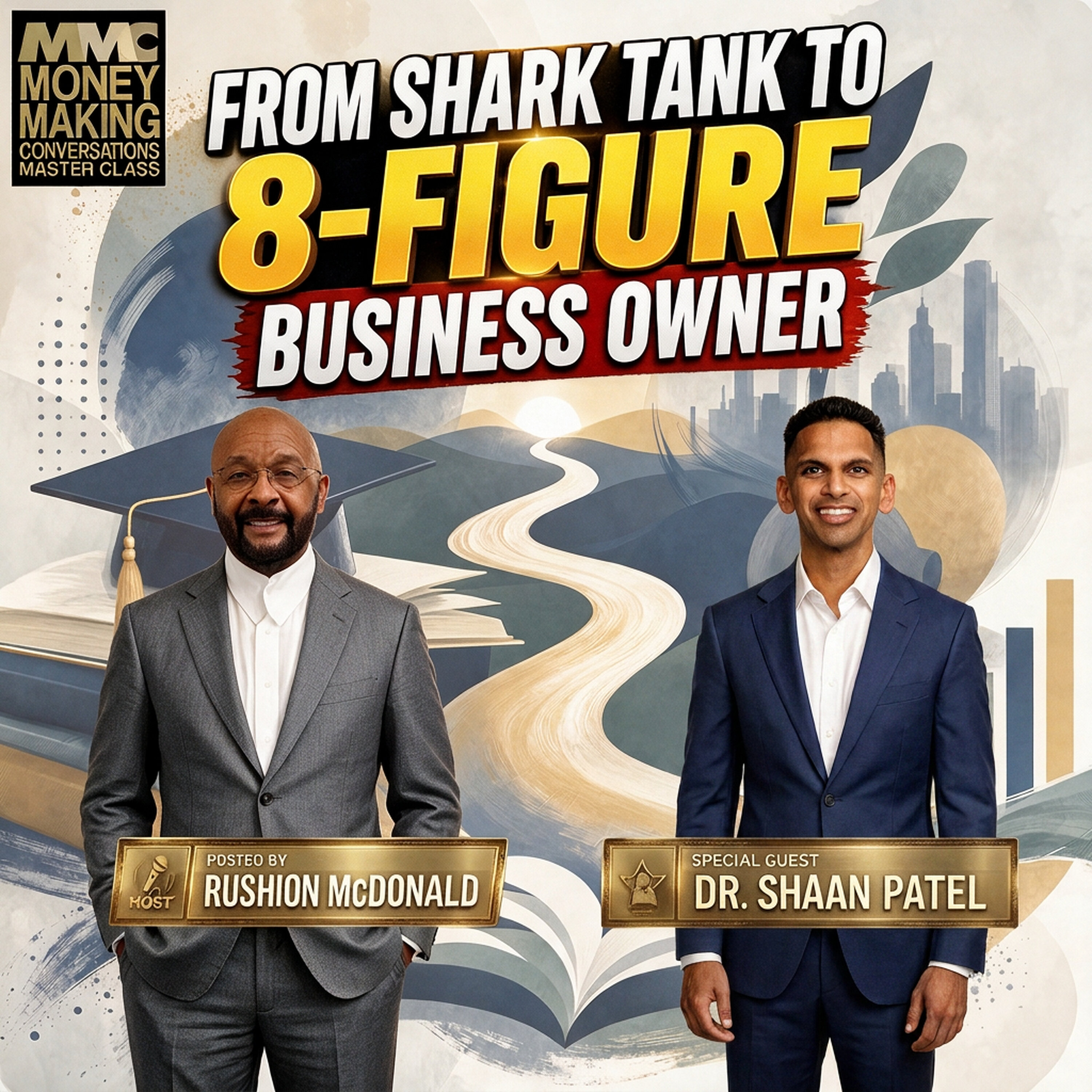
Money Talk: He shares his mission to help students unlock scholarship opportunities and academic success.
1w ago00:32:45Tap to summarizeListen and subscribe to Money Making Conversations on iHeartRadio, Apple Podcasts, Spotify, www.moneymakingconversations.com/subscribe/ or wherever you listen to podcasts. New Money Making Conversations episodes drop daily. I want to alert you, so you don’t miss out on expert analysis and insider perspectives from my guests who provide tips that can help you uplift the community, improve your financial planning, motivation, or advice on how to be a successful entrepreneur. Keep winning! Money Making Conversations Master Class with Rushion McDonald is America's premier entrepreneurship, business leadership, financial literacy, and wealth-building podcast featuring successful entrepreneurs, executives, founders, celebrities, and industry experts sharing actionable insights for professional and financial success. Business Podcast Entrepreneurship Small Business Business Growth Financial Literacy Wealth Building Black Entrepreneurs Minority Business Leadership Executive Leadership Business Funding Marketing Strategies Personal Development Startup Advice Sales Training CEO Interviews Founder Stories Professional Development Economic Empowerment Business Success Networking Brand Building Innovation How to start a business Small business funding Entrepreneur success stories Business leadership podcast Wealth building strategies Black entrepreneur podcast Minority business development Marketing for small businesses Business growth strategies Startup funding opportunities Executive leadership training Financial literacy education Success mindset podcast Two-time Emmy and Three-time NAACP Image Award-winning, television Executive Producer Rushion McDonald interviewed Dr. Shaan Patel. Founder and CEO of Prep Expert, a leading online test prep company. The conversation explores Patel’s journey from struggling test-taker to perfect SAT scorer, bestselling author, and successful entrepreneur. He shares how his personal experience inspired a mission to help students unlock scholarship opportunities and academic success.👨🏽‍🏫 About Dr. Shaan Patel• Founder & CEO of Prep Expert• Scored a perfect SAT after self-study• Secured over $500,000 in scholarships• Partnered with Mark Cuban after appearing on Shark Tank• Author of a bestselling SAT prep book published by McGraw-Hill💡 Key Themes & Takeaways📚 From Side Hustle to Scalable Business• Started Prep Expert in college dorm room• First course led to 376-point average score improvement• Grew from local classes to a national online platform• Now serves over 100,000 students with $100M+ in scholarships earned💻 Online Learning & Accessibility• Offers live, online SAT/ACT prep, tutoring, and admissions consulting• Courses taught by 99th percentile instructors• Emphasizes interactive, classroom-like experience with office hours and support• Adapted quickly to online learning post-COVID🎯 Mission-Driven Education• Brand motto: “Change your score, change your life”• Teaches life skills like time management and goal setting• Aims to eliminate student debt through scholarship access• Long-term goal: Help students earn $1 billion in scholarships📈 Entrepreneurial Lessons• Faced early rejection from publishers before landing a book deal• Used storytelling to stand out on Shark Tank• Built brand through word-of-mouth and authenticity• Now generates 2M+ annual website visits🌟 Vision for the Future• Expand impact through scholarships and mentorship• Continue empowering students to achieve academic and financial freedom• Promote meritocracy and the American dream through education. #SHMS #STRAW #BESTSee omnystudio.com/listener for privacy information.
Transcribe →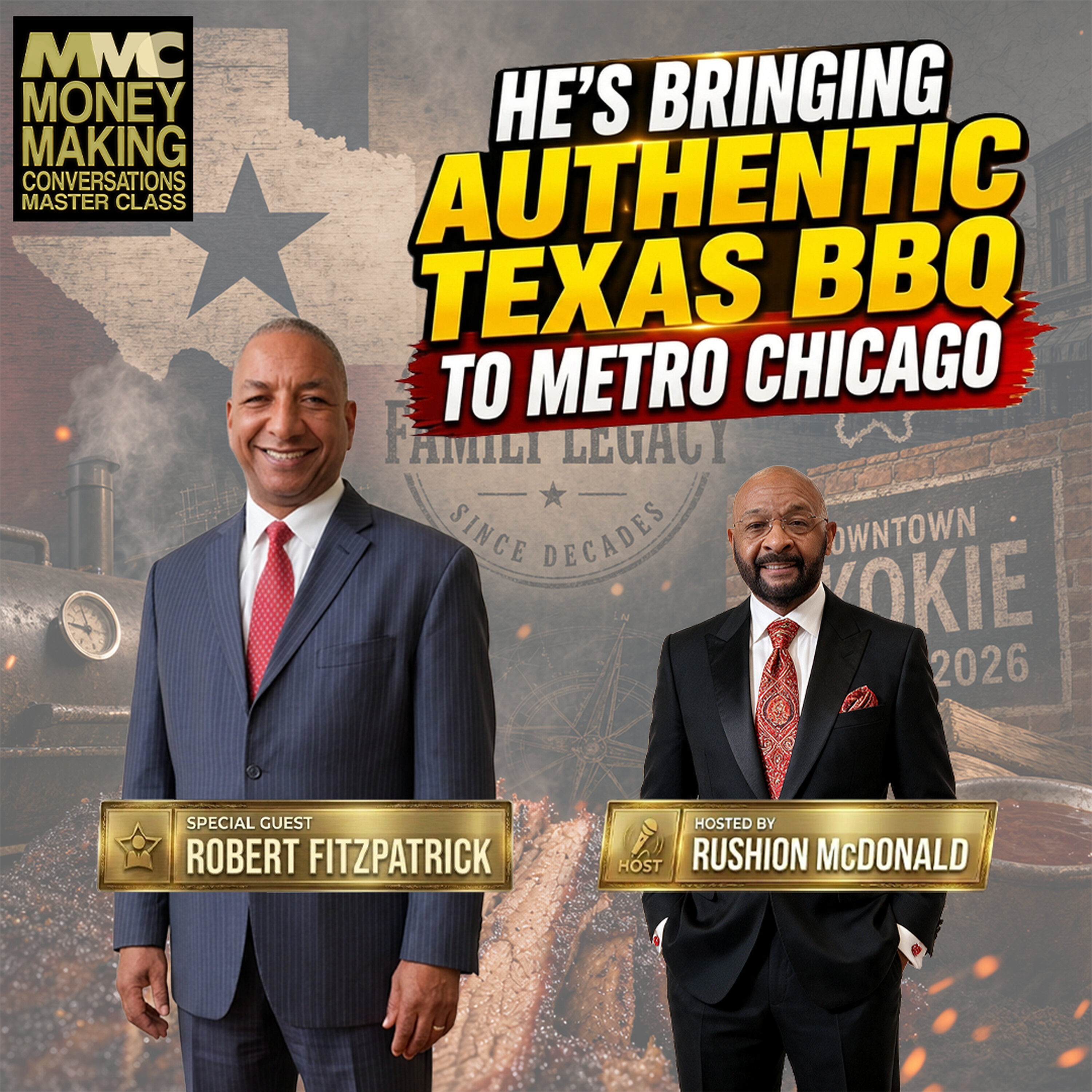
Family Legacy: His story showcases how family values can shape a business vision across generations.
1w ago00:27:57Tap to summarizeListen and subscribe to Money Making Conversations on iHeartRadio, Apple Podcasts, Spotify, www.moneymakingconversations.com/subscribe/ or wherever you listen to podcasts. New Money Making Conversations episodes drop daily. I want to alert you, so you don’t miss out on expert analysis and insider perspectives from my guests who provide tips that can help you uplift the community, improve your financial planning, motivation, or advice on how to be a successful entrepreneur. Keep winning! Money Making Conversations Master Class with Rushion McDonald is America's premier entrepreneurship, business leadership, financial literacy, and wealth-building podcast featuring successful entrepreneurs, executives, founders, celebrities, and industry experts sharing actionable insights for professional and financial success. Business Podcast Entrepreneurship Small Business Business Growth Financial Literacy Wealth Building Black Entrepreneurs Minority Business Leadership Executive Leadership Business Funding Marketing Strategies Personal Development Startup Advice Sales Training CEO Interviews Founder Stories Professional Development Economic Empowerment Business Success Networking Brand Building Innovation How to start a business Small business funding Entrepreneur success stories Business leadership podcast Wealth building strategies Black entrepreneur podcast Minority business development Marketing for small businesses Business growth strategies Startup funding opportunities Executive leadership training Financial literacy education Success mindset podcast Two-time Emmy and Three-time NAACP Image Award-winning, television Executive Producer Rushion McDonald interviewed Robert Fitzpatrick. A Navy veteran, business consultant, fraternity brother (ΩΨΦ), and now the owner reviving his family’s historic Texas barbecue legacy. The conversation dives deeply into Fitzpatrick’s upbringing, his father’s groundbreaking barbecue business in 1950s Texas, his educational and military journey, his corporate career, and his decision to launch Dewey’s Barbecue Market in Skokie, Illinois—honoring his father’s original recipes and values. The interview blends entrepreneurship, legacy, cultural history, and personal transformation, while highlighting the courage of Fitzpatrick’s father and the humility and faith-driven foundation of his family. Purpose of the Interview The interview aims to: 1. Inspire entrepreneurship and legacy-building Fitzpatrick’s story showcases how family heritage and values can shape a business vision across generations. 2. Highlight resilience, faith, and leadership His upbringing in a household rooted in Christian humility, strong expectations, and boundary-breaking courage provides a blueprint for character-driven success. 3. Educate listeners on transitioning careers Fitzpatrick exemplifies pivoting from engineering and corporate consulting to pursuing passion-driven entrepreneurship. 4. Promote Dewey’s Barbecue Market The interview introduces the Chicago-area community—especially the Skokie region—to his upcoming restaurant built on a 70-year-old Texas barbecue tradition. Key Takeaways 1. A powerful family legacy rooted in courage Fitzpatrick’s father, Dewey, opened a barbecue restaurant in 1951—before desegregation—and insisted that Blacks and whites could eat together. He enforced respect and safety in his establishment, even confronting racist patrons. 2. Education was non-negotiable in the Fitzpatrick household Robert is the youngest of seven siblings, all college graduates; five hold master’s degrees. He himself holds an MBA and an MS in Management Information Systems. 3. A bridge between technology and business Fitzpatrick spent decades in consulting with major firms (EDS, Dell, Arthur Andersen, KPMG) focusing on business process improvement. His dual MS/MBA made him a translator between tech and finance. 4. Military discipline shaped his personal and professional life Served in the U.S. Navy from 1986–1990, plus reserve duty (including deployment to Iraq). Balanced military service with graduate studies and advancing his corporate career. 5. A calling to revive his father’s barbecue His wife recognized his talent early, telling him for years he should be barbecuing. A shortage of good Texas barbecue in Virginia pushed him to recreate his father’s recipes. 6. Skokie, Illinois: the ideal launchpad After moving to the Great Lakes Naval Base area for a federal role, Fitzpatrick began scouting locations. Skokie offered: active support from city leadership grants an ideal building community enthusiasm 7. Dewey’s Barbecue Market offerings Meats: brisket, sausage, hot links, smoked boudin (monthly special) Sides: potato salad (egg/mayo base), pineapple vinegar coleslaw, fried okra, smoked pinto beans Desserts: apple cobbler, blueberry cobbler, sweet potato pie, possibly fried pies Bread: sliced “light bread” for dipping—traditional Texas style Experience: dine-in with 60s–80s “feel-good” music 8. A commitment to doing things the right way Fitzpatrick refuses to launch unless he can deliver “the best product on the planet.” Focuses on simplicity, authenticity, and quality. Notable Quotes About his father and legacy “He said anybody who wants to eat here can eat here.”(His father defying segregation laws in the 1950s.) “I can call an undertaker or an ambulance. Which one do you prefer?”(Dewey enforcing respect from a belligerent white customer.) “That was my barbecue.”(On being raised around his father’s legendary pit.) About family and humility “We are firmly rooted in Christ. If you try to get too big, He has a way of humbling you.” “Seven kids, all with degrees… that’s normal to you. But we know that’s not normal.”(McDonald highlighting the family’s extraordinary achievement.) About his calling “If I didn’t think I was bringing the best product on the planet, I wouldn’t even do it.” “My wife tasted the barbecue and said, ‘This is what you need to be doing.’” About launching in Skokie “They really want me to be there… the economic development team didn’t treat it like just another restaurant.” Short 3–5 Sentence Summary (For Quick Use) In his interview with Rushion McDonald, Robert Fitzpatrick shares his journey from Navy veteran and Fortune 500 consultant to entrepreneur reviving his family’s historic Texas barbecue. He describes growing up with a courageous father who defied segregation in 1951 by serving Black and white customers together, and a family culture steeped in education, discipline, and humility. Fitzpatrick’s passion for barbecue and encouragement from his wife led him to bring his father’s 70-year-old recipes to Skokie, Illinois through Dewey’s Barbecue Market. The interview emphasizes legacy, faith, courage, and the pursuit of purpose. #SHMS #STRAW #BEST #AMISee omnystudio.com/listener for privacy information.
Transcribe →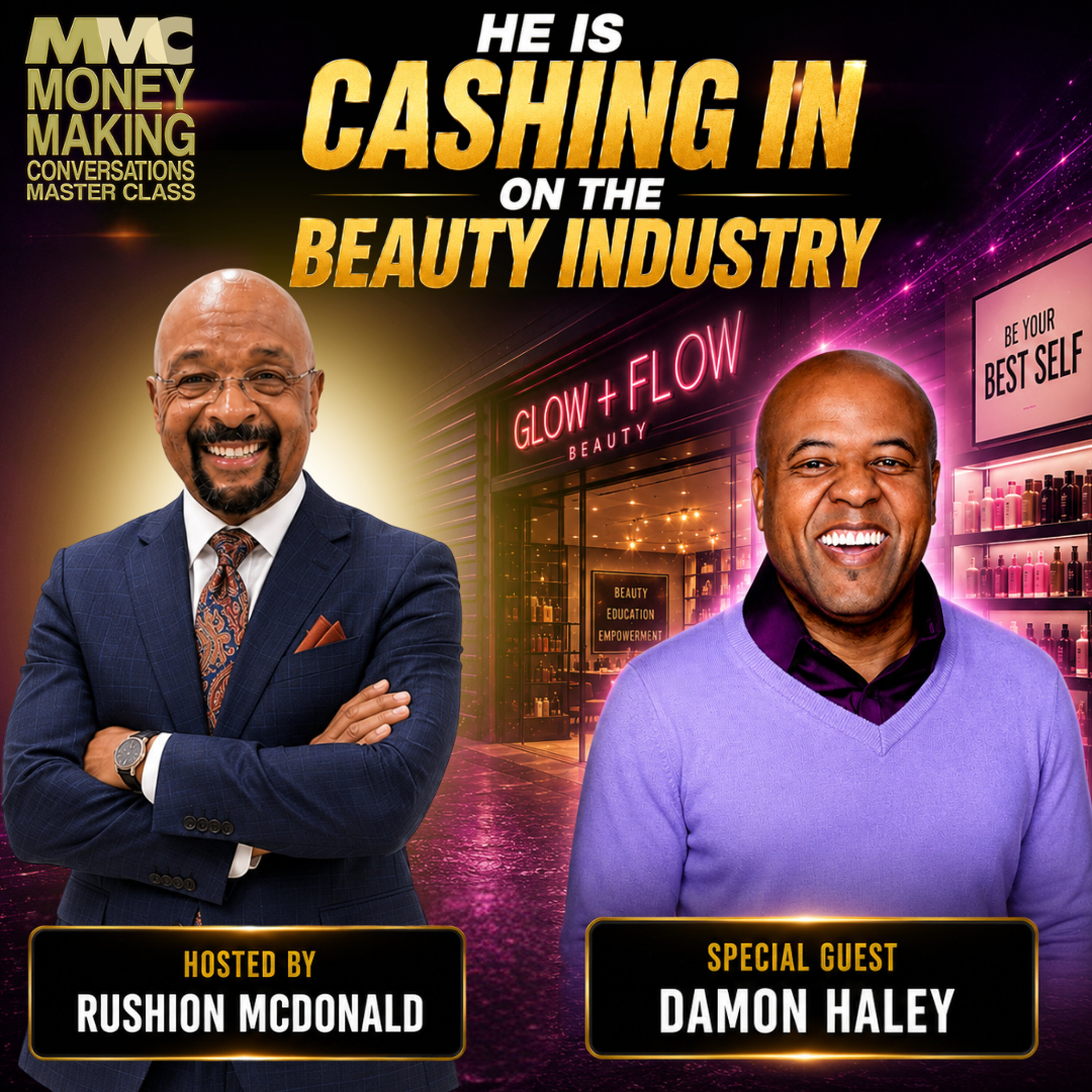
Overcoming Haters: He shares personal experiences of overcoming naysayers and trusting his instincts.
1w ago00:23:58Tap to summarizeListen and subscribe to Money Making Conversations on iHeartRadio, Apple Podcasts, Spotify, www.moneymakingconversations.com/subscribe/ or wherever you listen to podcasts. New Money Making Conversations episodes drop daily. I want to alert you, so you don’t miss out on expert analysis and insider perspectives from my guests who provide tips that can help you uplift the community, improve your financial planning, motivation, or advice on how to be a successful entrepreneur. Keep winning! Money Making Conversations Master Class with Rushion McDonald is America's premier entrepreneurship, business leadership, financial literacy, and wealth-building podcast featuring successful entrepreneurs, executives, founders, celebrities, and industry experts sharing actionable insights for professional and financial success. Business Podcast Entrepreneurship Small Business Business Growth Financial Literacy Wealth Building Black Entrepreneurs Minority Business Leadership Executive Leadership Business Funding Marketing Strategies Personal Development Startup Advice Sales Training CEO Interviews Founder Stories Professional Development Economic Empowerment Business Success Networking Brand Building Innovation How to start a business Small business funding Entrepreneur success stories Business leadership podcast Wealth building strategies Black entrepreneur podcast Minority business development Marketing for small businesses Business growth strategies Startup funding opportunities Executive leadership training Financial literacy education Success mindset podcast Two-time Emmy and Three-time NAACP Image Award-winning, television Executive Producer Rushion McDonald interviewed Damon Haley Co‑founder of Glow and Flow Beauty, discussing his transition from entertainment and sports marketing into the beauty-supply industry, his mission to elevate service for Black and Brown communities, and the franchising model he is rolling out nationwide. Hosted by Rushion McDonald on Money Making Conversations Masterclass, the conversation highlights Haley’s business philosophy, community-driven approach, and long-term vision to create ownership opportunities through franchising. 🎯 Purpose of the Interview The interview aims to: 1. Highlight Damon Haley’s entrepreneurial journey How he moved from high-level event production and marketing (Nike, Pepsi, Coke) into beauty retail. 2. Explain why the beauty-supply industry needs Black ownership Haley outlines the disconnect between Black consumer spending and the lack of Black-owned beauty-supply stores. 3. Promote Glow and Flow Beauty’s mission A service-first retail model designed to uplift, educate, and serve Black and Brown consumers with dignity. 4. Introduce Glow and Flow’s franchising opportunity Haley frames franchising as a path for individuals to enter business ownership with support and a proven model. 5. Inspire listeners to embrace change and pursue entrepreneurship He shares personal experiences overcoming naysayers and trusting his instincts. 📌 Key Takeaways from the Interview 1. The Beauty Industry Is a Huge, Under-Owned Space for Black Entrepreneurs Black consumers spend heavily on beauty, but historically have not owned the supply-chain or retail footprint. Haley wants to change that by bringing ownership and pride back to local communities. 2. Glow and Flow Beauty Focuses on Service, Experience, and Community The stores celebrate culture (Breast Cancer Month, Black History Month, Hispanic Heritage Month). Customer care is central—Haley emphasizes smiles, water for coughing customers, and creating “fabulousness.” 3. Franchising Eliminates the “Start From Zero” Problem Haley believes franchising is more accessible than starting independently because: You get a proven model. You get supply-chain support. You avoid costly mistakes. 4. Hair Is the Cornerstone of the Business Glow and Flow launched its own synthetic hair brand, SLAY (with 3 Ys). Synthetic hair dominates due to affordability. Human hair is sourced from Asia, Africa, and Southeast Asia. 5. Inventory & Capital Are Major Barriers to Entry Beauty supply requires heavy up‑front inventory investment. Glow and Flow stays heavily stocked to maintain customer trust. 6. Data + Marketing Experience = Competitive Advantage Haley leverages his corporate marketing background (Nike, Foot Locker) to optimize retail presentation, customer experience, and product mix. 7. His Long-Term Vision: 40 Stores Nationwide His exit strategy is to build 40 Glow and Flow stores (McDonald jokes he’d smile at 100). 8. E-commerce and Community Outreach Expand Their Reach GlowAndFlowBeauty.com sells products and SLAY hair online, with shipping and local pickup. Stores support community fundraisers by including materials in shoppers’ bags (up to 5,000 per month). 💬 Notable Quotes (From the Transcript) On the power of beauty in the community “When we look good, we feel good. When we feel good, we be good, we do good.” On why Black beauty ownership matters “We’re buyers… we’re consumers… we just don’t own.” On moving into the beauty industry “We’ve had the short end of the stick — not only from recycling our Black dollars, but the concept of service.” On franchising “You don’t start from zero with a franchise… you have a corporation behind you.” On entrepreneurship and criticism “There’s jealous, envy, and naysayers… but I’ve never been fearful of change.” On customer service “I try to give you other stuff… I give you a smile… if you cough, I’m gonna give you some water.” On the importance of hair “Hair is the cornerstone of our beauty industry.” On long-term ambitions “I would love to have maybe 40 Glow and Flows nationwide.” #SHMS #BEST #STRAWSee omnystudio.com/listener for privacy information.
Transcribe →
Career Change: She shares her journey from bedside care to building a six-figure business.
1w ago00:28:31Tap to summarizeListen and subscribe to Money Making Conversations on iHeartRadio, Apple Podcasts, Spotify, www.moneymakingconversations.com/subscribe/ or wherever you listen to podcasts. New Money Making Conversations episodes drop daily. I want to alert you, so you don’t miss out on expert analysis and insider perspectives from my guests who provide tips that can help you uplift the community, improve your financial planning, motivation, or advice on how to be a successful entrepreneur. Keep winning! Money Making Conversations Master Class with Rushion McDonald is America's premier entrepreneurship, business leadership, financial literacy, and wealth-building podcast featuring successful entrepreneurs, executives, founders, celebrities, and industry experts sharing actionable insights for professional and financial success. Business Podcast Entrepreneurship Small Business Business Growth Financial Literacy Wealth Building Black Entrepreneurs Minority Business Leadership Executive Leadership Business Funding Marketing Strategies Personal Development Startup Advice Sales Training CEO Interviews Founder Stories Professional Development Economic Empowerment Business Success Networking Brand Building Innovation How to start a business Small business funding Entrepreneur success stories Business leadership podcast Wealth building strategies Black entrepreneur podcast Minority business development Marketing for small businesses Business growth strategies Startup funding opportunities Executive leadership training Financial literacy education Success mindset podcast Two-time Emmy and Three-time NAACP Image Award-winning, television Executive Producer Rushion McDonald, interviewed Dr. Farah Laurent. A former emergency room nurse turned entrepreneur and career coach, shares her journey from bedside care to building a six-figure business helping new nurses land high-paying jobs and launch their own ventures. The conversation explores nursing as a lucrative and flexible career path, the importance of mindset, and the power of personal branding. 🔑 Key Points 💼 Career Journey & Motivation Dr. Laurent was inspired by the TV show Trauma: Life in the E.R. to become an emergency nurse. She worked 13 years in ER nursing, including at a Level 1 trauma center in Detroit. Transitioned into education and leadership before launching her coaching business. 💰 Nursing as a High-Income Career New nurses in cities like NYC and Northern California can earn $100K–$175K starting salaries. National average is around $70K, but opportunities vary by region and specialization. Nurse anesthetists can earn $200K–$300K+. “New graduate nurses today… are making baseline at least $100,000, up to $175K.” 🧠 Mindset & Coaching Emphasizes abundance mindset over scarcity. Coaches nurses on resume writing, interview prep, and personal branding. Encourages nurses to invest in themselves through coaching and professional development. “If I can do it, you can do it too. It all starts with an idea and the mindset.” 📈 Entrepreneurship for Nurses Nurses are increasingly turning to consulting, coaching, and telehealth for flexibility. Dr. Laurent founded the Nurses Making Money Moves conference and authored a workbook by the same name. Organized her first conference in just 10 weeks, attracting 70 nurses from 20 states. “You’re using your intellectual property—what you already know—to monetize.” 🌍 Diversity & Representation Advocates for racial, gender, and linguistic diversity in nursing and leadership. Notes that patient outcomes improve when care providers reflect the communities they serve. “We need more diversity in nursing and nursing leadership to close the gaps in healthcare inequalities.” 💡 Advice for New Nurses Get clear on your goals and ideal work environment. Prepare thoroughly for interviews—don’t wing it. Build a strong LinkedIn presence—95% of recruiters check it. Negotiate: Know your worth, research salaries, and pitch your value. “Don’t just settle. Go after what you want.” 🚩 Red Flags in Job Offers Disorganized interview process Unwelcoming management High turnover Rushed job offers without clarity on responsibilities 📣 Closing Quote “Nurses are big problem solvers. Find the problem you want to solve and go for it.” #SHMS #STRAW #BESTSee omnystudio.com/listener for privacy information.
Transcribe →
Money Talk: Educate listeners—especially minorities—on wealth building and financial literacy.
1w ago00:23:43Tap to summarizeListen and subscribe to Money Making Conversations on iHeartRadio, Apple Podcasts, Spotify, www.moneymakingconversations.com/subscribe/ or wherever you listen to podcasts. New Money Making Conversations episodes drop daily. I want to alert you, so you don’t miss out on expert analysis and insider perspectives from my guests who provide tips that can help you uplift the community, improve your financial planning, motivation, or advice on how to be a successful entrepreneur. Keep winning! Money Making Conversations Master Class with Rushion McDonald is America's premier entrepreneurship, business leadership, financial literacy, and wealth-building podcast featuring successful entrepreneurs, executives, founders, celebrities, and industry experts sharing actionable insights for professional and financial success. Business Podcast Entrepreneurship Small Business Business Growth Financial Literacy Wealth Building Black Entrepreneurs Minority Business Leadership Executive Leadership Business Funding Marketing Strategies Personal Development Startup Advice Sales Training CEO Interviews Founder Stories Professional Development Economic Empowerment Business Success Networking Brand Building Innovation How to start a business Small business funding Entrepreneur success stories Business leadership podcast Wealth building strategies Black entrepreneur podcast Minority business development Marketing for small businesses Business growth strategies Startup funding opportunities Executive leadership training Financial literacy education Success mindset podcast Two-time Emmy and Three-time NAACP Image Award-winning, television Executive Producer Rushion McDonald interviewed Sonia Balfour Fears. 🎯 Purpose of the Interview The interview is designed to: Educate listeners—especially minorities—on wealth building and financial literacy Address the Black wealth gap and how to close it Provide practical, accessible investing guidance for beginners and experienced individuals alike Encourage people to start planning their financial future now, regardless of income level or age At its core, the conversation blends education, empowerment, and actionable financial advice. 🧠 Key Takeaways 1) Closing the Black wealth gap requires education and access Fears emphasizes that the gap can only close through: Financial literacy Access to opportunities Representation in finance 👉 Insight: Understanding money—not just earning it—is critical. 2) Discipline and mindset drive wealth-building Wealth is not just about income—it’s about consistent habits and intentional behavior. She compares financial discipline to health habits (waking early, exercising). 👉 Insight: Wealth-building is behavioral, not accidental. 3) Everyone needs financial guidance Across all ages and professions: People lack a financial roadmap Even high earners (athletes, doctors, business owners) need guidance 👉 Insight: Expertise in one field ≠ financial expertise. 4) Investing is increasing—but guidance is lagging More minorities are entering investing (stocks, crypto) But fewer are working with financial professionals 👉 Insight: Participation is growing, but strategy is often missing. 5) Start with savings before investing Core rule: Build an emergency fund first Single: 6 months of expenses Couples: 3 months Invest only after financial stability is established 👉 Insight: Investing without a safety net is risky. 6) You can start small—just start You don’t need large capital to begin Starting points: $100/month $1,000—whatever is feasible 👉 Insight: Time in the market matters more than initial size. 7) Avoid chasing “hot stocks” Fears discourages: Short-term speculation Betting on 1–2 stocks Recommends: Diversification Index funds (e.g., S&P 500) 👉 Insight: Long-term strategy beats hype-driven investing. 8) Understand your risk tolerance Investment decisions depend on personality and comfort with risk: Aggressive → more stocks Conservative → more fixed income 👉 Insight: Strategy must align with behavior. 9) Financial education is more accessible than ever People can: Google concepts Attend free seminars Lack of access is less of a barrier today 👉 Insight: The responsibility to learn is now more personal. 10) It’s never too late to start investing Even someone near 60 can: Have decades of investing ahead Age should not stop financial planning 👉 Insight: Financial growth timelines are longer than people think. 11) Dividend stocks are a strong income strategy In today’s market: Dividend stocks often outperform bonds for income 👉 Insight: Income investing strategies are evolving. 12) Cryptocurrency requires caution High volatility Recommended only for: Accredited investors Those with significant disposable assets 👉 Insight: High reward comes with high risk—don’t overexpose. 💬 Notable Quotes On wealth-building mindset “It’s the discipline… to be intentional about understanding what your money can do for you.” On financial literacy and closing the gap “We need more people who look like us to understand the different components of building wealth.” On universal need for guidance “They all want and need guidance… they don’t really know.” On starting small “You start where you are.” On emergency savings “We have to start with savings.” On investing strategy “We primarily focus on longer-term investing.” On diversification “It’s all about asset allocation.” On lifelong investing “It is definitely not too late…” On access to knowledge “The information is out there now… you can Google it.” ✅ Bottom Line The interview reinforces a simple but powerful message: 👉 Wealth-building is accessible—but requires education, discipline, and intentional action. It reframes investing from: intimidating → understandable exclusive → accessible short-term → long-term And most importantly: 👉 Anyone can start—right now. #SHMS #BEST #STRAWSee omnystudio.com/listener for privacy information.
Transcribe →