
Podcast
Mongabay Newscast
Hosted by Mongabay · EN
News and inspiration from nature’s frontline, featuring inspiring guests and deeper analysis of the global environmental issues explored every day by the Mongabay.com team, from climate change to biodiversity, tropical ecology, wildlife, and more. The show airs every other week.
10episodes
Episodes
Newest firstAll episodes

Understanding the psychology of environmental crime
Oct 2100:50:34Tap to summarizePsychologist and true crime presenter Julia Shaw joins Mongabay's podcast to discuss her latest read, examining some of the highest-profile environmental crimes and why they occur, in Green Crime: Inside the Minds of the People Destroying the Planet and How to Stop Them. She details the commonalities behind six major cases, and what can be learned from them, as described by six motivating factors: ease, impunity, greed, rationalization, conformity, and desperation. "As a psychologist, I was like, ‘What if we create a psychological profile of the various people involved with these various big crimes?’ And so that's how I came to the Six Pillars because I was using a model from criminology, which is called Situational Crime Prevention Theory, and of looking at the factors that contribute to a crime being committed," she says. Find the Mongabay Newscast wherever you listen to podcasts, from Apple to Spotify. All past episodes are also listed here at the Mongabay website. Related Listening & Viewing: Watch Mongabay’s webinar on How to Cover Wildlife Trafficking featuring expertise from the Environmental Investigation Agency (EIA). Hear activist Paul Rosolie detail his operation which employs former loggers to be conservationists. Listen to Cambridge researcher Luke Kemp describe how society can tackle inequality and save nature. Image Credit: Photo of the author, Julia Shaw. Photo by Boris Breuer. --- Timecodes (00:00) From eco-depression to action (05:29) Why people commit environmental crimes (12:08) The ‘unsung heroes’ defending the environment (18:21) It’s not just greed (24:43) Whistleblowers and regulators are key (36:53) Towards consistent enforcement (42:02) Our biospheric values play a role
Transcribe →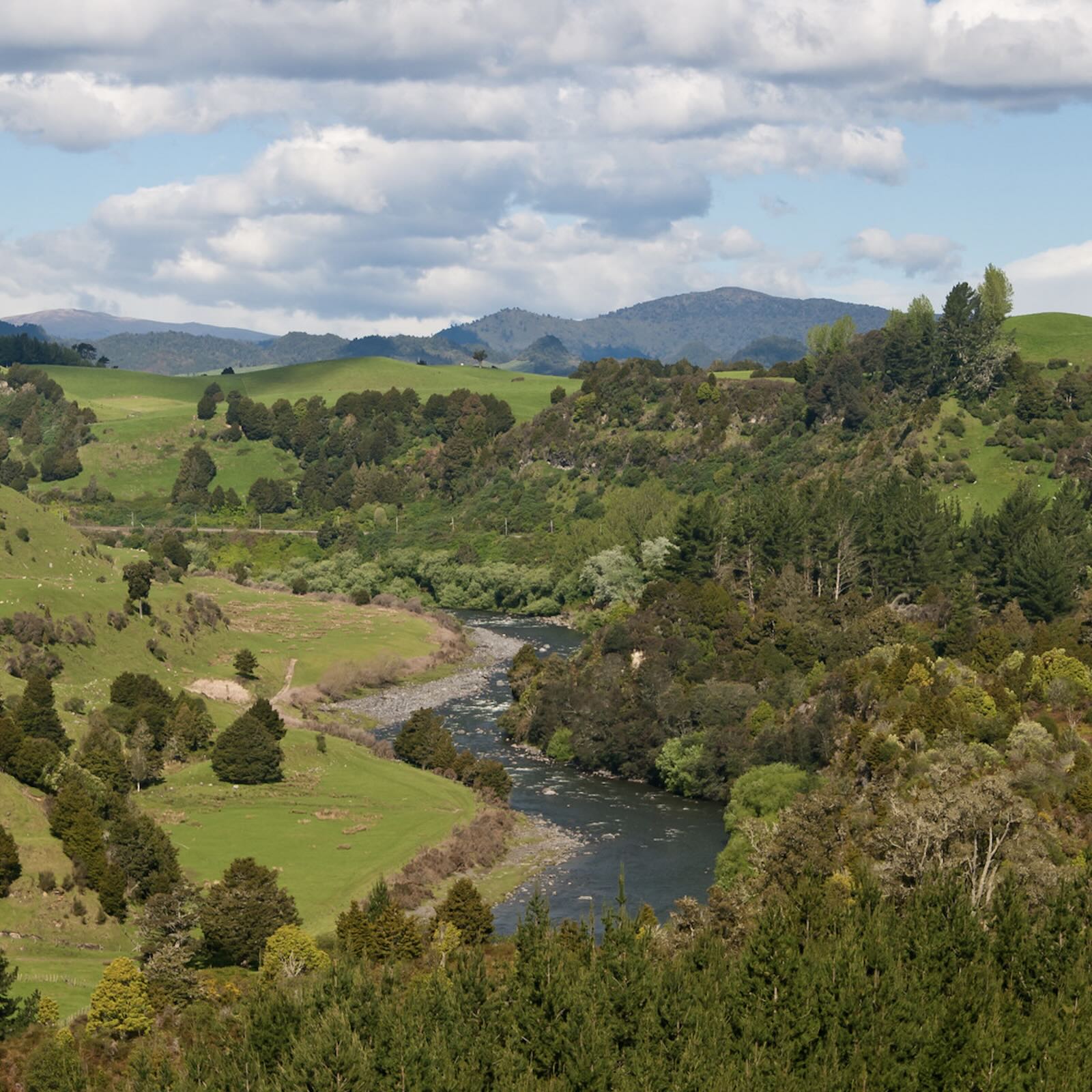
Innovative initiatives for nature recognized with World Future Policy Awards
Oct 1400:43:22Tap to summarizePolicies enacted by seven nations and one international agreement have been recognized by the World Future Council for “top policy solutions for [humans], nature and generations to come.” On this edition of Mongabay’s podcast, the council’s CEO, Neshan Gunasekera, shares key highlights of the eight World Future Policy Award laureates. Under the theme of “Living in Harmony with Nature and Future Generations,” the winners for 2025 “bring to light the future orientation of the way we take decisions at [a] time that there are multiple crises facing ourselves as a species, but also the planet,” he says. The winning legal and legislative initiatives span seven nations, from South Africa to Uganda, Panama, Spain, Aotearoa New Zealand, Bhutan and Austria. The Biodiversity Beyond National Jurisdiction Agreement (BBNJ), which establishes a binding U.N. treaty on the use of ocean resources beyond national borders, was among the initiatives awarded. The movement that granted legal personhood to the Whanganui River in Aotearoa New Zealand was also recognized. Both of these cases were previously the focus of Mongabay Newscast episodes hosted by Rachel Donald. “Nature doesn't need us, we need nature,” Gunasekera says. “And I think that's the realization we are coming to quite slowly, because any act that we have has a positive impact on the planet. But also, if you're not careful, every act could have a negative impact. Impact on nature has no national boundaries or borders. It has a global impact.” Find the Mongabay Newscast wherever you listen to podcasts, from Apple to Spotify. All past episodes are also listed here at the Mongabay website. Image Credit: The wide, steep-cliffed Whanganui River ferries spring water and snowmelt from Mount Tongariro to the west coast of Aotearoa New Zealand’s North Island. Image by Jason Pratt via Flickr (CC BY 2.0) ------- Timecodes (00:00) The World Future Policy Awards (10:48) The global impact of ‘Rights of Nature’ laws (14:15) Addressing the criticisms of ‘Rights of Nature’ (27:17) Human rights and global enforcement (36:16) The global impact award
Transcribe →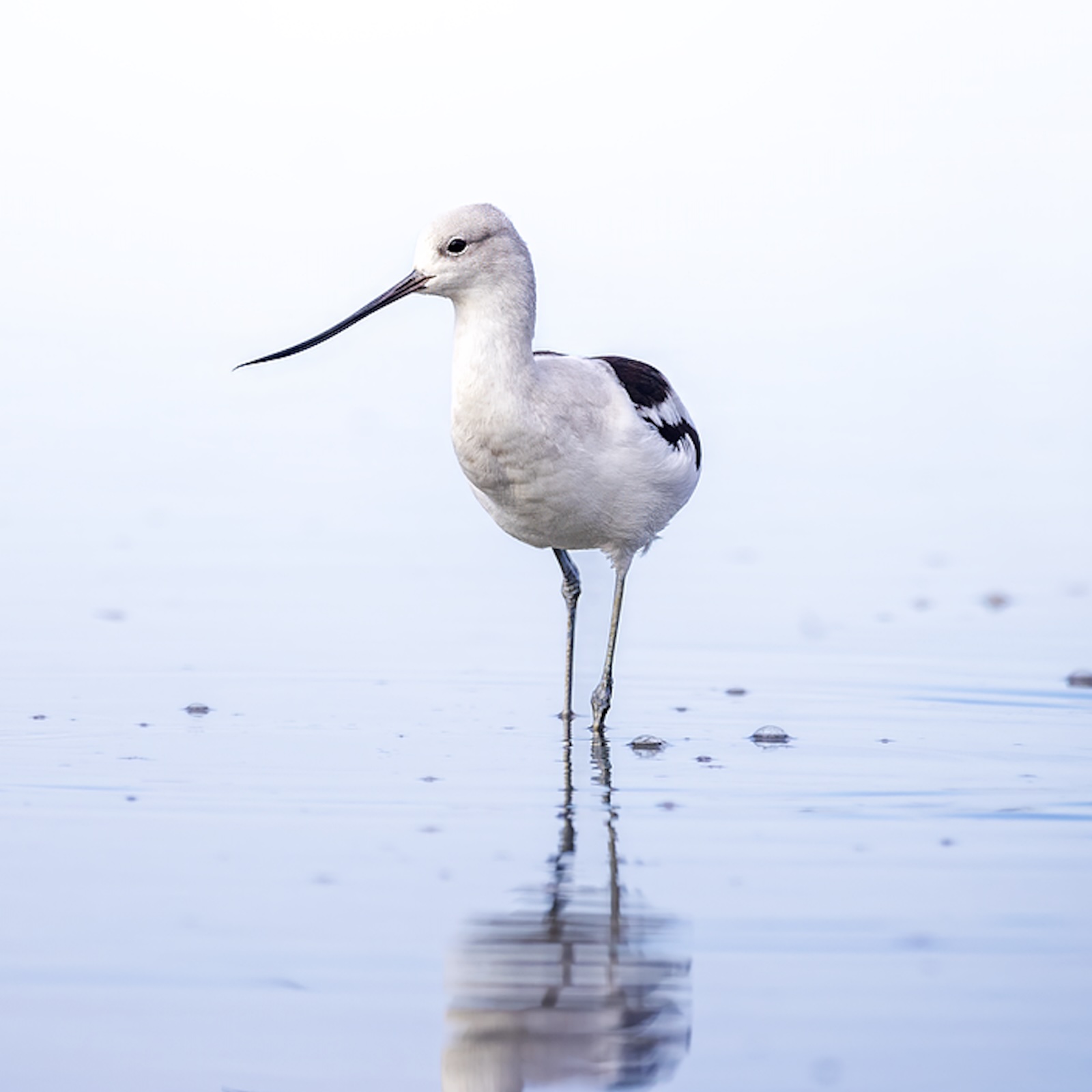
Bird-watching’s wide appeal and social justice impact
Oct 700:41:49Tap to summarizeWildlife biologist and ornithologist Corina Newsome of the U.S. NGO National Wildlife Federation joins Mongabay’s podcast to discuss how bird-watching plays a role in environmental justice for underserved communities in urban areas, and provides an accessible way for people to connect with nature and drives impactful change. “Birding is an opportunity [for] people to fill in data gaps where they live [to] help direct investments that come from the world of conservation … from federal to state to local levels that have usually been funneled away from their communities,” she says on this episode. Newsome says that birding changed her own life, and she’s hopeful it can also change the world, because bird health has direct implications for biodiversity health at large. “ What birds require of us will benefit us in ways that are far beyond bird conservation. We can work together to solve problems and think about the ecological emergency and environmental harms are taking place across landscapes, across boundaries,” she says. Find the Mongabay Newscast wherever you listen to podcasts, from Apple to Spotify. All past episodes are also listed here at the Mongabay website. Thumbnail image: American Avocet. Image by Michael Barry via Pixabay (Pixabay Content License). ------ Timecodes (00:00) Corina Newsome: Wildlife biologist and ornithologist (04:08) Birding changes your life (14:21) Birding, environmental and social justice (26:48) Birds as symbols of hope and resilience
Transcribe →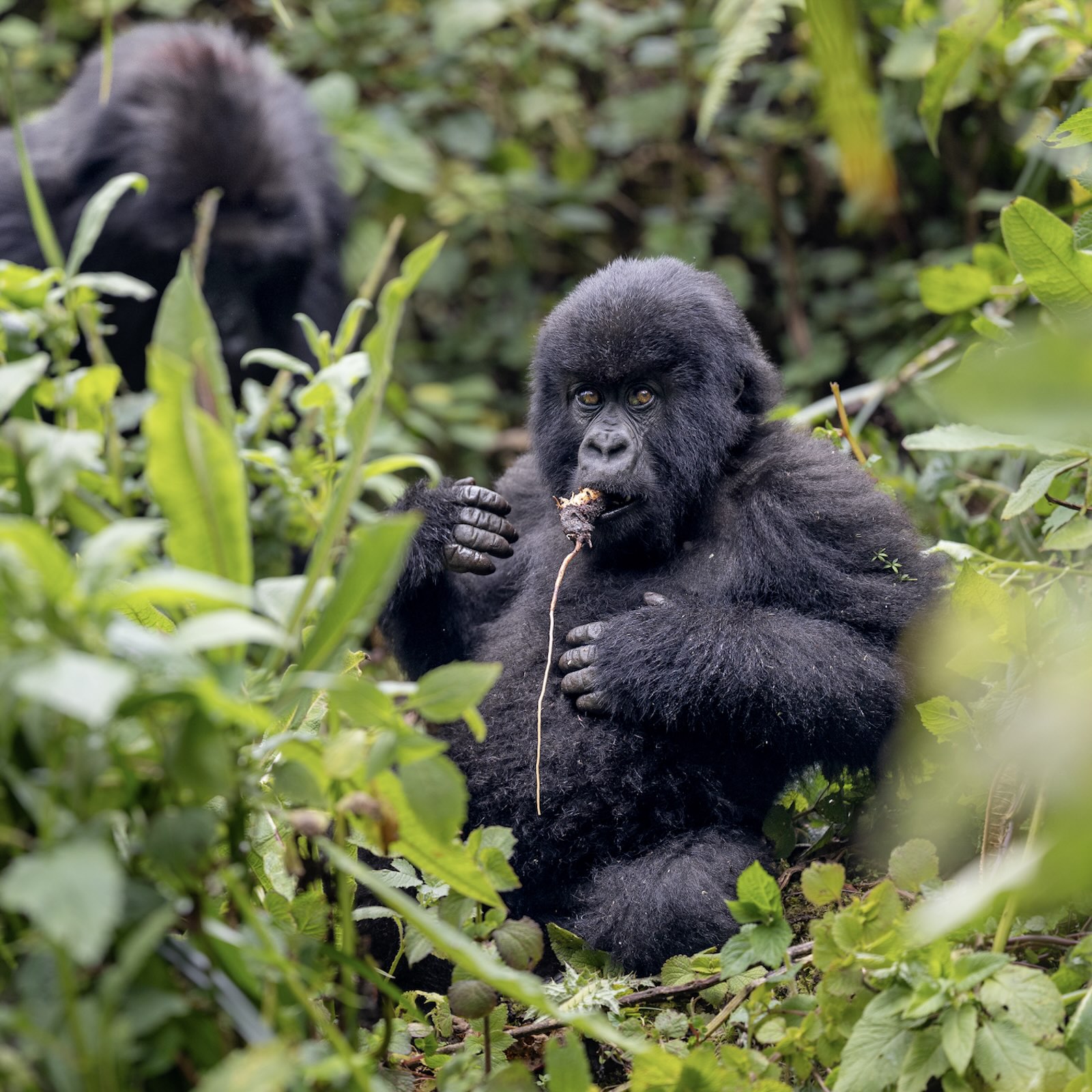
Storytelling with wildlife photography drives global impact and healing
Sep 3000:47:12Tap to summarizeOn this episode of Mongabay’s weekly podcast, we look at nature through the lens of wildlife photographer and senior marketing associate at Mongabay, Alejandro Prescott-Cornejo, the multilingual staffer charged with sharing the team’s reporting and mission with the world. Prescott-Cornejo details how his work with Mongabay intersects with his passion for wildlife photography, what makes a good photo, and how anyone can connect with nature by getting to know their own “local patch.” “There are so many beautiful things, whether big or small, that can be very, very close to you — and you don't need to go photograph the biggest animals, just photograph what's close,” he says. His photography — along with images created by three of his colleagues, including Mongabay founder and CEO Rhett A. Butler — is currently on display at an exhibition at the Linden Street Gallery near Boston. The show’s theme of “Biophilia,” which celebrates humanity's love for nature, also refers to Mongabay’s recent receipt of the Biophilia Award for Environmental Communication, and is on view until Nov. 4, 2025. Readers and podcast listeners are invited to showcase their own wildlife photography by entering Mongabay’s “Wildlife Wonders” photo contest: starting on Oct. 1, just post your best wildlife image at Instagram and tag it with #MongabayWildlifeWonders and @mongabay in the description for a chance to be featured. The contest will accept entries until Oct. 22. Find the Mongabay Newscast wherever you listen to podcasts, from Apple to Spotify. All past episodes are also listed here at the Mongabay website. Image Credit: Mountain gorillas by Alejandro Prescott-Cornejo for Mongabay. ---- Timecodes (00:00) Alejandro’s connection with multiple languages (07:27) Why Alejandro finds healing in nature (12:59) Get to know your “local patch” (19:37) Ethical concerns of photography (24:34) What makes a good photo? (29:58) Alejandro’s work for Mongabay (32:50) The Biophilia exhibit, and visiting a gorllia (41:32) Alejandro’s favorite landscape
Transcribe →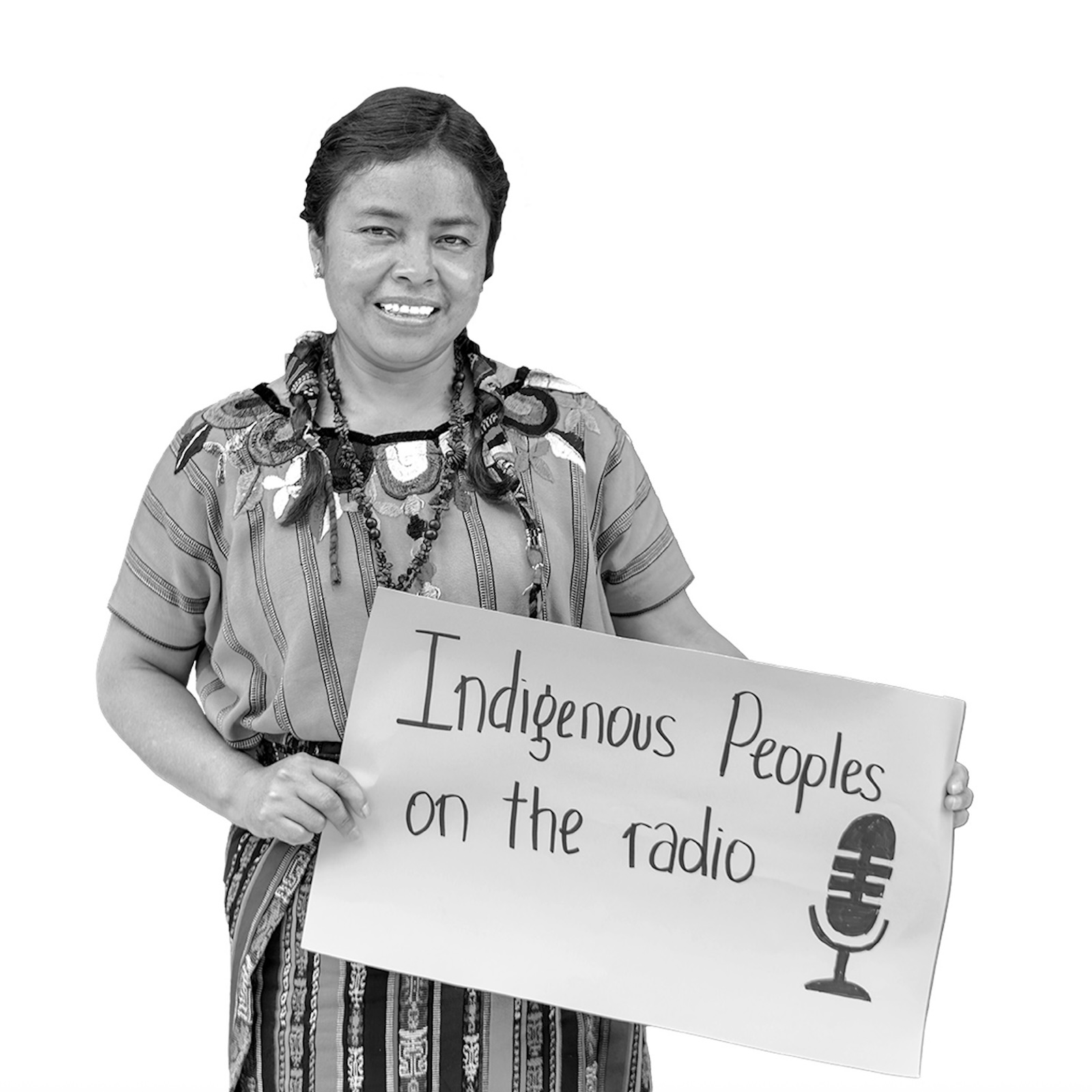
Stewarding nature & Indigenous culture with shared knowledge & radio
Sep 2401:03:06Tap to summarizeAimee Roberson, executive director of Cultural Survival, joins Mongabay’s podcast to discuss how her organization helps Indigenous communities maintain their traditions, languages and knowledge while living among increasingly Westernized societies. As a biologist and geologist with Indigenous heritage, Roberson is uniquely suited to lead the organization in bridging these worlds, including via “two-eyed seeing,” which blends traditional ecological knowledge and Western science to increase humanity’s ways of knowing, toward a view of people as active participants in shaping the natural world. Cultural Survival also sees radio as a critical tool for keeping communities together and fostering a relationship with the land. Roberson shares how their robust radio project is specifically designed to train and empower Indigenous media creators to share local news and cultural information of critical importance, in multiple languages across the world. “It's something that's [a] core part of what we do. Some people are like, ‘Ah, radio, you know, this is 2025. Who cares about radio?’ But Indigenous people really care about radio because it keeps our communities together. It's a primary form of communication.” Find the Mongabay Newscast wherever you listen to podcasts, from Apple to Spotify. All past episodes are also listed here at the Mongabay website. Image Credit: Lolita Cabrera (Maya K’iche’), an Indigenous rights activist from Guatemala. Photo by Jamie Malcom-Brown/ Cultural Survival. ---- Timecodes (00:00) A bridge between two worlds (09:28) The fallacy of ‘Objectivity’ (17:20) The Indigenous Kinship Circle (22:24) We all have Indigenous roots somewhere (28:19) Indigenous led local radio (37:55) AI cannot substitute the human experience
Transcribe →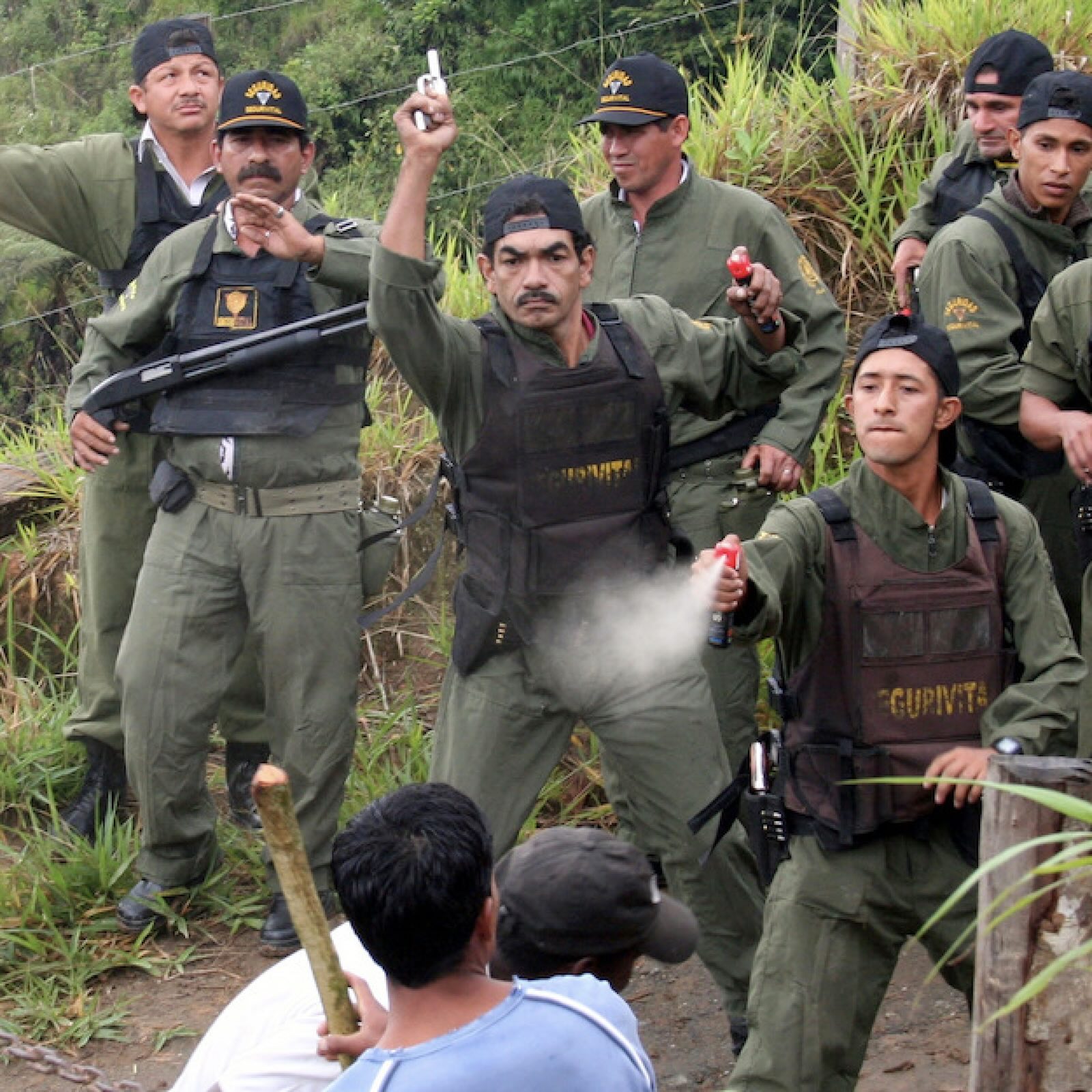
Canada's mining sector a stain on the nation, Indigenous journalist reports
Sep 1600:46:21Tap to summarizeAn international tribunal of environmental rights activists recently found extensive evidence that the Canadian mining sector is “guilty for the violation of Rights of Nature across South America and Serbia.” The guest on this episode of Mongabay’s podcast corroborates these accusations, and describes human rights abuses in South American nations that she has seen in her reporting, too. Brandi Morin, a Cree-Iroquois-French environmental journalist and freelancer for Mongabay, discusses how Canadian mining projects impact ecological health and the rights of Indigenous communities in places such as Ecuador and Bolivia. “Canada is the mining giant of the world, and around the world, they're getting away with atrocities. They aren't regulated very well to hold them to account. It's a free-for-all out there,” she says. Find the Mongabay Newscast wherever you listen to podcasts, from Apple to Spotify. All past episodes are also listed here at the Mongabay website. Image Credit: Intag community members block security guards hired by the mining company Copper Mesa Corporation (at the time a Canadian firm) from entering Junin Reserve in Ecuador in 2006. Image courtesy of Elisabeth Weydt. ----- Time codes (00:00) Canadian mining in South America (15:39) A ‘green transition’? (23:50) A mining state in Ecuador (28:19) The International Rights of Nature Tribunal (35:00) You can’t protect the Earth by destroying the Earth
Transcribe →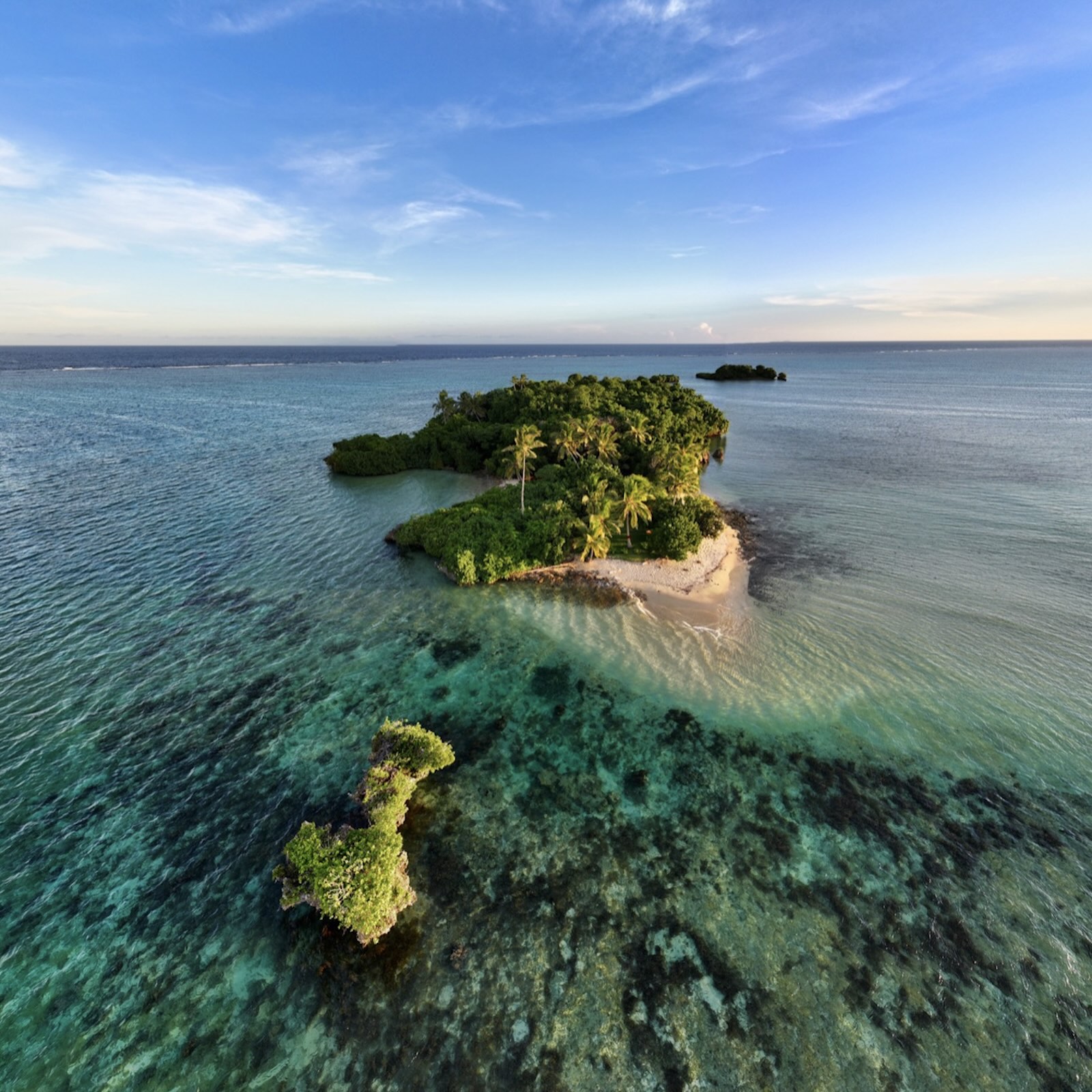
Top court delivers a 'huge' climate win for island nations
Sep 900:52:39Tap to summarizeThe recent advisory opinion from the International Court of Justice (ICJ) on states' obligations regarding climate change was celebrated globally for providing clarity on countries’ legal obligation to prevent climate harm, but was also appreciated by island nations for its additional certainty on their maritime boundaries remaining intact regardless of sea level rise. This week on Mongabay’s podcast, environmental lawyer Angelique Pouponneau, a Seychelles native and lead negotiator for the Alliance of Small Island States (AOSIS), explains these victories, their legal implications, and how they matter for small island nations. She says Small Island Developing States (SIDS) face a multitude of, “one of which [was] this idea of the shrinking exclusive economic zones.” Exclusive economic zones are the waters that lie within the jurisdiction of a nation, usually 200 nautical miles (370 kilometers) from its shore. With the ICJ advisory opinion, there’s now legal certainty that this zone will remain within the jurisdiction of a state, even if its shoreline shrinks as a result of rising seas due to climate change. “What island nations were trying to guard against through state practice was essentially if there were ever to be loss of territory, it would not mean loss of exclusive economic zone,” Pouponneau says. Subscribe to or follow the Mongabay Newscast wherever you listen to podcasts, from Apple to Spotify, and you can also listen to all episodes here on the Mongabay website. Mike DiGirolamo is a host & associate producer for Mongabay based in Sydney. He co-hosts and edits the Mongabay Newscast. Find him on LinkedIn and Bluesky. Image Credit: Island in the South Pacific, Fiji. Image by Rhett A. Butler/Mongabay. ---- Timecodes (00:00) The importance of the SIDS alliance (10:09) ’Wins’ in the ICJ advisory opinion (17:38) What about enforcement? (21:29) Maritime boundaries will remain (27:38) What are sustainable ‘blue economies?’ (32:32) Concerns about development & ‘debt for nature’ (42:12) Frustrations with Global Plastic Treaty negotiations (45:50) Looking to the BBNJ treaty
Transcribe →
Saving ourselves and nature means tackling inequality
Sep 300:55:10Tap to summarizeWealth inequality is a primary culprit behind the ecological and environmental collapse of societies over the past 12,000 years, which have come to be dominated by a small circle of elites hoarding resources like land, research shows. Today, instead of an isolated collapse, we face a global one, says Luke Kemp, a researcher at the University of Cambridge’s Centre for the Study of Existential Risk. On this episode of Mongabay’s Newscast, Kemp explains how wealth inequality is not just tied to, but may be the very cause of the ecological destruction we are witnessing today, and how tackling that is key to how we solve all these challenges, as he recently told The Guardian. “Imperial overexpansion, depleting the natural environment, having elite competition and popular immiseration, all [are] just simply the natural effect of inequality. All is driven by growing concentrations of power and wealth inequality,” he says. Humans are not naturally like this, Kemp explains. Rather, for the vast majority of their existence, they have coexisted in nomadic, interconnected societies, functioning in a largely egalitarian fashion. Until the discovery that grain could be harvested — and therefore also stolen and hoarded with violence — humans did not dominate one another, as we do today. As mentioned in the episode, you can read a recent opinion piece on what listeners and readers can do overcome despair in the face of existential threats such as climate change and biodiversity loss. Subscribe to or follow the Mongabay Newscast wherever you listen to podcasts, from Apple to Spotify, and you can also listen to all episodes here on the Mongabay website. Image Credit: Statue of Queen Hatshepsut, Egypt. Photo by Rhett Butler/Mongabay. ----- Timecodes (00:00) Why humans are egalitarian (08:06) Why authoritarianism is so pervasive (14:12) How and why societies fall (20:58) Our global society is at risk (24:22) How we solve it (30:25) Capping wealth at 10m (37:54) Citizen juries and how they work (45:11) Could a ‘ministry for the future’ work? (46:54) Lessons from the Khoisan Peoples (51:00) Democracy isn’t just a ‘left-wing’ idea
Transcribe →
Tales of wonder in an age of extinction with author Natalie Kyriacou
Aug 2600:49:45Tap to summarizeOn this episode of the Newscast we take a look at Natalie Kyriacou’s widely praised new book, Nature’s Last Dance: Tales of Wonder in an Age of Extinction, whose high-profile fans, like Paris climate agreement architect Christiana Figueres, call it a “lyrical call to awaken our love for the wild before the music stops.” Kyriacou, the founder of the environmental organization My Green World, shares her aim of the book, her thoughts on real solutions to our ecological problems, what she wishes more people understood about nature, and why they need to fall in love with it. “If there’s one simple thing that we can do, it is to just step outside and feel that wonder and look up and appreciate it … if we are going to protect nature, to protect something, you need to fall in love with it.” Always honest and often humorous, this deeply researched volume clearly outlines the economic, political and cultural drivers of our most significant ecological problems, and what the reader can do to effect meaningful change. Subscribe to or follow the Mongabay Newscast wherever you listen to podcasts, from Apple to Spotify, and you can also listen to all episodes here on the Mongabay website. Image Credit: Natalie Kyriacou. Photo by Chloe Paul. -- Timecodes (00:00) Making nature mainstream (04:28) Challenging bias about nature (12:38) Stories of recovery (16:23) How we all depend on nature (21:55) Porches and peacocks (27:03) Your actions are a vote (35:18) Inspiration from Costa Rica (38:55) Lessons from the Montreal Protocol (45:08) To protect it, you have to love it
Transcribe →
Rewilding the world, one acre at a time
Aug 1200:56:59Tap to summarizeRewilding advocate, financier and host of the popular podcast Rewilding the World, Ben Goldsmith, joins Mongabay’s podcast to discuss nature restoration in his home country of England, where a significant cultural change is taking hold toward reviving biodiversity, such as beavers. Once seen as a nuisance there, many farmers and planners now embrace the rebound of the huge rodent, thanks to its impressive ability to mitigate flooding events that the island nation now experiences with regularity, due to climate change. “If you stop a random person on the street now, in the city or in the countryside, they know that beavers are back, that [they] are native species, that they play a vital role in managing our rivers,” he says. However, he argues that while there has been some rewilding momentum in England, it’s not happening fast enough, particularly for larger carnivores like wolves. “The idea of reintroducing them is considered madness. Even though there are news reports of swelling populations of deer and growing incidents of Lyme disease and road traffic collisions and a disequilibrium in our forests,” Goldsmith says. Subscribe to or follow the Mongabay Newscast wherever you listen to podcasts, from Apple to Spotify, and you can also listen to all episodes here on the Mongabay website. Please send questions, feedback or comments to podcast[at]mongabay[dot]com. Image Credit: Chrome Hill in Yorkshire, England. Image by Tim Hill via Pixabay (Pixabay free content license). Timecodes ------ (00:00) “We don’t have wildlife here” (11:46) England’s rewilding comeback (15:05) Cultural and economic shifts (25:24) Changing environment policy (30:52) Nitrogen and pollinators (37:43) Getting along with ‘difficult’ wildlife (47:51) Rewilding the World
Transcribe →