
Podcast
A Different Kind of Education
Hosted by Lennon · EN
A team of MIT engineering students, led by the author, build electric motorcycles to compete in the world's oldest and most dangerous motorcycle races: the Isle of Man TT (TT Zero) and Pikes Peak Hillclimb. Strap on your helmet because this is a wild ride.
Notes:
[1] This is a draft book.
[2] The audio was generated with a text-to-audio service.
10episodes
Episodes
Newest firstAll episodes
Chapter 3b: Early Milestones (5/23/25)
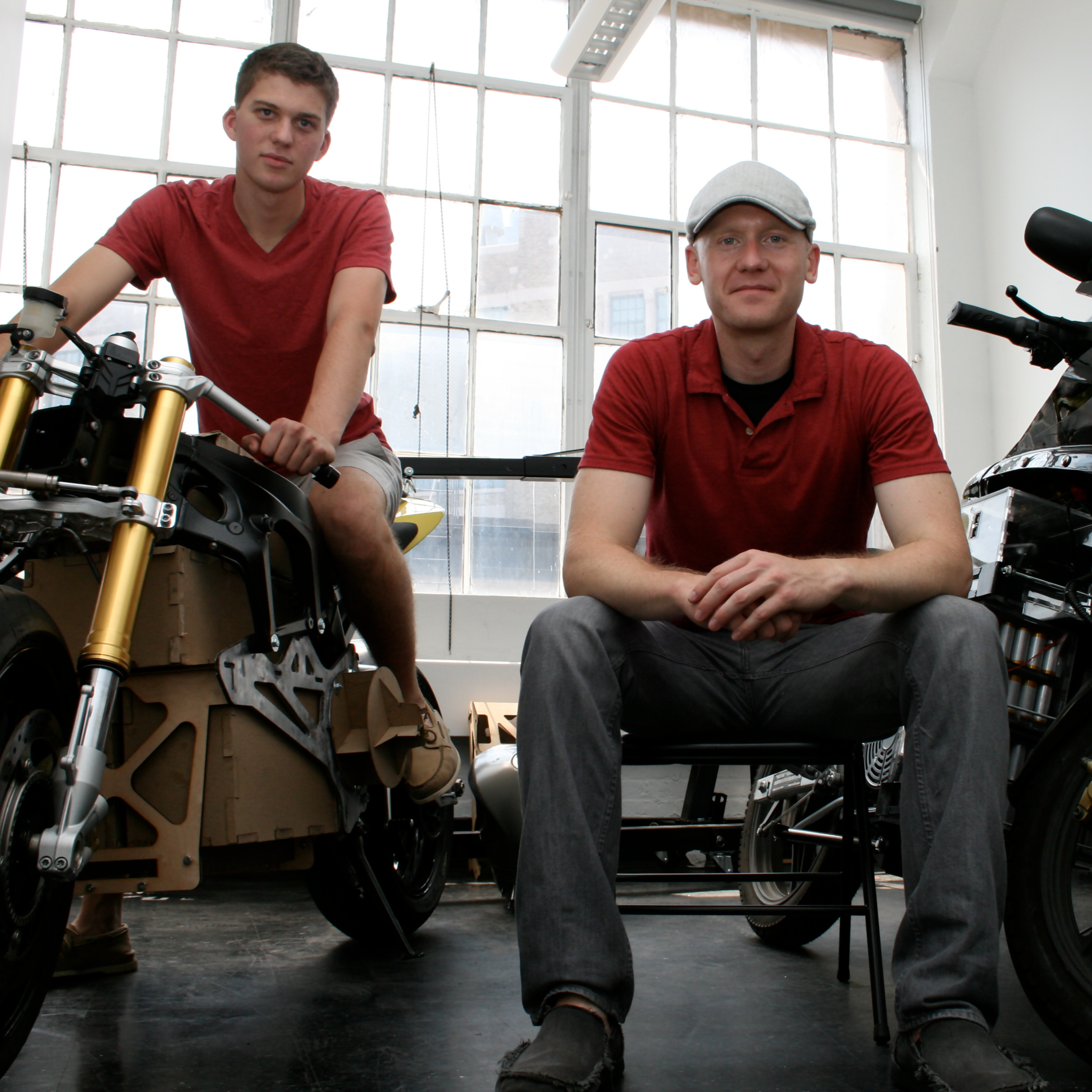
May 23, 202500:26:38Tap to summarizeMy trip to BMW in Munich was a whirlwind. I presented our electric motorcycle project to their top brass, securing a partnership that provided us with their latest racing motorcycle, the S1000RR, along with access to their engineers and CAD files. Back at MIT, I juggled my PhD program with the demands of the race, successfully navigating the grueling qualifying exams. Despite my advisor's encouragement to focus on the race, I was plagued by doubts and anxieties stemming from past academic struggles and a previous battle with depression. Just as I was contemplating abandoning the project, BMW finally delivered the motorcycle, although it arrived as a box of disassembled parts. Despite this setback, we pressed on, determined to reassemble the motorcycle and integrate our electric powertrain.
Transcribe →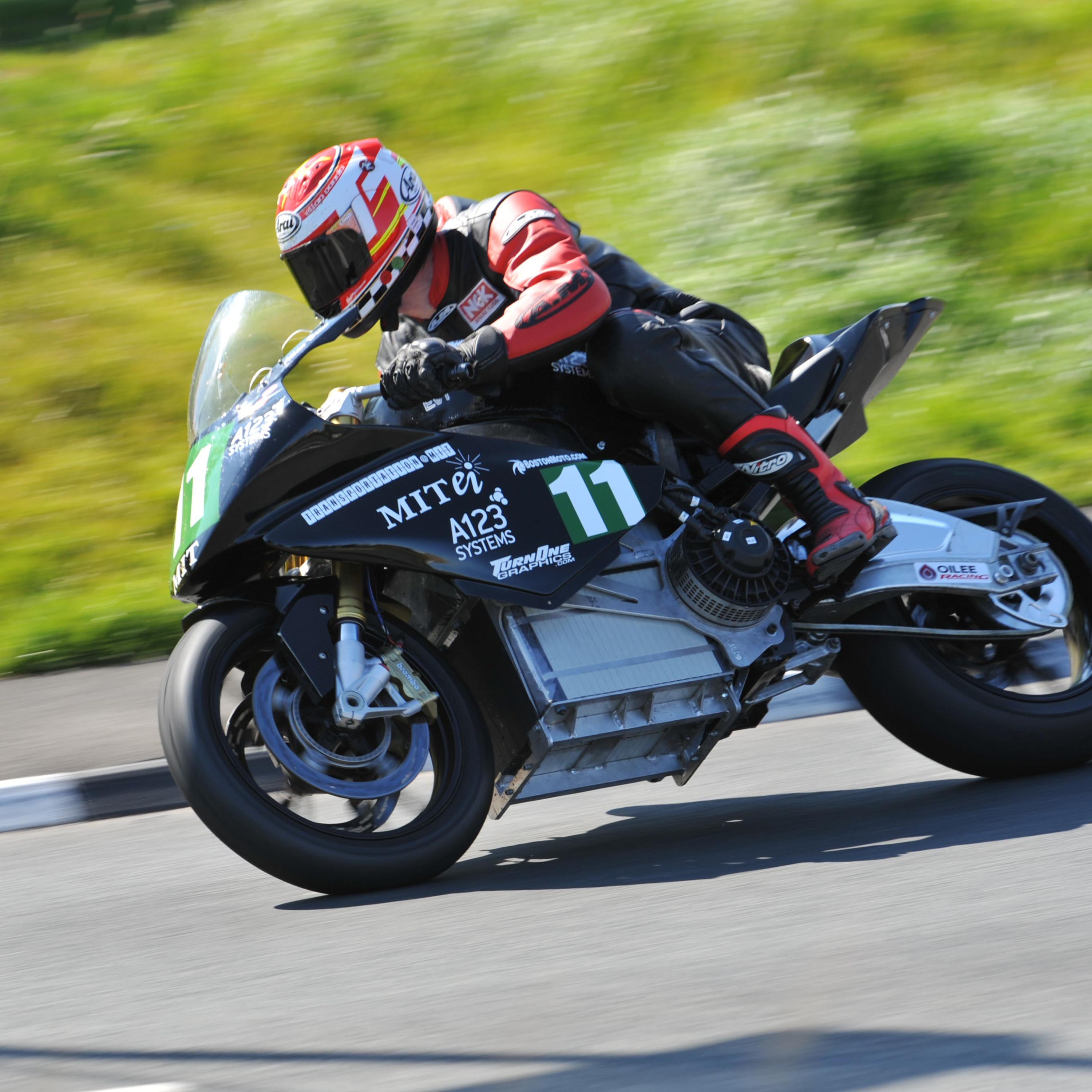
Chapter 12: Race
Dec 14, 202400:15:24Tap to summarizeThis chapter describes the final race day and its aftermath, capturing the team's emotions and reflections on their journey. The team meticulously prepares eSuperbike for the race, feeling confident in their machine and their abilities. They observe the competition, acknowledging the dominance of Team Motoczysz and the experience of other veteran teams. The race itself is filled with tension and uncertainty, as the team anxiously awaits updates on Allan's progress. Despite a transponder malfunction, Allan successfully completes the race, achieving a respectable speed and securing a fourth-place finish. The team celebrates their collective triumph, recognizing the importance of teamwork and perseverance in overcoming the challenges they faced. The author concludes with a final, reflective ride on eSuperbike, savoring the culmination of their efforts and the personal growth he experienced throughout the journey.
Transcribe →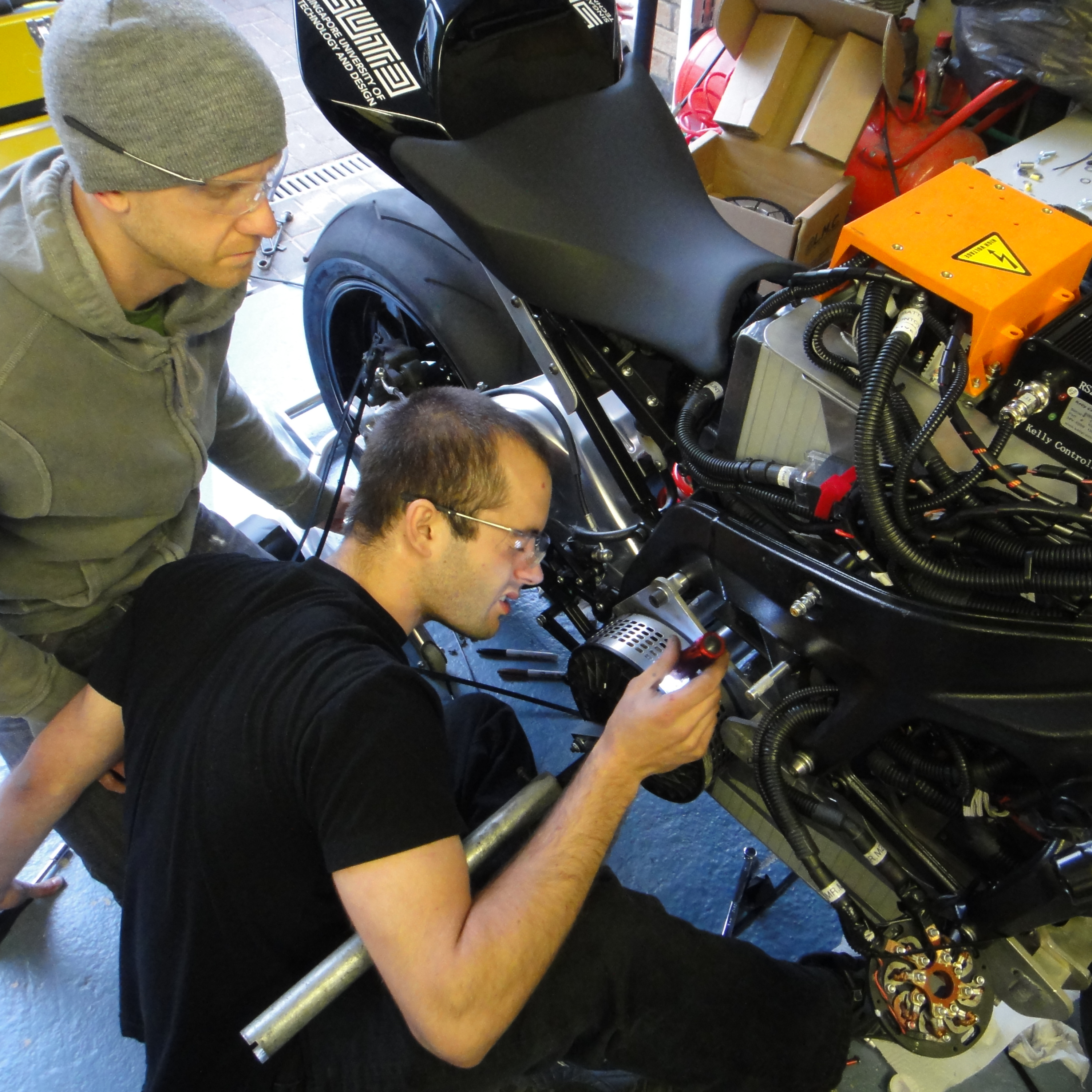
Chapter 11: Balancing Risk
Dec 14, 202400:23:03Tap to summarizeThis chapter recounts the team's final preparations and qualifying events leading up to the TT Zero race. During a test run, a near-catastrophic motor failure forces the team to make a critical decision: rebuild the motors with a risky and untested procedure. Despite the pressure and uncertainty, they successfully complete the rebuild, showcasing their problem-solving skills and teamwork. The team then participates in two qualifying events, facing stiff competition from experienced teams like Motoczysz and Kingston University. They overcome further technical challenges, including a data logger malfunction and motor synchronization issues, demonstrating their resilience and adaptability. The chapter culminates with the team feeling confident and ready for the race, their focus shifting from anxiety to determination.
Transcribe →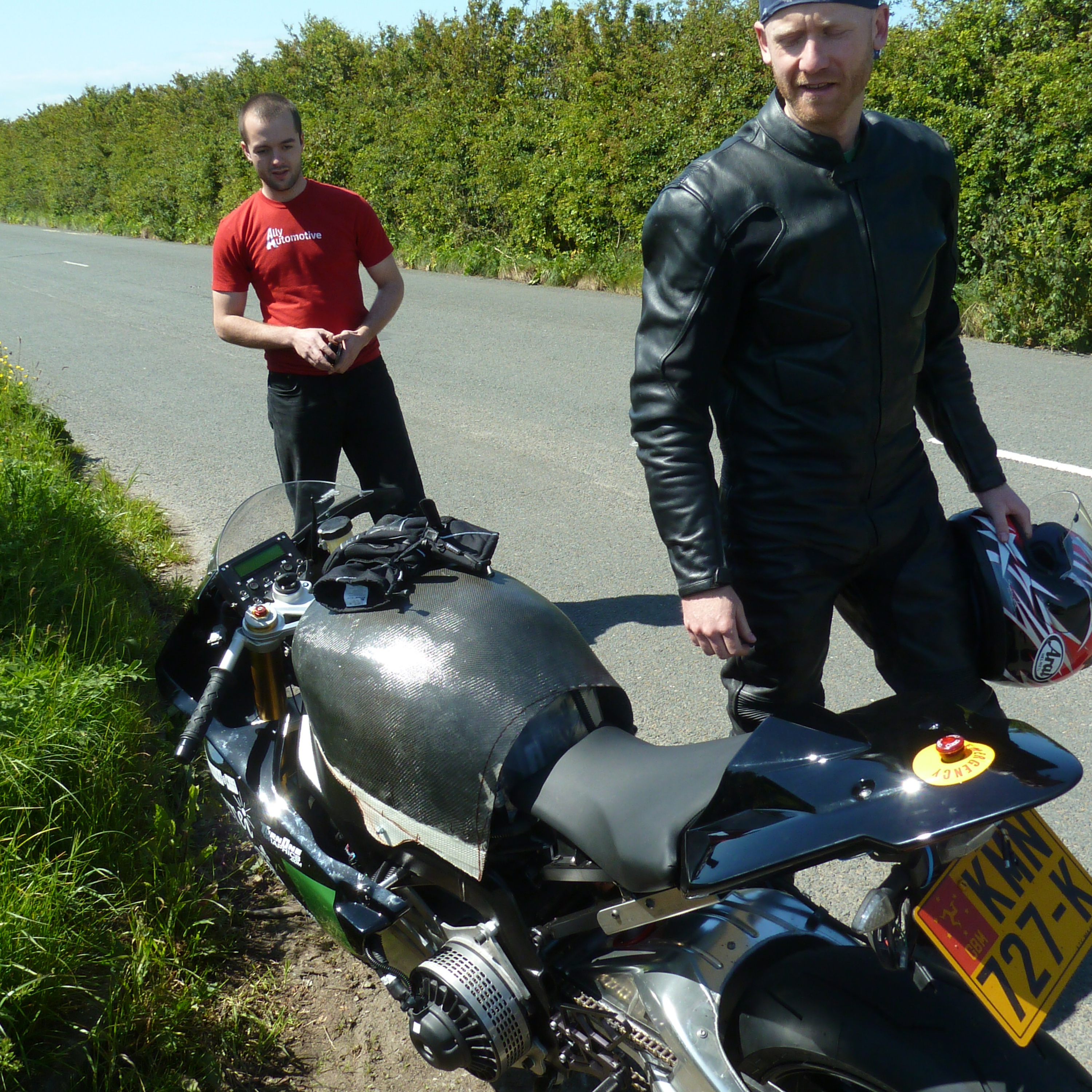
Chapter 10: Crucible
Dec 14, 202400:10:18Tap to summarizeThis chapter describes the intense week leading up to the TT Zero race, highlighting the challenges and pressures faced by the team. The author details the rigorous scrutineering process and the demanding practice sessions required to qualify for the race. He recounts his experience observing Allan's practice session for the traditional gas-powered TT race, emphasizing the risks involved and the team's reliance on Allan's skill. A major setback occurs when the data logger melts down, jeopardizing the author's research and raising concerns about the motorcycle's safety. Despite this, the team remains focused and determined, showcasing their ability to adapt and overcome unexpected challenges under pressure.
Transcribe →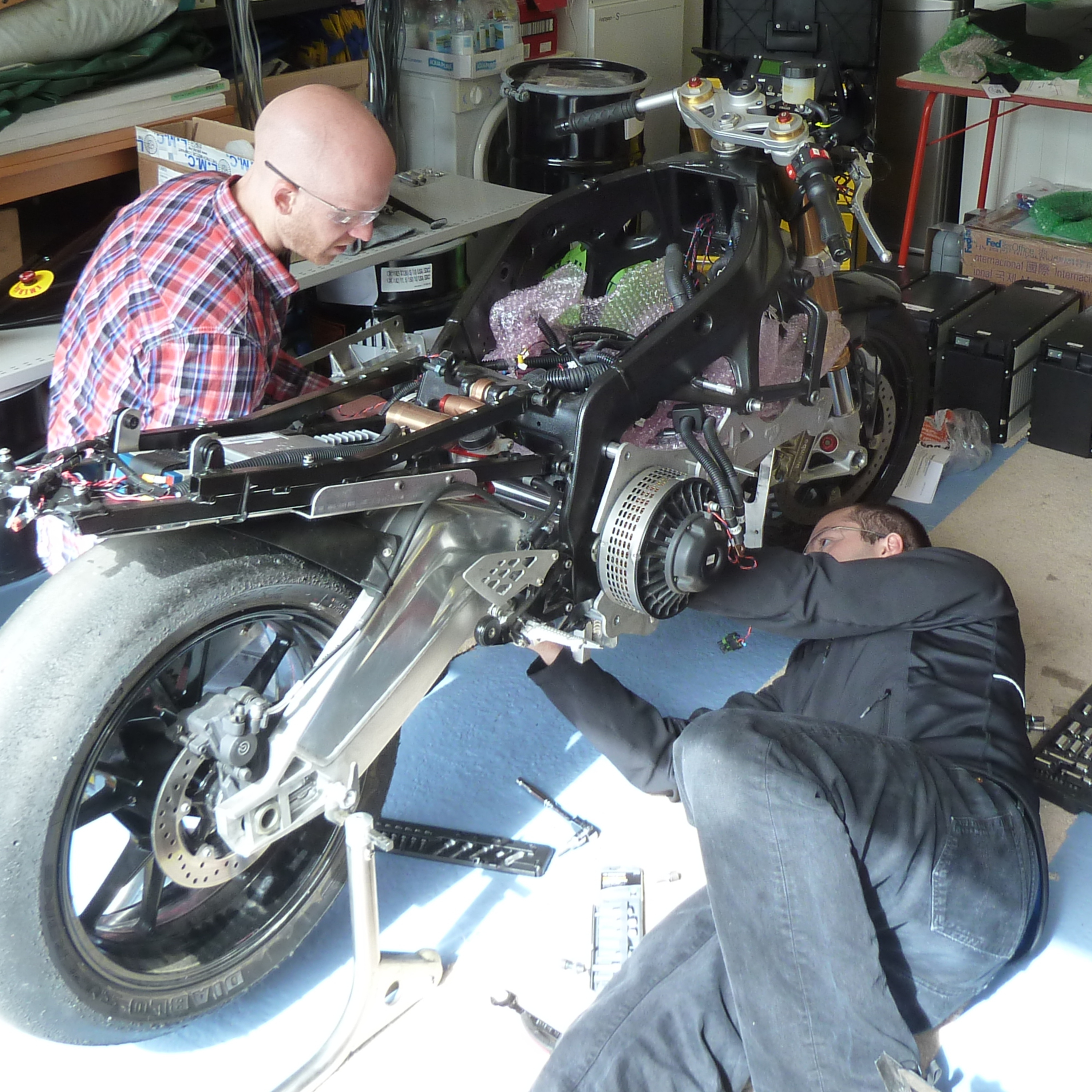
Chapter 9: Converging
Dec 14, 202400:09:20Tap to summarizeThis chapter describes the team's arrival and preparations on the Isle of Man leading up to the TT Zero race. The author arrives first, exploring the iconic racecourse and setting up their base at Allan Brew's house. After a tense delay, the motorcycle and batteries finally arrive, prompting a flurry of activity as the team reassembles and tests the bike. Successful dyno runs boost their confidence, and they move on to road testing, experiencing the thrill of high speeds and validating their design. The chapter highlights the challenges of logistics, the importance of local support, and the growing excitement as the race approaches.
Transcribe →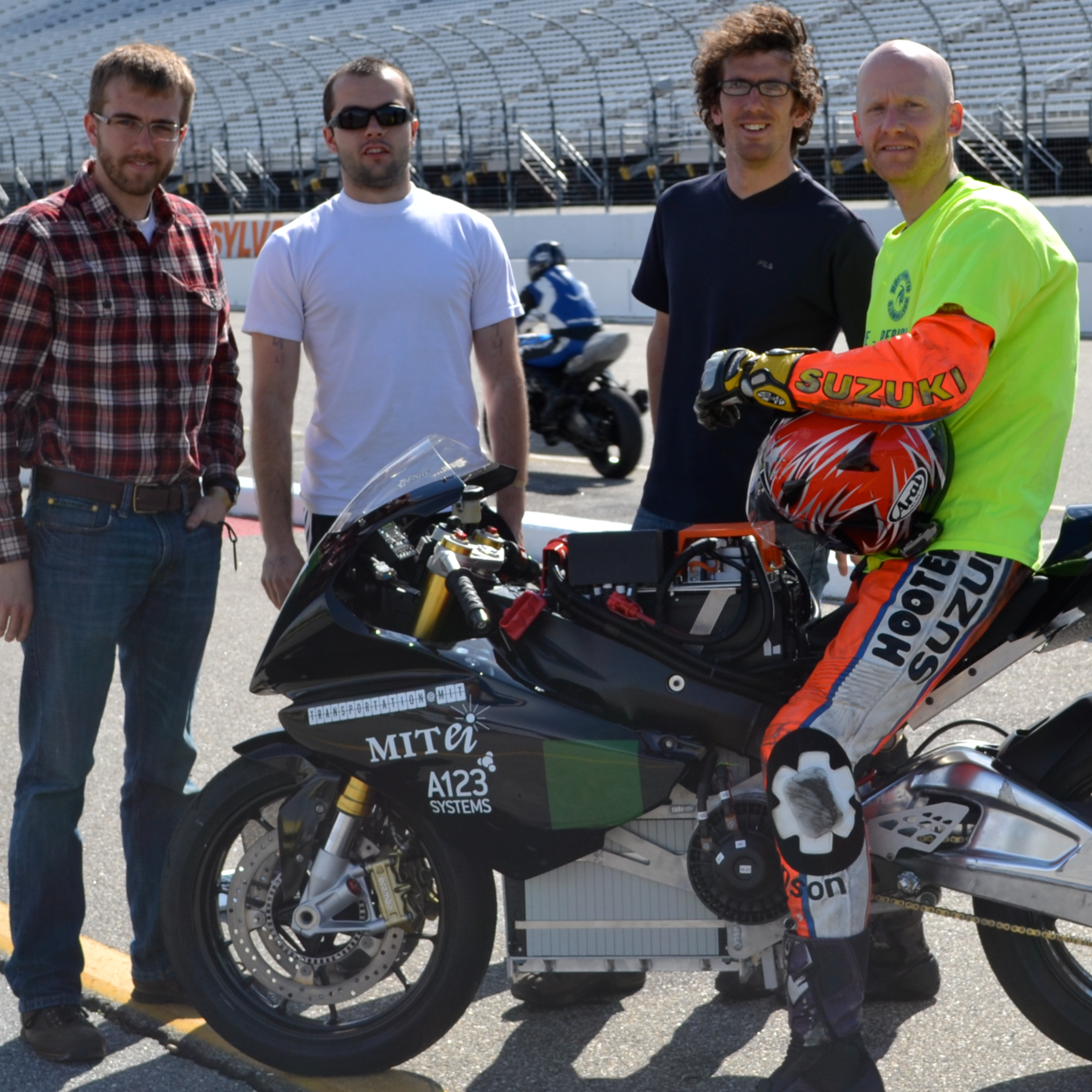
Chapter 8: Build It, and They Will Come
Dec 14, 202400:13:21Tap to summarizeThis chapter focuses on the team's struggle to secure funding and finalize their preparations for the Isle of Man TT race. Despite facing financial challenges and skepticism from potential sponsors, the team perseveres, securing crucial support from the race organizers, MIT professors, and the local motorcycling community. They conduct rigorous testing on the dyno and at the New Hampshire Motor Speedway, gaining valuable experience and confidence in their machine. However, a last-minute revelation about the unreliability of their chosen motors casts a shadow of doubt over their prospects. Despite this setback, the team remains determined to overcome any challenges they may face, showcasing their resilience and commitment to achieving their goal.
Transcribe →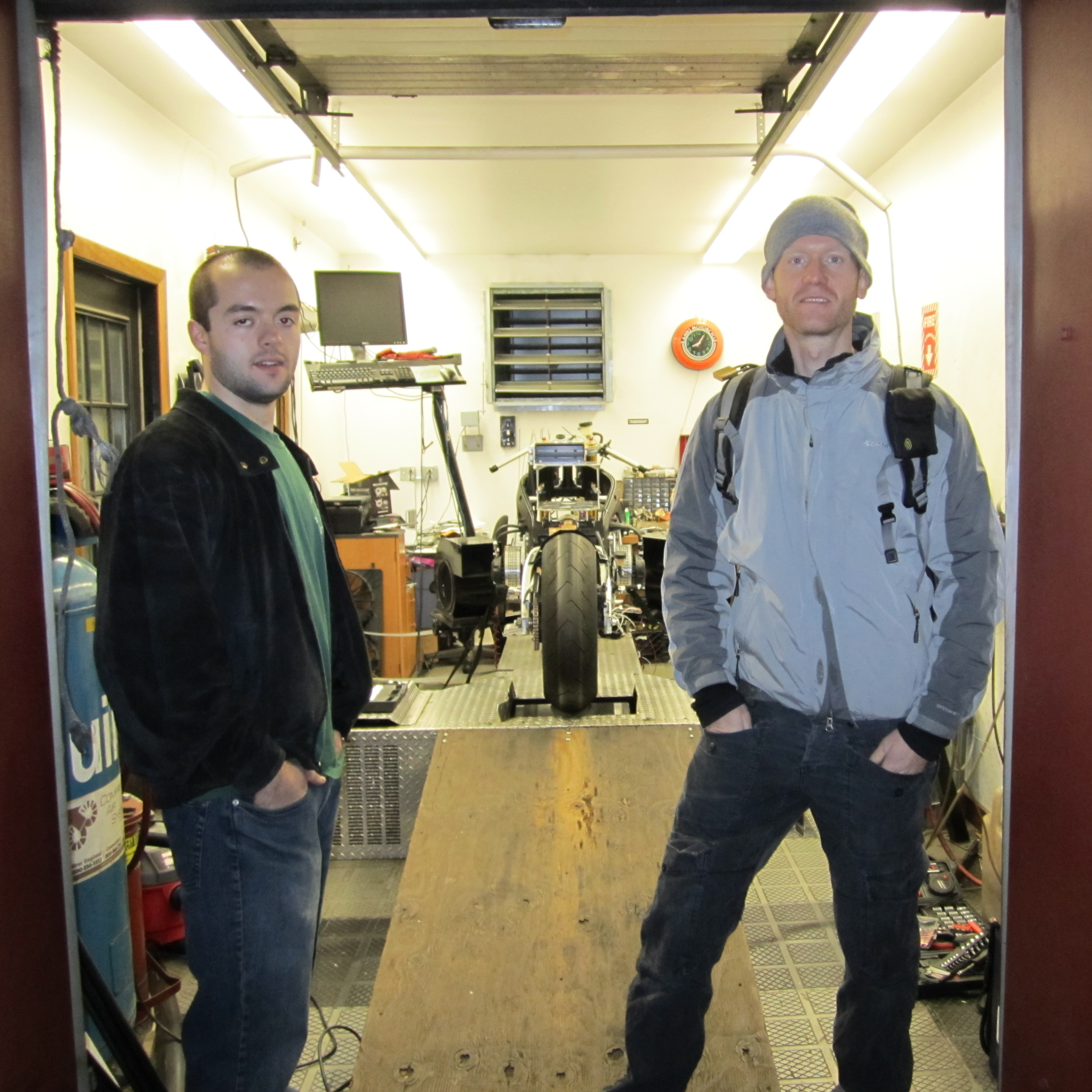
Chapter 7: Go, No-Go
Dec 14, 202400:18:28Tap to summarizeThis chapter recounts the author's personal and professional challenges leading up to the Isle of Man TT race. He describes a near-crash experience while motorcycling in Peru, highlighting the inherent risks associated with his passion. He also reflects on his relationship with Jenn, his girlfriend, and her unexpected support for his racing endeavors. The chapter then shifts to the team's progress on the electric motorcycle, detailing their rigorous testing process and a setback caused by motor failure. Despite this, the team perseveres, overcoming technical hurdles and demonstrating the motorcycle's capabilities on the dyno. The author emphasizes the importance of teamwork, adaptability, and trusting his team members' expertise.
Transcribe →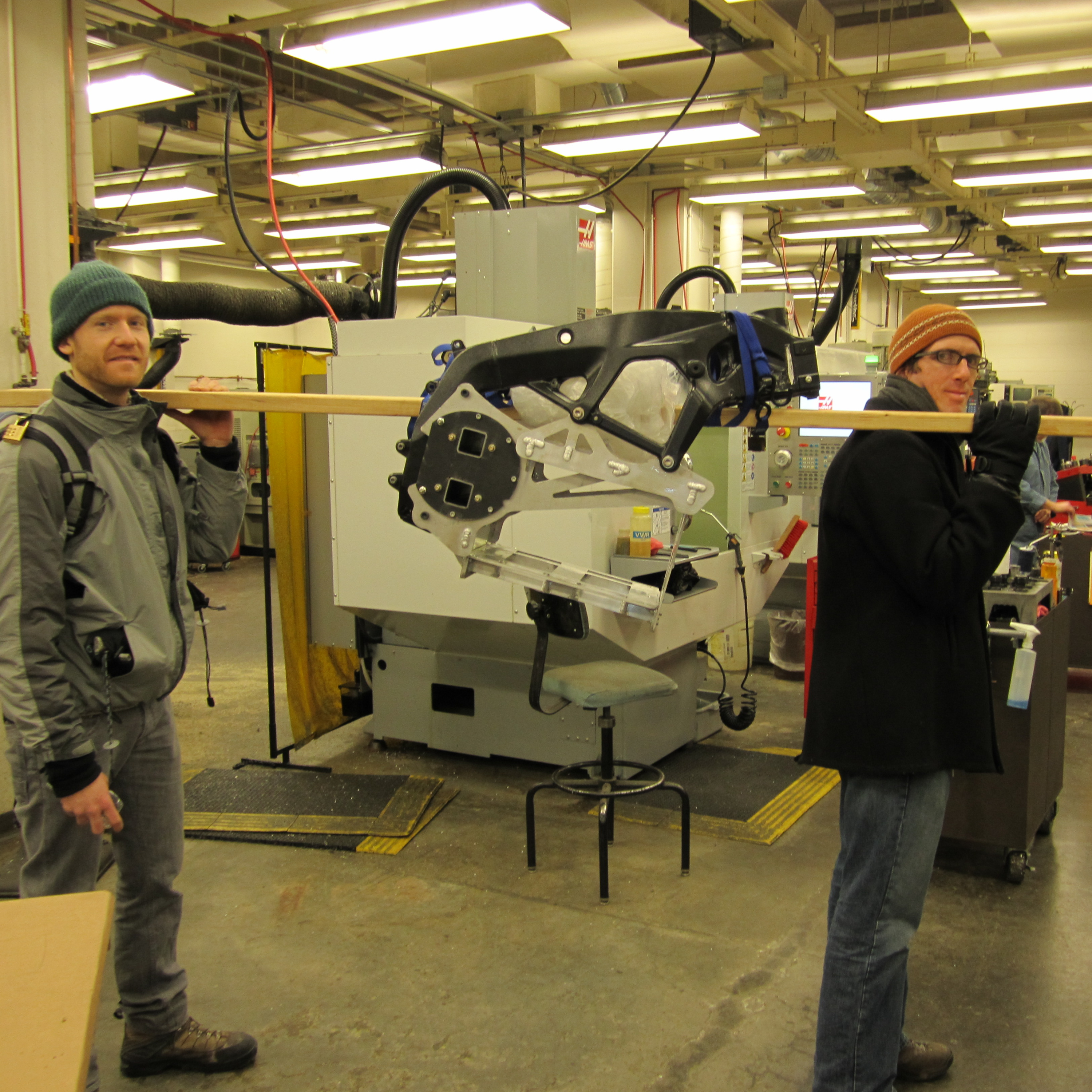
Chapter 6: Building a Team
Dec 14, 202400:16:15Tap to summarizeThis chapter introduces the core team members who played crucial roles in the electric motorcycle project. Radu, a fearless and unconventional engineer, provided much-needed support with his design and machining skills. Mark, a knowledgeable and experienced motorcyclist, brought logistical expertise and a global perspective. Randall, a meticulous and cautious engineer, ensured the reliability of the motorcycle's intricate wiring harness. Rahn, a seasoned mechanic and owner of a Harley-Davidson shop, offered access to his dyno and invaluable mentorship. The author emphasizes the importance of teamwork and complementary skills in achieving ambitious goals, comparing the team to a rock band with each member contributing their unique talents.
Transcribe →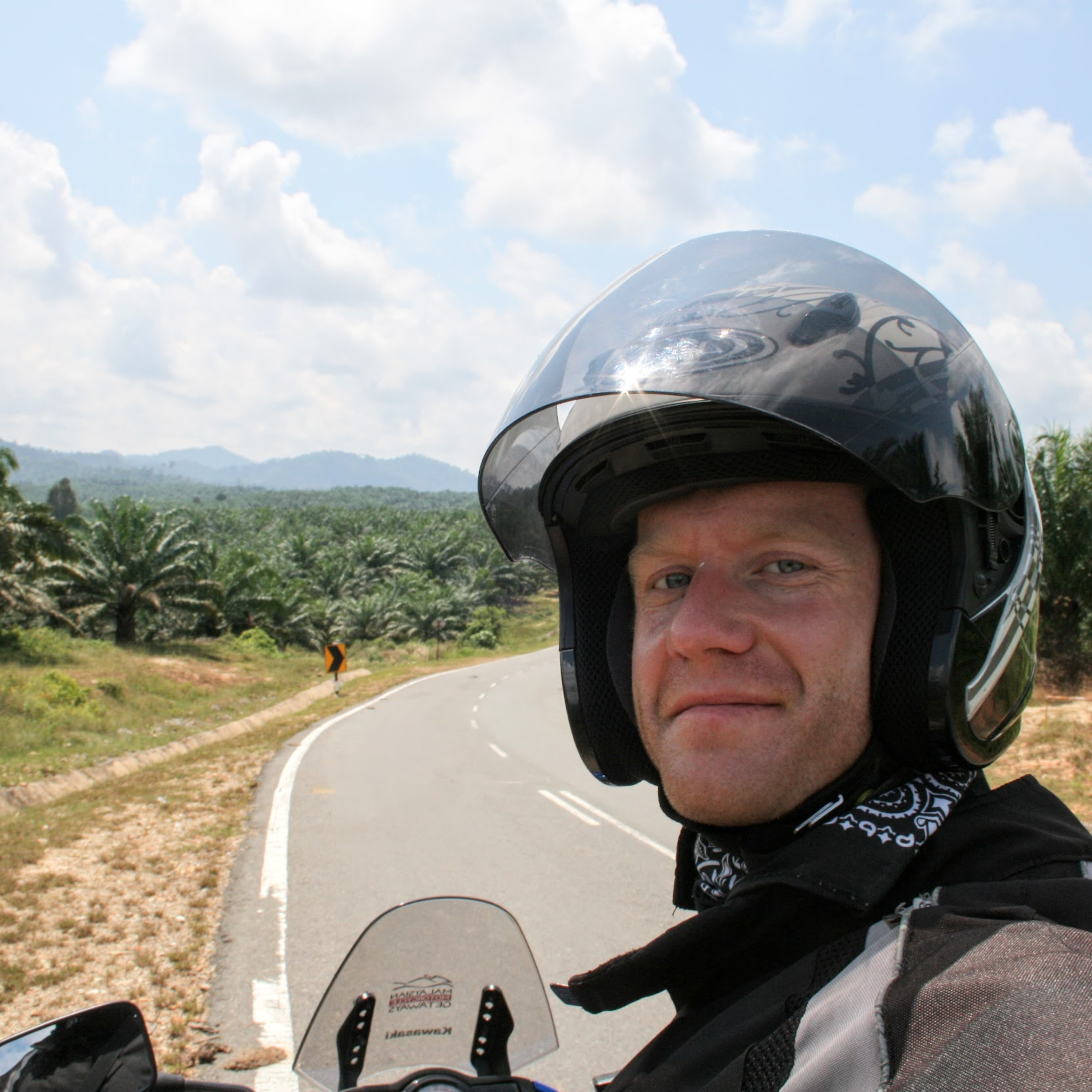
Chapter 5: Impressing a Girl
Dec 14, 202400:09:06Tap to summarizeThis chapter explores the author's personal motivations for participating in the Isle of Man TT race, particularly his desire to impress his girlfriend, Jenn. It recounts his adventurous spirit and love for motorcycles, illustrated by a near-crash experience in Malaysia during a solo trip. The author describes his efforts to maintain a long-distance relationship with Jenn while working in Singapore, using his motorcycle adventures as a way to demonstrate his capabilities and win her affection. Upon returning to Boston, he is surprised and delighted by Jenn's unexpected interest in his electric motorcycle project and her willingness to attend the race. This support motivates the author to fully commit to the project, driven by both his engineering ambitions and his desire to impress Jenn.
Transcribe →
Chapter 3: Engineering
Dec 14, 202400:15:30Tap to summarizeThis chapter delves into the technical challenges of designing an electric motorcycle for the Isle of Man TT race. The author and his teammate, Paul, begin by calculating the power and energy requirements for the course, taking into account various factors like wind resistance, gravity, and braking. They determine that a fast-charging system is necessary due to the limitations of battery technology. The chapter then explores the complexities of electric drivetrains compared to gasoline engines, highlighting the challenges of finding suitable motors and managing the heat generated during fast charging. Finally, the author describes their collaboration with MIT professor Yet-Ming Chiang and A123 Systems to secure a high-quality battery pack for their motorcycle.
Transcribe →