Podcast
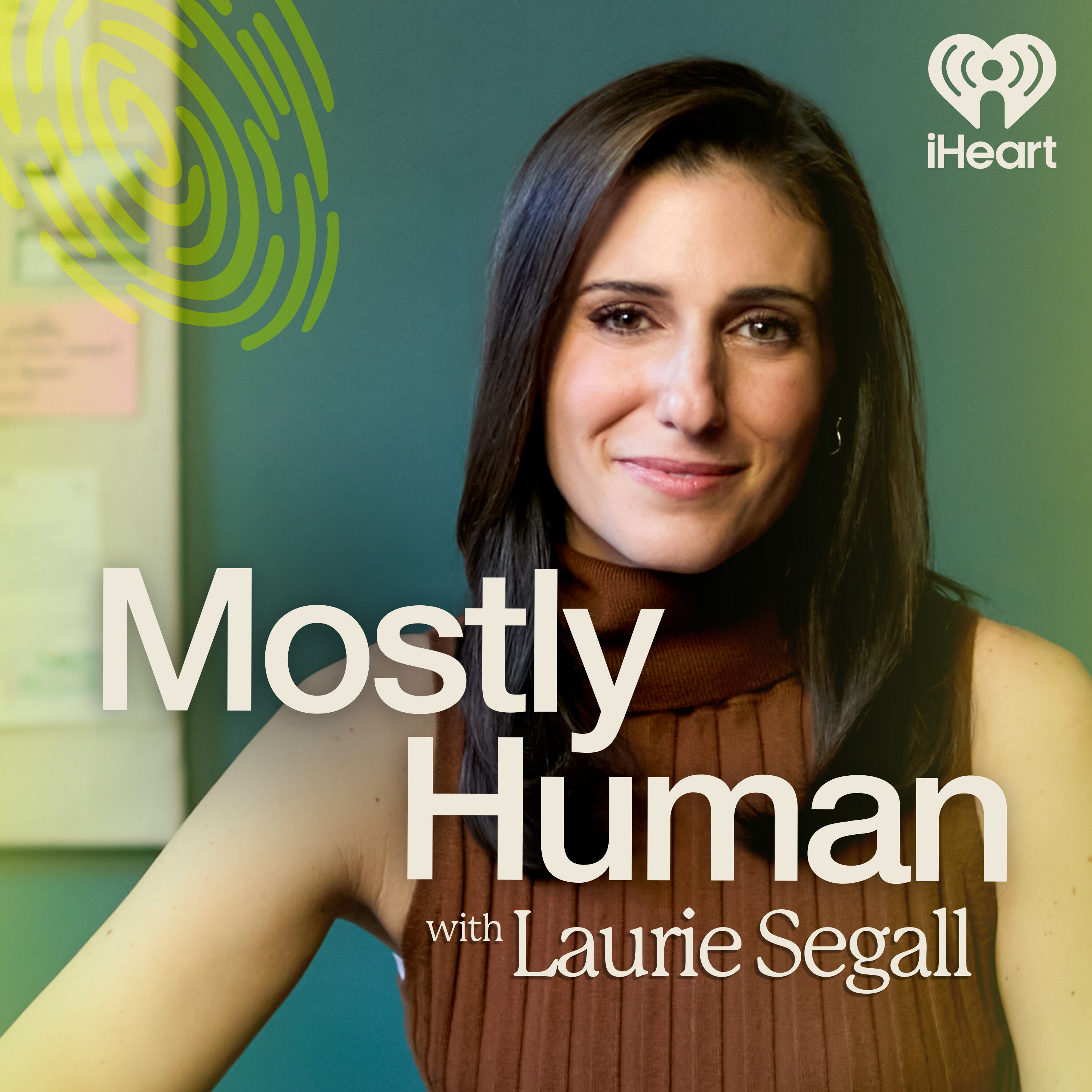
Mostly Human with Laurie Segall
Hosted by iHeartPodcasts · EN
Mostly Human is a weekly podcast that explores technology through the most important lens: the human one. Hosted by award-winning tech journalist Laurie Segall, the immersive interview and investigative show tackles some of the defining questions of our time with headline-making tech titans and the people you don't know yet, but should. Mostly Human will leave you with a sense of agency over fear, and a clearer view of how tech can actually work for you.
15episodes
Episodes
Newest firstAll episodes
Coming Soon: Searching for Mr. Deepfakes
Jun 100:02:36Summary readyComing this month, Mostly Human presents Searching for Mr. Deepfakes — a four-part investigation into the man behind the largest deepfake porn site on the internet and the real-world harm this new form of digital abuse causes. In 2022, Laurie Segall came across one of the most dystopian sites she’d ever seen. It was called Mr. Deepfakes and it was filled with videos of celebrities, politicians, and famous women of all sorts in these sexually graphic, often violent videos doing things they would never do. What’s worse, it wasn’t just a destination for passive viewing, it was a community, a place where users could teach, learn, and build technology explicitly designed to violate women — whether famous or not. Mr. Deepfakes wasn’t the only deepfake porn site out there, but it was by far the biggest and most influential, exposing thousands of women in the most vulnerable way. And yet the person behind Mr. Deepfakes had remained anonymous. His anonymity made him powerful and dangerous. It protected him from what little recourse the victims on his site had to get their videos taken down, to protect themselves. This isn’t just about one man, or one site, it’s about the future of consent in a world consumed by AI. Listen to Searching for Mr. Deepfakes starting June 4. Check out the Mostly Human Searching for Mr. Deepfakes Tik Tok series now.See omnystudio.com/listener for privacy information.
SummaryAn AI Companion You Can Cuddle?
May 2800:40:27Summary readyAI companions are still relatively new and mostly stuck behind a screen. But some AI companies are already experimenting with how to break these digital relationships out into the real world. Host Laurie Segall experimented with this recently when she went on an AI date at a New York City bar. But what if your AI companion was something you could hold? Like say a plush baby deer that listens to you, talks to you, and lets you know when it's engaged by flapping its floppy deer ears. This cuddle-ready product is at the center of a new AI company called Fawn Friends. In this conversation, Laurie talks with Victoria Song, senior reporter for The Verge whose job it is to experience the evolving slate of AI products that you can wear, sleep on, and pet like a cat. Victoria shares her, somewhat strange and yet slightly comforting, experience with Fawn Friends and what it says about where AI companions are now and where they're headed. If you have thoughts or questions for Laurie about this episode or anything Mostly Human, email us at hello@mostlyhuman.comSee omnystudio.com/listener for privacy information.
SummaryOne Hour. Every Organ. The Future of Healthcare.
May 2100:37:00Tap to summarizeIn the 2013 dystopian sci-fi movie, Elysium, a futuristic, MRI-like machine can diagnose and cure nearly any ailment in minutes. That future is closer than you think. Andrew Lacy is the CEO of Prenuvo, a company that is using advanced technology for proactive, preventative care. And the tool Prenuvo uses is straight out of that futuristic movie - a full-body MRI scan that uses AI to evaluate 26 internal regions and organs in the body. In an hour, it can detect early stage cancers, aneurysm, and more. But can Prenuvo's system offer an alternate model of healthcare that is accessible to all? Right now it seems only the rich and famous — Kim Kardashian posted about her Prenuvo scan on Instagram — are taking advantage. But for Andrew Lacy, that's exactly the question at the heart of his company — can they create a world where easy, fast and high-tech preventative care isn't just reserved for a select few? In this conversation, host Laurie Segall and Andrew Lacy explore his very personal reasons for getting into the healthcare industry, the key health disparities Andrew sees and how he can fix them, and what he's learned -- and changed about his life -- after doing his own full-body scans. Laurie also asks about the tension between high-tech health and the medical community and the psychological toll of knowing everything about one's health. If you have thoughts or questions for Laurie about this episode or anything Mostly Human, email us at hello@mostlyhuman.comSee omnystudio.com/listener for privacy information.
Transcribe →My AI Boyfriend: How Will Intimate AI Relationships Change Us?
May 1400:54:44Tap to summarizeMillions of people are in relationships with AI. Many of them didn't mean to be. That's one of the findings from researchers at MIT's Media Lab, where the Advancing Humans with AI [AHA] team have been quietly exploring the effects AI is having on human relationships — from loneliness, love, and our capacity for real connection. "Her is Here," says Dr. Pat Pataranutaporn, co-founder of the AHA research program. "This thing used to be what we've seen in science fiction. But now it's touching a lot of life." How are humans accidentally falling into relationships with AI, what do these relationships actually look like, and what impact could it have on the very nature of our societal social fabric? Through their research, Dr. Pat and his team have designed tools - like a grocery store nutritional label - to empower parents and users to critically assess the AI technology at their fingertips and better understand which will actually help them rather than harm. In this conversation, Laurie Segall, along with Dr. Pat and his researchers explore the larger questions hanging over AI and this new form of relationship: what happens to human connection when frictionless relationships are always available? What do we become when nothing ever pushes back? And when it comes to safety, how can we not just fix the technology, but dig deeper to understand why more and more people are turning to their bots for intimacy rather than their humans. Read more about the Advancing Humans with AI's findings here. If you have thoughts or questions for Laurie about this episode or anything Mostly Human, email us at hello@mostlyhuman.comSee omnystudio.com/listener for privacy information.
Transcribe →
Introducing Mostly Human, a Tech Podcast Through a Human Lens
Mar 19Summary readyWe’re living through one of the most extraordinary tech accelerations in human history. But too often, it can feel like tech is happening to us. Longtime tech journalist Laurie Segall is here to change that. Her new podcast, Mostly Human, explores the intersection of tech and humanity—offering a bridge to the future, one where we all benefit from innovation. Each week, Laurie brings you first-hand experiments with new trends, investigations into the darker corners of the internet, and rare-access interviews with both news-making tech titans and the people you don’t know yet—but should. Through immersive, in-depth conversations about the future, she tackles some of the defining questions of our time—leaving you with a sense of agency over fear, and a clearer view of how tech can actually work for you. Mostly Human is tech through the most important lens: the human one. Find new episodes every Thursday right here in this feed, starting March 26, 2026.See omnystudio.com/listener for privacy information.
Summary