Loading summary
Transcript129 lines
- [00:05]
Brooke Devard
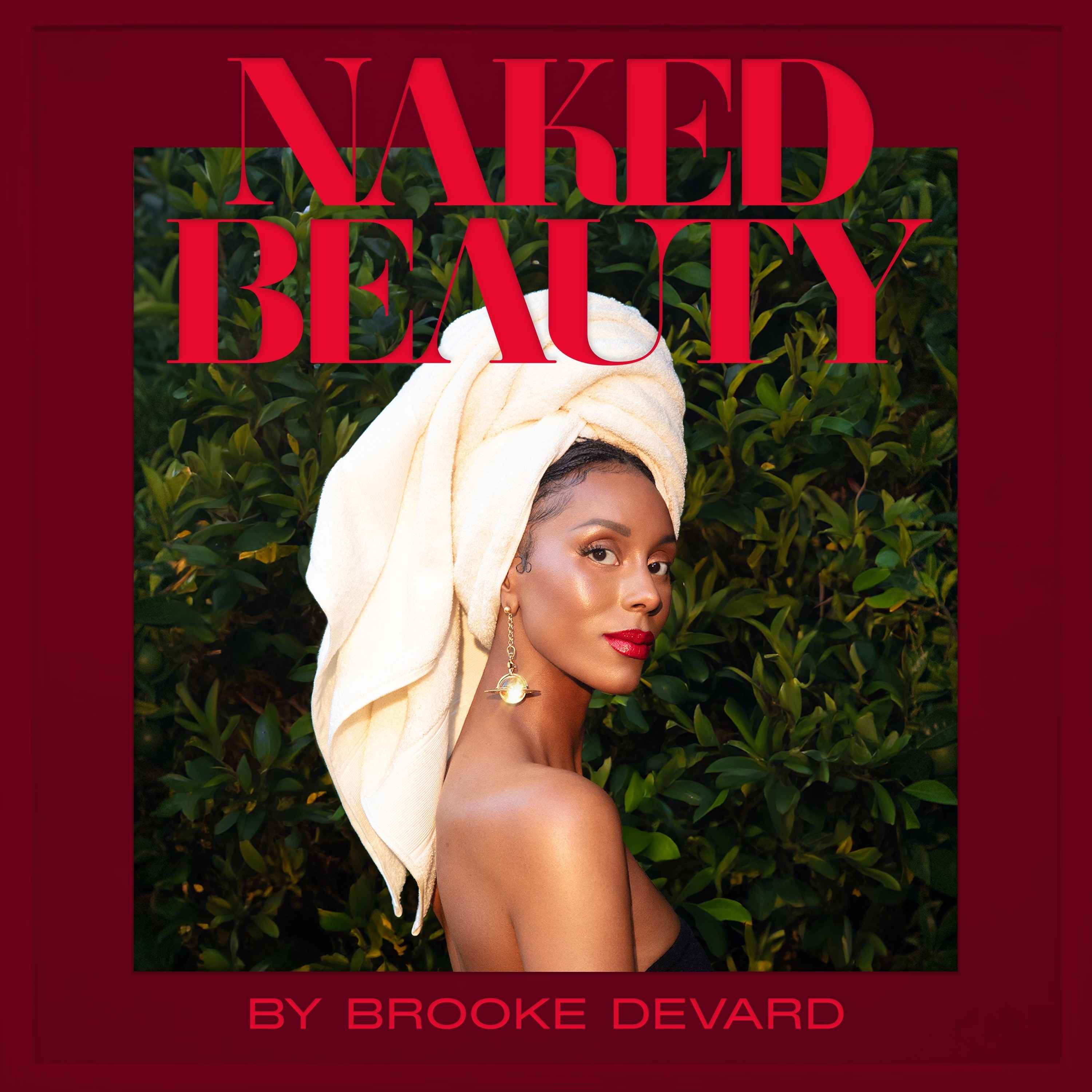
Hello. Hello, this is Brooke Devard and you're listening to the Naked Beauty podcast. What started out as conversations about De and I and anti DEI legislation became conversations about how we all collectively push through this moment and not just survive, but thrive under this administration, an administration that wants to scale, scale back progress, dim the light of the LGBTQ community. I mean, the anti trans legislation that's being passed is abhorrent. And this administration seems intent on scaling back progress for people of color, for women. They want to make it harder for black entrepreneurs to find success. They want to deport hard working people who make up the fabric of this country. I mean, I don't want to downplay how difficult things are, and I think we're all feeling it in different ways, but I also wanted to think about it through the lens of the beauty community for us as beauty consumers to think about what we can do, how we can be intentional with the way we spend our dollar and DEI initiatives. DEI standing for diversity, equity and inclusion. Of course, there have been anti DEI initiatives in every single sector. In educational institutions, anti DEI laws have led to the closure of multicultural and LGBTQ campus centers, support systems for historically underrepresented students, including black community centers. Taking away these programs, taking take away resources that contribute to academic success and just general mental health and well being. In some cases, they are encouraging that schools do not teach about American slavery. In the corporate sector, many companies have scaled back DEI initiatives. Amazon, Google, Walmart, meta, they've all scaled back DEI programs, citing compliance with new state and federal directives. This rollback will without a doubt adversely affect workplace diversity and limit opportunities for people of color in workplace and limit opportunities for people of color in workplaces. And then the beauty industry, which the beauty industry has made so many strides in embracing diversity, so many strides. But reduced corporate DEI initiatives could lead to less inclusive product offerings and marketing strategies. And it may mean that a lot of the retailers that have made an excellent efforts since 2020 to include Black owned brands on their shelves will scale back. These legislative actions and corporate shifts represent a coordinated effort to dismantle DEI initiatives. And I am personally concerned and I would imagine that if you're listening to this, you are also concerned about the reversal of progress made towards racial equality and inclusion in all of our lives. So what can we do? Well, for one, we can't give up. This is what my mom had to say on the topic.
- [02:50]
Jerry Devard
I've seen a lot of memes and conversations about the 92% and that we're tired and that we're just going, like, listen, like, it's not. We're gonna, we're just gonna sit back and let it all burn down. Because if black women are tired, how.
- [03:05]
Sur John
Can you be tired? Was Harriet Tubman tired?
- [03:08]
Brooke Devard
Right?
- [03:08]
Sur John
Was Martin Luther King tired? I mean, how do we, how do you get tired of this? I mean, tired means that, okay, you're a victim. And what do I always say?
- [03:16]
Jerry Devard
Victims are unable or unable to change.
- [03:19]
Sur John
To change their circumstances. We are not victims here. We are. Do not give into that. That's what they want us to think. If we all just threw up our hand as well, that's it. Then what, What? Envision that world. But there is optimism and opportunity in fighting for what you believe in.
- [03:38]
Brooke Devard
I talked to my mom, Jerry Devard, who has had a long career in corporate America, in the marketing world, in the advertising world, about what this all means and how to make sense of it. I also spoke to Sur John, brother to the podcast, you know, family of the Naked Beauty Podcast, about how he's thinking about everything. And I also spoke to Kendra Bracken Ferguson, who is in the VC world and is helping black founders. How was she thinking about everything that was happening? How are these reversals affecting their work and how is it affecting their spirit? I wanted to understand from them, how are we making a way forward? This is a big topic and my guests had a lot to say. Let's get into today's episode. Up first, we're going to hear from my mother, Jerry Devard.
- [04:20]
Jerry Devard
I am joined by the incredible Jerry Devard, also known as my mother. Welcome back to Naked Beauty. This is a very important topic.
- [04:27]
Sur John
I love being on your podcast, Brooke, so thank you for having me.
- [04:31]
Jerry Devard
Yes. Well, today's topic is all about DEI and where we go from here through the lens of beauty, but also just more broadly. We're seeing headlines now like DEI under attack. And we know since Trump has been in office, there have been active efforts to roll back DE&I initiatives, both corporate and in government programs, and there's just a lot of anti diversity sentiment. So before we get into your corporate background and your work around specifically inclusion for black executives, I want to get your sense of how you're thinking about this rollback of DE&I.
- [05:08]
Sur John
Well, I mean, I think this is a. It's emotional for people that are impacted by this. And I think it's, you know, you want everyone to be dealing with this around. How does this impact me? How does this me from a. Values from a, from a, you know, perspective of what seems to be Are we redefining what equity means? Are we redefining what inclusion means? And how do we get smart about really distilling what this is all about? Because I think that it's very easy to go from the headline, like you said, DEI under attack, DEI is dead. But I think we have to really kind of click down and understand what's really happening below the headlines. And what specifically are we talking about that is and is not being taken away? I mean, I love when you talk about beauty. I mean, if ever there were a place for diversity, equity, inclusion to be, it is in the beauty space. And the beauty industry has grown exponentially as a result of that. You know, when I was kind of starting my career, I couldn't walk into a store and have a huge shade range of foundations and concealers that matched. I had to kind of become a chemist, right? I had to figure out what shades worked for me. Even with our hair, you know, the kinds of things that we could put in our hair and why there has been such a, a growth of black owned, black started, black founder led, you know, businesses because they recognized that there was something different about our hair and our skin that needed to be treated equally. Like with all the brands and shade ranges and products and skus that you had out there, we had to be equitable in how we thought about women and different kinds and not black brow, you know, all shades. And so that's been a boon, I think, to beauty. But let's bring it back to corporations where you think about what does it mean for everyone to have a chance to succeed? Because that's what all companies want. They want everyone to come to work and feel that they have an opportunity to succeed like everyone else. And when that is challenged, then you get different interpretations of what equality means.
- [07:25]
Jerry Devard
And this goes kind of hand in hand with the conversation about affirmative action. But I also think there's a lot of misunderstanding around why black people specifically are so passionate about diversity, equity and inclusion. Could you speak to that?
- [07:38]
Sur John
Yeah, but I would say, Brooke, I don't think it's just black people. I think it's anyone that has ever been othered. I think that lgbtq, I think that brown, Latin, Hispanic, I think Asian, it shows up differently. I mean, I think that we are very vocal and passionate because we have gone through years of being enslaved and not taught to read, not taught to write, not taught to speak up for ourselves. And it's a reckoning that we had to not be silent, but speak up. I mean, think of where we are based upon what our ancestors had to go through and what they had to fight for the right for us to just be recognized as full citizens with full rights. Even though the Constitution supposedly said that. Here's what I say also. There were two words that used to mean something very powerful until it was co opted and those were me too. Right. It used to be if someone was explaining to you something that they went through and you could listen and say me too, that was a point of empathy. Now it means something different when you think about the me too movement. But words matter. And I think that when you can relate or see something that is unfair and you've experienced that, it hits very differently than just reading about it or thinking about it.
- [08:56]
Jerry Devard
Yes. And to your point about what we went through, I also think about what needed to happen for corporations to change. George Floyd was murdered. Took such extreme violence for this racial reckoning to happen across corporate and for them to kind of feel spurred on into action. It seems like it took really extreme measures. What do you say about people that feel that DEI goes against merit based hiring?
- [09:25]
Sur John
Well, let's go back to what you said about it took the murder of George Floyd. So you're younger, so you there, there are milestones in your career. But this fight has been going on since the day I walked into any classroom, any boardroom. I mean, this has been an ongoing challenge. Right. And what it starts with, it didn't start with the murder of George Floyd, but it was a modern day reckoning. Right. We've had reckonings all along and there are some people in corporations that kind of jumped on that train of reckoning because it was so, you know, we were all on lockdown. You could see it and it was like, yeah, that's wrong, I need to do something about it. So people searched their own psyches about what they could do and they wanted to be a part of that. But for those that kind of just got religion about this issue we've been dealing with, I think it was maybe a little easier to jump off the train when the forces started coming your way. And it wasn't just, you know, the administration, it was all the DEI lawsuits, it was social media campaigns, it was shareholder activities, activism, and now executive orders. And so I think that what you have to look at is the long game, the long game of what it took for us to get to where we are and what it's going to take for us to continue. So when you think about diversity, equity and inclusion, all of those words are amazingly powerful words. Right? There is no Legal case against inclusion. Who would ever say that I don't want anyone that isn't like me to be anywhere around me making any decisions. Unless you were someone that would be categorized as a word that we all know. Right. But I think it's too easy to put to label someone as a racist or a bigot or prejudice or whatever you want. And so when you look at what it is we're trying to do, you're right, Brooke. Merit based is what it's always been about. I have always said, judge me by what I can do, what I deliver, what my capabilities are, not what I look like. Because if I show up as a black woman, you then may have a page one about what my capabilities are. And so you then treat me like that. But if you say, look, you know, that's why the beautiful those. Those shows about the Voice where your. Your. Your chair is turned and all you hear is the voice. Right? And you can be clear. There were blind auditions at a lot of symphonies because they found out that women and people of color who played beautifully weren't being accepted. So they went to blind auditions. And then, well, guess what? The representation changed. So if you talk about judging me by what I can do and deliver, oh, my God, I can celebrate that. Right? Because I am prepared to compete with the best of them. But what happens is that these programs were developed because we recognized that there was a level playing field. We weren't starting at the same point. Some people were born on third base. Literally. You've had the advantage of privilege, of wealth, of exposure, of network, of language, of look, of skin type, all of that. That. And that puts you ahead of me in the game of getting ahead. And so what these programs, what DEI was meant to do, was to make me start at the same starting line that you started, and then let's run this race, right? And let's get to where we need to go. And so when you look at leveling the playing field and judging me on what I can deliver, not by what I look like, that's a fair fight, but it hasn't been a fair fight. And when you try and sweep everything under these three initials, then you're kind of taking the lazy way out and not looking at all the benefits that inclusion and throw it in there, belonging have meant to our society, our performance, our harmony, our ability to be, you know, unified in what is beautiful about this world. But what this is, is it's tearing us apart and making us much more tribal than ever.
- [13:14]
Jerry Devard
Yes. So beautifully said. And I know One of the things that you always advocated for when you were a CMO at companies hiring advertising agencies is that diverse workforces do better work because we have a diverse buying population. It's actually better for business to have diversity.
- [13:31]
Sur John
Data says that teams that are diverse produce much better outcomes. Much better outcomes. But it's not just about the team and the work. But how do you feel walking into who. Who works at an organization where everybody looks the same and feels good about that, if you're the only one? Right. And so what you are trying to do is build a place where everybody can succeed and feel valued, where everyone can feel that they have the opportunity to succeed and not be held back. And so when you look at the. And some people, by the way, are overreacting. I read a really good article there, said that organizations and individuals, there are three things they can do. The extremes are they can fight, which means that we're not going to change anything. We're staying the course. They can flight, they can run away and say, okay, we're changing everything we used to, we're going to change. And then there's something in the middle called finesse. How do we understand the spirit of what we are trying to do, the workplace culture that we're trying to establish, the fact that we want everybody to feel that they can succeed and be good and appreciated and authentic. How do we do that with this current environment? And that's the place where people need to understand, because you can't ignore it. You have to be smart about it. And you have to also be able to still make the progress that this country, this world needs.
- [14:51]
Jerry Devard
Yes. And I saw that Target was. I mean, we could have a whole conversation about Target, but one of the things that they did that I thought was smart was they renamed a lot of their diversity programs under the umbrella of belonging. So they just did some kind of corporate verbiage to do the same work, but under a name that would be less under scrutiny.
- [15:09]
Sur John
I want to talk about that, Brooke, because a lot of organizations are taking away the know the, the red hot flame of the initials. And so many organizations, not just Target, are looking at ways that they can understand how do we do the work that we do without someone branding it something that it's not. Because we don't have time to educate everybody about what we're doing. So let's take that away so we can focus on what's important. And that's. You'll see that across the board.
- [15:38]
Jerry Devard
That just brought up a question for me. What do you Think people that are against DE and I, what do you think they think it is, a handout?
- [15:46]
Sur John
I think they think it's an unfair advantage. Yeah. It's like, well, you're giving the fact that you are doing something for one protected group means that I don't have the same benefit. Right. And so by you giving that to them means that I don't have it. And people look at this in. Some people call it the three P's. Is it a preference for a group? Is it a protected group? And what's the benefit? And does that benefit only ascribe to that group? So they look at it as like, okay, you got something that I didn't, and that's unfair.
- [16:19]
Jerry Devard
Yeah.
- [16:20]
Sur John
Not thinking about, where did we start? Did I start at the same standpoint? The gun went off. You're already down the field. I'm just now getting in the room.
- [16:28]
Jerry Devard
Right, right. Your work, Rebecca, really kind of helps to elevate black executives in the C suite at Fortune 500 companies. Talk a little bit about what that experience has been like, both before this current administration and what kind of conversations you're with executives now.
- [16:49]
Sur John
Well, it's the same conversation because Becca is always. We were started to change the business outcomes. Right. This was not a social group. It was not a group that was, you know, trying to do something that was not based on data. Right. The data always showed that the representation wasn't there. The data showed that, you know, the opportunities to advance to the C suite were smaller for people that looked like me. But. But that didn't make sense when you looked at the qualifications, the, you know, the. The education, the experiences, the performance, like, why was that? So we were focused on the outcome. How do you change the outcome of those that are prepared to be in the C suite? What is it that you can do that allows them to understand what they're going into it and do it authentically without changing one thing about, you know, how they show up? So things like, can I wear my natural? Can I speak the way I speak? Can I ask questions about why we aren't more inclusive, more diverse? Yes, you can. But here's how you do it, and here's how you create excellence at the front of what you do. So people that are in our programs are high potential. They are recognized as being leaders. So how do we make sure that they take all that and they end up where we want them to be? So this was about changing outcomes that adversely impacted, you know, black and brown marketing professionals. It was also about opening their Eyes to the world that they were going into so they wouldn't get sucker punched by bias, by blockades, by. By things that would, you know, other people would have their eyes open to that. Maybe they didn't. Because I can't tell you how many times people said, I just want to keep my head down, do the work and someone's going to recognize me. And I'd say, wouldn't that be a beautiful world? But that's not how it is. If you keep your head down, keep your eyes up because you have to see what's going on around you. And so that's what we've done and we're really proud of the outcomes.
- [18:48]
Jerry Devard
That's beautiful. How do we maintain our own mental health, our own self care over these next four years?
- [18:57]
Sur John
Well, you know, first of all, I think it's right to recognize and give grace to what you're feeling. It's real. It hits differently, right? Everything you read and see is just another attempt to take away are solid footing. So you have to give into that and recognize that is real. It is real, right? You're not imagining it and it's real. The second thing though is that what you have to do is recognize that this is a distraction, right? Eyes on the prize, eyes on the prize. What is it that we are trying to do? And when something is coming at you, like in staccato fashion, like you almost can't focus, it's like, wait a minute, like so much is coming at me, I don't know which way to go. Do I go over here to the left? And as soon as you go over to the left, there's something happening over the right. It's like, oh, wait, let me go over there. And you don't finish what you're doing over there on the left because you ran to the right. And before you know it, you've got all these piles of things that are unfinished. And what you have to do is recognize that this distraction does not take you off of your course. That the things that you want to do, you have to just get smart about how you do them. And yet you don't give up on what it is that you need to do. But you also reach out to others and share. Like, how are you managing this?
- [20:10]
Kendra Bracken Ferguson
How?
- [20:10]
Sur John
You know, I've had more conversations with people, I just call them, how you doing? Because I know, I know that this is something that we all feel. And I have conversations and at the end of it, I feel good, they feel good. But we also come up with some Ideas around what we're going to do. We're not just talking to hold each other up. We're talking to hold each other up, lift each other up, and then make it better. So it's like. And part of this is just me about strategizing, like, okay, I know you feel that way, but what can you do? So I'm poking my nose and my ears and my. Into everything because I think that they're, you know what? The one thing you don't want to do is fold your tent. This is not flight. This is about, you know, talking it through and getting to a better outcome. Because it's not just an individual. It is a system. And we have worked in systems that didn't want us to vote, that didn't want us to. To read, that didn't want us to live our lives. And. And by the way, it's bringing on others. You know, I've been talking to a lot of women and white women and. And them feeling, you know, I remember when women couldn't have credit cards. White, black, green. You couldn't have a credit card your husband had for that.
- [21:18]
Jerry Devard
We were talking about that, and I was so taken aback. What year was that?
- [21:21]
Sur John
Like, I think that was in, like, the early 70s where. Yeah, you couldn't apply for credit on your own. I remember, you know, there being this study about, you know, women in finance, and what they wanted to do was print out everything in pink because they felt that women wanted to see things that were aesthetically pleasing. And the survey said, no, women want a return on the money like the men.
- [21:43]
Unnamed Speaker
Okay.
- [21:44]
Sur John
Hello. So it's just really kind of coming to grips with who are your allies and your supporters that can really work together for a greater outcome? Because everybody is. If you don't see that you're impacted by this, then you're looking at it very narrowly. Everyone knows someone is. Someone cares for someone that is impacted by this. And you have to believe that collectively that there is an answer and a solution for us to continue to make progress.
- [22:14]
Jerry Devard
Yes. And your point about action leads me to my final question, which is what individual actions will you be taking to make sure that we can support black founders, black businesses?
- [22:25]
Sur John
Be smart about where you spend your money and why. Don't be lazy about it and also don't feel like we cannot prosper through this. I mean, it's certainly a blow. It is a blow. It is like, where do we live? I mean, people are updating their passports. They're trying to figure out, where do I go? But that's flight, but that's flight. And I think we have to have more fight in us. I think we have to, you know, it's easy. It's like, you know, I love your dad. I've been married to him for 43 years. You know, were there times when he probably said, oh, my God, she's driving me crazy. Were there times that I said that? But you know what? We. We realized that the love that we had for each other and the opportunity to make it better was what was there. So the love that we have for each other as people and the opportunity to make it better is what we have to. To fight for. That's what we have to fight for. We have to be educated about what this means. We have to have an understanding of what we are going to do to make it better. We can't just sing, wring our hands and say, oh, my God, that's awful. Ask yourself, okay, that's awful. But what can I do? So when you ask me what I can do, it's staying on top of what's happening. It's having conversations. It's making sure that the intent, the intent of what we do stays in place, even if it's said differently. The progress, leveling the playing field, working for inclusion, that's never going to go out of style. That's never going to go. And if an organization is saying that they want to completely walk away from that, then you've got to stop and say, is that a place that I want to be? Absolutely.
- [24:02]
Jerry Devard
Well, beautifully said. We'll end on that note. Thank you so much for sharing your perspective on all of this. It's always great to hear from someone that's. Yeah, you've seen the ebbs and flows, and I appreciate the reminder that it is worth the fight. I've seen a lot of, of memes and conversations about the 92% and that we're tired and that we're just going like, listen, like, it's not. We're gonna. We're just gonna sit back and let it all burn down because black women are tired.
- [24:32]
Sur John
How can you be tired? Was Harriet Tubman tired?
- [24:35]
Brooke Devard
Right.
- [24:35]
Sur John
Was Martin Luther King tired? I mean, how do we. How do you get tired of this? I mean, tired means that, okay, you're a victim. And I. What do I always say?
- [24:43]
Jerry Devard
Victims are unable or unable to change.
- [24:47]
Sur John
To change their circumstances. We are not victims here. We are. Do not give into that. That's what they want us to think. If we all just threw up our hand as well, that's it. Then what? What? Envision that world. But there is optimism and, and, and, and opportunity in, in fighting for what you believe in. Always.
- [25:07]
Jerry Devard
Always.
- [25:07]
Sur John
Not just in this, in anything. You have to fight for yourself. And by the way, I don't have all the answers. I'm, I'm trying to figure this out too, but, But I, I tend to be one that looks, that doesn't get distracted by all the. But what am I focused on doing to make it better? Yes.
- [25:27]
Jerry Devard
Perfect. Thank you, Mom.
- [25:29]
Sur John
Thank you, Brooke.
- [25:31]
Brooke Devard
I so appreciate the perspective that my mom brought to this topic. Mostly in that I think it's so easy to feel depleted and not want to fight. But she's right. What is the alternative? We have to find a way. Now, Sir John also had a lot to say on this topic. Sir John's never one to hold his tongue, and I love getting into political conversation with, with him. Let's get into my conversation with Sir John on this topic.
- [25:56]
Jerry Devard
Sir John, it's so great to talk to you again for Naked Beauty.
- [26:00]
Kendra Bracken Ferguson
Hey, my love. It's so good to see your face post, baby. I mean, the world has changed since we were really, like, you know, dipping and doing.
- [26:09]
Jerry Devard
I know, right? So much has changed. So much has changed. But this topic about DEI and how it relates to the beauty industry and how it relates to ourselves and how we're taking care of each other, I think this is like the perfect thing to, to talk to you about because so much of your career in beauty, both as an executive, as a makeup artist, everything you have done has been about standing up for your people. Right. Like you are. You are loud and proud about that. How are you feeling in this moment where lawmakers are introducing anti DEI legislation? It feels like all diversity initiatives are under attack from all directions. How is it impacting you?
- [26:51]
Kendra Bracken Ferguson
Wow. Well, you know, the first thing is I think we, we're all in a collective sense of mourning. You know, since November, like, literally it was, something in us all has died. So when I look at the culture, specifically the 92% black woman, I know that it's designed to tire you out. So this, right now, what I'm seeing is just this whole play that's designed to wear you, you out. And when I know you're trying to wear me out, then I, I'm a little bit more energized because I'm not going to give it to you. But I think everyone's doing their part. I'm really energized by everyone's collective understanding on what to do, where not to be. I haven't seen this much unity in quite some time.
- [27:34]
Jerry Devard
I agree that there's a lot of unity, and there is. And your point about the fact that this is constructed in a way to tire us out is so true. In terms of your work. And you advocating for multicultural beauty, advocating for black women specifically, are you changing your approach at all?
- [27:53]
Kendra Bracken Ferguson
No, as they say, I'm doubling down. You know, this isn't a trend for me. This isn't a trend for me. You know, this is a. This is a lifestyle. This is what I was born here to do. There is no space that can marginalize my voice. When our voices are needed. And so, if anything, I look at the easier years or the times maybe that we look back to the last four years or when times are easier, that's not necessarily when we are needed as much in some way. I think those are the times that we can consider those like the planning or how do we, you know, move the ball forward. But right now, all of our voices are needed in all different areas. You know, and one thing I love about black culture, specifically, because I'm done saying bipoc me right now, I don't know about anybody else, but I'm saying black. And one thing I love about black culture is the fact that we usually. And so this is my push to creatives. This is my push to influencers. This is my push to anyone who has a microphone, anyone who has an audience. This is when it's supposed to get better. This is when we're supposed to have the most compelling music. This is when we're supposed to dig into ourselves and create something that lives on and be in far beyond our years. When we are marginalized and we're pushed, it needs to come up out in ways that inspire. I think that what I love about now is that this is almost like the grand awakening. We were awake in 2020, but we are awake in a different way. That feels like we're just. We're waiting for that call. You know, when you got your cousin, your cousin at the ball, and your cousin called you like, yo, I think these girls about to jump me. And you just waiting on that call. We waiting on that call, baby.
- [29:33]
Jerry Devard
Yes. And you know what I think also? Just making sure that you give opportunities to other black people when you. Can I look at the. You just got back from New York Fashion Week, working on the Romeo Hunt show, and I saw that Ellie was one of your lead makeup artists on your team. Yes. Shout out to Ellie, an incredible makeup artist, and just Artist overall. But that's important, right? When you're in a position of power to make sure that you can bring other black people along up with you.
- [30:03]
Kendra Bracken Ferguson
I have always, I love people. I love the people. You know, if I wasn't doing this, I would be doing something in some space that is healing for us. And so that's why mental health is so important to me. And also black mental health specifically and education. So when I look at artists, our artist community that we're, we're so amazing. I even watched the Grammys. You know, I was, you know, traveling, but I watched the Grammys a bit of it, saw K. Dodd at the super bowl and whether he was understood or not, I just love how black culture is imitated all around the glob. It doesn't matter if you're 8 or 88 from Harlem or Hong Kong, everyone wants to look like a young black dude or have that sense of swag. But we're also villainized for the same light that we have, you know. And so I, I look at the artists, the makeup artists, the beauty professionals and, and as influencers who are really here to continue to champion ways to make us feel good. Beauty is a feeling. And so when we look at, you know, I know some people think that, that our space or our business is. It's mutually exclusive to like what's happening on the news. But no, like we are the healers. You know, I've been, I work with Beam Shout out to being Black Emotional Mental health, that charity 5013C. And what YOLO Kill has been able to do so beautifully, beautifully is go and target or figure out where is the point that we need to start to heal our community. It's barbershops and salons. So going to barbers and going to salon owners or hairstylists and giving them certifications on mental health, how to talk to and dial down conflict, how to how they can lead mindful practices that they can give their. The people who come in every day and that's the source that sort of energizes me. And bringing that out to a larger lens, how can we make sure that the big companies still do what they do or need to do?
- [31:50]
Jerry Devard
Listen, I think we're. The world is divided or the country is divided, I should say. But what I really care about is how we take care of ourselves and each other these next four years. What are you personally doing from a self care practice to make sure that you have the energy to fight the good fight and you're not getting overwhelmed by all of the negative news.
- [32:12]
Kendra Bracken Ferguson
I think that if we look at everything with a bit of like, distance, these aren't Christians. These aren't people who profess to be pro life as their action show. These aren't, you know, like. So when I look at these people who listen. When I was in Sunday school or when I was a child, I was taught to have a different set of morals. I just was taught it was great to be a kind, truthful person and to look out for every person. And that is not reflective in a lot of people who we are neighbors with or who we work with. And that has to be okay because that is what it is. So when you ask me a question about what am I doing, I'm using my voice. I don't, I don't want us, us, because it's not about me, it's about us. Right? It's about we. I don't want us to get into a space where we're provoked to, to do something, to act, because we're the first ones to get taken down. We're the first ones to get arrested. I don't want to be reactionary. I want to be strategic. So I think as we look at what does strategy look like, everyone holding their dollar back. I think we're looking to the past. So guys, I think it's just being mindful in collective economics, collective energy, lifting each other's voices and being strategic. Strategic and. But just don't let nobody, don't let nobody provoke you to, to get, to get arrested, to go. To. To get fired, you know, to get it. To bait you. I think right now we're seeing a lot of baiting.
- [33:30]
Jerry Devard
I do think, you know, and you kind of alluded to this and I talked to my mom about this as well, in terms of like, you know, the 92% being tired. I actually don't feel too tired to care about other people. I think that it's sort of like what we've always done. We've always stood up for other people, stood up for ourselves. Ourselves fought the good fight. And I want to continue to do that. I feel like a tremendous amount of empathy for affected communities, even if they're not my communities. You talked about economic power and the dollar, which is that that translates across all languages, all political affiliations. Everyone can understand the power of the dollar. What black owned brands do you want to shout out? Do you want to have our listeners support that you feel like people maybe aren't aware of or, or people should buy more of because, you know, anything you say from a beauty perspective, I'm going out and buying.
- [34:25]
Kendra Bracken Ferguson
I love. You know, I'm thinking about Brown Kind. It's a skincare company. Meow. Still, I'm looking at, you know, makeup. Shayla has a beautiful line of, like, activewear. I hope she comes out with men's, too. We want to look like that, too. Says. And then I'm thinking about Danessa Myricks. You know, how much she's been able to scale.
- [34:45]
Jerry Devard
Yes. What are your favorite. I need to. I need. Because you're. You're just zooming past all of this stuff, and we need. We need details.
- [34:51]
Sur John
Okay.
- [34:51]
Jerry Devard
Brown Kind is specifically for dark spots. Right.
- [34:54]
Kendra Bracken Ferguson
So it's a skincare company. They're indie, and I just, you know, they sent products to the house, and I. I use them, and they're hydrating without making you oily. They really do target hyperpigmentation or discoloration. It can be sun damage, acne, scarring, things like that. And they don't even know. I actually really am in love with it, so I think that this would be the first time they hear that. But they did such a great job. I love. I say Edom.
- [35:20]
Jerry Devard
Yes.
- [35:21]
Kendra Bracken Ferguson
As Edom is a great, amazing brand. I love Maid. Maid is my girl Denise Fozzie. I love where she's going with all the luxury lip care. Yes.
- [35:30]
Jerry Devard
And the per. I mean, maid has. I think the perfect. Perfect red lip is made available on Sephora. Did I make that up?
- [35:36]
Kendra Bracken Ferguson
I believe so. But I love the lip balm and the lip treatment.
- [35:40]
Jerry Devard
Okay.
- [35:41]
Kendra Bracken Ferguson
The peel that kind of dissolves away. And then I'm just thinking about, like, there's so many people who are black people who are in Venture, you know, and that's a space like. Like, shout out to Kendra Ferguson, who saved. Who saved all my beauty from. From itself. So I. I don't know. I'm just. I'm really proud of the people who are still making strides, who. Who don't know any other way except through. There is no other way. My grandmother used to say, you can't go out the side door. You can't go out the back door. You got to go out the front door. So we out. We got to go out the front on this, y'all. We have to go.
- [36:14]
Jerry Devard
Thank you, sir John. Well, I'm honored that you were able to make time to talk important issue. And hopefully we. We get together soon. 2025, talk about something.
- [36:25]
Kendra Bracken Ferguson
I have a push. I have a push for all my sisters, my brothers out there. I gotta push for Everybody. You know what I mean?
- [36:31]
Jerry Devard
Yeah.
- [36:31]
Kendra Bracken Ferguson
Be from Anaheim or Buffalo, I think I want us to go down the self care checklist.
- [36:38]
Jerry Devard
Okay.
- [36:39]
Kendra Bracken Ferguson
What everybody should be doing in this time is first of all, you should know how to cook. Get off that. Postmates.
- [36:48]
Jerry Devard
Yes.
- [36:48]
Kendra Bracken Ferguson
You know, save some money. I'm not a doomsday prepper, but I do believe in making sure that I have an extra generator at my home. And the fire scared the hell out of us. I mean, extra generator at your home. Make sure you have candles. Do you have any tools? Like if you have. Someone said to me, sir John, if. If you're about. Everyone's eight meals away, it doesn't matter how. What's your socioeconomic background? Eight meals away from starvation. That's how we shop these days. We don't think about shopping for months. Remember back in the day, our grandmothers would have the deep freezers with ground chuck and everything like that. I'm not saying you guys have to do that, but what does it look like for us to have a more. A larger lens when we're not so rocked to bed by the immediacies of convenience? So that's one. Something else I would say is if we got all of this time to not be in somebody else's business because we just said we. We're. We're going to stay away from toxic engagements or conversations. Paraffin wraps on the feet, guys. Go to bed. Lather your. Like, I think there's using moisturizers with urea inside of them because so it basically gets rid of any chapped skin. Wrap your feet in paraffin wraps or even put. I know it sounds crazy. Saran Wrap around your feet and then put a sweat sock on it really works. Beautiful feet by spring. And I'm giving this to all of my guys out there whose feet look like wolf.
- [38:14]
Jerry Devard
Listen. No, my feet get dry too. It's just basic Saran Wrap with Vaseline. Like out of the shower, a sock over. The thing is, sometimes it makes me feel a little suffocated at night. Like, I start. My feet start sweating and I like end up kicking it off. But you know what? I'm gonna do that tonight. Thank you for reminding me about that.
- [38:30]
Kendra Bracken Ferguson
Go to beauty treatment cotton gloves like they used to do back in the day.
- [38:34]
Jerry Devard
Like back in the day.
- [38:37]
Kendra Bracken Ferguson
Always care about. You'll feel energized when you know you're pampering yourself, guys. Also, I would say something else I would say is try to make sure that you're working on your lymphatic drainage that's really important. So I just got back from Korea, and so everything they eat, all the soups, all the misos, everything was about digestion and lymphatic drainage, I would say. And so I didn't know how important the lymph nodes are to our circulation. To the puffiness or congestion in our complexion.
- [39:06]
Jerry Devard
Yeah.
- [39:07]
Kendra Bracken Ferguson
Also to your overall organ health. So that's something I want to push men and women to do as well. And then the last thing is, I would say, I spf. So we're about to go into the sun, but they say black don't crack, but it can sag. I always say that. What's your favorite SPF for us?
- [39:22]
Jerry Devard
You know what? I'm gonna go with Bolden Skincare. I think a lot of people know Black Girl Sunscreen, which is great, but Bolden, which is a smaller black owned brand, they have an incredible SPF with vitamin C in it. It comes with a pump. I love a pump. For me in skincare, I'm like, give me. I don't like a jar. Sometimes when you squeeze it out, it's like too much comes out. I love a good pump. The Bolden SPF is perfect. It's like hydrating. It makes your skin glowy and smooth. That's. That's going to be my SPF recommendation for this episode.
- [39:54]
Kendra Bracken Ferguson
Okay, and then last but not least, Ron Robinson. I just had dinner with him, the cosmetic chemist.
- [39:58]
Jerry Devard
Wait, did he make an spf? Because I'm buying that if Beauty Stat has one.
- [40:02]
Kendra Bracken Ferguson
He's reformulating the SPF now, but he came out with a peptide. Vitamin C that goes deeper in the dermis and repairs on a different level. So going back to our uneven pigmentation or hyper pigmentation.
- [40:16]
Jerry Devard
Hyperpigmentation. Yep.
- [40:18]
Kendra Bracken Ferguson
Vitamin C, guys, is like the name of the game. So vitamin C. I always say vitamin C and hyaluronic together. Or if you can, you know, use your hyaluronic serum. And then vitamin C, a strong one after is like, literally will ricochet. You guys, back to 2005. 2002.
- [40:33]
Jerry Devard
Yes. Listen, this is why I love talking to you. We get skin care, mental health, politics. It all. It all goes together. This was so good. And we'll make sure to link all of those recommendations in the show notes as well.
- [40:45]
Kendra Bracken Ferguson
Okay, bye, guys.
- [40:46]
Jerry Devard
Bye.
- [40:48]
Brooke Devard
Last but not least, we're going to hear from Kendra Bracken Ferguson. She is the founder and CEO of Brain Trust Founder Studio, an organization that helps beauty and wellness founders from all backgrounds receive the mentorship and more importantly, the capital they need. To succeed. I was very curious to hear how she was feeling. All of this legislation was affecting her.
- [41:07]
Jerry Devard
Her work. Hey, Kendra Bracken Ferguson. Welcome back to Naked Beauty. I'm so excited to be chatting with you.
- [41:13]
Unnamed Speaker
Thank you. I'm so happy to be here. Yours, of course, is one of my favorites. So this is a treat.
- [41:19]
Jerry Devard
Thank you very much. Well, this is a big topic and I really wanted to speak with you because you were so entrenched in the VC world. You're speaking to founders all the time. You're speaking to investors all the time. Time. And I would imagine that this anti DEI legislation has impacted your work. So I'd love to get a sense from you about how your work is changing and how you're thinking about all of this anti DEI legislation.
- [41:50]
Unnamed Speaker
Oh, Brooke, how much time do we have? It's, you know, it's been a very interesting time, I think for us. Us. This conversation has been going on, you know, in different iterations of my business. So I launched Brain Trust Founders Studio in October of 2021 with the focus, his sole focus, of supporting black founders in beauty and wellness. And it became quite clear to me, though we were providing community, mentorship and education, that capital was a missing layer. And as someone who was part of the first group of 100 black women to raise more than a million for my first business, like years ago, I knew that we needed to figure out capital piece. And I also knew how hard it was going to be. I luckily had co founders, but for a lot of these solopreneurs and especially black founders to raise money. So in 2022, we started raising our Brain Trust fund, which would become a $15 million venture fund that invest in companies that have at least one black co founder in beauty and wellness. So as you can imagine, we were having many conversations about what does a fund to look like? What does our thesis need to. And then of course, we were hit with this. So we had already been talking to many of the banks. You know, bank of America, which is public, is an investor in our fund. There's a lot of institutional organizations who have been and were known to be doing so much specifically with this community. George Kaiser foundation with building Tulsa, another investor. So we started to last year have really off the record conversations about can we maintain our community and it's just focus on black founders. We have.
- [43:35]
Jerry Devard
So sorry to interrupt you because I'm curious about this. You started having these conversations before Trump was elected in anticipation of if he is, how do we operate?
- [43:47]
Unnamed Speaker
And it was, it was actually predicated through Arian Simone, who had a conversation with in the Fearless Fund lawsuits.
- [43:55]
Jerry Devard
So could you give a summary of the Fearless Fund lawsuit for people who aren't familiar?
- [43:59]
Unnamed Speaker
Absolutely. So Fearless Fund, a dynamic venture fund, also has a nonprofit that was specifically giving grants to black women. $5,000 grants. There was a lawsuit that was essentially an attack on them, saying that by giving these grants to just black women, it was breaking the Constitution and that they had to be open to everyone. And this was in direct response. It was the same legal team that was really focused on removing all of the discrimination, all of the affirmative action. So we came together as black venture, like founders in black Venture, Black venture capitalist, and had many, many town halls conversations about the impact of that. And for us, one of the things that stood out is like, would we all be able to handle a lawsuit? I mean, we were all investing and giving money to Fearless Fund because we all realized that Fearless Fund losing or Fearless Fund not being able to do this would have an impact on everything that we were doing, doing. So we had already started talking amongst ourselves, what's the greater goal? What do we do? And from our Brain Trust founder, studio perspective, we started seeing that there were subversive things happening, so people applying who weren't necessarily black or conversing about what does inclusive mean? And so it really started with the attacks on Fearless Fund. And then of course, course we started to think about. And for me personally, if my goal is to support founders who look like me, who haven't always had the opportunity, who naturally receive.01% of the funding, is it more important to be able to classify by race, or is it more important to be able to do the work? And so we even had to spend time looking at our studio, which is a pipeline to our Brain Trust fund, and the language that we were using so that we weren't caught in this cycle of having to shut down or pay a lawsuit, but still be able to continue to do the work. And so we started having that discussion from an overall DNI perspective. It's troubling because the laws that were meant to protect us as a community that was already getting less funding, less opportunity, wasn't in the rooms, is now really being turned against us. So it has been a scary time, especially for many of our founders. You know, we give so much credit to 15% pledge and like, like, so thankful that they are there. I was at the gala this year. It was a beautiful thing to see all of the founders there. But on the flip side of that, the organizations that were meant to give black founders the opportunity are now under attack. And so you had black founders going into retail under the guise of we want to give you opportunities. But retailers were already pulling back on the support. They were already pulling back on initiatives. It just wasn't public. And retailers started to get into trouble was because they became so publicly outspoken about what they had already been pulling back. They just weren't in this media frenzy of what we're caught up in. And the scary part is the, the protections, the commonality that we were all going to support and we were all marching together. It's like whiplash is what's happened. But some of the nuggets were there that things were going to start to unravel. Gamble.
- [47:33]
Jerry Devard
And how are you guiding black founders through this time period when they're thinking about raising capital and building their brand?
- [47:41]
Unnamed Speaker
So I think, you know, it comes back to the fundamentals of this. And some of these brands were not ready for retail. Some of these brands weren't ready for investment. And they were accelerated at a pace that for some of them has actually been a detriment to their business business. And so I think that it actually takes us back to really honing in if, if starting a brand has been democratized, meaning we can go out, we can find a chemist, we can put up a website, we can get on Instagram, we can Google how do you start it. That doesn't necessarily mean that every brand's going to be successful, should be successful, or even should be started in the first place. And so it's taking us back, and I'm speaking really beauty and wellness. So it's taking us back us back to the fundamentals of value proposition. Do we need this product? What makes it unique? Why are you here? What's going to be the scale of growth? And how much do you really need to. To grow and scale your company? Pretty much every brand is going to need some form of capital infusion. There's a lot of bootstrapping that can happen. And we've seen brands be able to do it through D2C. But we also know that it's so competitive right now. And if we're not going to have some of the open doors that helped us navigate and grow, then we have to get back to the basics of what this brand is going to be. And we can't be reliant on some of the things that we thought. So, for example, some founders were going into retail within one and two years of opening their businesses. That traditionally has not been the trajectory because retail Is expensive, right? To be on the shelf, to stay on the shelf, to be ready to have the right inventory.
- [49:22]
Jerry Devard
I want to pause you there on the retail discussion because I think that's been the big discussion around Target and supporting black making sure that some people are all out boycotting Target. Some people are saying we have to actually go out of our way to support black brands on shelves there otherwise they won't continue to carry them. Where do you stand on that issue?
- [49:41]
Unnamed Speaker
Okay, so this is so crazy. So I was all, I've been reading so much of it and Target was actually one of the first sponsors for our braintrust founder studio Black Beauty Bazaar. And they came in and they did a lot of coaching with our founders and, and so, you know, we kind of have to separate some of the hands on buyers and team with some of the corporate decisions that are being made. Right. Like we know that there's a separation now. This is so crazy because of course we're all following NAACP and everything. We're following that we're not supposed to be going in there. And my daughter needed something for school and literally Amazon, nobody could get it. And I was like, I'm about to put this hat on and go into Target and use as an experiment to see what's going on. And I'm calling my husband, like I'm the only black person in Target. Everybody's looking at me crazy. But I actually wanted to see what was happening on the shelves too. And like they this full on Black History Month set up. They had all products and I was like, I better buy all, all of this stuff because we're not coming in here to support it because we're boycotting then is the ripple effect going to be oh my gosh, that's why we shouldn't have done it. Nobody came in, we're not doing it next year. So it's such a balance. And you have the founders who worked so hard to get their products there and now we're boycotting for a period of time that should be our season. Right. Like if we count on any month to help drive their sales in these retailers, it would be this month. And so I do feel bad and I really try to say, okay, if we want to make a stance, how do we not hurt our own people in doing so? If there is some small thing that we can control and I think that we're just going to have to, I don't know how we come together on it. And I think you and I and our community, we have a different sweet spot because we see how hard it worked to get into the retail.
- [51:44]
Jerry Devard
Absolutely, yes. I mean, I think one thing you can do is like, let's say you love Melissa Butler's products from the lip bar and you don't want to go into Target, then go to her website and order it directly instead of just not shopping it at all. This is, you know, I go in and out of news cycles pretty much every time I'm looking at the news. It's like an upsetting feeling and upsetting. I can feel tense when I'm, when I'm reading the news about what this administration is doing on so many fronts. And self care is so important, I think now more than ever. What are you doing to take care of yourself to make sure that you're not overwhelmed by everything that's coming at us and just. Yeah. Prioritizing yourself.
- [52:30]
Unnamed Speaker
Oh my goodness. I'm, I've always been a big fan of waking up early doing like prayer, meditation, tea. It is my jam. One of the things that I fell into that I actually never did before was like the new news. So I definitely get my news, I follow along. But I was never a big like, let me sit down and watch the news. And what I have found is that my husband and I are like watching the news. Like we wake up, we turn the news on. We never did. We go to sleep and the news is on. And I'm like, did you see this like all day long? And I had to stop. I literally said to my husband, like, no more, no more news in here. And it's crazy because I, I, I started to see the impact like where you're doing things and it's like, well, why does it even matter? And I'm such like a, we can do this.
- [53:20]
Jerry Devard
Yes.
- [53:21]
Unnamed Speaker
I'm starting new organizations. We're trying to galvanize our founders. I actually just were doing a big partnership with Leslie Roberson. Her company was Black Beauty Collective which she has rebranded to Lumi Nicole Beauty. And we're creating a brand intelligence company that's going to house Brain Trust founders Studio Looming a Cole in a new fulfillment company. Because we quickly realize, like we have always been doing the work, we want to keep doing the work. If we can come together and create a better protection around us and start to let Fulfillment center is going to be fantastic because we see the attacks that are happening. Logistics. How do you have money to do all of those things in the midst of an uncertain time with what's even happening like in our borders, other borders, tariffs and so, so I'M trying to take that energy and say, if we know that there are people within our community who are struggling, how do we continue to build on what we've already built foundationally to make sure that we're tackling these issues? If at the end of the day, we can only count on ourselves to get it done, which we always have, but now more than ever, we have to have the tools, the resources in place across the entire spectrum of what founders need to be successful. Specifically when we're talking about products and CPG and products beauty.
- [54:37]
Jerry Devard
Yes. And something that you just said, which I really feel deeply around it kind of only being us right now, this feeling that the allies have, have left the building. But if you are listening to this and you do want to be an ally, what can you do?
- [54:51]
Unnamed Speaker
So it's so interesting because when I started Brain Trust Fund, I went to so many people who look like me to help and a lot of people actually nobody would help me do the fund. There was a lot of I can introduce you, I'll support your studio. Just fantastic support. But not necessarily let me help you start the venture fund. And so my co founder and Brain Trust fund is Lisa Stone, a white woman who co founder blog her, who I knew for 20 years and immediately was like, I see what you're doing. How can I help? And spent the weekend. The things that I didn't know about venture, she taught me she had been doing it. And so I always kind of think about that because I did have people in our community say to me, why would you bring her in if your fund in your studio is for black founders? And I'm like, because I needed the help. And an ally said, let me help you. Not in a superficial way, not an I want to take some of your business. So when people, no matter what they look like, are genuinely offering to help us get to the other line, teach, introduce, we have to take that. We also have to be earnest to understand, like is this for me, is it performative? What is it it? But if we can have that intentionality in mind, we can't stop our blessings or the opportunity for what we have to help other people in whatever form it's going to come in to help us get there.
- [56:17]
Jerry Devard
Absolutely. And something we can all do, whether we have, you know, capital or access or resources or not, is shop black brands. And you have spent your whole career in kind of and, and your whole life loving beauty and wellness. And as you said at the start, you want to make sure that the, the brands that you believe in are the ones that have a unique value proposition that are doing something that no one else is doing. Which is why I feel like your product recommendations are always so on point. So I can't let you go without hearing what are some of the black brands that we should be shopping, that we should be aware of for our, for our cabinets, for our vanities, for our bathrooms? Like what should we be stocking up on?
- [56:57]
Unnamed Speaker
Oh my gosh. And let me say I'm just going to give a few because I believe and I should shop black brands. But this is a tight show so I don't want anyone to feel as though I'm narrowing. But Kim, Roxy, Lamique, the brows, the brow gel, it's amazing.
- [57:13]
Jerry Devard
Like you spell Lamique.
- [57:16]
Unnamed Speaker
L A M I K. Okay. And Kim, if you follow her, if you follow Lamique Beauty on Instagram, she did a really beautiful post about what's happening, what this means to shop, to feel as though we've been doing all of the work for so many years and then we're just so close but we can't get there. So I'm a huge fan of Lamink Vontel Tracy Green Tele Eyewear. B O N T E L L E. What's interesting is that they created. They're the first black owned eyewear company to have a licensing deal with Nickelodeon. And think about our community, their research. So we won't go down this road, Brooke. But you know, we've been left out of so much R and D testing, product development.
- [58:05]
Jerry Devard
Absolutely.
- [58:06]
Unnamed Speaker
Physically design their glasses based upon different structures of culture. So like the British nose, our cheekbones, they are different. And so a lot of the big mainstream eyeglass companies actually never tested on our type of features. That's why we get the lines and the marks and like all of the things interesting. So they did that. Black Girl vitamins. I love vitamins. So between Movita and Black Girl Vitamins, two vitamin brands that I think are doing the most. Movita you can actually get@13loon13.com and enlargement. So 13 lun, of course, biggest selection of diverse black owned brands.
- [58:48]
Jerry Devard
Pick up the Naked Beauty fragrance when you're in there too.
- [58:50]
Unnamed Speaker
Too, yes, exactly. And our Naked Beauty fragrance. And then I would also just shout out Lys Tisha Thompson. She's been in the for a long time. I tap into her all the time when founders want to understand how Sephora works. She's a leader. She's done so much so. And there's plenty more. Like I said, there are so many more. Oh And Jasmin has a new candle line, Dreaming of Juniper. It's a two in one candle that also is a massage oil on the Sherry show. So make sure you tag and like, because it's also important for founders to get on the morning shows and to be recognized in all forms of media, including podcasts. So make sure to go and check out Dreaming of Juniper.
- [59:33]
Jerry Devard
Dreaming of Juniper. Okay, we'll check that out. And I love lys, which I only recently learned stands for Love yourself, which is so great. I love their lip oil. They have a bronzer that's beautiful. They're conceit. Like all of their. The products are really, really great. And yeah, you've put me onto some that I wasn't even aware of. So thank you so much for that, Kendra. Annie, I feel like you're such a inspiring and uplifting leader. Like you're. I would imagine that everyone who works for you just feels energized. Do you have anything to leave us with in terms of just keeping us optimistic about? We know it's going to be challenging, but how do we, how do we tap into our optimism as a community?
- [60:12]
Unnamed Speaker
So thank you for that, Brooke. I really am trying to be that and trying to maintain that. And you know, it's cliche, but we really, we have to keep going. We have to be kind to each other and we just have to work collaboratively. I just partnered with Lashasta Bell, who's a mental health and sleep expert, and we hosted a conversation in LA at 13 Loon, actually, as part of the one year anniversary of my book the Beauty of success. Start, grow and accelerate your brand. But it was all around identifying the spirit of self. And I think especially now I caught Le Shasta and I said we have to be the beacons of light. If you have the gift of being an inspiring leader, of collaborating, like, if you have that gift and you've been able to create things, we have to continue to stay strong, to stay in faith, to work together. And so much of it is identifying the spirit of self because we have to stay true to ourselves. We have to understand ourselves, be confident, take care of ourselves in order to carry the weight. But we just, we have to keep going. We have to stay in community. And I have to thank you for having these conversations, for giving us a safe space to have the voice. I know it's not easy what you do either, being a beacon for all of us to come and speak our truth. But if we can just collaborate, keep going, keep, keep our voice there, then you know this too shall pass. I don't know what's going to look like, but it, it will pass.
- [61:44]
Jerry Devard
Absolutely. Thank you so much Kendra.
- [61:47]
Unnamed Speaker
Thank you, Brooke.
- [61:49]
Brooke Devard
Wow. Such incredible interviews on this topic. I'm so happy that I was able to share these conversations on this podcast because it's something you know, I love talking about beauty, I love talking about wellness, I love talking about self care. But we're all operating in in these systems and we have to learn how we are going to take care of ourselves and do the work within these systems. And I think these conversations provided such important and I think that these conversations provided really meaningful strategies with how we can cope, but also how we can support one another and move forward. Thank you all so, so much for listening. It means the world to me. If you love Naked Beauty, take the time to rate the pot Podcast. Give us a review. Share if you're listening on Spotify, share it to your Instagram Stories. Take a screenshot. Spread the word about today's episode. Link to it if you can. I'm so grateful for the support. Subscribe to the podcast we're back. I'm back in the swing of things. I'm loving being back in your earbuds every Monday. Thank you so much for listening to Naked Beauty. I'll be back next week with a new episode.
- [63:27]
Kendra Bracken Ferguson
We all have that one friend whose opinion we trust on everything. For 63% of podcast listeners, that friend.
- [63:32]
Sur John
Is their favorite podcast host.
- [63:34]
Kendra Bracken Ferguson
When Acast's podcasters endorse a brand, their audience listens and takes action. So if you want a recommendation that really sticks, put your brand in their hands.
- [63:43]
Sur John
Book a host.
- [63:43]
Kendra Bracken Ferguson
Red sponsorship today by visiting go.acast.com ads.