Loading summary
Transcript247 lines
- [00:00]
A
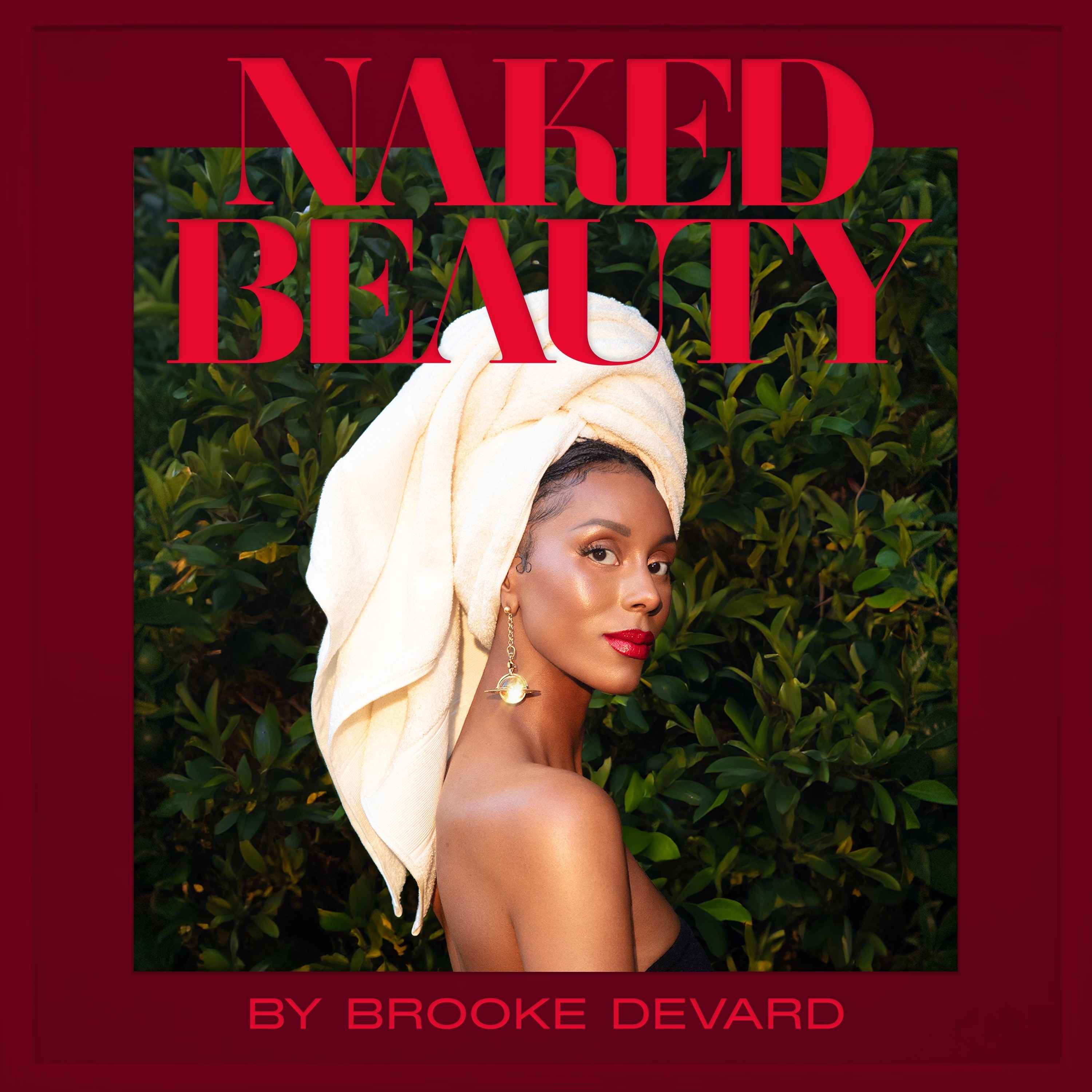
It is officially March, and in my book, that means it's time to start celebrating spring. I went to Macy's for a little bit of style inspiration, and they have so many brands that I didn't even realize that they carried. For instance, did you know that they carry Byredo? Yes. One of my favorite, favorite fragrance houses of all time is now carried at Macy's. And because it's spring, I'm excited to think about updating my spring fragrance wardrobe. Now, in the winter, I love, like, a deeper, woodier scent, but as we transition into spring, I want something a little bit lighter, something. So as we move into spring, let me tell you the two Byredo scents that are in my cart. The first is De Los Santos. I first smelt this on Sir John. Literally the first day I ever met him. He was wearing this fragrance and I was like, I'm sorry, what are you wearing? You smell incredible. It has this mint freshness with notes of Clary, Sage, that fresh Ambroxan, and Palo Santo. Now, another fragrance that I absolutely love, Belle d'. Afrique. A classic. You cannot go wrong with Baldafrique. It's got Bergamot, lemon, vetiver, Amber. Gorgeous, gorgeous fragrance. In fact, I have the afternoon off, so I'm going to swing by Macy's and see what else they have in store for my spring beauty overhaul. Without further ado, let's get into today's episode. Thank you so much, Macy's, for sponsoring California. Hello. Hello, this is Brooke Vivard, and you're listening to the Naked Beauty Podcast. And if you are joining us on YouTube, you are watching the Naked Beauty Podcast. I'm so excited about my guest, Amy Liu, who is really a pioneer in the beauty industry. I'm going to give you all a little bit more information about her background. She's the founder and CEO of Tower 28 Beauty. You know it. You love it. Amy dealt with sensitive skin her entire adult life, and she was frustrated that her chronic eczema meant she was stuck using boring clinical brands that often didn't even work. Eventually, Lou leveraged her 15 plus years of beauty industry experience to bet on herself and build her dream company at full 40 years old. The result, an array of affordable and effective products that celebrities and influencers like Hailey Bieber and Tony Bravo swear by. I'm so excited to welcome Amy Liu, and I'm going to add myself in that. That me, Brooke Devart, I also swear by because I love the Tower 28 products. Amy, welcome to Naked Beauty.
- [02:23]
B
I am so thrilled to be here I literally just said I was like, I have really wanted to be a guest on your. On your podcast. Well, I feel like I'm so honored.
- [02:31]
A
Thank you so much. I feel like we had the chance to meet, like, gosh, it was numerous times, but like, five years ago.
- [02:37]
B
Yes.
- [02:37]
A
I remember you doing this.
- [02:38]
B
I think you had just moved not that long ago when you.
- [02:40]
A
Well, I think I was even still living in New York because there was an event in soho at. It was at this beautiful outdoor area, and you were premiering your new, like, cream bronzers, and you had worked with the makeup artist Jessica Smalls, who was consulting on it, and I just thought, wow. I love to see when brands are intentional about inclusivity and not just in, like, a. Here's our marketing campaign, and we've got lots of different color models, but, like, in the product development. And you. You know, our skin tones couldn't be further apart. Yeah, but the fact that the Tower 28 products have always worked so well on my skin and the pigment has always been there, like, it just shows that you really care about product development for everyone.
- [03:20]
B
Totally. I mean, out the gate. So I kind of cut my teeth. My first real job in beauty was working for Smashbox Cosmetics. And from the very beginning, I think I was always taught that the way you make makeup was with makeup artists. And so we've worked with a number of different makeup artists. Our product development team does an amazing job creating base formulas and products. But when it comes to shade development, that's where I really think makeup artists should come in and help us make sure. Because they work on so many different skin tones, I think a lot of teams work on makeup, and they. When they make makeup, they work on the girls in their office, and that's just never going to be representative enough.
- [03:58]
A
Yes, yes, absolutely. Especially not with the way the lack of diversity in the office as well. But I love your point also about makeup artists being, like, really core to product development, because makeup artists use so many things, and I always pay attention to the makeup that's in makeup artists kits.
- [04:14]
B
Oh, for sure.
- [04:16]
A
Because they know everything, and they.
- [04:17]
B
I see that they get everything they get free, so what they actually use is really going to be good.
- [04:24]
A
Yes, yes. Now, okay, I want to take it back to the beginning. You are a Los Angeles native, which is rare. Right?
- [04:30]
B
I mean, is it. I don't know. I'm not born. I was born in Minnesota, but I
- [04:34]
A
was born in Minnesota. You were? I was born in Minnesota, and then I moved to New York when I was seven. So I always say, like, I'm like, a New Yorker.
- [04:40]
B
Same. I moved to LA when I was 5, and so my parents always had parallel lives. Yeah, my parents said I was born in the same town that Hormel makes Spam.
- [04:49]
A
Okay.
- [04:50]
B
So, yes, that's where I come from.
- [04:53]
A
But, okay, five years old on, let's
- [04:55]
B
just say you're like, yeah, I'm an Angelino.
- [04:57]
A
You're an Angelino. What was it like growing up in Los Angeles?
- [05:00]
B
Well, I grew up. So I was born in Minnesota, but then I really grew up in LA. I would say from, like, the 80s. Right. So I'm 47 today. And it was. That was a long time ago. And I would say the world's changed a lot. I grew up in a really predominantly white neighborhood, and my parents, funny enough, there are communities here in Los Angeles that are predominantly Asian or even specifically Chinese, and they intentionally did not not raise me in those neighborhoods. They really wanted to be in a community where we would be exposed to and almost be forced to live a very American life. They felt like that was the reason why they moved to America, where I think they felt like if you went to a predominantly Chinese community, you might end up just hanging out only with Chinese people. And I think that that's pretty true. But I think I grew up in a time when, you know, nobody really looked like me, and in a community that nobody looked like me. Not just like in my high school, but also certainly, like, in pop culture, I didn't have images of beauty that I saw myself in. And I think the world has changed. But, like, when I was a kid, I remember Joy Luck Club was a movie that came out with an all Asian cast. There weren't very many of them. Such a good movie, great movie. But the number of people who would say, oh, you know who you look like? And they would all say, someone different because all look same. You know what I mean?
- [06:19]
A
Just an Asian person.
- [06:21]
B
Yeah, just an Asian person. And so, I don't know. I think, like, the world has changed a lot. But one of the things I've been really interested in when it comes to beauty is I really think it's important for people to see themselves, like, in this industry. So many people, when you talk about beauty, will say, like, oh, it's okay. We're not, like, curing cancer. We're just making makeup. And I actually feel like what we do is really important, because when you make makeup or in general, when you create images of aspiration, whether you're an editor or whatnot, and you use words. You're defining culture, and you're creating this opportunity for people to see themselves and define how they feel beautiful and create confidence. So that's kind of the feeling. I know that was. That was my interest in beauty.
- [07:06]
A
Yes.
- [07:07]
B
And still is.
- [07:08]
A
And I think you do a beautiful job at that. What brought your parents to America? So they were in China, and they were in Taiwan.
- [07:15]
B
My parents were in Taiwan. In China, Moved to Taiwan during the communist revolution, and they were raised in Taiwan. My dad finished college, undergrad. My parents met in college, they finished undergrad, and then they moved to America. Essentially, my dad had an opportunity where he. It's a longer story, but he essentially was like, you can either go work in the family business for an uncle. He didn't grow up wealthy, or this uncle who was like a benefactor to him said, or you can have. I think it was like, $2,000 and go to America and figure out your way.
- [07:46]
A
And he took the $2,000.
- [07:47]
B
He took the $2,000. He got a scholarship to go to Mankato State University in Minnesota. And that's. That was our kind of origin story of being in America.
- [07:56]
A
Wow. And I know your dad was an entrepreneur. Your mom was an auditor.
- [08:00]
B
Yeah. And you don't even know what that means. I don't know what an auditor does, really.
- [08:04]
A
But you're an entrepreneur. Did seeing your dad's entrepreneurship journey, you know, you had your experience in the beauty industry, but then you decided to take this dive and say, okay, I'm going to bet on myself and do my own brand. Like, seeing him be an entrepreneur help maybe in the back of your mind, influenced.
- [08:18]
B
For sure, it influenced. But I mean, the irony is my. My dad. And he would tell you directly. Like, when I told him I wanted to do this, he literally said, he's like, I worked so hard, and I immigrated here, so you wouldn't have to do this. Right. Like, go get a job and do something easy like clock in, clock out. Because he understood how hard it was. And the truth is, as sexy as entrepreneurship is today, back then, my dad didn't become an entrepreneur because he wanted to be an entrepreneur, and he did it because English was the second language, and he couldn't get a job that would really, like, value him and pay him. And I think that's still true to some degree. I think we actually see a lot of young people who are like, I'm not going to be able to get a job, and so I'm going to go and make one for myself. And I just think we're in a different time. But entrepreneurship is viewed differently today than I think it was back then.
- [09:06]
A
Yes. And it's certainly not the path of least resistance. So you have to be so passionate about what you're doing because. Because if you don't have a strong why you're just gonna give up. It's just totally. It's too hard.
- [09:17]
B
Totally. It is hard and it is honestly harder than I thought it was going to be. And I didn't think it was going to be easy and I thought I knew more than I do. But I think it's also like, that's where growth happens. Right. Like you, I learn every day and I think it's one of those things where if you feel like you're not learning, that's actually when you're stagnant and you're not happy either.
- [09:40]
A
So true. So you have this decades long beauty career working at Kate Somerville, Josie Moran, Smashbox Cosmetics. What did you learn at those companies that you still lean on today?
- [09:51]
B
I mean, what I. You have kids, maybe this is something you can relate to. But I think when you become a parent, you tend to parent the way that you, you try to emulate the things that you were shown and given that you really liked and then you tend to try to not do the things that maybe didn't serve. And I think the same is true when you're a manager. So I think when you're a manager or a leader of a team, you're like, I kind of feel like over my career I collected like these things where I would be like, well, if I was in charge I would do this and if I was in charge, like I would, I would also both do things and not do things. And I think that helps me be a more empathetic leader. A lot of people make are fantastic leaders. I think one of the huge benefits I've had is actually having worked for a long time and having been in the seat, like I can understand what that person has to do and the politics they have to navigate and to get an approval, what they've had to go through. And so I, I think that that makes me a better leader.
- [10:51]
A
Absolutely. I would also add that having a bad manager is kind of like a hallmark in your career. Like you have to, you have to work for someone that's absolutely horrible at least once in your career.
- [11:01]
B
But I think it makes you a better manager because then you're some again, you're like, don't do that.
- [11:07]
A
Yes. So, so, so tell me about the worst person you ever Worked for. Not by name, but what, but what you learned from that horrible experience.
- [11:15]
B
I mean again, I came up at a different time when like if people did these things now, it would just so not be okay. I had a manager who would simultaneously yell and like would pick up like staplers and off her desk and would throw not at me, but at the wall that way, like throw things. And I've had, you know, misogynistic, terrible bosses. But I had one particular boss who just was so anal retentive about market week decks, which is kind of what you go to retailers for. Spring, summer, fall holiday and you present product. And this is before, I mean now they have so many faster ways of doing these things. But this is back in the day when we were like I was using a graphic designer and a PowerPoint and like trying to like animate it and do things and like if anything was even like a millimeter off, like the amount of time I would spend just perfecting images in such a small way and the font sizes and trying to get them to fit, like tedious work that is we've all had.
- [12:14]
A
I think having someone micromanage the smallest details that no one is going to notice is so soul crushing.
- [12:21]
B
Soul crushing. But at the same time I will say like I remember someone saying to me when I was doing like I was building a financial model for something and there was one detail that was wrong or like it was maybe like not formatted or messy. And he said to me, he was like, listen, if you want people to trust your work, like numbers are one of those things that is hard to trust when they look messy or something you're not paying attention to. It makes you think nothing is real.
- [12:48]
A
Yes.
- [12:48]
B
And I think there's some truth to that and it made me a better, more detail oriented person.
- [12:54]
A
That is true. Yeah. It's like that saying, like the way you do one thing is the way
- [12:58]
B
that you do everything 110%. And I believe that too.
- [13:02]
A
Yes, yes. But, but I as someone who has also been micromanaged, one particular horrible manager that I had just like micromanaged like to the smallest thing.
- [13:11]
B
Soul crushing.
- [13:11]
A
I was told once that I wasn't putting people like I had to, you know, in like the chew form of an email that I should put people in order of seniority. It's like who, who even looks at like order at which the people are added onto the email.
- [13:24]
B
But, but that's when you're like got a boss, right?
- [13:27]
A
You're like, okay, you know, and of course, and I Did it with a smile. But, yeah, I can remember those experiences of being like, okay, I'm never going to actually micromanage people this way because it feels so horrible when you're on the receiving end of it. I'm such a. Give people autonomy. So you did not. I've read that you did not feel ready to take the leap and launch your own brand, despite having all of this work experience. What do you think that was?
- [13:50]
B
It was fear. I don't think there's another word for it. Right. Like, I think some people are born into the world and they don't have fear and they have this abundance mindset. I am so happy for them. That was not how I felt. I also didn't see myself in, like, you read these stories about, like, at the time, it was like, Emily, you know, Weiss launched Glossier, and she raised this money, but I didn't, like, look at her and think, oh, that means I can do it. And you heard about, like, the women from Away or Rent the Runway. So there were women who had done it, but they. It didn't make me feel like that was a possibility for me. I didn't know anybody who had done it. I didn't know anyone who, like, the people who I had seen become founders were ones who. I don't know. I worked for Josie Marin, and Josie Marin was a model before that. Right. And so she had access in a different way that I didn't have. I didn't know these fancy people, like private equity partners and, I don't know, money managers and all these kind of fancy words and VCs. And so I just. I literally didn't understand how it happened. And so one was, I just didn't feel like I had access and a roadmap in front of me. And I think that's. That's the reason why I love coming on these podcasts, because I think sometimes people, you feel you have to see it to believe you can do it. You have to see it to be it. And I also didn't have, like, you know, a super pedigreed background. And so I just. I just thought I was like a worker bee, and it wasn't an option for me.
- [15:19]
A
You've also talked about how turning 40 was this big catalyst for you to realize, like, okay, I've got to really chase after my dreams. What was it about turning 40 specifically that, like, lit the spark in you?
- [15:30]
B
I mean, I really believe in that saying that you can have it all, but you can't have it all at once. And I think as a woman, we all really struggle with. Well, maybe not everybody does, but I knew I wanted to have kids. I knew I wanted to get married. I knew I wanted to have a career. And oftentimes it doesn't feel like you can have all of those things. And the hard thing about it is at the same time that most of us are kind of really getting into that part of our careers where we're getting the promotion, we're kind of starting to become managers and. And really own more parts of the business. It's simultaneously. That's also when we're, like, having kids oftentimes or, like, that's when our bodies are kind of more meant to. And I think it's hard to be super present in every single part of your life. And so, for me, I felt like, you know, by the time I turned 40, I'd already had all three kids. My youngest had gotten into preschool at
- [16:24]
A
that point, which is a huge accomplishment, getting your child into the preschool of your choice. Very big, very big deal. It felt like when I got my son into preschool here in la, we just moved here. I was like, I feel like I got into college. So you felt like, okay, you've had your kids. Now I can take this, like, second risk. The second. Well, not risk, but now I can enter this next phase of my life.
- [16:47]
B
Yeah, I think so. I had a friend who I had coffee with literally the week that my daughter started preschool. And he and I had gone to business school. And he literally said to me, like, or get off the pot. Like, I thought you wanted to do something. And I was inviting him to my 40th birthday at the time. And he was like, you're turning 40 in, like, two seconds. Like, are you, like, do it now or never. You're not getting any younger. And I was like, wow, easy for you to say. I don't have money and I don't have a partner. And he was like, well, if you have money, you don't need a partner. You can hire people. I was like, whatever. I don't have money. I have a mortgage. I have three kids. At the time, they were going to private school. Threes in private school's a lot of money. And I was like, I can't do it. And he's like, well, what if I gave you money? Then I'll be your first investor. Wow. And if you can find. And I'll do it if you can find the rest of the money within 30 days. And so he was really the one who. I really do credit him for kind of kickstarting things. Because I, I know I wouldn't have done this if I hadn't gotten that opportunity. But I got in my car and I called my best friend, and I was like, the craziest thing just happened. And she was like, we would invest. And I was like, what? Like, people I didn't know that regular people invested in things. And she was like, yeah, we would invest. And then I kind of just followed the cookie trail. Like, I, he and my friend, I will say the best advice he gave me is he gave me a term sheet, but he said, just because we're friends, you shouldn't just accept this term sheet. You should go ask people for advice. And you should. And when I asked them for advice, they gave me money. It was like a weird thing, right? Like, and I think that's what they say, don't ask people for money. Ask them for advice. And it's actually really against my nature, I think, again, being Chinese, like, I don't know if you know much about the culture, but, like, for sure, like, I pay for dinner, you know, for other people. Like, we're like the fight over the bill people. I'm not like an ask for money person. And so it's really out of my nature. And now I look back on it and I'm like, oh, I gave people an opportunity to invest, as opposed to. At the time, there's a part of me that was like, you feel like you're almost asking for a donation, which is wildly different. Right?
- [19:00]
A
Sure.
- [19:00]
B
I was giving them a piece of the company that I was going to go work and build. And so, I mean, that was how things started. But I feel really lucky that I got that opportunity to kind of get that swift kick in the ass that I needed.
- [19:12]
A
Yeah, I mean, that's what a great friend will do. But I love that reframing of, like, you were giving them an opportunity to invest in a business versus asking for a handout.
- [19:20]
B
Yeah. And I think that's part of the reason why, honestly, now, I, I, somebody recently actually on another podcast was like, oh, I was talking to this other founder and they said, you're like, the founder's founder. And I was like, nothing could be a greater. I don't know, Compliments. Because I do think one of the things I really care about is I want to make sure other people don't mess these things up. Right. Like, make the same, make mistakes. I've definitely made mistakes as well. But giving away too much of your company too early in your journey or like, taking money from the wrong people or kind of, again, reframing and making sure that you're thinking about it the right way as opposed to coming from a place of fear, like, trying to come at it from a place of abundance.
- [20:00]
A
Yes, you launched Tower 28 Beauty. Then Covid happens pretty soon after. But one of the things, and it may have been even, like, in my earliest instances of hearing about the brand, you started giving the SOS spray to essential workers because they were all getting these, like, horrible lines from the masks.
- [20:17]
B
Well, and acne. That was people reading Maskne Maskne.
- [20:22]
A
That was the whole thing. What prompted that decision for you to say, okay, I want to give this inventory to these essential workers?
- [20:29]
B
Well, if you remember, early March of 2020, we launched into every Sephora in the country in the stores. And that was supposed to be, like, this huge moment. I was planning on traveling and going into the stores and educating and doing all these things, and we didn't know how long it was going to last. We didn't know at the time if it was going to be like a month, a week, a year. We didn't know what would happen. And so a lot of our inventory was tied up in the stores. And yet Social was the one place everybody was attached to their phone. Everybody was on Social. And the truth is, it was very organic. I started seeing people who were tagging us and saying, like, I tried this product. I've been wearing a mask. Like, this has made such a difference. And I would literally, myself, I would write to them, I would DM them and say, if this is truly your experience, I would love for you to write a review if you have a before of your before and after, because they would show mostly their afters. I was like, I would be happy to gift you, like, another, like, two SOS sprays. Like, one for the review, whatever. And I literally did that. And I think after a while, I figured out, like, I was like, oh, a lot of who's wearing masks? It's people who are essential workers. Those are the ones. If you're at home, you're not really wearing a mask. And I. So I had friends who were doctors, and I would ask them. I'm like, who's like, the charge nurse? And, like, what's going on? And I would send them boxes.
- [21:49]
A
Wow.
- [21:49]
B
And not really expecting anything, to be honest with you. Just being like, it's kind of like playing a lottery ticket. You just kind of hope people will like it and will use it. But a lot of it was so much easier because you're sending like a box of shipping isn't that much money. It's actually quite expensive to ship individually things. And like, it's also like a nice thing to do. It was like essential workers.
- [22:10]
A
Oh, my gosh. Yeah, absolutely.
- [22:12]
B
So because the product is. It's hypochlorous, acid powered, it is antibacterial, anti inflammatory, 100% natural. It really does keep the skin calm because it's anti inflammatory, but it also kills the bacteria.
- [22:25]
A
Yes.
- [22:26]
B
And when you're talking, you're basically getting, you know, saliva on your face when you're wearing a mask, because you're still eating and talking when you're wearing a mask. And that really was kind of the genesis of the product. And then we realized so many other people started telling us that it was great for sunburns, tattoos, for acne, rosacea. For me, it was eczema. We just started hearing about all these crazy use cases. There was.
- [22:52]
A
Yes. Have you seen that people use it for diaper.
- [22:55]
B
For diaper rash.
- [22:56]
A
Diaper rash. Because my. Both of my kids have had eczema. My daughter, she's younger, so she's like more in it. And I was on Reddit, actually. Eczema. And then people were talking about the SOS spray. I'm like, what doesn't this spray do?
- [23:06]
B
It is literally, we call it like that. I don't know if you ever saw My Big Fat Creek Wedding, but it's literally the Windex.
- [23:12]
A
Yes.
- [23:12]
B
Right. Because you can do so many different things on it. And actually, one of the things we're really focused on now is it's kind of, kind of like an everyone's gym bag. So there's like all these people for whether you're working out or if you're like an Olympian, like, there are. People are using this in their gym bags for post workout. Because sweat, again, is like a toxin. And if you sweat and it sits on your skin, depending on your skin type, like, some people are fine and. But some people, if you don't wash your face, that sweat sits on your skin and can breed bacteria. It can make your skin, your acne worse. All these things. Wow.
- [23:47]
A
And I think is it one is sold every 10 seconds at Sephora?
- [23:50]
B
Yeah, we have one sold every 10 seconds. But actually coming pretty close to that is our concealer. To our concealer is wild.
- [23:57]
A
The creaminess of your concealer. Let's talk about it. What was. Yeah, here's the thing. You, you know, because you've been in the industry a long time, there's Nothing. Well, let me not say there's nothing new, but it's very rare that you feel like there's a category where like someone hasn't made something and concealer wasn't necessarily a category where it was like, ok, okay, there aren't enough concealers on the market. But you said no, I actually have something different to offer with, with my concealer. So what was that process?
- [24:23]
B
Well, I had for my own skin. Right. So I have, I don't really have a ton of acne, but I do have a lot of eczema. I did actually. My skin's been the greatest irony.
- [24:34]
A
I say your skin looks amazing.
- [24:35]
B
Well, the greatest irony of all of this, right, is that like my skin, I made a line for people with eczema. I, I still get it sometimes. I really honestly don't get it that much anymore. I have a whole nother theory about that.
- [24:47]
A
Wait, because I want to hear this theory. Because now that as a mother of kids that have eczema, I feel like I'm. It's such a learning curve.
- [24:54]
B
So my, my theory. And it's maybe a little bit hard. So 25% of children have eczema for one.
- [25:00]
A
And do they grow out of it?
- [25:01]
B
They grow out of it by what age? It's so different for everybody. But I think oftentimes we see it like around like 10.
- [25:08]
A
Okay.
- [25:08]
B
You know what I mean? It depends on the kid. Right. But there's. So I'm on the board of the National Eczema association now. And so I actually do know a lot about eczema.
- [25:16]
A
Not.
- [25:17]
B
I used to know a lot about mine, now I know about it, like just generally. So kids do grow out of it. A lot of it. What they say with kids is in general it's an autoimmune issue. So it's like your body, especially when you're a child, you're learning how to like it's the same way your body experiences fever, right? Your body senses fever to tell you there's something wrong. And it's like fighting something off. When you have an autoimmune issue, it's almost like you're overreacting to something you're experiencing. And so babies, children are building up their immune systems in adults. Like I actually personally believe a lot of it is. Have you ever read the book the Body Keeps the Score?
- [25:57]
A
Yes.
- [25:58]
B
I think it's that. I think it's like stress lives in the body, emotion lives in the body. I'm a little bit woo woo. And. But I, I think for me Honestly, that was a lot of it. And I don't think I've ever really talked about this publicly, but I think a lot of it was like, I really was on this. Even when I was working for other people. I was happy working for other people, but I didn't feel like I was on my path yet. Do you know what I mean? Like, sometimes when you're doing something and you're like, I just don't know if this is the right thing, and yet I keep investing in it. It's like being with the wrong boyfriend. Like, yes, when you. He didn't cheat on you, he didn't do anything really wrong, but you're like, smooth. Something about this isn't right. And that's how I felt about my career. And I also felt like I. I just felt like I was meant for more, but I almost felt stuck and stagnant. And I really think that is a lot of where my personal eczema came from.
- [26:51]
A
I believe that. I think that your body does hold these stressors and that stress manifests even if you're good at masking it and doing that. What is it like the sitting duck where you're paddling beneath the. The surface, but you seem calm. You may seem like you're calm and you've got it all together, but I think it does manifest physically, 100%.
- [27:10]
B
And I. And I think for some people, it's like your digestion. For some people, it happens to be your back or whatever it is. But like, for me, it was my skin and it is kind of the greatest irony. But like, since starting Tower 28 and like, really doing what I believe is like my. My heart and my life's purpose, I really have not had very much eczema. That's amazing. It's not to say never, but I also believe that there are things that can, like, make it worse.
- [27:36]
A
Sure.
- [27:36]
B
So once you have, like, it's like a cold sore, Right. Like when you kind of feel it coming. There are things that can make it worse.
- [27:41]
A
Yes.
- [27:42]
B
And for me, it's drinking, it's sugar, it's not sleeping well. It's. You know, there's so many things. But I tried everything. I tried every elimination diet. I tried like, all kinds, acupuncture, I tried every western, Eastern, steroids.
- [28:00]
A
Quitting your job was the trick.
- [28:02]
B
I mean, I think it's a combination of quitting your job and then I do think there is something about going back to basics. And like, we overstimulate our skin sometimes
- [28:11]
A
and don't fragrance is A big part of it. The amount of fragrance that they pump into these products.
- [28:16]
B
Yeah, I don't believe so. Personally, I don't believe that fragrance, essential oils, all these things, I don't think they create the eczema, but I think they exacerbate it.
- [28:24]
A
They're irritants.
- [28:25]
B
Yes, they're known irritants. And when your skin barrier is broken. So your skin. Skin barrier. Your skin is literally. I mean, yes, we want it to look beautiful, but it's there really to fight things on the outside. Right. So your body is. Your skin is your body's largest organ. And they say that 70 of what you put on your skin goes in your bloodstream. I don't really know if that's true, but to me, like, if your skin barrier's broken, if it is compromised, then you should be more worried about what you're putting on it. And it. And it can flare so much faster.
- [28:56]
A
Absolutely. I think we were talking about your concealer, but I love. But I love the journey we went on talking about the eczema because so. So the concealer, what was it formulated for? People with sensitive skin.
- [29:05]
B
So all of our products are formulated for people with sensitive skin. We are the only brand that is 100 compliant with the National Eczema Association. That was always from the get. But part of that means that we also test that way. So we spend. I mean, like, honestly, I was just reviewing budgets recently. We spend like $150,000 per launch on just testing. And it adds about, I would say, I don't know, three to six months on the timeline.
- [29:31]
A
Wow.
- [29:31]
B
It's about three months for the testing that we add and then another three months to get the seals because we have to have the National Eczema Association. Rosacea and psoriasis. We have them look at all of the testing that we do. We have them look at the ingredients to make sure we're avoiding them. And we have to send them the products. Wow.
- [29:47]
A
That's a really big commitment. One of the things I'm curious about and I've seen spoken to friends that have been doing fundraising. One of my friends has like a B certified corporation, B Corp. And the investors, the VC people are like, this doesn't matter to consumers. And it's quite. It's honestly making your process more expensive and it's more timely. So just like, drop that. No one's really going to care.
- [30:07]
B
Yeah.
- [30:08]
A
She's like, no, it's important to me. When you were getting funding, wanting to do this extra step of spending the three to six months and making sure that it was compliant with all of these different organizations. Were you ever just dissuaded from doing this because of the additional cost?
- [30:20]
B
Not really. But then again, I was going to my. I. My funding came from friends and family. I didn't have institutional funding. So it wasn't like some big private equity person who.
- [30:32]
A
Right.
- [30:32]
B
I mean, the truth is people invested because they were investing in my resume and they were investing in my reputation.
- [30:38]
A
Yeah, but that is something for founders to hear and understand that, like, there may be something that's really important to you, but a VC firm will come along and say, like, it's making the process too expensive, so just drop it.
- [30:49]
B
It's hard. I mean, I think in general there's this really fine line between, like, listening to people, but then also having really clear conviction. Right. You don't want to be the person who doesn't hear it and you don't want to be the person that, like, somebody said this recently and I was like, oh, it rings so true to me. But like, if something succeeds, then you're like, definitely do it. But it's almost like the worst thing is if something like, has like a low level of success for a long time, like, it just kind of seems like it's working, that's really hard because you just can't get out of it. So. And my point is more like you have to be able to listen because if you're just like blinders up and I'm just gonna do everything that I think, but like, no one's picking up what you're putting down. Like, I don't know, you're just kind of like sitting, but you're running in place for me, Like, I really try to both listen, but then there's always going to be a bit of discernment and intuitiveness too. That has to be clear.
- [31:45]
A
Yes.
- [31:46]
B
And I think the more self aware you are about, like, what you want, what you're good at, the more likely you are to make a better decision.
- [31:54]
A
Absolutely. So the concealer.
- [31:56]
B
Oh, yes. So our concealer is actually the number two concealer at Sephora units.
- [32:02]
A
Okay. What's number one?
- [32:04]
B
Nars.
- [32:05]
A
Okay.
- [32:06]
B
Do you know how long NARS has been around for?
- [32:08]
A
She's been around. So for you to be number two is amazing.
- [32:11]
B
Well, we're number three in dollars. We're number two in units.
- [32:15]
A
Okay. That's incredible.
- [32:16]
B
Yeah. So it is actually really incredible. And the reason why we're number two in units is because our price point is so much lower.
- [32:23]
A
What is it $28?
- [32:24]
B
20? Yeah. Is it 24?
- [32:26]
A
I think 24.
- [32:27]
B
Okay. So it's just much cheaper than anyone else's, and it's an amazing product. And I just. I actually think a lot of people are not even wearing foundation anymore. I think they're wearing concealers and then pulling it out.
- [32:39]
A
Yeah.
- [32:39]
B
And ours is so, like, creamy and beautiful that you can use. I mean, honestly, at that point, you can afford to buy two. And especially when you are. I think anyone medium to deeper skin tone basically needs to, because you're two different skin tones in the center of your face than you are on the outside. And then there's like, a third if you wanted to, like, contour, which, by
- [32:59]
A
the way, I do with your products. I have three different colors. It's like a whole mapping situation.
- [33:04]
B
It's a whole. And you're.
- [33:05]
A
I feel like there's, like, a light reflection almost in. There's, like, this, like, beautiful, like, brightening that happens when I use the under eye. How is it formulated to look so good? Like, skin? Like.
- [33:15]
B
Well, I mean, so much of that is in the formulation. It's like saying, like a cake. Like, how does a cake get made? It's like, not just the ingredients, but it's like, the way that it gets made. It has a lot of great ingredients in it, so to help you kill your skin, too. So, like, lysine is in it. And the reason we put lysine in it is because I get cold sores. And I was noticing that, like, every time I went to get a cold sore medicine, like a breatha basically has lysine in it. I was like, what does lysine do? So I don't know. The. The concealer thing, I have to tell you. Like, we made this product, and we make this product in Italy, which is where the. They call it the cosmetic valley. So there are certain products that are better from different parts of the world, and emulsions, and specifically concealer mascara. Certain things that we make are best from Italy. And so we literally went to Italy, met with the chemist there, and this was a really important product to me. Like, I tried so many different concealers. We briefed so many different people for this. And, like, when I found this one, I was like, this is the one. And we iterated on it to make it perfect, but we just came out with new shades as well.
- [34:21]
A
Oh, wow. So how many shades do you have now?
- [34:23]
B
We just added eight more. And so it was 20. Now it's 28. And I'm proud to say that the new additions are not, like, again, just on the deep shades. They are literally actually probably more on the light side. But it's a lot of undertone. So it's a lot of the, like, pink undertone and olive undertone that we were missing before.
- [34:40]
A
Yes. And. And, you know, to. To go back to the start of this conversation, I feel like you've been so much at the forefront of championing bipoc beauty founders creators. Your collaboration with Toni Bravo. It was so nice for me to see you all run into each other here in the studio. I love her as she was leaving the podcast, but, yeah, she's someone that was super vocal about blush and blush on deeper skin tones. So that by the time she had the Tower 28 collab, we were also excited to buy it.
- [35:08]
B
Yeah. And it was a true story. I mean, like, she really came into the office and we were. We brought her in the way we bring creators and sometimes and friendlies. And we gave her a preview of the blushes that we were gonna launch, and she said, that's great. And. But you're missing two. And we were like, tell us. And she's like, I. And she started pulling things out of her bag, and she was like, what I would do is I would take this and I would mix it with this, because she basically was using, like, three different blushes to get her blush. And we were like, I mean, you just gave us the idea, why don't we do it together? So it was genuinely very much like a truly authentic thing.
- [35:43]
A
I love that. Do you. Do you feel that? I think the discourse in my group chats around. So we had 2020. We had this whole reckoning with the murder of George Floyd. There was this, like, really, this groundswell of support. Do you feel like that support has kind of waned in terms of.
- [36:01]
B
Absolutely.
- [36:02]
A
Yeah.
- [36:03]
B
Absolutely. And honestly, if I'm being. If I'm being honest with you, I'm really struggling. I have a program called Clean Beauty Summer School. Yeah. And we've done it six times. And every year, we bring on 10 new beauty founders, and we.
- [36:15]
A
The.
- [36:16]
B
The goal has always been the same. It has been, let's give 10 beauty founders who are BIPOC minority founders access mentorship and education and hopefully increase the probability of success for them. And just this year, I literally said this recently. I was like, I sent out an email to all of the 60 people, and I was like, listen, every year we bring on another 10. But instead of maybe bringing on new people, I feel like it's gotten really Hard to sustain. How do I help you?
- [36:48]
A
Yeah, like nurture the, the existing.
- [36:50]
B
Nurture the existing 60 instead of like every year bringing on new people. And so I'm actually like, the email I sent literally said I was like, you know, the, the most important thing that we do as entrepreneurs is knowing how to, how and when to pivot and change and not just like rinse and repeat the same thing that you did every year. And this is a true story. Last year, one of my friends, I asked to be a mentor who's a founder, and she said, amy, I'm not gonna do it. And I was like, why? And she said, because I just, I don't know if I think you're doing the right thing. I don't know if by encouraging more people to start right now, you're giving them hope that isn't like, like it's too hard. It's so hard to raise money right now. It's so hard to get into a retailer. It's so hard, so hard to stay,
- [37:35]
A
stay in a retailer.
- [37:36]
B
Yes, it's expensive. And when she said that, she was like, listen, I care too, but like, I just don't know if you're not being more honest about how hard it is to stay in the game. And so when she said that, I really thought like, okay, what can I do? And I really do think this year we will pivot towards just spending more attention and time on those 60 people and then maybe like trying to find more ways of incorporating new cause. I just, I don't want to do nothing. But I do think it's. It's been a hard, definitely, like, I just think people don't feel seen and heard. I think people don't feel it's like a humanitarian issue. I think more than it is a political one.
- [38:16]
A
Yes, yes. But I do think I am encouraged that within like communities and peer to peer, people are finding ways to support each other.
- [38:25]
B
I think so too. I think so.
- [38:26]
A
That gives me encouragement.
- [38:27]
B
Listen, I think the beauty industry is incredibly collaborative. It is. And I think the power, it's like one of my favorite quotes is like, a small group of people can change the world. Indeed, it's the only thing that ever has. It's like one of my favorite quotes. I used to walk by it every day at my kids school and because they had it on a sign. And I think it's really true. And my thought has always been like, I think if we can change the people who are in positions of power, whether you're talking about employees or you're talking about founders. It's like the images we put out there, the products that we make, everything is bound to change.
- [39:02]
A
Absolutely. And speaking of the images that you put out, I feel like Tower 28 is also a really fun brand. Like, it's accessible, it's approachable. There's, like, color, there's fun. I feel like a lot of brands take themselves very seriously. They're, like, intimidating intentionally.
- [39:19]
B
I love that you said that. We just went through this whole branding exercise, and one of the things came out from it was like, like, we have, like, sits with us vibes. Like, we're like, come sit with us.
- [39:29]
A
Sit down. You definitely have sits with us.
- [39:32]
B
And I was like, I love this.
- [39:33]
A
Yeah. So. So as you think about, you know, the evolution of your brand identity, how do you kind of think about, like, what. What is the core of Tower 28 and what do you want? What do you want to always be a part of that experience?
- [39:45]
B
I mean, the core of it, honestly, is what it always was. Again, like, I think my. The customer that I really hope to help is the person who was never able to wear makeup or skin care at its very core because they've had problematic skin and they just couldn't trust it and they were so afraid that it was going to make their skin worse. The number of. I get these letters, I get DMS from people who tell me, like, they've never felt so seen before. It's. I don't mean to, like, over exaggerate it, but especially, I think after joining the National Eczema association board, I've been so much more privy to just how hard it is to suffer from skin issues. And, like, for me, I felt like my skin was terrible. And I would say to my doctor, like, I need steroids. I need all these things. And I remember my doctor would say, like, you're fine. It's not that bad. And now I meet these people who have, like, eczema that turns into. I mean, eczema is essentially an overproduction of staph. So then you can get, like, sepsis, and then you can get hospitalized, and then you can't. Like, people can't sleep, you can't sleep, you can't go to school, you don't go to school, you can't. People feel so. And look so afflicted that they won't try to get a job, they won't try to go on a date, they won't try to make a friend. And, you know, people have tried to commit suicide. There's, I mean, or have committed suicide. I mean, there's terrible stories out there. And I really, again, back to beauty. I think there's so much in that where like the way you behave is so inherently, or strive for is so inherently attached to the way you feel about yourself that like we like to say that we're like a safe space for sensitive skin. That's really the goal. Like a modern day version of what I grew up with, which was Clinique.
- [41:27]
A
Yes.
- [41:27]
B
You know, and Clinique to me was like that person in the lab coat. It felt, to your point, serious. It felt a little bit like far away, but it did feel safe and it felt like an entry level price point. So I still got to shop at Nordstrom when I was a kid, but then I was buying. Like the entry level price point.
- [41:45]
A
Yes.
- [41:45]
B
And that is again, back to the concealer. That's why that concealer is like $24 as opposed to 50.
- [41:51]
A
Yes, yes. I'm so curious. For someone like you that has three kids, you're running the business, Founder and CEO. Like, that's because it's like your heart is in it. Right? Like, you're not just merely a CEO. Like I feel like founders and CEOs have just like a very special, like dual task where they're like nurturing, they're like baby of a product and running the business. How do you relax? Like, what are the things that you do to. And I love asking women like you this question because I think it's really hard for us to make time to relax.
- [42:23]
B
It's 100% true. And I think I was saying this to my husband recently. Like, even when I'm at home, it's hard for me not to do all that stuff, you know, that second shift and not notice the dishes, not take care of like the meal prep, not do all the things that we like, not put things away. And it's not relaxing. Right. So I don't know. I think the main, the, the regular things I do, I go on a walk with my husband every single morning. And he's our cfo, which I think that means that we spend a lot of time together. We actually intentionally. Like his office is on the other side of the office as mine. We don't drive together. I don't talk to him that much during the day.
- [43:06]
A
You guys go on a walk together every morning.
- [43:08]
B
But I literally don't.
- [43:09]
A
Romantic.
- [43:10]
B
I have zero coffee in my house and I'm addicted to coffee same. And the reason I do that is because it forces us to go on A walk and get coffee every morning. Which I used to feel really guilty about because I was like, coffee's expensive. Right.
- [43:23]
A
But that's your date.
- [43:24]
B
But that's literally our built in date. And I'm trying to be more like, I don't know. Okay. With these things. I also do get massages. I probably get a massage like once a month or something.
- [43:35]
A
Okay, wait, what's your coffee order?
- [43:37]
B
Oh, always almond milk. Cappuccino.
- [43:40]
A
I love a cappuccino. I feel like cappuccinos have kind of like fallen out of favor and they're so good.
- [43:45]
B
Yeah. I mean, I only recently learned that a cappuccino is basically the same thing as a flat white.
- [43:50]
A
Yes. I was gonna say, in the UK they say a flat white, but I feel like maybe a cappuccino has like
- [43:53]
B
extra foam, but yeah, something like that.
- [43:55]
A
Very nice. Okay. And then you do. You'll do a massage like once a month.
- [43:58]
B
I do a massage like once a month. I do a red light machine. Really? Really?
- [44:03]
A
Which one?
- [44:04]
B
I have the fancy salooma. So do you know Namvo?
- [44:07]
A
Yes, of course.
- [44:08]
B
Dewey Dumpling.
- [44:08]
A
Dewey Dumpling.
- [44:09]
B
Dewey Dumpling. My. So my girl Nam, she literally was like. And the reason I really love. Well, first of all, she's amazing and she's so funny. She is. But on top of that, she doesn't do Botox, she doesn't do fillers, and she looks amazing. So I was like, okay, I don't want to do those things either, but I'm 47, I've got to do something. And she was like, you need a red light machine. So she was the one who put me on.
- [44:32]
A
I have.
- [44:33]
B
And then Nikki DeRose also, like, is like such a big fan of it. So I was like, guys, tell me how this works. Like, what do I do? And they were both really fanatical about it. And so when I am doing it really regularly, I actually do feel like it makes a difference. So I, like, will put on a podcast. I listen to your podcast.
- [44:48]
A
Thank you.
- [44:49]
B
I will put on a podcast and put on my red light. My husband hates this because it's really bright for the other person.
- [44:56]
A
My husband asks me for mine. He's like, can I get a turn on the mask?
- [44:58]
B
Oh, really?
- [44:59]
A
Yeah.
- [44:59]
B
Which one do you use?
- [45:00]
A
Back and forth. I have the shark beauty Cryo glow that has like the under eye.
- [45:04]
B
I do too. And I really like that one. I just don't find it as intense. But I like that one because I can still see.
- [45:10]
A
Yes.
- [45:11]
B
And so it's hard to, like, make time to, like, lay down.
- [45:14]
A
Yeah.
- [45:14]
B
Because the. The saloon is a panel, so you have to, like, lay down.
- [45:17]
A
But maybe you need that. You need the forced.
- [45:20]
B
Yes.
- [45:21]
A
Time to lay down.
- [45:22]
B
My skin also needs a bit. Yes.
- [45:24]
A
I mean, your skin looks great. Are there any other beauty products that you absolutely love?
- [45:29]
B
I actually really love Shani Darden's products. We love.
- [45:32]
A
I just saw her yesterday.
- [45:33]
B
I love Shani. Well, I love her as a person, but I think her products are also really great. I use her retinol. I use her moisture. Something like it's a.
- [45:42]
A
The moisture plump the moisturizer.
- [45:44]
B
Yes, yes.
- [45:45]
A
Beautiful.
- [45:45]
B
It's like a serum, though. Yes, I use that one. I love Mara products. I love her oil cleanser.
- [45:51]
A
Mara Mar.
- [45:52]
B
M A R. A M A R. Is Alison McNamara okay?
- [45:55]
A
Yes, yes, yes. Okay. I've seen it. I haven't tried her products.
- [45:58]
B
Oh, I love her brother. Many of them are oil based, so you have to like oil.
- [46:01]
A
I love it. I love an oil. I mean, down in oil.
- [46:04]
B
I love a good oil. I also really. We're talking about skin right now. I think Sophie Pavitt. I really like her Mandelic.
- [46:10]
A
So good. She just launched her sunscreen yesterday.
- [46:12]
B
She just launched her sunscreen. And I just also like. I like all these people too, which, I don't know, that helps. Helps. But they're all great people. I love when you can, like, vote with your dollars. You know what I mean? Like, you're like, spending money in a way that, like, you. You feel like you're really supporting the right people.
- [46:30]
A
You know, it makes, I think, all the difference.
- [46:32]
B
Yeah.
- [46:33]
A
What's your go to fragrance?
- [46:35]
B
I don't wear fragrance. So again, I've had a long history of eczema, so I don't wear fragrance.
- [46:41]
A
That totally makes sense. It totally makes sense. Any hair care favorites?
- [46:45]
B
I mean, I love Rose Mara Rosak brands. Her hair milk, I think is like, just the best. That's probably the product they use the most. I started just using. She has a scalp product that she just launched and it kind of foams a little bit like a shampoo. It is so good. I've tried a lot of these scalp products because I try not to wash my hair that much. So I feel like I need to kind of get a good cleanse in. That one's really good.
- [47:11]
A
I will have to check that out. Can I ask you for advice for people listening to this that do feel stuck in their careers? They're on the path, you know, they're feeling like there is Something more for them. Like you said. What advice would you give people listening that feel like they're in that space?
- [47:27]
B
I mean, have you ever. I mean, have you ever heard people talk about, like, the whispers? I just really believe that, like, it's
- [47:33]
A
like, tell me what that is.
- [47:34]
B
It's like the idea that if you just like, pause and you listen, the world is telling you what you should do next. And I really believe that, like, if I. Again, I really think that if you can have it all, but you can't have it all at once. And like, we all live through these, like, seasons in life. And now that I look back on, all makes sense, right? Like, the fact that I had jobs, I didn't love the fact that I had bosses. I didn't love the fact that I did things and I was in roles where I learned a lot. Even if I, like, if I had done this when I was in my 20s, I don't know that I could have handled it. And I don't know if I would have like, that. The growth and the success that we've seen as a brand, I don't know what if it. It's like a gift I would have been given that I wouldn't have known what to do with. And so in hindsight, it all really makes sense. And so there's a part of it where you have to like, trust the process, but you also have to like, keep trying to grow. So like, for me, I went from, like, every company I went to was smaller, but my roles got bigger every time. And I think there's something there where, like, I intentionally was getting better myself. Like, I was growing as a person. And I don't know, I guess same thing with like, dating, right? Like, I always thought about this when I was dating. Not that I dated that much because I've been with my husband for such a long time. But like, like, don't change just for the sake of change. Change for the sake of evolution. Like, get better at it. Figure out what it is that you're looking for and keep getting closer to the target. Like, I don't know. My first boyfriend was like, really nice, but he was not smart. You know, like, okay, next time I'll try to find someone smart. And so then it was like, nice and smart. But he was nice to me, but he wasn't really nice to, like, waiters or waitresses. And I was like, and mom, like his mom or, you know. Yeah, it's like, eh, not that. And then I was like, wait, I kind of want someone I'm really attracted to, you know, like, you get more. You start being like, okay, what are all the things I actually want? But like, don't just change for the sake of change and don't run in place.
- [49:35]
A
Yes. So beautifully said. And my final question. You listen to Naked Beauty, so you know it's coming. When do you feel most beautiful?
- [49:43]
B
You know, I feel the most beautiful when I'm with my kids and in a quiet moment, which I know that you can understand as a mom. It's a little different now that my kids. Kids are older, but, you know, so they're 17, 15 and 12. And there are these, these moments where I feel like I really see them and they really see me and that we can appreciate each other as people. And I know that that sounds kind of abstract, but. But it's true. It's. It's like the quiet moments when you like, realize, oh, I haven't looked at my phone for an hour, you know, and I'm actually present. I think those are the moments that, like, I. My heart feels the most beautiful.
- [50:24]
A
Yes. And those moments mean everything.
- [50:27]
B
Yeah. It gets you through the rest of it.
- [50:29]
A
Exactly.
- [50:29]
B
Life's not easy. It's not.
- [50:31]
A
It's not. But Amy, thank you so much for coming and sharing your story and just also just this message about how to find your path in life because it's so important to talk about. So I just really appreciate you for coming on Naked Beauty. I've walked away from this conversation feeling inspired. So thank you so much.
- [50:46]
B
Thank you for having me. Of course, of course.
- [50:49]
A
All right, thank you all so much for listening to this episode of Naked Beauty.
- [51:19]
C
The longer you stay alive, the longer you can enjoy Boost Mobile's unlimited plan with a price that never goes up. So here are some tips. Do not parallel park on a cliff. If you want to enjoy an unlimited plan with a price that never goes up, do not mistake a wasp nest for a pinata. If you want to enjoy an unlimited plan with a price that never goes up, do not microwave a hard boiled egg. If you want to enjoy an unlimited plan with the price that never goes up, stay alive and Enjoy Unlimited Wireless for 25amonth. Forever. With Boost Mobile, after 30G, customers may experience lower speeds. Customers will pay $25 a month as long as they remain active on the Boost Mobile unlimited plan.
- [51:49]
D
Big news. Boost Mobile is now sending experts nationwide to deliver and set up customers new phones at home or work. Wait, we're going on tour? Not a tour. We're delivering and setting up customers phones so it's easier to upgrade. Let's get on the tour bus and hit the road. No, not a tour bus. It's a regular car we use to deliver and set up customers phones at home or work. Are you a groupie on this tour? We deliver and set up phones. It's not a tour. Oh, you're definitely a groupie. Introducing Store to door Switch and get a new device with expert setup and delivery wherever you're delivery. Available for select devices purchased at boostmobile.
- [52:19]
A
Com.
- [52:19]
C
Here's how to stay alive longer so you can enjoy Boost Mobile's unlimited plan with a price that never goes up. Do not mistake a wasp nest for a pinata. Stay alive and switch now at boost mobile. After 30 gigs, customers may experience slower speeds. Customers will pay $25 a month as long as they remain active on the Boost Mobile Unlimited plan.