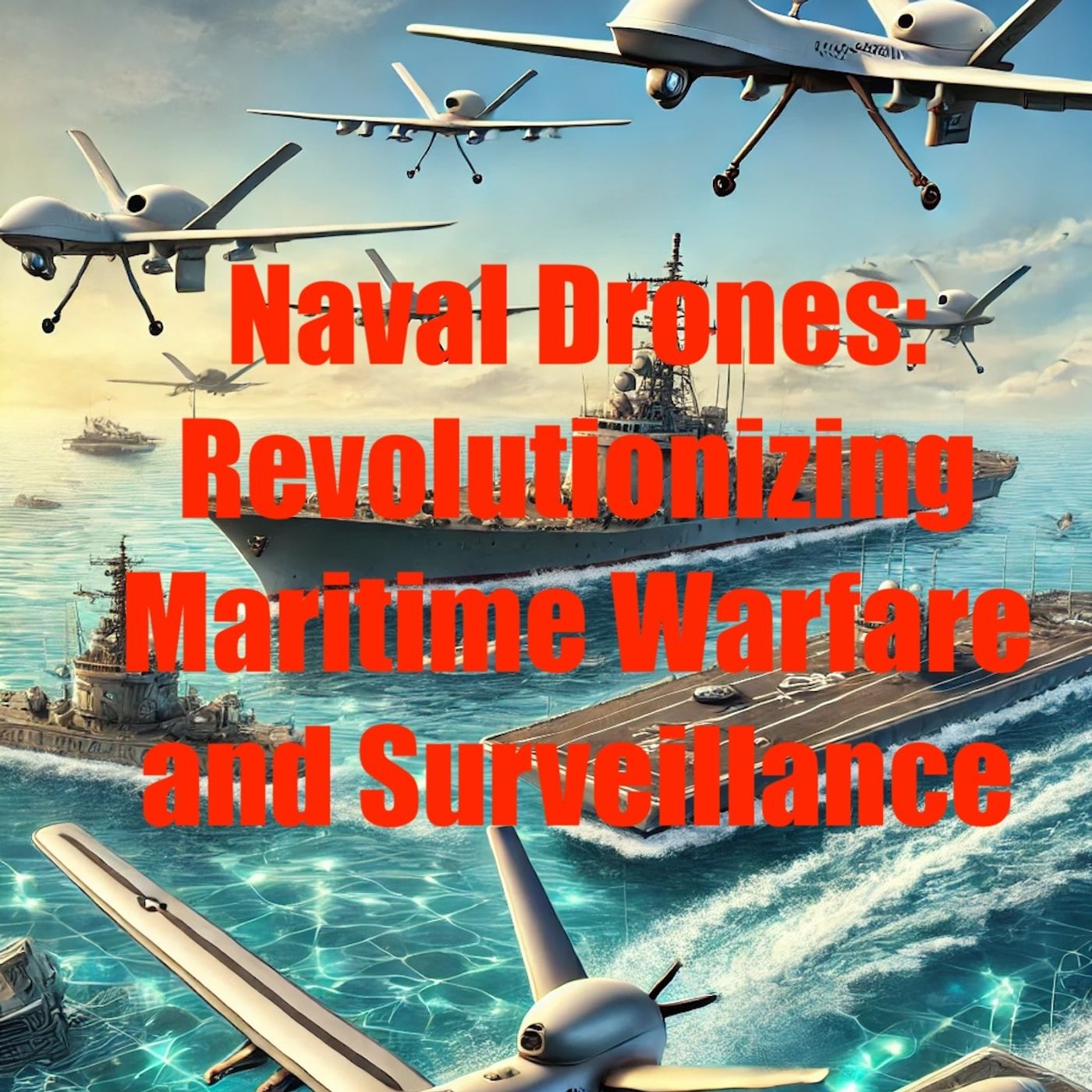
Naval Drones: Revolutionizing Maritime Warfare and Surveillance
Jun 24, 2024·00:30:18·Tap to summarize
The Emerging Role of Naval Drones in Global Military Conflicts Introduction The landscape of modern warfare is rapidly evolving, driven by advancements in technology that are reshaping strategies and capabilities. Among these advancements, naval drones have emerged as a significant force, transforming naval operations and redefining the dynamics of military conflicts around the world. These unmanned vehicles, operating both on the surface and underwater, are revolutionizing the way navies conduct missions, gather intelligence, and engage in combat. As their capabilities continue to expand, naval drones are becoming increasingly crucial assets in the modern maritime domain, offering new opportunities and challenges for military strategists and policymakers alike. This in-depth article explores the development, capabilities, and impact of naval drones, highlighting their role in contemporary military strategies and the future of naval warfare. By examining the evolution of these unmanned systems, their various types and applications, and the strategic implications of their deployment, we gain a comprehensive understanding of how naval drones are shaping the global military landscape. The Evolution of Naval Drones Naval drones, also known as Unmanned Surface Vehicles (USVs) and Unmanned Underwater Vehicles (UUVs), have their origins in the early 20th century. Initially conceived as simple, remote-controlled vessels, these early drones were primarily used for basic reconnaissance and mine-sweeping operations. However, as technology progressed, so did the capabilities and potential of naval drones. Over the decades, these unmanned systems have evolved into sophisticated platforms capable of performing a wide range of missions, from surveillance and intelligence gathering to anti-submarine warfare and even offensive operations. The rapid advancement of technology has been a driving force behind the evolution of naval drones. The development of advanced sensors, artificial intelligence (AI), and autonomous navigation systems has significantly enhanced the capabilities of these unmanned vehicles. Equipped with state-of-the-art cameras, sonar systems, and other sensing technologies, naval drones can now gather high-quality intelligence and provide real-time situational awareness in even the most challenging maritime environments. The integration of AI and machine learning algorithms has enabled these drones to make autonomous decisions, adapt to changing circumstances, and perform complex tasks with minimal human intervention. Furthermore, advancements in propulsion systems, energy storage, and communication technologies have extended the range, endurance, and connectivity of naval drones, allowing them to operate for extended periods and cover vast distances. As naval drones continue to evolve, they are becoming increasingly versatile and capable platforms, able to take on a growing range of missions and responsibilities. From patrolling coastal waters and monitoring maritime traffic to conducting deep-sea exploration and engaging in submarine warfare, these unmanned vehicles are pushing the boundaries of what is possible in naval operations. As technology continues to advance, the evolution of naval drones is expected to accelerate, with new capabilities and applications emerging at an unprecedented pace. This rapid development is transforming the nature of naval warfare and reshaping the strategies and tactics employed by navies around the world. Types of Naval Drones Naval drones are broadly categorized into two types: Unmanned Surface Vehicles (USVs) and Unmanned Underwater Vehicles (UUVs). Each type of naval drone is designed to operate in a specific domain and perform a range of missions tailored to its unique capabilities. Unmanned Surface Vehicles (USVs) are naval drones that operate on the surface of the water. These autonomous vessels are equipped with advanced sensors, communication systems, and navigation technologies, enabling them to perform a variety of missions in coastal and open waters. USVs are commonly used for tasks such as patrol, surveillance, mine detection, and anti-piracy operations. They can be deployed independently or as part of a larger fleet, providing enhanced situational awareness and extending the reach of naval forces. Examples of USVs include the Sea Hunter, an autonomous vessel developed by the U.S. Navy, and the Protector USV, which is used by several navies worldwide for coastal defense and maritime security operations. Unmanned Underwater Vehicles (UUVs), on the other hand, are naval drones that operate below the water surface. These submersible vehicles are designed to navigate and perform tasks in the complex and challenging underwater environment. UUVs are equipped with advanced sensors, sonar systems, and propulsion technologies that enable them to operate at various depths and perform a range of missions, including underwater reconnaissance, mine countermeasures, and submarine tracking. These drones can operate autonomously or be remotely controlled, depending on the mission requirements and the level of human intervention necessary. Notable examples of UUVs include the Bluefin-21, which has been used for deep-sea search and recovery missions, and the REMUS series of UUVs, which are employed by navies around the world for mine detection and disposal operations. The distinction between USVs and UUVs reflects the diverse operational requirements and challenges faced by naval drones in different domains. While USVs are designed to operate on the surface, facing challenges such as waves, weather conditions, and surface traffic, UUVs must navigate the complex underwater environment, contending with factors such as water pressure, currents, and limited visibility. Despite these differences, both types of naval drones share common goals of enhancing situational awareness, extending the reach of naval forces, and reducing the risk to human personnel in high-risk missions. As technology continues to advance, the capabilities and applications of both USVs and UUVs are expected to expand, blurring the lines between surface and underwater operations. The development of hybrid naval drones, capable of operating both on the surface and underwater, is an emerging trend that could revolutionize naval warfare by providing unprecedented flexibility and adaptability. Additionally, the integration of USVs and UUVs with other unmanned systems, such as aerial drones and satellite networks, could create a comprehensive, multi-domain architecture for naval operations, enhancing the effectiveness and resilience of naval forces in the face of evolving threats and challenges. Key Capabilities and Applications Naval drones offer a wide range of capabilities that make them invaluable assets in modern naval operations. These unmanned vehicles are equipped with advanced technologies and systems that enable them to perform complex missions with a high degree of autonomy and effectiveness. Some of the key capabilities and applications of naval drones include: Surveillance and Reconnaissance: One of the primary roles of naval drones is to conduct persistent surveillance and reconnaissance missions in maritime environments. Equipped with advanced sensors, high-resolution cameras, and other sensing technologies, these unmanned vehicles can gather valuable intelligence and provide real-time situational awareness to naval forces. USVs can patrol coastal waters, monitor maritime traffic, and detect potential threats, while UUVs can explore the underwater domain, gathering data on oceanographic conditions, underwater terrain, and enemy activities. The ability of naval drones to operate continuously and cover large areas makes them ideal platforms for long-term surveillance and reconnaissance missions, reducing the need for manned vessels and minimizing the risk to human personnel in potentially hazardous environments. Mine Detection and Clearance: Naval drones are highly effective in detecting and neutralizing underwater mines, which pose a significant threat to naval vessels and maritime security. UUVs equipped with advanced sonar systems and magnetic anomaly detectors can accurately locate and identify underwater mines, even in complex and cluttered environments. Once a mine is detected, these drones can use a variety of neutralization techniques, such as the deployment of explosives or the use of mechanical cutters, to safely dispose of the threat. The ability of naval drones to navigate and operate autonomously in mine-infested waters makes them crucial assets for ensuring the safe passage of naval vessels and maintaining freedom of navigation in critical maritime chokepoints. Anti-Submarine Warfare (ASW): Naval drones are increasingly being used for anti-submarine warfare, enhancing the ability of navies to detect, track, and engage enemy submarines. UUVs equipped with advanced sonar systems and acoustic sensors can detect and classify submarine signatures, providing valuable intelligence on the location and movements of underwater threats. These drones can operate silently and remain submerged for extended periods, making them difficult to detect and allowing them to maintain a persistent presence in ASW operations. By working in coordination with manned vessels and other ASW assets, naval drones can significantly enhance a navy's ability to counter submarine threats and maintain underwater superiority. Maritime Security and Anti-Piracy: Naval drones are also playing a crucial role in maritime security and anti-piracy operations. USVs can be deployed to patrol coastal waters, international shipping lanes, and other areas of strategic importance, monitoring suspicious activities and responding to potential threats. These drones can be equipped with a range of sensors, including cameras, radar, and automatic identificatio...