
Podcast
Negotiating Ideas
Hosted by Omar Sadr · EN
Negotiating Ideas is a Podcast about liberty, democracy, and pluralism in Afghanistan and around the world. I am Omar Sadr, a scholar in exile, forced to flee my homeland overnight due to the Taliban’s brutality. In this podcast, as in my research, I explore how totalitarianism threatens democracy and the ways in which societies reinstitute freedom, democracy, and pluralism. My goal is to create a space for those who value pluralism, democracy, and liberty to find each other to develop solidarity and clarity.
10episodes
Episodes
Newest firstAll episodes
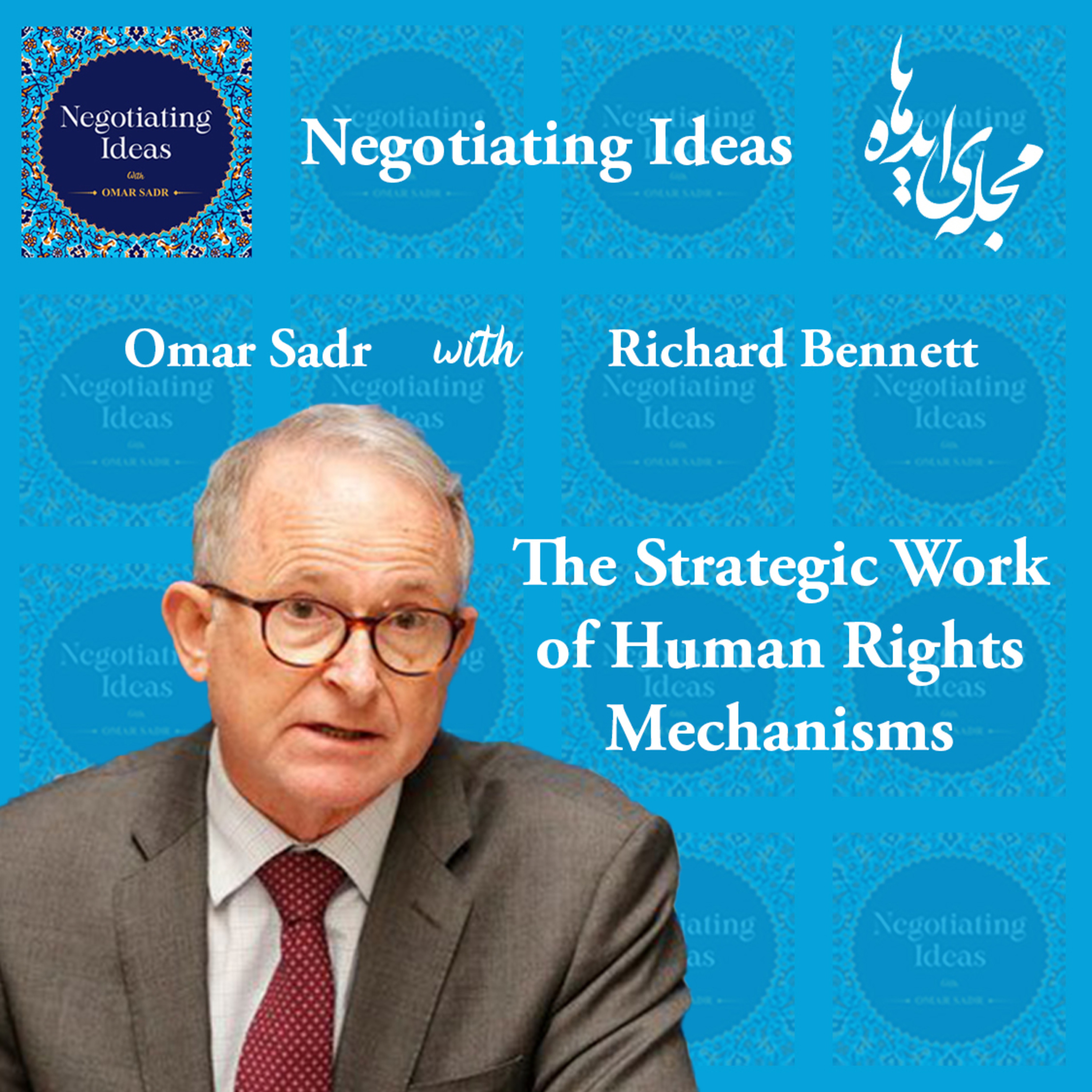
The Strategic Work of Human Rights in Afghanistan
Nov 900:42:48Tap to summarizeOmar Sadr and Richard Bennett discuss human rights independent accountability mechanisms for Afghanistan.Richard Bennett has served as UN Special Rapporteur on Human Rights in Afghanistan, documenting Taliban abuses, advocating for accountability, and keeping international attention on Afghanistan's human rights crisis.But what does a Special Rapporteur actually do? How does documentation become justice? And how can ordinary people support this work?In this conversation, Richard explains his mandate, reflects on four years of this difficult work, and discusses practical pathways to accountability—from the International Criminal Court to universal jurisdiction to people's tribunals. We talk about gender apartheid, cultural erasure, and what role diaspora communities and scholars can play.This isn't another depressing litany of Taliban crimes. It's a conversation about how accountability mechanisms work, where leverage exists, and what strategic human rights advocacy looks like when regimes answer to no one.Readings: Latest UN Special Rapporteur Reports on AfghanistanGender Apartheid and Cultural Relativism under the Taliban and Iranian Regimes, Jadaliyya, 2023The Need for a New Lexicon to Describe the Oppression of the Taliban System, Kroc Institute Policy Brief, 2025Connect with us!YouTube, Apple, Spotify, Instagram, and FacebookX/ Twitter: @negotiateideas & @OmarSadrWebsite: https://negotiatingideas.com/Email: info@negotiatingideas.com
Transcribe →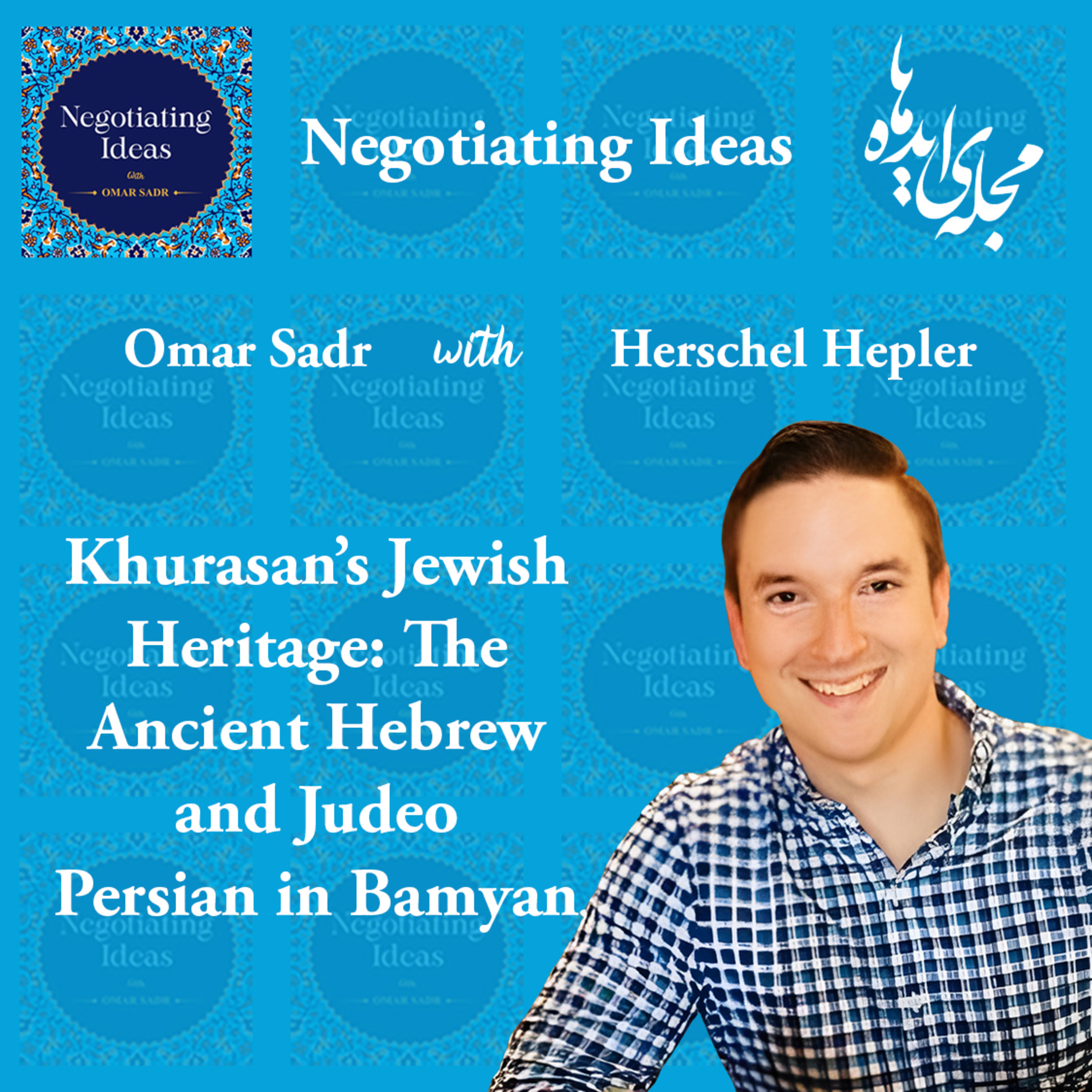
34. Khurasan's Jewish Heritage: The Ancient Hebrew Manuscript in Bamyan
Oct 1200:48:13Tap to summarizeOmar Sadr and Herschel Hepler discuss Afghanistan's Liturgical Quire, the oldest Hebrew and Judeo-Persian prayer manuscript in the world.This remarkable manuscript compiles three prayer genres into a single bounded book which in Judaism is called codex: morning prayers for the Sabbath, poetry for Sukkot, and a Passover Haggadah mysteriously written upside down. But beyond its religious significance, this book represents something rare—a tangible bridge between Persian/Afghan/Afghanistani and Jewish cultural heritage.Readings: Afghanistan Liturgical Quire, Museum of the Bible.War Papers: A trove of medieval scrolls, smuggled out of Afghanistan into the hands of London art dealers, could shed new light on a once-vibrant Jewish heritage by Jonathan LeeThe Afghanistan Liturgical Quire: Its Codicology, Texts and History Series: Études sur le judaïsme médiéval, Volume: 103. Volume Editor: Rahel FrondaThe UN Special Rapporteur in the field of cultural rights, and the mandate to advance the “human rights-based approach to cultural heritage.”Connect with us!YouTube, Apple, Spotify, Instagram, and FacebookX/ Twitter: @negotiateideas & @OmarSadrWebsite: https://negotiatingideas.com/Email: info@negotiatingideas.com
Transcribe →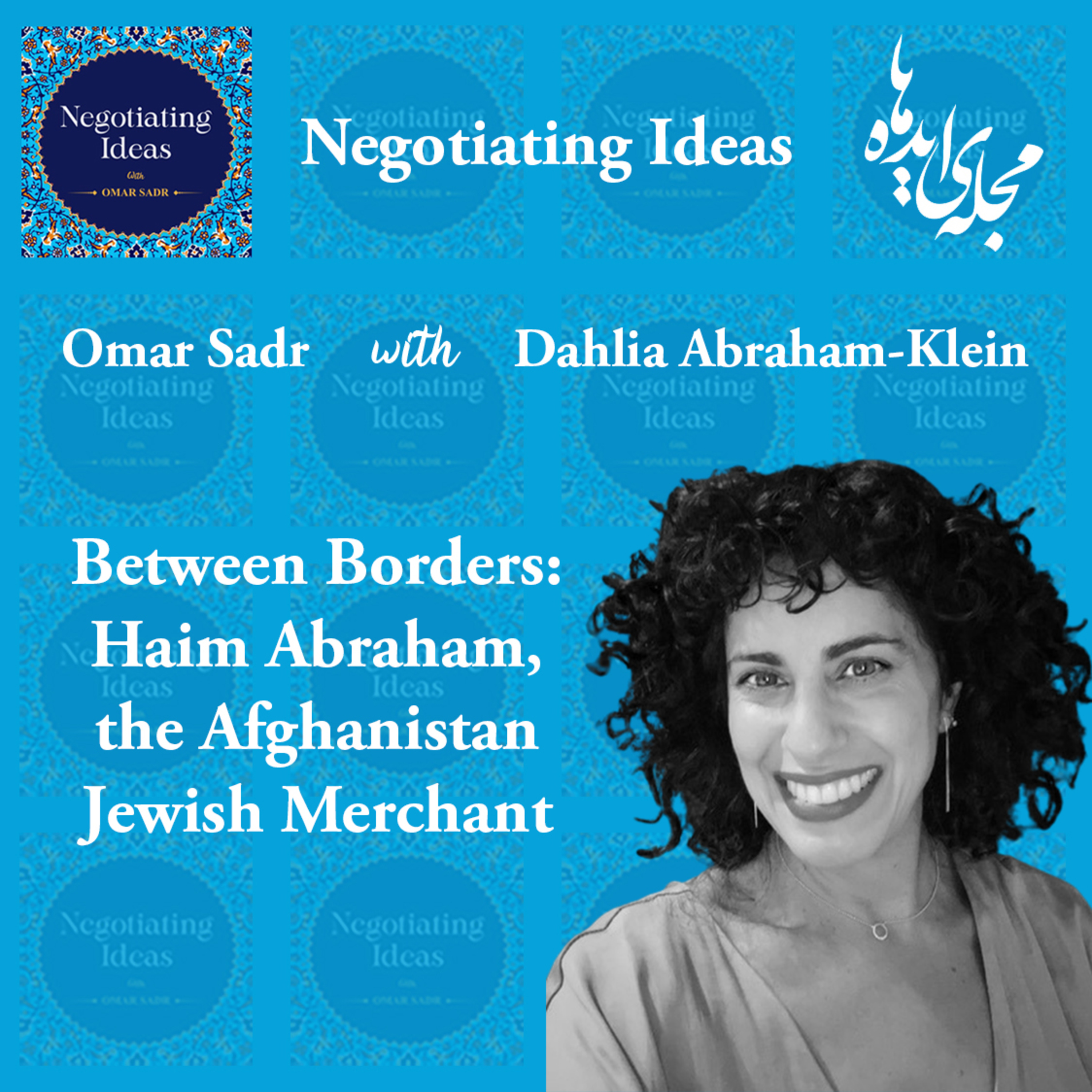
33. Between Borders: Haim Abraham, the Afghanistan Jewish Merchant
Sep 1800:45:44Tap to summarizeOmar Sadr and Dahlia Abraham-Klein discuss Dahlia's grandfather, a Persian-speaking Central Asian Jewish merchant. The Stateless Central Asian Merchant: The Life of Haim Aghajan Abraham (1897-1986).Dahlia Abraham-Klein is a writer on Central Asian Jewish history and Jewish values. Her articles have appeared on Tablet, Chabad, Jewish Journal, and The Times of Israel. She is a teacher at Partners in Torah offering a personalized learning experience on the system of life through Jewish wisdom.Connect with us!Google, Apple, Spotify, AnchorTwitter: @negotiateideas & @OmarSadrWebsite: https://negotiatingideas.com/Email: info@negotiatingideas.com
Transcribe →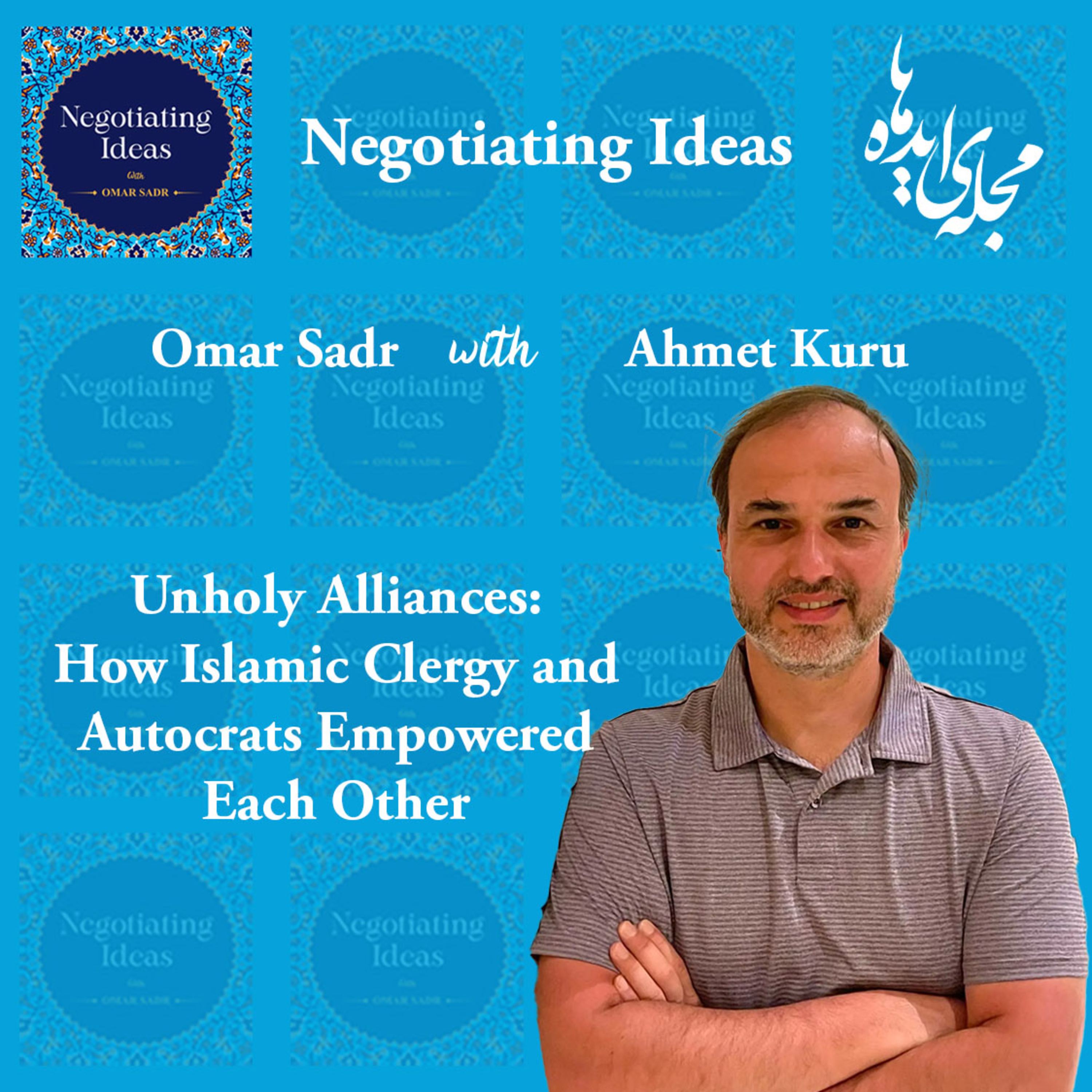
32. How Clergy & Autocrats Empowered Each Other - with Ahmet Kuru
Apr 14, 202500:44:09Tap to summarizeOmar Sadr and Ahmet Kuru discuss the role of ulama in reinforcing authoritarianism in the Muslim world, the complex and often ambivalent relationship between religious scholars and state, models for governance in the religious sphere, and alternatives for state-ulama relations in modern Muslim societies.Kuru is the director of the Center for Islamic and Arabic Studies and professor of political science at San Diego State University. He is the author of Secularism and State Policies toward Religion: The United States, France, and Turkey and co-editor (with Alfred Stepan) of Democracy, Islam, and Secularism in Turkey. His most recent book is Islam, Authoritarianism, and Underdevelopment: A Global and Historical Comparison New York: Cambridge University Press, 2019.Connect with us!Google, Apple, Spotify, AnchorTwitter: @negotiateideas & @OmarSadrWebsite: https://negotiatingideas.com/Email: negotiatingidea@gmail.com
Transcribe →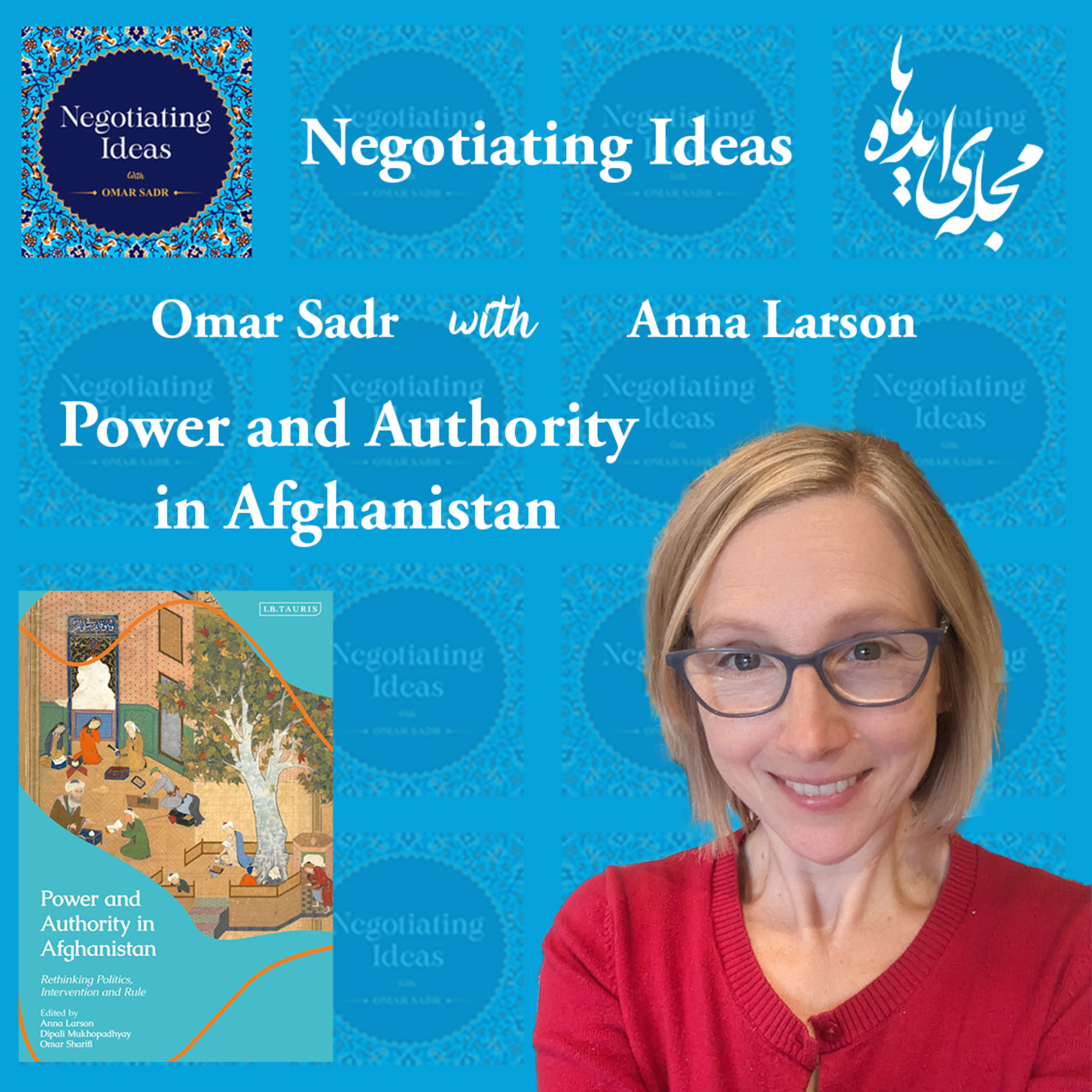
31. Power and Authority in Afghanistan - with Anna Larson
Mar 6, 202500:45:33Tap to summarizeOmar Sadr and Anna Larson discuss Power and Authority in Afghanistan. Published by I.B. Tauris in 2025, "Power and Authority in Afghanistan: Rethinking Politics, Intervention, and Rule" tackles some of the most compelling questions about politics in Afghanistan. The book is available hereAnna Larson is a writer and researcher who has worked in Afghanistan since 2004. She has taught at SOAS, the University of London, and Tufts University. Her PhD explored concepts and forms of democratization in Afghanistan.Connect with us!Google, Apple, Spotify, AnchorTwitter: @negotiateideas & @OmarSadrWebsite: https://negotiatingideas.com/Email: negotiatingidea@gmail.com
Transcribe →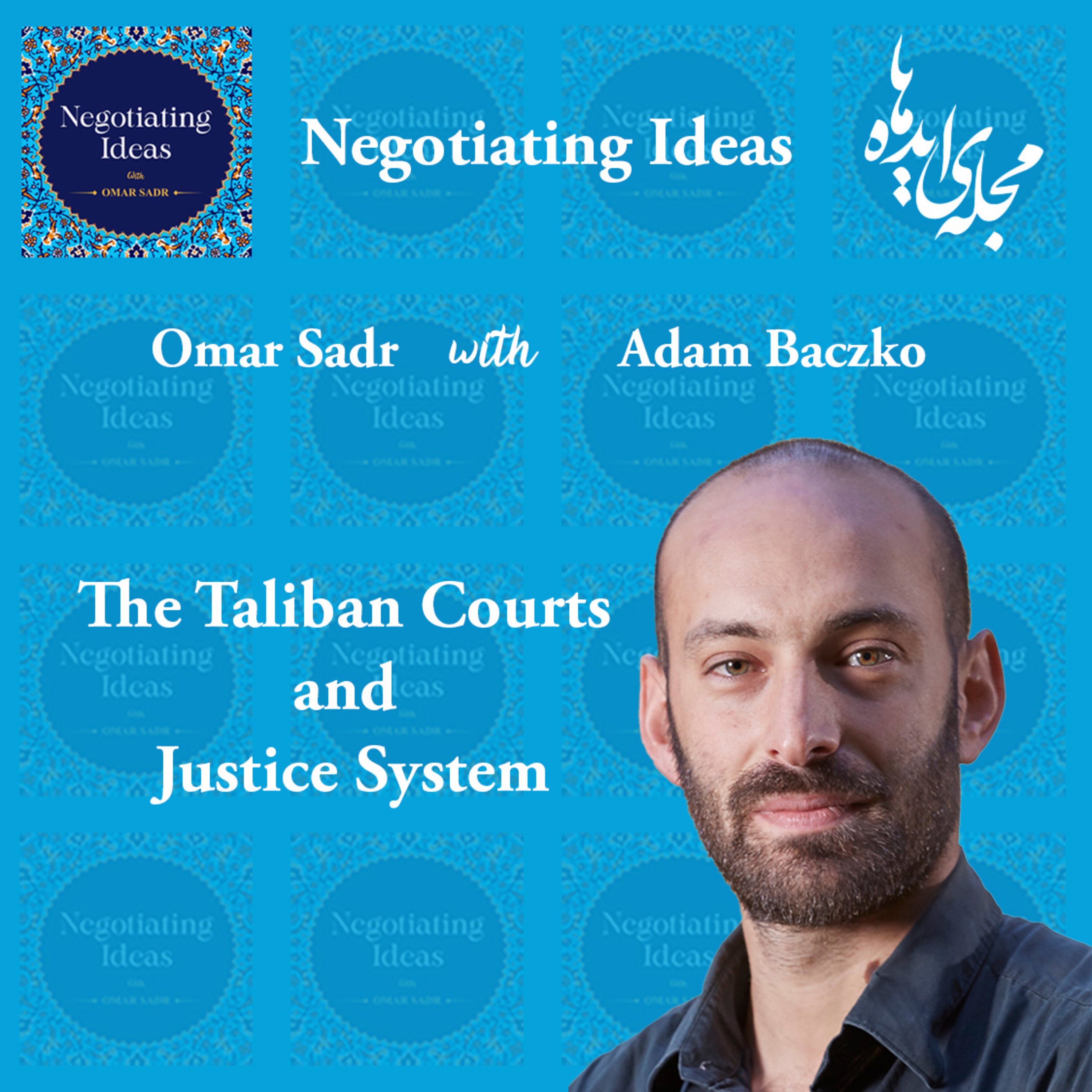
30. The Taliban Courts and Legal System - with Adam Baczko
Jan 8, 202501:15:34Tap to summarizeOmar Sadr and Adam Baczko discuss the Taliban courts and how the group's legal outlook provided them a breakthrough in the conflict. Originally published in French and recently translated into English by Oxford University Press in 2023, "The Taliban Courts in Afghanistan" tackles some of the most compelling questions about justice and authority in conflict zones, particularly Afghanistan. Baczko, a Research Associate Professor at the Center for International Studies, Sciences Po Paris, delves deep into the complex relationship between judicial power and political legitimacy. At the heart of his research lie two crucial questions: How does an armed movement convince a population that its judicial decisions are legitimate rather than purely political? And how did Taliban judges, who simultaneously embodied both judicial and militant roles, establish their authority within communities? Connect with us! Google, Apple, Spotify, Anchor Twitter: @negotiateideas & @OmarSadr Website: https://negotiatingideas.com/ Email: negotiatingidea@gmail.com
Transcribe →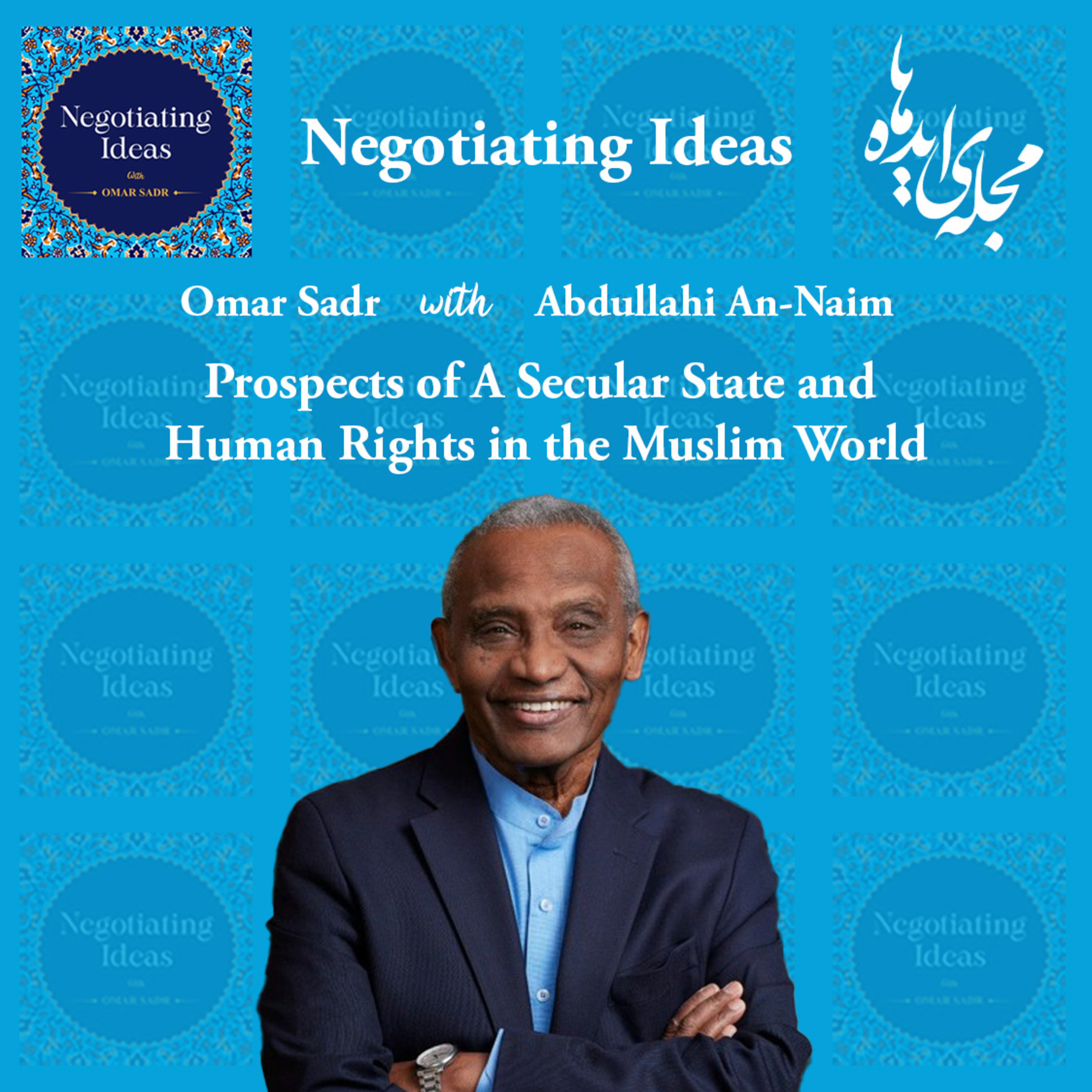
29. Prospects of a Secular State in the Muslim World - with Abdullahi An-Naim
Dec 1, 202400:53:08Tap to summarizeAbdullahi An-Naim and Omar Sadr discuss why and how Muslims should embrace universal values of human rights and constitutionalism. They also talk about how a secular state creates a neutral public space where multiple religious and philosophical perspectives can coexist peacefully. This model prevents religious tyranny by ensuring that no single religious group can use and misuse the state to marginalize or oppress others. Abdullahi Ahmed An-Na’im is an Emeritus Professor of Law at Emory Law and senior fellow of the Center for the Study of Law and Religion at Emory University. An internationally recognized scholar of Islam and human rights and human rights in cross-cultural perspectives, An-Na’im teaches courses in international law, comparative law, human rights, and Islamic law. His research interests include constitutionalism in Islamic and African countries, secularism, and Islam and politics. You can visit his website at https://evolutionofsharia.org/ Connect with us! Google, Apple, Spotify, Anchor Twitter: @negotiateideas & @OmarSadr Website: https://negotiatingideas.com/ Email: negotiatingidea@gmail.com
Transcribe →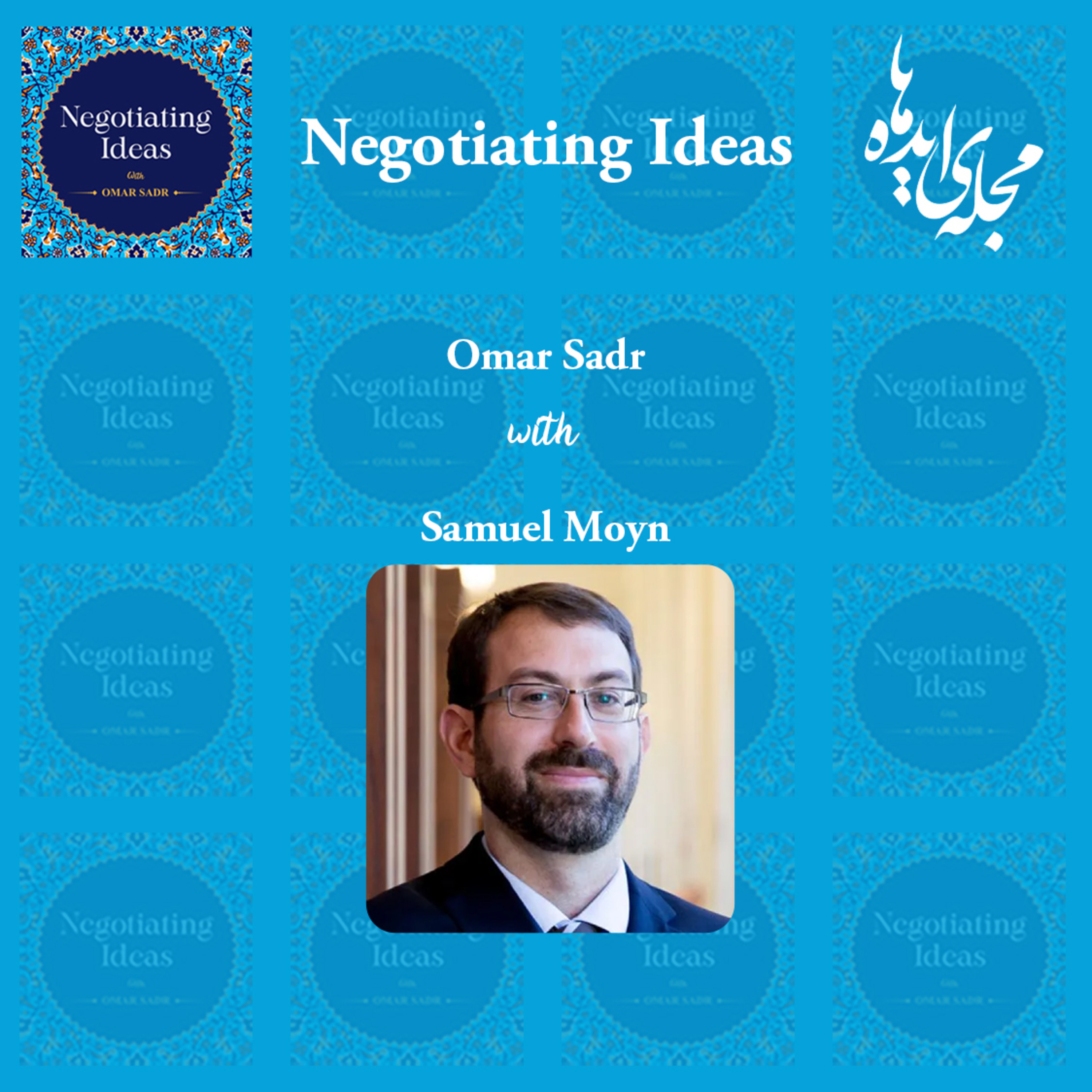
28. Liberalism Against Itself with Samuel Moyn
Nov 6, 202400:50:11Tap to summarizeSamuel Moyn and Omar Sadr discuss failures of Cold War liberalism and the challenges of contemporary liberalism. Samuel Moyn is the Kent Professor of Law and History at Yale University. Trained in modern European intellectual history, he works on political and legal thought in modern times and on constitutional and international law in historical and current perspective. Readings Liberalism against Itself: Cold War Intellectuals and the Making of Our Times (Yale University Press, 2023) The Last Utopia: Human Rights in History (Harvard University Press, 2010) Connect with us! Google, Apple, Spotify, Anchor Twitter: @negotiateideas & @OmarSadr Email: negotiatingidea@gmail.com
Transcribe →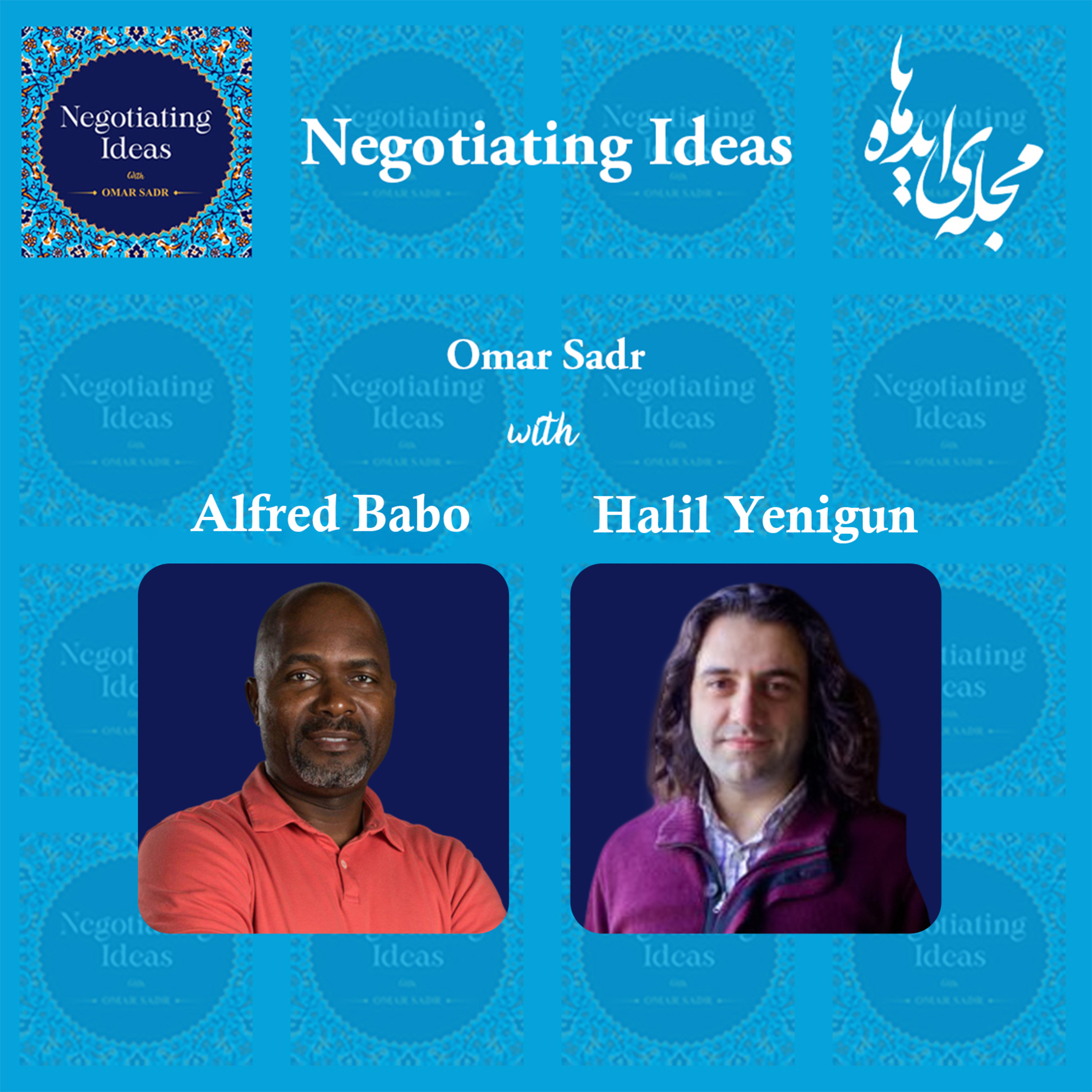
27. Being a Refugee Scholar in America with Halil Yenigun and Alfred Babo
Jul 22, 202401:29:23Tap to summarizeOmar Sadr discusses how refugee academics navigated the American academia with Halil Yenigun and Alfred Babo. Alfred is an Associate Professor of Anthropology at Fairfield University, Connecticut. Halil is the Associate Director of the Abbasi Program in Islamic Studies at Stanford University. Reading: Alfred Babo. 38 Paradise Road, Being an African Francophone Refugee Scholar in American Academia, Journal of International Mobility 2021 Connect with us! Google, Apple, Spotify, Anchor Twitter: @negotiateideas & @OmarSadr Email: negotiatingidea@gmail.com
Transcribe →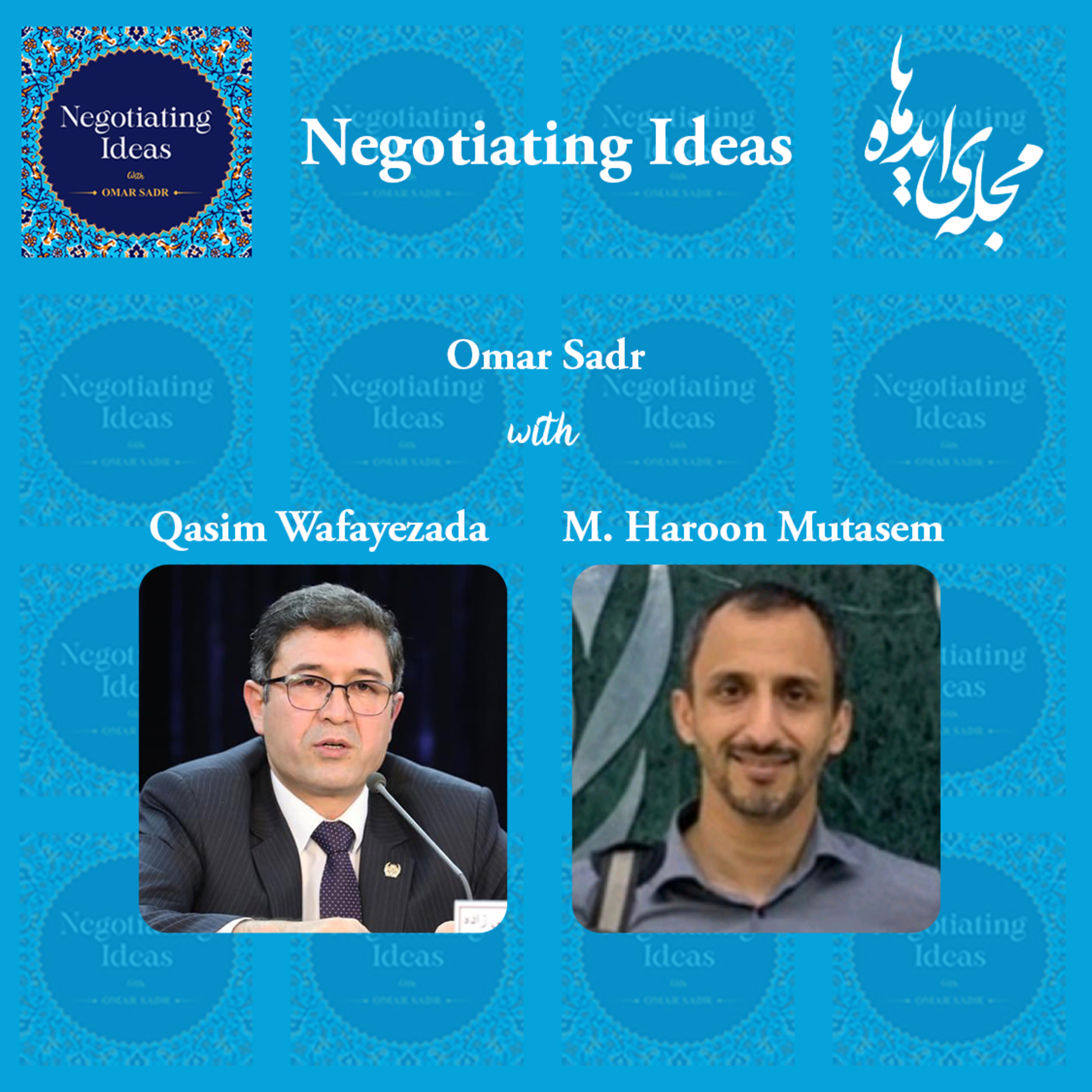
26. Persecution & Exile: Status of Afghanistan's Academia under the Taliban
Jun 28, 202401:06:19Tap to summarizeOmar Sadr discusses the status of Afghanistan's academia under the Taliban with Haroon Mutasem and Qasim Wafayezada. Haroon Mutasem is a Philip Schwartz Initiative fellow at the Law School of Humboldt University of Berlin, Germany. Qasim Wafayezada is a specially appointed professor of peace and conflict studies at Kanazawa University, Japan. Readings: Haroon Mutasem, PhD Dissertation and Legal Education in Afghanistan Qasim Wafayezada Google Scholar Connect with us! Google, Apple, Spotify, Anchor Twitter: @negotiateideas & @OmarSadr Email: negotiatingidea@gmail.com
Transcribe →