
Podcast
Newcomer Pod
Hosted by Eric Newcomer | newcomer.co · EN
Hi, I'm Eric Newcomer. With this podcast, I dive straight into the heart of the tech industry, interviewing top investors and founders. I’m bringing my sensibility as someone who understands the inside story of Silicon Valley but who is happy to poke and prod as to why the tech world operates like it does.
If you want first-person and insider information delivered to your newsletter, subscribe to my podcast at newcomer.co on Substack.
23episodes
Episodes
Newest firstAll episodes
This AI Was Trained on a Billion Video Game Clips. Now It Controls Robots.
1w ago00:58:32Tap to summarizeHow can billions of video game clips train AI to control robots? General Intuition CEO Pim de Witte explains why gaming data may be the missing ingredient for the next generation of robotics and AI agents.Pim de Witte built the world's largest RuneScape private server as a teenager before founding Medal, one of the biggest gaming clip platforms in the world. Today, Medal processes roughly one billion gameplay clips every year, creating a unique dataset that powers General Intuition's AI models for robotics, world models, and autonomous agents.In this conversation with Eric Newcomer, Pim explains why video games may be one of the most valuable training grounds for artificial intelligence, how gaming data transfers to real world robotics, why humanoid robots may not be the future, and what AI means for gamers, developers, and the future of work.
Transcribe →
John Coogan on Selling TBPN to OpenAI, Sam Altman & the Future of Tech Media
2w ago01:01:50Tap to summarizeJohn Coogan, co-founder of TBPN, joins Eric Newcomer to talk about the acquisition that shocked the tech media world. John breaks down how TBPN went from two guys in suits to one of the most-watched live tech shows on the internet, why OpenAI came calling, what an editorial independence clause actually means in practice, and why he and Jordy chose to sell when they didn't have to. He also gets into the mechanics of building a media brand that works, why they monetized everything from day one, and what Sam Altman actually needs to do better on comms.
Transcribe →
Taylor Lorenz Unfiltered on Social Media, Free Speech & the Surveillance State
Jul 1001:06:10Tap to summarizeTaylor Lorenz on why the social media panic is overblown and who's actually driving it.Taylor Lorenz, journalist and author of Extremely Online, joins Eric Newcomer to push back on the moral panic around phones, social media, and screen time. Taylor argues there is no such thing as social media addiction, that age verification laws do more harm than good, and that the groups pushing child protection legislation have their own agendas. She and Eric also get into the surveillance state, anonymous speech online, why podcasters are secretly taking money to book guests, and what the creator economy has gotten badly wrong.Listen to Taylor's newsletter and reporting at UserMag.co.Subscribe for weekly conversations with the founders, investors, and executives shaping the tech industry.
Transcribe →
The Goldman Sachs Exec on AI, Wall Street & the Firm That Went Bankrupt in 40 Minutes
Jul 600:25:43Tap to summarizeThe Goldman Sachs exec who automated Wall Street on what AI agents actually do to jobs, companies, and the future of enterprise software. Marty Chavez got his AI PhD in 1991 when there were exactly zero AI jobs. So he went to Goldman Sachs and spent decades building the machines that took over Wall Street. Now at Sixth Street and on Alphabet's board, he joins Eric Newcomer at the Cerebral Valley AI Summit in London to explain what actually happens when AI replaces human labor, why a trading firm went bankrupt in 40 minutes because of a bot, and what it really takes to sell software to a large institution.Subscribe for weekly conversations with the founders, investors, and executives shaping the tech industry.
Transcribe →
Ben Smith on Trump, Anthropic & the Collision of Government and Big Tech
Jun 2900:55:06Tap to summarizeSemafor's editor-in-chief on why Washington has decided Anthropic needs to pick a side.Ben Smith, co-founder and editor-in-chief of Semafor, joins Eric Newcomer to break down the collision between the Trump administration and Anthropic, and what it reveals about the new relationship between Washington and big tech. Ben explains why the government is taking equity stakes in companies, how the Trump family is monetizing the presidency, and why he believes this is one of the most corrupt periods in modern American governance.The conversation also covers the politicization of the Justice Department, why CEOs now flock to Washington instead of avoiding it, the Intel deal and what it signals about industrial policy, and Ben's bet that newsletters and live events can outlast the chase for viral traffic in media.Subscribe for weekly conversations with the founders, investors, and executives shaping the tech industry.
Transcribe →
Aidan Gomez Unfiltered on AGI, China & AI's Biggest Risk
Jun 2600:21:33Tap to summarizeAidan Gomez on AGI, China, and the Biggest Risk Facing AI.Cohere co-founder and Transformer co-author Aidan Gomez joins Eric Newcomer to discuss whether we've already reached AGI, why Chinese AI models are being underestimated, the future of enterprise AI, sovereign AI, and why relying on a handful of AI companies could become the industry's biggest risk.If you're interested in artificial general intelligence, OpenAI, Anthropic, Cohere, Chinese AI, AI infrastructure, and the future of machine learning, this conversation offers a thoughtful look at where AI is headed next.Subscribe for weekly conversations with the founders, investors, and executives shaping the future of technology.
Transcribe →
Christina Cacioppo Unfiltered on Fake Compliance, AI Security & Building a $4B Company
Jun 1600:46:42Tap to summarizeThe CEO of a $4 billion compliance company on how her biggest competitor was faking it, and what that means for AI startup culture.Christina Cacioppo, co-founder and CEO of Vanta, joins Eric Newcomer to talk about the scandal that shook the compliance world. Her $4 billion competitor Delve was caught pre-filling compliance reports without doing the actual security work — and customers had no idea. Christina explains how Vanta figured it out, why fake compliance is a better product experience than real compliance, and what happened to Delve's customers after the story broke.The conversation also covers the AI hype cycle and whether it is crypto 2.0, why AI is both the biggest threat and biggest tailwind for security companies, the broken VC equity social contract, and what it really takes to build a $4 billion company without losing sight of the fundamentals.Subscribe for weekly conversations with the founders, investors, and executives shaping the tech industry.
Transcribe →
Ed Zitron Unfiltered on OpenAI, Anthropic & Why the Whole Thing Is a Con
Jun 800:58:05Tap to summarizeEd Zitron is back, and he's making his strongest case yet that OpenAI and Anthropic are running a deliberate con on the public.In his second appearance on the Newcomer Podcast, Ed Zitron sits down with Eric Newcomer to break down why he believes there is no real ROI in AI, how Sam Altman and Dario Amodei have hidden the true cost of their products behind subscription pricing, and why enterprises like Uber are already pulling back. Ed also makes the case that the entire culture around AI is a psyop designed to silence skeptics and protect a trillion-dollar house of cards.Eric pushes back throughout, defending the long-term potential of AI and pressing Ed on whether pure skepticism is its own kind of shtick. The result is one of the most honest and combative conversations about AI you'll find anywhere.
Transcribe →
How Tech's San Francisco Values Gave Way to the Right
May 2901:06:45Tap to summarizeHow San Francisco's tech culture went from countercultural idealism to right-wing power, and what it means for the rest of us.Jonathan Weber, editor at large at The New Yorker and author of City on the Edge, joins Eric Newcomer to trace the 30-year arc of how San Francisco became the center of the tech universe, and how the industry that once promised to change the world ended up changing politics instead. From the early commercial internet to the rise of OpenAI and Anthropic, Weber connects the dots between Silicon Valley's cultural roots and its dramatic political shift toward the right.The conversation covers the dot-com boom and bust, the sharing economy's broken promises, why tech executives became dismissive of public concerns, how AI is accelerating the disconnect between the industry and everyday Americans, and what history tells us about where this all goes next.City on the Edge is available now wherever books are sold.Subscribe for weekly conversations with the founders, investors, and executives shaping the tech industry.
Transcribe →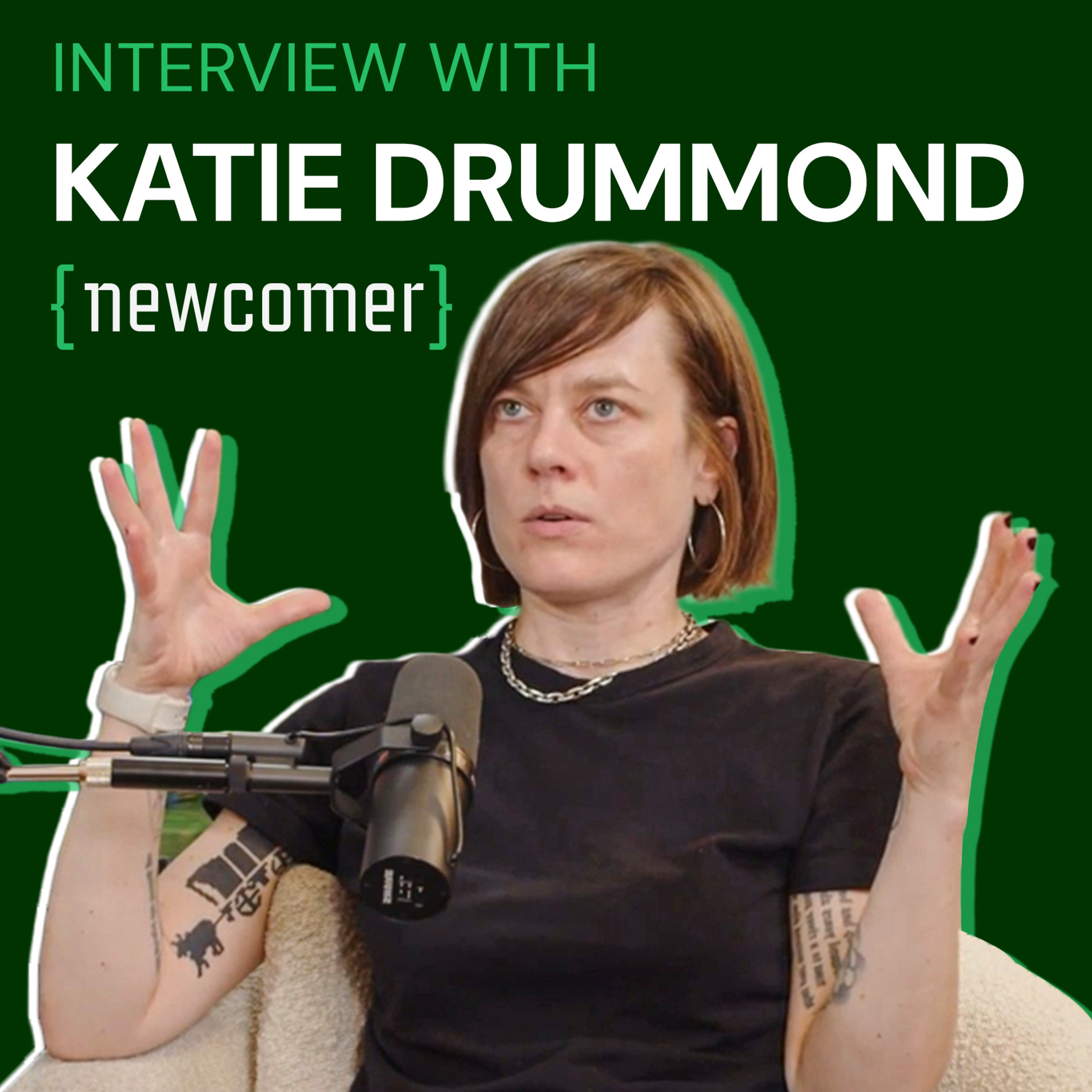
WIRED's Editor on Elon, Trump & Silicon Valley's War on the Press
May 2200:54:12Tap to summarizeWIRED's global editorial director on why Silicon Valley wants to control the press and what she's doing about it.Katie Drummond, global editorial director of WIRED, sits down with Eric Newcomer to talk about the simmering war between tech and media. From surviving the Gawker bankruptcy to now running one of the most scrutinized publications in tech, Katie doesn't hold back on why figures like Peter Thiel and Trae Stevens want to buy or dismantle WIRED, why so much of Silicon Valley turned toward Trump, and what serious tech journalism looks like in 2026.Listen to Katie's podcast Uncanny Valley: https://podcasts.apple.com/us/podcast/uncanny-valley-wired/id266391367Subscribe for weekly conversations with the founders, investors, and executives shaping the tech industry.
Transcribe →