Podcast
Newcomer Pod
Hosted by Eric Newcomer | newcomer.co · EN
Hi, I'm Eric Newcomer. With this podcast, I dive straight into the heart of the tech industry, interviewing top investors and founders. I’m bringing my sensibility as someone who understands the inside story of Silicon Valley but who is happy to poke and prod as to why the tech world operates like it does.
If you want first-person and insider information delivered to your newsletter, subscribe to my podcast at newcomer.co on Substack.
23episodes
Episodes
Newest firstAll episodes
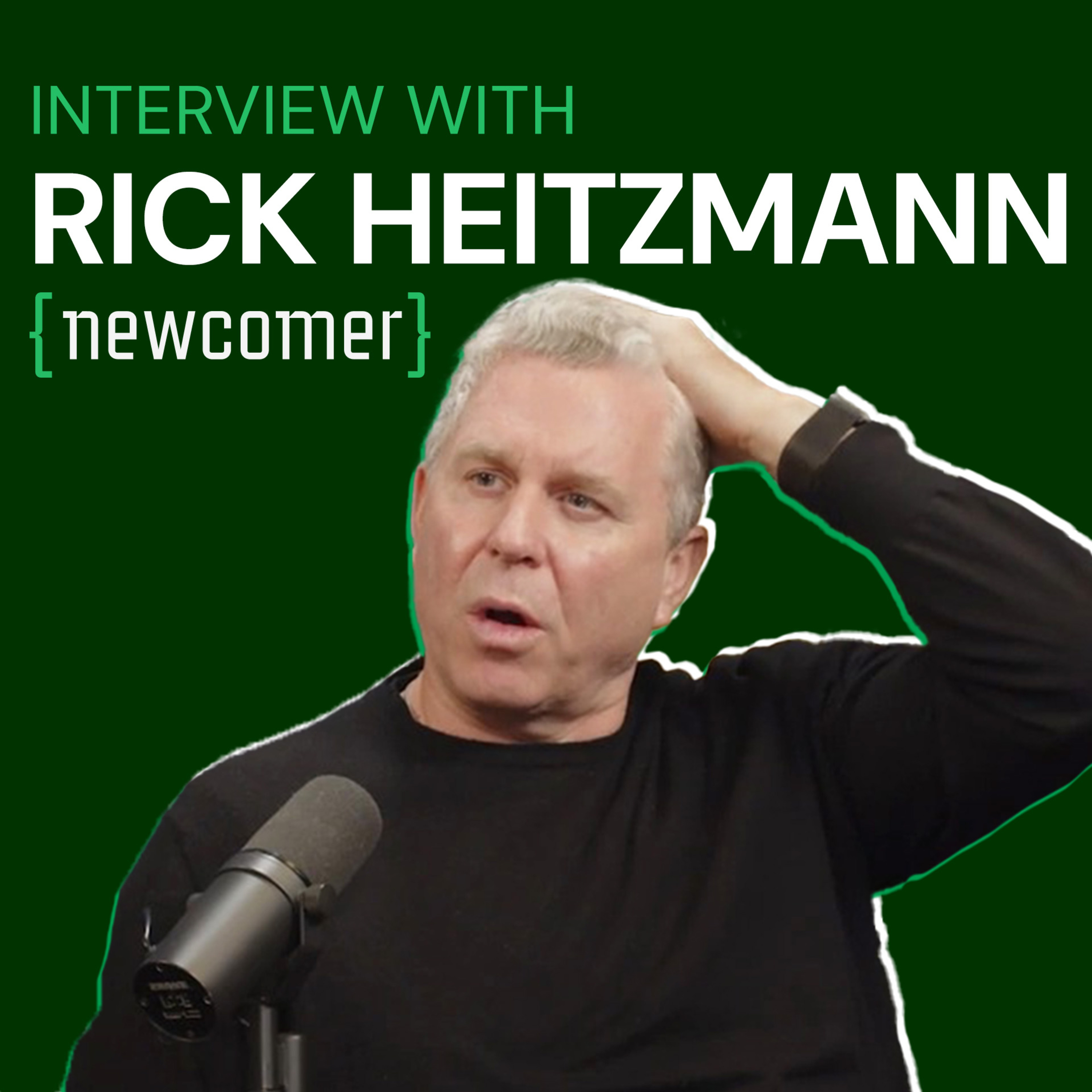
Rick Heitzmann: The AI Boom Is Forcing a New IPO Wave
Mar 900:50:12Tap to summarizeRick Heitzmann of FirstMark joins the Newcomer Podcast to discuss the state of venture capital, the AI investment boom, and why the next wave of tech IPOs may be closer than many expect.Rick shares how investors are thinking about AI infrastructure, the role of data as the core advantage in the AI race, and why massive private capital has allowed companies to stay private far longer than in previous cycles. As AI companies continue raising unprecedented amounts of money, the conversation turns to what happens when that capital eventually runs out and why public markets may become the next step.Eric and Rick also discuss the broader venture cycle, the impact of market uncertainty on IPO timing, and how investors are navigating a period defined by rapid technological change and massive AI spending.This conversation explores how venture capital is adapting to the AI era and what it could mean for the future of startups, public markets, and the next generation of tech giants.
Transcribe →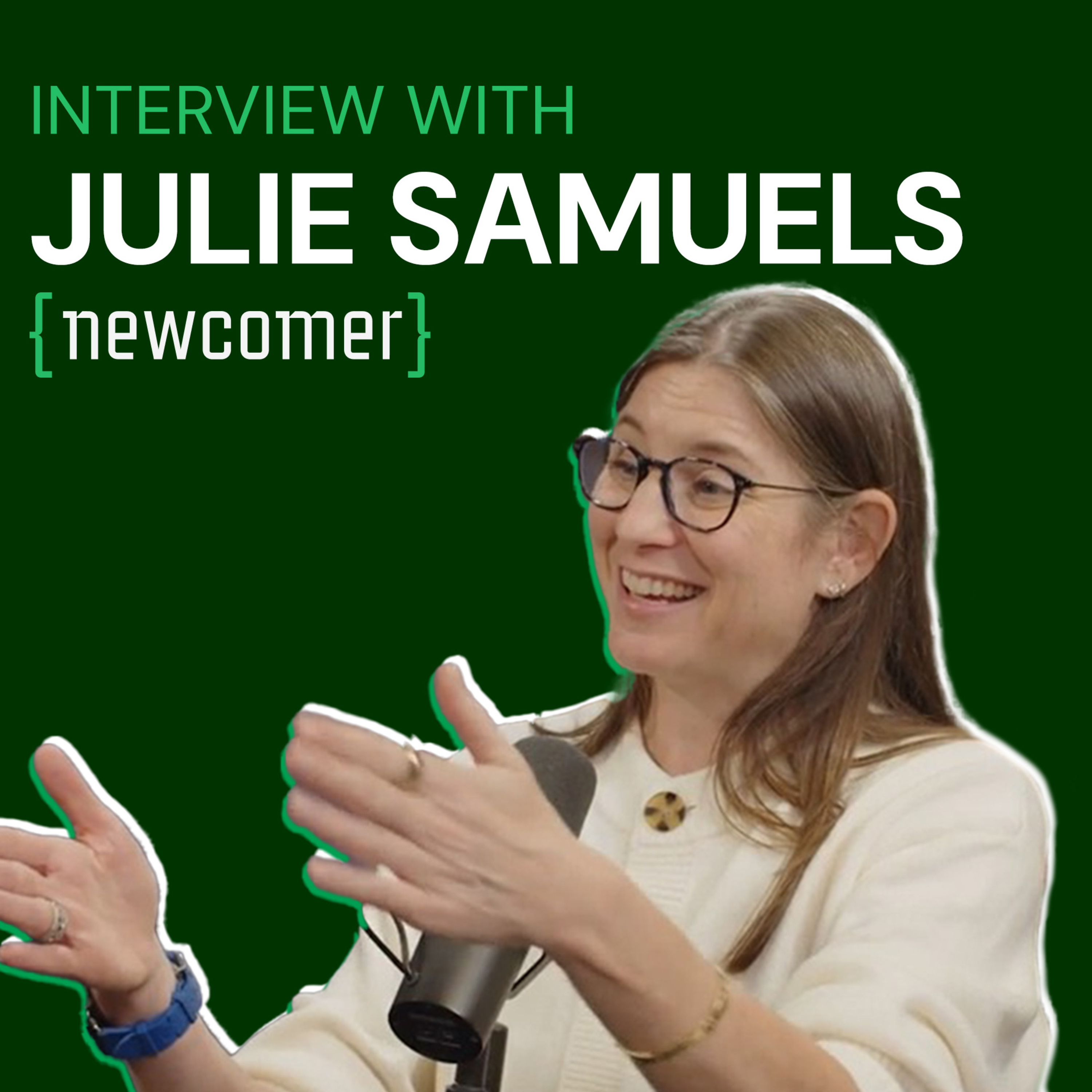
Can Tech Work With Zohran Mamdani? | Julie Samuels
Mar 400:46:52Tap to summarizeHow does New York’s tech industry navigate AI, city politics, and a new mayor in the Trump era?Julie Samuels, President and CEO of Tech:NYC, joins the Newcomer Podcast to discuss the growing intersection of technology and politics. Samuels has spent years at the center of New York’s tech ecosystem, working with founders and policymakers as the industry becomes a larger force in public policy.Eric and Julie talk about tensions between the tech industry and progressive politics, including the rise of Zohran Mamdani and how tech leaders are navigating a shifting political landscape. They also discuss Trump-era tech politics, efforts to modernize government with technology, New York’s Empire AI initiative, and debates around wealth taxes, billionaire flight, and the energy demands of AI data centers.Julie also explains the work Tech:NYC does behind the scenes to advocate for the industry while trying to bridge the growing gap between technologists and the public.Subscribe for more conversations with the people shaping technology, venture capital, and policy.
Transcribe →
Databricks CEO Ali Ghodsi & MosaicML Founder Naveen Rao Speak at Cerebral Valley
Nov 21, 2023Tap to summarizeWe were delighted to kick off the 2nd Cerebral Valley AI Summit with Ali Ghodsi, CEO of Databricks, and Naveen Rao, co-founder of MosaicML. Their encounter at our debut event in March led to Ghodsi buying Rao’s company, which had little revenue, for $1.3 billion. At our event on Nov. 15, the two discussed how the deal came together quickly after meeting at the conference dinner. Thousands of enterprises around the world rely on Oracle Cloud Infrastructure (OCI) to power applications that drive their businesses. OCI customers include leaders across industries, such as healthcare, scientific research, financial services, telecommunications, and more.NVIDIA DGX Cloud on OCI is an AI training-as-a-service platform for customers to train complex AI models like generative AI applications. Included with DGX Cloud, NVIDIA AI Enterprise brings the software layer of the NVIDIA AI platform to OCI.Talk with Oracle about accelerating your GPU workloads.Ghodsi recounted how he started spending some time with Rao and thought, “these guys are pretty good,” and then by chance noticed an employee he respected poking around with MosaicML and offering a strong endorsement. Soon Ghodsi was on the phone with the head of his deals team, who told him “if you want to buy these guys you have to do it this weekend.” Rao said by that point “you kind of know he’s going to pop the question,” and once they worked out the money, the deal was done.The two executives certainly seemed to be in harmony as they touted the potential benefits from their combination, which in simple terms will bring MosaicML’s expertise in building specialized generative AI models to Databricks’ corporate data platform products, essentially super-charging Databricks for the generative AI era. They were eager to defend the idea of open-source foundation models that are specific to certain tasks, rejecting the notion that general-purpose models like ChatGPT-4 will eventually swallow everything. (This conversation took place before OpenAI was thrown into chaos by its board of directors.)Ghodsi said calls to limit open-source models on the grounds that they’ll be too easily exploited by bad actors a “horrible, horrendous” idea that would “put a stop to all innovation.” “It’s essential that we have an open-source ecosystem,” he said, noting that even now it’s unclear how a lot of AI models work, and open-source research will be critical to answering those questions.Rao added that many of the people making predictions about how AI would develop are “full of s**t.” On the safety question, he noted that cost alone would stand in the way of any existential risks for a long time, and in the meantime the focus should be on real threats like disinformation and robot safety.Give it a listen Get full access to Newcomer at www.newcomer.co/subscribe
Transcribe →