Podcast
Next Africa
Hosted by Bloomberg · EN
Next Africa is a weekly podcast about where Africa is going and why it matters to everyone.
Each episode tells a story from the continent and follows it through real life, business, politics and culture. From electricity and climate to jobs, migration, technology, sport and music, the podcast looks at the forces shaping daily life and how those changes connect to the wider world.
The show covers challenges and breakthroughs side by side. It explains the impact of energy shortages and climate risk, but also the rise of new industries, creative economies and young entrepreneurs. Stories are reported on the ground and told with clarity, combining data, context and lived experience.
Hosted by Jennifer Zabasajja and built on original journalism from reporters on the ground, Next Africa puts local voices at the centre of the story, delivering clear, factual reporting without cliché or assumption.
Whether you live on the continent or want to better understand a region shaping the future, Next Africa offers insight, perspective and stories worth listening to.
33episodes
Episodes
Newest firstAll episodes
Why African Stocks Are Beating the World
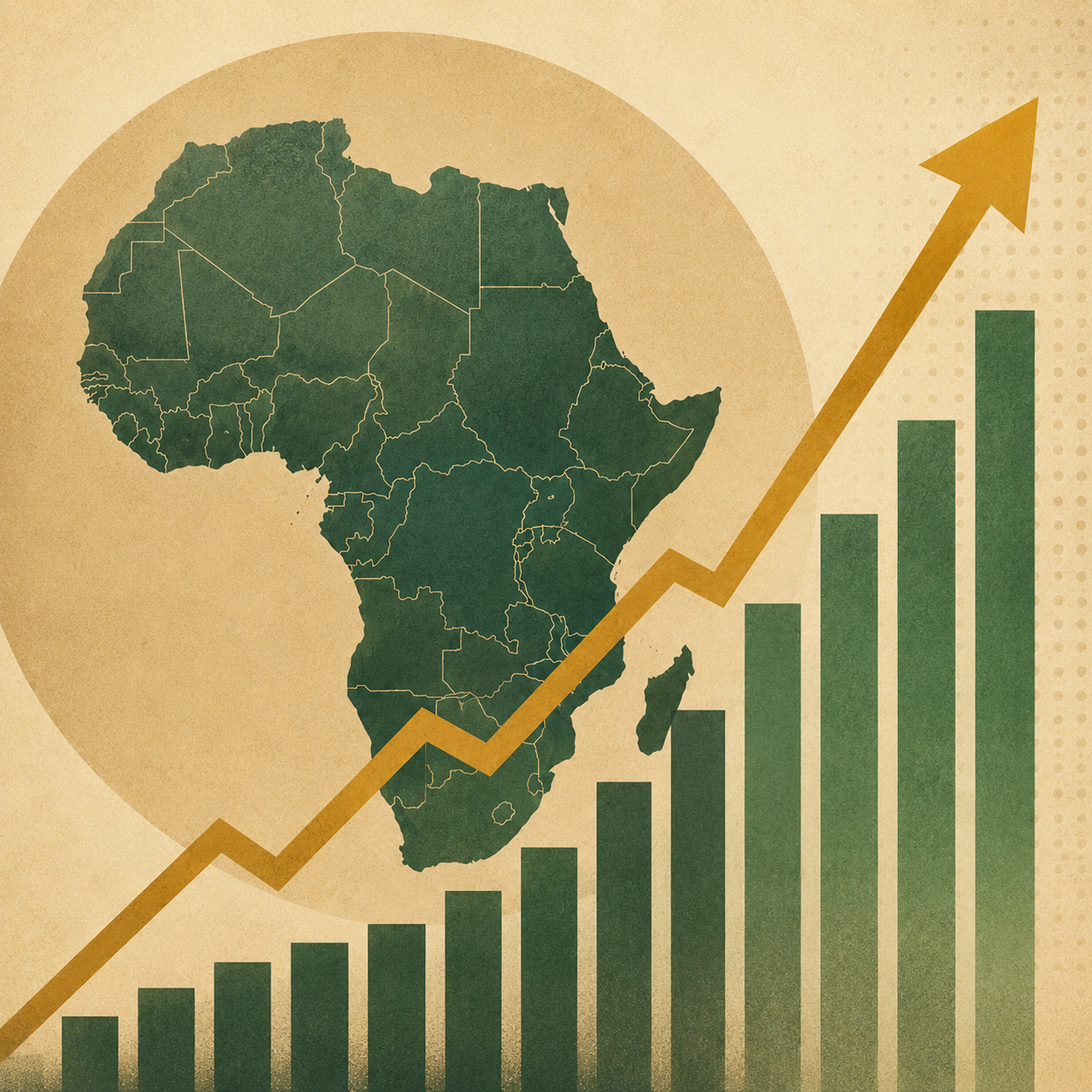
1w ago00:21:31Tap to summarizeNigeria's stock market is the world's best-performing equity market this year. Its benchmark index has outpaced every major market, including South Korea, delivering the highest dollar returns to investors. Ghana, Tunisia and Kenya have also ranked among the world's top-performing markets, as economic reforms and improving investor sentiment fuel a rally across parts of the continent. On this week's Next Africa podcast, we explore what's driving Africa's stock market surge, whether the rally can last, and what it means for investors. Jennifer Zabasajja is joined by Bloomberg's emerging markets reporter Ray Ndlovu and Peter Nalitolela, chief executive officer of the Dar es Salaam Stock Exchange. She also speaks to Emre Akcakmak, Head of Frontier Markets at East Capital, on whether Africa's resurgence is attracting global investors. For more stories from the region, Subscribe to the Next Africa podcastSee omnystudio.com/listener for privacy information.
Transcribe →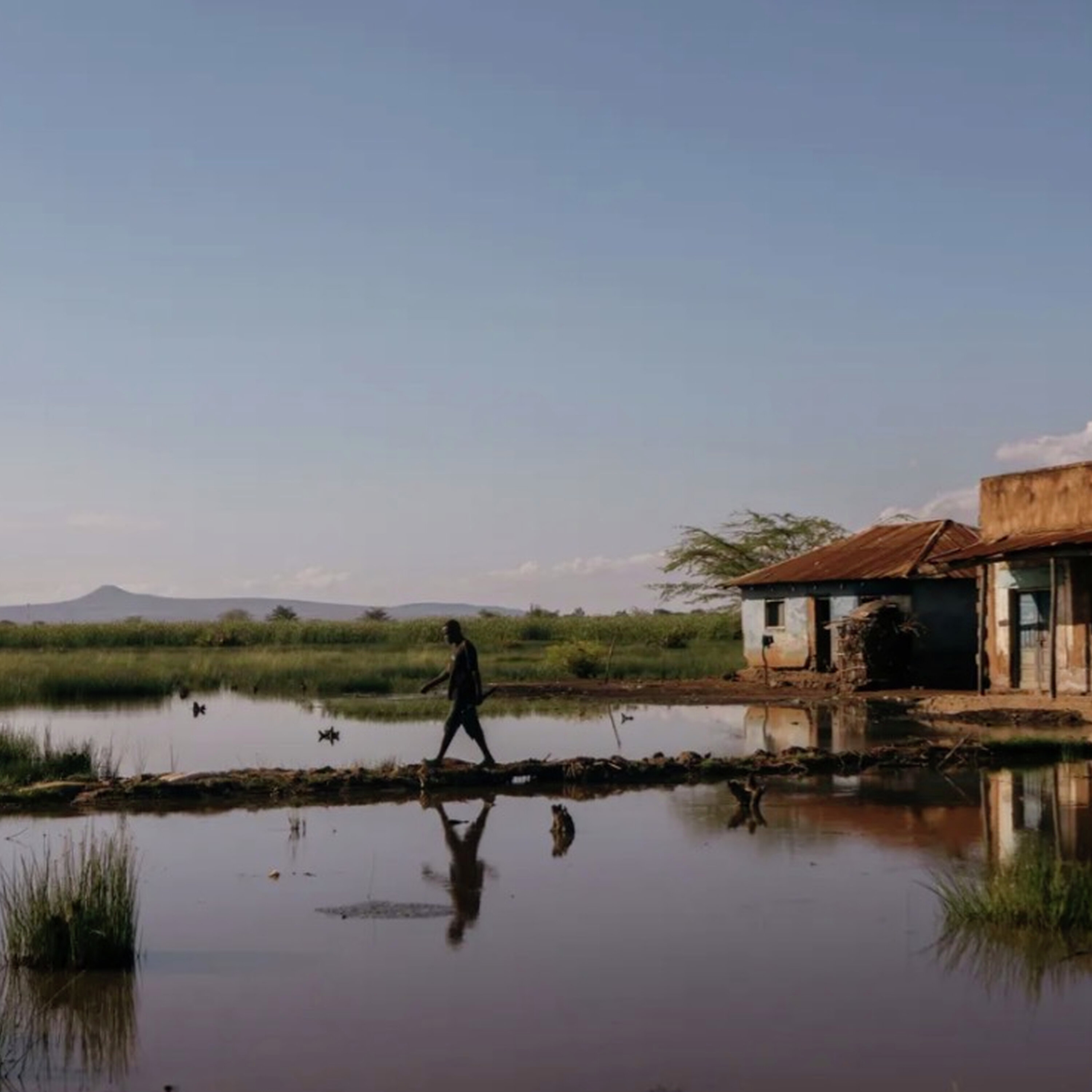
How USAID Cuts Caused Floods in Kenya
2w ago00:22:12Tap to summarizeEighteen months after the Trump administration shut down USAID, a painstaking Bloomberg investigation into abandoned water projects in Kenya using interviews, satellite imagery and data analysis has revealed the stark consequences of that decision. On this week’s Next Africa podcast, Bloomberg’s Senior East Africa reporter, Simon Marks, discusses his findings. Former East Africa USAID director Amanda Robertson then explains what happened when they found out their projects had to be halted immediately.Get the full story here: Trump's Chaotic USAID Cuts Unleashed Floods, Disease and Poverty For more stories from the region, subscribe to the Next Africa newsletter.See omnystudio.com/listener for privacy information.
Transcribe →
Why It's Still So Hard to Fly Across Africa
3w ago00:17:26Tap to summarizeFlying has never been easier. Airlines are competing to offer cheaper fares and more routes across Europe, North America and Asia. But while connections to and from Africa have expanded, travelling within the continent remains difficult and expensive. On this week's Next Africa podcast, Ghana-based reporter Bilal Qureshi discusses his latest feature on why intra-African air travel continues to lag behind the rest of the world. Bloomberg Global Aviation Editor Benedikt Kammel also explains the challenges facing Africa's fragmented aviation sector — and what it will take to make flying across the continent easier and more affordable. For more stories from the region, subscribe to the Next Africa newsletterSee omnystudio.com/listener for privacy information.
Transcribe →
How Morocco's Football Success Could Shape Its Next Government
Jul 900:19:25Tap to summarizeThe man who helped turn Morocco into a World Cup contender is now being urged to take on an even bigger challenge: becoming the country’s next prime minister. On this week’s Next Africa podcast, we examine the Atlas Lions’ impressive run at the 2026 FIFA World Cup and why two political parties are courting Fouzi Lekjaa to lead them into the next election. Jennifer Zabasajja speaks with Bloomberg North Africa reporter Souhail Karam about football’s growing influence in Moroccan politics, the controversy over the billions being spent to co-host the 2030 World Cup, and whether sporting success can translate into political capital. We also hear from former Morocco international footballer Hassan Kachloul on what the Atlas Lions’ historic campaign has meant to fans back home. For more stories from the region, subscribe to the Next Africa NewsletterSee omnystudio.com/listener for privacy information.
Transcribe →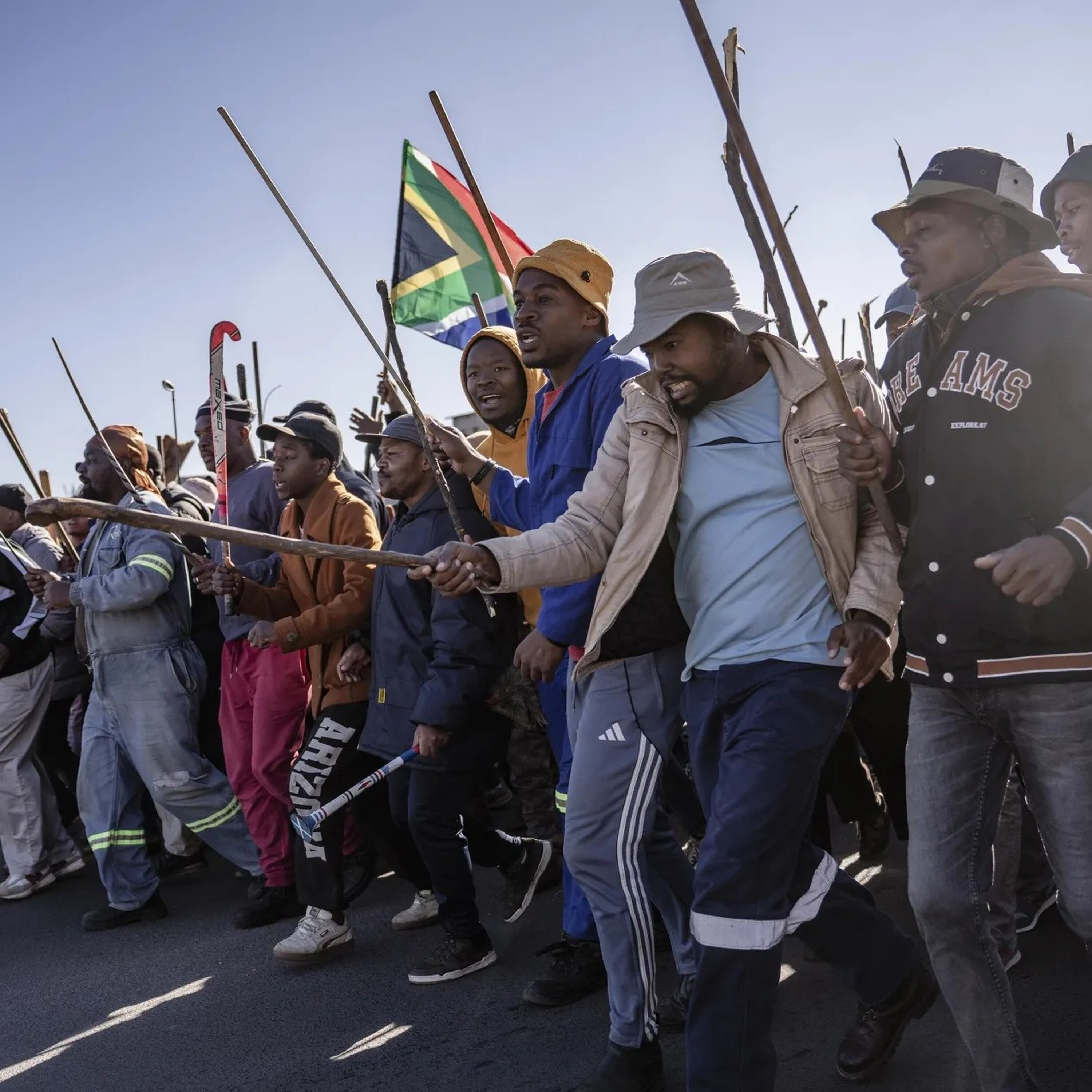
Why South Africa’s Anti-Migrant Protests Aren’t Going Away
Jul 200:16:34Tap to summarizeThousands of people joined anti-migrant protests in South Africa on Tuesday, watched over by a massive police contingent that was deployed to prevent violence and intimidation. The rallies, which marked the culmination of weeks of protests that have displaced thousands of mainly African expatriates, were mostly peaceful bar a few isolated incidents.In this week’s Next Africa Podcast, Bloomberg’s Ntando Thukwana gives the latest update on this week’s protests and then Jennifer Zabasajja speaks to Professor Loren Landau, a senior researcher at Witwatersrand University’s African Centre for Migration & Society on the impact these protests could have on the regional economy and South Africa’s standing in the continent.For more stories from the region, subscribe to the Next Africa newsletterSee omnystudio.com/listener for privacy information.
Transcribe →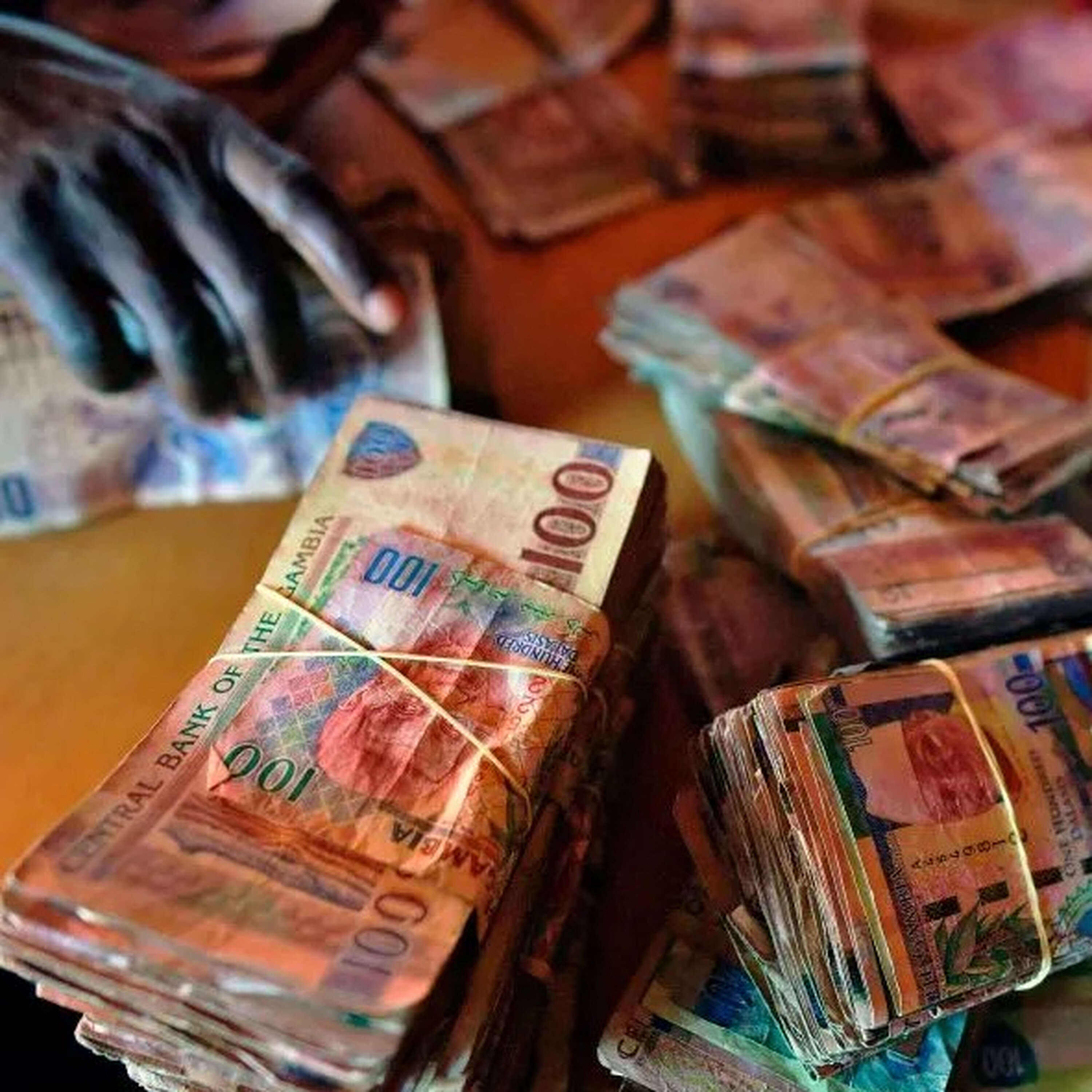
How the Iran War puts Africa’s Remittance Lifeline At Risk
Jun 2500:15:15Tap to summarizeThe Iran war has put billions of dollars in remittances at risk as conflict disrupts the incomes of migrant workers across the Gulf. For many African economies, where money sent home helps pay for food, healthcare and education, a prolonged slowdown could weigh on growth well beyond the battlefield. On this week's episode, Jennifer Zabasajja speaks with Bloomberg's Prinesha Naidoo about her reporting on the disruption to remittance flows and what's at stake as the ceasefire and peace talks take shape. She is also joined by Onafriq Managing Director Rachel Balsham, who explains where the company is seeing the sharpest declines in cross-border money transfers. Read Bloomberg’s latest report on Remittances here, and subscribe to the Next Africa Newsletter for more stories from the regionSee omnystudio.com/listener for privacy information.
Transcribe →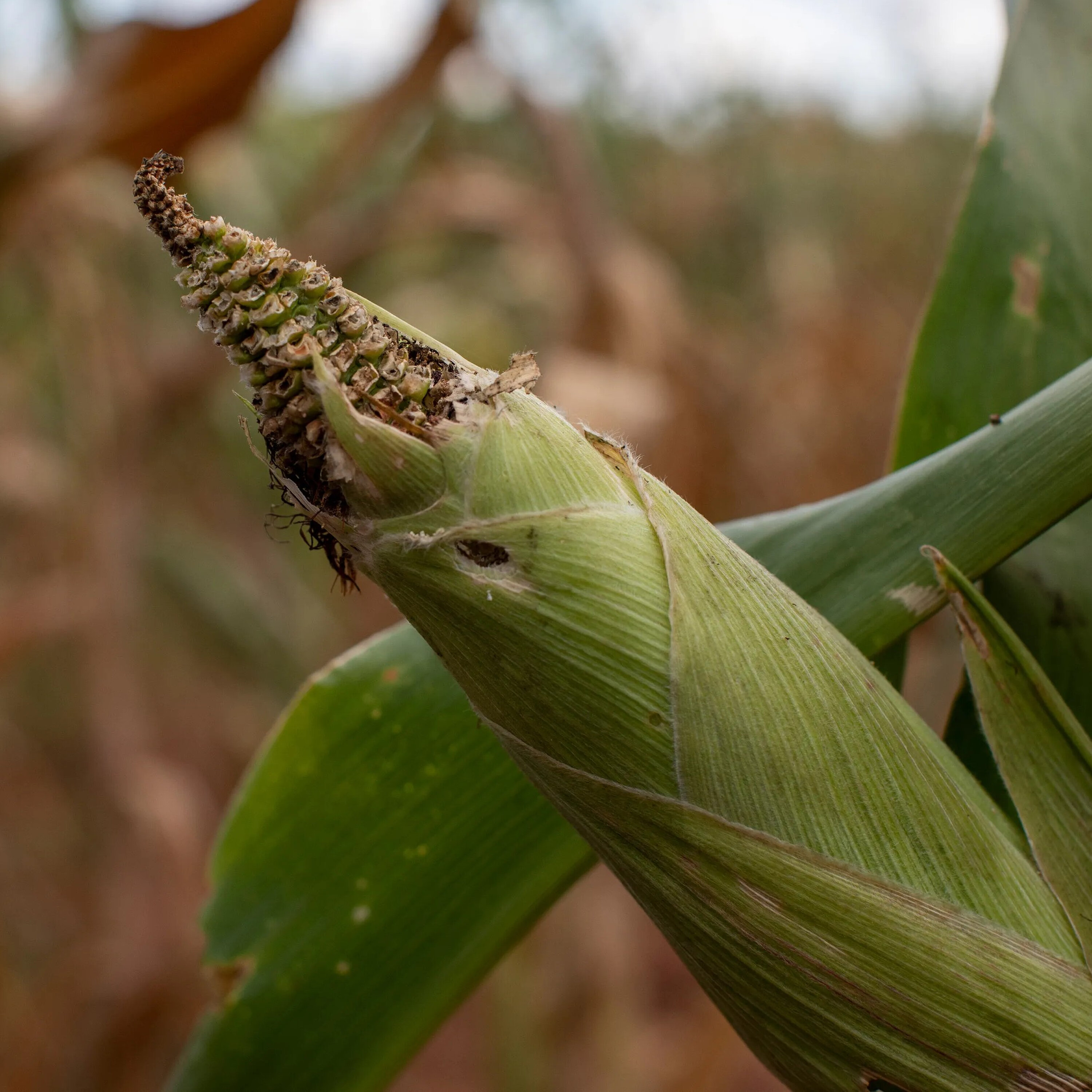
Will El Niño Trigger Africa’s Next Food Crisis?
Jun 1800:15:36Tap to summarizeAn El Niño weather pattern forming in the Pacific Ocean is expected to bring hotter, drier weather to much of east and southern Africa while increasing flood risks in parts of West Africa, stoking fears of another difficult spell for the continent’s farmers. On this week’s episode, Jennifer Zabasajja talks to Bloomberg weather reporter Lauren Rosenthal about how El Niño is shaping up, and to soft commodities reporter Mumbi Gitau about what it could mean for Africa’s crops, food supplies and rural economies. For more stories from the region, subscribe to the Next Africa newsletterSee omnystudio.com/listener for privacy information.
Transcribe →
Why Ethiopia’s Election Was Never in Doubt
Jun 1100:15:02Tap to summarizeEthiopia’s ruling party has established a commanding lead in preliminary election results, leaving Prime Minister Abiy Ahmed on track to secure another five-year term. On this week’s episode, Tiwa Adebayo speaks with Bloomberg Senior East Africa Reporter Simon Marks and Ethiopia Reporter Fasika Tadesse about why the election outcome was rarely in doubt, the political and security risks that persist, and what Abiy’s renewed mandate means for the Horn of Africa and Ethiopia’s international partners. For more stories from across the continent, subscribe to the Next Africa newsletter.See omnystudio.com/listener for privacy information.
Transcribe →
BONUS: Merryn Talks Money - Africa’s Growth Engine
Jun 900:32:26Tap to summarizeHere's a bonus episode from another Bloomberg podcast we think listeners to Next Africa might enjoy Could Africa’s long-misunderstood population boom become its greatest economic advantage? Economist and author Joe Studwell joins host Merryn Somerset Webb to discuss his book, How Africa Works: Success and Failure on the World's Last Developmental Frontier. He argues that rising population density is already transforming the continent by creating deeper markets, boosting agricultural productivity, supporting urbanization and making manufacturing more viable. While governance, debt and commodity dependence remain risks, he sees a more diverse, locally driven growth story emerging across Africa. Find more episodes from Merryn Talks Money hereSee omnystudio.com/listener for privacy information.
Transcribe →
Can Africa Avoid An Ebola Economic Shock?
Jun 400:13:27Tap to summarizeThe 2014-16 Ebola epidemic in Guinea, Liberia and Sierra Leone triggered one of the most severe health-related economic shocks in modern African history. While the current outbreak in the Democratic Republic of Congo remains a serious concern, analysts expect its economic impact to be far more contained. On today’s Next Africa podcast, Bloomberg Economics Africa Economist Yvonne Mhango joins Jennifer Zabasajja to discuss her latest research on the outbreak, why the West African epidemic dealt such a heavy blow to growth, what makes the situation in Congo different, and the key risks policymakers and investors should still be watching. You can read Yvonne’s analysis on Bloomberg Economic Insights, and for more stories from across the continent, subscribe to the Next Africa newsletter. See omnystudio.com/listener for privacy information.
Transcribe →