Podcast
No More Leadership BS
Hosted by No BS Productions · EN
Welcome to the No More Leadership BS Podcast
Where we expose the gap between what leaders think they SHOULD do and what actually works...no BS
Join us each week as we irritate some, inform others, and challenge all leaders to discover a better path to leadership excellence with unvarnished insights and dry-eyed suggestions.
21episodes
Episodes
Newest firstAll episodes
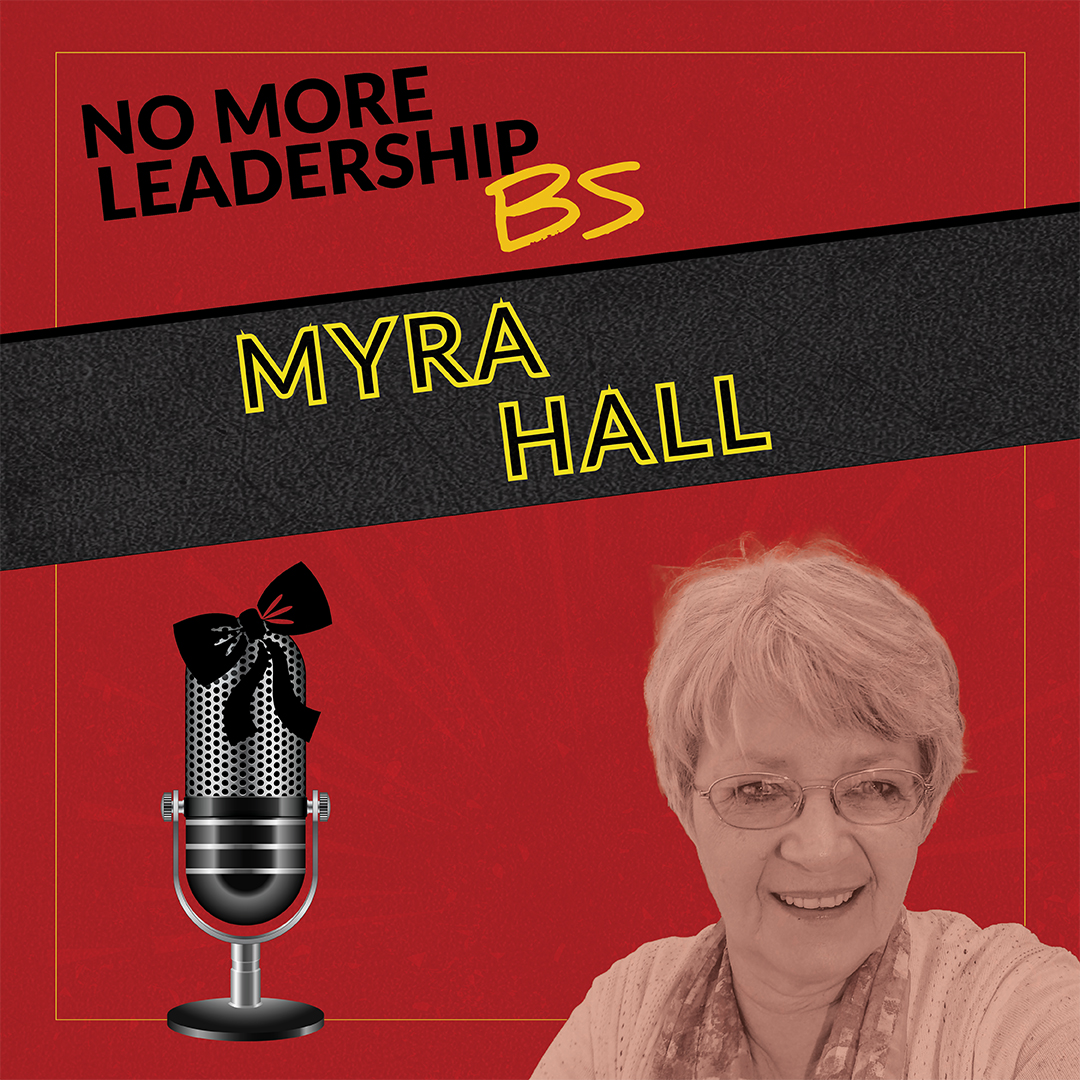
The Blind Spots Killing Your Leadership with Myra Hall
2w ago00:29:29Tap to summarizeNobody wakes up and decides to be a bad leader. That's exactly the problem. Blind spots don't announce themselves. They just sit there, quietly costing you trust, culture, and results while you assume everything's fine.This episode breaks down three blind spots that build on each other like dominoes.Blind Spot One: You Stop Hearing the Truth The higher you climb, the more filtered your information gets. People stop telling you things not because they're hiding something, but because the cost of telling you feels too high. Silence isn't agreement. It's usually a sign you've made honesty expensive without realizing it.Blind Spot Two: What You Tolerate Becomes Your Culture You can put values on a wall all day long. Your actual culture gets built by whatever behavior you let slide. Culture happens by design or by default, and if you're not actively shaping it, you're getting the version you didn't ask for.Blind Spot Three: Avoiding Hard Conversations This is where the first two blind spots collide. You're not hearing the truth, bad behavior is getting a pass, and now the hard conversation you've been avoiding is happening anyway. Just not with you. It's happening in everyone else's head.The Bottom Line Leadership responsibility doesn't mean doing everything yourself. It means owning what happens on your watch, including the stuff nobody told you about. If a conversation feels hard, that's not a reason to skip it. That's your signal it needs to happen now.Tune in for:Why "no news" from your team is rarely good newsThe real difference between a culture built on purpose and one built by accidentA simple test for knowing when a conversation is worth having, even when it's uncomfortableYou can't fix what you can't see. This episode hands you the flashlight.Have questions, suggestions or just a great story to tell about some Leadership BS you have experienced? Let us know by emailing us Today's Featured Coach - Myra Hall - Individual and Team Coaching, Midlife Mentoring- Helping you get excited about life again as you overcome the things that keep you from living and loving a life that counts. - Owner/Founder Waypoint Coaching Group Reach Myra at Myra@WaypointCoachingGrp.com or 765-623-9711The rest of the gang:The rest of the gang:Jeff Conroy - Organizational and Non-profit Expert, Motivational Speaker, Coach - Executive Leader | Difference Maker for nonprofits in strategic planning, operations, and fundraising and development. Owner/Founder of Conroy Leadership Consulting, LLC. Reach Jeff at jeff@ConroyleadershipConsulting.com or 208-215-6285Geoff McLachlan - Motivational Speaker, Trainer and Coach, Bringing Fun Back Into the Workplace, Owner/Founder of Professionals At Play Reach Geoff directly at geoff@professionalsatplay.com or 509-869-4506Jeffrey Geier - Motivational Speaker, Trainer, and Coach - Helping You Win in Work & Life Owner/Founder of Phoenix Coaching LLC Reach Jeffrey at Jeff@PhoenixCoachingLLC.com or 509-553-9248
Transcribe →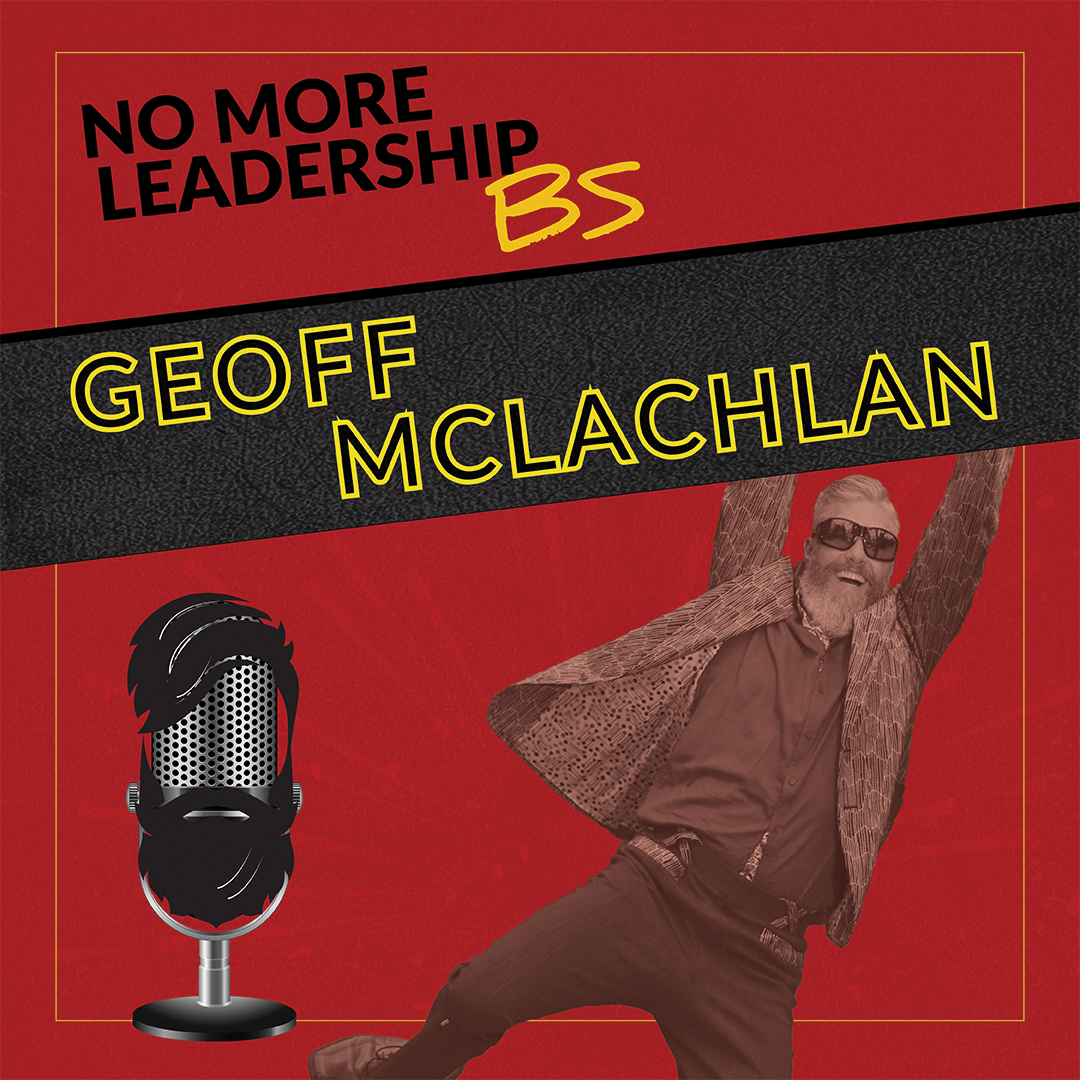
Good Leaders Show Up. Great Leaders Get Coached.with Geoff McLachlan
3w ago00:28:24Tap to summarizeGood Leaders Show Up. Great Leaders Get Coached.Every leader thinks they're doing fine. Fine isn't the goal. This episode is a shameless (their word) case for why the leaders who go from good to great all have one thing in common: they stopped trying to figure it out alone.The Line Between Good and Great Good leaders have decent instincts and maybe a solid mentor somewhere in their past. Great leaders keep doing the work long after they've "arrived." The panel breaks down why coaching, not talent, is usually what separates the two.Lessons From the Best Bosses They Ever Had Each panelist shares a personal story about a leader who changed how they lead today. The throughline: consistency, ownership, and the difference between being nice and being kind. One panelist puts it bluntly: telling someone the truth without softening it into a lie is the real test of good leadership.Leaders Are Readers The group runs down their go-to leadership books, from the classics to the ones that quietly rewired how they manage people. The takeaway isn't which book to start with. It's that you never stop.The Numbers Nobody Argues With Coaching isn't a soft perk. The panel lays out the actual return on investment, from the low end to the high end, plus what it really costs a company to replace an employee who walks. Spoiler: it's a lot more than most leaders think.The Bottom Line You can be a good leader on instinct. You cannot be a great one without outside eyes on your blind spots. Coaching is how good leaders become the ones people would run through a wall for.Tune in for:The real dollar return on coaching, and why it's higher than most leaders guessWhat separates a boss people tolerate from a leader people followA stack of leadership book recommendations worth actually readingThe one-word difference between "nice" and "kind" that changes everythingGreat leadership was never a solo project. Go find your coach.Have questions, suggestions or just a great story to tell about some Leadership BS you have experienced? Let us know by emailing us Today's Featured Coach - Geoff McLachlan - Motivational Speaker, Trainer and Coach, Bringing Fun Back Into the Workplace, Owner/Founder of Professionals At Play Reach Geoff directly at geoff@professionalsatplay.com or 509-869-4506The rest of the gang:Jeff Conroy - Organizational and Non-profit Expert, Motivational Speaker, Coach - Executive Leader | Difference Maker for nonprofits in strategic planning, operations, and fundraising and development. Owner/Founder of Conroy Leadership Consulting, LLC. Reach Jeff at jeff@ConroyleadershipConsulting.com or 208-215-6285Myra Hall - Individual and Team Coaching, Midlife Mentoring- Helping you get excited about life again as you overcome the things that keep you from living and loving a life that counts. - Owner/Founder Waypoint Coaching Group Reach Myra at Myra@WaypointCoachingGrp.com or 765-623-9711Jeffrey Geier - Motivational Speaker, Trainer, and Coach - Helping You Win in Work & Life Owner/Founder of Phoenix Coaching LLC Reach Jeffrey at Jeff@PhoenixCoachingLLC.com or 509-553-9248
Transcribe →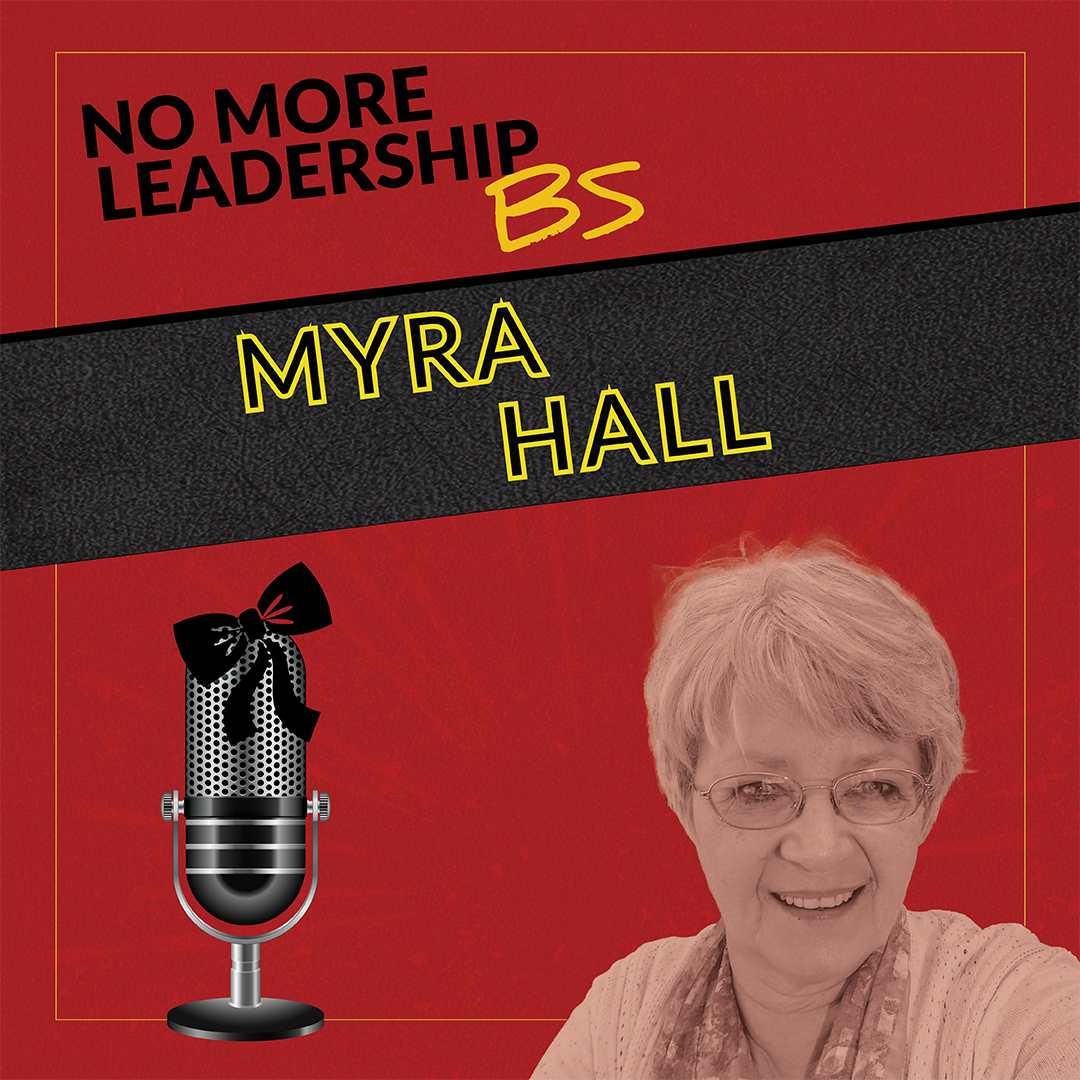
Consistency Over Charisma with Myra Hall
4w ago00:25:40Tap to summarizeCharisma Gets You Hired. Consistency Gets You Trusted.Everybody wants the leader with the big personality. The one who remembers your kid's name, throws the best parties, and always has some shiny new idea. But this week's episode makes the case for something way less exciting and way more important: consistency.The Charismatic Broker Who Lost Everything The episode opens with a story about a brilliant, magnetic broker who built a thriving office on pure charm and big ideas. Problem was, the ideas changed every year. Eventually the team stopped following, production dried up, and the office shut down overnight. The person who picked up the pieces? His assistant. Not the most exciting hire, but the most dependable one.Charisma Is the Spark, Consistency Is the Fuel Great ideas don't go anywhere without people willing to execute them day after day. This episode digs into why teams gravitate toward predictable leaders over exciting ones, even when the exciting ones seem more fun to work with.Predictability Builds Psychological Safety When people know what to expect from you, good mood or bad, they can operate. When they don't, chaos sets in and trust erodes fast. The conversation covers why reliability with customers matters just as much as reliability with your team.Know Your Own Weak Spots Nobody's consistent at everything. The episode gets honest about personal blind spots (yes, technology gets called out specifically) and why the smartest move is knowing what you're bad at and building support around it instead of pretending otherwise.The Bottom Line Consistency isn't flashy. It won't get you a standing ovation at a conference. But it's the trait that actually builds trust, and without trust, leadership doesn't exist.Tune in for:Why a office full of charisma still collapsed without consistencyThe real connection between reliability and psychological safetyHow to spot your own inconsistencies before they cost you clients or a teamSkip the personality contest. This episode is about the discipline that actually keeps people following you.Have questions, suggestions or just a great story to tell about some Leadership BS you have experienced? Reach out to us by emailing us Today's Featured Coach - Myra Hall - Individual and Team Coaching, Midlife Mentoring- Helping you get excited about life again as you overcome the things that keep you from living and loving a life that counts. - Owner/Founder Waypoint Coaching Group Reach Myra at Myra@WaypointCoachingGrp.com or 765-623-9711The rest of the gang:The rest of the gang:Jeff Conroy - Organizational and Non-profit Expert, Motivational Speaker, Coach - Executive Leader | Difference Maker for nonprofits in strategic planning, operations, and fundraising and development. Owner/Founder of Conroy Leadership Consulting, LLC. Reach Jeff at jeff@ConroyleadershipConsulting.com or 208-215-6285Geoff McLachlan - Motivational Speaker, Trainer and Coach, Bringing Fun Back Into the Workplace, Owner/Founder of Professionals At Play Reach Geoff directly at geoff@professionalsatplay.com or 509-869-4506Jeffrey Geier - Motivational Speaker, Trainer, and Coach - Helping You Win in Work & Life Owner/Founder of Phoenix Coaching LLC Reach Jeffrey at Jeff@PhoenixCoachingLLC.com or 509-553-9248
Transcribe →
The Human ROI: Leading with Heart When the Numbers Don't Tell the Whole Story with guest Gerren Sprauve and Geoff McLachlan
Jul 100:24:30Tap to summarizeThe Human ROI: What Happens When Your Business Is Built on Thank-You MomentsMost business owners track ROI in spreadsheets. Revenue up, costs down, margin healthy. Done. But what if the biggest return your business will ever generate has nothing to do with money?This episode, the panel sits down with Garrain Sprauve, founder of Clean Slate Janitorial Services and author of Fast Track Your Calling, who built a seven-figure company not on marketing funnels or hiring algorithms, but on something most leadership playbooks skip entirely: genuine human connection.From "Thank You, Sir" to Seven FiguresIt started with a dinner out and a janitor who wouldn't make eye contact. Gerren noticed. He said thank you. The man literally skipped to the next table. That moment cost nothing and changed everything, including Gerren's entire career trajectory. He quit his corporate job to become a janitor because he wanted to understand what that man had felt. That's not a metaphor. He actually did it.The Interview Nobody Else Is RunningWhen it came time to hire, Gerren didn't ask candidates what they could do for Clean Slate. He asked what Clean Slate could do for them. Goal sheets. Personal conversations. Written-down dreams slid back across the table. The result? Employees who stayed, who recruited their own networks, and who left only when they'd accomplished what they came to do, at which point Garrain threw them a celebration instead of an exit interview.Losing Everything and Getting It Back in 24 HoursWhen a subcontractor walked off the job and took her entire team with her, Gerren showed up to his biggest account to find 19 people standing in the parking lot. Those were the workers she'd fired. They raised their hands and asked if he'd hire them. Every single high-five, every Gatorade run, every "how's your family?" had banked something that no HR system can replicate.Serve First. The Rest Follows.Gerren's framework isn't complicated. It's not a methodology with an acronym. It's simpler: you have everything you need. Use it to serve someone. The return, in loyalty, in referrals, in people calling you from Connecticut years later because they still think of you as their person, is the Human ROI. And it compounds in ways that a P&L statement can't capture.The Bottom LineLeadership isn't a title you earn. It's a gift that gets given to you, every single day, by the people who choose to follow. Gerren has built his business, his reputation, and his life on that truth. This conversation is a gut-check for anyone who's been leading with a spreadsheet instead of a handshake.Tune in for:Why quitting a corporate job to mop floors was one of the smartest career moves ever madeThe goal-sheet interview technique that turned applicants into advocatesWhat "the Human ROI" means and why it matters more than your quarterly numbersHow serving people with zero expectation of return built a business that never needed a job postingDon't just lead people. Pour into them. The return is better than anything your accountant will ever show you.Have questions, suggestions or just a great story to tell about some Leadership BS you have experienced? Let us know by emailing us Today's Featured Guest - Gerren Sprauve is the founder of Clean Slate Janitorial Services, a company he grew from a single truck to a seven-figure operation by treating every employee, subcontractor, and client like they mattered, because they did. Now an author, speaker, and coach, he helps leaders build loyal cultures and scale with purpose through what he calls the Human ROI. By design, he is intentionally easy to reach. Website: gerrensprauve.com/ Email: contactme@gerrensprauve.com Book: Fast Track Your Calling — available on Amazon and Audible Social: All major platforms except Twitter/X (search Garrain Sprauve) LinkedIn: Gerren Sprauve The rest of the gang:The rest of the gang:Jeff Conroy - Organizational and Non-profit Expert, Motivational Speaker, Coach - Executive Leader | Difference Maker for nonprofits in strategic planning, operations, and fundraising and development. Owner/Founder of Conroy Leadership Consulting, LLC. Reach Jeff at jeff@ConroyleadershipConsulting.com or 208-215-6285Geoff McLachlan - Motivational Speaker, Trainer and Coach, Bringing Fun Back Into the Workplace, Owner/Founder of Professionals At Play Reach Geoff directly at geoff@professionalsatplay.com or 509-869-4506Myra Hall - Individual and Team Coaching, Midlife Mentoring- Helping you get excited about life again as you overcome the things that keep you from living and loving a life that counts. - Owner/Founder Waypoint Coaching Group Reach Myra at Myra@WaypointCoachingGrp.com or 765-623-9711Jeffrey Geier - Motivational Speaker, Trainer, and Coach - Helping You Win in Work & Life Owner/Founder of Phoenix Coaching LLC Reach Jeffrey at Jeff@PhoenixCoachingLLC.com or 509-553-9248
Transcribe →
The Dependency Trap: When Being Helpful Becomes Harmful with Jeff Geier
Jun 2400:22:04Tap to summarizeYou're Not the Leader. You're the Bottleneck.Here's a fun little test: if you vanished from work for 30 days, what would break? If your honest answer is "everything," congratulations -- you haven't built a team. You've built a dependency. This episode is a straight-talk intervention for leaders who have accidentally made themselves the operating system of their own organization, and why that's a problem for everyone, including you.You Thought You Were Helping. You Were Actually Hovering.The instinct to jump in, solve problems, and keep things running feels like good leadership. It's not. When leaders become the answer to every question and the solution to every crisis, they quietly train their teams to stop thinking for themselves. The result? A ceiling on growth, a bottleneck in operations, and a leader who can't take a two-week vacation without the whole thing unraveling. Sound familiar?The "What Do You Think?" ShiftOne of the simplest, most powerful moves a leader can make: when someone brings you a problem, resist the urge to fix it. Instead, ask, "What do you think we should do about it?" Spoiler: they almost always already know. They're not looking for your answer. They're looking for your permission. Stop being the answering machine and start being the thinking partner.Letting Them Fail (A Little) Is Actually the JobNobody learns to ride a bike by watching someone else do it. Great leaders let their people stumble -- not catastrophically, just enough to build instincts, resilience, and real confidence. The goal isn't a team that never makes mistakes. It's a team that knows how to recover from them without calling you first.The Ego Hiding in Your CalendarThere's a quiet thrill in being needed. It feels like importance, like value, like leadership. But if your identity is wrapped up in being indispensable, you're building a trap, not a team. The real leadership flex? Developing people who could, in theory, take your job. That's not a threat. That's the whole point.The Bottom LineIf your team can't function without you, that's not loyalty. That's a gap in your leadership. The goal isn't to be the smartest person in the room. It's to build a room full of people who don't need you to be.Tune In For:Why the desire to be helpful can quietly become the thing holding your team backA real story about what happens when leaders leave without building the bench firstThe one question that shifts your team from problem-bringers to problem-solversHow ego plays a sneaky role in keeping leaders stuck in the middle of everythingWhat it actually looks like to lead people toward independence rather than dependenceYou built something worth leading. Now build the team that can lead it with you -- or without you, when it counts.Have questions, suggestions or just a great story to tell about some Leadership BS you have experienced? Let us know by emailing us Today's Featured Coach - Jeffrey Geier - Motivational Speaker, Trainer, and Coach - Helping You Win in Work & Life Owner/Founder of Phoenix Coaching LLC Reach Jeffrey at Jeff@PhoenixCoachingLLC.com or 509-553-9248The rest of the gang:Jeff Conroy - Organizational and Non-profit Expert, Motivational Speaker, Coach - Executive Leader | Difference Maker for nonprofits in strategic planning, operations, and fundraising and development. Owner/Founder of Conroy Leadership Consulting, LLC. Reach Jeff at jeff@ConroyleadershipConsulting.com or 208-215-6285Geoff McLachlan - Motivational Speaker, Trainer and Coach, Bringing Fun Back Into the Workplace, Owner/Founder of Professionals At Play Reach Geoff directly at geoff@professionalsatplay.com or 509-869-4506Myra Hall - Individual and Team Coaching, Midlife Mentoring- Helping you get excited about life again as you overcome the things that keep you from living and loving a life that counts. - Owner/Founder Waypoint Coaching Group Reach Myra at Myra@WaypointCoachingGrp.com or 765-623-9711
Transcribe →
Motivation Is a Myth: What Actually Drives Exceptional Performance with Jeff Conroy
Jun 1700:21:14Tap to summarize Motivation Is a Lie (And Great Leaders Know It) Everyone talks about motivation like it's the secret sauce of high performance. Motivate your team! Build a motivated culture! But here's the uncomfortable truth: motivation is temporary, and building your leadership strategy around it is like building your house on sand. This episode of No More Leadership BS calls out the myth, dismantles it piece by piece, and hands you something that actually holds up under pressure. The Myth That Motivation Drives Success As the old saying goes, motivation is like bathing and deodorant. You need to apply it daily for it to work. The post-conference buzz fades. The keynote high evaporates. The bonus check gets spent. What's left? Either a culture built on something deeper, or a team that quietly drifts back to functioning just above getting fired. Spoiler: a lot of teams are doing exactly that. Environment Over Cheerleading The panel makes a sharp pivot here: it's not a leader's job to motivate people. It's a leader's job to build an environment where people can choose to be motivated. That's not semantics, that's a fundamental shift in how you show up as a leader. External fixes don't solve internal problems, and if you've ever tried to buy morale with pizza parties and employee-of-the-month plaques, you already know this. Ownership, Standards, and the Artisans Who Signed Their Work The conversation takes a genuinely fascinating turn when the panel reflects on a 150-year-old house where the craftsmen literally signed their work on the staircase wall. Would you sign yours? That question cuts to the core of the ownership conversation. When people treat their work like it carries their name, standards rise and stay risen. When leadership keeps lowering the bar to avoid conflict, that lower bar becomes the new normal, and the slide is hard to stop. High Standards vs. Perfectionism: Know the Difference Perfectionism gets stuck. High standards get better. The panel draws a clear and useful line: chasing perfection is demotivating, paralyzing, and frankly a little insufferable (see: the misaligned slide that sent the perfectionists in the audience into a quiet spiral). Chasing improvement, on the other hand, means understanding that as you get more competent, the gains get smaller and more incremental, and that's not failure. That's mastery in progress. The Bottom Line Leadership isn't about being the most motivated person in the room or keeping everyone else pumped up. It's about owning your role, maintaining standards when it's easier to drop them, and doing the right thing when nobody's watching. The best leaders aren't perfect. They're consistent. And what leaders allow becomes the new normal, for better or worse. Tune In For: Why "motivating your team" might be the wrong goal entirelyThe ownership mindset that separates artisans from clock-punchersWhat hourly pay did to craftsman culture (and what that means for your team today)The real difference between a high-standard leader and a perfectionistRapid-fire wisdom on what destroys performance, earns respect, and what great leaders do consistentlyYou came here for leadership without the fluff. This episode delivers. Turns out, the secret isn't motivation. It's everything that shows up when motivation leaves. Have questions, suggestions or just a great story to tell about some Leadership BS you have experienced? Let us know by emailing us Today's Featured Coach - Jeff Conroy - Organizational and Non-profit Expert, Motivational Speaker, Coach - Executive Leader | Difference Maker for nonprofits in strategic planning, operations, and fundraising and development. Owner/Founder of Conroy Leadership Consulting, LLC. Reach Jeff at jeff@ConroyleadershipConsulting.com or 208-215-6285The rest of the gang:Geoff McLachlan - Motivational Speaker, Trainer and Coach, Bringing Fun Back Into the Workplace, Owner/Founder of Professionals At Play Reach Geoff directly at geoff@professionalsatplay.com or 509-869-4506Myra Hall - Individual and Team Coaching, Midlife Mentoring- Helping you get excited about life again as you overcome the things that keep you from living and loving a life that counts. - Owner/Founder Waypoint Coaching Group Reach Myra at Myra@WaypointCoachingGrp.com or 765-623-9711Jeffrey Geier - Motivational Speaker, Trainer, and Coach - Helping You Win in Work & Life Owner/Founder of Phoenix Coaching LLC Reach Jeffrey at Jeff@PhoenixCoachingLLC.com or 509-553-9248
Transcribe →
Plaques, Pizza, and the Problem with "We Have a Program" with Jeff Conroy
Jun 1000:26:46Tap to summarizeYour Recognition Program is Lying to YouYou've got the plaques. You've got the pizza parties. You've got the "Employee of the Month" wall. And somehow, your people still feel invisible. What gives?This episode of No More Leadership BS takes a sledgehammer to the feel-good fantasy of recognition programs and gets real about what actually makes people feel seen, valued, and motivated to show up and do their best work.The Trophy Problem Nobody Talks AboutHere's the thing about recognition: it's not one-size-fits-all, and handing everyone a coffee mug isn't going to cut it. Some people light up for public praise. Others feel seen when you depend on them. One person's wall full of trophies is another person's trash pile. If you don't know which camp your people are in, your recognition program is just organized noise. Know your people. Full stop.Check the Box, Lose the TrustRecognition programs created by HR budgets and quarterly planning cycles have a dirty secret: they often have nothing to do with genuine appreciation. When you outsource caring about your employees to a catalog of branded merchandise, you're not building culture. You're checking a box. Real recognition isn't a line item. It's a leadership practice. There's a difference between "we have a program" and "we actually give a damn."Motivation Isn't Your Job (Kind Of)Here's a spicy take worth sitting with: it's not a leader's job to motivate people. The word "motive" is internal. What leaders CAN do is create an environment where people choose to be motivated. That means fair pay, genuine appreciation, and treating your team like humans instead of human resources. You want "I get to go to work on Monday," not "I have to go to work on Monday." One of those builds a great company. The other one builds resentment.What Gets Recognized Gets RepeatedSpecificity is the secret weapon nobody's using. "Good job" is forgettable. "That report you put together moved the whole project forward and helped the team hit their goal. Thank you." That lands. That's what people remember. That's what they'll try to replicate. And do it immediately. A week-late touchdown celebration is just awkward.The Bottom LineRecognition isn't about trophies, pizza, or Starbucks cards. It's about leadership. People need to know their work matters, and the best organizations don't stumble into engaged employees. They have leaders who intentionally see their people, name the behaviors they want repeated, and actually care whether the people on their team are thriving. Recognition costs almost nothing. Ignoring people costs you everything.Tune In For:Why your recognition program might be doing more harm than goodThe kindergarten classroom strategy that works just as well on adultsWhat DISC assessments have to do with coffee cards (and why that matters)The rapid-fire debate: public vs. private, effort vs. results, immediate vs. laterThe one move leaders can make tomorrow to improve recognition instantlyStop checking boxes. Start seeing people. Your culture depends on it.Have questions, suggestions or just a great story to tell about some Leadership BS you have experienced? Let us know by emailing us Today's Featured Coach - Jeff Conroy - Organizational and Non-profit Expert, Motivational Speaker, Coach - Executive Leader | Difference Maker for nonprofits in strategic planning, operations, and fundraising and development. Owner/Founder of Conroy Leadership Consulting, LLC. Reach Jeff at jeff@ConroyleadershipConsulting.com or 208-215-6285The rest of the gang:Geoff McLachlan - Motivational Speaker, Trainer and Coach, Bringing Fun Back Into the Workplace, Owner/Founder of Professionals At Play Reach Geoff directly at geoff@professionalsatplay.com or 509-869-4506Myra Hall - Individual and Team Coaching, Midlife Mentoring- Helping you get excited about life again as you overcome the things that keep you from living and loving a life that counts. - Owner/Founder Waypoint Coaching Group Reach Myra at Myra@WaypointCoachingGrp.com or 765-623-9711Jeffrey Geier - Motivational Speaker, Trainer, and Coach - Helping You Win in Work & Life Owner/Founder of Phoenix Coaching LLC Reach Jeffrey at Jeff@PhoenixCoachingLLC.com or 509-553-9248
Transcribe →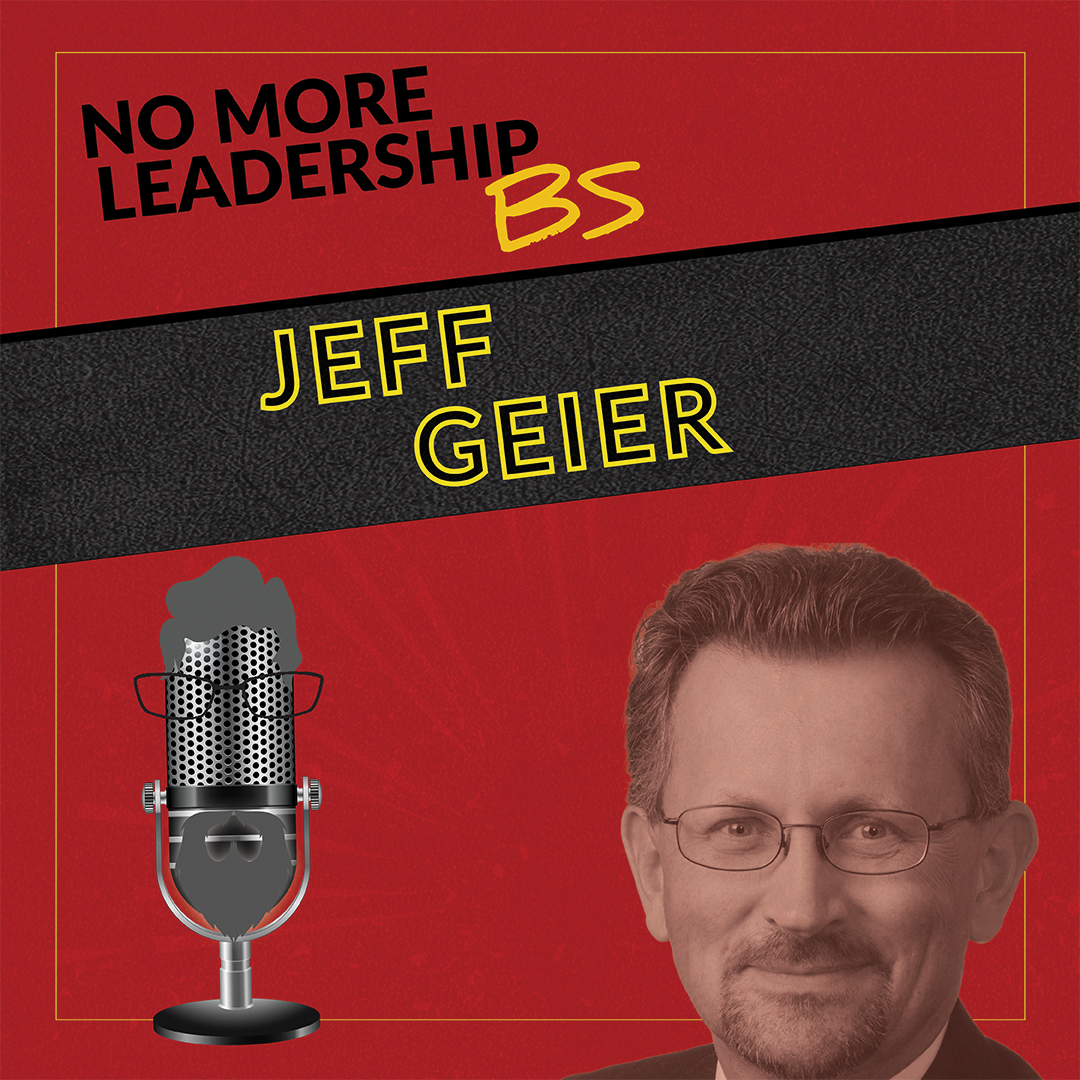
From Grind to Growth: Killing the Mindset That's Killing Your Leadership with Jeff Geier
Jun 300:22:43Tap to summarizeYour Greatest Strength Might Be Your Biggest ProblemYou worked hard to get where you are. You hustled, you grinded, you built something real. And somewhere along the way, the very mindset that made you successful quietly became the thing holding you back. Nobody warned you that would happen. Nobody put that in the leadership manual. (Spoiler: there was never a manual.)This episode of No More Leadership BS goes straight at one of the sneakiest traps in leadership: the moment your proven playbook stops working and you refuse to notice.The Mindset MythMost leaders think mindset means thinking positive. Wrong. Mindset is the entire filter through which you interpret reality, and if that filter is outdated, it doesn't matter how hard you push. You're filtering bad intel. A fish doesn't know it's wet. Most leaders don't know their mindset is working against them until the results start screaming what they've been too busy to hear.The "I'll Just Work Harder" TrapThe panel gets brutally honest about the beliefs they carried into leadership that eventually had to die. Working harder as the default answer. Being personally involved in every decision. Treating busyness as a badge of honor rather than a warning sign. These aren't character flaws. They're survival strategies that outlived their usefulness, and clinging to them past their expiration date is a leadership problem, not a work ethic problem.The Bottleneck in the MirrorIf your team won't take ownership, if decisions pile up on your desk, if you're doing the work instead of leading the people doing the work, there's a pattern worth examining. The panel makes it plain: when you refuse to trust your people, you become the ceiling on your organization's growth. True delegation isn't a soft skill. It's a leadership discipline, and it takes years to get right. The shift from "what I did" to "what we did" isn't just a word change. It's a complete identity recalibration.The GAP TestHere's a practical tool from this episode worth keeping: compare the leader you intended to be with the leader you currently are. Compare the life you wanted with the life you're actually living. Compare the organization you envisioned with the one you're running. The size of that gap tells you exactly how much your current mindset is costing you.The Bottom LineMindset problems are invisible from the inside. That's what makes them dangerous. You can't read the label from inside the jar. The panel's collective prescription: know thyself, let go of ego, stop confusing motion with progress, and get someone in your corner who can see what you can't. The shift from "it's about me" to "it's about we" isn't just good leadership advice. It's how you stop being your own worst obstacle.Tune in for:Why leaders resist uncertainty far more than they resist changeHow to use the GAP Test to diagnose a mindset problem before it derails youThe real reason your team won't take ownership (hint: look in the mirror)Why "who will I be if I stop doing all of this?" is the most dangerous question a leader can sit withWhat true delegation actually looks like, and why it takes decades, not daysReady to stop being the bottleneck? You know where to find us: askus@leadershipbs.coHave questions, suggestions or just a great story to tell about some Leadership BS you have experienced? Let us know by emailing us Today's Featured Coach - Jeffrey Geier - Motivational Speaker, Trainer, and Coach - Helping You Win in Work & Life Owner/Founder of Phoenix Coaching LLC Reach Jeffrey at Jeff@PhoenixCoachingLLC.com or 509-553-9248The rest of the gang:Jeff Conroy - Organizational and Non-profit Expert, Motivational Speaker, Coach - Executive Leader | Difference Maker for nonprofits in strategic planning, operations, and fundraising and development. Owner/Founder of Conroy Leadership Consulting, LLC. Reach Jeff at jeff@ConroyleadershipConsulting.com or 208-215-6285Geoff McLachlan - Motivational Speaker, Trainer and Coach, Bringing Fun Back Into the Workplace, Owner/Founder of Professionals At Play Reach Geoff directly at geoff@professionalsatplay.com or 509-869-4506Myra Hall - Individual and Team Coaching, Midlife Mentoring- Helping you get excited about life again as you overcome the things that keep you from living and loving a life that counts. - Owner/Founder Waypoint Coaching Group Reach Myra at Myra@WaypointCoachingGrp.com or 765-623-9711
Transcribe →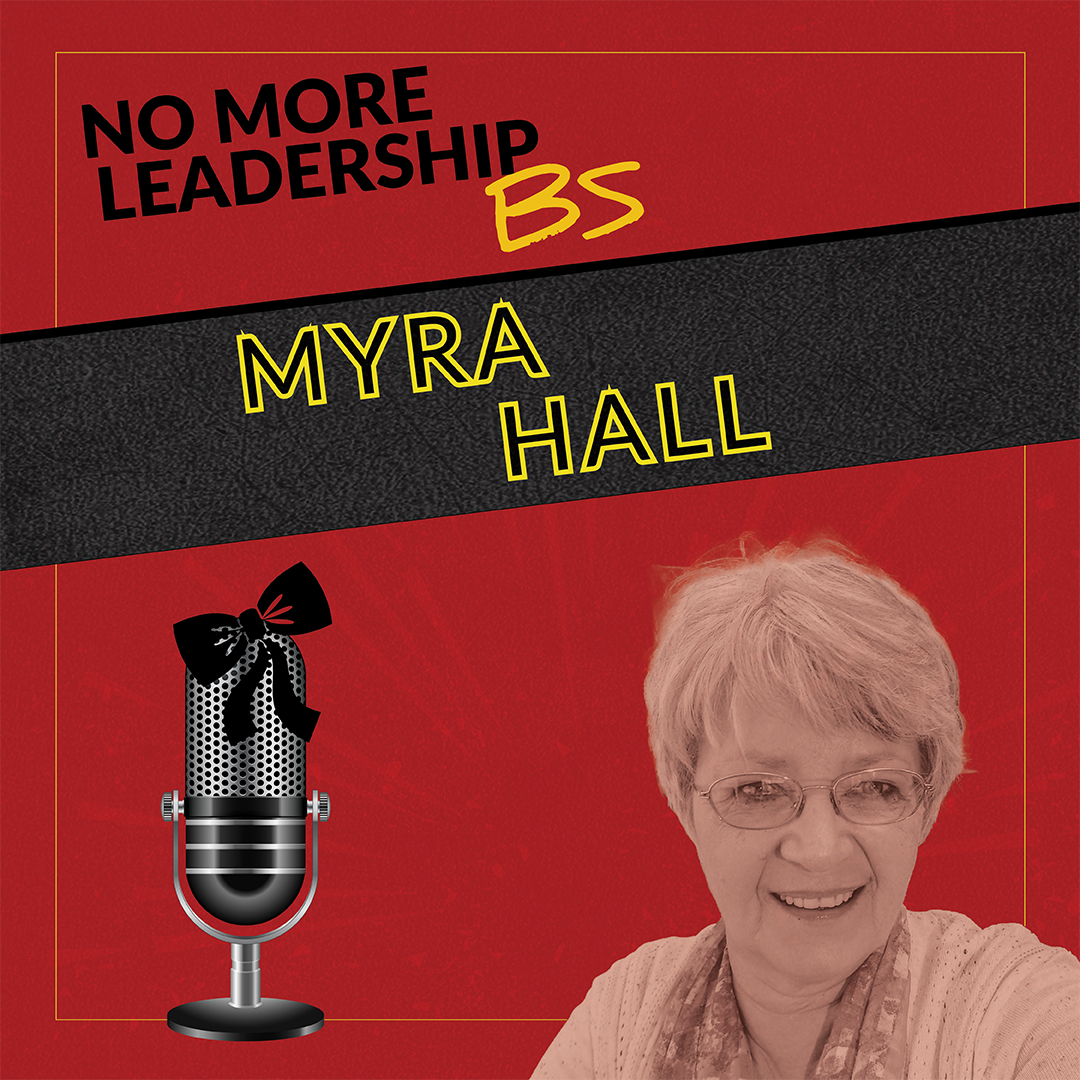
Serve, Adapt, Lead: Why Great Leaders Never Just Eat Last with Myra Hall
May 2700:24:26Tap to summarizeThe Leadership Myth That's Making Good Leaders Look Like CowardsSimon Sinek told us to eat last. Organizations made it policy. And somewhere between the book launch and the boardroom, a lot of leaders turned a beautiful principle into a very comfortable excuse. This episode of No More Leadership BS takes a hard look at servant leadership -- what it actually means, what it definitely doesn't mean, and why confusing the two might be burning your team (and you) to the ground.Servant Leadership Wasn't Designed to Make You InvisibleThe origin story matters here. Servant leadership traces back to a Sherpa whose quiet, consistent presence was so foundational to his expedition that when he disappeared, the whole operation fell apart. The lesson wasn't "be humble and step back." The lesson was that the leader was the infrastructure nobody noticed until it was gone. Leading from behind means being the invisible scaffolding of your team's success -- not clocking out early and calling it humility.But When the Building Is on Fire, Nobody Wants a Servant LeaderThere's a difference between nourishing your team in steady conditions and navigating a crisis. In emergencies, people don't scan the room looking for the most humble person. They look for whoever is already moving. Gene Kranz didn't ask the Apollo 13 crew to vote on next steps -- he made the call and involved everyone in executing it. Jocko Willink didn't servant-lead on the battlefield; he prepared his team so thoroughly that when contact was made, everyone knew their role. Preparation is servant leadership. Reaction is frontline leadership. You need both.The Real Question: When Do You Know Which Mode to Be In?This is where it gets honest: there's no universal answer, and anyone who says otherwise is selling something. What the panel agrees on is this -- the leaders who get it right aren't operating purely on instinct. They're operating with intention. They know their team, they know the stakes, and they've done the hard work of reflection after every success and failure. Wisdom isn't downloaded. It's earned through mess, iteration, and the courage to ask "what did I do wrong?" after every stumble.Checking Out Is Not the Same as Trusting Your TeamThere is a critical, career-defining line between genuine delegation and just... disappearing. Real servant leadership is not "I need it done by Friday, see you then." It's active presence without micromanagement. It's genuine curiosity about your people. It's the difference between a team that runs like a Rolex and a team that quietly falls apart because they've been "trusted" into abandonment. The team that performs at that level doesn't happen because the leader stepped back. It happens because the leader was fully in it -- right up until the moment the team no longer needed them.The Bottom LineLeading from behind is wisdom. Always leading from behind is avoidance. The leaders who get it right know the difference between nourishing their team and abandoning it -- and they've made enough mistakes to tell the two apart. Great leadership isn't front or back. It's knowing which one the moment is calling for. That's a skill. And it's learnable.Tune In For:Why servant leadership's origin story is actually about being indispensable, not invisibleThe "nine seconds" emergency framework NASA uses -- and what it means for your Monday morningWhy the incoming leadership gap makes all of this more urgent than everThe one-person-dancing-at-a-concert story that perfectly explains what leading from the front actually looks likeHow to tell if your "delegation" has quietly become disengagementReady to stop guessing and start leading with intention? Send your questions to askus@leadershipbs.co -- or hit the show notes for direct contact with the panel. Our collective pile of hard-earned mistakes is available to you as a shortcut.Have questions, suggestions or just a great story to tell about some Leadership BS you have experienced? Let us know by emailing us Today's Featured Coach - Myra Hall - Individual and Team Coaching, Midlife Mentoring- Helping you get excited about life again as you overcome the things that keep you from living and loving a life that counts. - Owner/Founder Waypoint Coaching Group Reach Myra at Myra@WaypointCoachingGrp.com or 765-623-9711The rest of the gang:The rest of the gang:Jeff Conroy - Organizational and Non-profit Expert, Motivational Speaker, Coach - Executive Leader | Difference Maker for nonprofits in strategic planning, operations, and fundraising and development. Owner/Founder of Conroy Leadership Consulting, LLC. Reach Jeff at jeff@ConroyleadershipConsulting.com or 208-215-6285Geoff McLachlan - Motivational Speaker, Trainer and Coach, Bringing Fun Back Into the Workplace, Owner/Founder of Professionals At Play Reach Geoff directly at geoff@professionalsatplay.com or 509-869-4506Jeffrey Geier - Motivational Speaker, Trainer, and Coach - Helping You Win in Work & Life Owner/Founder of Phoenix Coaching LLC Reach Jeffrey at Jeff@PhoenixCoachingLLC.com or 509-553-9248
Transcribe →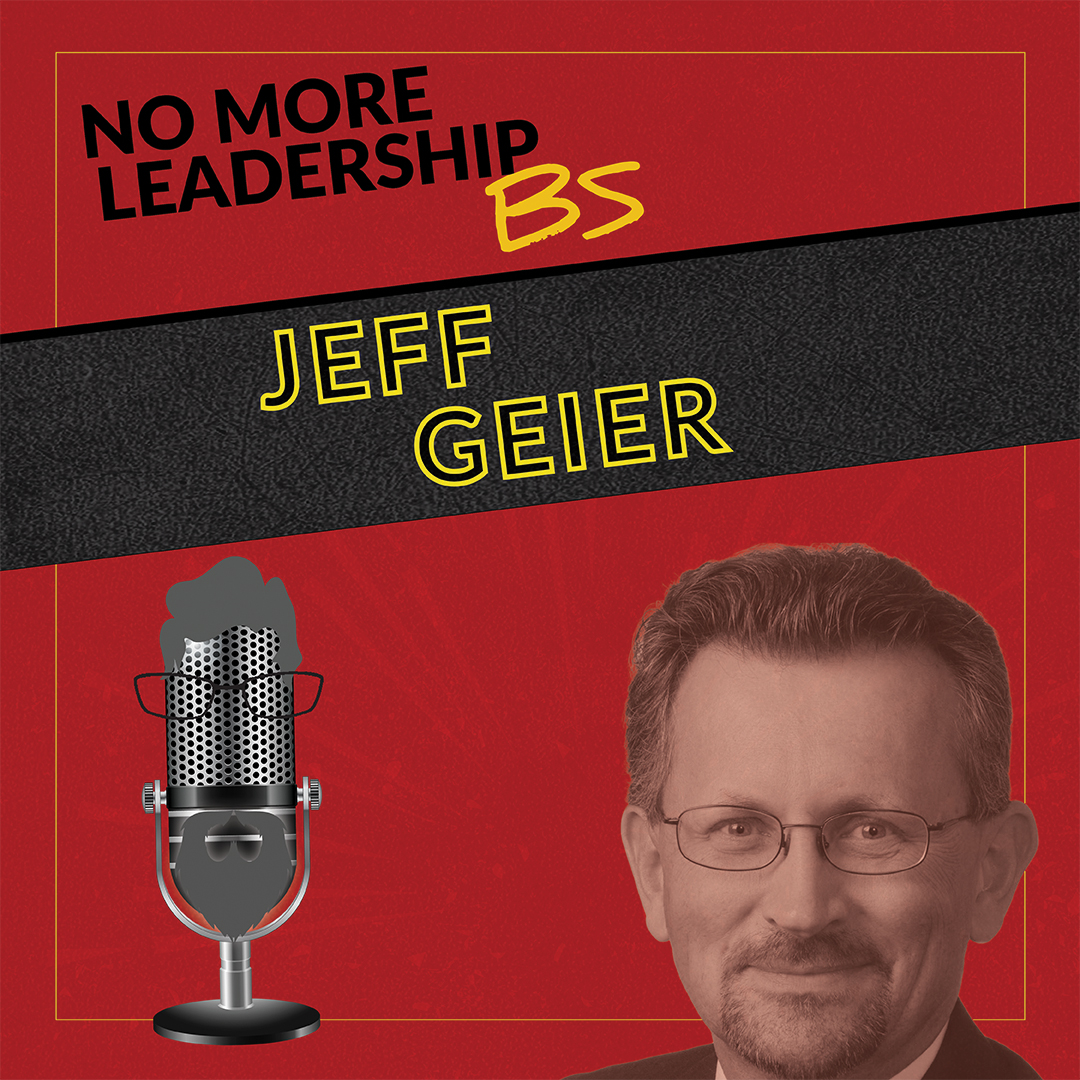
You Were Never a Leader. You Were Just in Charge. with Jeff Geier
May 2000:26:09Tap to summarize You Were Never a Leader. You Were Just in Charge. Seventy-two percent of CEOs spend most of their time putting out fires. Fifty-two percent admit their own company culture is toxic. And 81% still think mental health struggles signal weakness. So here's the question the No More Leadership BS panel is asking out loud: Is this a leadership crisis, or a motivation crisis? Spoiler: it's the second one, and the cure has been hiding in plain sight for 2,000 years. The Wrong Person Is in the SeatThe Peter Principle says everyone gets promoted to their level of incompetence. But the panel argues it goes deeper than that. The real problem is organizations handing the keys to the best performer, not the best potential leader. The best bookkeeper on the team is not automatically the best bookkeeper manager. Without mentoring, coaching, or structured development, new leaders simply lead the way they were led. And if that pedigree is top-down, toxic, or oppressive, the cycle just keeps spinning.Being a Leader vs. Doing LeadershipThere is a difference between someone who performs the tasks of leadership and someone who IS a leader. The panel unpacks this distinction: you can follow every protocol, check every box, and still not be the person your team gravitates toward. Natural-born leaders? The panel doesn't buy it. Charisma, maybe. But leadership itself is built, not inherited. The real differentiator is identity. Do you see yourself as someone who serves, or someone who got promoted?The Servant Leadership Argument (The Only One That Matters)The panel lands firmly on servant leadership as the only real leadership model. Everything else is just being in charge. A story about a shop leader at Coeur d'Alene Summer Theatre drives the point home: rough around the edges, coffee dark, standards high, and 100% committed to making his crew feel ownership, earn credit, and do the work together. He didn't lead for the title. He led because the people doing the work mattered more than anything on the org chart.What Do We Call the Other Thing?If servant leadership is just leadership, what do we call the power-seeking, title-chasing, corner-office-craving behavior showing up in organizations everywhere? The panel offers a few options. "In charge." "Short-timer." And one they've been waiting all episode to drop: AIC. You'll have to press play to get the full definition. It is exactly what you think it is.The Bottom Line: The leadership crisis isn't a talent shortage. It's a motivation surplus pointed in the wrong direction. Too many people landed in leadership because they were great at something else, with no training, no mentoring, and no one asking whether they actually wanted to serve. The fix isn't complicated: invest in your people before you promote them, and make sure the leaders you're building understand the job was never about the title. It was always about the team.Tune In For:The three CEO stats that will make you deeply uncomfortable (as they should)Why "you're great, now go lead people" is one of the most dangerous sentences in businessThe case for servant leadership as the only real leadership model on the marketA story about a shop foreman who outled most C-suite executives without even tryingThree rapid-fire questions that will tell you exactly where your own leadership mindset sits right now You're not ready to lead until you stop caring about the title. Start there.Have questions, suggestions or just a great story to tell about some Leadership BS you have experienced? Let us know by emailing us Today's Featured Coach - Jeffrey Geier - Motivational Speaker, Trainer, and Coach - Helping You Win in Work & Life Owner/Founder of Phoenix Coaching LLC Reach Jeffrey at Jeff@PhoenixCoachingLLC.com or 509-553-9248The rest of the gang:Jeff Conroy - Organizational and Non-profit Expert, Motivational Speaker, Coach - Executive Leader | Difference Maker for nonprofits in strategic planning, operations, and fundraising and development. Owner/Founder of Conroy Leadership Consulting, LLC. Reach Jeff at jeff@ConroyleadershipConsulting.com or 208-215-6285Geoff McLachlan - Motivational Speaker, Trainer and Coach, Bringing Fun Back Into the Workplace, Owner/Founder of Professionals At Play Reach Geoff directly at geoff@professionalsatplay.com or 509-869-4506Myra Hall - Individual and Team Coaching, Midlife Mentoring- Helping you get excited about life again as you overcome the things that keep you from living and loving a life that counts. - Owner/Founder Waypoint Coaching Group Reach Myra at Myra@WaypointCoachingGrp.com or 765-623-9711
Transcribe →