
Podcast
The Critical Lane
Hosted by Mateo Chiyangi · EN
Every day, millions of people pass through airports, train stations, and border crossings without giving it a second thought. Billions of dollars' worth of cargo moves quietly through ports, mostly out of sight. Military assets, defense logistics, and strategic infrastructure are constantly mobilized to protect national interests and maintain readiness. Bags get scanned, ships get cleared, flights take off on time, and critical operations continue without interruption. It looks seamless. It isn't.
Behind every smooth departure, every container that reaches its destination, and every mission that stays on schedule is a team of people making hundreds of decisions that most of us will never see.
**The Critical Lane** is where those people tell their stories. Real conversations with the operators, commanders, directors, security professionals, and industry leaders responsible for keeping the world's critical infrastructure, transportation networks, supply chains, and defense operations moving, resilient, and secure in a world that keeps finding new ways to test them.
10episodes
Episodes
Newest firstAll episodes

From Footfall to Behavior: Tracking Behavior Without Tracking People inside Shopping Malls
Jan 1200:37:34Tap to summarizeIn this episode of the podcast, I sit down with Galvin Widjaja, CEO of Lauretta, to unpack what it really means for computer vision AI to “understand” the physical world. Moving beyond hype around models and automation, the conversation explores why most computer vision systems fail in real environments touching on dataset limitations, time and identity problems, and the difference between counting people and understanding behavior. Drawing on real-world deployments with organizations such as Lendlease (shopping mall), Changi Airport, the Transportation Security Administration (TSA), and the U.S. Department of Homeland Security (DHS), Galvin explains why effective physical AI isn’t about giving machines human-like intelligence, but about designing systems that detect patterns, respect privacy, show anomalies, and leave judgment and action to humans who have skin in the game.
Transcribe →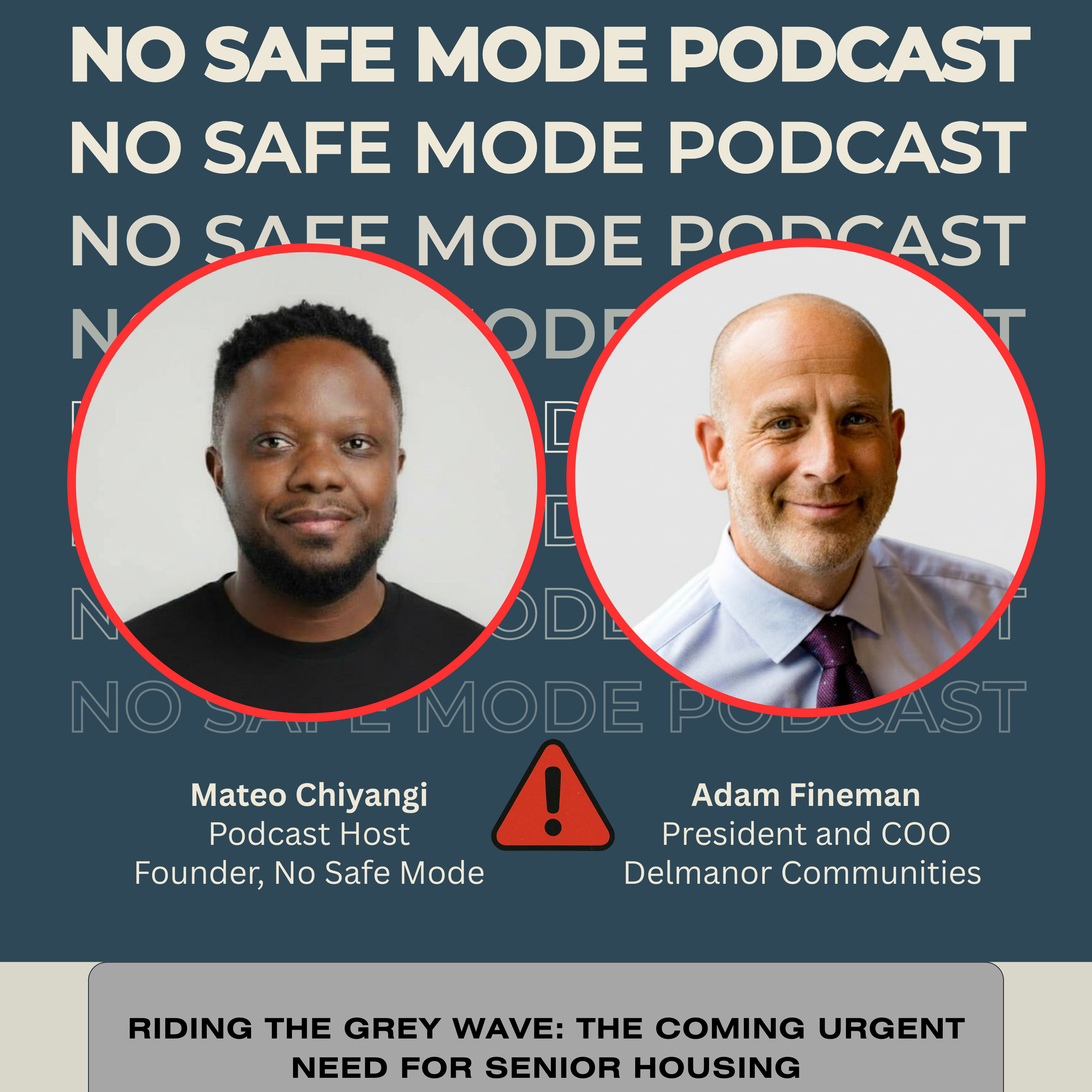
Riding the Grey Wave: The Coming Urgent Need for Senior Housing
Nov 2500:28:37Tap to summarizeAs millions of Baby Boomers approach their 80s, Canada faces a looming challenge: will there be enough senior housing to meet the demand? In this episode, Adam Fineman, President and COO of Delmanor Communities, shares his insight into the evolving landscape of senior living. We explore the scale and timing of the aging population surge. Gaps in housing supply, staffing, and care models. How innovation and community focused approaches can meet growing needs. What families, policymakers, and developers should know before it’s too late. If you care about the future of aging, supportive living, or the housing market, this episode is a must listen. Adam provides a rare combination of on the ground experience and big-picture vision to help us understand what the coming decades will require.
Transcribe →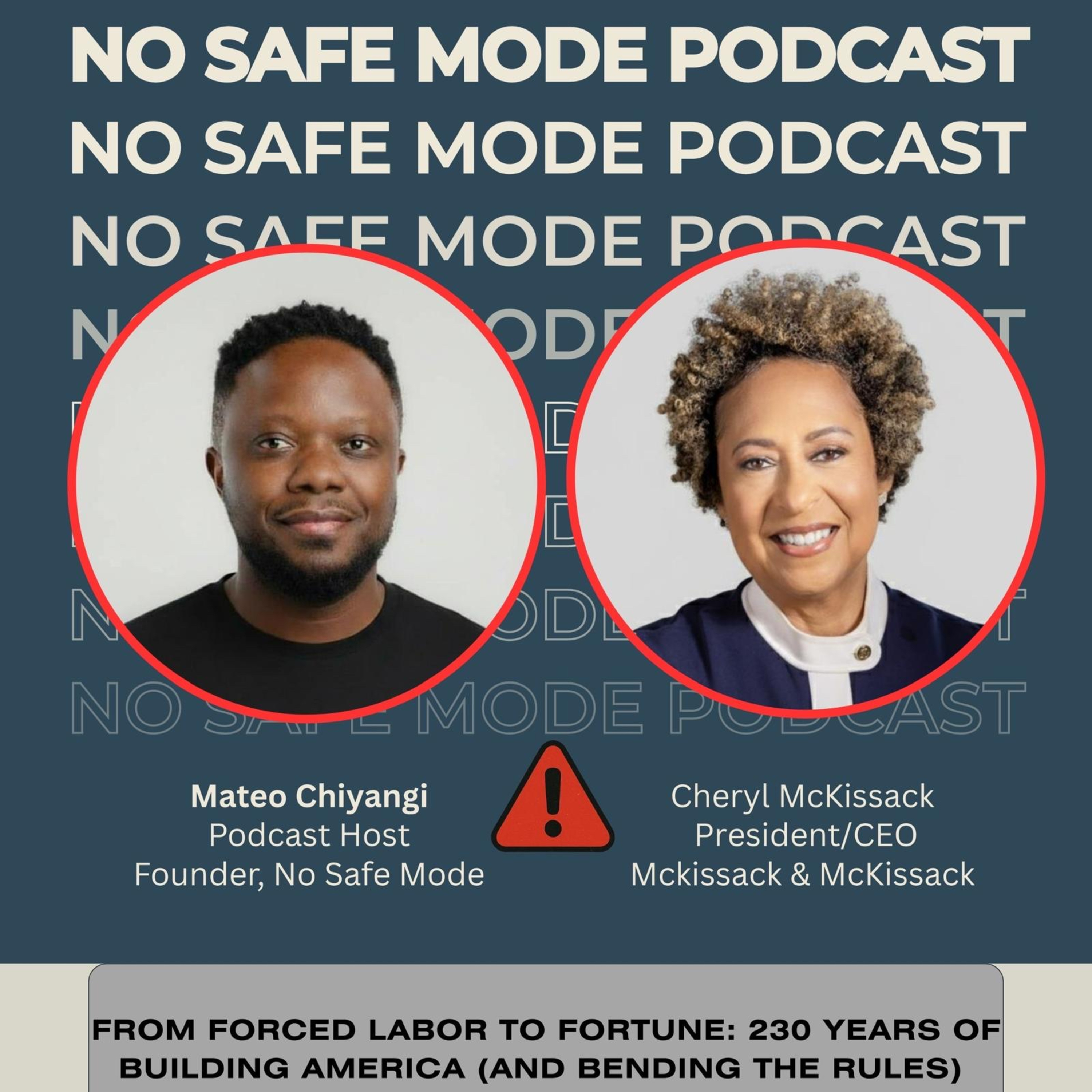
From Forced Labor to Fortune: 230 Years of Building America (and Bending the Rules)
Nov 900:29:03Tap to summarizeIn this powerful episode, I sit down with Cheryl McKissack Daniel, CEO of the oldest Black-owned construction and design firm in the nation, to talk about the untold architecture of success. She reveals the incredible journey of a family whose business originated from a skill acquired while in forced labor.You'll hear the strategic answers to:The Uncomfortable Truth: How do the McKissacks reconcile their 230-year legacy of success with its origin in enslavement?The Teacher Who Saved the Firm: How a mother's non-construction skills (and not a single blueprint) fought off a wave of buyout attempts and stabilized the business after a family crisis.Nashville to New York: Why dissolving a century-old structure and moving the HQ was a necessary, strategic move for survival and growth.Invisible vs. Overt: Which is strategically harder to defeat: the overt segregation of the past or the systemic bigotry of today?This is more than a history lesson; it's a guide to fighting for justice without burnout, and a deep look at what it takes to define a multi-generational legacy in a divided world.
Transcribe →
How Toronto Became an AI Powerhouse And Why Tech Companies Choose Canada
Oct 600:25:11Tap to summarizeIn this episode, we sit down with Stephen Lund, CEO of Toronto Global, to talk about why the world’s top tech companies are turning their eyes north. With shifting U.S. visa policies and a global race for AI talent, Canada and especially the Toronto Region is one of the most attractive destinations for innovation.Stephen shares how his team helps both startups and global enterprises navigate expansion into Canada, explains how Toronto Global is capitalizing on new immigration trends like the H-1B visa changes, and gives a behind the scenes look at what makes Toronto a true AI powerhouse.Whether you’re a founder, investor, or simply curious about how Canada is reshaping the global tech map, this episode connects the dots between policy, talent, and attracting tech companies!
Transcribe →
The New Software Layer: How AI Agents can Run your GTM (Go to Market) and Stay Smart at Scale
Sep 3000:29:16Tap to summarizeForget traditional software interfaces. A new paradigm is emerging where AI agents form a layer that interacts directly with your tools and data, and users primarily interact via natural language prompts.In this episode I seat down with Amos Bar Joseph, CEO and Co-founder at Get Swan to explore what it really takes to shift Go-To-Market (GTM) from manual tasks to agentic workflows. This isn't just automation; it's about scaling intelligence. We discuss:* The complexity of moving a GTM idea from concept to a self-executing agent and how Get Swan achieves this in seconds* How to strategically integrate client data and internal tools to make the AI smart on Day 1.* Ensuring the "AI GTM engineer" tasks maintain quality and reliability as usage explodes.* A candid look at how customer feedback forced Swan to change its approach.Tune in to understand the future of software and how to build scalable intelligence into your business.#AIAgents #GTMStrategy #FutureofSoftware #AIAutomation #ScalingIntelligence #Swan
Transcribe →
Juniper Square: The GP’s (General Partner) Playbook for a Shifting Real Estate Market
Aug 1000:33:53Tap to summarizeIn today's market, success for real estate GPs (General Partners) isn't just about market timing, it's about operational excellence. In this episode, we sit down with Brandon Sedloff, Chief Real Estate Officer at Juniper Square, to build a playbook for navigating the current landscape. We talk about the unspoken operational challenges that are quietly holding back growth and investor trust, and discuss how to rethink fund administration from a back-office chore into a powerful strategic advantage. Brandon shares his unique perspective on how to use technology to deepen investor relationships and offers practical, real-world advice for leaders looking to protect and grow long-term value.This is a must listen for any real estate leader who wants to survive and thrive over the next three years by mastering their operations.
Transcribe →
Ottawa Unlocked: Planning Risk, Land Constraints and Hidden Opportunity
Jul 21, 202500:29:55Tap to summarizeOttawa is often seen as a stable, slow growth market. But is that all there is? In this episode, we sit down with Sachin Anand, Vice President of Acquisitions at Regional Group, to unpack what most investors from Toronto and beyond don’t understand about Ottawa real estate.Sachin walks us through two of his most notable deals, 1600 Carling and Qualicum Centre, and shares how he underwrites planning risk, spots overlooked value, and navigates a market constrained by the Greenbelt, public sector dominance, and long approval timelines.We also dive into how his background in lending and banking shapes his approach to acquisitions, what changes Ottawa needs to unlock more housing, and why systemic reform, not just private capital, is key to solving the city's housing challenges.If you're trying to make sense of Ottawa’s potential or its limitations, this episode is for you.
Transcribe →
The Housing System is Broken: How Missing Middle Housing Offers a Real Solution
Jul 7, 202500:32:44Tap to summarizeThe housing system in Canada is in trouble and affordability is getting worse and supply is tight. Traditional solutions are not keeping up but there is a promising alternative called missing middle housingIn this episode I talk with Alkarim Devani co-founder of MDDL. He is a Top 40 Under 40 honouree and doctoral candidate who is creating simple and scalable ways to build missing middle housingWe cover what missing middle really means why people misunderstand it how making development simpler can unlock real solutions who is helping to push change and what a better neighborhood could look likeIf you care about finding real answers to Canada’s housing problems or want to learn how to build affordable communities this is a great listen
Transcribe →
Your Voice or AI: Who is Leading?
Jun 30, 202500:26:23Tap to summarizeWhat happens to leadership when AI starts writing our emails and shaping our culture? Join us as Yasar Ahmad, Global VP of People at HelloFresh, reveals the quiet crisis unfolding. As automation grows, authentic human connection shrinks. We dive into why human potential is harder to unlock than ever, how to find your voice against AI, and what leadership truly looks like five years from now.This isn't just about technology. It's about your career, your influence, and the very essence of human connection in the modern workplace. Tune in to understand the subtle shifts happening now and how to thrive in the automated future.
Transcribe →
Lauretta.io: How to Make Buildings Intelligent Without Ripping Them Apart
Jun 23, 202500:38:32Tap to summarizeIn this episode of No Safe Mode, I sit down with Galvin Widjaja, CEO of Lauretta, to explore how his company is revolutionizing the way buildings become smarter without costly renovations or disruptions.We dive into the real-world problems Lauretta is solving: from outdated building systems and rising energy costs to the growing need for actionable, real-time data in commercial real estate. Galvin shares how Lauretta’s AI-powered platform seamlessly retrofits into existing infrastructure, unlocking new efficiencies in building operations, security, and sustainability all without tearing down walls or rewiring entire systems.Whether you're in property management, real estate development, or just curious about the future of smart buildings, this episode unpacks the critical role intelligence plays in the built environment and how Lauretta is making it accessible.
Transcribe →