← Noche de Pendejadas with Alannized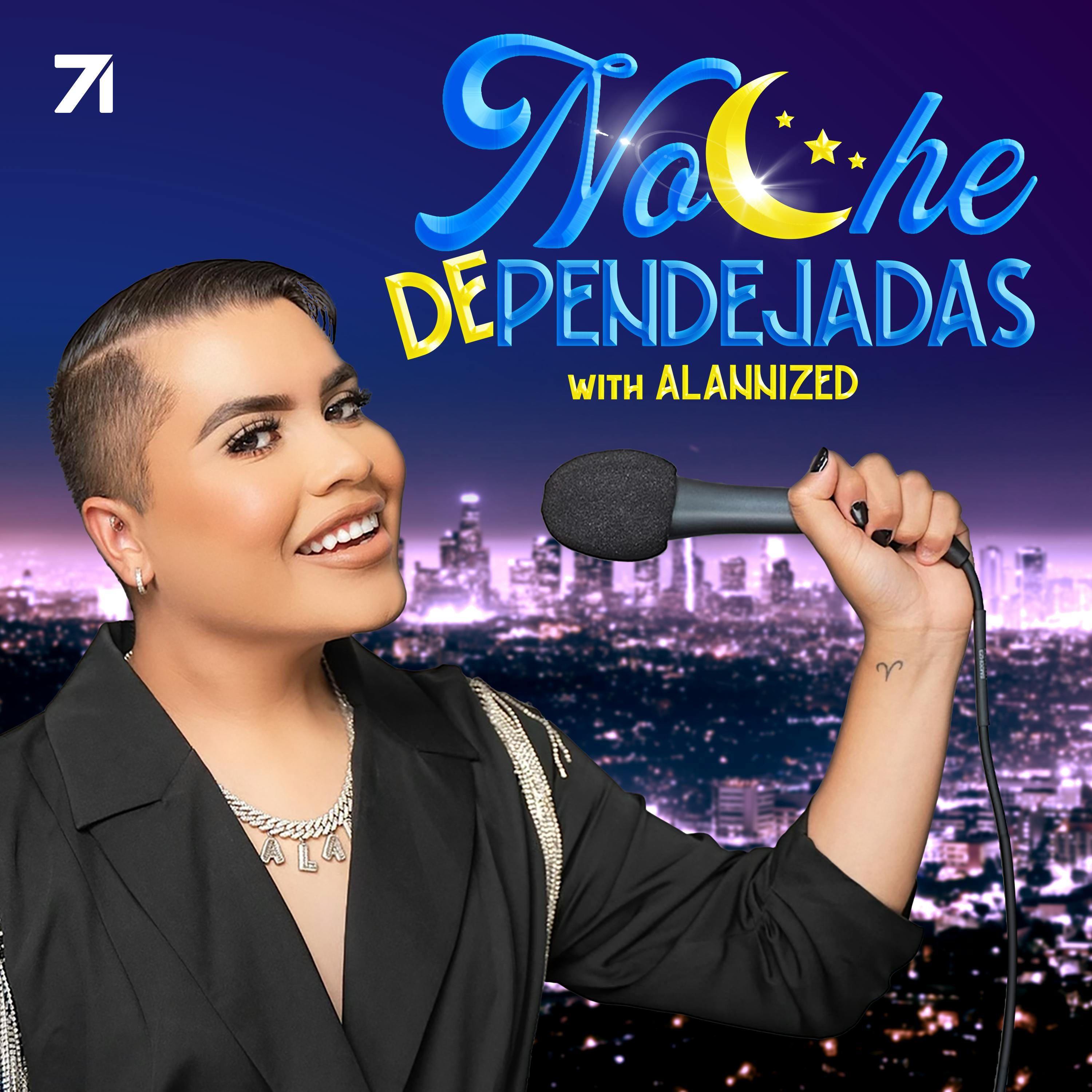
Noche de Pendejadas with Alannized
Sarah La Morena Talks All: Adoption, Being Mexican, Miscarriages, Baby Daddy Drama, Chisme & MORE!!
01:33:40
Loading summary
Transcript241 lines
- [00:00]
A
Mi koraje of like everything going on at school with bullying with everything like i just didn't know what to do with that.
- [00:22]
B
What is up everyone i'm your host alan ice and this is noche de pendejadas your favorite podcaster and talk show and on the yota trego a tus influencers so without any further ado please help me welcome my guest tonight.
- [01:00]
A
I am so excited you guys.
- [01:08]
B
Sara was actually here not this season special performance and you killed it you did amazing what have you been up to.
- [01:41]
A
Literally i'm so ronca i haven't went on a vendor like that since i think before it was a mock.
- [01:48]
B
How long were you out there for three days oh okay.
- [01:54]
A
I had had enough by sunday night so i was like all right i packed all my things i was like i gotta go so me fuy el domingo like midnight.
- [02:02]
B
Oh i could never do that though i know there's a lot of people that do that to avoid traffic they're.
- [02:07]
A
Like in las vegas.
- [02:21]
B
It was funny because my friends actually got mad at me because they wanted to go out to have breakfast like sunday antes de regesarnos perejo polorma by the time we're done with breakfast and we're back on the road traffic is going to build the up up and if there's one.
- [02:35]
A
Thing about me i love vegas i'm.
- [02:37]
B
In canta las vegas but one thing about me and vegas i hate the drive back especially hung over you guys i don't mind the drive there but the drive back i'm like no establish i even wanted to fly back but the flights were like three hundred a pop and i'm like really they were expensive but also we waited last minute.
- [02:59]
A
To look into the flights but how.
- [03:01]
B
Did you enjoy it.
- [03:04]
A
We mainly for the concert when nardo the fiesta entertainment they threw that it was so much fun oh my god it was so much fun and then we had the airbnb and we threw the after there so it was fun it was a good time i definitely you're a mommy.
- [03:24]
B
Now.
- [03:30]
A
For at least six months no.
- [03:32]
B
That'S how i've been feeling you guys.
- [03:33]
A
I'Ve been going this weekend that is.
- [03:36]
B
Literally me i every weekend because i've.
- [03:39]
A
Been super busy.
- [03:45]
B
So literally this weekend change of plans you guys i was going to go to the river my friend canceled it so i'm kind of.
- [03:49]
A
Like yes because i get at least.
- [03:51]
B
A weekend off but now we're trying to give that weekend to my swagger but i've been saying like yana hue a tomaria i'm done with the party then next weekend comes yay estudo entrada amigas today's episode of noche de pendejadas is brought to you by booking dot com booking dot yeah from vacation rentals to hotels across the us booking dot com has the ideal stay for everyone whether you're booking for yourself your partner your sleep light rise early mom or your hype maintenance group chat you can find exactly what you're booking for on booking dot com so if i can find the perfect stay on booking dot com comma anyone can find exactly what you're booking for booking dot com booking yeah book today on the site or on the app now let's get back to today's episode.
- [04:49]
C
All right let's talk about how amazon prime makes everything better you know the moment you're binge watching different things and you realize that prime has more to offer than expected amazon prime isn't just fast delivery though let's be honest getting snacks or a last minute prop delivered the same day is a lifesaver it's also prime video for all the comedy specials amazon on music to vibe to and all the things that make life more interesting red band.
- [05:15]
D
Whether streaming a stand up special building the perfect playlist for the next show or getting new gear delivered fast prime helps make it all happen and maybe even delivers a few laughs along the way so whether comedy drama or just the perfect new joke book is the vibe remember prime is there for it.
- [05:35]
C
I do it all on prime whatever you're into it's on prime from streaming to shopping it's on prime visit amazon dot com prime to get more out of whatever you're into amazon dot com prime.
- [05:59]
A
I am a mommy of three and i'm a recording artistic we have.
- [06:05]
B
A lot of topics you guys that.
- [06:07]
A
I know a lot of you guys.
- [06:08]
B
At home are going to be able to relate and are really are going to be able to connect with sarah tell us a little bit more about growing up where did you grow up.
- [06:24]
A
I was born in lynwood california se un poquito de mi mama and so when she had me i was born with drugs in my system so they took me out of her custody as soon as i was born i was placed in the foster system and luckily solo metoco una familia they couldn't handle all the health problems that i had so merregresaron y alme si medio they placed me with a family that is still my family now y gracias adios because i don't know where i would have been without them so i'm just super thankful for that but that is why i am you know so integrated in the mexican culture is because mi papas de la catecas y mamas de jalisco poeci me criaro honestly they did really good in not letting me forget my roots you know when we were in zacatecas because we would go a lot back and forth from zacatecas in here i really have no bad memories unchingo de primas like there's always someone to hang out with someone to talk to siemprevilla musica because i was in the foster system they do have to do checks on the houses check the sockets but it was a mix between both that's when i started to feel like oh like like different yeah yeah uh huh like that i could say different is obviously that soy morena yeah en el rancho you know because my hair is naturally really curly i felt jose yeah nothing like that or nunca mecenti menos here it was a whole different story it was a whole different.
- [08:40]
B
Ballgame cuenta no so poguito mas nos cuentas that when you were very young your first adopted family kind of couldn't handle the health problems.
- [08:49]
A
Withdrawals which i think is like a hernia umbilical hernia and they said that i needed surgery for it and at this end they're just like okay it's too much too.
- [09:08]
B
Much like give it back we didn't.
- [09:09]
A
Sign up for this.
- [09:14]
B
No that's crazy how did you end up with your family now a really cool fact yesterday that you were supposed to be almost.
- [09:23]
A
Your tia's daughter yeah literally so my mom and her sister the social worker they took me there and after sisa diagon cuenta you know about it because social worker the social worker was like oh where he gave her up.
- [10:00]
B
Ever say anything to your mom like that.
- [10:02]
A
Was supposed to be my daughter when i say god has always looked out for me and he's always had his hand over me.
- [10:18]
B
You grew up looking different but you said that in mexico you kind of never felt the difference you know you kind of felt like you were one of not like that.
- [10:29]
A
No i mean yeah okay is that bad to say no no and it's not offensive to me at all like because i get a lot of questions how did it feel you know growing up as a mexican yeah and it's not offensive to me it's just my story is peculiar to a lot of people you know esco mociote pregunto like how did it feel i don't know growing up gay or growing up to be a guy yeah how did that feel like it's all i know so it's like you know what i mean but i could say i love this culture i love being mexican because there's lo que soy y que lerda que lerda because there's a lot of people out there that get mad do you.
- [11:19]
B
Remember the first time where you were like oh shit like am i adopted i look different than everyone around me sat you down and they were like mira mija te queremos picar esto tu tienes o tra mama tu mama tubo problemas x y and z was there a moment where your parents sat you down and explained the whole adoption thing.
- [11:42]
A
To you i know that my parents explained it to me a lot throughout my childhood i don't remember como la primera ves or a specific i just know that they it was something very repetitive that they would say you know don't hate your birth mom she just was not in the place because i was my birth mom's ninth child so.
- [11:59]
B
She was just pumping kids.
- [12:05]
A
Because of foster itolo well there's always documents and records of everything and so four of the kids she had ended up like in the foster system in riverside and six of them in the la y lego se suo que de suez de mi sembarazo otra ves y tubo nino after that all contact was lost so who knows like who knows.
- [12:31]
B
That'S crazy knowing all of that nun catego curiosity to like look for her look for your siblings did you guys ever growing up like try to like meet your.
- [12:40]
A
Like biological mother no and my parents would ask me that they are not the jealous type like they would ask me you know don't ever feel like you can't tell us like situ quieres you know we can do it and i never had the curiosity ever ever ever i feel like recently maybe like in the last two years i've had more curiosity just for like siblings and other family like no maspas because you never know yeah you're like i know all the lifetime movies and the freaking.
- [13:19]
B
That is crazy because that can happen growing up did you ever like kind of like oh my god why couldn't my bio mom like love me like like a normal mom and loves her daughter.
- [13:35]
A
And i think it's because my parents gave me everything that i needed there's a lot of abusive foster homes and i think that maybe if that would have been the case with me maybe i would have wondered what's out there pero se para miyo tu delo mejor and nunca de sier algomas no just and it would shock my parents like and i'm like no no it's shocking me girl no laodias i'm like no la just said it is what it is to me it's like i i cannot miss somebody that i never knew and then i had a mom and i had a dad that were there for me i'm twenty eight my kids are with it right now you know i met your dad your dad.
- [14:27]
B
Is such a sweetheart and he was so proud of you how was your relationship with your parents growing up.
- [14:36]
A
Do.
- [14:36]
B
You like you were more of like a daddy's girl or a mommy's girl.
- [14:40]
A
Growing up my mom was always a more strict one so i feel like i was always more of a daddy's girl like me and myos and then then we could eat the cocoa puff see we didn't have to eat the cakes like my dad would squ the.
- [14:55]
B
Corn flakes.
- [14:58]
A
Honey nut cheerios.
- [15:03]
B
Cheerios literally.
- [15:05]
A
I know that's so funny but yeah i feel like in that way yeah pero with my mom olla mentele que es mujer it's the maternal so en eso it was always you know coneya but we did have a rocky period in our relationship on the mi coraje of like everything going on at school with bullying with everything like i just didn't know what to do with that it was so many emotions and that they didn't get me i know that that's not their fault i grew up in a mexican family so the family gatherings with the cousins it was all.
- [15:43]
B
With mexicans always always all the time.
- [15:47]
A
All the time and so i felt like nobody understood me and then in school like i had a super super strong accent and so even in school i feel like my friends like everything it was just i always gravitated towards latinos because para mi o ses donde yo mi den tifica yapos despues like in middle school is when i started getting more curious i started making hella black friends i'm like can you invite me over like cook me some food like i want to know too how.
- [16:23]
B
Was that like you know via mente growing up at one point in your life like en domencajo soy mexican am i more of this am i more of that or do i not have this that makes people considered mexican or do i not have this did you ever struggle with that if so how did you feel like you overcame that struggle poquito de esta cultura y the estacultura and make those parts into you.
- [16:49]
A
I literally could tell you the exact moment that today's episode of noche de.
- [16:56]
B
Pendejadas is brought to you by booking dot com booking yeah from vacation rentals to hotels across the us booking dot com has the ideal stay for everyone whether you're booking for yourself your partner your sleep light rides early mom or your hype maintenance group chat you can find exactly what you're booking for on booking dot com.
- [17:18]
A
Las vegas porter ceraves.
- [17:23]
B
The perfect hotel to stay at on booking dot com i was able to find the perfect place that was close enough to every single thing that we want to do in vegas home plus big enough for me and my partner to sleep and do our tiktoks in and also hotel bueno bonito y barrato las tres bis so if i can find the perfect stay on booking dot com anyone can find exactly what you're booking for booking dot com booking yeah book today on the site or on the app now let's get back to today's episode.
- [18:00]
C
All right let's talk about how amazon prime makes everything better you know the moment you're binge watching different things and you realize that prime has more to offer than expected amazon prime isn't just fast delivery though let's be honest getting snacks or a last minute prop delivered the same day is a lifesaver it's also prime video for all the comedy specials amazon music to vibe to and all the things that make life more interesting right band whether streaming.
- [18:27]
D
A standup special building the perfect playlist for the next show or getting new gear delivered fast prime helps make it all happen and maybe even delivers a few laughs along the way so whether comedy drama or just the perfect new joke book is the vibe remember prime.
- [18:45]
C
Is there for it i do it all on prime whatever you're into it's on prime from streaming to shopping it's on prime visit amazon dot com prime to get get more out of whatever you're into amazon dot com prime i.
- [19:00]
A
Started questioning my identity you know rebelde right i was obsessed literally obsessed and we went to the tiangis and my parents spoiled me and i'm like oh hell yeah i'm so excited i'm aware to school tomorrow worst day of my life like why are you wearing that what the fuck you're not mexican like a siosa tod el diato i never wore it to school ever again i never wore it again period you were all excited yeah i was all excited yeah see and for me that's when i was like wait what like why that difference in skin color you were.
- [19:46]
B
So you were little and i felt.
- [19:47]
A
Like my parents did such a good job of because they have three daughters of their own they had three daughters and then they adopted me and then they adopted two more boys and so i feel like my parents did such a good job of just treating everybody the same that i didn't feel that difference until the outside world like boom like hit me with it and it was just it was really hard and so that that was like that period where i struggled with my parents i got we fought a lot like santiago like was a lot were you the.
- [20:23]
B
Only from your other siblings that were adopted were you the only one adopted outside of the mexican culture or tamine.
- [20:29]
A
Morenos to my mother ellos she looked mixed like black and white and i think their dad they had different dads but i think both of them were hispanic in some type of way because they look hispanic and so that was another thing that was hard because el sierra and mediomano the three my three sisters and so i always felt like i have no one with my blood like everyone has at least someone you know and so i always that was where i would feel like like but it was never falta d' amor it was more like my internal things like what does it feel like to look like someone like you know and so i feel like my coping mechanism was humor always like i i chose like i'm not gonna cry like i'm just gonna so every time they'd be talking about that i'd be like you know but internally like it was something where i was like oh like i don't.
- [21:35]
B
Know what that feels like dieneses growing up you feel like your parents don't understand you because you know at the end of the day maybe they they they can't understand because they're not in your shoes when do you feel like you had a moment where you're like you know what did you have like a moment where you almost started accepting yourself and being more comfortable with your.
- [22:00]
A
Identity i think it was more going into high school when everyone's older a little bit more mature donde yeah like osai de todo you there's clubs there's sports and i was in sports and i was in clubs and a y pompeo her madres honestly because in middle school and sixth grade i had a strong accent like i said and poz yo me juntava con mas mexicanos and all year it was a group the morenos why you speaking spanish for like what you don't want to be black like what i see all year all year marin pujaba and i would be walking and boom someone from behind me and my mom would go she would talk to the principal he said que cava and they wouldn't do nothing and it was a really rough time like during this era there was riots with blacks against mexicans like there was stabbings at this asiso no one was there for me except for the principal misses villa shout out misses villa she literally held me under her wing because during lunch you know how the principal kind of patrols over here all my like protection and did it ever get physical.
- [23:25]
B
Like where they actually like hit you or did something over that that same.
- [23:28]
A
School year like i don't know and they all jumped me and that was the day that my mom like she went to the school she cussed them all out how did you deal with.
- [23:44]
B
That you know being in sixth grade not really knowing why they were doing this you know all over your skin color all over race como de sentis to espo like did you ever feel like oh maybe i should be you know more black or maybe i should tone it down on being mexican like what did you feel right after lo que paso.
- [24:09]
A
Because i just i was so confused i didn't understand it it was something bueno ene se tiempo in sixth grade i feel like i did understand it a little bit more because my parents cut off a lot of family members like they were not okay with the adoption contodo entebbia visto yeah yeah when i went to my new school i was like mom i'll walk in by myself because i didn't want anybody to see her walking me in i didn't want questions your mom's mexican yeah yeah what do you get that a lot well it's enezos tiempos i don't know what it was like with foster donde like todo no no but i don't know what it was but it was just this like bullying against foster kids like al go there i don't know but these kids are mean.
- [25:07]
B
So like growing up in school you would always let it be known like.
- [25:10]
A
Oh i'm adopted no no i mean like they had a lot of meetings and and so my mom would have to come with me and then and so people would automatically assume like oh foster oh your parents didn't want you and like you know like that i was like yeah i just want to make mom to turn me off in the corner and not tell anybody no habla espanol and people would hear my accent be like where are you from here yeah yeah like that like i didn't want nobody know i spoke spanish at all like anton says i remember i stayed up at school in seventh grade there was this lady campes like the the ones that give out the yellow tickets like the supervisors yeah the supervisors so there was one rosa tamie and shout out rosa and all these people literally i'm still in contact with them that's why i shout them out because i know like i'm sending the.
- [26:10]
B
Links go comment rosa i better see your comment right now girl i just.
- [26:15]
A
Got really close with her she was so nice and i opened up to her about my story about everything about what happened at the other school and she was just so sweet she had a daughter tambien around my age and so we got close tambien and so there was this talent show and i was gonna sing i'm yours remember yeah well you done done me and you bet i'm like oh my god i can't imagine and i'm like no i don't want no like they're gonna make fun of me like this and that so back then the songs were on the usb you know you had to transfer you know at the time that i was supposed to go sing was no sir and i'm like what do i do no music just free ball so i look yaita rosa and she's like and i was like oh fuck it now i start singing como la flor and when i'm done like it just like exploded and i was like oh shit i feel like no se sierra the new school i don't know what it was but it was just like a change it was a different experience where they were more curious about where i came from where they were more accepting yeah like escuela and everything but i will say like because i was very timid until i got jumped because my parents they were all like peace and love my dad oh what.
- [27:41]
B
Was your first fight where you felt like you really defended yourself.
- [27:52]
A
It'S just that feeling of of my close rip like of not being able to defend i was like and so sierra bien problematico i'm not gonna lie but me calme but there was this one time at this new school and that's and when i tell you that i had problems cause i felt like my parents didn't understand me they always came through you know so yo nunca dude there was this teacher that i had miss smith and no shout out fuck you bitch and she was black and free time you know how when you're with your working class with my friends and she would always all year she would i saw with the teacher yes and they were talking about expelling me pero nombra mis papas and they told them all and the thing is my mom she always she would go she would call so yes all these comments and so now i didn't get in trouble and then i was back to school.
- [29:11]
B
It'S kind of sad though no like the the fact that like adults because like you were getting bullied by people your age probably kids that obviously it's wrong but didn't know any better you.
- [29:21]
A
Know but when you're talking about a.
- [29:23]
B
Whole teacher that's crazy the fact that this teacher especially her being black she probably felt like no you're one of.
- [29:29]
A
Us girl like what the are you doing the hate it would come from all sides campus supervisors no tues negra no maste cria nos que ahuevo soy mexicana and so yeah this was like yeah i stopped giving a cuz i'm like you're like you're not going to and it's like at the end of.
- [30:06]
B
The day it's what the you feel you are on your social media is that you get a lot of those comments even now you know you get a lot of racist comments people telling you you're not mexican you're not mexican enough how do you deal with the comments now.
- [30:31]
A
You know so when they make the mistake of commenting from their personal pages i know and i'm not talking you know sangrona it's not in that way these are some out of pocket things where they're calling me like the n word with a hardy are or they'll say like oh like you culture vulture like black people don't accept mexicans so we're not going to fucking accept this or saying like what the fuck fucking clown like there's always that one black girl that don't want to be black like don't be mistaken i am still fucking black and that's a thing too the growing up that was so hard for me a lot of times hearing from mexicans or just in general oh la verda que no me can bien los morenos per uno mastu tu si porqueres una nosotros like that you know those are comments that nobody's gonna say around black people racism literally it is but they would feel comfortable to say it in front of me and so that was like really hard like just hearing that all the time like growing up on both sides i would go you know sometimes to get my hair done con morenitas because like i told you it was important for my mom for me to have that so see me to get my hair braided comorinitas everything and i would hear comos express avanta mianellos de los mexicanos and it just like was heartbreaking for me because i'm like man like sibiera and like just how dope it is and that's why i do what i do too like holo regional with everything uniendo las culturas like music music has this power of uniting people and yeah that like what i aim for like to lo que publico like all my goals and dreams they all literally come from that like all my experiences growing up and i get those comments a lot from mexican moms or black moms that had mixed babies and oh and all facetime them sometimes i get dms and i'm like oh my god give me your number i can't text all of this let's get on the call yeah like little girls and i'm like that's just the goal like if i could help at least one person because there's a lot of comments like oh mexicans don't like us like i hope they treated her how do you feel about that i think it's just ignorance they take their own bad experiences and they group people based on their bad experiences so si un moreno tiene un problema con un mexicano pozialos tacha todos como and vice versa because i'd hear comments all the time in the mexican community no sombien rateros mi se condo yoentra tiendas yeah and i understand what they're saying.
- [33:58]
C
All right let's talk about how amazon prime makes everything better you know the moment you're binge watching different things and you realize that prime has more to offer than expected amazon prime isn't just fast delivery though let's be honest getting snacks or a last minute prop delivered the same day is a lifesaver it's also prime video for all the comedy specials amazon music to vibe to and all the things that make life more interesting right ban whether streaming.
- [34:25]
D
A stand up special building the perfect playlist for the next show or getting new gear delivered fast prime helps make it all happen and maybe even even delivers a few laughs along the way so whether comedy drama or just the perfect new joke book is the vibe remember prime is there for it i.
- [34:45]
C
Do it all on prime whatever you're into it's on prime from streaming to shopping it's on prime visit amazon dot com prime to get more out of whatever you're into amazon dot com prime.
- [35:02]
B
When did making plans get this complicated it's time to streamline with whatsapp the.
- [35:08]
A
Secure messaging app that brings the whole group together use polls to settle dinner.
- [35:12]
B
Plans send event invites and pin messages.
- [35:15]
A
So no one forgets mom sixtieth and.
- [35:18]
B
Never miss a meme or milestone all.
- [35:20]
D
Protected with end to end encryption it's.
- [35:23]
A
Time for whatsapp message privately with everyone learn more at whatsapp dot com eczema isn't always obvious but it's real and so is the relief from ebglis after.
- [35:35]
B
An initial dosing phase about four in.
- [35:37]
A
Ten people taking ebglis achieved itch relief and clear or almost clear skin at sixteen weeks and most of those people maintain skin that's still more clear at.
- [35:45]
D
One year with monthly dosing ebglis lebricizumab lbkz a two hundred fifty milligrams injection is a prescription medicine used to treat adults and children twelve years of age and older who weigh at least eighty eight pounds or forty kilograms with moderate to severe eczema also called atopic dermatitis that is not well controlled with prescription therapies used on the skin or topicals or who cannot use topical therapies ebglis can be used with or without topical corticosteroids don't use if you're allergic to eglis allergic reactions can occur that can be severe eye problems can occur tell your doctor if you have new or worsening eye problems you should not receive a live vaccine when treated with epglis before starting epglis tell your doctor if you have a parasitic infection searching for.
- [36:20]
A
Real relief ask your doctor about epglis and visit epgliss dot lily dot com or call one eight hundred lilyrx or one eight hundred five four five five nine seven nine.
- [36:32]
B
That'S crazy you really did have to go through a lot of racism not just now but even growing up you know.
- [36:49]
A
Emojis like the gorilla emojis like they actually left comment on on my baby dad's instagram one time una argentina she was like like basically saying like he ruined his bloodline like people have called my kids mutts porres tanto el instagram my close friends where i put them because people are evil quieran but colos hijos siento quavezes si me fectas si me la triste pero it doesn't stop me like it doesn't stop what my goals are doesn't stop my vision it just does like make me sad but it makes me want to do what i'm doing even more and open eyes because i have gotten comments of people that have changed their perspective of people literally like well encin esto mi ain't que no se que and those are the ones that warm my heart because racism is learned it's taught but it's and it's brought down you know and so if we could stop the cycle in this generation you know yeah because i really do.
- [38:27]
B
Feel like the racism with the kids today because escucha muncho you know my he's not black he's mexican pero stan morenito and he always comes and tells us like oh they're calling me black or they're calling me the n word and and just because of his skin color and i'm like that's crazy because these kids have to be hearing this somewhere because unionos expressa si you know these kids that my going to school with have to be hearing these racist remarks at home or somewhere from adults para que ellos espresso tu y says estuvira chido que los papasayan casa los.
- [39:07]
A
Papas you know even watching even if.
- [39:09]
B
You are not racist it's great to.
- [39:12]
A
Like.
- [39:17]
B
Everyone is different but that doesn't mean you have to make fun of them for how they look or for who they are you know of you being adopted give us a piece of advice that you can give to parents that are looking to adopt you know maybe a kid of another race or another culture or even an adopted child that might have been in the same or is in the same situation that you you have been in.
- [39:43]
A
If you are adopting a child of a different culture it's very important because yo siento que tambien me siento tan segura con quien soy porque my parents they were not used to spending black hair money okay they were not used to that somehow for me to not feel different for me because that was a big thing like having nappy hair that was a big freaking thing you know and so i feel like that's really important it's hard it's hard to to say that it passes it is really hard because when you're going through it it does not feel that way it doesn't feel like like it's gonna pass it feels like you're just drowning more and more and more pero la verdad there's always gonna be someone that's gonna criticize you siemprevaver al gien que te va cagar el palo always and to me i feel like imagine who i am that i would you know conform to whatever everyone else is saying and then people still talk shit and they're still so i'd rather be myself be who you are be comfortable in your skin there's always going to be someone that has something to say pero the positive comments the people that have supported me from day one mucho mas i love.
- [41:19]
B
That because i really do feel like it's important to really truly live your authentic life see atita gustavo or if you feel some type of way live out your truth you know hablamos de tomas de la with your siblings growing up how was that dynamic you know with your siblings later on what was the relationship with your siblings like growing.
- [41:43]
A
Up my parents plan was never to adopt and so my sisters were a lot older already when they got me anton says like don't come in my room don't touch my no i don't want to take her with me no i see because like ten years you're.
- [42:03]
B
Like the annoying little sister yeah because.
- [42:05]
A
They were so much older it never felt in a like malicious way like and one thing about my sister's shout out is they would never take me around their friends or anyone would be like oh this is my foster sister there's my adopted sister no like this is my sister and they would be like but how that's my sister like there's no what do you i see like and so i always felt i never felt like oh like they don't you know and like like dude what the like pero at the end of the day they always had my back.
- [42:45]
B
Do you feel like you were able to relate you know more to your other siblings because you guys shared that in common like you guys were all you know adopted versus the the siblings that your parents had you know full.
- [42:58]
A
Blood vibes hell no they were boys they were mean they were annoying.
- [43:10]
B
They.
- [43:10]
A
Swear i know them literally but no like we have a good relationship like to us but we just fought more we were just so close in age but it did make me tough because my dad put me in the soccer teams colos ninos and they were rough like they love wwe they always had my back.
- [43:40]
B
Because of your skin color and about you being adopted i think.
- [43:43]
A
Quebec it it was the same ignorance the seru nino that they would make comments the way that if you're the fat one in the family and they all you and all the jokes or all the like all the insults and he got this insult that they were their blood kids literally i swear but no everyone i feel it was the normal everyone had each other's back we all played sports we would have tournaments here tour tournaments there how were you.
- [44:39]
B
In sports do you feel like see la garrabas bien la honda or no.
- [44:42]
A
Cheerleading my parents they love seeing me we would do like parades around the cities and so i did both varsity sports in high school but ya cuando yeah i had to choose because it's the same same they're at the same time so there was no way that i could play so i chose soccer in college well i feel like soccer.
- [45:10]
B
Is like a great ass sport do.
- [45:11]
A
You like oh you do i pick up games yeah oh that's cool it's like a little side the way i.
- [45:19]
B
Eat i gotta do some exercising so you know my sister was a big soccer player i i feel like into sports i was never into sports i love wwe like to watch right but i feel like i was never let me see did i do any sp no i never did sports but i loved volleyball but i feel like volleyball was also more a little bit more feminine because i felt like.
- [45:43]
A
I felt.
- [45:44]
B
More feminine so i feel like i loved volleyball don't want to disregard all the manly men that do volleyball ah you're still mad just kidding no but i always felt like soccer was one of those sports where you literally had to be brusca too i remember one time i went to go see my sister like play and she had to get the up and she was like all pissed did you did that ever.
- [46:05]
A
Happen to you like in oh yeah and that was a big thing there's a lot of hispanics.
- [46:28]
B
What do the kids like tell you too like the.
- [46:31]
A
Kids that you guys would like on the field i see sienfre but it's because they didn't know i spoke spanish you know.
- [46:46]
B
You'Re a mom of three did you have any symptoms and how did you tell the news to your baby daddy to your friends to your family and how did you react to.
- [47:05]
A
The news i met my baby in high school until after graduating todo after a couple years here's the thing i swear guy like that i would get serious like i wanted a kid like i wanted and i wanted and i wanted i would have miscarriage and miscarriage so yeah this was the quebec miscarriage and they did the dnc there was like so much scarring and so yeah like i was like god didn't want it and when i'm old.
- [48:17]
B
Do you feel like you were trying to like always have a baby because you wanted to like almost prove to yourself that you can kind of like you're like i'm not going to do what my mom did.
- [48:27]
A
Or what do you think that stemmed from i think it's so bad so toxic i always love baby dolls i always love to play ma siempre and it was just that trauma of like like i guess you could say that if i ever felt like something was missing it was that like that true bond i was like what the literally had a dream had a dream and i was like i dreamt with a baby boy and i was like what the and no le much because yo yavia you know i wasn't going to have my and that's it is what it is anton says i had a dream and i didn't think nothing of it like like a few weeks and i went fast like el ca six days earlier freaking jack in the box and i took the p test and that she came out positive and i and i was like oh my god i thought maybe okay it's not right and so i was like i need to go to the doctor and me like i'm very impatient i'm so impatient like you have to usually wait like eight weeks to get your first appointment for them to do ultrasound i couldn't i was like you're like.
- [50:04]
B
I want it now i'm like take.
- [50:06]
A
Me to urgent care i'm gonna tell them that my stomach hurts and so we went to urgent care and so she was like when was your last period i was like i don't know because i really want to give me the pregnancy test there he made the other pregnancy test and cause i told him i don't know when my last period was and so they were like we're gonna give it to you just in case yeah i came back positive and i was like i had to act shock you know i couldn't act like i yeah bitch i just took.
- [50:34]
B
One yeah bitch i know this is just a reconfirmation yeah yeah yeah and.
- [50:39]
A
So she was like we gonna do blood tests to confirm i was like what the fuck for me to go to the first appointment y el vino conmigo and everything was good everything was fine and we were gonna go back home we stopped to get something to eat and he was like i don't think i could be with you anymore and i was like what and he was like i can't do this like and i was like okay like i'll do it myself yeah yeah i was like okay i was like i don't care i'll do it by myself because yo separate me that was my bab.
- [51:17]
B
Yeah like i just needed you for.
- [51:19]
A
The sperm babes literally dude and then so we stopped to get something to eat and that's when he told me that and then while we're eating he's like no i' ma step up and i was like okay i was like yo the tos maneras i was gonna figure it out you know and so yeah i talked to my parents and they were pissed and how did they.
- [51:45]
B
React.
- [51:48]
A
They were shocked like i'm telling you i always wanted to get pregnant so i would get pregnant i would have a miscarriage and so i already in my mind i'm telling you there was like a seventy percent chance i was like i'm gonna have a miscarriage and so ya osa paso el tiempo y ha pase like and i was like what the fuck like oh my god every doctor's appointment like joseph everything's good oh my god ferro diego tiempo cas tengo yo epilepsia which we think is because my bio mom did so much drugs so i have seizures i have grandma seizures and don says i go unconscious like and so because of the seizures and so i was just like so scared and i was all week every week every week i had to go and it just got to a point where we were like dude like you guys need to get this baby out like these seizures to me so my sister like i say we we're family all of us she went down there she was like no like you guys this is enough that you guys are pumping her with medication that she's a zombie like she can't do anything like yo sapelio and so yami internaro they were like we're gonna keep her here at the hospital we wanted a c section like because in my mind i was just like i was so drugged up but still i was like i'm have a seizure and the same thing's gonna happen like you thought y' all could have one yeah and i was like he's big enough like just take him out take him out take him out and one day jose com el dia siginte because all this was in a short span because yaira alfina de lemberrazo they had a cna that was watching me twenty four seven yo me es pertey la morra nosta en el cuerto and i had to pee so bad and so i was like what do i do what i do because she was the one who was supposed to unhook me and help me go to the bathroom because i was always at risk of having a seizure or falling seizure and i banged my head in the bathroom and i don't remember anything i just remember waking up and getting a ct scan and being freaked out like what am i doing here yeah this was a again like semevala memoria and then i woke up to pain boom pain pain and i was like what is going on my family was there my baby daddy was there oh we do so you're.
- [54:35]
B
Already having the baby so i was.
- [54:36]
A
Already having the baby but from the seizures from all the medication and then like you're not progressing we're gonna go in and put a balloon in there like to sorry alan i love the italians yeah i'm like i want a.
- [55:01]
B
Picture not like that but you know.
- [55:04]
A
What i mean yeah but yeah like like it's all yeah like my family's like hey everyone needs to get the out at the end of the day i had to have an emergency c section cuz the baby was not doing good at all i got the c section and honestly the beginning wasn't bad and then it just started getting rocky and fishy the baby ten yo nos mezes and it was valentine's day eldi said no puedo i can't do nothing because i have a flu poker so i was like i know i was like literally and so after that like el die.
- [56:01]
B
As you were like going through postpartum depression maybe all of you.
- [56:04]
A
Oh yeah i got it really bad with my first i couldn't even smoke weed i smoked weed one time i had never experienced that level of paranoia i i could not even go for a walk with the baby in the stroller like i would go back in the house no queria i didn't want to go to the mall i couldn't go to the store i would order.
- [56:29]
B
Groceries i would order ropa postpartum depressionist algo that a lot of women go through and i feel like enough i feel like there's still a lot of people that think it's not real or that i que sajarada ponta olympia how did you get postpartum depression.
- [56:48]
A
And when.
- [56:49]
B
Did it start getting better for you.
- [56:50]
A
I i was just taken aback for that feeling i had dealt with depression already like i was on medication i was on lexapro for depression ocites but this it was just something different i don't know like everything i was on edge all the time like not and then aparte so i know a lot of women could understand you know yolo perdo nes pues de eso coneja because i'm like i want my family like i had the best example of a family with my parents i knew what love looked like you know and i just wanted to fight so hard to keep us together las cosas pasampur algo a san poralgo like that meme says i'm glad my ex did me dirty cause my new life is fun yes.
- [57:50]
B
I love that that's what we were literally talking about yesterday tell us a little bit more about you know you stepping into motherhood you know you always wanted to be a mom.
- [58:05]
A
This is.
- [58:05]
B
Your responsibility you know you have to make sure this baby is alive what was it like for you at the beginning when you you know stepped into motherhood was it hard what do you think were the hardest things to adjust to you know did have help from your family from him.
- [58:25]
A
I did have a lot of support i did but even then i don't know it's because it's something que notepo explicar and i didn't get help for it and i wish i would have because mucho mucho mucho tiemposi nine months to me nine months is a long time that your baby develops so much in that time and a lot of that time for me is like blurry yes okay i wasn't even smoking i was just going through it mentally and it was really hard but his family they were supportive too like they were around the kids todos a tos ta babien you know en esos momentos we had our second kid and things there started getting rocky porque my son lediero nun colostomi back and he didn't need it and at five months they put the colostomy bag and he just suffered so much because of that and it was so expensive it just put a strain on everything but i just i couldn't do it anymore and i was already reaching that point like because to me the kids like i said i always wanted kids un dia la digo hey laces de sayuno elezra yo yva darle pecho and nino salgo.
- [60:11]
B
Like girl he's fine dos yeah.
- [60:19]
A
It was this like really bad point on the yo mel because the new baby was home he was in the nicu for almost two months pero yeah all the attention was on him he was playing call of duty with his headphones on and i was like that's it like the definition of a man of a good man and so i was like work it out the family like not divorce cuz we got married when i was pregnant with the second one it's horrible you see the stupid you do you pregnant you know.
- [61:30]
B
That during your second pregnancy you also found out or was.
- [61:35]
A
Okay so this was i was like i'm done i'm like dude like no and yeah like honestly i feel like i was thriving i really do pero it was just that like stupid ass want like yes anton says con personas like i'm not stupid you know whatever like we're both doing our thing but what if but this my mistake you know how it is with the families like they it's a big eye roll like here they fucking go again like but we talk to each other's families no i did not know and i was like okay but that for me i'm like i'm not raising anybody else's kid like but the thing is and that's when i was like what am i doing jose and then he's taking me out of character like i'm over here cussing him out and cussing his family out and doing things that i don't normally do you know letting my kids see me in a way that i don't want.
- [63:50]
B
Them to see me did you confront him about it like right away or.
- [63:54]
A
Desperado no yeah i sent him the screenshot and in thirty minutes he showed up at the door he was supposed to be at work i was like.
- [64:01]
B
Oh he fucking did it what was like his like oh this happened while.
- [64:05]
A
We were not together that should turn me up even more you thought you were helping your case like you're just telling me you're okay with being a whack ass dad yeah yeah yeah i was like no like even more i'm out of here you know this was a year i just focus on my kids i was working mecera i was taking money from wherever mesa que mi carrito i was so proud of my little honda pilot little bag of cash i was thriving you know it was that year i never looked back was.
- [64:48]
B
It hard you know to make that decision of walking away like i made this decision but now i have to you know work harder have my two.
- [65:00]
A
Kids.
- [65:05]
B
So you were even like.
- [65:07]
A
Yeah.
- [65:08]
B
It was like a lot on your plate was that hard for you if.
- [65:11]
A
So.
- [65:14]
B
Post breakup in the sense of like you becoming a single mom you having to deal with the breakup emotionally physically physically i would say it was.
- [65:24]
A
Hard but i think that you don't know your own strength until you go through it for reals because if somebody would have told me that this is all the things that i would be going through i would think i wouldn't be able to make it and mind you when you get sick and you have diarrhea and so like salia yo aves you know i wanna let's go to the park let's go to the movies on my seat like all on me and started crying i was like i can't do this i can so we left but my parents were there for me my friends were there for me it was poco poco thankfully i got passes to you know theme parks he kind of got it together he like just tv locate the schedule they're gonna go with you to this day i feel like i stado masomenos tranquilo because i let a lot of shit go yeah i really do so while this was going on and i was like navigating all this shit i was going through hella symptoms like me espertaba on my pillowcase like would be pelitos like from my pastan or my eyebrows or even like mikada in general like all like the peach fuzzy todo y perdi like un chingo de peso like i was big i was like two hundred something pounds and in a span of just like maybe three four months i lost like sixty oh shit like drastically it was drastically like my parents would tell me to like stasi and faquita like i looked all like chupada.
- [68:18]
B
And everything and at the time you thought it was just because of the breakup i thought it was stress okay.
- [68:23]
A
Yeah yeah i thought it was stress i thought it was because of everything that was going on and my baby the el cataniel colostomy bag like las operaciones like las des veladas being in the hospital like all of that anton says i didn't really pay attention like said i i wasn't taking care of me i wasn't okay i'll go later and like my parents bae like yeah okay i'll go later later and so yeah i finally went and they told me that i had thyroid cancer and so right away like my me was like oh my god i'm gonna die yeah in high school i had dealt with thyroid issues so during high school i missed a lot of school like all because of my birth mom mucho like high blood pressure in high school where i was already having to go to the doctors for that he was muchos problemas and everything and so i was dealing with the recovery part of all this at the time that i actually left him yeah anton says mind you you hear that word and it's like oh my god like i don't know i can't explain like the feeling of like like the chills like and like the disbelief like he said you're lucky and i'm like i'm lucky and he's like this it's one of the most curable cancers like mexico like to and this and that and like my family right away okay like what and so they had my kids during this time time like we were already like.
- [70:03]
B
Done like it was just like almost.
- [70:05]
A
Like.
- [70:07]
B
Like like the finishing ends of.
- [70:09]
A
The relationship and so and i went back home and i was staying with my parents and also like they were the ones did you do like chemo.
- [70:21]
B
Do they do chemo for thyroid or is it like a surgery it was.
- [70:23]
A
Radiation and chemo it was together but i didn't need the surgery okay i would have needed it see see if it wouldn't have shrunk and that's what i was so i was like because i was scared for my vocal cords because there was a risk with that ilogo medicina like for the rest of your life which i am on medications and stuff but with the surgery like removing it it's like it it's life.
- [70:50]
B
Changing yeah how was recovery was it hard for you to recover from from.
- [70:53]
A
This honestly i think it was like more the mental like the physical it did last like months where you do like are still feeling side effects of like did it work and like the next imaging and like you're like just.
- [71:10]
B
This like did it work am i still having this yeah that's crazy do you remember the day that they told you you're like cancer free yeah what.
- [71:18]
A
Was that moment like i can't lie to you like the doctor was so optimistic mystic during the whole time that i was very hopeful and then my mom was praying everyone was praying but i can't tell you you know and even to this day cuz i do have to regularly go and still get scans and so now every time like siento algo and i'm like oh my god let's go get it checked out yeah honestly god like has always blessed you i'm telling you i always like come out of it you know i.
- [71:52]
B
Think god como god gives his strongest soldiers the biggest battles.
- [72:10]
A
Yeah so with that the recovery process and then moving out from his house already and then fighting and just all those problemas i think that's what like made it a little bit more stressful and hard but i have a really good support system and sometimes i do think like how did i do it like how did i get through it but i'm telling you you don't realize your own strength until you actually go through it yeah like i had to go through those like self esteem was that hard it was a little bit hard because it wasn't by choice this time because yoya me abia rapado el pelo y like metro designs ito do eso but like not feeling in control now of it and then just dealing with like the weight issues after still to this day that i'm always gonna fluctuate and so i went to mexico this tiny dude like estancia plaga like no gomez no any and then next month i could be like all like swollen again so it's just like me dealing with like those like flare ups sometimes pero i can't say like no i can't i've just learned to keep a positive outlook on everything my parents taught me that.
- [73:28]
B
What piece of advice can you give anyone watching that has gone through you know cancer that is currently going through cancer there's no get getting better i.
- [73:38]
A
Can'T lie i feel like guilty sometimes por que siento que yo no tube muchos tienen donde you know les di s en que est terminal or they really like they have a bad prognosis but i would just say pray god really listens to us you don't need to go to church two people gather and pray just keep faith be hopeful and surround yourself with people that love you.
- [74:14]
B
Get pregnant with your third child baby daddy how did you find out you were pregnant and how was your pregnancy overall.
- [74:30]
A
I got my tooth set god just knows all those years you know i spent like heartbreak after heartbreak losing baby it's like when they say you have this little stuffed animoy ay stajesus con el grande behind his back and you just don't see it yet that's literally my situation we met on instagram we were fine we were perfect like todo everything i can't complain and i got pregnant and i was like there's no way way like there's just no way like and i was just like also i was really in love with him and he was really in love with me too so in that aspect of like and he took care of me and with my kids like sao a i remember duro and i was like i'm not going to present the kids i'm not yet not yet not yet not yet we met up at a park after that he's like you want to get ice cream i'm like yeah we went to frostbites ay on tyler the hueros rolled down the window and screamed effing n word and we're out there and there's no other black people around us and they go got scared and they try to go out but there's traffic they could they have nowhere to go like that and.
- [76:06]
B
I was like he's familiar i was.
- [76:09]
A
Like okay you know like raw everything and i was like omg.
- [76:30]
B
Was it more of like oh we're both like.
- [76:32]
A
You can't get i was super in love with him the way that he just took over everything and i was like we could do ivf because you could still do ivf even if you get your tubes tight so sia blamo so we had already had that combo like yeah we want to have kids.
- [76:48]
B
Like i want to make you a.
- [76:49]
A
Dad yeah yeah like in a couple years we'll see where it's at blah blah blah and says that's why i didn't have that worry it didn't feel like those like old days where oh my god like give up like it wasn't like that anymore and ton says we're like okay p let's do it and we went about beach fest he i had a miscarriage there yeah like day one i was having stomach ache oh yo melod like oh no i don't want you to think i'm lying i need the freaking doctor to pull up the record and because i went to we went to the hospital where i got my tooths died because imagine like and so poz lo hablamos y todo and yeah like things were good blah blah i had the miscarriage at bao beach fest and i was sad about it i was really sad hinos fu mos day two like my stomach my stomach and i was like we gotta go we went back to the airbnb like it happened and we were scared oh i was scared he wasn't scared i was scared i was like i i don't want to take a taxi to the freaking line right now because maybe midnight and you know the carreteras over there is like sketchy yeah you just never know so i was like let's just wait until the morning and i'm literally like sweating like i'm.
- [78:05]
B
Weak.
- [78:07]
A
We went we went to the hospital and yeah they told me that it was a miscarriage and we're like okay like to me i was like like i was confused because i'm like god why would you do that why would you get my hopes up yeah especially after trying your tribes yeah and i got pregnant like this i don't i didn't even have a next period.
- [78:32]
B
It was that month and i got pregnant how did you react were you scared of your mente you know you've gone through so many miscarriages not just this one and you were already had your tubes tied the second time you get pregnant with your second baby daddy were you kind of like on edge like oh you know what let's just wait for the miscarriage to happen or you're like excited like no this is gonna be my baby like.
- [78:56]
A
Or you.
- [78:56]
B
Kind of like on edge the whole.
- [78:58]
A
Pregnancy i was on edge at the beginning i i don't know like i was in shock like how like what does this mean like does this mean he's the one like god like but why would i lose the other one i don't know if it was a test to see like his intentions miscarriage in baja beach fest he was like well maybe it's meant to be if it's not then it's not and we'll try ivf later and i got pregnant right away early in the pregnancy like three four months i started bleeding out of nowhere and literally my dad held me and like we just freaking sobbed sob sobbed cried and i was like all right like i got to go to the hospital now to make sure everything's again so i go to the hospital we're there for hours and i we had masks on porkia like they just carried them there i'm in there for hours and i have the mask on but he tells me that even though i had the mask on even though he could see my eyes like with tears he could see wrinkles like i was smiling and so he ran he hugged me because the doctor told me your baby's fine like i was already i have no hope like i was just okay i'm just gonna go and make sure yeah he was yeah later when i found out the gender they called they told me it was a girl i freaking started bawling like just it was so emotional how did.
- [80:28]
B
It feel when you had your baby in your hands it was so amazing.
- [80:32]
A
Like it's a different experience for sure una nino que ninos y lo ego hera un embarazo muy di ferente there was no sneaking out at night and not coming home and his family their unidos they took in my kids called him grandma i felt like oma my gosh this is it like thank you god so at the end of the day my daughter my boys they have two good families they have people looking out for them on all sides and just motherhood was definitely made for me tango mis nos m and yeah i'm just super grateful every day for that.
- [81:17]
B
I love that you know you've shared so much with us today you know you've got gone through miscarriages you've gone through you know your childhood a lot of people having gone what you've gone through would not be standing here today what is chingona mean to you you know because i feel like being a chingona is not just like oh you'll switching on yeah no it's a whole.
- [81:42]
A
Feeling it's the way you carry yourself.
- [81:44]
B
What does that word mean to you and how do you carry around with that that word in your daily life.
- [81:48]
A
To me chingona is briando sina pagar anda d i think a lot of misuse that word you can't be a fucking mean girl and be a chingona too it don't work that way so yeah to me that's what it is is te vada madres o que pience whatever you're working towards is to do it es no de carcoses yeah i mean to me a chingona too is something somebody whose family comes first before everything else before looks before friends before careers and i'm lucky to say i got helicingones in my life i love.
- [82:26]
B
That hablamos muncho de la music you know you're an artist and i want to dig into that you know because i feel like because of your music you know i feel like you've been able to create a fan base because of your voice because of you being in regional mexicano poguito maze do you remember the first time that you're like you know what maybe singing is something that i want to do as a career tell us a little bit more about you know los initios de tucarera.
- [82:56]
A
Musical bachata i was like no one's gonna accept me singing in spanish when i was seventeen when i was in high school one of my friend's parents got married everyone knew i sang everybody everyone there's the chiquita cante i always love to sing so they already knew that about me anton says they were like oh shit like i'm tas bien like you should come like rehearse with us see how you like it my dad took me that same week yerong rancheras todo and yeah i practiced with them one time and then i joined the group it was another girl singer me singer and then it was a guy so entre todos because we would get booked like four hours or and then you know how like the cumbia songs like oh yes it's like a girl and a guy when did you.
- [84:16]
B
Feel like you started getting noticed more in the industry obia mente you know you start doing this as you know you're you're doing gigs you're working when do you feel like your music career started getting noticed more by like more more serious people was there a moment where maybe you know you were getting so many followers and you're like oh a lot of people like my music or maybe an estos tocadas or in eventos you know importante would come to you and be like hey i love you know what you're doing and i believe in your career did you have a moment where you're like oh like i'm actually getting noticed more i can.
- [84:51]
A
Go full throttle with this yeah five p years cone se grupo and so i would post videos of me singing and then i would post videos of relatable like mexican things like con quo unto habla puerta no te way a sernada y le comfias y sas and i'll be like you know i would do like stupid videos like that and people just thought it was funny because even though there's educated people that understand that there's a lot of afro mexicanos despite you know my background there's a lot of people that don't and so they do get shocked they're like oh my god what the so i started getting followers from that content i see little by little and ios took me a long time pero that's all it is i was tagging the vandas i would do like a song with like banda la royadora or la tracalosa y pues todos honestly superlindos like they would follow me back and they would repost my stuff he he was it like.
- [86:22]
B
A surreal i made it moment in you have this coming to you like hey we can make your dreams come true like we have these projects with like at that moment when you're like oh my god i'm actually making it what was that like for you well.
- [86:42]
A
I had already been approached before because i went on tengo talento mucho talento in twenty fifteen and some of the producers were like oh like but like that that i can't wear my hair.
- [87:02]
B
The way that you want to wear.
- [87:04]
A
It yeah so that was kind of the vibe that i would get from from a lot of the people approaching me and i'm like y poreso i would just you know stay independent so at the time that they reached out it was like okay like a verdon de meyeba esto kind of thing you know meeting ya si mentro like el excitement like i was convinced everything you know was cool unfortunately it just did not work out and now i'm back to being independent pero me siento tana gusto sa que mi primera cancion solita la democroso mantenido and super grateful that it had a really good know reaction from people morenos mexicanos weos like i had asians commenting i don't even know what you're saying girl but i love.
- [88:10]
B
It yeah that it didn't work out was there like a moment like where they shelfing you or what was it like you know when it started kind of going south like when you felt like oh this might not work out did you have like a moment where you realized like like maybe this wasn't the best idea to do i can't.
- [88:27]
A
Go too much in detail but all i can say is that when i signed to this record label they were platonic friends by the time i left the label they were already in a open serious relationship.
- [88:50]
B
Got it real messy real quick now you're an independent artist what has that been like for you you know the past couple months years being independent do you feel like you're like you know what i'm tired of people telling me i can't do this i can't look like this i'm gonna look however i want to look and i know what was that like for.
- [89:12]
A
You it felt so amazing because you know que en se it gives you this like push like low key this coraje where it doesn't take away from me putting out music because i love it because i want the world to hear it on my head like okay like esmi premier i don't want it to flop like you do have that like and i'm not gonna lie that's my little.
- [90:09]
B
Porque pienso que you know you guys have it even harder you know just the fact that you're a women in regional music it's already so hard and was escochado muncho you know always you know the industry is very very much almost more for the men you know what i mean especially in what has it been like for you being a woman in regional music what do you feel are have been your biggest struggles and have you ever felt the pressure of having to prove yourself being a women in regional music yeah.
- [90:39]
A
Definitely like you said it's male dominated and it's very ego driven and i'm like i said i don't keep my mouth shut you know so and jenny rivera is a big inspo like the way that she literally like fought her way up like they did her dirty on a sea like and so that's just what i keep in mind anywhere i go because and i can hear them talking about me in spanish and they think i'm not hearing like times where i literally have been invited to an event as the host as like the special guest he they don't let me get on stage this and that yeah anton and be like dude what are you doing like she's the artista oh and i see just cositas and the fact that everyone tries to you you yeah everyone tries to you and to me business is business like that they're lacking in pagar yeah i got to bring a man to come and like why you got to make uncomfortable because now i really got to confront you and literally tell you like hey like and then it makes uncomfortable yeah and i know i've accepted as as look i mean especially in this culture where you reject them like like you're.
- [92:46]
B
Like not with me baby boy not with me you know you know so what piece of advice can you give some young up and cominging artists you know in terms of like what to look for what are things to like make sure that you ask for or make sure that they're giving you in terms of when signing a label it's.
- [93:06]
A
Because i just can't even advise signing with a label it's really hard it's really really hard hard if someone wants to sign to a label absolutely like take a lawyer obviously take someone that can represent you and that knows that kind of talk so you don't get swindled but my like honest honest advice is stay independent if you can like go to writing camps if you can't write your own music go to writing camps network with people there's a lot of at least out here like in the ie la area there's a lot lot of up and coming producers engineers there are ways to do it that's make your money like i going through different avenues for your money is yeah i i wish i would have you know had this advice years ago but i get my money directly you know i don't have to go through anybody.
- [94:05]
B
To or taking someone taking a share of your money yeah or yeah nowadays.
- [94:10]
A
So yeah that's what i would advise.
- [94:13]
B
I really do think you know read your contracts but it's not on paper and when it comes down to like actually like okay well where's the thing you guys told me you know what i mean so any young up and cominging artist or even if you're doing social media influencing you guys don't end up being over you know.
- [94:55]
A
That i.
- [94:56]
B
Love anyone with in term of career in term of motherhood in terms of love life what are your goals for yourself in the next five years trying.
- [95:08]
A
To win a grammy but that is a huge huge goal of mine as for motherhood casido nidos en familia and because that's the most important that has that's what has got me through everything i can't imagine where i'd be if i didn't have my support system that i have after sitting down with you.
- [95:37]
B
Here and seeing yes everything you've gone through and with with that being said.
- [95:49]
A
Amigas.
- [95:53]
B
On her social medias which i'll link down below go and reproduce her music by and with that being said thank you so much for being here.
- [96:05]
A
With us today thank you and thank.
- [96:07]
B
You guys so much for watching and we'll see you guys in the next one bye guys.
- [96:21]
C
All right let's talk about how amazon prime makes everything better you know the moment you're binge watching different things and you realize that prime has more to offer than expected amazon prime isn't just fast delivery though let's be honest getting snacks or a last minute prop delivered the same day is a lifesaver it's also prime prime video for all the comedy specials amazon music to vibe to and all the things that make life more interesting right band.
- [96:47]
D
Whether streaming a stand up special building the perfect playlist for the next show or getting new gear delivered fast prime helps make it all happen and maybe even delivers a few laughs along the way so whether comedy drama or just the perfect new joke book is the vibe remember prime is there there for.
- [97:07]
C
It i do it all on prime whatever you're into it's on prime from streaming to shopping it's on prime visit amazon dot com prime to get more out of whatever you're into amazon dot com prime.