Podcast
Not Another CEO Podcast
Hosted by Not Another CEO · EN
Our mission is to bend the curve for Founders and CEOs. At Not Another CEO, we know there’s no formula for running a business. Leadership is forged through unique journeys, real challenges, and hard lessons. Our exclusive content showcases unfiltered stories and practical guidance from those who’ve crawled through the trenches. Our platform offers the largest library of CEO insights and how-to guides, sourced directly from a diverse community of leaders. Find our full video library, detailed playbooks, deep dives, and lessons learned on our Substack here ➡️ https://notanotherceo.substack.com/
32episodes
Episodes
Newest firstAll episodes
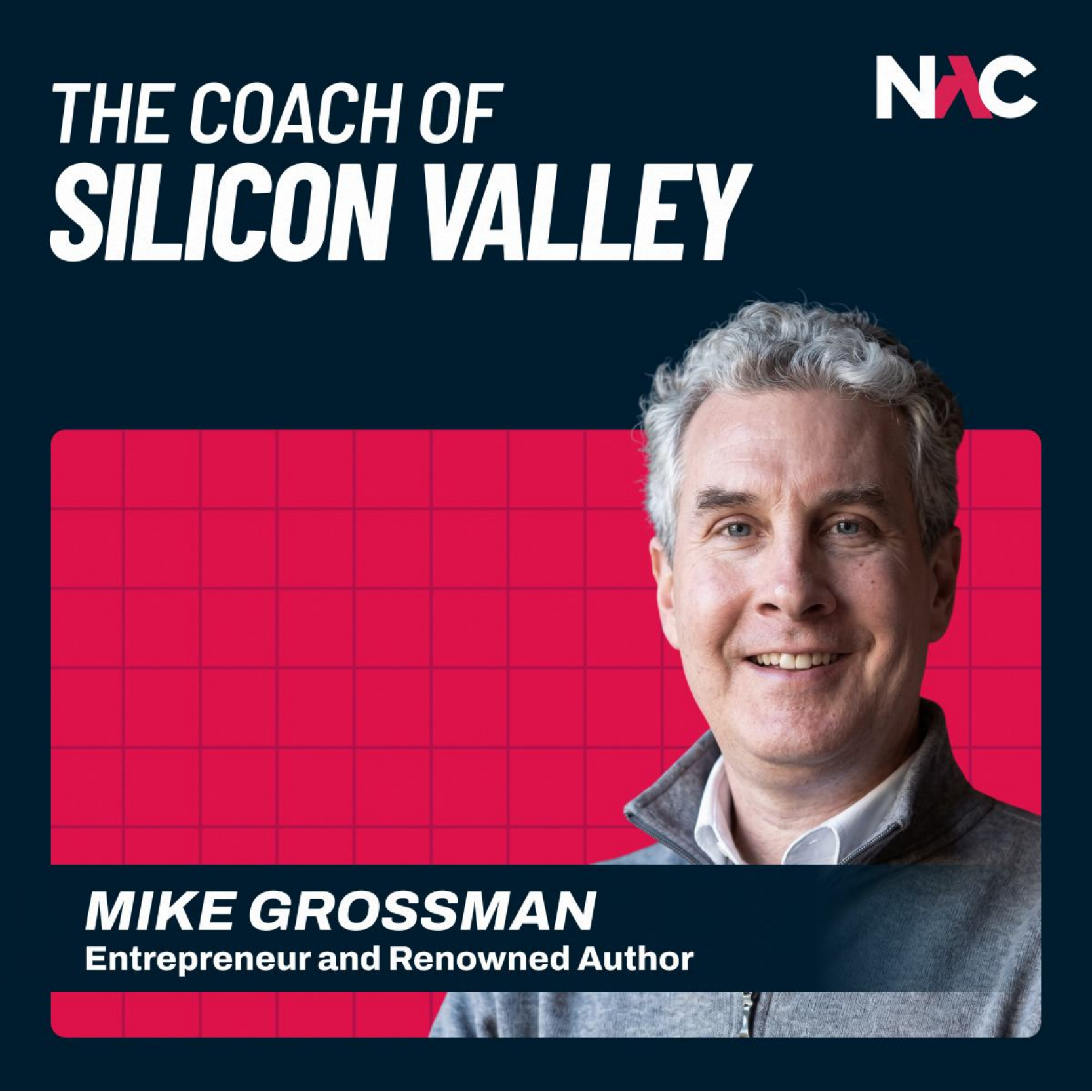
Lessons From The Coach of Silicon Valley - Mike Grossman - EP#110
4d ago01:00:13Tap to summarizeEverything you think you know about why startups succeed might be wrongIn this episode, Mike Grossman, six-time CEO and mentor to first-time founders across Silicon Valley, breaks down what thirty years of running companies actually taught him.From the $200 million counteroffer that blew up his first company, to why he believes luck accounts for 80 to 90 percent of every outcome, Mike pulls back the curtain on what nobody tells you before you take the job. If you think success is mostly about hard work and good decisions, this conversation will make you rethink how you handle risk, pivots, and your own sense of control.Key Takeaways:Build a System to Find the Truth: Your direct reports won't always tell you what's really happening, whether they're afraid to or simply don't know themselves. Cut through the management chain and find the people who will tell you the truth.Hold Your Plans Loosely: A plan is obsolete the moment you make it. The goal isn't a perfect plan, it's a planning mindset flexible enough to adjust without losing the team.Stop Whiplashing Your Team: What feels like velocity to a founder can feel like chaos to everyone else. Pivot too often and even your own board will stop trusting your judgment.Beware Your Own Kool-Aid: Believing your company is destined for outsized value can cost you the deal in front of you. Mike turned down a $40 million offer and countered at $200 million. He got neither.Luck Runs the Table: Mike believes 80 to 90 percent of a company's outcome comes down to luck, not execution. Focus on what you can control and let go of the rest.Watch Out for the Debilitating Win: Founders who succeed once often can't understand why the second company isn't working the same way. It usually wasn't the formula. It was luck.Nobody Talks About the Loneliness: Nearly every first-time CEO Mike coaches struggles with anxiety and isolation, and most feel they can't show it to their own investors.Quote of the Show: Plans are useless because whatever plan you make is immediately out of date and you have to make adjustments to it. But if you don't make any plan and you just do it on a seat of the pants basis, everything is kind of ad hoc, you end up jerking the company around and people get frustrated.- Mike Grossman, Entrepreneur and AuthorConnect with Mike:LinkedIn: https://www.linkedin.com/in/migrossman/Book Failure is an Option: https://share.google/9DUEHB6596Eb1uXAaChapters:00:00 — Intro02:21 — The One Thing Mike Would Do Again At Every Company08:39 — Bill Campbell's Rule20:13 — Plans Are Useless, Planning Is Indispensable25:19 — The Pivot His Board Rejected26:58 — All Of Them Struggle With Their Mental Health30:47 — The $200 Million Deal He Blew Up38:58 — Luck Accounts For 80 To 90 Percent44:17 — The Debilitating Win54:16 — Remembering The Coach Of Silicon Valley
Transcribe →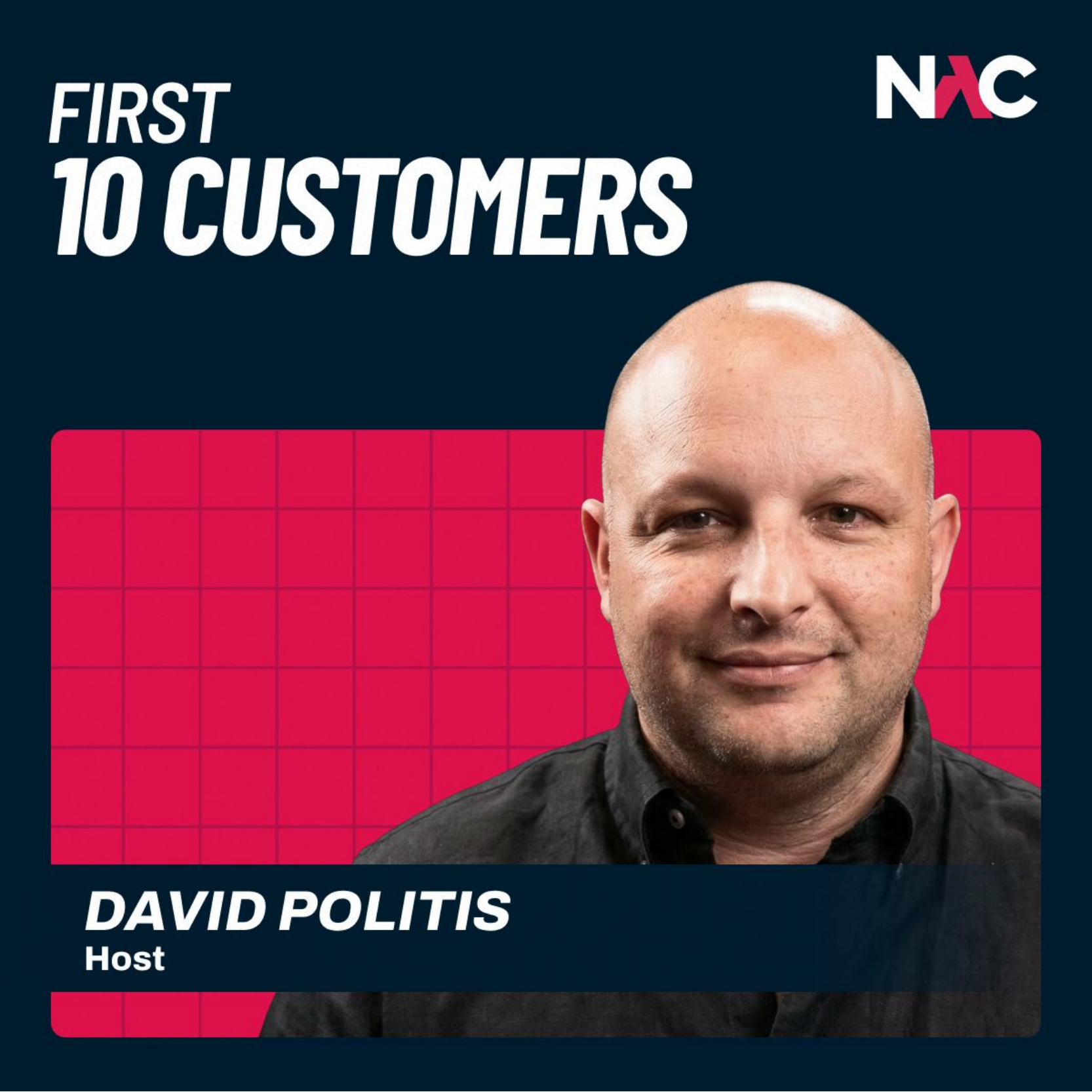
How to get your first 10 customers - July Pulse Episode - EP#109
2w ago00:16:14Tap to summarize"You cannot outsource acquiring those first ten customers. You can't do it."In this episode of Not Another CEO, David breaks down the six tactical ways he's used, three separate times now, to land his first customers from zero. From holding a pizza party for international students to handing out fliers at the Atlanta airport taxi stand to asking his own uncle to buy a phone system, David gets specific about what actually works when you're starting from nothing.What's covered:-Why getting your first customers is harder now than ever, even though building product has never been easier-Reconnecting with former employers and coworkers who already trust you-How to actually use your investor network, even at the angel stage-Why showing up in person at trade shows and meetups still beats almost everything else-Building in public on social media, even when almost nobody engages at first-The one BCC email that got David a customer and an important hire at the same time-How to do cold outreach that people actually respond to-Why none of these six tactics scale, and why that's exactly the pointIf you're a founder still chasing your first ten customers, this one's for you.We cover more topics like this in full playbooks on our Substack. Subscribe to get the tactical deep dives, not just the highlights: notanotherceo.substack.comChapters:00:00 - Trailer00:44 - Why Finding Your First Customers Is Harder Than Ever05:20 - Tactic 1: Reconnect with Former Employers & Coworkers06:28 - Tactic 2: Tap Into Your Investor Network08:14 - Tactic 3: Show Up in Person (Trade Shows & Meetups)09:42 - Tactic 4: Build in Public on Social Media11:02 - Tactic 5: Tell Your Friends and Family12:02 - Tactic 6: Cold Outreach Done Right13:53 - Why Doing Things That Don't Scale Is the Entire Point
Transcribe →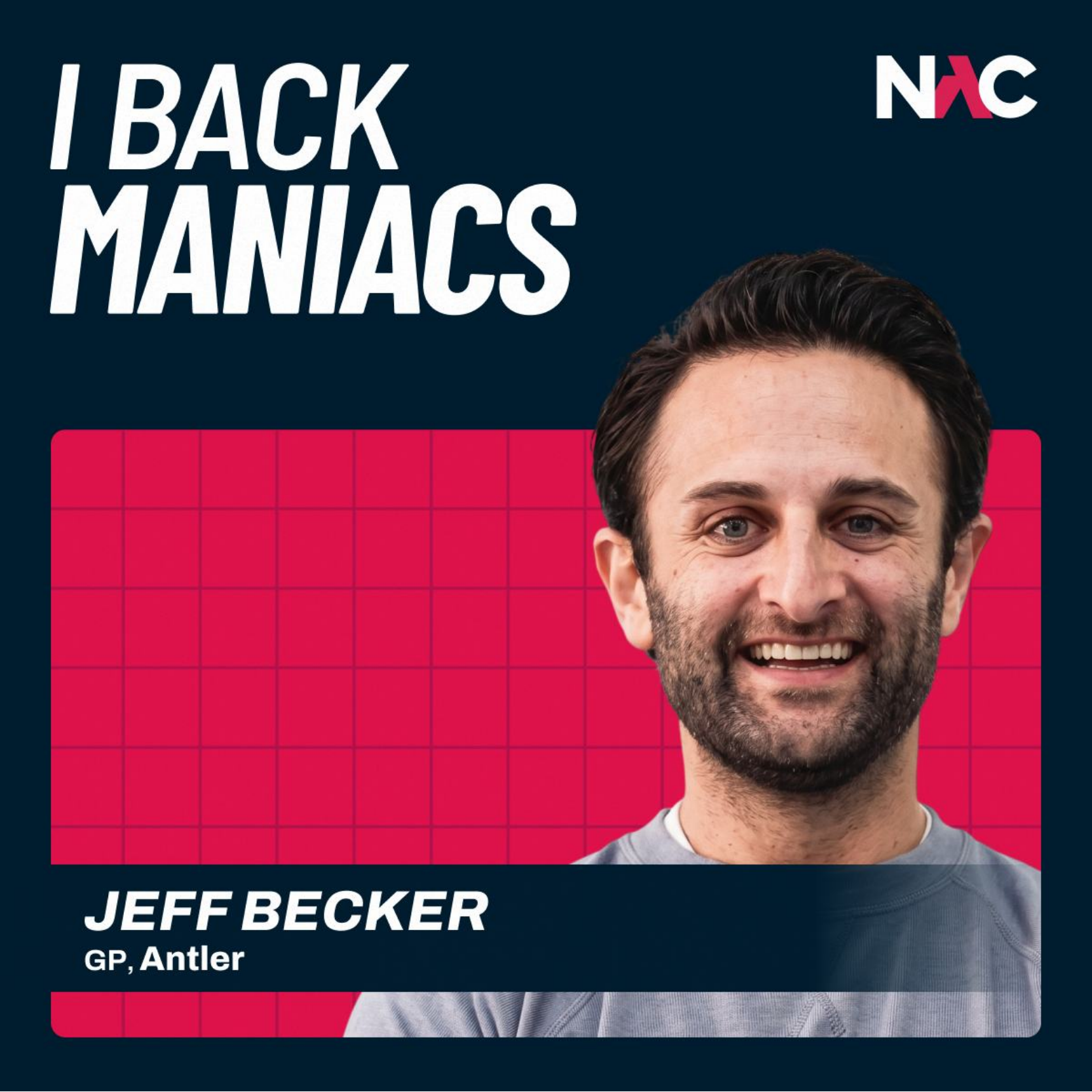
Backing Maniacs at Inception - What Investors Actually Look For | Jeff Becker - Antler - Episode#108
3w ago00:54:55Tap to summarizeEverything you think you know about venture capital might be wrong. In this episode, Jeff Becker, General Partner at Antler New York, breaks down the brutal, hidden realities of the startup world. From why investors care more about your childhood psychology than your pitch deck, to why a $500 million exit can actually be a massive disappointment to a fund, Jeff pulls back the curtain on how venture capitalists actually math out risk. If you are operating with a broken mental model of how fundraising works, this conversation will completely reshape how you build, pitch, and scale your business.Key Takeaways:Pitch Yourself, Not the Product: Early-stage investors bet on the person first. Master your personal story of resilience before you even open your slide deck.Understand Fund Math: A $500 million exit does not return a large fund. You must build toward a multi-billion-dollar scale to make your investor's job a success.Expect the Volume Game: Firms like Antler build "engineered serendipity" by backing 200 early-stage founders at once, relying on massive diversification to find a breakout winner.Take Money Off the Table: Luck and market shifts rule the startup graveyard. When liquidity windows open, secure your personal financial safety.Storytellers Win the Cash: Being a great operator is not enough. You must be able to compress the gap between reality and future potential to get funded.Give Investors Specific Homework: Investors want to work for you, but vague asks get vague results. Give them transparent, direct tasks so they can help you win.Quote of the Show:"If I'm not working as hard as the founders, none of them are going to want me on their cap table." - Jeff Becker, General Partner, AntlerGuest Featured in This Episode: Jeff Becker, General Partner, Antler (New York)LinkedIn: https://www.linkedin.com/in/jeffreylbecker/Antler: https://www.antler.co/We also break this episode down into a full write-up on Substack, with the exact playbook Scott used to fix the culture and rebuild the strategy from scratch, we're building out a full library of playbooks and lessons from every episode on Substack.Chapters00:00 — Intro02:00 — The Maniac Framework09:00 — Why Childhood Matters15:00 — Jeff's Origin Story20:00 — Angel Investing Days26:00 — The Role of Luck33:00 — AI & One-Person Companies41:00 — Fund Math & Dilution46:00 — Storytellers vs. Operators51:00 — "I Work For You"
Transcribe →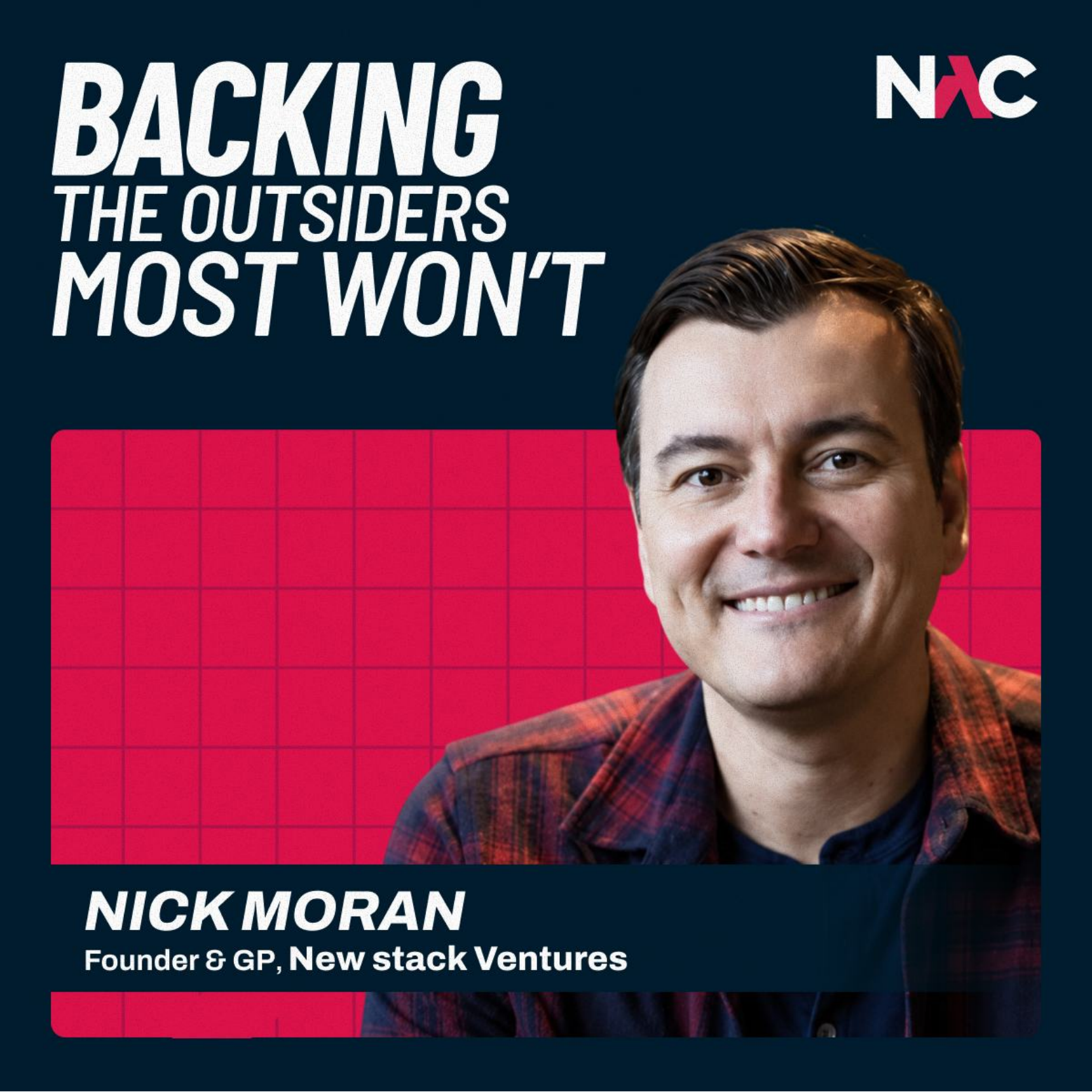
Backing the outsiders most VCs ignore | Nick Moran - New Stack Ventures - Episode#107
4w ago00:48:46Tap to summarizeMajority founders only start thinking seriously about their next round when they’re already running low on cash. By then, you’re not really raising; you’re begging.On this week’s episode of Not Another CEO, we sit down with Nick Moran, Co-Founder and General Partner at New Stack Ventures. Founded in 2015, New Stack manages close to $100 million and leads pre-seed and seed rounds with a unique mission: backing "The Outsiders," who are ambitious founders building category-defining companies outside the Bay Area and outside the obvious networks. Nick also hosts Full Ratchet, one of the first venture capital podcasts ever made, now closing in on 1,000 episodes. I know how hard it is to stay consistent with a podcast. Doing it for over a decade is a different level.Nick shares his brutal honesty on what it actually takes to build a venture-backed business, why he tells founders to build their next pitch deck the day they close their current round, and how he evaluates the intangibles that traditional VCs completely miss.Key Takeaways:The Next Round Plan (NRP): Why fundraising is a continuous narrative, not a sporadic event. Nick breaks down how to align on business models, track leading indicators over lagging revenue, and build a highly targeted investor list early.Desire Beats Talent: Most VCs look for the "Peyton Mannings" of tech, meaning those who are obvious, expensive, and pedigreed. Nick hunts for the "Tom Bradys," founders with a chip on their shoulder, undeniable ambition, and the drive to beat long odds.Bad News Travels Fast: The ultimate trust-builder between a founder and a VC. Going dark creates anxiety; transparency during a brutal quarter is exactly what inspires an investor to throw you a lifeline.The Power of Being an "Outsider": Building in cities like Charlotte, Nashville, Dallas, or Chicago isn't a disadvantage. When the herd concentrates in the Bay Area, the best, most capital-efficient opportunities are often found where others aren't looking.Where the Smart Money is in AI: The shift from infrastructure to proprietary data. Nick explains why the next massive wave of AI value belongs to domain experts who control the data locked behind enterprise firewalls.Quote of the Show:“Do you want to be great or do you want to be happy?… You better be ready for the big game here because this is not an easy path. We're not going to be happy for the next ten years.” — Nick MoranConnect with Nick:LinkedIn: https://www.linkedin.com/in/nick-moran-a738503/New Stack Ventures: https://www.newstack.com/The Full Ratchet: https://www.youtube.com/@nicholasmoran3095/featuredChapters :00:00 Trailer01:30 Welcome Nick Moran, New Stack Ventures03:54 Why desire is the ultimate founder trait10:02 First impressions and the dating phase of investing15:34 Founder-VC fit is like marriage20:56 The Outsiders thesis and building a national network27:48 Inside the Next Round Plan (NRP)32:20 Communication, bad news should travel fast39:00 What founders misunderstand about the VC side of the table42:10 Where the smart money is moving in AI & Closing thoughts
Transcribe →
The Customer Segments Hiding in Your Own Data | ICP Compilation - Episode#106
Jun 3000:27:24Tap to summarizeMost founders know they need an Ideal Customer Profile. Fewer realize how much growth depends on getting it right.In this special compilation episode of Not Another CEO, David brings together lessons from seven founders, CEOs, and investors who all reached the same conclusion: growth accelerates when you're crystal clear about who you serve.The episode explores why broad ICPs slow companies down, leading to weaker messaging, scattered product roadmaps, and unfocused sales efforts. Guests share how they identified their ideal customers, the mistakes they made, and the tough decisions required to stay focused as they scaled.Key TakeawaysAn ICP that only exists in your head isn't an ICP. Write it down and you'll often discover you're targeting multiple markets at once.Segment until it hurts. The best companies define their market so specifically that they can name every company that fits their profile.Your users are not always your customers. Understanding the difference can prevent years of wasted effort.Focus requires sacrifice. Sometimes the right decision is walking away from paying customers who don't fit your long-term vision.The best teams use data, not assumptions, to refine their ICP and identify their highest-value customers.Micro-segmentation is becoming increasingly important. The strongest go-to-market teams don't just define an ICP, they segment within it.Your ICP should influence every part of the company, from product decisions to marketing strategy to hiring plans.Quote of the Episode"If you try to sell to everyone, you really end up selling to no one effectively." - David Politis, Host of Not Another CEO PodcastGuests Featured in This Episode:Marcus Ryu, Co-Founder & Former CEO, Guidewire — LinkedInTom Buiocchi, Former CEO, ServiceChannel — LinkedInCraig Rosenberg, Chief Platform Officer, Scale Venture Partners — LinkedInZach Smith, Co-Founder & Former CEO, Packet — LinkedInMelanie Fellay, Co-Founder & CEO, Spekit — LinkedInSean Henry, Co-Founder & CEO, Stord — LinkedInRohyt Belani, Co-Founder & Former CEO, PhishMe — LinkedInChapters:00:00 - Trailer 00:55 - Why your ICP is probably too broad 05:55 - The exercise that exposes a fake ICP 08:59 - "Segment until it hurts" 14:00 - Why your ICP is actually several smaller ones 17:22 - Your users aren't always your customers 20:08 - The real cost of firing the wrong customers 23:36 - Champions aren't customers 24:59 - Your ICP will change, and that's not failure
Transcribe →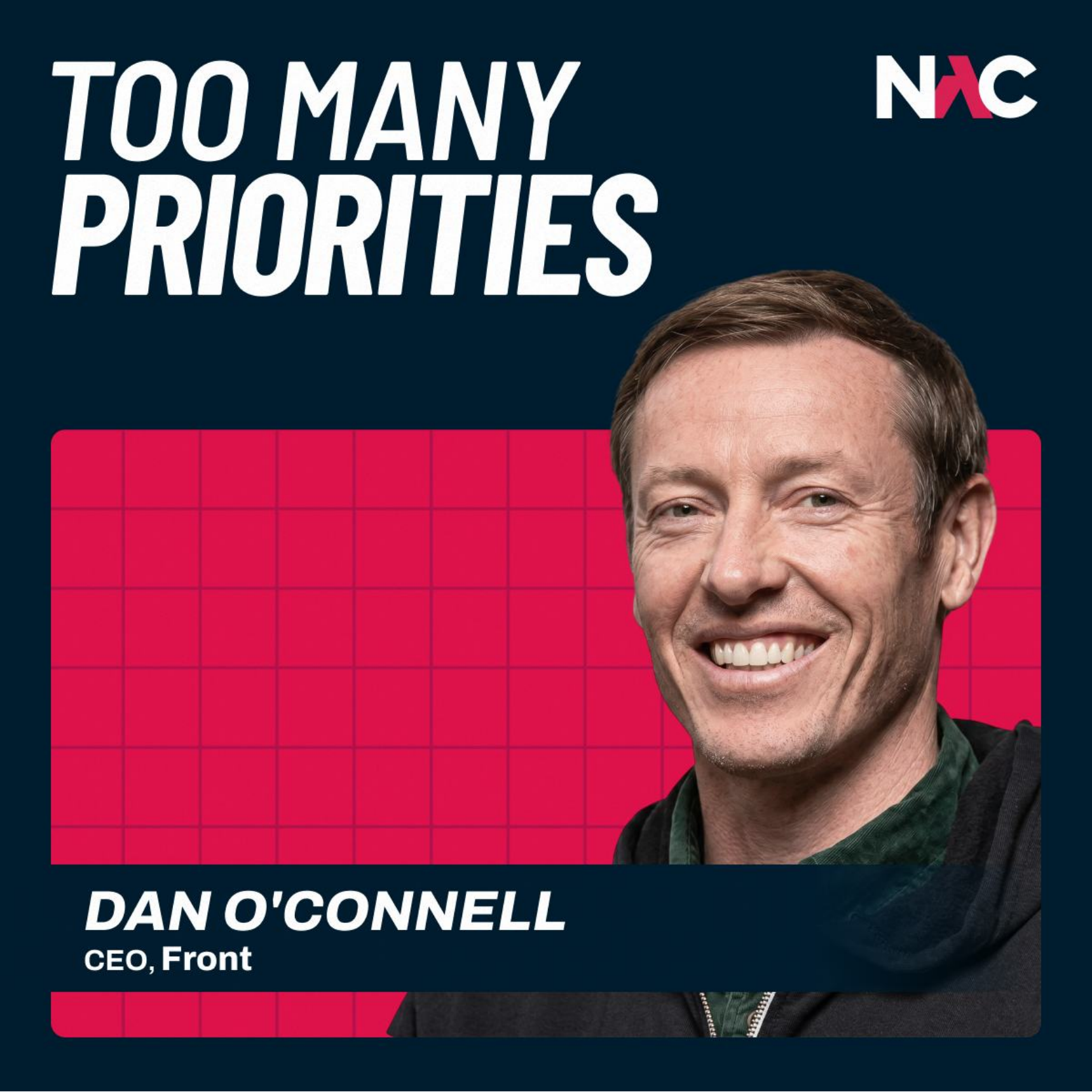
Why Fast-Growing Companies Slow Down | Dan O’Connell - Front - Episode#105
Jun 2301:01:06Tap to summarizeMost people assume starting a company is the hardest job in business. Dan O'Connell has learned that taking over one can be even harder.Dan's career has taken him from Google, where he joined when the company was 300 people, to founding TalkIQ before AI was cool, to helping scale Dialpad past $200M in revenue, and now to leading Front as CEO. Not many people have been an executive at a big tech company, a founder, a high growth operator, and a hired CEO. Dan has done all four.Front is a customer operations platform used by more than 9,000 companies to manage customer conversations across support, customer success, account management, and sales.When Dan joined, the company had strong talent, a strong product, and strong customers. But growth had slowed. This episode is about what he did next and what he learned along the way.Takeaways:Focus reaccelerates growth:When Dan joined Front, his first move wasn't a product change or a new hire. It was getting brutally clear on who they serve, where they win, and explicitly what they were not going to do. That intentionality alone reaccelerated growth.Speed is a competitive advantage:Dan introduced speed as a formal company value at Front and it remains polarizing two and a half years later. It doesn't mean reckless. It means faster decision-making, strong opinionated leaders, and fighting friction when it shows up. Any decision is better than no decision.Taking over is harder than starting:You're inheriting history, culture, and legacy inertia and you can't take six months to build trust before making changes. You have to do both at the same time. As Dan puts it, you're flying the plane while rebuilding it.Great leaders stay close to customers:In his first week as CEO, Dan got on customer calls, visited every office, and jumped in the support queue to answer tickets. The same thing he now requires of every executive he hires. The team is always judging you and nothing builds credibility faster than showing you're willing to do the work.Platforms will outlast pure agents: After attending OpenAI's Frontiers Conference, Dan's contrarian take is that pure agent companies solving one workflow may get commoditized by OpenAI and Anthropic over time. His bet is on platforms and Front's position as the entry point for all customer conversations across channels, regardless of how the AI landscape evolves.If you are a founder, operator, or CEO this episode is worth your time.Quote of the Show:"Taking over has been much harder than I thought. And it's usually from the behaviors and people side." — Dan O'Connell, CEO, FrontLinks:LinkedIn: https://www.linkedin.com/in/danoconnell/Front: https://front.comChapters:00:00 Trailer01:15 Introduction02:15 The One Thing That Had the Biggest Impact: Focus05:00 Narrowing the ICP07:30 The Operating Machinery That Keeps a Company Focused13:00 Taking Over as a Non-Founder CEO17:15 Flying the Plane While Rebuilding It22:30 Platform vs. AI Agents29:00 Building the Executive Team42:00 The Biggest Challenge47:30 Where Front Is in Three Years49:00 Origin Story: From Southampton to Google to Founding TalkIQ56:00 Two Career-Defining Moments & Advice to His Younger Self
Transcribe →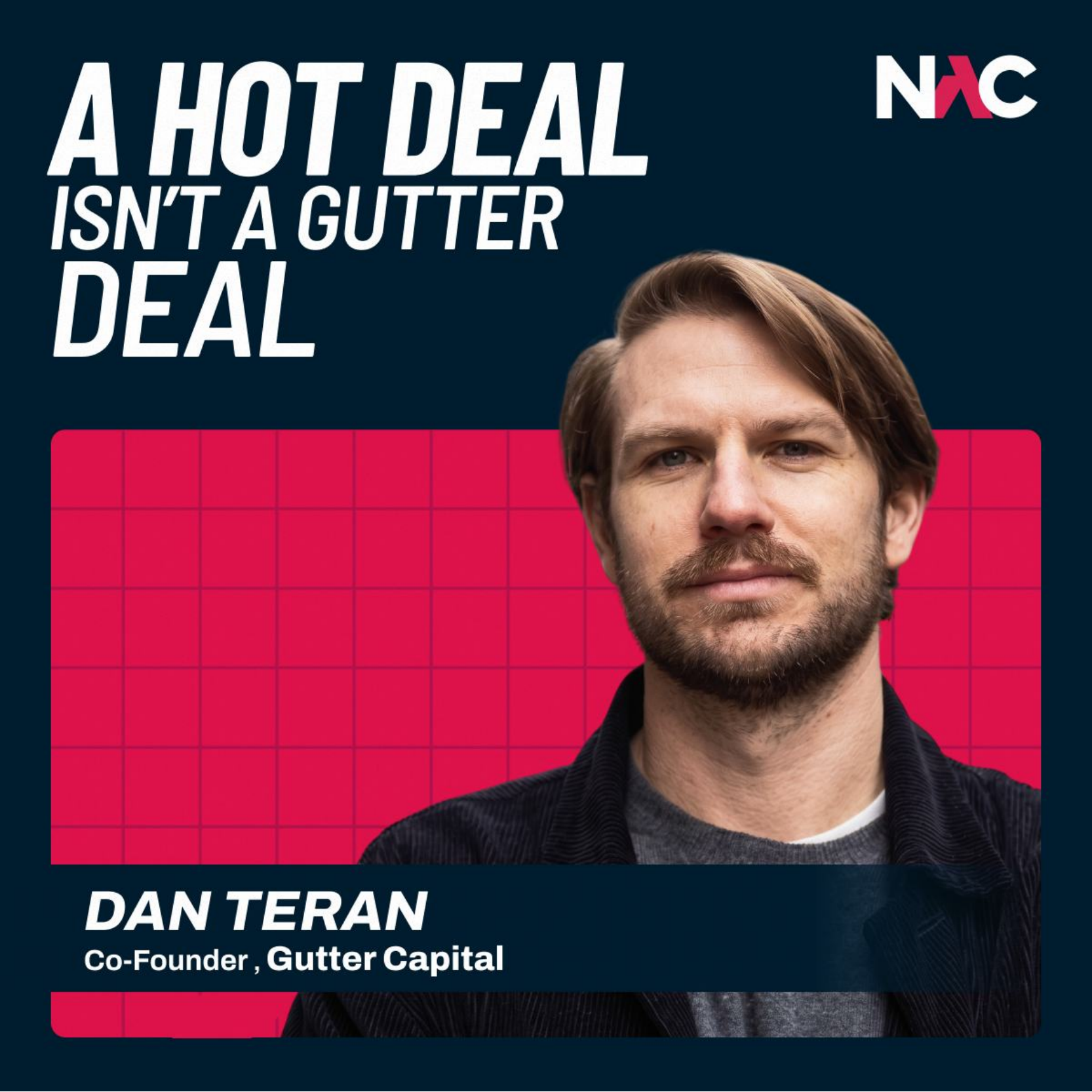
The Best Deals Aren't the Hottest Deals | Dan Teran - Gutter Capital | Episode #104
Jun 1600:56:25Tap to summarizeMost founders talk about building a company but very few talk about what it actually costs.Dan Teran knows both sides of that story.In this episode, Dan shares how he built Managed by Q from the ground up, scaled a team that included nearly 1,000 frontline workers, gave equity to cleaners and handymen, navigated an acquisition by WeWork, and ultimately made the transition from founder to investor.We talk about the systems behind great culture, why the best founders are usually obsessed with a problem long before they start a company, what most VCs get wrong when evaluating startups, and how AI is changing the economics of company building.Dan is one of the most thoughtful operators and investors I've met, and this conversation is packed with practical lessons for founders at every stage.Takeaways:1. Great cultures are built through systems, not slogans: The strongest company cultures don't come from posters on the wall. They come from who gets hired, who gets promoted, what behaviors get recognized, and what standards leaders reinforce every day.2. The best founders are deeply connected to the problem they're solving: Dan believes the most resilient founders aren't chasing trends; they're solving problems they've experienced firsthand. That personal connection helps them stay committed when things get difficult.3. Success is usually the result of hundreds of small decisions: Managed by Q wasn't built through one breakthrough moment. It was years of learning, adapting, fixing mistakes, and making better decisions over time.4. AI is changing how companies get built: Founders can now test ideas, build products, and reach customers faster than ever before. What once took teams of engineers and millions of dollars can often be done by a handful of people.5. Building something meaningful still requires hard work: Technology may change, but the reality of company building hasn't. Every successful founder eventually faces uncertainty, setbacks, and difficult decisions. Persistence is still the only way through them.Quote of the Show: ”If you're lucky enough to find a problem worth working on, that's where the fulfillment comes from.” - Dan Teran, Co-Founder & Managing Partner, Gutter CapitalLinks: LinkedIn: https://www.linkedin.com/in/danteran/ Website: https://www.gutter.cc/Chapters:00:00: Trailer01:18: Meet Dan Teran: Founder, Operator, Investor04:45: Building a Culture That Actually Scales11:55: Why Every Employee Received Equity18:15: The Story Behind the WeWork Acquisition25:10: Life After Selling the Company29:00: Starting Gutter Capital39:00: How Dan Evaluates Founders52:20: The Operating Blueprint for Startups
Transcribe →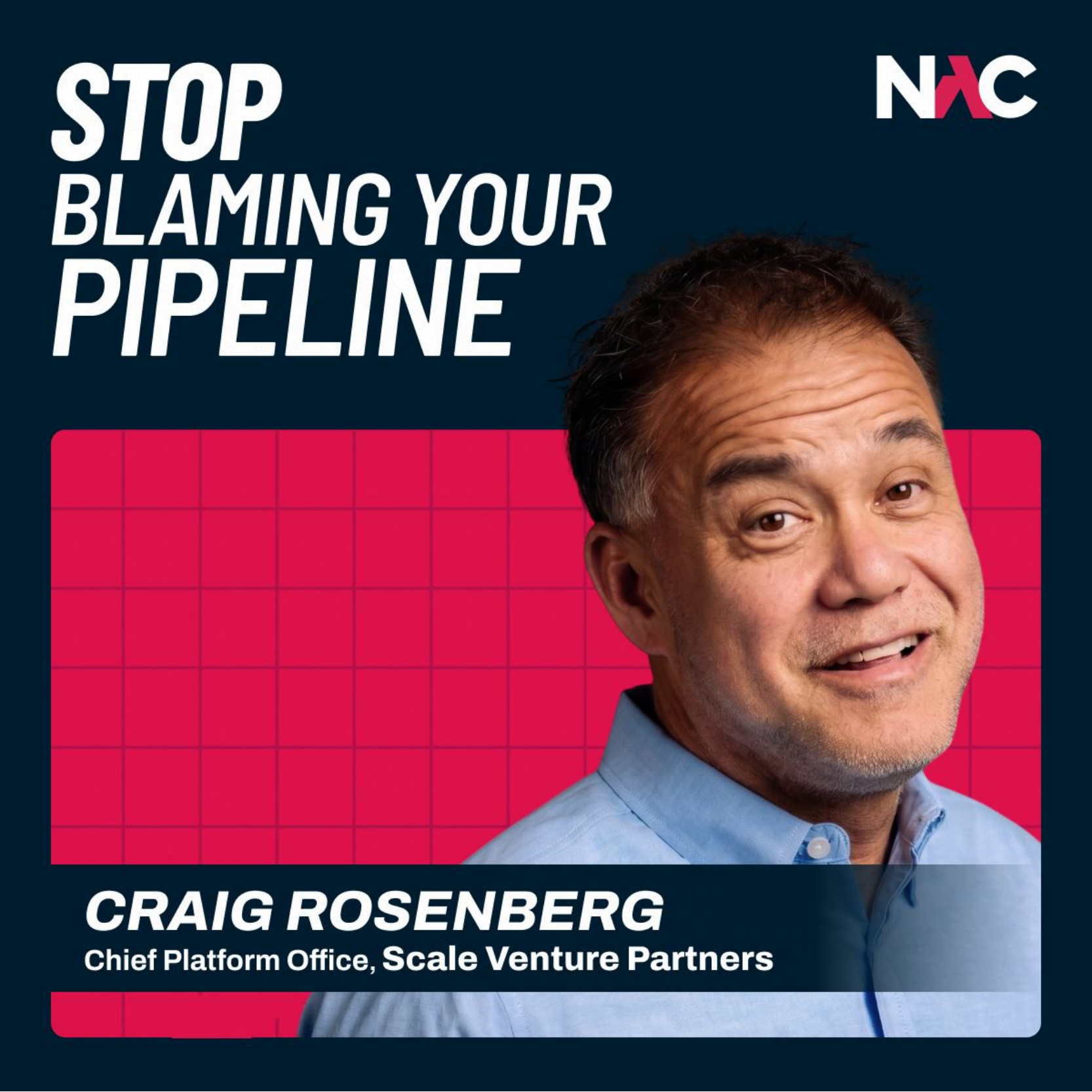
Your Pipeline Isn’t Broken, Your Strategy Is - Craig Rosenberg - Scale Venture Partners -Episode#103
Jun 900:49:33Tap to summarizeWhy does your pipeline feel broken… when the real problem is your strategy?In this episode, I sat down with my longtime mentor & friend Craig Rosenberg, Chief Platform Officer at Scale Venture Partners. Craig taught me how to build inside sales teams 20 years ago, and he’s still one of the sharpest minds in go-to-market strategy.We break down why most companies are struggling to create pipeline, the power of ruthless micro-segmentation, why the old outbound “spam cannon” is dead, and what actually works right now including smart AI plays and unmistakably human experiences.If you’re a founder or leader frustrated with pipeline, this is the conversation you need.Takeaways:Your Pipeline Isn’t Broken Your Strategy Is: Most companies are going too broad instead of micro-segmenting their ICP on the other hand the winners are ruthlessly micro-segmenting their ICP around homogeneous use cases.Micro-Segmentation Is the New Superpower: Stop fearing you’ll miss pipeline by going narrow. Focus the entire GTM team on a tight subset of accounts with similar needs this unlocks consistent messaging, better win rates, and faster learning cycles.Talk to 10 People a Week in Your ICP: Whether you’re at seed or scaling, executives must get in the weeds. Have real conversations, pitch them, and ask for next steps. Gong calls and outsourced interviews aren’t enough. This is how you validate and refine your story fast.Use AI as a Multiplier, Not a Crutch: Leverage AI for custom market reports, personalised demos at scale, deep account research, and proprietary signals. But the real advantage comes from pairing AI with unmistakably human interactions in a market flooded with AI noise.High-Touch Human Experiences Are Back: Curated dinners, thoughtful direct mail, and once-in-a-lifetime events (like World Cup experiences) outperform digital spam. Buyers can feel when real care and intention went into the interaction.Quote of the Show: ”Because now AI is about to flood the market, is what are those unmistakably human interactions you can have.” - Craig Rosenberg, Chief Platform Office, Scale Venture PartnersLinks:LinkedIn: https://www.linkedin.com/in/craigrosenberg/ Scale Venture Partners: https://www.scalevp.com/team/craig-rosenbergChapters:00:00: Intro02:45: Why Pipeline Feels Harder Than Ever06:10: The Power of Ruthless ICP Micro-Segmentation10:25: Special Forces Teams for New Market Expansion14:40: What’s Changed in B2B Buying (2026 Reality)19:15: Why the Old Outbound Playbook Is Dead24:50: AI Tactics That Are Actually Working29:40: The Unmistakably Human Differentiator35:20: High-Impact Events & Experiences42:15: Final Advice + How to Stay Ahead
Transcribe →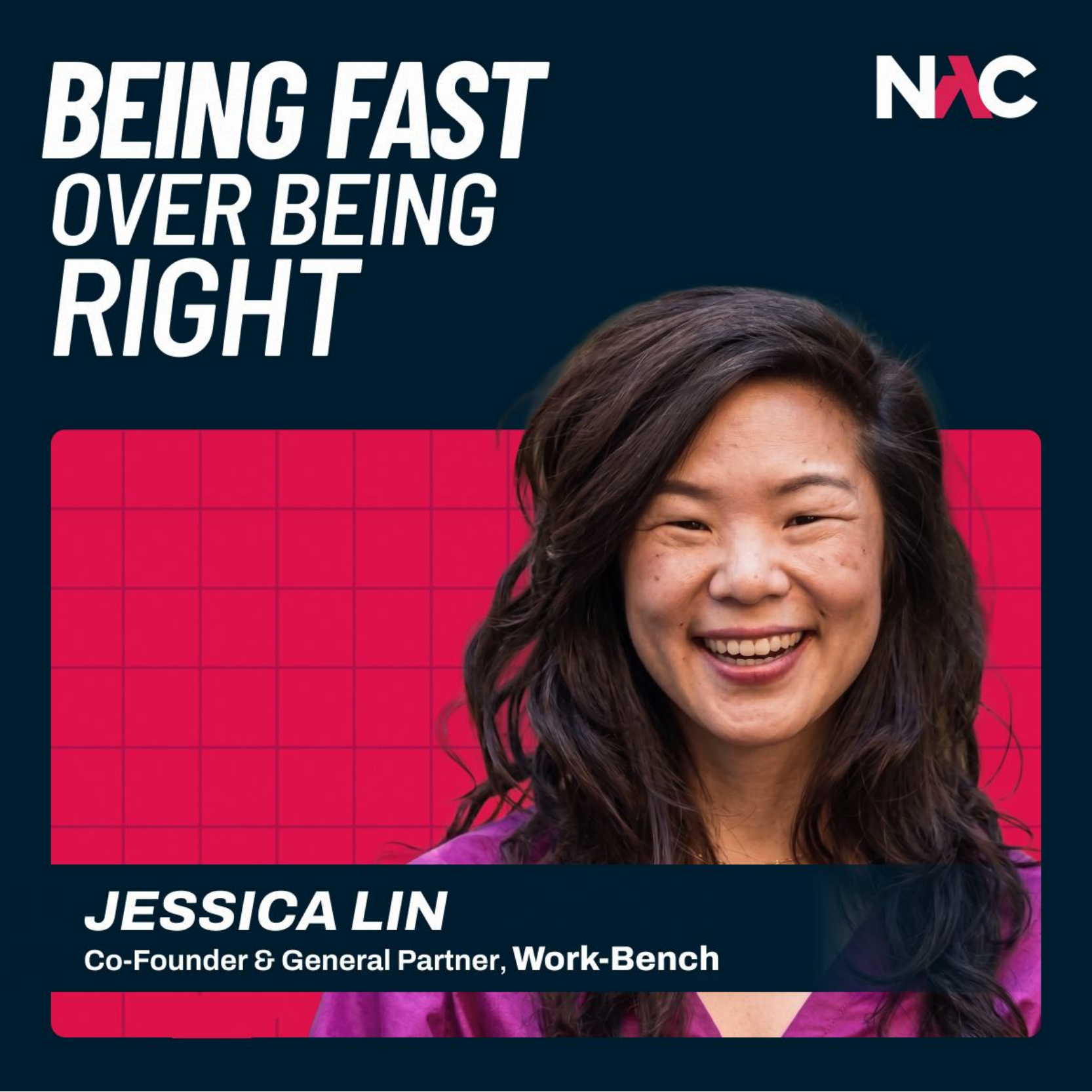
Better to Be Fast than to be Right - Jessica Lin - Work-Bench - Episode #102
Jun 201:04:07Tap to summarizeMost founders think investors decide after the pitch but this investor says the decision is usually made in the first five minutes.In this episode of Not Another CEO, I sat down with Jess Lin, Co-Founder & General Partner at Work-Bench, for a deep conversation on what actually separates great founders from everyone else.Jess breaks down how investors build conviction in founders within minutes, why product-market fit has become harder than ever, and what most startups misunderstand about growth, fundraising, and becoming truly mission critical. The conversation also explores the emotional side of venture capital, imposter syndrome, building a venture firm, and the realities founders face between Seed and Series A.From founder obsession and investor psychology to career risk and company building, this episode is a candid look into how elite investors think and what founders need to understand to build enduring companies.Takeaways:Investors Often Decide Faster Than Founders Realise: Jess explains that initial conviction about a founder is usually formed within minutes. The rest of the process is often about validating or disproving that instinct.Growth Alone Is No Longer Enough: Fast revenue growth has become table stakes. The real question investors ask now is: Would customers genuinely care if this product disappeared tomorrow?Founder Obsession Matters: The best founders are deeply obsessed with the problem they’re solving. They see something others don’t and cannot stop thinking about it.Venture Capital Is Emotionally Uncertain: Jess shares how difficult it is to know whether you’re actually “good” at investing because feedback loops in venture can take 10+ years.Building a VC Firm Is Like Building a Startup: From branding and hiring to differentiation and operations, venture firms face many of the same challenges founders do when building companies.Quote of the Show:It's better to be fast than to be right. Because if you're fast, if you just have more at bats, you will least be able to course correct. - Jessica Lin, Co-Founder & General Partner at Work-Bench.Links:LinkedIn: https://www.linkedin.com/in/jessicalin8Work-Bench: https://www.work-bench.com/Chapters:00:00: Trailer04:12: How investors evaluate founders in the first five minutes09:35: The founder traits that create investor conviction15:08: Why Series A has become much harder20:44: What “mission critical” really means in startups27:10: Product-market fit vs fast growth33:26: Imposter syndrome in venture capital39:41: Career advice, risk & serendipity46:03: Why building a VC firm feels like building a startup53:18: Final lessons for founders and investors
Transcribe →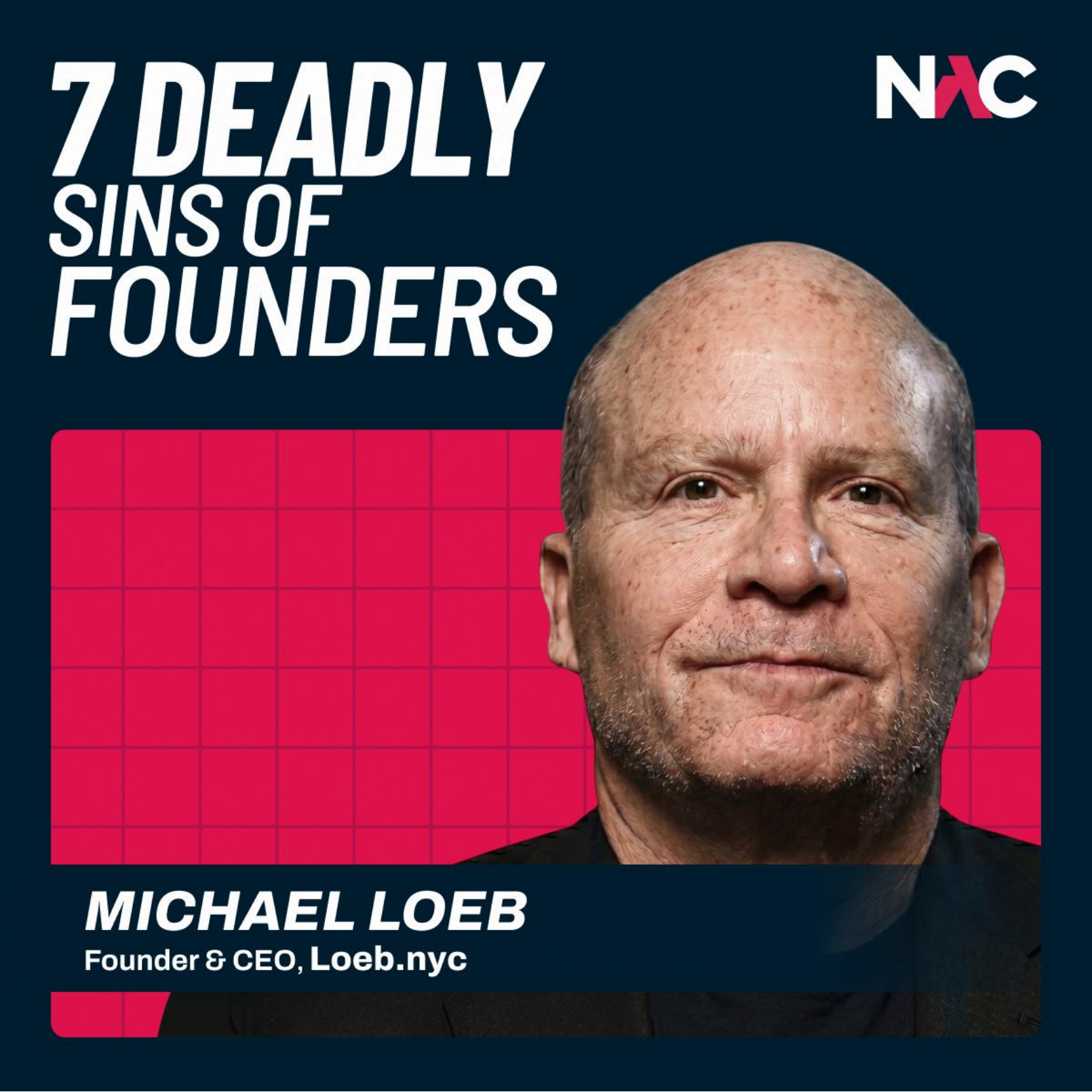
The Seven Deadly Sins of Founders - Michael Loeb - Loeb.Nyc - Episode #101
May 2601:15:04Tap to summarizeMost founders fail before the market ever gets the chance to beat them the enemy is inside the building.In this episode of Not Another CEO Podcast, David sits down with Michael Loeb, Co-Founder of Synapse Group and founder of Loeb Enterprises, a startup studio and venture collective that has invested in, incubated, and scaled more than 50 companies including five unicorns.Michael shares the hard-earned lessons from 35 years of building: the character flaws that destroy founders before the market ever gets the chance, what separates real entrepreneurial DNA from people who just like the idea of it, why sociopaths concentrate in startups, and why the entrepreneurial class should be funding itself instead of depending on traditional venture capital.Takeaways:1. The character flaws that kill founders are predictable: Michael maps pride, sloth, delusion, and the refusal to listen onto real founder failure stories.2. Entrepreneurship is innate, not learned: Real founders show up early the lemonade stand, the paper route, the video game rental business in college.3. Surrender being an option is a dealbreaker: The moment a founder puts quitting on the table, Michael says the relationship is over.4. Charm is a feature and a warning sign: Sociopaths concentrate in startups because magnetic charm and the ability to make fiction feel real are exactly the qualities that attract early capital.5. The entrepreneurial class is rich enough to fund itself: Michael's Uncharted model is built on a simple premise: founders who have had exits, understand the journey, and can write a $10,000 check should be backing each other not waiting on institutional capital that is fundamentally optimising for something different.Quote of the Show:"When anybody uses those words I'm just going to give up if that is an option, you have no choice. Surrender is not an option. Quitting is not an option. So as soon as that goes on the table, they're done." - Michael Loeb, Founder & CEO, Loeb EnterprisesLinks:LinkedIn: https://www.linkedin.com/in/michaelloeb1/Website: https://loeb.nyc/Ways to Tune In:Substack: https://notanotherceo.substack.com/Spotify: https://open.spotify.com/show/1NQ9oAB2XKlgWeL8iEQXg0Apple Podcasts: https://podcasts.apple.com/us/podcast/not-another-ceo-podcast/id1751581707YouTube: https://www.youtube.com/@NotAnotherCEOPodcastChapters:00:00 - Trailer03:45 - The seven deadly sins of founders and the pride that bankrupted a $100M business06:36 - Sloth, the founder who quit, and why surrender can never be an option13:35 - How Michael spots real entrepreneurial DNA before writing a check15:43 - The video game rental kid and what genuine founder instinct looks like in college20:00 - Envy and why rent-a-CEOs create a different kind of danger22:00 - The thin line between necessary optimism and dangerous delusion24:53 - Why charm is both a feature and a warning sign26:16 - The founder who refuses to listen31:19 - Why being numeric is a non-negotiable founder requirement34:58 - Founders Backing Founders
Transcribe →