Podcast
Not Another CEO Podcast
Hosted by Not Another CEO · EN
Our mission is to bend the curve for Founders and CEOs. At Not Another CEO, we know there’s no formula for running a business. Leadership is forged through unique journeys, real challenges, and hard lessons. Our exclusive content showcases unfiltered stories and practical guidance from those who’ve crawled through the trenches. Our platform offers the largest library of CEO insights and how-to guides, sourced directly from a diverse community of leaders. Find our full video library, detailed playbooks, deep dives, and lessons learned on our Substack here ➡️ https://notanotherceo.substack.com/
32episodes
Episodes
Newest firstAll episodes
Mastering Startup Execution - Rudina Seseri - Glasswing Ventures - Episode #90
Mar 1000:45:51Tap to summarizeWhat makes a startup truly successful in the eyes of venture capitalists? In this episode of Not Another CEO Podcast, host David Politis sits down with Rudina Seseri, Founder and Managing Partner at Glasswing Ventures, to dive into the realm of venture capital and discuss how startup founders can better position themselves for success.From her experience with early-stage companies to her unique perspective on the dynamics of venture capital, Rudina shares invaluable lessons about the importance of execution, understanding investor expectations, and the intricacies of navigating the startup ecosystem.Takeaways: The Value of Execution: For Rudina, the key trait she seeks in founders is execution excellence. It's not just about having a vision but demonstrating the ability and hustle to deliver beyond expectations.The Misunderstood VC Role: Many founders and employees don't understand the source of venture capital. Knowing that VCs manage funds from institutions like endowments and pensions changes the stakes and expectations.Importance of Strategic Partnerships: Rudina advises founders to seek investment from firms and partners that align with their stage and needs, rather than solely pursuing big names which might not provide necessary support.The Art of Quick Decision-Making: Efficiency in decision-making during early meetings can shape successful partnerships. Rudina values honesty in communicating why a VC might pass on an opportunity, emphasizing that a quick, thoughtful no is better than indecision.Sustained Support Post-Investment: At Glasswing Ventures, support continues beyond just funding, emphasizing talent acquisition, customer connections, and strategic guidance, ensuring startups grow sustainably.Quote of the Show:“What have we done for them lately to deserve to expect? Yes we’ve provided capital, but that’s not enough in my book." - Rudina SeseriLinks:LinkedIn:https://www.linkedin.com/in/rudinaseseri/ Website: https://glasswing.vc/ Ways to Tune In:Substack: https://notanotherceo.substack.com/Spotify:https://open.spotify.com/show/1NQ9oAB2XKlgWeL8iEQXg0 Apple Podcasts:https://podcasts.apple.com/us/podcast/not-another-ceo-podcast/id1751581707 YouTube:https://www.youtube.com/@NotAnotherCEOPodcast Chapters:00:00 Intro01:37 Ruthless Execution02:32 Spotting Hustle Fast05:38 Execution in the AI Boom07:55 Retention and Switching Costs10:08 AI Interest vs Intent13:19 AI Hype and Human Loop17:58 How VCs Decide Quickly20:39 Giving Fast Honest Nos22:54 Execution and Go To Market Gaps24:21 How VCs Support Founders27:14 Portfolio Review Cadence28:27 Why Take Board Seats33:30 Term Sheets Beyond Valuation38:17 Choosing Firm vs Partner41:29 Scaling Support With Team43:01 Why She Became an Investor45:14 Outro
Transcribe →
Trust is the Real Capital - Ian Sigalow - Greycroft- Episode #89
Mar 300:48:42Tap to summarizeHow do you choose an investor you’ll still trust when things inevitably get hard?In this episode, Ian Sigalow offers a candid, unfiltered look at early-stage investing and the founder–investor relationship, including one of the most sobering truths first-time founders often learn too late: it’s far harder to unwind a bad investor than a bad marriage. Drawing from decades of experience backing companies and founders at Greycroft, Ian breaks down how great investors actually think, decide, and engage behind the scenes.Ian shares what he looks for in exceptional founders, why the explosion of startups hasn’t increased the number of true breakout winners, and why most board meetings fail to create real value. This episode is a must-listen for any CEO navigating fundraising or building their first long-term investor relationships. Takeaways: Master of Two Domains: Sigalow emphasizes the importance of founders who excel in both product understanding and sales, calling them "masters of two domains" who are rare and invaluable.Big Market Potentials: Ian points out the essential need for startups to target significantly large markets. In the entrepreneurial world, having the potential to scale a company to a billion-dollar business is vital.The Earned Secret: A distinctive aspect investors look for is the "earned secret."The Importance of Trust in Investor Relationships: Sigalow stresses that founders should only take money from investors they trust, highlighting the lasting nature of these partnerships. Controlling the Board Meeting: Effective CEOs maintain control over board meetings, ensuring the focus remains on strategic issues rather than getting sidetracked. Quote of the Show:“A CEO should never take money from someone they don’t trust. It’s harder to get out of a bad investor than a bad marriage." - Ian SigalowLinks:LinkedIn: https://www.linkedin.com/in/iansigalow/ Website: https://www.greycroft.com/ Ways to Tune In:Substack: https://notanotherceo.substack.com/Spotify:https://open.spotify.com/show/1NQ9oAB2XKlgWeL8iEQXg0 Apple Podcasts:https://podcasts.apple.com/us/podcast/not-another-ceo-podcast/id1751581707 YouTube:https://www.youtube.com/@NotAnotherCEOPodcast Chapters:00:00 Intro01:32 Founder's Qualities and Market Potential03:01 The Importance of Earned Secrets03:57 Challenges in Identifying Exceptional Founders06:12 The Evolution of Venture Capital17:42 The Role of Technology in Venture Capital21:45 Focus on Early-Stage AI Investments26:40 Choosing the Right Investment Partner10:50 Onboarding Process at Greycroft27:50 The Rule of Three in Communication29:24 Key Metrics for Founders31:21 The Role of Board Meetings38:26 Understanding Venture Capital Dynamics18:46 Ian's Journey into Venture Capital48:04 Outro
Transcribe →
Focus Is the CEO Advantage - Irina Novoselsky - Hootsuite - Episode #88
Feb 2401:00:27Tap to summarizeHow do you lead at scale when the role constantly asks you to stretch past what feels possible?In this episode, Irina Novoselsky shares the honest, vulnerable truth behind leading at the highest levels: the job isn’t about having every answer, it’s about choosing to step into roles, decisions, and moments that stretch you and reveal what you’re capable of. Irina brings deep experience from modernizing CareerBuilder and now leading Hootsuite, the world’s most widely used social media management platform trusted by millions of users. Irina walks through the systems, disciplines, and mindsets that have shaped her career, from the 15-minute weekly all-hands that transformed Hootsuite’s culture, to her 100-day onboarding playbook, to redefining the company’s ICP in 10 days and doubling growth. She also breaks down how Gen Z will reshape every company’s go-to-market motion, why naivete is an early-career superpower, and how her immigrant upbringing forged the resilience she leads with today. Takeaways: Embrace Focus and Prioritization: Irina emphasizes the addictive nature of focus and its role in driving growth. By identifying core strengths and doubling down on them, businesses can achieve unparalleled success.Redefine Company Rituals: Hootsuite’s unique weekly 15-minute all-hands meeting, serves as a crucial touchpoint. It's a tightly produced session that keeps the team energized and informed.Foster Transparency and Engagement: For Irina, transparency is key. She advocates for open communication and regular Q&A sessions, encouraging feedback, even the uncomfortable truths.Quote of the Show:“I get scared frequently. I put myself in vulnerable moments all the time… but those are the moments when you realize you can do hard things." - Irina NovoselskyLinks:LinkedIn: https://www.linkedin.com/in/irina-novoselsky/ Website: https://www.hootsuite.com/ Ways to Tune In:Substack: https://notanotherceo.substack.com/Spotify:https://open.spotify.com/show/1NQ9oAB2XKlgWeL8iEQXg0 Apple Podcasts:https://podcasts.apple.com/us/podcast/not-another-ceo-podcast/id1751581707 YouTube:https://www.youtube.com/@NotAnotherCEOPodcast Chapters:00:00 Intro01:10 Irina's Leadership Style and Hootsuite's All Hands Meetings06:53 The Importance of Transparency and Feedback08:49 First Steps as a New CEO14:27 Identifying Key Players and Cultural Carriers18:14 The Power of Focus and Prioritization23:53 Communicating with Investors and Board Members26:35 The Role of Social Media and Personal Branding28:42 Creating a Resonant Culture29:20 The Power of Social Media for CEOs30:31 Understanding Gen Z's Buying Behavior33:15 Challenges and Growth as a CEO36:18 The Importance of Vulnerability and Mentorship51:17 Transitioning from Finance to Operations54:03 Final Reflections and Advice59:04 Outro
Transcribe →
Data-Driven Predictions - Vanja Josifovski - Kumo - Episode #87
Feb 1700:54:24Tap to summarizeCan experience truly make a difference in the startup world? In this episode of Not Another CEO Podcast, David Politis speaks with Vanja Josifovski, Co-Founder and CEO of Kumo, to explore the journey of leading a cutting-edge AI enterprise. From his prestigious roles at Pinterest and Airbnb to founding Kumo, Vanja shares the lessons learned, the dilemmas faced, and the excitement of turning vast amounts of relational business data into actionable predictions.Takeaways: The Importance of Co-founders: Vanja emphasizes the critical role of choosing the right co-founders. He stresses the importance of complementary skills and experiences that create a sustainable and successful leadership team.Understanding Market Adaptability: A major challenge for technical founders can be the transition to understanding the go-to-market strategies. Vanja shares the struggles of innovating while aligning with market needs and effectively communicating product value.The Journey From Idea to Reality: Vanja sheds light on how Kumo's idea sprouted from a simple yet groundbreaking aspiration to simplify the process of turning enterprise data into predictions without the complex machine learning cycle.Raising Capital in the Current Climate: Although initially easy due to Vanja's background, he warns about the “honeymoon phase” in fundraising and the necessity of making money quickly, even when resources are abundant.The Art of Unlearning: As Vanja continues his journey, he highlights unlearning as key to adapting to new challenges. The ability to let go of old practices and adopt new methodologies is vital for growth and evolution.Quote of the Show:“It’s always easier to watch somebody do things and criticize… if somebody’s watching you from the side, they’ll always find something wrong." - Vanja JosifovskiLinks:LinkedIn: https://www.linkedin.com/in/vjosifovski/ Website: https://kumo.ai/ Ways to Tune In:Substack: https://notanotherceo.substack.com/Spotify: https://open.spotify.com/show/1NQ9oAB2XKlgWeL8iEQXg0 Apple Podcasts: https://podcasts.apple.com/us/podcast/not-another-ceo-podcast/id1751581707 YouTube: https://www.youtube.com/@NotAnotherCEOPodcast Chapters:00:00 Intro01:24 The Importance of Choosing the Right Co-Founders04:44 Defining Roles Among Co-Founders06:49 Challenges of Being a CEO10:22 Hiring and Building a Team12:54 Raising Capital and Investor Relations15:21 Kumo's Product and Market Fit18:57 Pricing Models and Strategies24:28 Acquiring the First Customers28:28 The Intensity of Starting a Company at 5032:33 The Importance of Unlearning as a CEO37:13 Challenges in Go-to-Market and Fundraising39:14 Kumo's Vision for the Future42:28 From Macedonia to Silicon Valley52:54 Advice to My Younger Self53:39 Outro
Transcribe →
Organizational Efficiency Machines - Amish Jani - FirstMark - Episode #86
Feb 1000:44:59Tap to summarizeHow do founders navigate the intricacies of investor relationships to scale iconic companies? In this episode of Not Another CEO Podcast, David Politis speaks with Amish Jani, co-founder and partner at FirstMark Capital, about key considerations for both investors and founders in the venture ecosystem. Amish discusses his criteria for investment, the importance of understanding the 'why' behind a founder's journey, and the strategic approach to board meetings. He also sheds light on the dynamics of venture partnerships, the evolving focus of SaaS in the AI era, and the burgeoning startup ecosystem in New York City.Takeaways: The Power of the “Why”: Amish emphasizes the importance of understanding the founder’s unique perspective on their problem. The "why" behind their journey not only reveals their depth of understanding but also what drives them to pursue their vision.Investor-Entrepreneur Fit: Amish highlights that mutual compatibility and alignment of values between the investor and the entrepreneur significantly enhance the collaboration's success over a long-term journey.Adaptability and Focus as Key Ingredients for Success: While having a clear vision is significant, the ability to adapt and listen to market feedback can sometimes pivot a company to more promising directions.Product-Market Dynamic and Competitive Edge: Amish talks about the emphasis on distribution, data acquisition, and building unique advantages that distinguish companies from competitors who may quickly replicate similar functionalities.Quote of the Show:“ We're not in a control business, we're in an influence business. And if you lose someone's ears, that's just as bad as not saying something at all." - Amish JaniLinks:LinkedIn: https://www.linkedin.com/in/amishjani/ Website: https://www.firstmark.com/ Ways to Tune In:Substack: https://notanotherceo.substack.com/Spotify:https://open.spotify.com/show/1NQ9oAB2XKlgWeL8iEQXg0 Apple Podcasts:https://podcasts.apple.com/us/podcast/not-another-ceo-podcast/id1751581707 YouTube:https://www.youtube.com/@NotAnotherCEOPodcast Chapters:00:00 Intro01:19 Amish’s Investment Philosophy02:38 The Importance of 'Why' in Founders03:40 Evaluating Founders and Their Vision05:08 The Role of Product and Market Understanding06:13 Challenges and Insights in Venture Capital08:30 Investor-Founder Fit and Long-Term Relationships21:07 The Importance of Choosing the Right Investor21:56 The Role of Founders in Shaping Company Culture23:09 Navigating Hard Conversations with Founders25:54 Effective Board Meetings: Moving Beyond Sales Pitches30:04 The Current State of AI and Market Dynamics37:06 The Evolution of New York's Tech Ecosystem41:26 Why Amish Became an Investor43:47 Outro
Transcribe →
February Pulse - Handling Imposter Syndrome - Episode #85
Feb 500:14:46Tap to summarizeCan imposter syndrome drive you to succeed? In this solo episode of Not Another CEO Podcast, David explores his personal experiences with imposter syndrome and shares valuable insights gathered from countless conversations with leaders who have faced similar challenges.Ways to Tune In:Substack: https://notanotherceo.substack.com/Spotify: https://open.spotify.com/show/1NQ9oAB2XKlgWeL8iEQXg0 Apple Podcasts: https://podcasts.apple.com/us/podcast/not-another-ceo-podcast/id1751581707 YouTube: https://www.youtube.com/@NotAnotherCEOPodcast Transistor: https://podcast.notanotherceo.com/ #NotAnotherCEO #BusinessSuccess #FebruaryCEOPulseChapters:00:00 Intro00:51 Personal Experiences with Imposter Syndrome03:04 Defining Imposter Syndrome04:56 The Two Paths of Imposter Syndrome06:48 Channeling Imposter Syndrome for Growth09:02 Practical Advice for Dealing with Imposter Syndrome13:28 Outro
Transcribe →
Organizational Efficiency Machines - David Karandish - Capacity - Episode #84
Feb 300:49:23Tap to summarizeHave you ever wondered how leaders manage to scale their organizations without being involved in every intricate detail? In this week’s episode, David Politis welcomes David Karandish, Founder and CEO of Capacity. Together, they delve into the art of building compound startups, scaling intricately interconnected businesses, and the profound role AI plays in today's market dynamics.David introduces the idea of building "machines" within your organization. While this doesn't refer to physical machines, it's about creating efficient processes that can operate independently of constant human intervention. Takeaways: The Compound Startup Strategy: David Karandish introduces the concept of a "compound startup," a term coined by Parker Conrad that he has effectively applied at Capacity. The premise revolves around integrating various point solutions into a cohesive platform, reducing costs while maximizing the bundle's value.Navigating Mergers and Acquisitions: Handling 14 company acquisitions in just three years, David shares his approach to successful mergers. He emphasizes the importance of each acquisition fitting into the broader company mission, fostering synergy rather than assembling a mere collection of brands.Building Machines in Business Processes: David advocates for creating “machines,” repeatable processes that enhance efficiency and scalability within an organization. Impact of AI on Business Operations: The discussion highlights the evolving landscape of AI solutions. While initial efforts centered around point solutions, the trend is shifting towards platform consolidation.The Role of Communication Frameworks: David reflects on how establishing a structured cadence for goal setting and meetings has been vital at Capacity, ensuring alignment across 350+ employees worldwide.Cultivating Entrepreneurial Ecosystems: David discusses his commitment to fostering entrepreneurial growth within St. Louis. Despite the city's historical challenges in securing late-stage funding, there is a burgeoning potential with the rise of local talent and incubation initiatives, ultimately aiming to transform St. Louis into a thriving tech hub.Quote of the Show:“By machine, I don't necessarily mean how you think like a physical idea, but I mean more repeatable processes that scale and remove as much human decision making outta the process as possible." - David KarandishLinks:LinkedIn: https://www.linkedin.com/in/davidkarandish/Website: https://capacity.com/Ways to Tune In:Substack: https://notanotherceo.substack.com/Spotify: https://open.spotify.com/show/1NQ9oAB2XKlgWeL8iEQXg0 Apple Podcasts: https://podcasts.apple.com/us/podcast/not-another-ceo-podcast/id1751581707 YouTube: https://www.youtube.com/@NotAnotherCEOPodcast Transistor: https://podcast.notanotherceo.com/ #NotAnotherCEO #BusinessSuccess #CapacityChapters:00:00 Intro01:43 The Concept of a Compound Startup04:09 Strategic Acquisitions and Integrations05:41 Challenges and Solutions in M&A09:24 The AI Revolution and Market Trends13:01 Implementing EOS and Organizational Frameworks17:38 Building and Operating Effective Machines21:12 Hiring for Stage Fit and Problem Solving27:57 St. Louis Entrepreneurial Scene33:39 AI and Market Noise38:53 Big Breaks and Business Models41:28 Managing Energy and Time43:34 Balancing Work and Family47:35 Advice for Aspiring Entrepreneurs48:31 Outro
Transcribe →
Creating Leverage with Speed - Jeff Morris Jr. - Chapter One - Episode #83
Jan 2700:46:04Tap to summarizeHow do you know if a company is actually building momentum, or just looking polished on the surface? In this episode of Not Another CEO Podcast, David sits down with Jeff Morris Jr., Founder and General Partner at Chapter One, to break down what truly matters at the earliest stages of building a company. Jeff invests at pre-seed and seed, where ambiguity is high, data is limited, and speed of learning is often the only real signal. Before becoming an investor, Jeff was an early product leader at Tinder, helping scale the product to hundreds of millions of users, an experience that deeply shapes how he evaluates founders today.Jeff shares how he thinks about product velocity, founder self-awareness, team dynamics, and why the individual partner matters far more than the firm logo. This conversation is a masterclass for CEOs building from zero to one and choosing who they want in the trenches with them. Takeaways: Product Velocity Matters: Jeff emphasizes the importance of product velocity, especially in the early stages of a startup. He explains that founders need to run numerous experiments to achieve product-market fit, often partnering with technical leaders to accelerate this process.Building the Right Team: According to Jeff, a strong indication of a founder's potential is their ability to attract a talented team. He believes that successful founders often draw in colleagues from their previous ventures, creating a "band" that's been together through various challenges.The Sales Dilemma: Founders with technical expertise often lack strong sales skills. Jeff looks for self-awareness in founders, assessing if they can identify their weaknesses and augment them with the right partners or co-founders.The Importance of Early Impressions: First impressions are crucial in the VC world. Jeff and David both agree that initial meetings often determine whether an investor leans in. Founders should craft a compelling story and use the first few minutes to capture interest.Aligning with the Right Investor: For Jeff, investing is akin to a decade-long partnership. He advises founders to seek investors who align with their vision and are genuinely interested in their success, rather than just providing capital.Preparation and Self-Awareness: Founders need to be brutally honest about their strengths and weaknesses. Jeff advises preparing thoroughly before meeting investors and leveraging one's unique strengths while addressing weaknesses to form a complete leadership package.Quote of the Show:“We talk a lot about product velocity being the most critical metric we look for." - Jeff Morris Jr.Links:LinkedIn: https://www.linkedin.com/in/jeffmorrisjr/ Website: https://chapterone.com/ Ways to Tune In:Substack: https://notanotherceo.substack.com/Spotify: https://open.spotify.com/show/1NQ9oAB2XKlgWeL8iEQXg0 Apple Podcasts: https://podcasts.apple.com/us/podcast/not-another-ceo-podcast/id1751581707 YouTube: https://www.youtube.com/@NotAnotherCEOPodcast Transistor: https://podcast.notanotherceo.com/ #NotAnotherCEO #BusinessSuccess #ChapterOneChapters:00:00 Intro01:10 Key Metrics for Early-Stage Investments02:37 Assessing Founders and Teams07:51 The Importance of Self-Awareness in Founders10:38 The Founder-Investor Relationship14:34 Navigating the Venture Capital Landscape19:12 The Dynamics of Fundraising27:36 The Current Investment Climate41:44 Jeff Morris, Jr.'s Journey to Venture Capital44:39 Outro
Transcribe →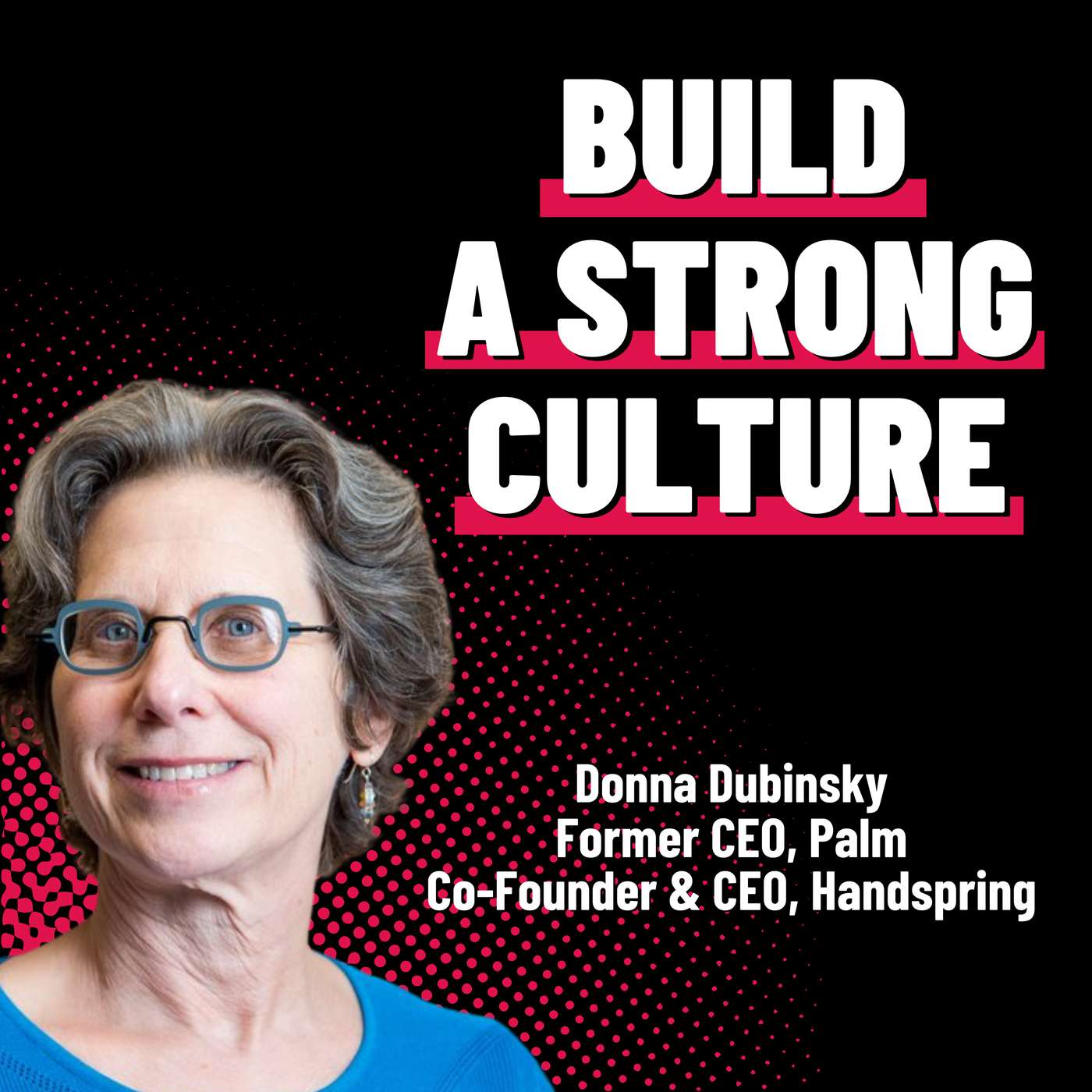
Pioneering Tech and Culture - Donna Dubinsky - Palm & Handspring - Episode #82
Jan 2001:10:07Tap to summarizeHow do you create a work culture that stands out and inspires team loyalty across multiple companies? In this episode, we gain valuable insights on this and more from the illustrious career of Donna Dubinsky. Known for her pivotal roles at Palm Computing and Handspring, Donna offers a rare long-term perspective on leadership, culture, and the technological landscape that has spanned decades. Takeaways: The Importance of Building a Strong Culture: Donna emphasizes that a great company starts with great people. She shares the crucial role a positive culture played in her companies, stating that when you foster an environment people love, they follow you from venture to venture.Adaptability is Key: One of the most sought-after traits in employees, according to Donna, is flexibility. She highlights the importance of hiring individuals who are not rigid in their thinking but can pivot and grow with the company.Challenges of Raising Capital: Donna recounts the struggles in securing investment for Palm, despite her extensive network. She faced skepticism from investors due to previous failures in handheld computing and the prioritization of internet ventures over hardware.Reflective Organizational Planning: Donna shares her strategic approach to planning through biannual offsites, fostering a culture of reflection and adjustment. These sessions not only solidified strategic objectives but also enhanced team camaraderie through collaborative efforts and fun activities.Maintaining Integrity and Respect: Donna’s overarching advice is to treat everyone with respect. This principle was foundational in building the cultures of her companies and remains a critical lesson for sustainable leadership.Quote of the Show:“I really appreciated people who could deal with change. Changing circumstances, changing environment, changes within the company, as opposed to people who were rigid." - Donna DubinskyWays to Tune In:Substack: https://notanotherceo.substack.com/Spotify: https://open.spotify.com/show/1NQ9oAB2XKlgWeL8iEQXg0 Apple Podcasts: https://podcasts.apple.com/us/podcast/not-another-ceo-podcast/id1751581707 YouTube: https://www.youtube.com/@NotAnotherCEOPodcast Transistor: https://podcast.notanotherceo.com/ #NotAnotherCEO #BusinessSuccess #Handspring #PalmChapters:00:00 Intro01:30 The Importance of People in Building Companies03:42 Creating and Maintaining Company Culture16:00 The Palm Story: Revolutionizing Personal Computing37:09 Frustrations of Being an Employee37:44 Challenges of Selling a Company39:02 Balancing Structure in Big Companies40:55 Starting Handspring and Product Focus45:03 Biggest Mistake at Handspring49:00 Advice for Fast-Growing Companies50:28 Impact of AI and Market Dynamics55:05 Personal Background and Career Beginnings57:33 Big Breaks and Mentorship01:03:06 Government Service and National Impact01:07:49 Outro
Transcribe →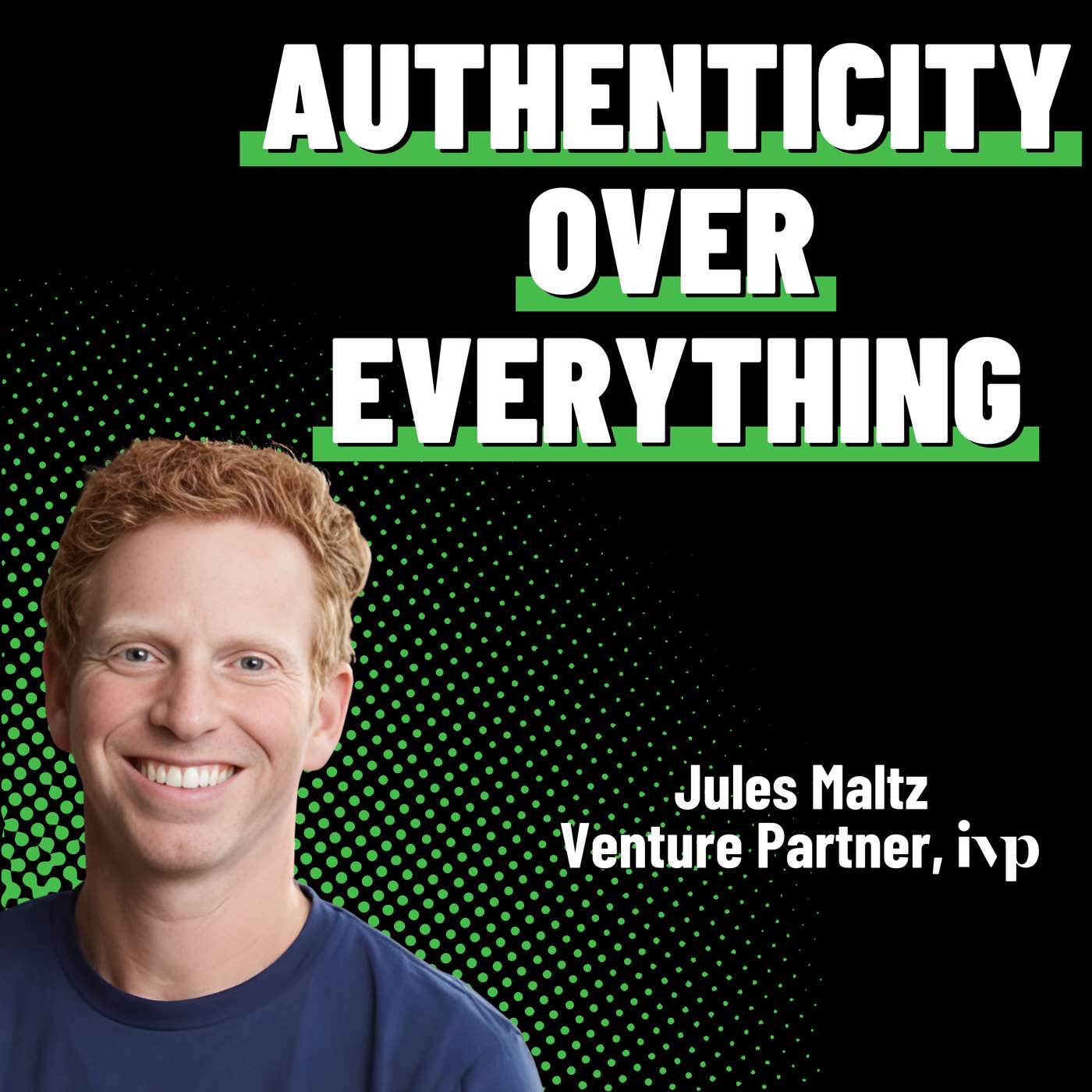
Investing in the Next Chapter - Jules Maltz - IVP - Episode #81
Jan 1300:54:43Tap to summarizeHow do great founders use their best moments, not their hardest ones, to build the future of their company?In this episode, Jules Maltz shares the mindset that has guided him through decades of backing generational companies like Slack, Dropbox, Grammarly, MuleSoft, G2, and Buddy Media. For Jules, the brightest periods in a company’s journey are the moments to build aggressively: to hire exceptional executives, deepen product moats, and prepare for act two and act three long before the market forces the issue.Jules also opens up about what he looks for in founders, why authenticity matters more than pitch polish, and how trust is built in the first months of an investor–founder relationship. He reflects on his own misses, the evolution of venture capital, and the emotional clarity that underpins his earliest investment decisions. Takeaways: Authenticity and Passion are Essential: Jules emphasizes the importance of authenticity and passion in founders. He looks for individuals who have a genuine drive and a personal connection to the problem they are solving.Beyond the Metrics: When evaluating potential investments, Jules seeks stories that transcend traditional metrics. He recalls his first investment in Twitter, where the pitch focused more on the transformative potential of the platform rather than immediate financial returns.Building Trust Early On: Establishing trust during the initial months after an investment is crucial. Jules believes that consistently delivering on promises and being genuinely helpful builds credibility.Adapting Communication Styles: Jules adapts his communication style based on the needs of each CEO. Some prefer regular updates, while others might communicate only during key events.Sustaining Growth Through Strategic Hiring: Jules advises companies to recruit strong executives and think ahead about their business strategies during periods of growth. By doing so, businesses can better navigate market changes and sustain their growth trajectory.Nurturing Relationships for Long-Term Success: Relationships are at the heart of venture capital. Whether it's trust between founders and investors or maintaining connections with past business partners, nurturing these relationships can lead to long-term success and learning.Quote of the Show:“When the sun is shining on your business, that’s a great time to recruit super strong executives and think about act two and act three." - Jules MaltzLinks:LinkedIn: https://www.linkedin.com/in/julesmaltz/ Website: https://www.ivp.com/ Ways to Tune In:Substack: https://notanotherceo.substack.com/Spotify: https://open.spotify.com/show/1NQ9oAB2XKlgWeL8iEQXg0 Apple Podcasts: https://podcasts.apple.com/us/podcast/not-another-ceo-podcast/id1751581707 YouTube: https://www.youtube.com/@NotAnotherCEOPodcast Transistor: https://podcast.notanotherceo.com/ #NotAnotherCEO #BusinessSuccess #IVPChapters:00:00 Intro01:25 Key Traits of Successful Founders03:52 The Importance of Authenticity06:17 Evaluating Investment Opportunities10:59 The Twitter Investment Story21:57 Building Trust with Founders27:11 Trusting Your CEO's Vision29:31 Navigating Hypergrowth and Market Changes33:53 The Excitement and Challenges of AI Investments41:51 Teaching and Sharing Venture Capital Insights47:24 The Role of Trust in Venture Capital50:35 Biggest Investment Regrets53:31 Outro
Transcribe →