
Podcast
Notes From Plague Island
Hosted by Exploring the crossroads of politics, culture, and society · EN
Welcome to Notes From Plague Island, the podcast companion to our blog exploring the tangled intersections of politics, culture, and history from the UK and beyond. From the aftershocks of Brexit to the rise of populism, from the erosion of democracy to the cultural moments shaping our world, we bring sharp analysis and fresh perspectives rooted in critical theory and lived experience.
Join us, your hosts, L&A, as we unpack the stories behind the headlines, challenge conventional narratives, and navigate the complex terrain of our increasingly polarized world. Notes From Plague Island invites you to reflect, question, and connect.
Whether you’re a political junkie, a history enthusiast, or someone grappling with today’s cultural and societal challenges, this podcast is your guide through the storm. Welcome to the island. Let’s make sense of it together.
www.plagueisland.com
www.plagueisland.com
17episodes
Episodes
Newest firstAll episodes
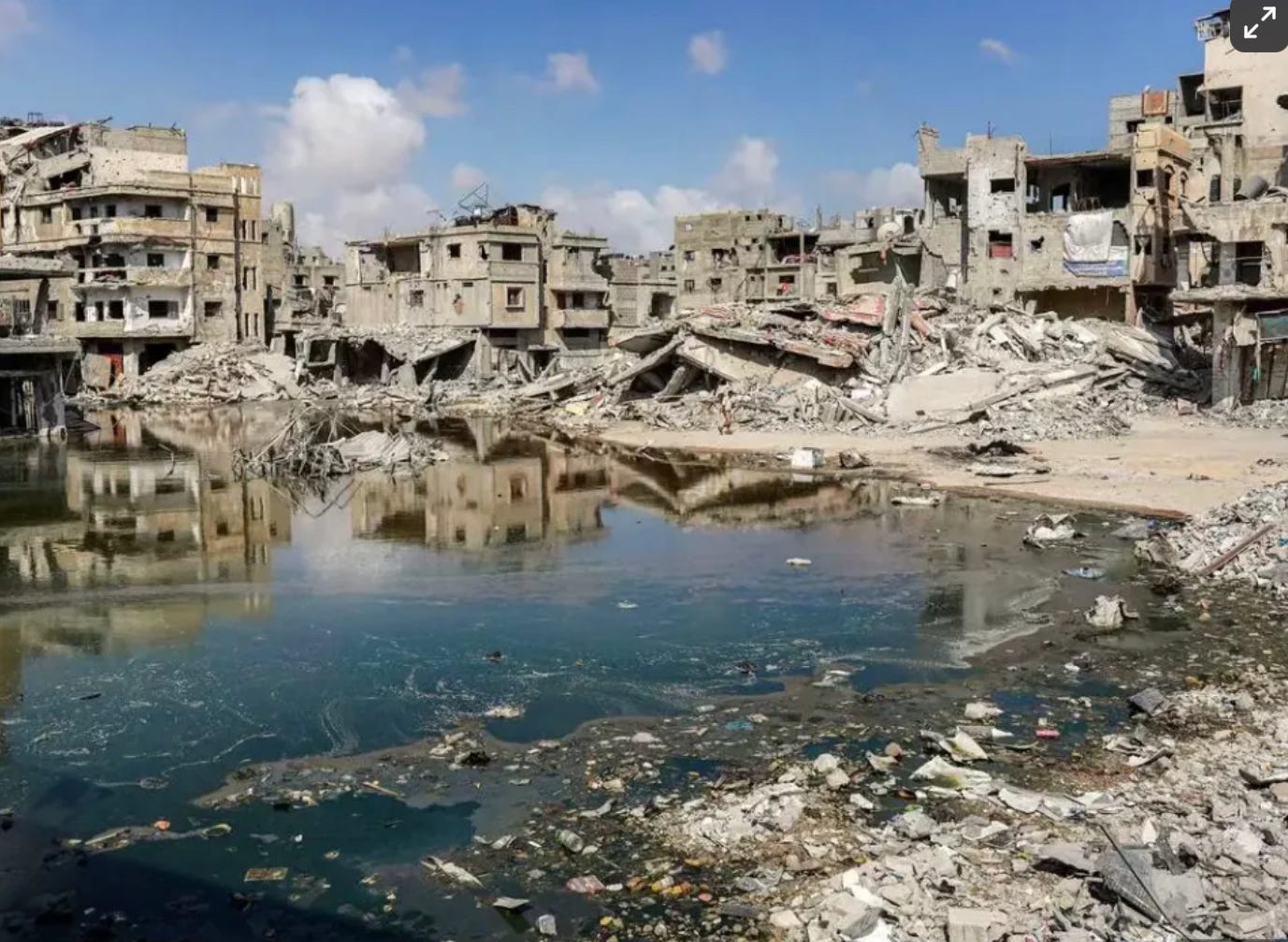
(Audio) Monuments to Genocide: The Redevelopment of Gaza
Jan 27, 202500:12:57Tap to summarizeImagine a gleaming Trump Tower rising along the Mediterranean coastline, its golden facade casting shadows over the rubble of what was once a bustling Palestinian town. Luxury beachfront resorts cater to wealthy tourists, while infinity pools and golf courses stretch across land that once belonged to families now gone. This glittering vision of ‘redevelopment’ would be presented as progress—a shining example of prosperity rising from destruction. But beneath the surface lies a darker truth: the systematic genocide of a people, their culture, and even their identity.Gaza, one of the most densely populated areas in the world, is home to over two million Palestinians. It is a symbol of resistance, but its humanitarian crisis remains dire, with over 80% reliant on aid (OCHA, 2023). It is not a blank canvas for luxury resorts or economic experiments. It is a place of survival, a reminder of the decades-long struggle of a people fighting to remain on their land despite unimaginable hardships. Yet, in this hypothetical vision of redevelopment, Gaza becomes an analogy for something far more sinister: the final act of a long-running campaign of ethnic cleansing to obliterate Palestine and Palestinians from the map entirely.In memory of Refaat Alareer - (September 23, 1979–December 6, 2023)ReferencesKushner, J. (2020). Peace to Prosperity: A Vision to Improve the Lives of the Palestinian and Israeli People. The White House Archives. Available at: https://trumpwhitehouse.archives.gov (Accessed: 24 January 2025).OCHA (2023). Humanitarian Needs Overview for the Occupied Palestinian Territory. United Nations Office for the Coordination of Humanitarian Affairs. Available at: https://www.unocha.org (Accessed: 24 January 2025).UNRWA (2023). Gaza Strip: Facts and Figures. United Nations Relief and Works Agency. Available at: https://www.unrwa.org (Accessed: 24 January 2025).Human Rights Watch (2022). Israel and Palestine: Events of 2022. Available at: https://www.hrw.org (Accessed: 24 January 2025).Amnesty International (2023). Israel's Apartheid Against Palestinians: A Cruel System of Domination and Crime Against Humanity. Available at: https://www.amnesty.org (Accessed: 24 January 2025).Alareer, R. (2015). Gaza Writes Back: Short Stories from Young Writers in Gaza, Palestine. London: Just World Books.Times of Israel (2025). Trump describes Gaza as a demolition site and hints at potential redevelopment. Available at: https://www.timesofisrael.com (Accessed: 24 January 2025). This is a public episode. If you'd like to discuss this with other subscribers or get access to bonus episodes, visit www.plagueisland.com/subscribe
Transcribe →
(Audio) The Comfort of Illusion: Hypernormalisation in Modern British Politics
Jan 15, 202500:15:21Tap to summarizeAs we enter 2025, the UK political landscape bears an uncanny resemblance to the paradoxical situation described by Russian historian Alexei Yurchak in his seminal work ‘Everything Was Forever, Until It Was No More: The Last Soviet Generation’ (2005). Yurchak coined the term ‘hypernormalisation’ to describe the final years of the Soviet Union, where everyone knew the system was failing, but because no one could imagine any alternative, politicians and citizens alike went along with maintaining the pretence that everything was functioning normally.This concept gained wider recognition through the acclaimed British documentary filmmaker, Adam Curtis’ 2016 documentary ‘HyperNormalisation,’ which applied Yurchak's framework to contemporary Western societies. This article explores how the UK has become ‘hypernormalised’ in the aftermath of two seismic events: the 2008 global financial crisis and the 2016 Brexit referendum.References:Better Markets (2017) The Cost of the Crisis: $20 Trillion and Counting. Washington, DC: Better Markets.Chomsky, N. (2009) 'Crisis and Hope: Theirs and Ours', Boston Review, 34(5).Curtis, A. (2016) HyperNormalisation. [Film] BBC.Electoral Commission (2025) Voter Engagement in the UK: Annual Report. London: The Electoral Commission.LSE (2024) 'Austerity in the UK: The Health Consequences', London School of Economics and Political Science, 15 March.Yurchak, A. (2005) Everything Was Forever, Until It Was No More: The Last Soviet Generation. Princeton: Princeton University Press. This is a public episode. If you'd like to discuss this with other subscribers or get access to bonus episodes, visit www.plagueisland.com/subscribe
Transcribe →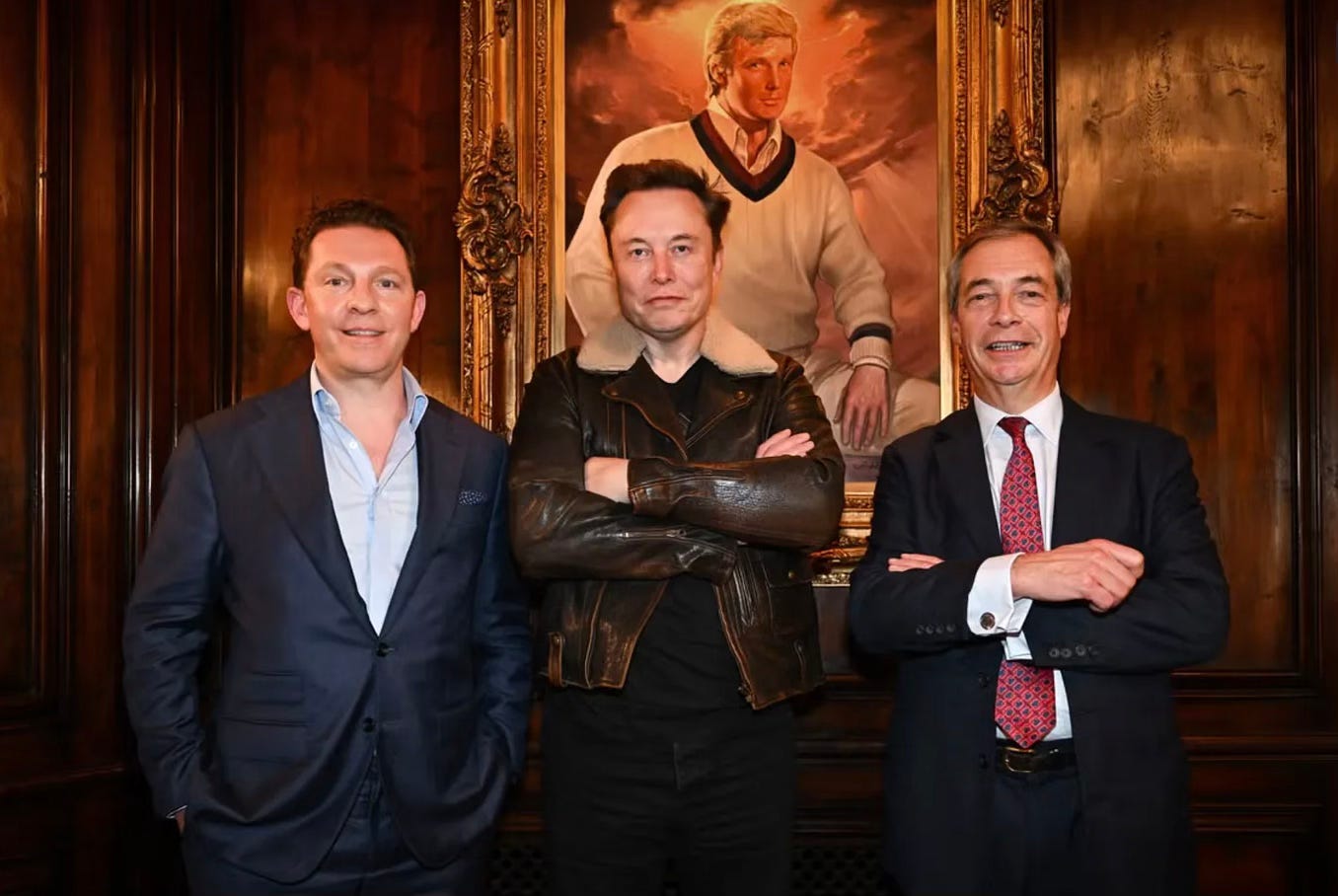
(Audio) The Musk Effect: Polarization and the Future of UK Politics
Jan 7, 202500:12:23Tap to summarize‘The UK is becoming a tyrannical police state,’ Elon Musk declared in a recent tweet (Musk, 2024), igniting a firestorm of outrage and plunging himself into the heart of British political discourse. Musk’s remarks about grooming gangs, his inflammatory accusations against Labour MP Jess Phillips, and his critiques of Prime Minister Keir Starmer have forced UK politics into the global spotlight.This article unpacks the implications of Musk’s provocative engagement: from his amplification of controversial narratives to his alignment with far-right figures like Tommy Robinson, and the broader questions it raises about billionaire influence on democratic systems. It also scrutinizes Starmer’s silence in the face of Musk’s rhetoric, questioning what this means for Labour, public trust, and the UK's political future.ReferencesApple News (2025) ‘Musk’s remarks spark debate in UK politics,’ Apple News, January. Available at: https://apple.news/AQbt4gEE3TkmCc4GzkWlumg (Accessed: 4 January 2025).Elgot, J. (2024) ‘Elon Musk calls for release of Tommy Robinson from prison,’ The Guardian, 2 January. Available at: https://www.theguardian.com/uk-news/elon-musk-tommy-robinson (Accessed: 4 January 2025).BBC News (2025) ‘Musk’s comments spark controversy in UK politics,’ BBC News, 3 January. Available at: https://www.bbc.co.uk/news/articles/cd9x3d4v7jdo (Accessed: 4 January 2025).BBC News (2025) ‘Musk's grooming gangs attack on Phillips 'disgraceful smear,' says Streeting,’ BBC News, 5 January. Available at: https://www.bbc.co.uk/news/articles/c23vdp4y1p0o (Accessed: 5 January 2025).Sky News (2025) ‘Controversies surrounding grooming gangs,’ Sky News, 4 January. Available at: https://www.skynews.com/grooming-gangs (Accessed: 4 January 2025).Yahoo News (2025) ‘Farage stokes controversy over riots,’ Yahoo News, 5 January. Available at: https://www.yahoo.com/news/farage-riots-controversy (Accessed: 4 January 2025).Australian Government (2025) ‘Social media platform regulation: Lessons from global implementation.’ Available at: https://www.australia.gov.au/social-media-regulation(Accessed: 4 January 2025).BBC News (2025) ‘Elon Musk says Reform UK needs a new leader, criticizes Nigel Farage,’ BBC News, January. Available at: https://www.bbc.co.uk/news/reform-uk-leadership (Accessed: 5 January 2025). This is a public episode. If you'd like to discuss this with other subscribers or get access to bonus episodes, visit www.plagueisland.com/subscribe
Transcribe →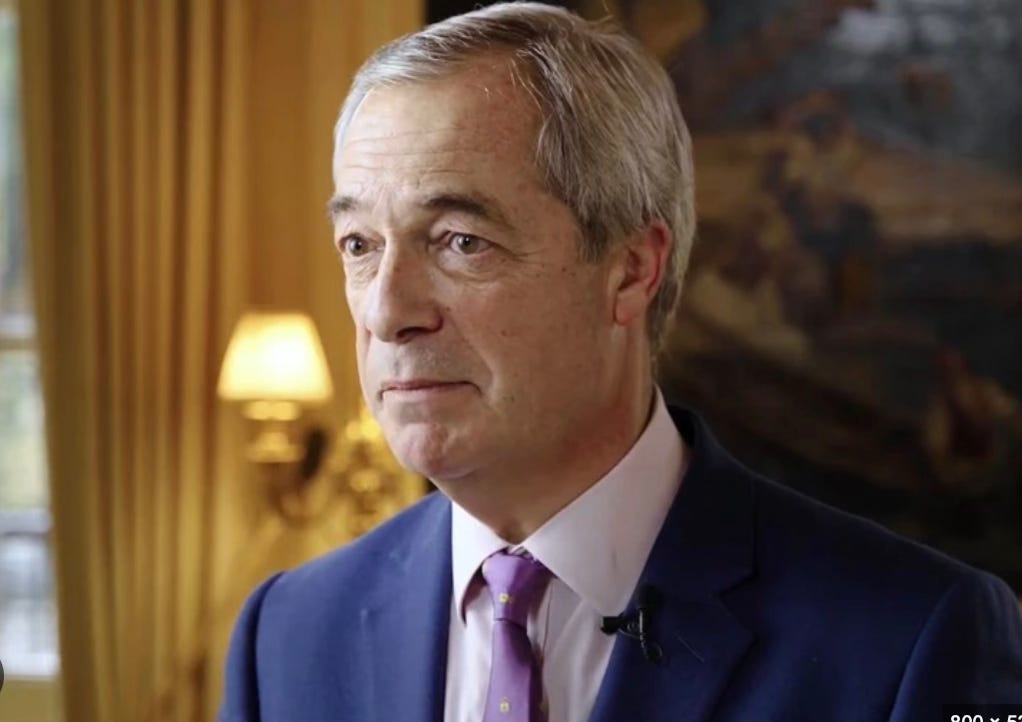
(Audio) Farage’s Historical Revisionism: Myth-Making in Modern Politics
Jan 3, 202500:12:07Tap to summarizeNigel Farage’s New Year message, delivered from historic Blenheim Palace, represents more than just a political rallying cry. It exemplifies a growing trend among populist and authoritarian figures to manipulate history for self-serving agendas. Farage’s invocation of a simplified and sanitized past highlights how history can be reframed as a tool for myth-making rather than a source of shared understanding. This article explores the dangerous implications of Farage’s approach and its parallels with other global leaders who rewrite history to consolidate power and ideology. This is a public episode. If you'd like to discuss this with other subscribers or get access to bonus episodes, visit www.plagueisland.com/subscribe
Transcribe →
(Audio) Robert F. Kennedy Jr.: Conspiracy, Controversy, and the Future of Public Health in America
Dec 30, 202400:16:22Tap to summarizeAs Donald Trump prepares to begin his second term as President of the United States, his cabinet appointments are making headlines for their audacity and controversial implications. Among them, Robert F. Kennedy Jr. stands out as the presumptive nominee for Secretary of Health and Human Services. Kennedy Jr.’s career, which began in environmental advocacy, has evolved into a platform for anti-vaccine disinformation, conspiracy theories, and pseudoscience. This shift has made him a polarizing figure and raises urgent questions about how his leadership could shape the future of public health.Kennedy Jr.’s name alone has opened doors in American politics. The Kennedy family legacy, synonymous with public service and progressive ideals, initially gave him a platform of credibility. However, as his rhetoric and views diverged into pseudoscience and conspiracy theories, prominent family members moved swiftly to distance themselves. His sister Kathleen Kennedy Townsend, his brother Joseph P. Kennedy II, and his niece Maeve Kennedy McKean have publicly rebuked his anti-vaccine activism, labelling it part of a ‘misinformation campaign that’s having heartbreaking – and deadly – consequences’ (Politico, 2019). Kennedy Jr.’s controversial views represent a profound departure from their legacy. This is a public episode. If you'd like to discuss this with other subscribers or get access to bonus episodes, visit www.plagueisland.com/subscribe
Transcribe →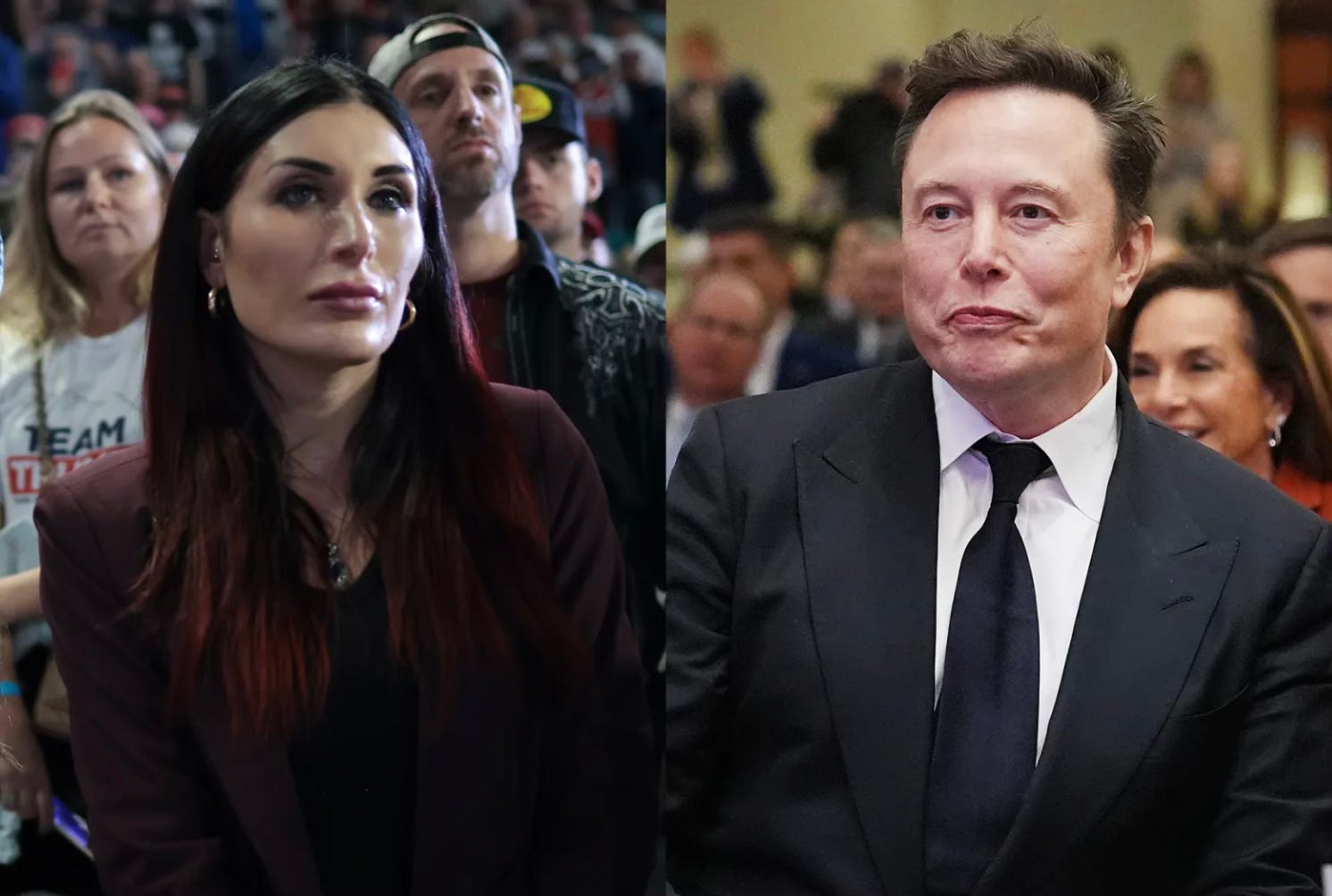
(Audio) The New MAGA Civil War: How H-1B Visas Are Splitting Trump's Coalition
Dec 29, 202400:16:22Tap to summarizeAs Donald Trump prepares to return to the White House for his second term, a storm that has been brewing within his base threatens to become a full-blown tempest. The MAGA movement, once a unified force that propelled Trump back to power in the 2024 election, now finds itself deeply divided over an issue that cuts to the heart of America's economic future and cultural identity: the H-1B visa program. With just weeks to go before his inauguration, this rift exposes the delicate balancing act Trump must perform as he seeks to reconcile the competing visions within his coalition, and points to significant implications for the future of Trumpism itself.The battle lines are drawn between two unlikely factions: Silicon Valley tech moguls and MAGA hardliners. On one side, billionaire entrepreneurs like Elon Musk and Vivek Ramaswamy argue passionately for skilled immigration, viewing it as essential for American innovation. On the other, figures such as Laura Loomer and Steve Bannon decry the H-1B program as a threat to American workers and cultural identity. The ensuing debate has escalated into a full-blown ideological war, with personal attacks and inflammatory rhetoric flying from both camps. This is a public episode. If you'd like to discuss this with other subscribers or get access to bonus episodes, visit www.plagueisland.com/subscribe
Transcribe →
(Audio) President Musk: The Shadow Power Behind Democracy's Decline
Dec 28, 202400:15:21Tap to summarizeIn recent years, the political landscape has witnessed a remarkable transformation in the stance of one of tech's most prominent figures. Elon Musk, once perceived as a centrist innovator pushing the boundaries of electric vehicles and space exploration, has increasingly aligned himself with far-right political groups and figures across the globe. This shift, while shocking to some, has unfolded through a series of deliberate moves, reshaping his public image and leaving both critics and supporters debating the motivations behind his actions. Why would a man celebrated for his visionary contributions to technology and space exploration venture into the murky waters of far-right politics? What does he stand to gain, and what are the broader implications of his political pivot? This is a public episode. If you'd like to discuss this with other subscribers or get access to bonus episodes, visit www.plagueisland.com/subscribe
Transcribe →
(Audio) The Road to Bethlehem: A Critical Examination of Palestinian Oppression
Dec 26, 202400:13:56Tap to summarizeEach year, the story of Mary and Joseph traveling to Bethlehem is recounted as a journey emblematic of perseverance in the face of adversity. Their path, fraught with uncertainty and challenges, mirrors the daily struggles faced by Palestinians in the occupied territories. However, if this narrative were transposed to modern times and set within the context of the occupied Palestinian territories, it would reveal the harsh realities of systemic control, pervasive restrictions, and institutionalized subjugation.Modern Bethlehem, situated in the West Bank under Israeli occupation since 1967, exemplifies the intersection between historical dispossession and contemporary control. For Palestinians, even their simplest journeys are fraught with uncertainty, delays, and indignities imposed through a labyrinth of checkpoints, barriers, and bureaucratic impediments. These structures transform routine movements into resistance and survival. This is a public episode. If you'd like to discuss this with other subscribers or get access to bonus episodes, visit www.plagueisland.com/subscribe
Transcribe →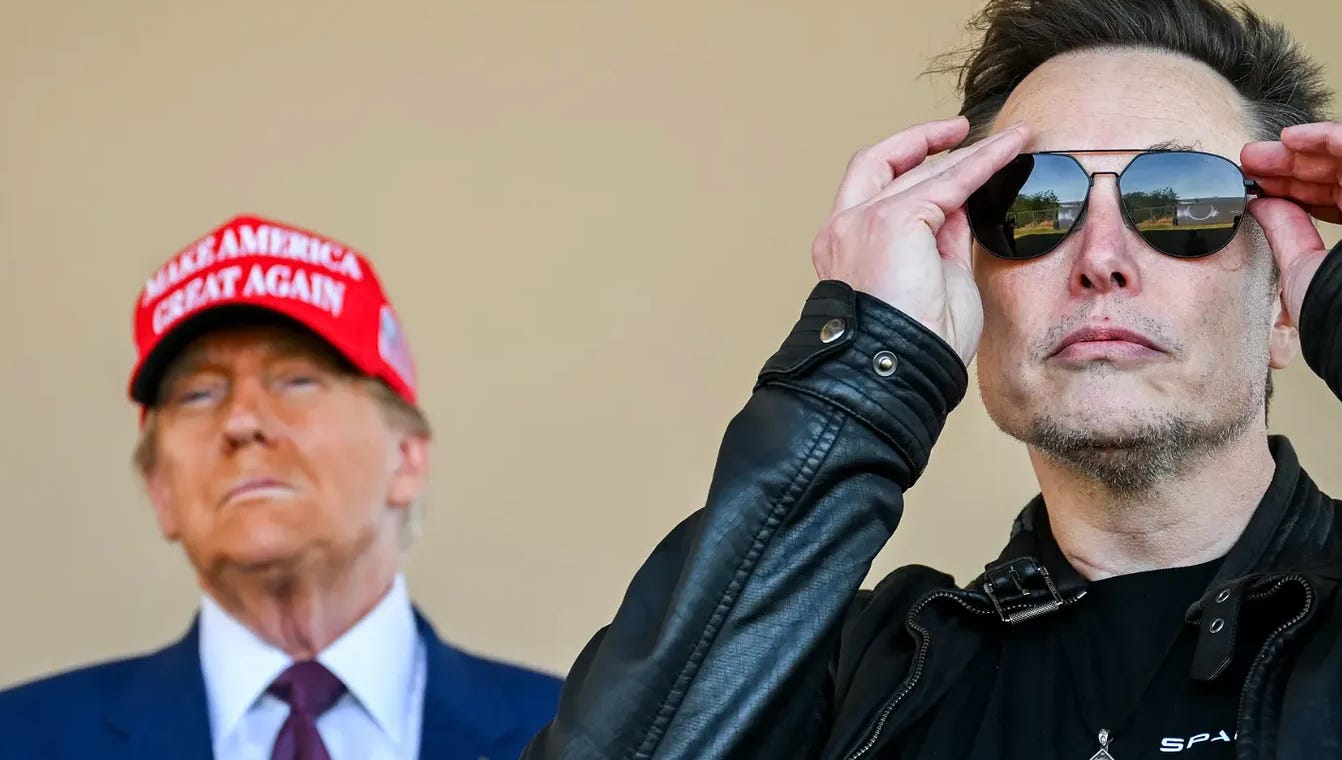
(Audio) The New Feudal Lords: Trump, Musk, and Farage's Power Play
Dec 23, 202400:21:39Tap to summarizeIn an era of rapid technological change and political upheaval, the world is witnessing a profound shift in the nature of power and governance. This article explores the concept of neo-medievalism, a framework that suggests our global order is increasingly resembling the complex, overlapping authorities of medieval Europe rather than the nation-state system that has dominated international relations for centuries. This is a public episode. If you'd like to discuss this with other subscribers or get access to bonus episodes, visit www.plagueisland.com/subscribe
Transcribe →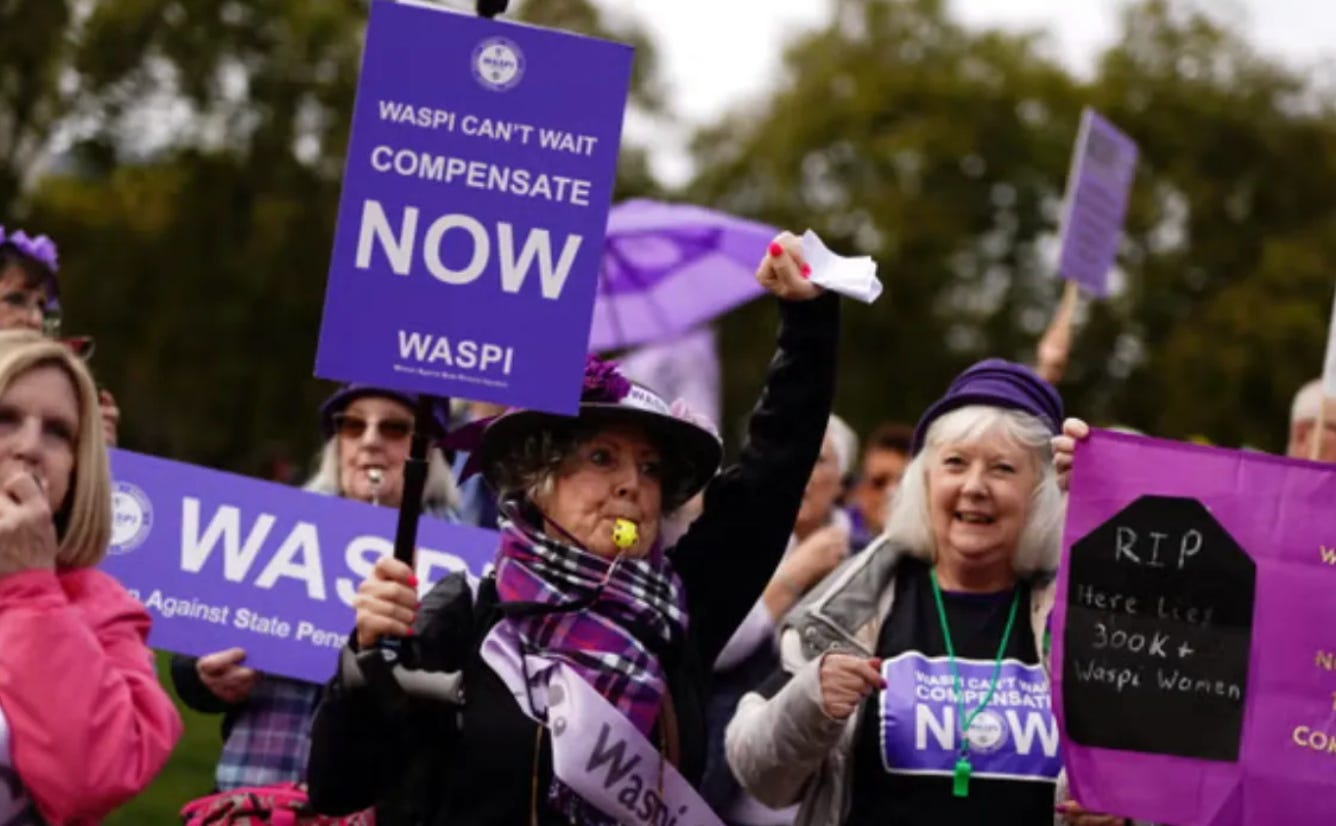
(Audio) Starmer's WASPI Betrayal: Labour's Shameful Abandonment of Working-Class Women
Dec 21, 202400:13:10Tap to summarizeRemember he's on his big fat DPP pension. What does he know about ageing women?’ These scathing words from veteran Labour MP Diane Abbott lay bare the utter disconnect between Labour's leadership and the plight of millions of women they've so callously abandoned. Abbott further stated, ‘This isn’t about economics; it’s about respect and doing the right thing. Starmer’s refusal to act is patronising and reeks of elitism, as if he thinks these women are too naive to understand their own struggle.’(Abbott, 2024). Such statements highlight the depth of frustration with Starmer’s dismissive attitude toward a critical issue.The WASPI campaign represents approximately 3.8 million women born in the 1950s, victims of a cruel bait-and-switch by successive governments that robbed them of years of pension payments. These women weren't merely affected by changes to the state pension age; they were blindsided, their financial futures shattered by government incompetence and indifference (WASPI, 2023). This is a public episode. If you'd like to discuss this with other subscribers or get access to bonus episodes, visit www.plagueisland.com/subscribe
Transcribe →