
Podcast
Notre Dame Stories
Hosted by Notre Dame Stories · EN
Notre Dame Stories highlights the work and knowledge of the University's faculty and students. This podcast features interviews with Notre Dame faculty members who can lend insight into some of the major national and international stories of the day, as well as pieces that show the breadth of the life and research at the University.
Notre Dame Stories is the official podcast of the University of Notre Dame.
19episodes
Episodes
Newest firstAll episodes

Inside Artemis II mission control
May 500:15:41Tap to summarizeFor seven hours, Notre Dame alumna Kelsey Young ’09 sat in NASA mission control, listening as astronauts described the moon in real time from a vantage point no human had ever experienced before. Young is NASA’s first science officer and the lunar science lead for the Artemis II mission. In this episode of Notre Dame Stories, she explains how her role is shaping the future of human space exploration and how human observation became one of the mission’s most valuable scientific tools. She also reflects on the path that led her to NASA, her Notre Dame education, and what’s next as scientists begin analyzing data from this groundbreaking mission. Show links Listen and subscribe Watch on YouTube Episode Page
Transcribe →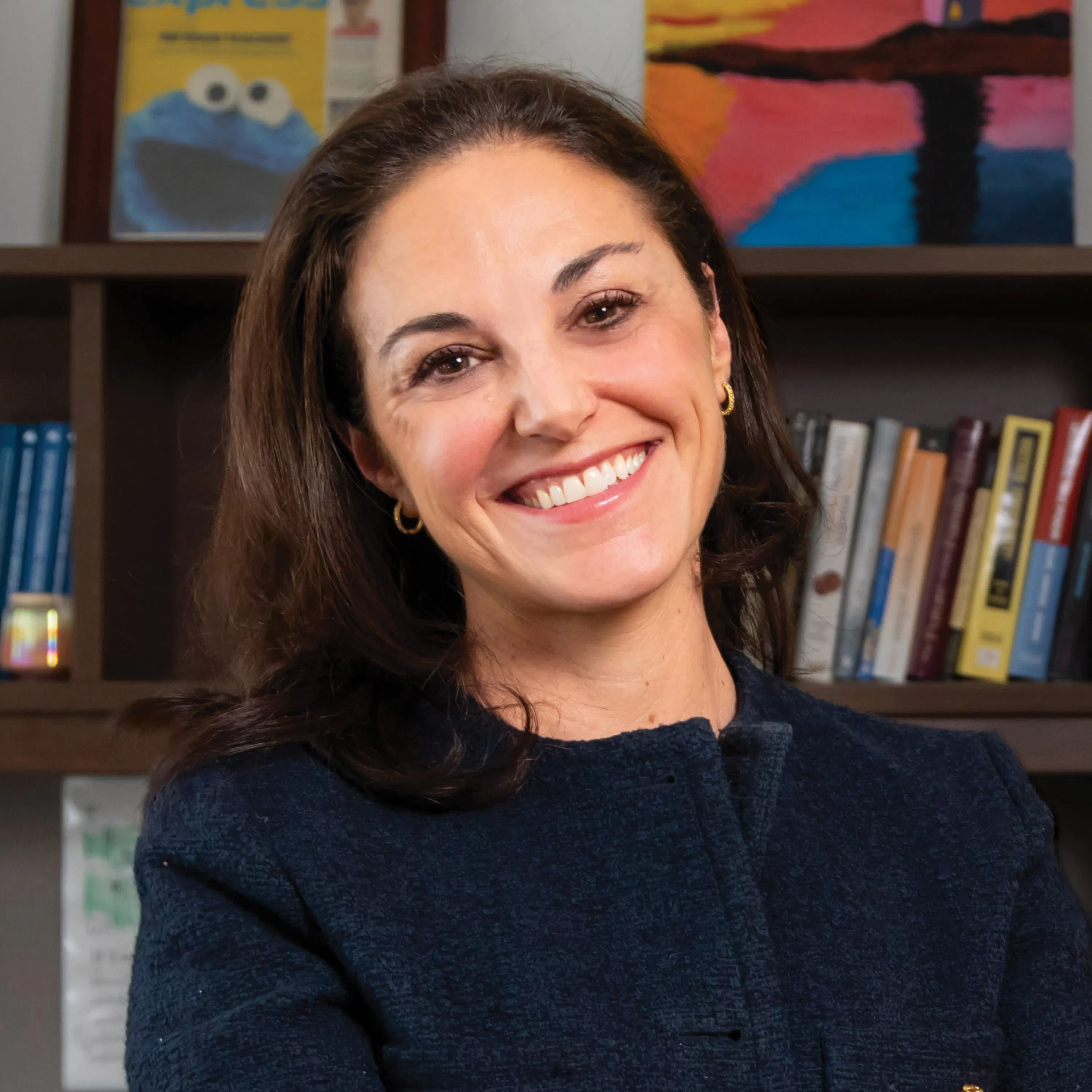
What happened to the American family?
Apr 700:14:18Tap to summarizeIn this episode of Notre Dame Stories, Melissa Kearney, economist and director of the Strengthening Families Research Initiative, explores the decline in marriage, the rise of single-parent households, and falling fertility rates in the United States. Drawing on decades of research, she connects these trends to economic inequality, child well-being, and public policy—making the case that strengthening families is essential to improving outcomes across society. Watch on YouTube Episode page Listen and subscribe
Transcribe →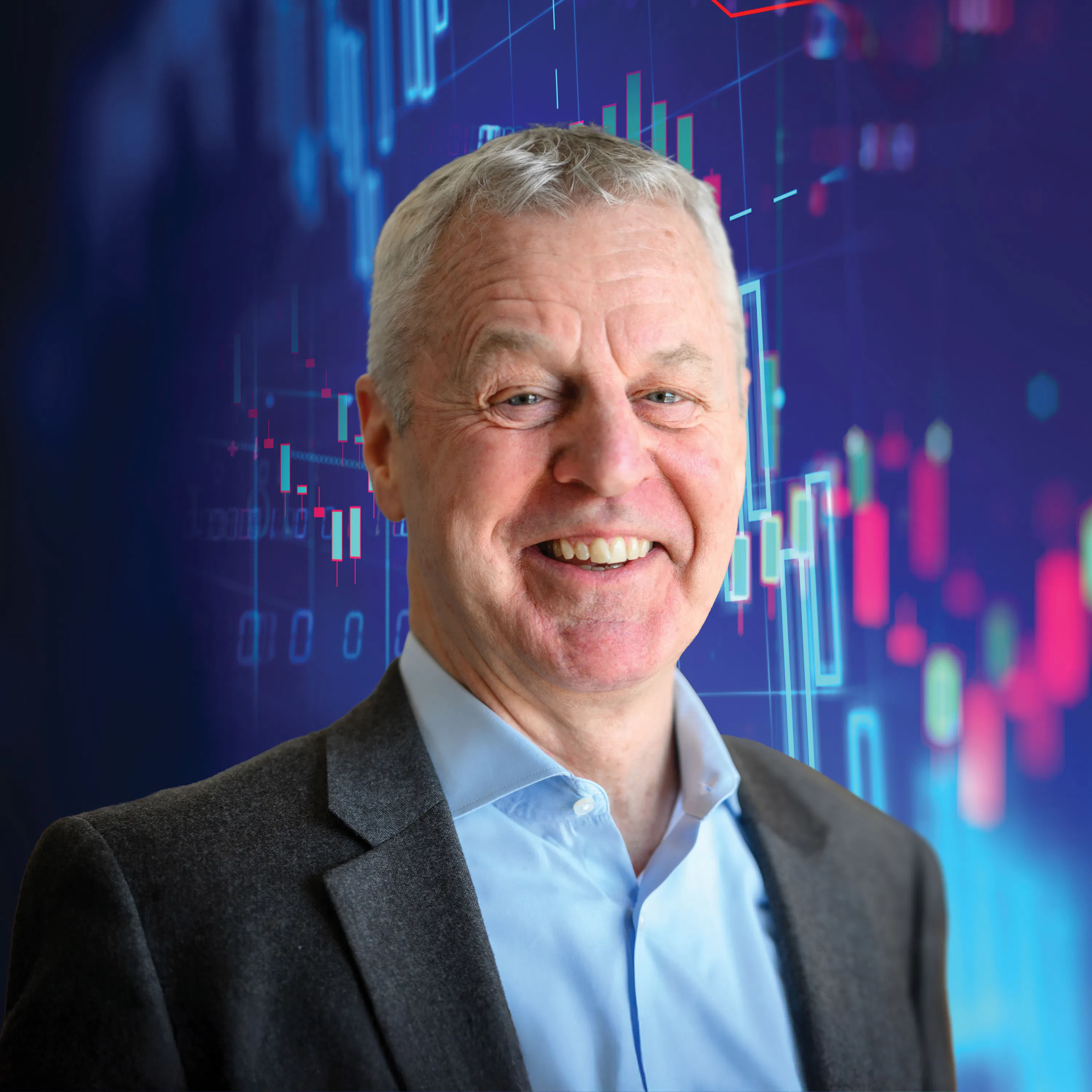
How do you measure success?
Mar 1100:13:25Tap to summarizeWhat does it really mean to be successful? Joe Holt has lived enough lives to make most résumés look boring—including time as a Jesuit priest, a stockbroker, a corporate attorney, and even an Ironman triathlete—and he’s convinced that success can’t be measured by titles, prestige, or what you can show for your work. In this podcast episode, Holt joins host Jenna Liberto, and together they explore why so many people feel disengaged at work, how to set goals that stretch you without burning you out, and why dreaming about the life you want should come before planning it. Holt shares the simple tactics he uses to stay accountable, the difference between a “good” job and a “prestigious” one, and why wisdom—more than achievement—may be the measure that matters most. Along the way, he reflects on faith, stillness, and leaving room for a God of surprises. Listen and subscribe Notre Dame Stories is the official podcast of the University of Notre Dame, wherever you get your podcasts.
Transcribe →
Cold Plunges and Unicorns
Feb 600:17:46Tap to summarizeWhat can extreme cold teach us about the human body—and ourselves? In this episode, Director of the Human Energetics Laboratory and anthropologist Cara Ocobock takes listeners inside her research on human adaptation, from subzero fieldwork in Finland with reindeer herders to lab studies on metabolism, cold exposure, and hunting unicorns. She also unpacks popular cold-plunge trends, what science actually says about them, and how lessons from our ancestors can help us understand resilience, wellness, and the remarkable ways humans have survived across time. Show links: Episode page The Winter Olympics, equality in sports, and exercising in the cold ‘Woman the hunter’: Studies aim to correct history Women’s higher resting metabolic rates in cold environments could be thyroid requirements for pregnancy, researcher says
Transcribe →
A human-centered framework for AI Ethics
Dec 400:13:11Tap to summarizeQuestions about artificial intelligence are everywhere—shaping public debate, influencing industry, and surfacing deep uncertainties about what it means to be human. At Notre Dame, philosopher Meghan Sullivan is helping lead that conversation. In this episode, she explains the DELTA framework, a human-centered approach to AI ethics—and why the choices we make today will define how this powerful technology shapes our future. --- Show links: Episode page (https://fightingfor.nd.edu/podcast/a-human-centered-framework-for-ai-ethics/) DELTA framework (https://ethics.nd.edu/programs/faith-based-frameworks-for-ai-ethics/delta/) Listen and Subscribe (https://link.chtbl.com/notre-dame-stories?sid=megaphone)
Transcribe →
New tech to help stop the spread of bird flu
Nov 500:14:34Tap to summarizeOn a family farm in Ohio, more than a million hens produce eggs that fill grocery shelves across the Midwest. Behind the scenes, farmers like Jordan and Thomas Hertzfeld are working tirelessly to keep their flocks healthy and thriving. Now, researchers at Notre Dame are helping them do just that—developing an “electronic nose” that can detect disease before it spreads, turning science into a lifeline for farms, food systems, and families. --- Show links: Episode Page (https://go.nd.edu/04040c) Fighting for faster virus detection (https://fightingfor.nd.edu/stories/fighting-for-faster-virus-detection/) Listen and subscribe (https://go.nd.edu/nd-stories-podcast) --- Chapters 00:00 Introduction 01:19 A brief history of the Hertzfeld Family Farm 02:02 How bird flu affects poultry farms 02:56 Biosecurity measures used to reduce the risk of avian flu outbreak 03:42 Why early detection of bird flu is so important 04:44 A new device from Notre Dame researchers can sniff out bird flu 05:55 How new technology helps farmers detect bird flu 07:37 How farms test for bird flu 08:57 The future of disease detection 11:24 Leveraging technology to solve big, meaningful problems 12:16 Potential uses for sensing technology
Transcribe →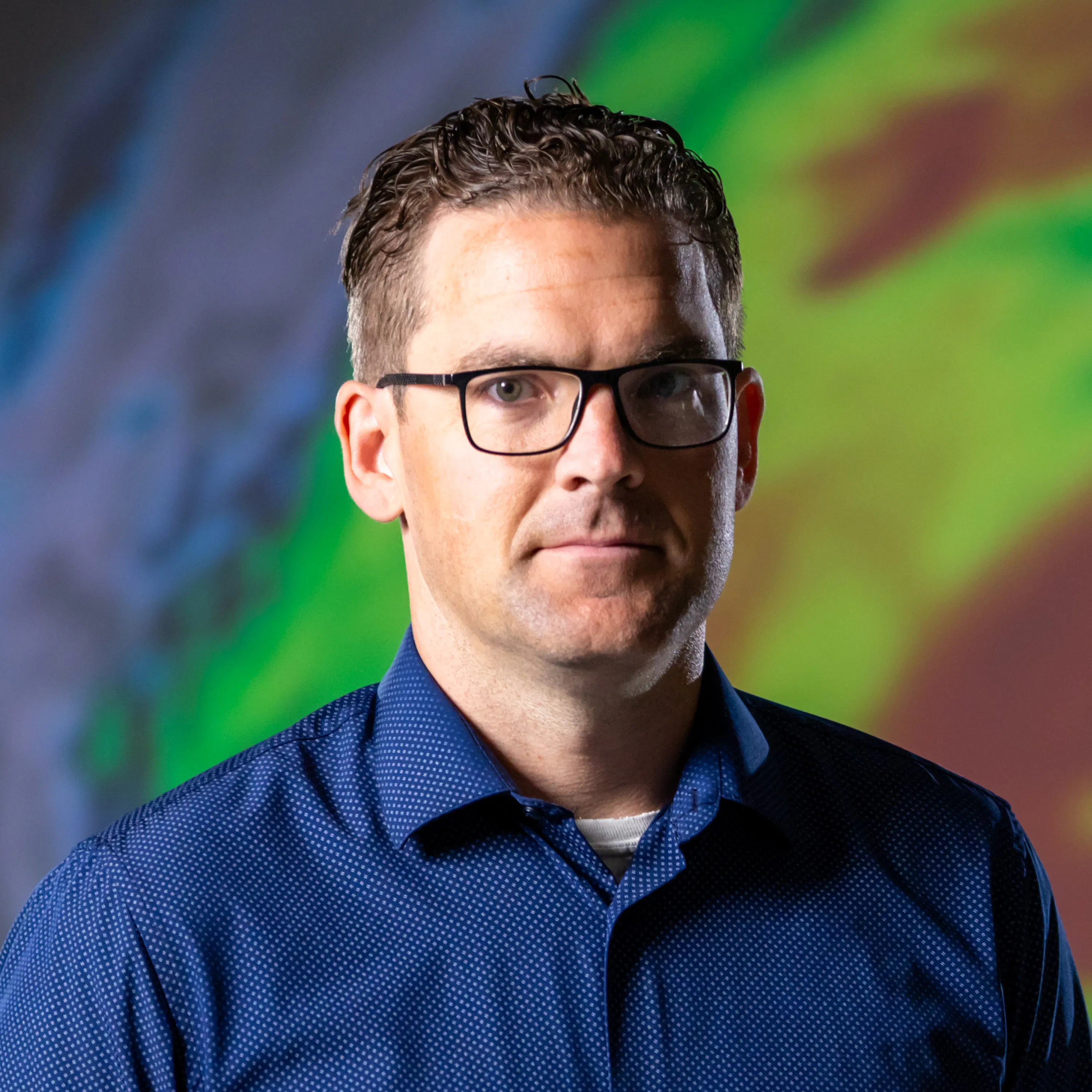
Improving Hurricane Forecasts
Oct 100:13:40Tap to summarizeHow do you improve hurricane forecasts? By studying one of the most powerful and destructive forces on Earth up close—where the ocean meets the atmosphere. In this episode of Notre Dame Stories, Professor David Richter explains how new drone technology is helping scientists better understand what happens inside a hurricane close to the ocean’s surface—and why this research is vital for improving forecasts. Richter also reflects on how his work connects to a deeper calling, and how he challenges students to see engineering as both a technical pursuit and a human vocation. --- Show links: • Episode Page • Fighting to improve hurricane forecasts • Subscribe --- Chapters: 00:00 Introduction 01:32 Why hurricanes are difficult to forecast 03:13 How drones are advancing hurricane research 04:57 How aerial drones are deployed over hurricanes 07:00 How aerial drones capture hurricane data 09:04 Fluid Dynamics Professor David Richter shares how his faith guides his research 10:38 Engineering and the Human Vocation
Transcribe →
A better start for NICU families: Notre Dame leads the way in neonatal intensive care research
May 29, 202500:32:36Tap to summarizeIn this episode, Kathleen Kolberg, Ph.D., Associate Dean, College of Science, Office of the Dean, Assistant Director of the Center for Health Sciences Advising, shares how Notre Dame helped set the standard for NICU design and care. We also hear from Ainee Martin '25, a recently graduated chemical engineering and pre-med student whose passion for helping others was born of her past experience with medical professionals following the devastating 2010 earthquake in Haiti. Their stories reflect the University of Notre Dame’s interdisciplinary approach to healthcare—one that’s preparing the next generation of doctors to be a force for good in the world. ------ Show links: Watch on YouTube Episode page Fighting For website Fighting for NICU babies and their families
Transcribe →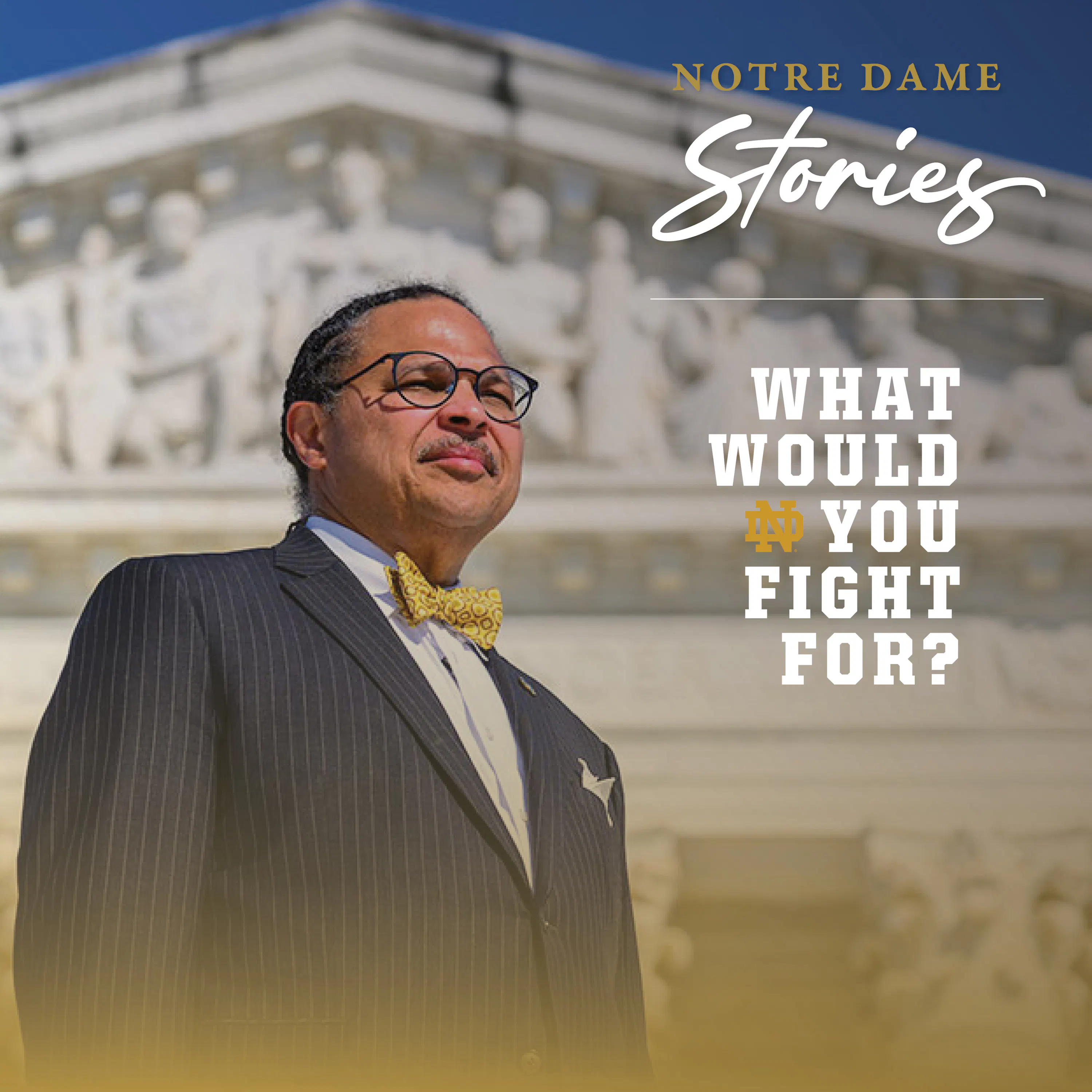
Faith and freedom: Dean Marcus Cole on religious liberty
Apr 22, 202500:20:56Tap to summarizeNotre Dame is committed to educating a different kind of lawyer—one rooted in Catholic social teaching. From real-world clinics to high-stakes cases like protecting the sacred Apache Oak Flat, students are prepared to serve with both skill and conscience.In this episode of Notre Dame Stories, G. Marcus Cole, the Joseph A. Matson Dean and Professor of Law at Notre Dame Law School, shares why protecting religious freedom—especially for minority and land-based faiths—is essential to safeguarding all human rights. He reflects on the broader impact of the Law School’s work with the Apache people and other global efforts.Learn how Notre Dame is fighting for religious freedom in all its forms—and how future lawyers are learning to do the same.------Show links: Episode page Fighting For website Fighting for Religious Liberty
Transcribe →
Fighting poverty: research helping our communities
Mar 24, 202500:41:18Tap to summarizeThis podcast episode features Heather Reynolds, Managing Director of the Notre Dame Poverty Initiative and the Michael L. Smith Managing Director, Wilson Sheehan Lab for Economic Opportunities (LEO), who shares how Notre Dame’s research has shaped policy changes—such as expanding access to high school diplomas for adults—and helped nonprofits implement programs that truly work. With more than 100 projects in 30 states, LEO’s evidence-based approach is cutting through political divides to create solutions that lift people out of poverty.We’re also joined by Tracy Kijewski-Correa, the William J. Pulte Director of the Keough School’s Pulte Institute for Global Development. She discusses how her experiences—from being a first-generation student at Notre Dame to leading post-disaster rebuilding efforts—have shaped her work in helping communities build resilience. She also explains how the Keough School’s approach to poverty extends beyond economic hardship, addressing social, psychological, and environmental challenges to foster true human flourishing.By collaborating with policymakers, local leaders, and global networks, Notre Dame is bridging the gap between poverty research and real-world impact. Listen to the full episode of Notre Dame Stories to learn how Notre Dame is driving change—and why this work matters.Show links: Watch on YouTube Episode page Fighting For website Fighting to improve education policies Notre Dame Poverty Initiative -----Notre Dame Stories is the official podcast of the University of Notre Dame. It was created by the Office of Public Affairs and Communications and hosted by Jenna Liberto with Executive Producer Andy Fuller. It was produced by Jenna Liberto, Josh Long, and Staci Stickovich. Videography was done by Zach Dudka, Josh Long, Tony Fuller, and Michael Wiens. Original music was provided by Alex Mansour. Listen and subscribe wherever you get your podcasts.
Transcribe →