Podcast
NOVA Presents
Hosted by GBH · EN
Ever wonder what's really going on in the world of science? We've got you covered. Join us for conversations with the researchers making tomorrow's breakthroughs, deep dives into the universe's biggest mysteries, and clear explanations of the discoveries that matter most. We're talking climate breakthroughs, space mysteries, AI developments, and quantum leaps, all explained by the people doing the work.
Whether you're curious about breaking headlines, fascinated by black holes and alien worlds, or ready for mind-bending conversations with brilliant scientists, NOVA Presents delivers four incredible series that make complex science feel like chatting with your smartest friend. For over 50 years, NOVA has been your trusted guide to understanding the world, now we're bringing that same curiosity and clarity straight to your ears. Come explore with us.
Discover more NOVA content and subscribe to our YouTube channel.
51episodes
Episodes
Newest firstAll episodes
Creationist to Evolutionary Biologist
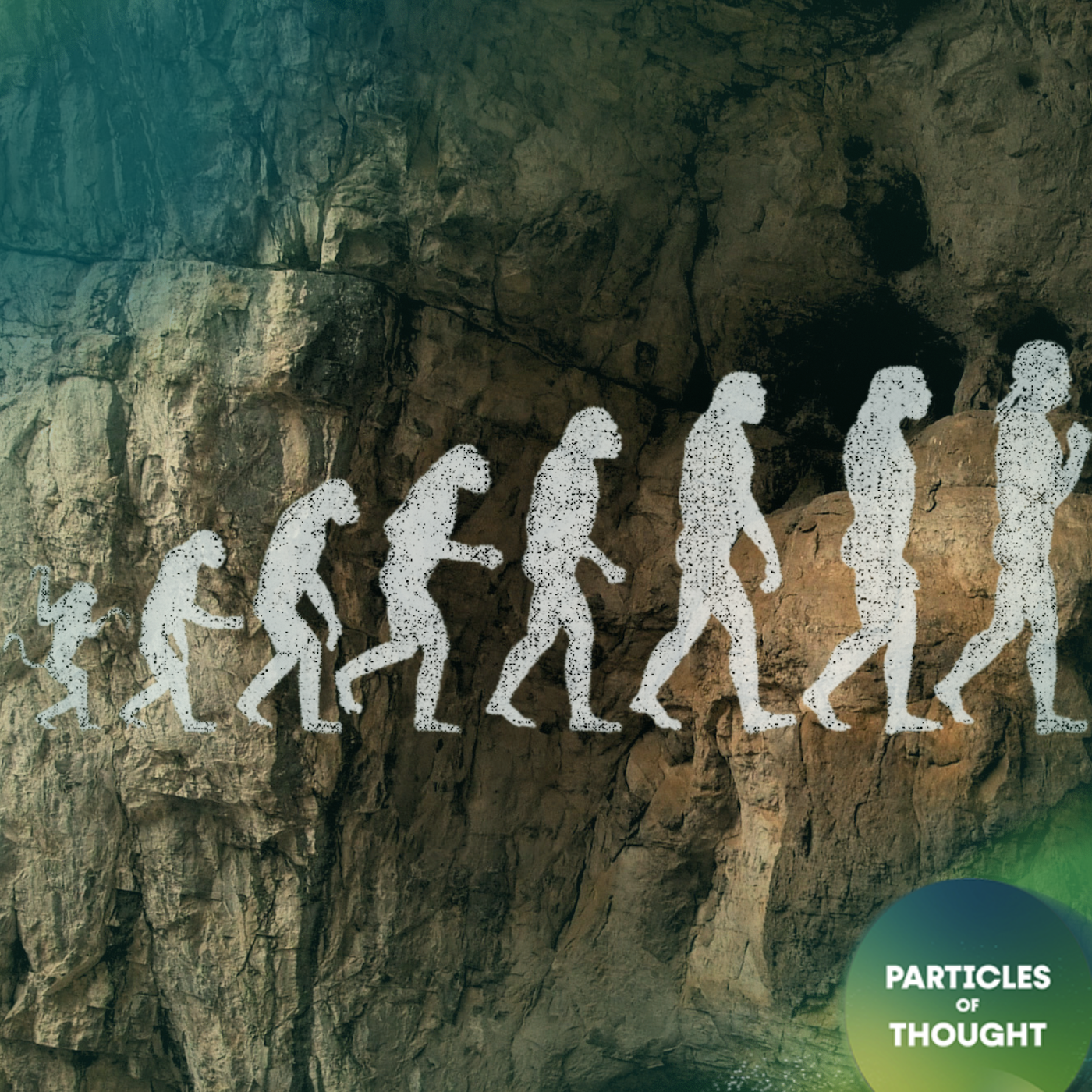
3d ago00:16:20Tap to summarizeElla Al-Shamahi set out to disprove the theory of evolution. Now she’s one of its greatest advocates. In this deeply personal conversation, Ella tells Hakeem her story. She started university as an avid creationist missionary with the intention of disproving evolution, and then her world started to fall apart. This candid conversation covers what the journey from creationist to paleoanthropologist actually looked like, and the evidence that shifted her thinking. It is a path with personal costs and the impact of changing worldviews. It's a thoughtful reflection on science, identity, community and why empathy matters more than argument when deeply held beliefs meet new evidence. Learn more about NOVA and visit our YouTube channel.--------------------------Guest Bio:Ella Al-Shamahi is a paleoanthropologist, explorer, and presenter based in London. She specializes in human evolution and has conducted fieldwork in some of the world's most dangerous and remote regions in search of fossil evidence of our earliest ancestors. She is a TED speaker and has appeared in numerous science documentaries, including hosting NOVA and BBC’s five-part series HUMAN, available on the PBS App and NOVA’s website.
Transcribe →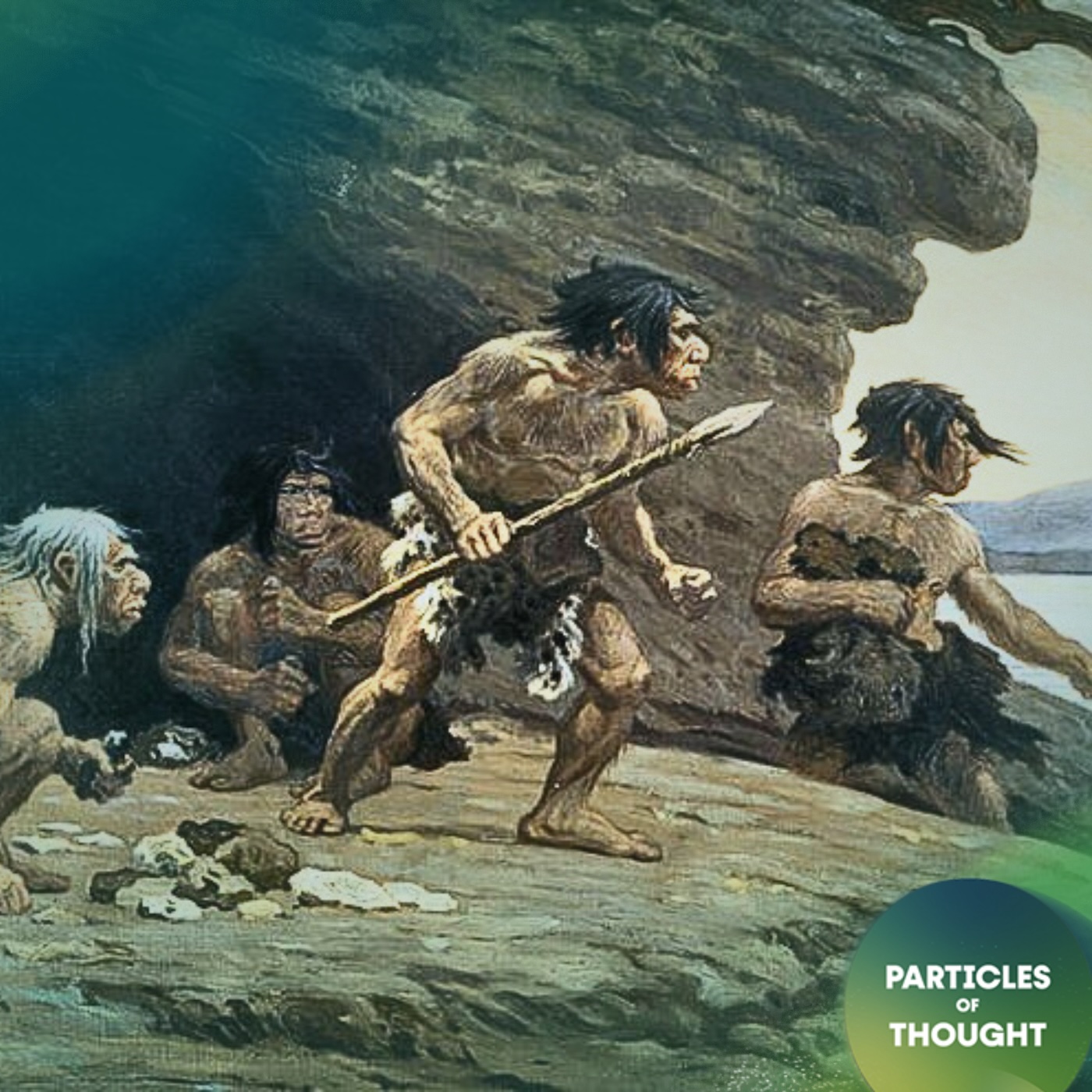
Rethinking Neanderthals
1w ago00:21:50Tap to summarizeElla Al-Shamahi thinks Neanderthals have a reputation problem, and the science backs her up. For decades, the word "Neanderthal" has been shorthand for something primitive and brutish. But the archaeological record tells a more nuanced story. Ella joins Hakeem to explore what we actually know about our closest ancient relatives: how they looked, how they lived, what their culture reveals about their inner lives, and if we would even recognize one walking around today. They also dig into the remarkable story of the Denisovans, a species shrouded in mystery and identified first not from a skull or skeleton, but from a single finger bone. Learn more about NOVA and visit our YouTube channel.--------------------------Guest Bio:Ella Al-Shamahi is a paleoanthropologist, explorer, and presenter based in London. She specializes in human evolution and has conducted fieldwork in some of the world's most dangerous and remote regions in search of fossil evidence of our earliest ancestors. She is a TED speaker and has appeared in numerous science documentaries, including hosting NOVA and BBC’s five-part series HUMAN, available on the PBS App and NOVA’s website.
Transcribe →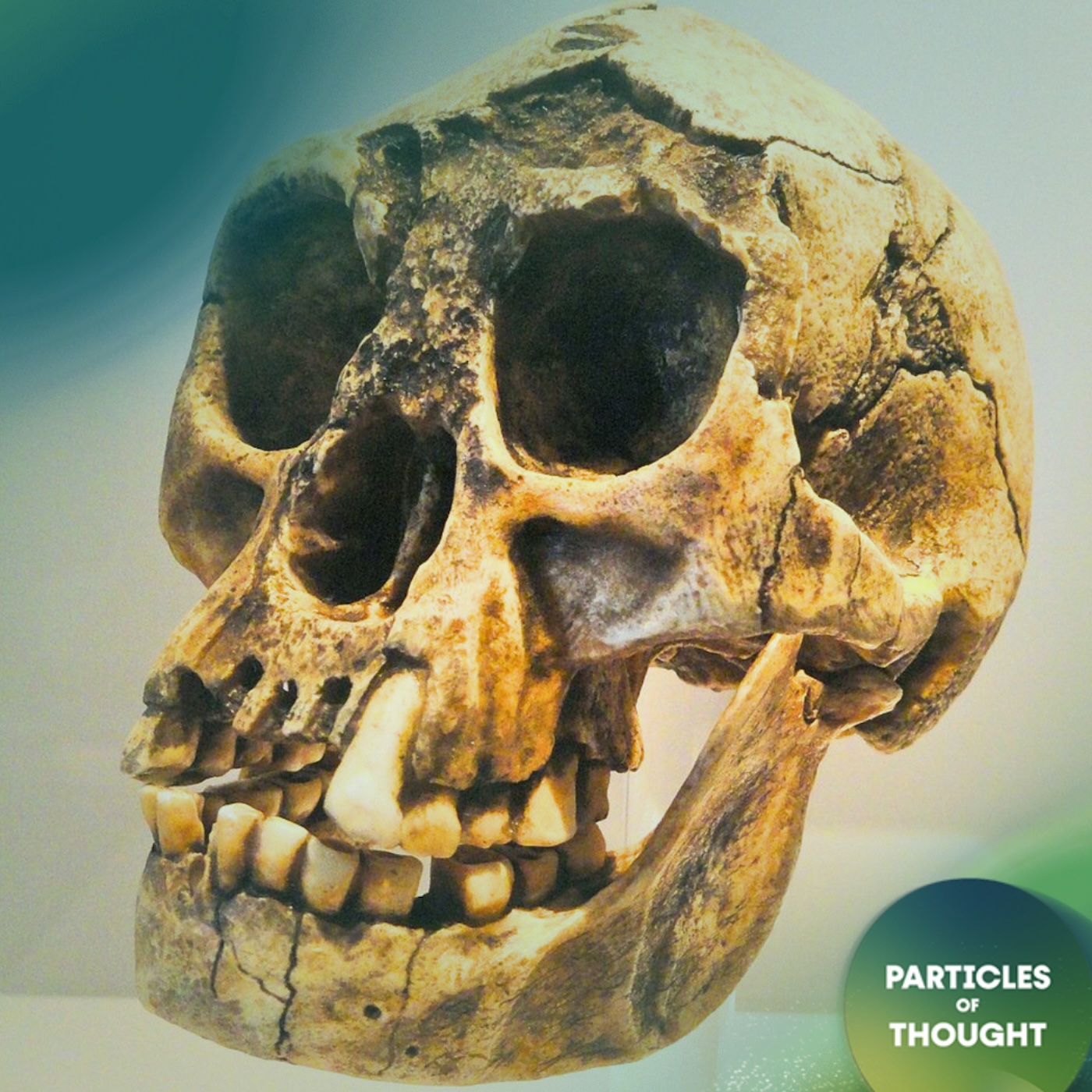
Real Hobbits?
1w ago00:23:24Tap to summarizeElla Al-Shamahi says the iconic picture of human evolution is all wrong. She joins Hakeem to take apart the conventional image of the straight-line march of evolution from ape to modern human. The fossil and DNA record tells a far more complex story. As recently as 50,000 years ago, our ancestors shared the planet with at least seven other human species. From the small-statured Hobbits of Indonesia to the mysterious Denisovans of East Asia, the world was very different, and new research suggests that roughly 20% of our genome may trace back to an unknown “ghost lineage” of human species. Human evolution wasn't a straight line, it was a sprawling, interconnected web. Learn more about NOVA and visit our YouTube channel.--------------------------Guest Bio:Ella Al-Shamahi is a paleoanthropologist, explorer, and presenter based in London. She specializes in human evolution and has conducted fieldwork in some of the world's most dangerous and remote regions in search of fossil evidence of our earliest ancestors. She is a TED speaker and has appeared in numerous science documentaries, including hosting NOVA and BBC’s five-part series HUMAN, available on the PBS App and NOVA’s website.
Transcribe →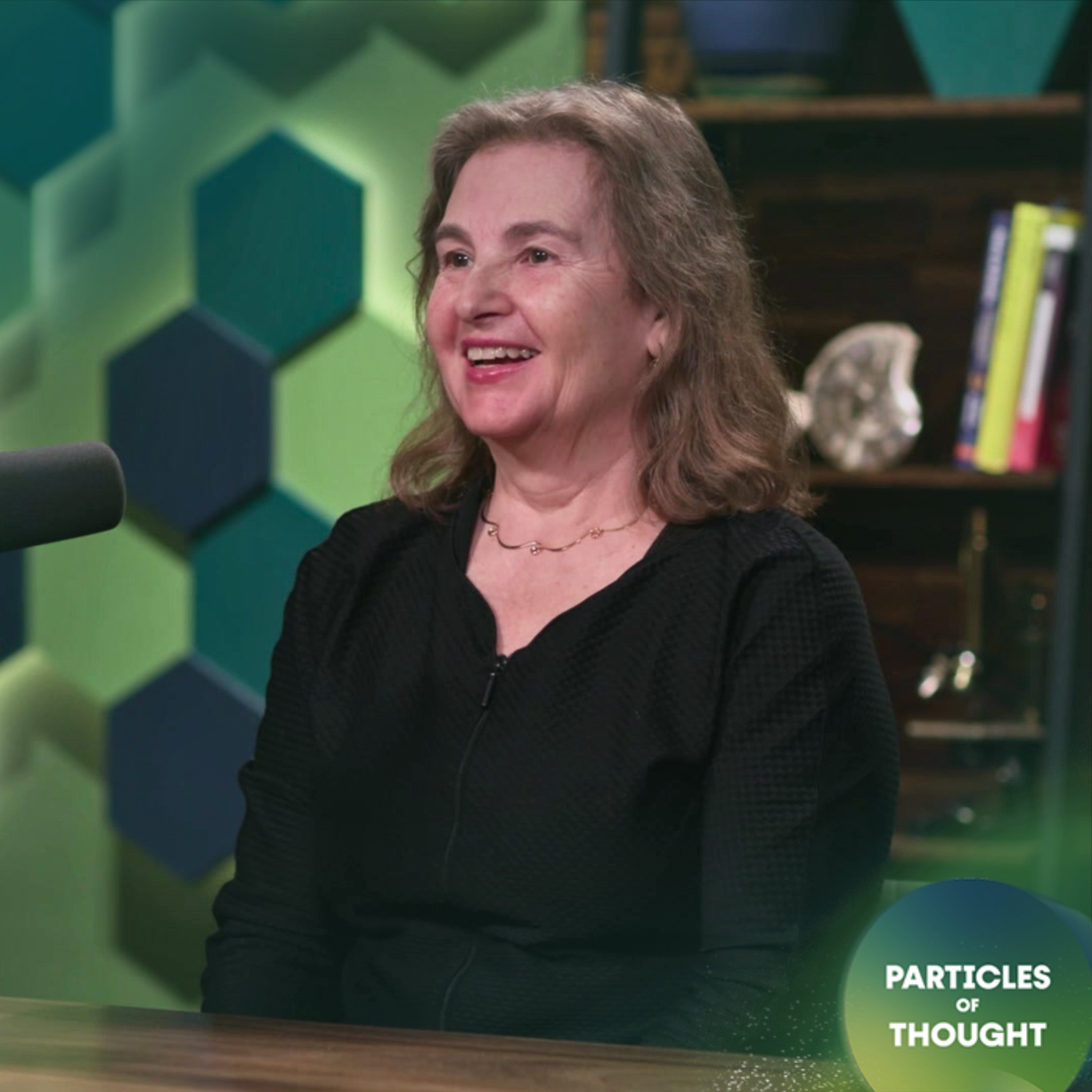
Full Interview: The Future of AI and Us
2w ago01:08:41Tap to summarizeDaniela Rus brings robots and AI together, and as a computer scientist and roboticist at MIT, she's here to set the record straight. She's not just studying AI from the outside. She's building it, and finding ways to make everyday life better. Daniela joins Hakeem to pull back the curtain on what AI actually is, how it really works, and where it is genuinely headed. What happens when AI leaves the cloud and moves into your phone, your car, and even your body? And what does a tiny worm with 302 neurons have to do with the future of machine intelligence? From the history of AI to so-called “liquid networks,” self-driving cars, humanoid robots, and an origami surgeon you can swallow, this conversation covers the full scope of what MIT's most ambitious minds are building right now.Learn more about NOVA and visit our YouTube channel.Daniela Rus is a computer scientist and roboticist at MIT, where she serves as Director of the Computer Science and Artificial Intelligence Laboratory (CSAIL). Her research focuses on the science and engineering of autonomy, including the development of new AI models, and physically intelligent systems. She is the co-founder of Liquid AI, a startup bringing energy-efficient on-device AI models to real-world applications.
Transcribe →
AI Origins
2w ago00:18:33Tap to summarizeDaniela Rus is cutting through the AI hype and headlines to give us a real understanding of its future. As Director of MIT's Computer Science and Artificial Intelligence Laboratory, she has a front-row seat to what AI actually is, how it actually works, and what it can and cannot do. Daniela joins Hakeem to map out the full landscape of a field that is far richer than chatbots and large language models. What are the different types of AI we have today, and how does each one work? Why did methods invented 40 years ago suddenly start working? And how does Daniela envision the impact of AI on the job landscape of the future?Learn more about NOVA and visit our YouTube channel.--------------------------Guest Bio:Daniela Rus is a computer scientist and roboticist at MIT, where she serves as Director of the Computer Science and Artificial Intelligence Laboratory (CSAIL). Her research focuses on the science and engineering of autonomy, including the development of new AI models,, and physically intelligent systems. She is the co-founder of Liquid AI, a startup bringing energy-efficient on-device AI models to real-world applications.
Transcribe →
AI Robots
3w ago00:23:28Tap to summarizeDaniela Rus has built a robot you can swallow, and that is one of the less surprising things her lab is working on. At MIT's CSAIL, she is leading research at the frontier where artificial intelligence meets the physical world, and the results are unlike anything people have imagined. Daniela joins Hakeem to explore what it will really take for machines to move, reason, and interact the way humans do. Why are today's humanoid robots mechanically impressive but intellectually limited? What is the difference between physical AI and embodied intelligence, and why does it matter? From origami surgeons, to robots inspired by the octopus, this is a conversation about the machines of the futureLearn more about NOVA and visit our YouTube channel.--------------------------Guest Bio:Daniela Rus is a computer scientist and roboticist at MIT, where she serves as Director of the Computer Science and Artificial Intelligence Laboratory (CSAIL). Her research focuses on the science and engineering of autonomy, including the development of new AI models, and physically intelligent systems. She is the co-founder of Liquid AI, a startup bringing energy-efficient on-device AI models to real-world applications.
Transcribe →
When AI Escapes the Data Center
3w ago00:31:30Tap to summarizeDaniela Rus wants to put AI in your pocket, your car, and your dishwasher. In fact, she has already started. As one of the world's leading AI and robotics researchers, she is building a future where artificial intelligence doesn't live in a distant data center but runs quietly and efficiently on the devices around you. The key is liquid networks, AI models inspired by a tiny worm that gets by on just 302 neurons and that are up to 1,000 times more energy efficient than traditional approaches. Daniela joins Hakeem to explore what that shift actually means: for self-driving vehicles, for privacy, for security, and for the possibility that everyone could soon have offline access to powerful AI. Learn more about NOVA and visit our YouTube channel.--------------------------Guest Bio:Daniela Rus is a computer scientist and roboticist at MIT, where she serves as Director of the Computer Science and Artificial Intelligence Laboratory (CSAIL). Her research focuses on the science and engineering of autonomy, including the development of new AI models, and physically intelligent systems. She is the co-founder of Liquid AI, a startup bringing energy-efficient on-device AI models to real-world applications.
Transcribe →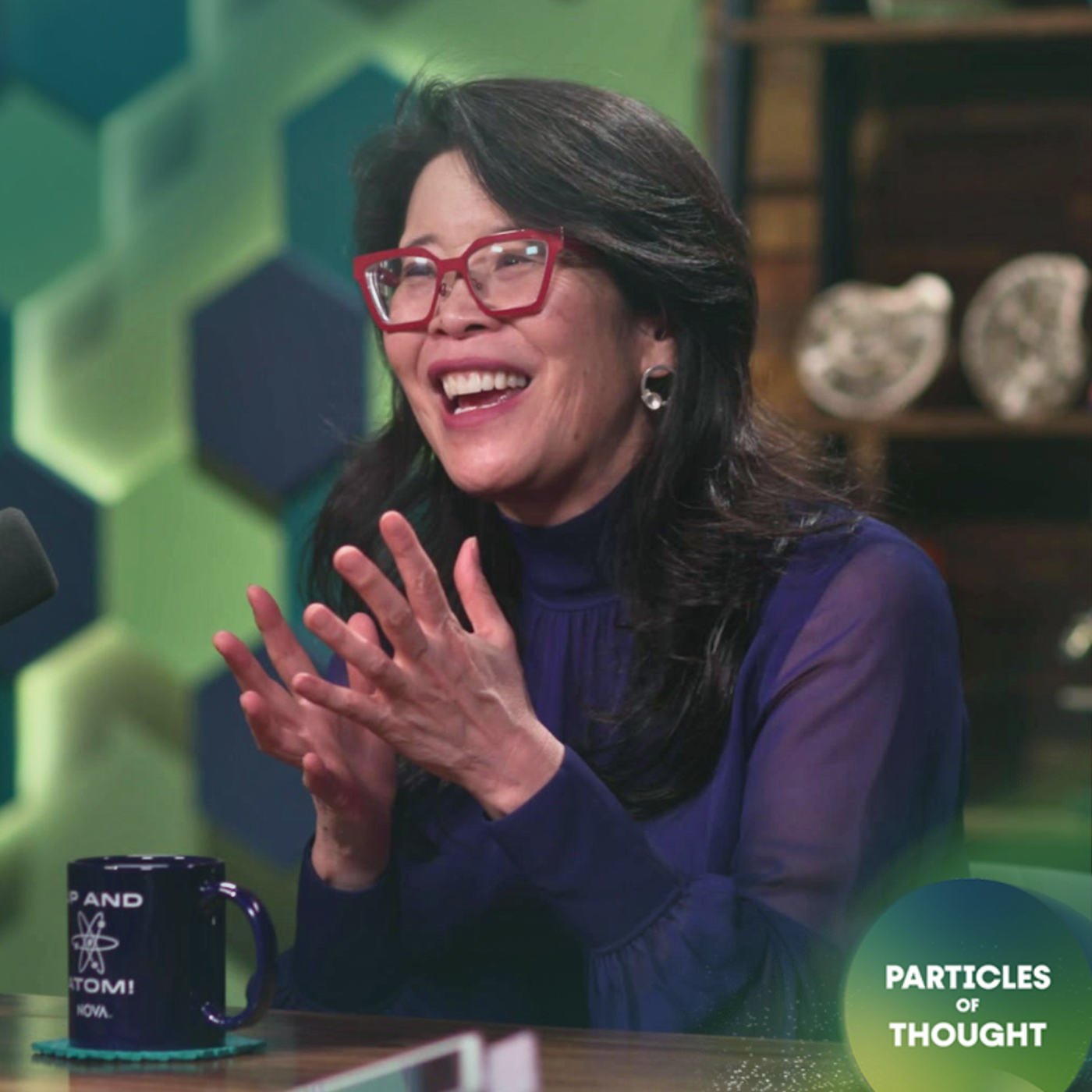
Full Interview: Anxiety Hacking
4w ago01:15:11Tap to summarizeWendy Suzuki hopes you have anxiety—good anxiety. She thinks that feeling you try to avoid could actually be your edge! Wendy joins Hakeem to explore how anxiety can be harnessed, rather than eliminated, and how it connects to two other powerful forces shaping your brain: exercise and human connection. What’s happening in that surge of stress—or in the “neurochemical bubble bath” after a hard run? Can you really train your brain to use it differently? And what do oxytocin, prairie voles, and decades of research reveal about why social bonds may be the most powerful force shaping our health, happiness, and longevity. Make sure to subscribe now so you never miss an episode. Learn more about NOVA and visit our YouTube channel.--------------------------Guest Bio:Wendy Suzuki is a neuroscientist and the Dean of the College of Arts and Science at New York University, where her research focuses on the effects of exercise on memory and brain function. She is the author of several books, including Good Anxiety: Harnessing the Power of the Most Misunderstood Emotion, and is a widely sought-after speaker on brain health, anxiety, and human performance.
Transcribe →
Your Brain Needs Friends
Jul 1400:28:32Tap to summarizeWendy Suzuki says the key to a beautiful brain is friendship, and she joins Hakeem to discuss why human connection can extend your life. By studying certain animals, like prairie voles who develop intense love bonds, we can understand what’s going on in our heads when we connect with others. Hard data and personal stories show, the power of friendship is a shockingly important part of a healthy lifestyle.Learn more about NOVA and visit our YouTube channel.--------------------------Guest Bio:Wendy Suzuki is a neuroscientist and the Dean of the College of Arts and Science at New York University, where her research focuses on the effects of exercise on memory and brain function. She is the author of several books, including Good Anxiety: Harnessing the Power of the Most Misunderstood Emotion, and is a widely sought-after speaker on brain health, anxiety, and human performance.
Transcribe →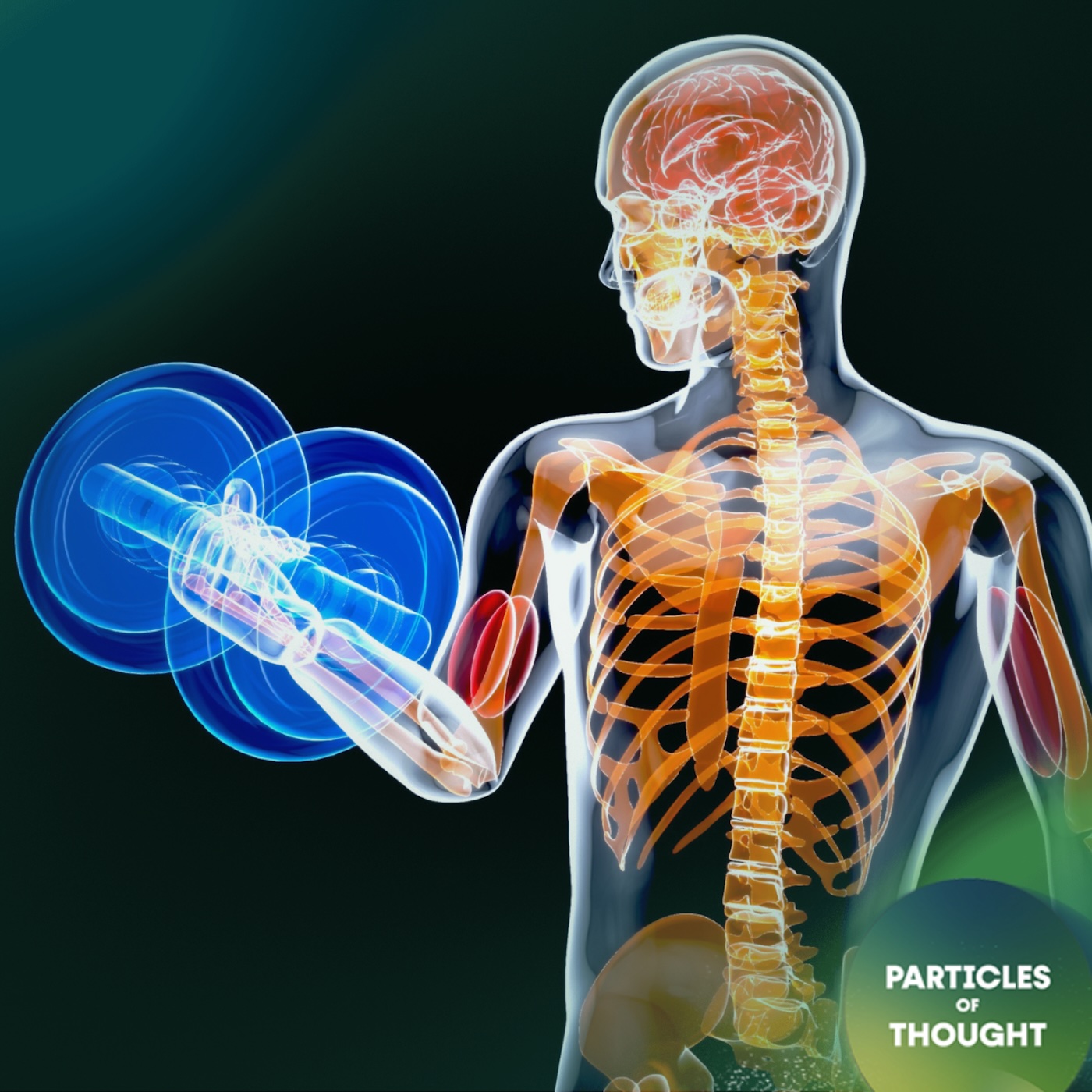
Neuroscience of Exercise
Jul 900:20:47Tap to summarizeWendy Suzuki says just 10 minutes of movement can change your brain.But how? What’s actually happening in your head during a walk—or a workout—and why does it matter so much? Wendy joins Hakeem to unpack the science of exercise and the brain, from chemical surges to lasting rewiring. Plus: how do meditation, cold showers, and your environment really change your brain?Learn more about NOVA and visit our YouTube channel.--------------------------Guest Bio:Wendy Suzuki is a neuroscientist and the Dean of the College of Arts and Science at New York University, where her research focuses on the effects of exercise onand memory andon brain function. She is the author of several books, including Good Anxiety: Harnessing the Power of the Most Misunderstood Emotion, and is a widely sought-after speaker on brain health, anxiety, and human performance.
Transcribe →