← Nuestro flamenco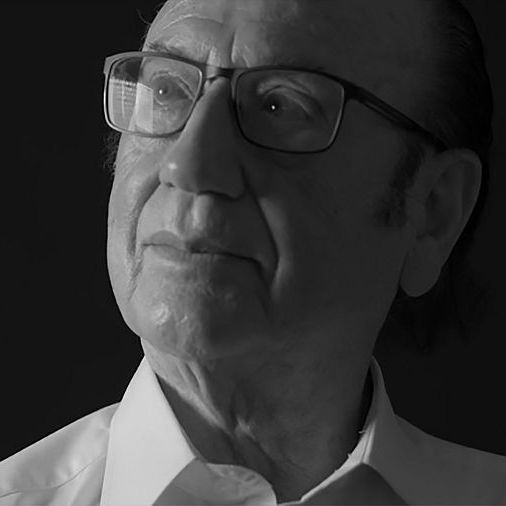
Nuestro flamenco
Nuestro flamenco - Fosforito: el adiós a un maestro - 27/11/25
00:59:27
Fosforito: el adiós a un maestro
Loading summary
Transcript108 lines
- [00:01]
A
RNE Audio. Descarga la app y disfruta de los programas de RNE y nuestros podcast originales.
- [00:16]
En radio clásica de radio nacional de españa.
- [00:26]
Nuestro flamenco.
- [00:30]
Con josé maría velázquez gaztelu.
- [00:57]
Señoras y señores, amigos, los más cordiales saludos y bienvenidos a Nuestro Flamenco, el programa que todos los lunes Y miércoles, de 12 de la noche a 1 de la madrugada, les ofrece Radio Clásica Radio Nacional de España. También pueden acompañarnos cualquier día, a cualquier hora y desde cualquier país a través de nuestros podcast en RNE audio. El pasado 13 de noviembre falleció en Málaga, a los 93 años, Antonio Fernández Díaz, Fosforito. Nosotros, en este programa, además de expresar el más sentido pésame a Maribel Barrientos, su viuda, y a sus hijos, queremos recordar al maestro, al artista y al amigo. Y lo hacemos con su cante. A lo largo de su extensa obra y de su dilatada trayectoria profesional.
- [01:55]
Creemos que la mejor manera de homenajear y de evocar, en este caso a un cantaor, es rememorando su música. Pero antes, en el prólogo de Nuestro Flamenco, les invitamos a un pequeño recorrido por algunos de aquellos guitarristas que estuvieron cerca de Fosforito, tanto en conciertos como en grabaciones. Fueron muchos y siempre de primer nivel, como Vargas, Araceli, Juan, Juan Serrano, Alberto Vélez, Manuel Cano, Paco Cepero o Antonio Soto, pero según podemos ver, son tres los que aparecen con más frecuencia en los registros sonoros, secundando a Juan Carmona Bichuela, Paco de Lucía y Enrique de Melchor. Pues con algunos toques significativos de estos compositores e intérpretes, vamos a comenzar Nuestro Flamenco en su prólogo guitarrístico. El primer paso lo damos con Juan Carmona Bichuela, del que escogemos de las pocas piezas, creemos de la única que grabó como solista, la soleá fechada en 1999, que Juan dedica a la memoria de su hermano Luis.
- [07:00]
Solea de Juan Carmona Bichuela Juan Carmona Vichuela fue uno de los guitarristas que acompañó con más frecuencia Fosforito, el cantaor que nos dejó el pasado 13 de noviembre y al que recordamos esta noche aquí en Nuestro Flamenco, el programa de Radio Clásica, Radio Nacional de España. A Enrique de Melchor lo vemos acompañando a Fosforito en actuaciones en Córdoba en mayo de 1980, en Sevilla en abril también de 1980 o en Mairena del Alcor en septiembre de 1982. Pero Enrique de Melchor grabó con Fosforito los discos En los cantes del Rincón de Cádiz, de 1979 o Fundamento, de 1980. Pues en el prólogo guitarrístico de Nuestro Flamenco, dedicado a algunos de los compositores e intérpretes que acompañaron a Fosforito, aquí tenemos a Enrique de Melchor en su Taranta Vivencias que dedica a su padre, el gran Melchor de Marchena, y a su hermano también Melchor.
- [13:17]
Vivencias Taranta de Enrique Demelchor, uno de los guitarristas que con más frecuencia acompañó a Fosforito, cantaor que, como decimos, falleció el pasado 13 de noviembre y al que recordamos esta noche aquí en Nuestro Flamenco, el programa de Radio Clásica, Radio Nacional de España. Debo decir que Fosforito, aunque nunca ejerció de tal, sin embargo tocaba muy bien la guitarra. A mí me contaba que para componer sus letras, pues también era autor de las letras que cantaba, se encerraba con la guitarra, se iba acompañando él mismo y con un papel y bolígrafo cerca redactaba o componía los textos que luego serían el soporte literario de sus cantes. Lo vemos tocando y enseñando a tocar a uno de sus hijos en el capítulo emitido el 13 de noviembre de 1972 de Rito y geografía del cante, la serie que a principios De los años 70 hicimos Mario Gómez, Pedro Turbica y yo. Así que, como es lógico, a causa de sus profundos conocimientos de la guitarra, Fosforito escogía con bastante precisión aquellos que iban a secundaria. En una larga entrevista que le hice a Foforito cara al público en septiembre de 2008 para el ciclo Los flamencos hablan de sí mismos, que se celebraba en la Universidad Internacional de Andalucía, la UNÍA, Foforito me contaba cómo conoció a Paco de Lucía, que él y Paco estuvieron juntos casi 10 años. Me habló de él su hermano Ramón, me explicaba Fosforito, A ver si escuchas a mi hermano, porque Ramón de Algecira me tocaba a mí en los espectáculos, cuando íbamos con Pepe Pinto y Juan Valderrama. ¿Cómo toca? Como tú. No, no tiene nada que ver, me contestó Ramón. Un día seguía contándome Fosforito en esa entrevista. Me lo presentó y lo escuché y me dio miedo. Yo quería grabar con él, pero me daba miedo porque era otra cosa. Ten en cuenta que estamos hablando ahora en la distancia de la evolución de la guitarra, donde la técnica se ha desarrollado hasta lo impensable. Paco, cuando lo escuché, era impresionante. Y bueno, yo lo llevaba a la sala de fiestas conmigo y desde un principio vi que era una maravilla, porque a Paco lo que más le gusta del mundo, con todo su virtuosismo, es acompañar para cantar. A él le gusta cantar, es un cantaor. Y continuaba diciéndome Foforito en esa entrevista que le hice en 2008 en la universidad Internacional de Andalucía, A Paco, con esa capacidad musical y esa técnica, lo que más le gusta es el cante. Por eso adivinaba el tono antes de tú darlo y la contestación la establecía inmediatamente. Donde había una nota pelá en otros guitarristas, en él surgía un aluvión, un torrente de música en el mismo tiempo, pero no molestaba nunca, era comodísimo. Entonces, pensando en la posibilidad de llevar a cabo una grabación especial, hicimos una antología de 48 cantes en 5 tardes. Claro que yo tenía 30 y pico años y él 20, más o menos. Por aquel entonces estuvimos mucho tiempo juntos. Paco era una alegría, era una alegría siempre, terminaba diciéndome Fosforito, refiriéndose a los 10 o 12 discos, según él, que grabó con Paco de Lucía, entre ellos los cuatro volúmenes de la Selección antológica del cante flamenco que grabaron para el sello Weltero. Pues aquí, en este prólogo guitarrístico de nuestro flamenco, tenemos a Paco de Lucía como solista en la soleá Gloria al Niño Ricardo.
- [22:34]
Gloria al Niño Ricardo, Solea de Paco di Lucía, una pieza con la que finalizamos el prólogo guitarrístico de nuestro flamenco.
- [22:52]
En radio clásica. Nuestro flamenco con josé maría velázquez gaztelu.
- [23:06]
Como ya les anunciábamos en el prólogo guitarrístico, Fosforito falleció el pasado 13 de noviembre a los 93 años. Y nosotros, además de expresar nuestro más sentido Bésame a Maribel Barrientos, su viuda, y a sus hijos, queremos recordar al maestro, al artista y al amigo. Y lo hacemos con su cante. A lo largo de su extensa obra y de su dilatada trayectoria profesional, creemos que la mejor manera de homenajear y de evocar, en este caso un cantaor, es rememorando su música. Para situar al personaje Antonio Fernández Díaz, Fosforito, de manera absolutamente telegráfica y comprimida, les diremos que nació en Puente genil, Córdoba, en 1932. En el año 56 se presentó a la primera convocatoria del Concurso Nacional de Arte Flamenco de Córdoba y fue el gran vencedor, obteniendo el Premio de Honor como ganador en todos los estilos. Recorrió cantando los cinco continentes. En España actuó en los tablados y teatros más prestigiosos como primera figura y con esta consideración encabezó los carteles de los numerosísimos festivales que se daban por todo el país entre los años 60, 70 y 80. Fue una época de grandes festivales no solamente en Andalucía, sino en toda España. Autor de sus propias letras, poseyó un completísimo repertorio. Uno de los grandes maestros de la segunda mitad del siglo XX, que es cuando él adquiere ya absoluta categoría, y un cantabro además de enorme popularidad. Fue el artista flamenco más galardonado, habiendo recibido infinidad de premios, entre los que podemos destacar el Premio Ondas, el Premio Niña de los Peines, el Nacional Decante de la Cátedra de Flamencología, de la que fue director honorario, Premio Compás del Cante, Llave de Oro del cante concedida en 2005 por la Junta de Andalucía, Medalla de Oro al Mérito en las Bellas Artes, Medalla de Andalucía, entre otros miles de premios. Una vez me dijo Antonio que necesitaría tener 5 casas para darle sitio a tantos trofeos, placas y consideraciones, y que iba a donar gran parte de ellos después de ganar los premios de Córdoba. Es entonces cuando Fosforito grabó sus primeros discos, que fueron publicados en 1958. Pues de estos primeros discos escogemos La caña y Alegrías cordobesas, con Fosforito, la guitarra de Vargas Araceli en el primer cante y de Juan Serrano en el segundo.
- [26:16]
B
Don francisco jurado y a mi amigo santo.
- [27:33]
I send a bit of you.
- [27:44]
A servir a dios.
- [28:15]
Pero de.
- [28:22]
Persona.
- [28:27]
Al.
- [28:29]
Persona.
- [28:33]
Eso no.
- [29:34]
Ay Arce, Viva Ronda, reina de los cielos. Que no lo manda.
- [29:45]
Que no lo manda.
- [30:55]
Dígalute al cochero, Cochero que apriete el paso.
- [31:08]
Que apriete.
- [31:12]
El pezón, que apriete.
- [31:18]
Que a Córdoba la llana vamos llegando.
- [31:25]
Diga Luter, Cochero, que apriete del pezón.
- [31:49]
Que yo la llevo por la ve.
- [31:56]
En mi velero. La quiero yo.
- [32:02]
La quiero yo, la quiero yo, la quiero yo, la quiero yo. A mi morena de corazón.
- [32:34]
Que me quita la razón.
- [32:40]
Yo no consigo vial.
- [32:47]
Que me quita la razón.
- [32:53]
Es su belleza tan rara que a mí me quemaba el corazón.
- [33:02]
Que me quema.
- [33:05]
Corazón, que recuerdo de su cara. A ti, cariño, tu nante, caipín y cagarrillo, truán que tú quis te lleva por la muralla rea por la muralla, rea por la muralla reali y Yo tú ando.
- [33:32]
A
Con la guitarra de Vargas Araceli en un registro de 1958 la caña en interpretación de Fosforito y en un registro también de 1958 pero con la guitarra de Juan Serrano, Alegrías cordobesa en la voz también de Fosforito. Fosforito fue uno de los grandes maestros, perteneciente a una brillantísima generación, fue el último superviviente de un grupo que apareció justo en el momento en que Antonio Mairena estaba comenzando a levantar el vuelo, por lo que su influencia les rozó de manera tangencial. En el momento de más auge, Fosforito hizo gala de una actividad fuera de lo común y su presencia en conciertos y festivales adquirió una considerable relevancia, siendo el artista que consiguió mayor popularidad, avalado tanto por las actuaciones múltiples como por su producción discográfica. Una producción discográfica que desde el primer momento tuvo una clara repercusión y donde ya aparecían estilos que por ejemplo, el taranto era la primera vez que se grababa como cante. Pues aquí tenemos el Taranto de Almería de Fosforito, con la guitarra de Juan Serrano y Fandangos de Lucena, seguido del Zángano de Puente Genil, que también se grababa por vez primera, y Remate de Berdial, donde Fosforito está acompañado por Alberto Vélez, ambas grabaciones fechadas en 1958.
- [36:10]
B
Nunca envidiarte.
- [36:17]
Tampoco.
- [36:19]
Que agradecerte y que yo no tengo nada.
- [36:28]
Que envidiarte.
- [36:34]
Si me entero yo de tu muerte.
- [36:42]
Hay que yo diré que en Palma descanse.
- [36:53]
Y se vive es buena suerte.
- [37:50]
Y trata.
- [37:53]
De separar. No hay tanto como.
- [38:01]
No queremos.
- [38:07]
Y es que no tienen conciencia más.
- [38:14]
Ay. Ni saben lo.
- [38:18]
Que amor.
- [38:24]
Ni han pasado por su experiencia.
- [39:34]
Por tú que eres yo me muero.
- [39:42]
No me haga más sufrir.
- [39:48]
Por tu querer.
- [39:51]
Yo me muero.
- [39:57]
Tengo celo hasta del aire.
- [40:04]
Que te acaricia a ti el pelo.
- [40:09]
Y no te cambia por nadie.
- [40:23]
¿Que adelanto con quererte?
- [40:31]
¿Si no te tengo a mí? ¿Para?
- [40:37]
¿Que adelanto con quererte?
- [40:44]
Daría mi vida entera.
- [40:48]
Porque pudiera tenerte.
- [40:54]
Conmigo hasta que me muera.
- [41:09]
Una casita escondida.
- [41:16]
Y en el limonero tengo.
- [41:21]
Y una.
- [41:24]
Casita con guía.
- [41:29]
Donde le hablo yo de amor.
- [41:34]
A la morenita mía.
- [41:39]
Entre medio.
- [41:50]
De la flor.
- [42:03]
A
Dos Registros de 1958 en La Voz de Fosforito Taranto de Almería con la guitarra de Juan Serrano y Fandangos de Lucena con Zángano de Puente Genil y Remate de Verdial, donde Fosforito está acompañado por la guitarra de Alberto Vélez. En la entrevista que le hice en 2008 cara al público en la Universidad Internacional de Andalucía, Foforito amplió y explicó con más detalle su experiencia con Paco de Lucía A mi pregunta Antonio, ¿Cómo fue la experiencia con Paco de Lucía cuando hicisteis esa selección antológica del cante flamenco con 48 cantes? Absolutamente distinto. Y Fosforito me respondió Hombre, uno tenía la mente más viva, más capacidad de reacción. No es que yo haya sido hiperactivo, pero sí tenía una facilidad para escribir que no tengo ahora, preparar y diseñar todo aquello, resolver problemas sobre la marcha, suprimir lo que sobrara, añadir los tiempos, acoplar salidas. No sé por qué antiguamente un disco tenía que llevar 12 cantes y entonces había que ajustar, alternando estilos más extensos, como la seguirilla o la soleá, con otros más breves. Bueno, pues solventábamos cualquier dificultad como una máquina. Ten en cuenta, seguía diciéndome Fosforito, que vivíamos las 24 horas juntos en una habitación de dos camas, donde soñábamos con la grabación. Nos levantábamos con la grabación, con los cantes y el toque. Si nos desplazábamos en coche con un 1500 que yo tenía, íbamos oyendo lo que habíamos registrado y si estábamos en la habitación, Paco de Lucía se encerraba con su guitarra, me consultaba sobre los distintos acompañamientos, yo acoplaba los cantes, pero cuando llegábamos al estudio todo era diferente, porque Paco repentizaba, inventaba, improvisaba, era un genio. Alguien preguntó ¿Y qué es un genio? Pues mire usted, un genio es ese tío que es capaz de hacer cosas geniales que normalmente no están al alcance de los demás. Ese era Paco de Lucía, un músico extraordinario con el que tenía una afinidad increíble. Y yo le sigo preguntando a Fosforito ¿Y ¿Ha perdurado esa amistad? Y él me bueno, tenga en cuenta que han pasado muchos años. En una ocasión supo que estaba Maluquillo con una cosa de cervicales o no sé qué, y me llamó desde México. Sí, hombre, la amistad continúa, aunque en la distancia, y siempre hay un cariño. Cuando íbamos a Málaga vivía en mi casa y cuando estábamos trabajando en Barcelona. En los viajes de regreso a Málago, a Málaga, tardábamos una semana. Él era un muchacho fortísimo y le gustaba mucho el agua. Nos pedía que paráramos para darse un baño y parábamos y esperábamos. Paco era como de la familia, me consideraba como un hermano mayor, como un padre. Pues aquí tenemos dos ejemplos de esa selección antológica del cante Solea, Apolá, cante que se grababa también por vez primera, y Mirabrás. Fosforito con la guitarra de Paco de Lucía.
- [46:00]
B
Tu misma conciencia.
- [46:06]
Quien sentencia.
- [46:09]
Tu condena.
- [46:18]
Tu misma conciencia.
- [46:24]
Quien sentencie tu condenado cacho. Cosa mu.
- [46:49]
Nunca ninguna a buena.
- [47:06]
Misa.
- [47:09]
Está llorando.
- [47:18]
Mis ojo me está.
- [47:23]
De ver como yo te quiero y que me está engañando.
- [47:35]
De ver como yo te quiero con que tú me estabas engañando.
- [49:03]
Tú me has hecho pena.
- [49:08]
Cuando de mi lado te fuiste. Andar mardigo o tu persona tú me di.
- [49:20]
Que con el mirabr.
- [50:08]
Con tus acciones.
- [50:12]
Me da la muerte porque te quiero y aunque no lo merezca yo por ti muero.
- [50:22]
Eres odiando de roca pura, Eres odiando de roca pura. Y cuando quiere buscar el apurado.
- [50:43]
A
Fosforito con la guitarra de Paco de Lucía en Soleá, Apolá y Mirabrás, dos piezas pertenecientes a la selección antológica del cante flamenco. En el año 2006 el sello discográfico de esta casa, RTVE Música, publicó bajo la dirección de Antonio Viso, en un doble cuad, una selección de piezas grabadas en directo por Fosforito en distintas fechas y lugares y con diferentes guitarristas, un material guardado en el archivo sonoro también de esta casa. En dicha selección podemos apreciar la capacidad de Fosforito para conectar con el público en directos memorables. Pues aquí tenemos a Fosforito durante una actuación en Benalmádena, Málaga, a principios de los años 70. Granaína con mala gueña de la Trini y Final de cantes abandonados de Juan Breva. La guitarra estupenda del maestro Manuel Cano.
- [52:37]
B
Ay, yo no sé.
- [52:41]
Con quién compararte.
- [52:50]
Mujer nunca entro ni ninguna.
- [52:59]
Yo no sé.
- [53:02]
Con quién.
- [53:04]
Compararte.
- [53:11]
Yo he visto una por fortuna.
- [53:19]
Estaba.
- [53:21]
En un estandarte.
- [53:26]
Y a su piel.
- [53:33]
Tenía la luna.
- [54:48]
All the high.
- [55:04]
Que su caray.
- [55:15]
Por Dios, Dios me ha permíta.
- [56:37]
Recuerda bien.
- [57:00]
A
En directo y en un registro de principios de la década de los 70 del pasado siglo. Granaina con Malagueña de la Trini y Final de fandangos abandolados de Juan Brevard, en la voz de Fosforito con la guitarra de Manuel Cano. Y nada más amigos, muchas gracias por habernos acompañado con José Luis Beltrán en la edición. Nos despedimos de ustedes y les esperamos todos los lunes y miércoles de 12 de la noche a 1 de la madrugada.
- [57:37]
Nuestro flamenco.
- [57:42]
Con José María Velázquez Gaztelu.