← Nuestro flamenco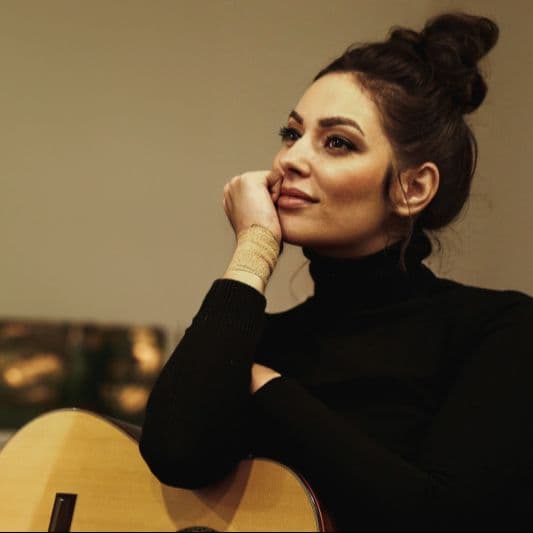
Nuestro flamenco
Nuestro flamenco - Mercedes Luján, guitarrista - 02/12/25
00:59:52
Mercedes Luján, guitarrista
Loading summary
Transcript103 lines
- [00:01]
A
RNE Audio Descarga la app y disfruta de los programas de RNE y nuestros podcast originales.
- [00:16]
En radio clásica de radio nacional de españa.
- [00:26]
Nuestro flamenco.
- [00:31]
Con josé maría velázquez gaztelu.
- [00:56]
Señoras y señores, amigos, los más cordiales saludos y bienvenidos a Nuestro Flamenco, el programa que todos los lunes y miércoles de 12 de la noche a 1 de la madrugada, les ofrece Radio Clásica Radio Nacional de España. También pueden acompañarnos cualquier día, a cualquier hora y desde cualquier país a través de nuestros podcast en r t v e. Audio Esta noche comenzamos Nuestro Flamenco con una celebración y también con un gesto de satisfacción, ya que nos visita no un guitarrista, sino una guitarrista, una guitarrista flamenca estupenda, que acaba de colgar en las redes una serie de piezas, en total nueve, que en su conjunto las ha Origen y Revolución. Ella se llama Mercedes Luján, pero como es costumbre en este programa y para situar musicalmente su trabajo, les ofrecemos una de estas piezas, la titulada Taranta para Paco.
- [08:04]
Taranta para Paco, una pieza del trabajo de Mercedes Luján, Origen y Revolución, que podemos encontrar en las redes sociales, YouTube, Spotify. Y que esta noche les presentamos aquí en Nuestro Flamenco, el programa de Radio Clásica, Radio Nacional de España. Mercedes Luján ha tenido la gentileza de atender nuestra llamada. ¿Desde dónde, Mercedes? ¿Dónde estás?
- [08:30]
B
Bueno, desde Madrid, desde casa, pues desde Madrid.
- [08:33]
A
Pues muy buenas noches Mercedes y gracias por estar con nosotros.
- [08:37]
B
Muy buenas noches, José María y muchas gracias a ti por invitarme.
- [08:41]
A
Encantado. Acabamos de conocer una pieza de Origen y Revolución titulada Taranta para Paco, que después de escuchar todo el conjunto, es decir, las ocho piezas restantes, creo que esta es especialmente reveladora. ¿Cómo la analizarías tú o qué supone Taranta para Paco dentro de Origen y Revolución?
- [09:03]
B
Pues como bien dices, Taranta para Paco es.
- [09:08]
Es un tema diferente porque marca un antes y un después en el disco, es un punto de inflexión, al igual que Paco de Lucía hizo con el flamenco. Yo he querido que esta Taranta para Paco sea, digamos, la columna vertebral del disco y lo que divide en dos mitades el origen y la revolución.
- [09:30]
A
Hablando de Paco de Lucía, y esto lo suelo contar de vez en cuando, me decía en una de las entrevistas que le hice que para ser un buen solista, un buen concertista, antes había que saber tocar para el baile y el cante. ¿Ese ha sido tu caso?
- [09:48]
B
Pues sí, también yo empecé acompañando al cante también he hecho algunas cositas en baile. Lo que menos he hecho ha sido baile, pero también hago de vez en cuando porque también me gusta y comparto totalmente la opinión del maestro. Una vez más, sabiduría por los cuatro costados. Sí, creo que tanto el cante como el baile le aportan al guitarrista. Primero, el cante lo sitúa donde es, porque lo primero es el cante, lo primero que nace, el tesoro más grande que tenemos en nuestro flamenco es conservar el cante. Entonces, si eres buen aficionado y te gusta el cante, ya tienes un punto ganado como guitarrista. Yo creo que la guitarra solista, cuando le quitas el cante, la desnaturalizas un poco, en cierto modo. Y cuando te gusta el cante, se notan los recursos que utilizas a la hora de componer. Y el baile igual, el baile te da una agilidad, te da un compás, un saber, un peso. Y la verdad que las dos cosas, las dos disciplinas son muy necesarias para poder ser solista.
- [10:52]
A
En estampas antiguas, del XIX, incluso de principios del siglo XX, vemos que hay mujeres guitarristas, aunque que yo sepa, no llegaron a dejar documentos sonoros ni en cilindros de cera ni en placas de pizarra. Después la guitarra, esa figura de la mujer guitarrista, prácticamente desapareció y ahora.
- [11:15]
Parece que está volviendo con fuerza. ¿Por qué crees tú que ha ocurrido ese proceso guadián? ¿Es decir, aparecer, desaparecer y volver a aparecer la guitarra en las manos de la mujer?
- [11:30]
B
Yo creo que la guitarra es un instrumento que requiere de un sacrificio, requiere de muchas horas de estudio, de que le dediques tu vida por completo. Mi abuelo decía que la guitarra te da lo que tú le pidas, pero te pide a cambio. Si tú le pides disfrutar con ella, pues ella te pide que de vez en cuando la toques un poquito. Si tú le pides comer de ella, pues te pide que ya te vayas dedicando lo que una jornada laboral de cualquier trabajo. Ahora, si tú le pides vivir de ella, te va a pedir tu vida a cambio. Y eso lo comparto. La guitarra es muy difícil, hay que echarle muchísimas horas. La guitarra tiene que ser el epicentro de todo lo que haces. Es así de egoísta, no te deja compartirla con nadie más. Y pienso que el proceso guadiánico, como me ha encantado esa definición, creo que se debe un poco también a la historia de este país. Nos situamos en años 40-50 de España y ve y dile a tu marido que no tienes la comida hecha porque está estudiando guitarra seis horas. Entonces, claro, creo que también se debió un poco a eso, a que la guitarra es tan incompatible con otras cosas que lamentablemente en esa época de nuestra historia creo que las mujeres no teníamos posibilidad.
- [12:47]
A
Pues aquí tenemos otra pieza de origen y revolución de Mercedes Luján, La solea. El don de la palabra.
- [17:37]
El don de la palabra Soreá de Mercedes Luján, que como es la primera vez que viene a nuestro flamenco, el programa de Radio Clásica, Radio Nacional de España, le diremos que Mercedes Sanguiao Nació en Lorca, Murcia, en 1987. Es hija de Luis Terry, presentador, comunicador, locutor radiofónico y como él mismo dice, agitador flamenco, y de la estupenda intérprete de la canción andaluza Rosa María Luján. Y también Mercedes Luján es nieta del guitarrista jerezano Luis Sanguiao Palma, el maestro Palmita, que por cierto fue discípulo de Javier Molina, lo mismo que Manuel Morao o Isidro Sanlúcar, el padre de Manolo. Pero en la trayectoria artística de Mercedes Luján hay concursos, premios, viajes. ¿Cómo has llevado a cabo tu formación guitarrística?
- [18:39]
B
Bueno, mi formación guitarrística.
- [18:42]
Aún está en proceso, como yo digo, eso nunca se deja deformarse. Uno, mi único maestro fue mi abuelo y luego lo demás lo he ido aprendiendo yo sola. Ha sido un poco, no sé cómo decirte, un poquito arcaico, porque a ver, mi abuelo, como bien has dicho, aprendió de Javier Molina. Nos situamos en la guitarra flamenca de hace 150 años. Mi abuelo me dejó a mí unos instrumentos, digámoslo así, por llamarlo, en vez de llamarlos recursos, como si te dejan unos instrumentos para medir el tiempo de hace 150 años, pero los tienes que usar hoy y tener la misma precisión que la gente que tiene un instrumento de hoy. Entonces ha sido un poco arcaico en ese sentido. En el sentido de que, bueno, de que hace 150 años, por ejemplo, no había técnica en la guitarra flamenca porque era simplemente para acompañar y poco más. Entonces, bueno, pues con todo lo que mi abuelo me dejó, yo he ido construyéndome lo poquito que soy hoy. Ahí sigo todavía aprendiendo y uniendo cabos y bueno, es como cuando lees el principio de un libro, lees el final y todavía estoy tendiendo puentes para saber qué pasó en medio. Así más o menos lo defino yo. Mi formación.
- [19:58]
A
Normalmente los guitarristas actuales acuden a los conservatorios, como bien sabe, acuden también a escuelas como la Fundación Cristina Jeren, etc. ¿Podemos hablar de que eres una guitarrista en este sentido autodidacta?
- [20:15]
B
Sí, podemos decirlo. Yo aprendí en casa, aprendí de tradición oral, como toda la vida, de oído y no sé leer música, por ejemplo.
- [20:28]
Lo poquito que he aprendido me ha tocado sola, escuchando mucho. Al final yo creo que el flamenco se ha mantenido tantos años porque tiene una fuerte tradición oral y si de verdad eres buena aficionada y de verdad escuchas, se aprende. Si lo has vivido en tu casa, como en mi caso, si lo has mamado desde tus raíces, pues con más motivo todavía encuentra eso, esos tesoros ocultos con más facilidad.
- [20:56]
A
¿Mercedes Y entonces te has creado.
- [21:00]
Una metodología para el aprendizaje, una propia metodología?
- [21:07]
B
Se podría decir que sí. Se podría decir que sí.
- [21:14]
A
Pues aquí tenemos, la hemos escuchado hasta ahora como solista, Mercedes, pero aquí tenemos La malagueña de Mercedes Luján, que se llama Malaca, la pieza.
- [21:29]
De Origen y revolución en la que interviene el cantaor Rancapino Chico.
- [23:24]
C
Porque nunca había llorado.
- [23:37]
De temple.
- [23:46]
Doble mi pecho.
- [24:05]
Porque nunca vivía Llora.
- [24:19]
Llora, llora como lloran los niños.
- [24:29]
Porque no tengo yo.
- [24:33]
A mi lado a quien quiero.
- [24:54]
Con cariño.
- [26:02]
Yo te voy a ti la gloria de a que llegue tu fin.
- [26:11]
Dios te va a dar ti la gloria.
- [26:18]
Fuiste tan buena pa mí.
- [26:25]
Que te llevo mi memoria.
- [26:52]
A
Malaca Malagueña de Mercedes Luján, con la voz de Ranca Pinochico. Una pieza de su trabajo que podemos escuchar en plataformas como Spotify, YouTube. Origen y Revolución, que les presentamos esta noche aquí en Nuestro Flamenco, el programa de Radio Clásica, Radio Nacional de Españ.
- [27:13]
Origen y revolución. No te he preguntado por el título, algo has apuntado tú, pero debes decir algo más, creo.
- [27:23]
B
Bueno, Origen y revolución se debe a que si escuchas el disco en orden es como que te narra un acontecimiento cronológico. Empiezo por ejemplo con la solea del don de la palabra y en La soledad hay por ejemplo la primera falseta de soledad del tema. Es la primera falseta de soledad de la que se tiene conciencia. Luego hago la misma versión de la falseta pero de Javier Molina. Ahí es por ejemplo, donde pongo la raíz de donde vengo. También.
- [27:56]
Influencias musicales de mi abuelo, por ejemplo, meto un trocito de una falseta de Ramón Montoya, luego paso a otra de mi abuelo y ya automáticamente toda la solea que sigue es composición propia. La malagueña por ejemplo, si te fijas la percusión que hay son panderetas, o sea panderos y panderetas, que de hecho es curioso porque hemos metido panderetas y las gallegas para intentar recuperar ese sonido del verdial antiguo sin tanto elemento percutivo moderno. Luego le sigue por ejemplo la bulería old school donde sólo hay palmas, donde no hay más percusión que la percusión originaria del flamenco y así sucesivamente vienen aconteciendo hechos en orden cronológico hasta que llega Taranta para Paco y a partir de Taranta para Paco aparece el cajón flamenco en el disco, aparecen los vientos, aparece el bajo eléctrico, es como que se van añadiendo elementos, igual que ha pasado en la historia, han ido añadiendo elementos al flamenco y básicamente por eso es origen y revolución, o sea, porque te va contando desde el origen más profundo de las raíces del flamenco hasta la revolución del flamenco de nuestros días, donde ya el flamenco es patrimonio de la humanidad y donde.
- [29:14]
Siempre que salimos fuera es la mejor llave para entrar a cualquier lado flamenco.
- [29:19]
A
Acabamos de escuchar a Mercedes Luján acompañando el cante, en este caso de Recapino Chico, ¿Existe quizá en tu caso una dualidad o una especie de debate entre el concert y la especialidad para el acompañamiento del cante o el baile?
- [29:37]
B
A mí me encanta el cante, lo que más me gusta a mí es acompañar el cante. El baile también lo disfruto, me gusta mucho por la creatividad que lleva el ponerle sonido a algo que no lo tiene, por ejemplo un zapateado es fácil ponerle sonido, pero a un movimiento con una mano que no tiene sonido, añadirle sonido a eso en el baile a mí me resulta ruta increíble, me encanta. Pero lo que de verdad yo disfruto es el acompañamiento al cante. Soy solista porque no me ha quedado otro camino, porque bueno, quizás el hecho de ser mujer también me ha condicionado.
- [30:13]
A que me haya tenido que buscar la vida por mi cuenta y como tenía también recursos porque se me da fácil el tema de la composición y también me gusta, también lo disfruto y. Y es una etapa de mi vida en la que estoy ahora mismo que no la cambio por nada. Pues quizás sí haya esa dualidad como tú dices, entre lo que yo considero el oficio de guitarrista, de tocaor o de tocaora y el concertista, el guitarrista que se debe a la guitarra y que tiene que dedicarle todos los días su vida para poderse subir al escenario y poder tener una limpieza, una ejecución, un lenguaje propio.
- [30:52]
Todo lo que conlleva ser artista de adelante.
- [30:56]
A
Al hilo de todo esto que acabas de decir, Mercedes Luján puede ser un ejemplo, incluso un aliciente para que otras guitarristas ocupen en el flamenco el sitio que le corresponde.
- [31:12]
B
Me encantaría ayudar a toda la guitarrista o a todo el guitarrista que se sintiera necesitado. Para mí.
- [31:20]
No considero que. No me considero ejemplo de nada, soy una persona más y le ha tocado currarse sola a muchas cosas. Si a alguien le sirve para aprender o alguien le sirve para animarse o para inspirarse, pues yo con eso, para mí, yo no me puedo ir de este mundo más feliz que si dejo, si aporto un legado, ya no a la gente, sino a lo que nosotros consideramos nuestro ADN, como es nuestra cultura y en este caso el flamenco. Si yo consigo aportarle al flamenco un granito de arena, yo ya habré cumplido mi cometido en este mundo.
- [32:00]
A
Mercedes Luján, Alegrías del Abanico Las palmas de Naín Real y Edu Gómez, las percusiones de Piraña y el bajo de Dani Noel. Mercedes Luján, muchísimas gracias por haber estado con nosotros. Gracias por tu música. Mucha suerte, ánimo y adelante.
- [32:22]
B
Muchas gracias, José María, muchas gracias.
- [36:50]
A
El Abanico Alegrías de Mercedes Luján, una pieza de su trabajo Origen y revolución que les hemos presentado esta noche.
- [37:08]
En radio clásica. Nuestro flamengo con josé maría velázquez gaztelu.
- [43:16]
Con las guitarras de Antonio Higuero y Paco León y las palmas y jaleos de Chicharito, Manuel Cantarote y José Rubici. Solea por bulería de Rancapino chino. Y a Rancapino Chico, que ya hemos escuchado en el primer tramo del programa interpretando La malagueña de Enrique el Mellizo con la guitarra de Mercedes Luján, le dedicamos esta segunda. Hijo del gran Rancapino Alonso Núñez Fernández, Rancapino Chico es una de las voces jóvenes más destacadas del ámbito flamenco. Comenzó muy niño, con seis años se subió a un escenario, ganó un primer premio que precisamente le entregó el maestro Fosforito, a quien siempre recordaremos. En 2019 Rancapino Chico grabó el disco Por mi amor al arte en directo, rodeado de amigos y por supuesto, de su padre, al que considera su maestro. Pues aquí tenemos de nuevo a Rancapino Chico en una tanda de fandangos con la guitarra de Antonio Higuero.
- [45:19]
C
El loco En la cerda estaba.
- [45:27]
Un corazón.
- [45:47]
Cuánto camrero.
- [46:01]
Un letrer.
- [46:27]
Me tiene como otro a mí.
- [46:32]
Me quería.
- [47:18]
Lo que paso yo por ti.
- [47:24]
Tú estás pasando por otro.
- [47:30]
Lado Lo que pasa yo por ti.
- [47:38]
Ese no te quiere a ti.
- [47:44]
Ni tú me quiere a mí. Tampoco habemos nacido.
- [47:51]
Pa sufrir.
- [48:55]
Y mientras que mi mama de mi alma a mí me viva y que yo en su casita siempre tengo un si viv.
- [49:15]
Y mientras que mi mamá está de mi alma.
- [49:19]
Ella a mí me viva.
- [49:27]
El día que ella se muere.
- [49:34]
Que yo me meto.
- [49:38]
Que yo me meto.
- [49:41]
Que yo me meto en una filo Y es porque yo ya no tengo quiere.
- [49:50]
Quiera a mí como ella.
- [49:55]
Y que lo tengo que me quiera a mí como ella.
- [50:23]
A
En directo, con la guitarra de Antonio Higuero. Tandas de fandangos en la voz de Rancapino Chico, del que para finalizar, escogemos un estilo del que su padre fue un gran las alegrías gaditanas. Las guitarras de Antonio Diero y Paco León y las palmas y jaleo de Chicharito, Manuel Cantarote y José Rubici.
- [51:10]
Vámonos.
- [52:02]
C
¿Que le llama relicario.
- [52:07]
A Caí? No le llaman Caí. ¿Que le llama relicario?
- [52:17]
Por pastora le pusieron.
- [52:22]
Y a la bien que del rosario Cuando te venga conmigo, que donde te voy a llevar y a darte una vueltecita por la muralla.
- [52:48]
Vengo de una cuna dulce.
- [52:53]
De arte y poderío.
- [52:58]
Vengo de una cuna duce.
- [53:03]
B
De los.
- [53:04]
C
Mimbres de mi padre.
- [53:09]
El cante mío.
- [53:13]
De los miembros de mi padre haya nacido el cante mío Yo estaba Mi abuela que es la castaña, la abuela de mi mar, mi mare gu mi tío del puerto, Como cantaba mi abuela Rafaela. Buena y tana, Buena y tana.
- [54:15]
Pueblo gaditano.
- [54:20]
Chiclana de la frontera.
- [54:26]
Mientras no piso tu suelo.
- [54:31]
Que sueño con esta tubera Tiene Ciclana una playa.
- [54:40]
Cata la margarita. Huelen a rosa, Huelen a rosa, Mare huele.
- [54:51]
Si, claro. Una playa ahí que la Barrosa.
- [55:07]
Alonso es mi nombre, por si lo quieren saber. De Rafa y tana soy de la cabeza, los pies nací la calle, la fuente y el chicle Me crié lleno.
- [55:25]
Orgulloso.
- [55:39]
A
Con las guitarras de Antonio Higuero y Paco León. Alegrías de Rancapino Chico. Y nada más amigos, muchas gracias por habernos acompañado con José Luis Beltrán en la edición. Nos despedimos de ustedes y les esperamos los lunes y miércoles de 12 de la noche a 1 de la madrugada.
- [56:03]
Nuestro flamenco.
- [56:08]
Con José María Velázquez Gaztelu.