Podcast
Omni Talk Retail
Hosted by Omni Talk Retail · EN
Omni Talk Retail provides news, analysis, and commentary on the latest trends and issues in the retail industry. It covers a wide range of topics related to retail, including e-commerce, technology, marketing, and consumer behavior. The podcast regularly features industry experts, Chris Walton and Anne Mezzenga, as well as retail thought leaders who all share their insights and perspectives on the latest developments in retail.
627episodes
Episodes
Newest firstAll episodes
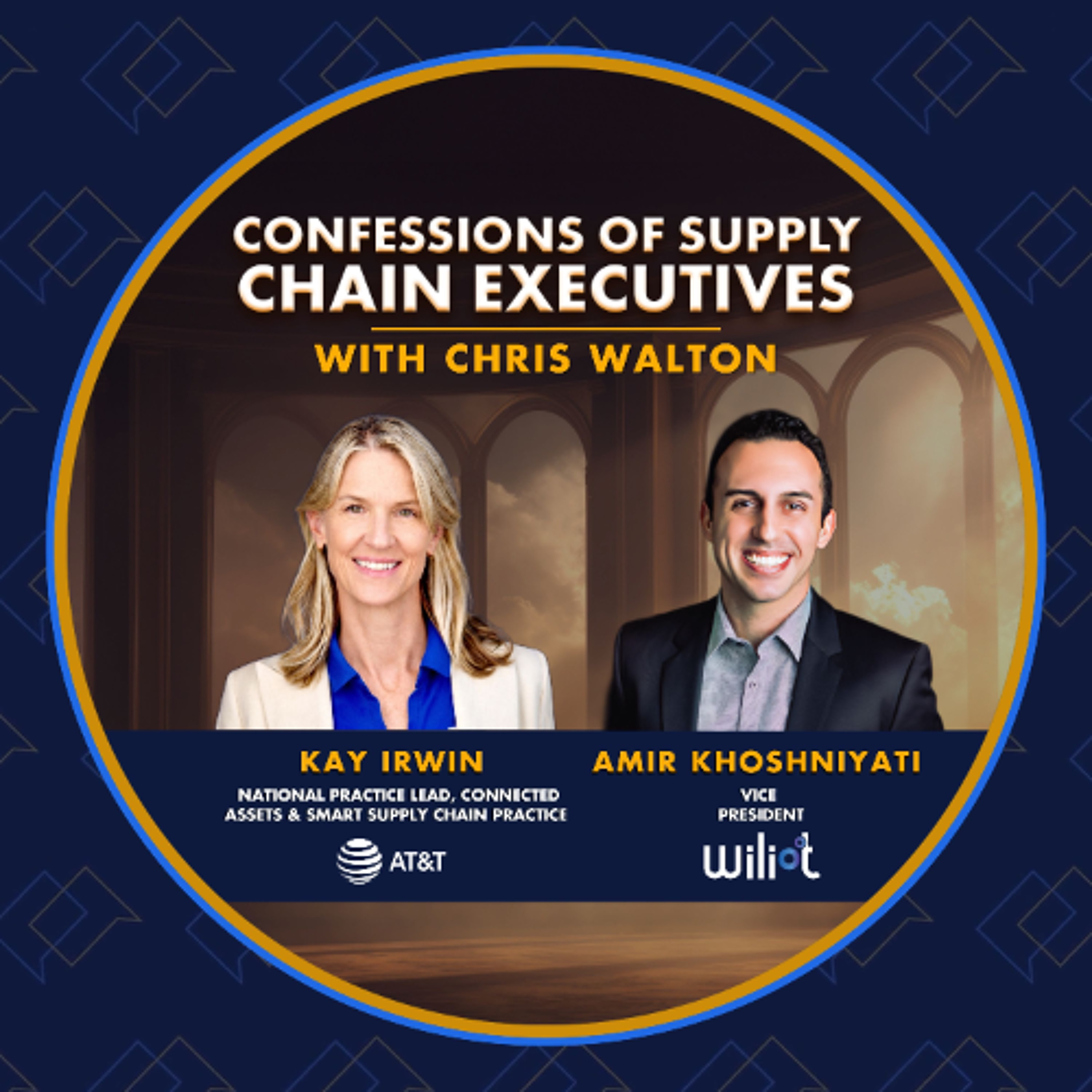
Confessions Of Supply Chain Executives | The End Of Inventory Guesswork
Jul 600:56:26Tap to summarizeIn this episode of Confessions Of Supply Chain Executives, host Chris Walton sits down with Amir Khoshniyati, Vice President at Wiliot, and Kay Irwin, National Practice Lead for Connected Assets & Smart Supply Chain at AT&T, to explore one of the biggest unsolved challenges in retail: inventory visibility. Despite decades of investment in supply chain technology, most retailers still struggle to know exactly where inventory is at any given moment. Products move through warehouses, distribution centers, trucks, and stores with significant blind spots along the way, creating costly inefficiencies, spoilage, shrink, and lost sales. Amir and Kay explain how the emerging concept of Physical AI combines real-world sensing, connectivity, and artificial intelligence to create continuous visibility across the supply chain. From tracking reusable assets and monitoring freshness to preventing misrouted shipments and improving inventory accuracy, they break down how retailers can move from reactive operations to predictive decision-making. The conversation also explores why technology may no longer be the biggest barrier to adoption and why organizational alignment could be the real challenge standing in the way. Key topics covered: • What Physical AI actually means and why it matters • Why retailers still struggle with inventory visibility • How AI turns supply chain data into predictive insights • The hidden costs of supply chain blind spots • Reducing spoilage, shrink, and misrouted shipments • How real-time sensing improves inventory accuracy • The role connectivity plays in scaling Physical AI • Why organizational change is harder than technology adoption • The five biggest supply chain use cases retailers should evaluate today • A practical 30-day action plan for supply chain leaders Music by hooksounds.com *Sponsored Content*
Transcribe →
Retail’s Mid-Year Report Card With Ethan Chernofsky of Placer.ai | Ask An Expert
Jul 200:42:10Tap to summarize• It is that time of the year again! The time where Omni Talk and Placer.ai get together for their annual tradition of handing out mid-year grades across retail. Placer.ai's Chief Marketing Officer, Ethan Chernofsky, is back to give his mid-year report card assessment of which retailers are setting the pace, which ones are making impressive comebacks, and which emerging trends are shaping the future of retail. Using Placer.ai's industry-leading location analytics and foot traffic data, Ethan joins Chris Walton to break down the biggest retail stories from the first half of 2026. Together, they discuss why retailers like Five Below, Ross, Costco, and Walmart continue to outperform, whether Starbucks' turnaround is gaining real momentum, if Target is truly on the road to recovery, and why America's malls continue to surprise even the biggest retail experts. Key topics covered: • Why Five Below, Ross, Costco, and Walmart earn top marks halfway through 2026 • Starbucks' turnaround and the early success of its "Back to Starbucks" strategy • Whether Target's improving traffic signals a true recovery or simply easier year-over-year comparisons • Why malls continue to outperform expectations and attract younger shoppers • The resurgence of experiential retail and what it means for the future of shopping • Why traditional grocery stores remain remarkably resilient despite increased competition • The continued growth of coffee chains and fitness brands across the U.S. • Why the retail impact of GLP-1 medications remains difficult to measure • Surprising insights behind Shein's acquisition of Everlane • How Costco, Sam's Club, and BJ's use fuel programs to strengthen customer loyalty • What Dairy Queen's biggest traffic day reveals about retail strategy and seasonal merchandising • Why retailers must continue evolving their merchandising and customer experience to stay ahead Whether you're a retailer, brand leader, investor, or simply fascinated by consumer behavior, this annual mid-year retail report offers data-backed insights into the trends shaping retail in 2026. Music by hooksounds.com Sponsored Content
Transcribe →
Radios Are Dead and Here Is What Comes Next for Retail Store Ops
Jun 2900:33:10Tap to summarizeIn this Retail Technology Spotlight series, Chris Walton sits down with Soroosh Seyhoon, Chief Revenue Officer at Zello, to explore how capturing and analyzing frontline voice data is transforming the way retailers understand and manage store operations. From AI-powered in-ear assistants to real-time operational intelligence, Soroosh explains why the conversations happening on the sales floor represent an untapped goldmine of data that most retailers are completely ignoring. Drawing from deployments across hundreds of store locations, Soroosh shares how Zello is helping retailers move beyond measuring outputs like sales and throughput to finally measuring the inputs, the frontline communications that drive those results. The conversation covers everything from reducing associate turnover and accelerating onboarding to auto-reporting safety incidents and uncovering hidden staffing inefficiencies hiding in plain sight. From digitizing push-to-talk communications to replacing two-device workflows with a single-pane-of-glass solution, this episode offers a practical roadmap for retailers ready to stop flying blind on what's actually happening on the floor and start building the connected store of the future. Key Topics Covered: 00:01:44 - The friction points plaguing store operations today and why "hearsay" is running retail 00:05:40 - How voice data transforms store operations from outputs to inputs 00:08:38 - Meet Ella: Zello's AI agent that answers associate questions in real time 00:16:20 - Real-world examples: price check patterns, safety incidents, and broken buttons 00:21:19 - Where retailers should start to get the biggest bang for their buck 00:24:16 - What's next: proactive AI agents, PBX integration, and push to connect Over 8 years and nearly 200 episodes, the Retail Technology Spotlight Series has featured some of the biggest names and boldest thinkers in retail. Explore the full archive here: https://omnitalk.blog/category/spotlight-series-podcast/ Sponsored Content
Transcribe →
Lightning Round: Prime Day Shopping, Fast Food Takes, & Old Hickory | Fast Five Shorts
Jun 2600:05:22Tap to summarizeThis Omni Talk Retail Fast Five lightning round covers a little bit of everything, from the passing of legendary Fed chairman Alan Greenspan at age 100 and the question of who deserves the title of favorite economist, to whether Chris and Jenn are Prime Day shoppers (spoiler: neither is exactly hitting refresh at midnight). They also weigh in on Jersey Mike's overtaking Chick-fil-A as Florida's favorite fast food chain and Jenn makes a strong case for the family-sized sub. Plus, in honor of the Fourth of July weekend, Chris shares his pick for favorite historical U.S. figure, and it involves one of the all-time great presidential nicknames. A fun, fast, and slightly chaotic end to another great episode of the Omni Talk Fast Five. ⏩ Tune in for the full episode here: https://youtu.be/k2JviUlR0-Q
Transcribe →E-Grocery Just Surged 28% And Regional Grocers Should Look to Sweden | Fast Five Shorts
Jun 2600:09:50Tap to summarizeThis Omni Talk Retail Fast Five segment breaks down the explosive June 2025 e-grocery data from Brick Meets Click and Mercatus, which showed a 28% year-over-year surge to $9.8 billion, with delivery, pickup, and ship-to-home all posting gains of 25% or more. Chris Walton and Jenn Hahn dig into what's really driving the growth, from the rise of the free delivery era to why time-starved consumers are leaning on online grocery harder than ever. Chris makes the case that regional grocers shouldn't just benchmark against Walmart and Amazon. They should be looking to Sweden, where grocers are making e-grocery profitable despite $35-an-hour starting wages. They also discuss why Walmart is quietly gobbling up grocery market share, what hard discounters like Aldi are doing right, and why Jenn's 80%+ online grocery habit might be the canary in the coal mine for traditional supermarkets everywhere. ⏩ Tune in for the full episode here: https://youtu.be/k2JviUlR0-Q
Transcribe →Kroger's E-Commerce Finally Turns a Profit | Fast Five Shorts
Jun 2600:05:20Tap to summarizeThis Omni Talk Retail Fast Five segment tackles Kroger's Q1 fiscal 2026 earnings, where the grocery giant posted $46.1 billion in total sales and announced that its e-commerce business turned a profit for the very first time, ahead of schedule. Chris Walton and Jenn Hahn give credit where it's due, but push back hard on the feel-good narrative. With identical sales missing expectations, e-commerce growth lagging the broader market surge discussed in the previous headline, and CEO Ron Ferens admitting that only two out of five stores are in very good condition, the duo asks whether Kroger's digital milestone is a genuine turning point or a shiny distraction from deeper operational challenges. They also weigh in on what a real turnaround looks like, how much runway a new CEO deserves, and why the store experience still has to be at the center of any recovery story. ⏩ Tune in for the full episode here: https://youtu.be/k2JviUlR0-Q
Transcribe →Bed Bath & Beyond Wants Your OLD Coupons Back | Fast Five Shorts
Jun 2600:03:53Tap to summarizeThis Omni Talk Retail Fast Five segment covers Bed Bath & Beyond's Legendary Coupon Hunt, a 21-day nationwide sweepstakes inviting customers to dig out their old iconic blue 20% off coupons for a chance to win a $100,000 home refresh. Chris Walton and Jenn Hahn don't hold back. With only around 22 Bed Bath & Beyond branded stores still open and a grand prize that signals the brand isn't exactly betting the house on this one, the duo rates this squarely at a 99 out of 100 on the gimmick scale. They also compare it to Jeep's equally eyebrow-raising George Washington World Cup giveaway and debate whether buzz-worthy stunts like these can ever translate into real, lasting customer loyalty or whether they're just noise. ⏩ Tune in for the full episode here: https://youtu.be/k2JviUlR0-Q
Transcribe →Ahold Delhaize Looks to Amazon for Its Next CEO | Fast Five Shorts
Jun 2600:05:49Tap to summarizeThis Omni Talk Retail Fast Five segment examines Ahold Delhaize's decision to appoint former Amazon Fresh executive Claire Peters as CEO of Ahold Delhaize USA and what the hire could mean for one of the largest grocery retailers in the U.S. Chris Walton and Jenn Hahn discuss why Ahold Delhaize looked beyond traditional grocery talent, what Claire Peters' experience at Amazon, Woolworths, and Tesco brings to the role, and whether an unconventional leadership hire is exactly what the company needs. They also explore the growing trend of retailers recruiting executives from outside their core industry, why fresh perspectives can spark transformation, and whether taking a chance on nontraditional talent is worth the risk. ⏩ Tune in for the full episode here: https://youtu.be/k2JviUlR0-Q
Transcribe →Target's "Cheap Chic" Is Back With Isaac Mizrahi? | Fast Five Shorts
Jun 2600:05:27Tap to summarizeThis Omni Talk Retail Fast Five segment reacts to Target's decision to name fashion icon Isaac Mizrahi as its first-ever Creative Director at Large, a brand new role in which Mizrahi will advise on product design, mentor Target designers, and help the retailer reclaim its iconic cheap chic identity. Chris Walton and Jenn Hahn aren't exactly wowed. While they agree that creativity never hurts, both question whether a lack of design vision is actually what's holding Target back right now or whether the real issues are operational, from store execution to service to merchandising. Chris draws on his Target background to push back on the nostalgia play, invoking the legendary Missoni sellout as a reminder that you can't go back to the well and expect the same magic twice. They also wonder aloud where Mizrahi's influence will begin and end across a portfolio this broad and whether this headline is more about buzz than genuine strategic direction. ⏩ Tune in for the full episode here: https://youtu.be/k2JviUlR0-Q
Transcribe →
The Rohlik Group's Formula for Profitable Online Grocery | 5IM
Jun 2500:07:01Tap to summarizeIn this 5 Insightful Minutes episode, Rita Kerbaj, Chief Strategy Officer at the Rohlik Group, joins Omni Talk to discuss the evolving economics of online grocery and what retailers need to do to build a profitable e-grocery business for the long term. Drawing from Rohlik Group's success operating one of Europe's leading online grocery businesses, Rita explains why the industry's early struggles with profitability stemmed from inefficient fulfillment, small basket sizes, and costly last-mile operations. She also shares how retailers can leverage automation, fulfillment centers, and integrated omnichannel strategies to meet growing customer expectations while improving unit economics and building sustainable long-term growth. Key Topics Covered: • Why online grocery was historically considered structurally unprofitable • How larger basket sizes and dedicated fulfillment networks improve unit economics • Why same-day grocery delivery can be profitable when supported by the right infrastructure • The role of dark stores, micro-fulfillment centers, and automated fulfillment operations • When store-based picking still makes sense and when retailers should move beyond it • Why order density and demand concentration are critical to profitability • How Rohlik Group built a successful online grocery business without physical stores • The importance of creating a unified omnichannel operating model • How AI, automation, and connected systems are transforming grocery fulfillment • Why the future winners in grocery will optimize both customer experience and operational efficiency P.S. To explore more conversations from the OmniTalk Five Insightful Minutes Series, head here: https://omnitalk.blog/category/5-insight-minutes-videos/ Music by hooksounds.com *Sponsored Content*
Transcribe →